Category: Uncategorized

  • Hydrogen Economy & Fuel Cell Commercialization: What’s Actually Happening in 2026?

    Picture this: It’s a chilly morning in Seoul, and a city bus glides past you — no exhaust fumes, barely a whisper of noise, and the only byproduct drifting from its tailpipe is a tiny puff of water vapor. That’s not a futuristic fantasy anymore. That’s Tuesday in 2026. But here’s the thing — while hydrogen fuel cells are undeniably making real strides, the road from “promising technology” to “mainstream commercial reality” is bumpier and more fascinating than most headlines let on. Let’s think through this together, because the hydrogen story is one of the most nuanced energy conversations happening right now.

    hydrogen fuel cell bus commercial fleet city 2026

    Where Does Hydrogen Economy Actually Stand in 2026?

    Let’s ground ourselves in data before getting swept up in the hype. The global hydrogen market was valued at approximately $242 billion in 2025 and analysts at BloombergNEF project it to surpass $300 billion by end of 2026, driven largely by policy mandates in the EU, South Korea, Japan, and the United States under the continued rollout of the Inflation Reduction Act’s clean hydrogen tax credits. Green hydrogen — produced via electrolysis powered by renewables — is the crown jewel everyone is chasing, but it still represents only about 4–6% of total hydrogen production globally. The rest? Still predominantly grey hydrogen from natural gas reforming.

    That gap matters. A lot. Because when we talk about the “hydrogen economy,” we’re really talking about a spectrum of technologies and pathways that don’t all move at the same speed.

    Fuel Cell Technology: The Commercial Breakdown

    Fuel cells come in several flavors, and each has its own commercialization timeline:

    • Proton Exchange Membrane (PEM) Fuel Cells: The frontrunner for transportation applications. Toyota’s Mirai, Hyundai’s NEXO, and heavy-duty truck platforms from Nikola (yes, they’re still in the game) all rely on PEM technology. Stack costs have dropped roughly 60% since 2020, now hovering around $80–$100/kW for automotive-grade systems in 2026.
    • Solid Oxide Fuel Cells (SOFCs): The workhorse for stationary power. Companies like Bloom Energy are deploying SOFC units in data centers and industrial facilities, where consistent baseload power is more important than quick startups.
    • Molten Carbonate Fuel Cells (MCFCs): Niche but valuable in industrial heat-and-power co-generation. They operate at high temperatures (~650°C), making them ideal for cement plants and steel mills trying to decarbonize.
    • Alkaline Fuel Cells (AFCs): Largely confined to aerospace and specialized marine applications in 2026. NASA still loves them.
    • Phosphoric Acid Fuel Cells (PAFCs): Mature but gradually being phased out in favor of PEM and SOFC in most commercial deployments.

    South Korea: The Hydrogen Republic’s Real Progress Report

    South Korea deserves special attention here. The government’s Hydrogen Economy Roadmap — originally unveiled in 2019 — has been updated twice since, and 2026 marks what officials call the “second phase” of commercialization. Hyundai Motor Group has deployed over 32,000 NEXO fuel cell vehicles domestically as of early 2026, and its heavy-duty XCIENT hydrogen trucks are now operating across logistics corridors in Gyeonggi Province with a target of 1,600 units by year-end.

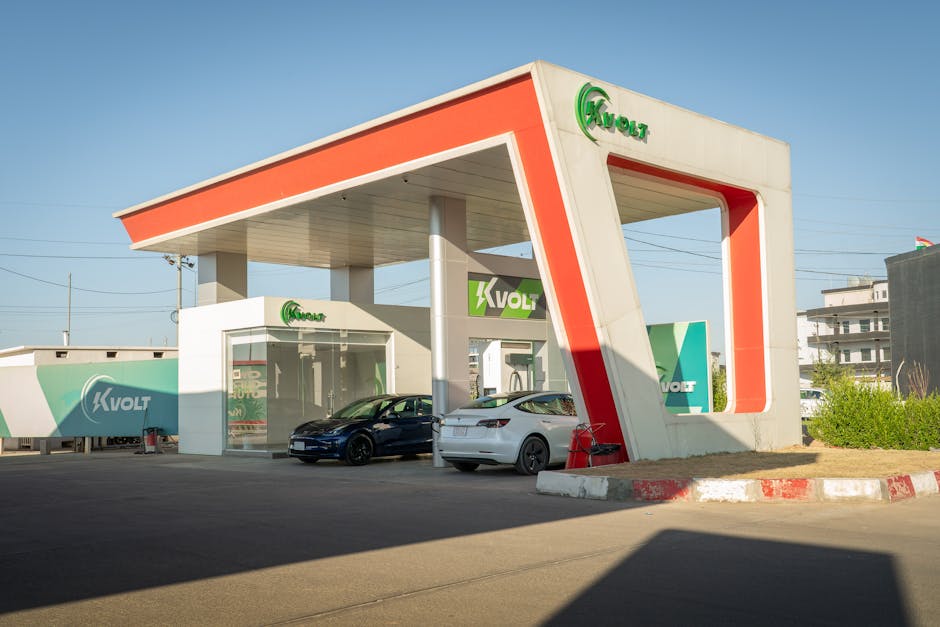
    On the infrastructure side, South Korea crossed the milestone of 300 hydrogen refueling stations nationwide in late 2025 — still far behind the government’s original target of 660 by 2025, but meaningful progress nonetheless. The honest reality? Siting disputes, permitting delays, and upfront capital costs (~$2–3 million per station) have slowed rollout consistently. That’s a pattern worth noting.

    hydrogen refueling station South Korea infrastructure 2026

    International Case Studies: Japan, Germany, and the US

    Japan’s Basic Hydrogen Strategy (revised 2023) is showing results in 2026, particularly in the residential ENE-FARM fuel cell program, which has now installed over 600,000 micro-CHP units in homes — the largest residential fuel cell deployment in the world. This is a model that rarely gets discussed in Western media, and it’s genuinely impressive in its quiet, distributed approach to decarbonization.

    Germany, through its National Hydrogen Strategy and the H2Global initiative, is importing green hydrogen from countries like Namibia, Chile, and Morocco. The Hamburg Green Hydrogen Hub came online in mid-2025 and is now producing green hydrogen at scale for industrial use in the Rhine-Ruhr corridor. The cost? Still around €4–6/kg for delivered green hydrogen — compared to the €1–2/kg target needed for broad industrial competitiveness. The gap is closing, but slowly.

    In the United States, the Regional Clean Hydrogen Hubs (H2Hubs) program — funded with $8 billion from the Bipartisan Infrastructure Law — has seen its first three hubs reach operational status in the Pacific Northwest, Gulf Coast, and Appalachian regions in early 2026. These hubs are critical because they tackle the chicken-and-egg problem: building supply and demand infrastructure simultaneously rather than sequentially.

    The Honest Challenges No One Loves to Talk About

    Let’s not sugarcoat it. Hydrogen commercialization faces structural challenges that enthusiasm alone won’t solve:

    • Levelized Cost of Hydrogen (LCOH): Green hydrogen still costs roughly $3–$7/kg in most markets in 2026, while grey hydrogen sits at $1–$2/kg. Economic parity requires either a significant carbon price or continued electrolyzer cost reductions.
    • Electrolyzer manufacturing scale: Global electrolyzer capacity was about 17 GW/year in 2025 — impressive growth, but projects announced globally require far more capacity. Supply chain bottlenecks in iridium (for PEM electrolyzers) remain a genuine concern.
    • Energy efficiency losses: The full power-to-hydrogen-to-power cycle is roughly 25–35% efficient, compared to 70–90% for battery storage in direct electricity applications. This means hydrogen makes most sense where direct electrification is impractical — long-haul trucking, shipping, aviation, industrial heat — not as a universal replacement for batteries.
    • Public perception and safety education: Despite hydrogen’s strong safety record (better than gasoline in many metrics), public hesitation around refueling station siting persists across markets.

    Realistic Alternatives and Strategic Pathways

    Here’s where I want to be genuinely useful to you, depending on your situation:

    If you’re an investor: The most commercially de-risked bets in 2026 are stationary fuel cells for industrial and data center applications (Bloom Energy, Doosan Fuel Cell), and hydrogen-powered heavy-duty transport — not passenger cars. The passenger FCEV market is growing, but battery EVs are simply more competitive in that segment right now.

    If you’re a policy advocate or researcher: Push for hydrogen in sectors where electrification is genuinely hard — green steel, ammonia production, long-haul maritime shipping. These are the applications where hydrogen’s premium is most justifiable and where fossil fuel lock-in risk is highest.

    If you’re a homeowner or small business: Micro-CHP fuel cell units (like Japan’s ENE-FARM model, now being piloted in Germany and South Korea) are worth watching. They’re not yet economically competitive without subsidies in most markets, but if you’re building or retrofitting in a hydrogen-forward region, the infrastructure bet over a 15–20 year horizon is increasingly reasonable.

    If you’re simply a curious citizen: The most impactful thing you can support is local infrastructure investment — because the hydrogen economy’s success is almost entirely dependent on whether the refueling and distribution network reaches critical mass before investor patience runs out.

    The hydrogen economy in 2026 is neither the silver bullet its champions claim nor the expensive distraction its critics insist. It’s a genuinely necessary piece of a complex decarbonization puzzle — one that works best when deployed thoughtfully, in the right sectors, with realistic cost expectations. The commercial dawn is here, just not evenly distributed yet.

    Editor’s Comment : The most intellectually honest thing we can say about hydrogen fuel cells in 2026 is this — the technology works, the economics are improving, and the use cases are getting clearer. But the biggest risk to the hydrogen economy isn’t the technology itself; it’s the temptation to deploy it everywhere rather than focusing its strengths where it truly shines. The sectors that get the targeting right will lead the next decade of energy transformation. The ones that chase hydrogen as a universal cure-all will be writing expensive cautionary tales.


    📚 관련된 다른 글도 읽어 보세요

    태그: [‘hydrogen economy 2026’, ‘fuel cell commercialization’, ‘green hydrogen’, ‘PEM fuel cell’, ‘hydrogen infrastructure’, ‘clean energy transition’, ‘hydrogen vehicle technology’]

  • 수소경제 연료전지 상업화 전망 2026: 드디어 ‘진짜 시대’가 열리는가?

    얼마 전 지인 한 분이 수소차를 구매했다고 연락을 해왔어요. 그런데 정작 충전소가 집 근처에 없어서 주말마다 30분 거리를 달려야 한다는 하소연을 들었습니다. 기술은 이미 충분히 성숙했는데, 인프라와 경제성이라는 ‘현실의 벽’이 여전히 높다는 걸 체감하는 순간이었죠. 수소경제와 연료전지 상업화를 이야기할 때마다 늘 이 간극이 문제였는데요, 2026년 현재 그 간극이 조금씩 좁혀지고 있다는 신호들이 곳곳에서 포착되고 있습니다. 오늘은 그 흐름을 함께 짚어보려 합니다.

    hydrogen fuel cell power plant industrial facility 2026

    📊 숫자로 보는 수소경제의 현재 위치

    글로벌 수소 시장 규모는 2026년 기준 약 2,200억 달러(한화 약 295조 원) 수준으로 추산되고 있어요. 2020년 대비 두 배 이상 성장한 수치입니다. 특히 연료전지(Fuel Cell) 분야는 발전용·수송용·건물용을 통틀어 연평균 성장률(CAGR) 약 18~20%를 유지하며 가장 빠르게 상업화 경로를 걷고 있다고 봅니다.

    국제에너지기구(IEA)의 2026년 초 보고서에 따르면 수소 1kg 생산 단가 측면에서 그린수소(재생에너지 기반 수전해) 비용이 kg당 3~5달러 수준까지 내려왔습니다. 2021년 기준 5~7달러였던 것과 비교하면 상당히 의미 있는 하락이에요. 다만 화석연료 기반 그레이수소(kg당 1~2달러)와의 격차는 여전히 존재하기 때문에, 정책 지원 없이는 ‘순수 시장 경쟁’이 쉽지 않은 구조라는 점은 솔직히 인정해야 합니다.

    연료전지 스택(Stack) 가격도 꾸준히 떨어지고 있어요. 수소연료전지차(FCEV)에 탑재되는 연료전지 시스템의 경우, kW당 단가가 2026년 기준 약 50~70달러까지 낮아졌다는 분석이 나오고 있습니다. 전문가들이 상업적 임계점으로 보는 kW당 30달러에는 아직 못 미치지만, 방향성 자체는 분명히 우하향이라고 봐요.

    🌏 국내외 연료전지 상업화 사례: 이미 시작된 ‘현장’

    국내 사례부터 살펴볼게요. 한국은 2026년 현재 발전용 연료전지 설치 용량 기준으로 세계 1~2위를 다툴 만큼 앞서 있는 시장이에요. 한국가스공사와 두산퓨얼셀이 협력해 구축한 대규모 발전용 PAFC(인산형 연료전지) 시설들이 수도권 곳곳에 운영 중이고, LNG 기반 분산형 발전으로 에너지 안보에도 기여하고 있습니다. 특히 아파트 단지와 연계한 건물용 연료전지(수 kW급 SOFC) 보급이 2025~2026년을 기점으로 눈에 띄게 늘어나고 있어요.

    해외 사례도 흥미롭습니다. 미국은 인플레이션 감축법(IRA)의 수소 생산 세액공제(PTC) 조항 덕분에 그린수소 프로젝트가 쏟아지고 있어요. 텍사스주와 캘리포니아주를 중심으로 대규모 수전해(Electrolyzer) 공장이 가동을 시작했고, Air Products와 같은 기업들이 수소 공급망 구축에 수십억 달러를 투자하고 있습니다. 유럽에서는 독일 함부르크 항구가 수소 기반 암모니아 벙커링(선박 연료) 허브로 전환하는 프로젝트를 실증 단계에서 상용화 단계로 격상시켰고, 일본은 가정용 에너지팜(ENE-FARM) 시스템을 60만 대 이상 보급하며 건물용 연료전지의 저변을 넓혀가고 있어요.

    green hydrogen electrolyzer renewable energy infrastructure

    🔍 상업화를 가로막는 ‘현실적 허들’들

    긍정적인 흐름만 있는 건 아니에요. 상업화를 위해 반드시 넘어야 할 과제들을 솔직하게 짚어봐야 한다고 생각합니다.

    • 인프라 부족: 국내 수소충전소는 2026년 현재 약 300개소를 넘어섰지만, 전국 주유소 수(약 1만 1천여 개)와 비교하면 여전히 턱없이 부족합니다. 지방 이동 시 충전 불안(Range Anxiety)이 아닌 ‘충전소 불안(Station Anxiety)’이 현실이에요.
    • 그린수소의 경제성: 현재 유통되는 수소의 95% 이상은 여전히 그레이수소 또는 블루수소입니다. 진정한 탄소중립을 위한 그린수소는 비싸고, 이 비용을 누가 부담하느냐에 대한 사회적 합의가 아직 미완성이에요.
    • 수소 저장·운반 기술: 수소는 부피 대비 에너지 밀도가 낮고 액화 시 극저온(-253°C)을 유지해야 합니다. 저장·운반 기술의 비용과 안전성 이슈는 공급망 구축의 가장 큰 걸림돌 중 하나라고 봅니다.
    • 내구성과 유지비용: 연료전지 스택은 오염물질(황화합물, 일산화탄소 등)에 매우 민감해요. 실제 운용 환경에서의 내구 수명과 유지보수 비용은 여전히 경쟁 기술 대비 높은 편입니다.
    • 정책 불확실성: 수소 보조금과 세제 혜택은 각국 정부의 에너지 정책 방향에 따라 크게 흔들릴 수 있어요. 장기 투자 유인이 정책에 지나치게 의존적이라는 구조적 취약성이 있습니다.

    💡 2026년, 연료전지 상업화의 ‘티핑 포인트’는 어디인가

    그럼에도 불구하고 2026년이 의미 있는 이유가 있습니다. 몇 가지 구조적 변화가 동시에 맞물리고 있거든요. 첫째, 대규모 수전해 설비의 가격이 빠르게 하락하면서 그린수소 생산 단가가 처음으로 ‘심리적 저항선’을 넘기 시작했고, 둘째, 배터리 전기차(BEV)와 경쟁하기보다 대형 상용차·선박·철강 등 탈탄소화가 어려운 영역(Hard-to-Abate Sectors)에서 연료전지의 역할이 명확해지고 있다는 점이에요. 모든 곳에 연료전지를 쓰는 시대가 아니라, 연료전지가 가장 빛나는 ‘구간’이 특정되고 있다는 뜻이라고 봅니다.

    셋째로, SOFC(고체산화물 연료전지)의 상업화 가속화가 눈에 띕니다. 전통적인 PEMFC(고분자 전해질막 연료전지)뿐만 아니라, 고온 운용을 통해 높은 효율(60% 이상)을 달성할 수 있는 SOFC가 데이터센터, 병원, 공항 등 24시간 고신뢰성 전력이 필요한 시설의 분산 발전원으로 진지하게 검토되고 있어요.

    📌 현실적으로 ‘지금’ 우리가 주목해야 할 것들

    투자나 산업 동향을 주시하는 분들이라면, 연료전지 밸류체인(Value Chain) 전체를 볼 필요가 있어요. 완성차보다는 핵심 소재·부품 기업(멤브레인, 촉매, 분리판 등), 그리고 수전해 설비를 만드는 기업들이 실질적인 성장의 과실을 가져가는 경우가 많습니다. 또한 수소 발전과 연계된 전력망 안정화·ESS(에너지저장장치) 연계 솔루션도 함께 살펴봐야 전체 그림이 보인다고 생각해요.

    일반 소비자 입장에서는 당장 수소차를 구매하기보다, 건물용 연료전지 보급 지원 사업이나 지역 수소 시범도시 프로젝트를 주목하는 것이 더 현실적인 접근일 수 있습니다. 정부 보조금이 집중되는 영역에서 실질적인 혜택을 먼저 경험할 수 있으니까요.


    에디터 코멘트 : 수소경제와 연료전지 상업화는 ‘언젠가는 올 미래’에서 ‘지금 조각조각 현실이 되는 과정’ 으로 넘어오고 있는 것 같습니다. 다만 모든 영역을 한꺼번에 수소로 대체하는 건 과욕이고, 배터리가 잘하는 건 배터리에 맡기고 수소가 진짜 강점을 발휘하는 ‘적재적소’를 찾는 것이 2026년 이후 수소경제의 핵심 과제라고 봐요. 기술 낙관론도, 무조건적인 회의론도 모두 경계하면서, 숫자와 실제 사례를 바탕으로 냉정하게 흐름을 읽어나가는 것이 가장 현명한 태도인 것 같습니다.


    📚 관련된 다른 글도 읽어 보세요

    태그: [‘수소경제’, ‘연료전지상업화’, ‘그린수소’, ‘수소연료전지’, ‘FCEV’, ‘수소충전소’, ‘탄소중립2026’]

  • 2026 SOFC Technology: Solid Oxide Fuel Cells Are Quietly Rewriting the Energy Playbook

    Picture this: a hospital in Seoul running 24/7 on a box roughly the size of a shipping container, producing almost zero emissions, with an efficiency that would make a conventional gas turbine blush. That’s not a futuristic fantasy — it’s happening right now in 2026, thanks to rapid advances in Solid Oxide Fuel Cell (SOFC) technology. If you’ve been sleeping on this energy story, let’s wake up together and dig into why SOFC is suddenly the hottest topic in clean energy circles.

    solid oxide fuel cell SOFC technology 2026 clean energy power generation

    🔬 What Exactly Is an SOFC? (And Why Should You Care?)

    Let’s start from the ground up. A Solid Oxide Fuel Cell is an electrochemical device that converts fuel — typically hydrogen, natural gas, or even ammonia — directly into electricity through a chemical reaction, bypassing combustion entirely. The “solid oxide” part refers to the ceramic electrolyte material (usually yttria-stabilized zirconia, or YSZ) that conducts oxygen ions at very high temperatures, typically between 600°C and 1,000°C.

    Why does that matter? Because skipping combustion means dramatically higher efficiency. While a traditional gas turbine converts roughly 35–45% of fuel into electricity, a modern SOFC system in 2026 is routinely hitting 55–65% electrical efficiency, and when you capture the waste heat in a combined heat-and-power (CHP) setup, total system efficiency climbs to a jaw-dropping 85–90%. That’s not incremental improvement — that’s a paradigm shift.

    📊 2026 Market Pulse: The Numbers Tell a Compelling Story

    The global SOFC market was valued at approximately USD 3.2 billion in 2025 and is projected to exceed USD 5.8 billion by 2028, with a compound annual growth rate (CAGR) hovering around 18–22% depending on the analyst you consult. What’s driving this acceleration in 2026 specifically?

    • Green hydrogen mandates: The EU’s Hydrogen Strategy and South Korea’s Hydrogen Economy Roadmap have created concrete procurement targets, and SOFC is one of the few technologies that can efficiently run on both green hydrogen and blended natural gas during the transition period.
    • Declining stack costs: Manufacturing breakthroughs — particularly in tape-casting and laser sintering of ceramic layers — have pushed SOFC stack costs below $800/kW in 2026, down from over $1,500/kW just four years ago.
    • Data center demand: With AI infrastructure consuming electricity at unprecedented rates, hyperscalers like Google, Microsoft, and domestic Korean cloud operators are actively piloting SOFC systems as resilient, low-carbon on-site power.
    • Revised grid codes: Japan, Germany, and South Korea have all updated grid interconnection standards in 2025–2026 to better accommodate distributed SOFC generation, removing a major regulatory bottleneck.
    • Military and maritime applications: Silent, high-efficiency power for submarines and naval vessels has renewed defense-sector investment in SOFC, with the US Navy and South Korean DAPA both announcing SOFC integration programs.

    🧪 Cutting-Edge Tech Developments You Need to Know in 2026

    The real excitement in 2026 isn’t just about scaling existing designs — it’s about fundamental material and system innovations that are reshaping what’s possible.

    1. Intermediate-Temperature SOFC (IT-SOFC): Traditional SOFCs required operating temperatures above 800°C, which meant expensive heat-resistant alloys, long startup times (hours, not minutes), and significant thermal cycling stress. The push toward 500–700°C operation using proton-conducting electrolytes like barium cerate-zirconate (BCZYYb) is now yielding commercial prototypes. In 2026, Japanese firm Mitsubishi Power unveiled a 200kW IT-SOFC module with a cold-start-to-full-power time of under 45 minutes, compared to the 4–6 hours typical of legacy systems.

    2. Reversible SOFC (rSOFC) — The Game Changer: This is the technology that genuinely makes energy engineers excited. An rSOFC can operate as a fuel cell (generating electricity from hydrogen) or as a solid oxide electrolyzer (using excess renewable electricity to produce hydrogen). Think of it as a bidirectional energy storage and generation device. In 2026, Sunfire GmbH in Germany demonstrated a 1MW rSOFC plant in Hamburg that achieved round-trip efficiency of 72% — significantly better than lithium-ion battery storage at grid scale for long-duration applications.

    3. Direct Ammonia SOFC: Hydrogen storage and transport remain logistical headaches. Ammonia (NH₃) is far easier to store and ship, and new SOFC anode catalysts developed by KAIST and Kyushu University in 2025–2026 can crack ammonia directly within the cell, eliminating the need for a separate reformer. This dramatically simplifies system architecture for remote power and maritime use cases.

    4. 3D-Printed Ceramic Stacks: Additive manufacturing of YSZ electrolyte layers is enabling micro-channel architectures impossible with traditional processing. LG Energy Solution and POSCO Energy (now rebranded as POSCO Future M’s fuel cell division) both presented 3D-printed cell prototypes at the 2026 Fuel Cell Expo in Tokyo, demonstrating 15–20% higher power density versus conventional planar designs.

    SOFC reversible fuel cell hydrogen electrolysis clean energy storage system diagram

    🌏 Domestic & International Case Studies: Real-World Deployment in 2026

    Numbers are great, but real projects tell a richer story. Let’s look at what’s actually happening on the ground.

    South Korea — Leading the Distributed Energy Charge: South Korea has quietly become one of the world’s largest SOFC markets, driven by aggressive government subsidies under the Renewable Energy 3020 plan and its successor policies. POSCO Energy has installed over 400MW of SOFC capacity across industrial parks, hospitals, and LNG terminals as of early 2026. The Incheon LNG terminal notably runs a 20MW SOFC array that captures boil-off gas from LNG storage tanks as fuel — an elegant circular-energy solution that reduces methane venting while generating clean baseload power.

    United States — Bloom Energy’s Enterprise Push: California-based Bloom Energy continues to dominate the North American commercial SOFC market. In Q1 2026, the company announced a landmark deal to power three TSMC semiconductor fabrication facilities in Arizona with SOFC systems totaling 85MW. The fab’s need for ultra-reliable, clean power with minimal grid dependency made SOFC an almost obvious choice. Bloom also launched its Bloom Electrolyzer product line, leveraging reversible SOFC technology for on-site green hydrogen production.

    Japan — The Long Game Pays Off: Japan has been investing in SOFC since the early 2000s through the ENE-FARM residential program. By 2026, over 500,000 residential SOFC units are installed across Japanese homes, predominantly using Kyocera and Aisin-branded systems. Japan’s experience with distributed micro-CHP has generated an unparalleled dataset on long-term degradation and reliability — data that’s now informing global commercial deployments.

    Germany — Integrating with Wind Power: The Hamburg rSOFC project mentioned earlier is part of a broader German strategy to use reversible fuel cells as seasonal energy storage. When North Sea wind produces surplus power, the rSOFC electrolyzers produce green hydrogen; during winter demand peaks, they switch to fuel cell mode. This directly addresses the intermittency problem that haunts pure renewable grids.

    ⚠️ Honest Challenges: It’s Not All Sunshine and Ceramics

    Being intellectually honest here is important. SOFC technology, despite its impressive advances, still faces real hurdles in 2026:

    • Durability and degradation: Thermal cycling (repeated heat-up and cool-down) stresses ceramic components. Commercial systems targeting 90,000+ operating hours still face performance degradation rates of 0.5–1% per 1,000 hours — acceptable but not yet at the level of gas turbines with decades of track record.
    • Upfront capital cost: Even at $800/kW, SOFC remains more expensive upfront than a natural gas generator ($400–600/kW), requiring careful lifetime cost analysis to justify investment without subsidies.
    • Fuel supply chain: Clean hydrogen infrastructure is still maturing. Many SOFC operators in 2026 are still running primarily on natural gas with partial hydrogen blending, which reduces (but doesn’t eliminate) carbon emissions.
    • Skilled workforce shortage: Installing and maintaining high-temperature ceramic energy systems requires specialized technicians. The talent pipeline globally is lagging behind deployment ambitions.

    🔄 Realistic Alternatives: Matching Technology to Your Situation

    Here’s where I want to be practical with you, because SOFC is genuinely exciting but it’s not the right answer for every situation.

    If you’re an industrial facility or data center looking for reliable, low-carbon baseload power above 1MW, and you have access to natural gas or hydrogen supply, SOFC in 2026 is a very compelling option worth serious evaluation — particularly if local carbon pricing or sustainability reporting requirements apply.

    If you’re looking at residential or small commercial applications, PEM fuel cells (like those in ENE-FARM systems) are often more practical due to faster startup and lower operating temperatures, though SOFC micro-CHP is increasingly competitive for homes with high simultaneous heat and power needs.

    For pure electricity storage at shorter durations (under 8 hours), lithium-ion batteries remain more cost-effective. SOFC’s rSOFC advantage kicks in for long-duration storage (days to seasonal), where batteries become prohibitively expensive.

    And if your priority is simply decarbonizing heating in a building, a well-designed heat pump system may still offer a lower-cost path unless you specifically need on-site power generation resilience.

    Editor’s Comment : What strikes me most about SOFC’s trajectory in 2026 is that it’s quietly maturing from an “interesting research technology” into genuine critical energy infrastructure — the kind of boring-but-essential role that defines technologies that truly last. The reversible SOFC development, in particular, feels like a conceptual turning point: a device that doesn’t just generate clean energy but participates in the full energy conversation, storing and releasing it as the grid demands. If I were advising an energy-forward company today, I’d say: don’t wait for SOFC to become perfect. The economics are viable now for the right applications, and the organizations building operational experience and data today will have a significant advantage as costs continue to fall and hydrogen infrastructure matures over the next decade. Get curious, run a pilot, and learn by doing.


    📚 관련된 다른 글도 읽어 보세요

    태그: [‘SOFC 2026’, ‘solid oxide fuel cell technology’, ‘hydrogen energy storage’, ‘reversible fuel cell’, ‘clean energy 2026’, ‘distributed power generation’, ‘fuel cell efficiency’]

  • 2026 고체산화물 연료전지(SOFC) 최신 기술 동향 — 에너지 전환의 핵심 열쇠가 될까?

    얼마 전 지인 한 분이 이런 말을 했어요. “수소차는 들어봤는데, 건물 지하에 발전기처럼 설치해서 전기를 만드는 연료전지도 있다더라?” 맞아요. 바로 고체산화물 연료전지(SOFC, Solid Oxide Fuel Cell) 이야기입니다. 수소를 태우는 게 아니라 전기화학 반응으로 직접 전기를 만들어내는 이 기술, 사실 꽤 오래전부터 연구돼 왔는데 2026년 현재 드디어 ‘상용화 가속’ 단계에 진입하고 있다고 봐도 무방할 것 같습니다. 오늘은 그 최신 흐름을 함께 짚어볼게요.

    solid oxide fuel cell SOFC technology diagram 2026

    📊 본론 1 — 숫자로 보는 SOFC 기술의 현주소

    SOFC는 작동 온도가 600~1,000°C 수준으로 다른 연료전지 대비 높다는 게 특징이에요. 덕분에 전기 변환 효율이 단독 운전 기준으로도 55~65%에 달하고, 열병합(CHP, Combined Heat and Power) 시스템으로 구성하면 총 에너지 이용률이 85~90%까지 올라갑니다. 이건 웬만한 가스터빈이나 내연기관이 따라올 수 없는 수치예요.

    2026년 글로벌 SOFC 시장 규모는 약 28억~32억 달러 수준으로 추산되고 있으며, 연평균 성장률(CAGR)은 약 12~15%로 전망됩니다. 특히 데이터센터와 분산형 전원 수요가 폭발적으로 늘면서, 안정적이고 고효율인 전원 솔루션으로서 SOFC가 재조명받고 있어요.

    기술적으로도 의미 있는 변화가 있었어요. 기존에 SOFC의 가장 큰 약점 중 하나였던 작동 온도 문제를 해결하기 위해, 이른바 IT-SOFC(Intermediate Temperature SOFC) 기술이 주목받고 있습니다. 500~750°C 범위에서도 안정적으로 작동하도록 전해질 소재를 개선한 것인데, 세리아(CeO₂) 기반 전해질과 프로톤 전도성 세라믹 소재가 핵심 소재로 떠오르고 있어요. 시동 시간과 내구성 문제를 동시에 잡을 수 있다는 점에서 상당히 유망하다고 봅니다.

    🌍 본론 2 — 국내외 주요 사례와 기업 동향

    해외에서는 미국의 블룸 에너지(Bloom Energy)가 여전히 선두 주자 자리를 지키고 있어요. 2025~2026년 사이 미국 내 대형 데이터센터 및 반도체 공장을 중심으로 SOFC 기반 분산전원 계약을 대폭 확대했으며, 특히 전력망 불안정 이슈가 부각된 텍사스와 캘리포니아 지역에서 수요가 급증했습니다. 블룸 에너지는 수소 연료뿐만 아니라 바이오가스, 천연가스 등 다양한 연료를 유연하게 활용할 수 있다는 점을 핵심 차별점으로 내세우고 있어요.

    일본은 교세라(Kyocera)미쓰비시파워(Mitsubishi Power)가 소형 가정용 및 산업용 SOFC 시장을 병행 공략하고 있습니다. 특히 일본 정부의 수소사회 로드맵과 연계해 에네팜(ENE-FARM) 프로그램을 통한 가정용 보급이 꾸준히 이어지고 있어요. 2026년 기준 일본 내 가정용 연료전지 누적 설치 대수는 약 55만 대를 넘어선 것으로 알려져 있습니다.

    국내에서는 두산퓨얼셀SK에코플랜트가 SOFC 사업을 적극 추진 중이에요. 두산퓨얼셀은 그간 PAFC(인산형 연료전지) 중심이었지만, SOFC 기술 내재화를 위한 R&D 투자를 지속적으로 늘려왔고, 2025년 말부터는 실증 사업도 본격화된 것으로 전해집니다. SK에코플랜트는 미국 블룸 에너지와의 협력을 통해 국내 수소 연료전지 발전 시장에서 입지를 넓혀가고 있고요.

    SOFC fuel cell power plant installation industrial facility

    🔬 2026년 주목할 SOFC 핵심 기술 트렌드

    • 프로톤 전도성 SOFC (PC-SOFC): 기존 산소이온 전도 방식이 아닌 수소 이온(프로톤) 전도 방식으로 작동 온도를 400~600°C로 낮추는 기술. 내구성과 효율 두 마리 토끼를 잡을 수 있는 방향으로 기대가 큽니다.
    • 적층 세라믹 제조 기술 (Tape Casting + Co-firing): 전해질과 전극을 동시에 소성하는 공정으로 제조 단가를 대폭 낮추는 방향으로 기술이 진화하고 있어요. 양산성이 높아질수록 SOFC의 경제성이 확 달라질 수 있습니다.
    • 역방향 운전(SOEC) 연계 시스템: SOFC를 역방향으로 구동해 전기로 수소를 생산하는 고체산화물 전기분해셀(SOEC)과 통합 운영하는 시스템이 확산되고 있어요. 재생에너지 잉여 전력을 수소로 저장했다가 필요할 때 전력으로 변환하는 ‘에너지 저장+발전’ 이중 역할이 가능합니다.
    • 암모니아 직접 연료 활용: 암모니아(NH₃)를 별도의 개질 없이 SOFC에 직접 투입해 전기를 생산하는 연구가 급진전되고 있어요. 수소 운반체로서 암모니아의 활용 가능성이 높아지는 맥락과 맞닿아 있습니다.
    • AI 기반 열화 예측 및 운전 최적화: 고온 환경에서의 세라믹 열화 패턴을 머신러닝으로 예측하고, 실시간 운전 조건을 최적화하는 기술이 접목되면서 수명 연장과 유지보수 비용 절감이 동시에 가능해지고 있습니다.

    💡 결론 — SOFC, 지금 어디에 주목해야 할까?

    SOFC는 분명 매력적인 기술이에요. 고효율, 저소음, 다연료 유연성, 그리고 수소 경제와의 높은 호환성까지. 하지만 아직도 극복해야 할 현실적인 과제들이 있습니다. 초기 투자비용이 kW당 2,000~4,000달러 수준으로 가스터빈 대비 여전히 비싸고, 고온 세라믹 소재 특성상 열 사이클 반복에 의한 균열 문제도 완전히 해결된 건 아니에요.

    그렇다면 현실적인 접근은 어떨까요? 개인이나 중소기업 입장에서는 당장 SOFC를 도입하기보다는, 국내 실증 사업이나 공공 설치 사례를 모니터링하면서 기술 성숙도를 지켜보는 것이 합리적인 것 같아요. 반면 에너지 관련 스타트업이나 투자자라면 IT-SOFC, PC-SOFC 소재 분야, 그리고 SOFC-SOEC 통합 시스템 기업들을 눈여겨볼 만한 시점이라고 봅니다.

    에너지 전환이라는 큰 흐름 속에서 SOFC는 ‘지금 당장 모든 걸 바꾸는’ 기술이라기보다, 분산형·고효율 에너지 시스템의 퍼즐 한 조각으로서 그 역할이 점점 커지고 있다는 점이 핵심인 것 같아요.

    에디터 코멘트 : SOFC를 처음 공부할 때 “왜 이렇게 뜨겁게 돌아가야 하지?”라는 의문이 들었는데, 고온이 오히려 연료 유연성과 효율의 원천이라는 걸 이해하는 순간 이 기술의 매력이 확 와닿더라고요. 2026년은 SOFC가 ‘실험실 밖’에서 진짜 경쟁력을 증명하는 결정적인 해가 될 것 같습니다. 기술이 빠르게 바뀌는 만큼, 소재 기업과 시스템 통합 기업 양쪽 모두를 함께 지켜보시길 권해드려요.


    📚 관련된 다른 글도 읽어 보세요

    태그: [‘고체산화물연료전지’, ‘SOFC’, ‘수소에너지’, ‘연료전지기술동향’, ‘분산형발전’, ‘에너지전환2026’, ‘SOFC상용화’]

  • Green Hydrogen’s Role in Achieving Carbon Neutrality in 2026: Is It Finally Ready for the Real World?

    Imagine driving through a city where the only thing coming out of bus exhausts is water vapor. Not a dream — this is already happening in parts of Seoul, Rotterdam, and Los Angeles. But here’s the honest question most energy analysts are wrestling with right now in 2026: Is green hydrogen truly ready to carry the weight of our carbon neutrality ambitions, or are we still betting on a very expensive promise?

    Let’s think through this together, because the answer is genuinely more nuanced than the headlines suggest.

    green hydrogen plant renewable energy electrolysis 2026

    What Exactly Is Green Hydrogen — and Why Does “Green” Matter?

    First, a quick grounding for anyone newer to this topic. Hydrogen is the most abundant element in the universe, but on Earth it doesn’t float around freely — it’s locked inside molecules like water (H₂O) or methane (CH₄). To use it as fuel, we have to extract it. Green hydrogen specifically means hydrogen produced by splitting water using electrolysis powered entirely by renewable energy (solar, wind, hydro). No fossil fuels in the process = near-zero carbon emissions.

    Compare that to grey hydrogen (made from natural gas, emitting lots of CO₂) or blue hydrogen (grey hydrogen with carbon capture attached — still debated). Green is the gold standard, which is why it keeps showing up in every serious carbon neutrality roadmap.

    The Numbers in 2026: Where Are We Actually Standing?

    Let’s get specific, because vague optimism doesn’t help anyone plan their energy future.

    • Global green hydrogen production capacity has reached approximately 2.5 million tonnes per year as of early 2026, up from just under 1 million tonnes in 2023 — a significant jump, but still less than 1% of total global hydrogen demand.
    • Cost of green hydrogen has dropped to an average of $3.50–$5.00 per kilogram in leading production regions (parts of Chile, Australia, and the Middle East), down from $6–$8/kg in 2022. The “holy grail” target of $2/kg is still a few years out in most regions.
    • The International Energy Agency (IEA) estimates that to hit net-zero by 2050, green hydrogen needs to supply roughly 10% of global energy by mid-century — meaning production must scale 50x from today’s levels.
    • The EU’s Green Hydrogen Accelerator, launched as part of the revised REPowerEU framework, now mandates 20 million tonnes of green hydrogen consumption annually within EU borders by 2030.

    So yes, momentum is real. But the math between where we are and where we need to be is still daunting. Acknowledging that isn’t pessimism — it’s honest planning.

    What’s Driving the Momentum Right Now in 2026?

    Several converging forces are pushing green hydrogen from a “someday technology” to an “active investment category” this year:

    • Electrolyzer cost drops: The cost of electrolyzers (the machines that split water) has fallen roughly 40% since 2021, driven by scaled manufacturing in China, Germany, and South Korea.
    • Policy lock-in: The U.S. Inflation Reduction Act’s hydrogen production tax credit ($3/kg for the cleanest hydrogen) is now in full swing. Similarly, South Korea’s Hydrogen Economy Promotion Act is channeling billions into domestic infrastructure.
    • Industrial demand pressure: Steel, cement, and chemical companies are facing real regulatory deadlines to decarbonize. Green hydrogen is one of the few viable options for industries that can’t simply “electrify” their heat processes.
    • Falling renewable energy costs: Since green hydrogen’s cost is tightly linked to electricity prices, the continued decline in solar and wind costs is making the math steadily more attractive.
    hydrogen fuel cell industrial decarbonization steel plant clean energy

    Real-World Examples: Who’s Actually Doing This?

    Let’s look at concrete cases rather than just projections.

    🇰🇷 South Korea — Hydrogen Cities and POSCO Steel: South Korea has committed to becoming one of the world’s top three hydrogen economies. POSCO, the steel giant, is actively piloting hydrogen-based direct reduction iron (H-DRI) technology at its Pohang plant, aiming to produce carbon-neutral steel by 2030. Meanwhile, Ulsan — dubbed Korea’s “Hydrogen City” — now operates over 200 hydrogen fuel cell buses and is expanding its hydrogen pipeline network throughout 2026.

    🇩🇪 Germany — H2Global and Industrial Hubs: Germany’s H2Global initiative continues to bridge the gap between supply and demand by purchasing green hydrogen from regions with cheap renewables (like Namibia and Chile) and reselling it to German industry. The Hamburg port has become a live testing ground for green hydrogen logistics, with the first commercial-scale ammonia import terminal operational since late 2025.

    🇦🇺 Australia — Green Hydrogen Superpower Ambitions: Australia is arguably the most aggressive player in export-oriented green hydrogen. The Western Australia Renewable Hydrogen Strategy has attracted investment from Japanese and Korean energy companies. Projects like the Asian Renewable Energy Hub are now in advanced construction phases, with ambitions to ship green hydrogen (in the form of ammonia) to Asia at scale by 2028.

    🇸🇦 Saudi Arabia — NEOM’s Helios Project: NEOM’s green hydrogen and green ammonia project, developed by Air Products, is now producing its first commercial quantities after delays. Love it or question it, it’s proof that even oil-exporting nations see green hydrogen as a strategic pivot.

    The Honest Challenges We Can’t Ignore

    Being a fan of green hydrogen doesn’t mean ignoring its real friction points. Here’s what thoughtful observers are still wrestling with:

    • Energy efficiency losses: The green hydrogen “chain” — electricity → electrolysis → compression/liquefaction → transport → use — loses significant energy at each step. For some applications, direct electrification is simply more efficient. Green hydrogen makes most sense where direct electrification is impractical.
    • Infrastructure gaps: Pipelines, storage facilities, and fueling stations are still being built out. The “chicken-and-egg” problem (no infrastructure without demand, no demand without infrastructure) is real.
    • Water consumption: Producing 1 kg of hydrogen requires roughly 9 liters of purified water. In water-stressed regions with ideal solar conditions (think Middle East, North Africa), this is a legitimate sustainability tension.
    • Grid pressure: If electrolyzer capacity grows rapidly but renewable generation doesn’t keep pace, electrolyzers may pull from grids still partially powered by fossil fuels — undermining the “green” in green hydrogen.

    Realistic Alternatives and Complementary Paths

    Here’s where I want to offer some grounded perspective rather than just cheerleading. Green hydrogen is not a silver bullet — it’s one powerful tool in a toolbox. Depending on your context, here’s how to think about it realistically:

    • For heavy industry (steel, cement, chemicals): Green hydrogen is genuinely one of the best available pathways. Start tracking pilot projects and regulatory timelines in your sector — they’ll affect supply chains sooner than many expect.
    • For personal transportation: In 2026, battery electric vehicles (BEVs) still make more economic and efficiency sense for most consumers. Hydrogen fuel cell vehicles (FCEVs) remain more competitive in heavy trucking and long-distance transport.
    • For grid energy storage: Green hydrogen can play a seasonal storage role that batteries can’t match — storing excess summer solar power for winter use, for instance. This is an underappreciated use case that will grow.
    • For developing nations: Countries with abundant sun and wind but limited grid infrastructure might find green hydrogen export a compelling economic opportunity. It’s worth following pilot initiatives in Morocco, Namibia, and Kenya.

    The bottom line? Don’t wait for green hydrogen to be perfect before engaging with it. But also don’t dismiss the alternatives. Smart energy transitions are almost always portfolio strategies, not single-technology bets.

    Editor’s Comment : Green hydrogen in 2026 feels a lot like solar power circa 2010 — the technology works, costs are falling fast, early adopters are seeing real results, and the remaining barriers are more logistical and political than scientific. That’s actually an exciting place to be. The decade ahead will likely look back on 2026 as the year green hydrogen stopped being a “future technology” and started becoming a present-tense industry. The question isn’t whether it matters — it’s whether your sector, your government, and your investments are positioning for it intelligently.


    📚 관련된 다른 글도 읽어 보세요

    태그: [‘green hydrogen 2026’, ‘carbon neutrality’, ‘clean energy transition’, ‘hydrogen economy’, ‘renewable energy’, ‘decarbonization’, ‘net zero strategy’]

  • 탄소중립 실현의 열쇠, 그린 수소가 2026년 에너지 판도를 바꾸는 이유

    얼마 전 지인 한 명이 이런 말을 꺼냈어요. “전기차도 사고, 태양광 패널도 달았는데, 왜 우리 동네 공장 굴뚝에서는 여전히 연기가 나는 거죠?\


    📚 관련된 다른 글도 읽어 보세요

    태그: []

  • Solid Oxide Fuel Cells in 2026: Are We Finally at the Commercial Tipping Point?

    Picture this: a hospital in Seoul running entirely on clean, on-site power generation — no grid dependency during peak demand, no diesel backup humming nervously in the basement. That’s not a futuristic fantasy anymore. It’s quietly happening right now, thanks to solid oxide fuel cells (SOFCs). But here’s the real question most people aren’t asking: how close are we, really, to seeing this technology scale beyond pilot programs and niche industrial deployments? Let’s think through this together.

    solid oxide fuel cell commercial installation industrial power plant 2026

    What Exactly Is an SOFC — And Why Does It Matter?

    Before we dive into market data, let’s get grounded. A solid oxide fuel cell is an electrochemical device that converts fuel (typically natural gas, hydrogen, or biogas) directly into electricity through a chemical reaction — without combustion. The “solid oxide” part refers to its ceramic electrolyte, which operates at extremely high temperatures, typically between 600°C and 1,000°C. That sounds intimidating, but that high-temperature operation is actually what gives SOFCs their superpower: electrical efficiency rates of 55–65%, and up to 85–90% total efficiency when waste heat is recovered for heating or industrial processes (a setup called combined heat and power, or CHP).

    Compare that to a conventional natural gas power plant running at around 35–40% efficiency, and you start to see why engineers and energy policymakers have been chasing this technology for decades. The fundamental physics are gorgeous. The commercialization path, however, has been… complicated.

    The 2026 Market Snapshot: Numbers Worth Knowing

    So where do things stand as of early 2026? The global SOFC market is tracking at approximately $3.8 billion USD in annual revenue, up from roughly $2.1 billion in 2022 — a compound annual growth rate hovering around 16%. That’s healthy, but it’s worth noting this remains a fraction of the broader fuel cell market (which includes PEM fuel cells dominant in transportation). Here’s what the data tells us about SOFC specifically:

    • Stationary power generation accounts for over 78% of SOFC deployments globally, primarily in commercial buildings, data centers, and industrial facilities.
    • The average system cost for a 250 kW SOFC unit has dropped to approximately $2,800–$3,400 per kW in 2026, down from over $5,000/kW in 2020 — significant progress, though still above the $1,500/kW threshold many analysts cite for broad grid-parity competitiveness.
    • System lifetime has improved dramatically, with leading manufacturers now offering 80,000–100,000 operating hours before major stack replacement — translating to roughly 9–11 years of continuous operation.
    • Japan, South Korea, and the United States collectively represent about 71% of installed SOFC capacity worldwide.
    • Hydrogen-fueled SOFC deployments grew by 34% year-over-year in 2025, signaling real momentum as green hydrogen infrastructure matures.

    Who’s Leading the Charge? Real-World Examples

    Let’s look at what’s actually happening on the ground across key markets, because this is where abstract statistics become tangible reality.

    🇺🇸 Bloom Energy (United States): Bloom remains the most commercially scaled SOFC player globally. Their “Energy Server” units are now deployed across data centers for major tech firms, semiconductor fabs, and hospital campuses. In Q1 2026, Bloom announced a partnership with a major U.S. utility to deploy 50 MW of SOFC capacity for grid support services in California — a first of its kind application demonstrating that SOFCs are starting to be taken seriously not just as backup power but as grid assets. Their latest Gen-14 servers operate on natural gas, biogas, or hydrogen, giving operators genuine fuel flexibility.

    🇯🇵 Kyocera & Osaka Gas (Japan): Japan’s “ene-farm” residential fuel cell program, which has been running longer than almost anywhere else in the world, continues to evolve. While most ene-farm units use PEM technology, Kyocera’s SOFC-based residential systems (around 700W) reached a cumulative installation milestone of 120,000 units by the end of 2025. The Japanese government’s hydrogen society roadmap continues to fund SOFC integration in commercial buildings, with Osaka Gas deploying multi-hundred kW systems in urban commercial districts under their “Smart Energy” initiative.

    🇰🇷 KEPCO & Doosan Fuel Cell (South Korea): South Korea has been quietly aggressive here. Doosan’s SOFC products, developed in partnership with KEPCO (Korea Electric Power Corporation), are now installed in several industrial complexes in the Gyeonggi and Incheon regions. The Korean government’s Hydrogen Economy Roadmap 2.0, updated in late 2024, specifically targets 1 GW of stationary fuel cell capacity by 2030 — and SOFCs are expected to capture a meaningful share of that target. A particularly interesting deployment: a large-scale SOFC installation at a wastewater treatment facility near Busan that runs on biogas generated on-site, creating what’s essentially a closed-loop clean energy system.

    🇪🇺 European Union: Europe’s approach is more fragmented but gaining coherence under the EU Hydrogen Strategy. Germany’s Sunfire GmbH has been making noise with its SOFC-based CHP systems for industrial clients, particularly in food processing and pharmaceuticals where the high-quality waste heat is extremely valuable. The Netherlands and Denmark are piloting SOFC integration in district heating networks — a clever application that maximizes overall system efficiency in cold climates.

    SOFC efficiency comparison chart hydrogen fuel cell commercial deployment 2026

    The Real Barriers — Let’s Be Honest About Them

    Here’s where I want to think through this carefully with you, because the technology press can sometimes gloss over persistent challenges. SOFCs in 2026 still face several non-trivial hurdles:

    • Thermal cycling fragility: Because SOFCs operate at such high temperatures, frequent start-stop cycles degrade the ceramic components faster. This makes them excellent for baseload continuous operation, but less suited to applications requiring rapid on/off flexibility.
    • Stack degradation rates: Even best-in-class systems see roughly 0.5–1.0% efficiency degradation per 1,000 operating hours. Over a decade, this adds up and affects the economics of long-term projects.
    • Upfront capital cost: Despite falling costs, the installation cost premium over conventional generator alternatives remains significant, often requiring 7–10 year payback periods — which makes CFOs nervous, particularly in regions without strong policy support.
    • Supply chain constraints: Certain rare-earth materials used in SOFC cathodes (like lanthanum and strontium) face supply concentration risks, with China controlling substantial portions of global production.

    Realistic Alternatives: Matching the Right Tool to Your Situation

    Now, let’s get practical — because “should I care about SOFCs?” really depends on your specific context. Here’s how I’d think through it:

    If you’re managing a large commercial or industrial facility with consistent, high electricity and heat demand (think: food production, hospitals, data centers, manufacturing), SOFCs make genuine economic sense today — especially in markets with carbon pricing or generous clean energy incentives. The efficiency advantage compounds meaningfully over time.

    If you’re a smaller business or residential user in 2026, PEM fuel cells or high-efficiency heat pumps with grid-sourced renewable electricity are likely more cost-effective and simpler to maintain. SOFC’s complexity and capital cost aren’t yet optimized for small-scale applications, with the exception of Japan’s mature residential market.

    If you’re an investor or policymaker, the most interesting near-term SOFC opportunity is arguably in reversible SOFCs — systems that can run both as fuel cells (generating electricity) and electrolyzers (producing hydrogen from electricity). This bidirectional capability could make SOFCs a key node in future hydrogen infrastructure, a role that could dramatically expand the addressable market beyond pure power generation.

    If hydrogen infrastructure is your beat, watch the 2026–2028 window closely. Several large-scale green hydrogen production hubs in the EU and East Asia are expected to come online, and SOFCs optimized for pure hydrogen operation are positioned to be early beneficiaries as fuel supply economics improve.

    The honest summary? SOFCs in 2026 are genuinely commercial — but selectively so. They’ve graduated from “promising lab technology” to “proven solution for specific applications.” The next leap, to truly mass-market deployment, likely hinges on two things happening in parallel: continued cost reduction through manufacturing scale, and the maturation of hydrogen supply chains that unlock SOFCs’ highest-efficiency operating mode.

    We’re not at the tipping point yet. But we’re standing close enough to see it from here.

    Editor’s Comment : What genuinely excites me about SOFCs in 2026 isn’t just the efficiency numbers — it’s the versatility story that’s starting to emerge. A technology that can run on natural gas today, transition to biogas tomorrow, and eventually operate on green hydrogen as infrastructure matures is exactly the kind of pragmatic bridge technology that real-world energy transitions need. We don’t always get to jump straight to the ideal future; sometimes the smartest move is choosing the technology that can evolve with us. SOFCs might just be that technology for stationary power. Keep an eye on reversible SOFC developments — that’s where I think the next genuinely surprising chapter of this story gets written.


    📚 관련된 다른 글도 읽어 보세요

    태그: [‘solid oxide fuel cell 2026’, ‘SOFC commercialization’, ‘fuel cell technology’, ‘stationary power generation’, ‘hydrogen energy’, ‘clean energy technology’, ‘SOFC market trends’]

  • 고체산화물 연료전지(SOFC) 상용화 현황 2026 — 진짜 실용화 단계에 접어든 걸까?

    얼마 전 지인 한 명이 이런 말을 했어요. “연료전지 얘기는 10년 전에도 들었는데, 아직도 ‘상용화 임박’이라는 말만 반복되는 것 같다”고요. 솔직히 반박하기가 쉽지 않았습니다. 고체산화물 연료전지(SOFC, Solid Oxide Fuel Cell)는 오랫동안 ‘꿈의 에너지 기술’이라는 수식어를 달고 다녔으니까요. 그런데 2026년 현재, 분위기가 조금 달라지고 있다는 라고 봅니다. 단순한 기술 시연이나 파일럿 프로젝트 수준을 넘어, 실제 전력망과 산업 현장에 연결되는 사례들이 늘고 있거든요. 과연 SOFC는 진짜 상용화의 문턱을 넘은 걸까요? 함께 차근차근 살펴보겠습니다.

    solid oxide fuel cell power plant industrial facility

    📊 숫자로 보는 SOFC 시장 — 2026년 현재 어디쯤 왔을까?

    글로벌 SOFC 시장 규모는 2026년 기준 약 35억~38억 달러(한화 약 4조 7천억~5조 1천억 원) 수준으로 추정되고 있어요. 2020년 초반만 해도 10억 달러 안팎이었던 것을 생각하면 5~6년 사이에 3배 이상 성장한 셈입니다. 연평균 성장률(CAGR)은 약 17~20%로, 에너지 섹터 전반의 성장률과 비교했을 때 상당히 가파른 편이라고 볼 수 있어요.

    SOFC의 가장 큰 기술적 강점은 발전 효율입니다. 단독 운전 시 전기 효율만 따져도 55~65%에 달하고, 열을 함께 활용하는 열병합(CHP, Combined Heat and Power) 방식을 적용하면 총 시스템 효율이 80~90%까지 올라가요. 이는 기존 가스터빈 발전(40~50% 수준)이나 고분자전해질 연료전지(PEMFC)와 비교해도 눈에 띄게 높은 수치입니다.

    다만 작동 온도가 600~1,000°C에 달한다는 점이 여전히 진입 장벽으로 꼽힙니다. 이 때문에 초기 기동 시간이 수 시간 이상 소요되고, 열 사이클 반복에 따른 소재 열화 문제가 수명 단축으로 이어질 수 있거든요. 현재 상업 제품 기준 수명은 4만~8만 시간(약 5~9년) 수준으로 알려져 있으며, 이를 10만 시간 이상으로 끌어올리는 것이 업계의 공통 과제인 것 같습니다.

    🌍 국내외 주요 상용화 사례 — 어떤 곳에서 실제로 쓰이고 있나?

    ▶ 미국 — 블룸 에너지(Bloom Energy)의 존재감
    미국 캘리포니아 기반의 블룸 에너지는 SOFC 상용화의 가장 앞선 사례로 꼽히는 기업입니다. 이들의 제품 ‘블룸 에너지 서버(Bloom Energy Server)’는 천연가스나 바이오가스, 수소를 연료로 사용하는 분산형 발전 장치로, 2026년 현재 미국·일본·한국·인도 등에서 누적 설치 용량이 1.5GW를 넘어선 것으로 알려져 있어요. 특히 데이터센터, 반도체 공장, 대형 유통시설 등 안정적인 전력이 필수인 곳에서 수요가 집중되는 경향이 있습니다.

    ▶ 일본 — 가정용 시장을 겨냥한 ‘엔에네팜 타입 S’
    일본은 가정용 SOFC 보급에서 세계에서 가장 앞서 있다고 봐도 무방합니다. 교세라(Kyocera)와 오사카가스 등이 협력해 개발한 소형 가정용 SOFC 시스템 ‘엔에네팜(ENE-FARM) 타입 S’는 2026년 기준 일본 전국에 수십만 대 이상 보급된 것으로 추정돼요. 1kW급 소형 시스템으로 일반 주택의 전기와 온수를 동시에 공급하며, 누적 운전 경험 데이터가 쌓이면서 내구성 개선에도 속도가 붙고 있다는 평가입니다.

    ▶ 한국 — 대형 발전과 수소 융합을 동시에 노린다
    국내에서는 두산퓨얼셀, HD현대, 한화그룹 계열사 등이 SOFC 기술 개발과 상용화에 뛰어들고 있어요. 특히 산업통상자원부 주도의 수소 발전 의무화 제도(HPS, Hydrogen Portfolio Standard) 시행 이후, SOFC가 청정수소 발전 수단으로 주목받고 있습니다. 2026년에는 포항과 인천 등 일부 산업단지에서 수백 kW~수 MW급 SOFC 시스템의 실증 운전 결과가 발표될 예정으로, 국내 상용화의 분수령이 될 것 같습니다.

    SOFC hydrogen energy South Korea industrial park 2026

    🔍 SOFC가 다른 연료전지와 결정적으로 다른 이유

    SOFC를 처음 접하는 분들이 가장 혼동하는 부분이 바로 ‘왜 굳이 고온에서 작동하는 방식을 쓰는가?’라는 질문입니다. 이 점을 이해하면 SOFC의 상용화 전략이 왜 특정 분야에 집중되는지 자연스럽게 이해가 되어요.

    • 백금 촉매 불필요: PEMFC(수소 자동차 등에 쓰이는 방식)는 반응 활성화를 위해 희귀금속인 백금 촉매가 필수입니다. 반면 SOFC는 고온 환경 자체가 촉매 역할을 대신하기 때문에 백금 없이도 작동해요. 장기적으로 원가 경쟁력에서 유리한 구조인 것 같습니다.
    • 연료 유연성(Fuel Flexibility): SOFC는 순수 수소뿐 아니라 천연가스, 메탄올, 바이오가스, 암모니아 분해 수소 등 다양한 연료를 내부 개질(Internal Reforming)을 통해 직접 사용할 수 있어요. 수소 인프라가 아직 부족한 현실에서 매우 실용적인 장점이라고 봅니다.
    • 고온 폐열 활용: 600~1,000°C의 고온 배기열은 그냥 버리기 아깝죠. 가스터빈과 연계하는 하이브리드 시스템(SOFC-GT)을 구성하면 전기 효율만 70% 이상을 달성할 수 있다는 라고 봅니다. 이는 현존하는 발전 기술 중 최고 수준에 해당해요.
    • 탄소 포집 연계 용이: SOFC는 애노드(연료극) 배출 가스에 고농도 CO₂가 포함되어 있어, 별도의 분리 장치 없이도 탄소 포집·저장(CCS)과 연계하기 상대적으로 용이합니다. 탄소중립 목표와 궁합이 좋은 기술이에요.
    • 소음·진동 없음: 전기화학 반응으로 전기를 생산하기 때문에 기계적 구동 부품이 없어요. 데이터센터나 병원처럼 소음에 민감한 환경에서도 무리 없이 설치 가능합니다.

    ⚠️ 아직 넘어야 할 산 — 솔직하게 짚어봅니다

    물론 장밋빛 전망만 있는 건 아닙니다. SOFC의 상용화를 가로막는 현실적인 장벽도 함께 살펴봐야 공정하다고 생각해요.

    가장 큰 문제는 역시 초기 투자비(CAPEX)입니다. 2026년 현재 SOFC 시스템의 설치 단가는 kW당 약 2,500~4,000달러 수준으로, 같은 출력의 태양광 설비(400~700달러/kW)나 리튬이온 배터리 ESS와 비교하면 여전히 높아요. 제조 공정의 복잡성, 고온 세라믹 소재의 가공 난이도, 그리고 아직 규모의 경제가 충분히 달성되지 않은 점이 복합적으로 작용하고 있습니다.

    또한 콜드 스타트(Cold Start) 문제도 여전합니다. 시스템을 처음 가동할 때 운전 온도까지 올리는 데 수 시간이 걸리는 탓에, 부하 변동이 잦은 환경이나 비상 전원용으로 쓰기에는 적합하지 않아요. 이 문제를 해결하기 위해 일부 기업은 SOFC와 배터리를 하이브리드로 묶어 순간 대응력을 보완하는 방식을 채택하고 있는 것 같습니다.

    💡 현실적 대안 — SOFC, 어떤 맥락에서 선택해야 할까?

    모든 기술이 그렇듯, SOFC 역시 “무조건 좋다”거나 “아직 시기상조다\


    📚 관련된 다른 글도 읽어 보세요

    태그: []

  • Korea’s Hydrogen Economy Roadmap 2026: What the Government’s Bold Bets Really Mean for You

    Picture this: it’s a crisp morning in Seoul, and the bus you board smells like nothing — no diesel fumes, no exhaust cloud trailing behind it. The fuel cell humming quietly beneath the floor is powered by hydrogen, and the only byproduct drifting out the tailpipe is water vapor. This isn’t a futuristic fantasy anymore. As of 2026, South Korea is actively engineering this reality at a national scale, backed by one of the most ambitious hydrogen economy roadmaps in the world. But how realistic is it, and what does it actually mean in practice? Let’s think through this together.

    South Korea hydrogen fuel cell bus Seoul city street 2026

    The Blueprint: Korea’s Hydrogen Economy Roadmap at a Glance

    South Korea’s hydrogen ambitions didn’t materialize overnight. The government’s Hydrogen Economy Roadmap, originally launched in 2019 and significantly updated through 2025 and into 2026, lays out a phased vision with concrete numerical targets. The updated National Hydrogen Basic Plan sets the following milestones:

    • Hydrogen vehicle deployment: A target of over 300,000 hydrogen fuel cell vehicles (FCEVs) on Korean roads by the end of this decade, with approximately 95,000 already registered as of early 2026.
    • Hydrogen charging infrastructure: Expanding hydrogen refueling stations to over 660 stations nationwide by 2026 — up from fewer than 200 in 2022.
    • Green hydrogen production: A commitment to sourcing at least 25% of national hydrogen supply from renewable-powered electrolysis (green hydrogen) by 2030, scaling to 100% by 2050.
    • Industrial hydrogen use: Decarbonizing steel, chemicals, and heavy industry by integrating hydrogen as a primary feedstock and heat source.
    • Hydrogen power generation: Installing hydrogen and ammonia co-firing capacity in power plants to reduce coal dependency across the grid.

    The Money Behind the Mission: Government Investment & Policy Levers

    Numbers tell a more compelling story than slogans. The Korean government allocated roughly KRW 4.3 trillion (approximately USD 3.1 billion) in direct hydrogen-related subsidies and R&D investment through the 2025–2026 fiscal cycle. Key policy instruments driving this include:

    • Hydrogen Specialty Companies Act (수소전문기업법): Officially enacted, this law grants designated hydrogen companies preferential access to low-interest loans, tax deductions of up to 30%, and streamlined permitting.
    • K-Hydrogen Alliance: A public-private consortium including Hyundai Motor Group, POSCO Holdings, SK E&S, and Lotte Chemical, coordinating supply chain development from production to end-use.
    • Overseas Hydrogen Import Corridors: Korea has signed bilateral hydrogen supply agreements with Australia, Saudi Arabia, and the UAE, targeting the import of blue and green hydrogen at competitive prices to supplement domestic production limitations.
    • Hydrogen Safety & Standards Legislation: The 2024-enacted Hydrogen Safety Management Act is now fully operational, creating unified regulatory standards that reduce compliance ambiguity for businesses entering the space.

    Real-World Case Studies: Who’s Actually Making This Work?

    Let’s ground this in something tangible. Abstract policy is great, but watching it play out in the real world is where the story gets genuinely interesting.

    Domestic: Hyundai’s XCIENT Fuel Cell Trucks in Ulsan
    Hyundai’s XCIENT hydrogen fuel cell heavy truck isn’t just a concept — over 50 units are now operating in commercial freight routes between Ulsan’s industrial zones and Busan Port as of 2026. Fleet operators report operating cost parity with diesel trucks when factoring in government fuel subsidies, which is a significant psychological and financial tipping point for logistics companies sitting on the fence.

    Domestic: Changwon National Industrial Complex — Korea’s First Hydrogen Special Zone
    Changwon has been officially designated a Hydrogen Regulatory-Free Zone, allowing companies to test hydrogen technologies — including building-integrated fuel cells and hydrogen mobility fleets — without the usual multi-year regulatory approval timelines. Think of it as a live sandbox where the future is being debugged in real time.

    International Benchmark: Germany’s National Hydrogen Strategy
    Germany, which launched its own national hydrogen strategy in 2020 and updated it in 2023, offers an instructive comparison. Germany is investing EUR 9 billion domestically and EUR 2 billion internationally to develop import partnerships. Korea’s approach mirrors this bilateral corridor strategy but adds a sharper focus on FCEV mobility — a segment where Korean manufacturers like Hyundai hold genuine global competitive advantage over German counterparts who lean more heavily toward battery EVs.

    Korea hydrogen refueling station infrastructure green energy 2026

    The Honest Challenges: What the Roadmap Glosses Over

    Here’s where I want us to think critically together, because no roadmap is without friction points.

    • Green hydrogen is still expensive: As of 2026, producing green hydrogen via electrolysis in Korea costs roughly USD 5–7 per kilogram — nearly 3x the cost of grey hydrogen (produced from natural gas). Without continued subsidy or dramatic electrolyzer cost drops, the economics remain challenged for mass adoption.
    • The “grey hydrogen” transition problem: A significant portion of Korea’s current hydrogen supply is still grey hydrogen, derived from fossil fuels. Calling this a clean energy transition while relying on grey hydrogen is, at best, a half-truth the government acknowledges but hasn’t fully resolved.
    • Infrastructure chicken-and-egg: Even with 660+ stations targeted, coverage in rural areas remains sparse. This creates a real hesitancy loop — consumers won’t buy FCEVs if stations are absent, and operators won’t build stations without demand. Government mandates alone can’t resolve consumer psychology.
    • International supply chain geopolitical risk: Dependence on hydrogen imports from politically complex regions like the Middle East introduces energy security vulnerabilities Korea is simultaneously trying to escape from oil dependence.

    Realistic Alternatives and Parallel Paths Worth Watching

    So what’s the smart move if you’re a business, investor, or individual thinking about where hydrogen fits into your own decisions in 2026?

    • If you’re a business in heavy industry: Explore hydrogen as a long-term hedge, but don’t abandon near-term electrification wins. Hybrid strategies — electrifying low-temperature processes now, positioning for hydrogen in high-heat applications — are likely the most capital-efficient path.
    • If you’re an investor: Look at the electrolyzer and hydrogen storage component supply chain rather than just vehicle manufacturers. Companies like Korea’s Elchemtech and global players entering Korea’s Hydrogen Special Zones represent earlier-stage, higher-upside bets.
    • If you’re a consumer considering an FCEV: The Hyundai NEXO remains the most refined FCEV on the Korean market, and government purchase subsidies in 2026 can reduce the effective purchase price by KRW 22.5 million or more depending on region. But check your local refueling station coverage first — that one step makes or breaks the daily-use case.
    • If you’re policy-adjacent or in academia: The Changwon and other Hydrogen Special Zones are actively recruiting research partnerships. The regulatory sandbox model is genuinely groundbreaking and worth engaging with directly.

    Korea’s hydrogen economy roadmap is one of the most detailed and well-funded national energy strategies in the Asia-Pacific in 2026. It has real momentum, real money, and real industrial muscle behind it. But it also has real gaps — in green hydrogen cost curves, rural infrastructure, and import dependency — that honest observers shouldn’t paper over. The exciting part is that these gaps are well-understood by Korean policymakers and industry alike, which means the solutions being engineered right now are worth watching closely.

    Editor’s Comment : Korea’s hydrogen story in 2026 reminds me of where the EV market was around 2015 — fundamentally correct in direction, messier than the brochures suggest, and full of genuine opportunity for those willing to engage with the complexity rather than just the headline. Don’t let either the hype or the skepticism be your only guide. Dig into the specific numbers, visit a Hydrogen Special Zone if you get the chance, and make decisions based on your own sector’s timeline — because the hydrogen transition is happening, just not all at once.


    📚 관련된 다른 글도 읽어 보세요

    태그: [‘Korea hydrogen economy’, ‘hydrogen roadmap 2026’, ‘South Korea green hydrogen policy’, ‘FCEV hydrogen vehicles Korea’, ‘hydrogen fuel cell investment’, ‘K-hydrogen strategy’, ‘hydrogen energy transition Asia’]

  • 2026년 한국 수소 경제 로드맵 완전 분석 — 정부 정책과 현실 사이의 간극

    얼마 전 지인 한 명이 이런 말을 했어요. “수소차 사려고 알아봤는데, 충전소가 집 근처에 없어서 포기했어.” 대한민국이 ‘수소 선도 국가’를 선언한 지 몇 년이 지났지만, 정작 일상에서 수소를 체감하기란 여전히 쉽지 않은 게 현실입니다. 정부는 야심 찬 로드맵을 발표하고, 기업들은 수조 원의 투자를 약속하는데 — 왜 우리 삶 속에서의 변화는 이렇게 더디게 느껴지는 걸까요? 오늘은 2026년 현재 한국 수소 경제의 실제 좌표를 짚어보고, 정책의 빛과 그림자를 함께 살펴보려 합니다.

    South Korea hydrogen economy policy infrastructure 2026

    📊 숫자로 보는 한국 수소 경제 현황 (2026년 기준)

    한국 정부는 「수소경제 육성 및 수소 안전관리에 관한 법률」(수소법)을 근거로 중장기 수소 경제 로드맵을 지속적으로 업데이트해왔습니다. 2026년 현재 주요 목표치와 실적을 비교해 보면 다음과 같습니다.

    • 수소충전소 보급 목표 vs 현실: 정부는 2026년까지 전국 수소충전소 450기 이상 구축을 목표로 제시했습니다. 그러나 실제 운영 중인 충전소는 약 320~340기 수준으로, 목표치의 약 75% 내외에 그치는 것으로 추정됩니다. 도심 집중도가 높고 농촌·고속도로 구간의 공백이 여전히 크다는 지적이 나옵니다.
    • 수소전기차(FCEV) 보급 현황: 현대 넥쏘를 중심으로 누적 보급 대수는 2026년 초 기준 약 4만 대를 넘어선 것으로 파악됩니다. 정부 목표인 5만 대(2026년)에는 소폭 미달하는 흐름이지만, 상용차(버스·트럭) 부문 확대로 전체 대수는 꾸준히 늘고 있어요.
    • 청정수소 생산 목표: 2030년 국내 청정수소 100만 톤, 2050년 2,700만 톤 생산이라는 장기 목표 아래, 2026년 현재는 그린수소·블루수소 혼합 생산 기반을 조성하는 단계라고 볼 수 있습니다. 해외 수소 도입(암모니아 형태 포함)도 병행하여 ‘수소 공급망 다변화’를 추진 중입니다.
    • 수소 관련 예산: 2026년 정부 수소 분야 R&D 및 인프라 예산은 전년 대비 약 12~15% 증액된 규모로 편성된 것으로 알려져 있으며, 그린수소 기술 개발과 액화수소 플랜트 구축에 집중 투입되고 있는 것으로 보입니다.

    수치만 보면 ‘순항 중’처럼 보일 수 있지만, 핵심 지표들이 목표 대비 지연되고 있다는 점은 짚고 넘어가야 해요. 특히 그레이수소 의존도가 여전히 높다는 구조적 문제는 ‘진짜 수소 경제’로 가는 길목의 최대 걸림돌로 꼽힙니다. 그레이수소란 천연가스를 개질해 수소를 얻는 방식으로, 이 과정에서 CO₂가 다량 배출됩니다. 탄소중립과 양립하기 어려운 역설적인 상황인 셈이죠.

    🌍 국내외 사례 비교 — 한국은 어디쯤 서 있을까?

    한국의 수소 정책을 제대로 평가하려면, 글로벌 맥락 속에서 함께 봐야 한다고 생각해요.

    독일의 국가수소전략(Nationale Wasserstoffstrategie): 독일은 2020년 수립한 국가수소전략을 2023년 개정하면서 그린수소 생산 목표를 대폭 상향했습니다. 2030년까지 10GW의 전해조 설비를 갖추겠다는 계획으로, 특히 북해 해상풍력과 연계한 그린수소 생산에 올인하는 모습이에요. 2026년 현재 독일은 유럽 내 수소 허브로서의 입지를 다지고 있으며, EU의 ‘REPowerEU’ 정책과 맞물려 수소 수출입 네트워크 구축에도 적극적입니다.

    일본의 수소 사회 실현 전략: 일본은 수소 활용 분야에서 가장 앞선 국가 중 하나로 꼽힙니다. 도쿄도를 중심으로 수소 버스·트럭 실증이 활발하고, 가정용 연료전지(에네팜)는 이미 수십만 가구에 보급되어 있어요. 다만 일본 역시 수소 생산 비용 경쟁력이 과제로 남아 있어, ‘수소는 비싸다’는 인식을 바꾸는 데 고전하고 있다는 점은 한국과 비슷한 상황이라 할 수 있습니다.

    국내 현대차그룹의 행보: 한국의 수소 경제에서 현대차의 역할은 단순한 ‘자동차 제조사’를 넘어섭니다. 수소 트럭 엑시언트(XCIENT)의 스위스 수출, 수소연료전지 시스템의 선박·드론·발전 분야 적용 확대 등은 한국 수소 산업의 실질적인 성과라고 볼 수 있어요. 2026년 현재 현대차는 차세대 수소연료전지 시스템의 효율 향상과 원가 절감을 핵심 과제로 삼고 있는 것으로 알려져 있습니다.

    hydrogen fuel cell vehicle charging station Korea urban

    🔍 정책의 빛과 그림자 — 무엇이 문제이고, 무엇이 기회인가

    한국 수소 정책의 강점과 한계를 솔직하게 정리해 보면 이런 것 같습니다.

    • ✅ 강점: 세계 최초 수소법 제정국이라는 제도적 선점 효과, 현대차-포스코-SK-롯데케미칼 등 대기업 중심의 수소 공급망 형성, 연료전지 시스템 기술력 및 수소전기차 양산 경험.
    • ⚠️ 약점: 재생에너지 발전 비중이 낮아 그린수소 생산 여건이 불리(국토 면적 대비 태양광·풍력 입지 제한), 수소 생산 단가가 여전히 kg당 7,000~9,000원 수준으로 가격 경쟁력 부족, 충전 인프라 수도권 편중.
    • 🌱 기회: 해외 청정수소 도입(호주·중동·캐나다 등과의 협력), 액화수소 기술 상용화, 수소 혼소(혼합연소) 발전을 통한 전력망 적용 확대.
    • 🚨 위협: 배터리 전기차(BEV)의 급격한 성능 향상으로 인한 수송 부문에서의 FCEV 입지 약화, 글로벌 수소 수요 경쟁 심화, 정치적 우선순위 변화에 따른 예산 불안정성.

    💡 결론 — 현실적으로 수소 경제에 접근하는 방법

    수소 경제는 ‘전부 아니면 전무(All or Nothing)’의 프레임으로 보면 실망하기 쉬운 분야라고 봅니다. 2026년 현재 한국의 수소 경제는 ‘이미 성공한 미래’도 아니고, ‘실패한 정책’도 아닌 — 현재 진행형의 전환점에 서 있는 것에 가깝다고 생각해요.

    개인 투자자나 사업자 입장에서는 수소 생산·저장·운반의 밸류체인 전체를 조망하되, 단기 수익보다 중장기 인프라 확대 흐름을 보는 시각이 필요할 것 같습니다. 정책 입안자 입장에서는 그린수소 생산 원가를 낮추기 위한 재생에너지 병행 확대와, 도심·농촌 간 충전 인프라 격차 해소가 가장 시급한 과제라고 할 수 있어요.

    그리고 일반 소비자라면? 지금 당장 수소차 구매를 고민하고 있다면 거주지 인근 충전소 접근성을 가장 먼저 확인하는 것이 현실적인 조언이 될 것 같습니다. 인프라가 충분히 갖춰진 지역이라면 수소차의 장거리 주행 효율과 충전 속도는 충분히 매력적인 선택지가 될 수 있거든요.

    수소 경제는 마라톤입니다. 지금은 20km 지점쯤 달리고 있는 느낌이에요. 속도가 답답하게 느껴질 수도 있지만, 방향 자체는 맞다고 생각합니다. 다만 그 속도를 높이고 내실을 다지는 건 — 정부 정책만의 몫이 아니라, 산업계와 시민 모두의 관심이 필요한 일이라 봅니다.


    에디터 코멘트 : 한국 수소 경제의 진짜 분기점은 ‘그린수소 생산 단가’가 kg당 3,000원 이하로 내려오는 시점이 될 것이라고 봅니다. 그 시점이 오면 수소는 더 이상 정책 보조금으로 겨우 버티는 에너지가 아니라, 시장이 스스로 선택하는 에너지원이 되겠죠. 2026년 현재 우리는 그 분기점을 향해 달려가는 과정 중에 있습니다. 조급하되 꼼꼼하게 — 이 두 가지 태도가 수소 경제를 바라보는 가장 현명한 자세가 아닐까 싶어요.


    📚 관련된 다른 글도 읽어 보세요

    태그: [‘수소경제’, ‘한국수소정책’, ‘수소로드맵2026’, ‘그린수소’, ‘수소전기차’, ‘수소충전소’, ‘에너지전환’]