Category: Uncategorized

  • Fuel Cells vs. Battery Storage: Which Energy Technology Wins in 2026?

    Picture this: You’re an energy manager for a mid-sized manufacturing plant, and you’re sitting across from two salespeople — one pitching a cutting-edge hydrogen fuel cell system, the other waving a glossy brochure for a next-generation lithium-ion battery storage array. Both promise to slash your energy costs and carbon footprint. Both have compelling numbers. So which one do you actually choose?

    This scenario is playing out in boardrooms, city planning offices, and garage workshops all over the world right now. And honestly? The answer isn’t as simple as picking a winner. Let’s think through this together, because the “best” energy storage solution depends heavily on what you’re actually trying to do.

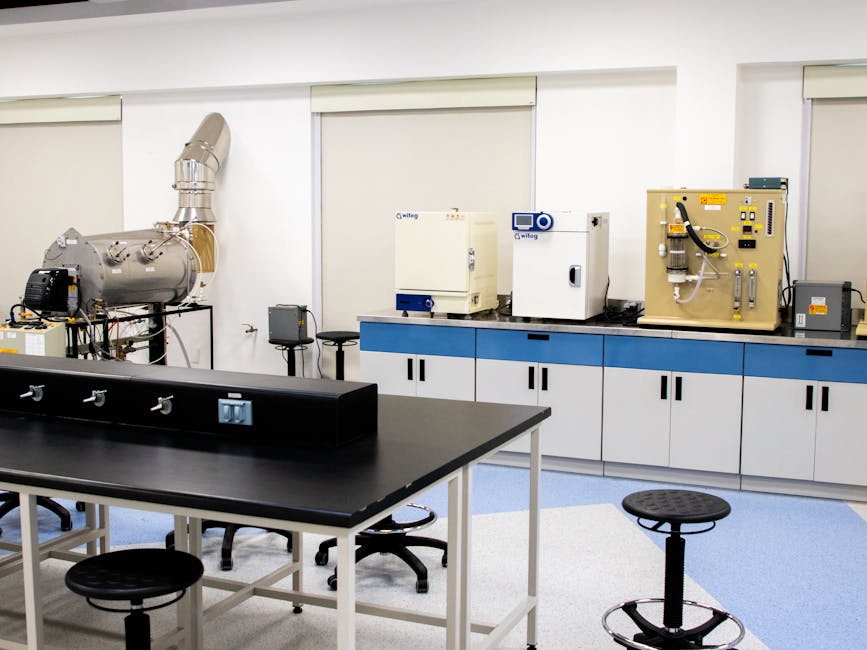
    hydrogen fuel cell system vs lithium battery storage comparison diagram 2026

    Understanding the Basics: What Are We Actually Comparing?

    Before we dive into efficiency numbers, let’s get our terms straight. Fuel cells generate electricity through an electrochemical reaction — typically combining hydrogen and oxygen to produce electricity, water, and heat. They don’t “store” energy in the traditional sense; they convert a fuel source (hydrogen) into power on demand. Battery energy storage systems (BESS), on the other hand, store electrical energy chemically and release it when needed — think of them as giant rechargeable batteries.

    This distinction matters enormously when we talk about efficiency, because we’re comparing two fundamentally different workflows.

    The Efficiency Numbers: Let’s Get Into the Data

    Here’s where things get genuinely interesting. Efficiency in energy systems is almost never a single number — it’s a chain of conversions, and every link in that chain costs you something.

    Fuel Cell Efficiency Breakdown (2026 benchmarks):

    • Hydrogen production via electrolysis: 65–80% efficient (green hydrogen using renewable electricity)
    • Hydrogen compression and storage: Approximately 88–92% efficient
    • Fuel cell power conversion: 50–65% for PEM (Proton Exchange Membrane) fuel cells; up to 85–90% if waste heat is captured (Combined Heat and Power, or CHP mode)
    • Overall round-trip efficiency (electricity → hydrogen → electricity): Roughly 25–40% without heat recovery

    Battery Energy Storage Efficiency Breakdown (2026 benchmarks):

    • Lithium iron phosphate (LFP) batteries: 92–97% round-trip efficiency
    • Solid-state batteries (emerging in 2026): Reaching 95–98% in controlled environments
    • Flow batteries (vanadium redox): 70–80% round-trip efficiency, but with virtually unlimited cycle life
    • Overall system efficiency (including inverter losses): 85–95% depending on technology

    On pure round-trip efficiency, batteries win — and it’s not even close. But here’s the thing: efficiency isn’t the only metric that matters in the real world.

    Energy Density and Duration: Where Fuel Cells Shine

    Batteries have a critical limitation that often gets glossed over in efficiency debates: energy density and discharge duration. Storing electricity for hours? Batteries are excellent. Storing it for days, weeks, or across seasons? This is where hydrogen fuel cells become genuinely compelling.

    A hydrogen storage tank doesn’t degrade over time the way a battery does. You can fill it up in summer when solar energy is abundant and discharge it in January when you need it most. This concept — long-duration energy storage (LDES) — is one of the hottest areas in energy infrastructure in 2026, and hydrogen is currently the leading candidate for seasonal storage applications.

    Consider the weight factor too: hydrogen has an energy density of approximately 33.3 kWh/kg, compared to roughly 0.25–0.30 kWh/kg for lithium-ion batteries. This is why fuel cells dominate in applications like heavy trucking, maritime shipping, and aviation — sectors where battery weight becomes a literal deal-breaker.

    Real-World Examples: Who’s Using What, and Why

    Let’s ground this in actual deployments happening around the world right now.

    South Korea — POSCO’s Integrated Steel Complex (Pohang, 2025–2026): POSCO has integrated a 50 MW hydrogen fuel cell cluster into its Pohang complex, using byproduct hydrogen from steelmaking processes to generate electricity and feed heat back into the production line. The CHP efficiency here reaches 83%, making this one of the most thermally efficient industrial fuel cell installations globally.

    Germany — Schleswig-Holstein Seasonal Hydrogen Storage Project: As part of Germany’s Energiewende 2.0 initiative, the state of Schleswig-Holstein commissioned a wind-to-hydrogen-to-power facility in 2025. Excess offshore wind electricity is converted to hydrogen via electrolysis, stored underground in salt caverns, and reconverted during winter peak demand. The round-trip efficiency is only ~33%, but the alternative — curtailing wind power entirely — has zero useful efficiency.

    United States — California’s San Diego Microgrid Initiative (2026): San Diego Gas & Electric expanded its community microgrid program in early 2026, deploying Tesla Megapack 3 battery systems (LFP chemistry) across 12 neighborhoods. These systems achieve 94% round-trip efficiency and provide 4–6 hours of backup power during peak demand events. They’re fast, reliable, and cost-effective for short-duration urban applications.

    Japan — Toyota’s Woven City (Susono, Shizuoka): Toyota’s experimental smart city now hosts a hybrid energy architecture: rooftop solar feeds into a battery buffer for real-time balancing, while a hydrogen fuel cell backbone handles base load and seasonal fluctuations. This hybrid approach is increasingly being cited as the pragmatic “best of both worlds” model.

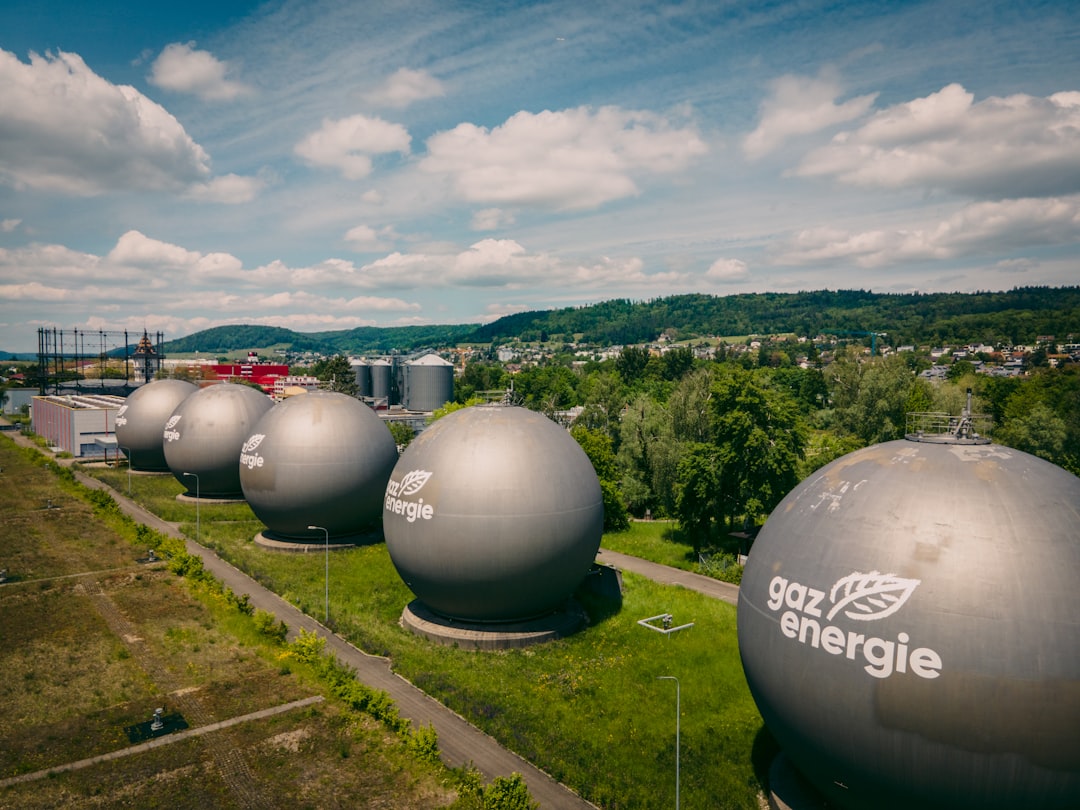
    hydrogen fuel cell plant industrial facility renewable energy storage 2026

    Cost Trajectory: The Economics Are Shifting Fast

    In 2026, the cost gap between the two technologies is narrowing but still significant in certain applications:

    • Battery storage (utility-scale LFP): Approximately $90–$120/kWh installed cost (down from $150+ in 2023)
    • Hydrogen fuel cell systems (including electrolysis and storage): $200–$400/kWh equivalent for long-duration storage, trending downward with scale
    • Green hydrogen production cost: Approaching $2.50–$3.50/kg in high-irradiance regions — still higher than the often-cited $1/kg “holy grail,” but genuinely competitive for specific applications

    The key economic insight: the longer the storage duration you need, the more cost-competitive hydrogen becomes. For 2-hour storage? Batteries dominate on cost. For 100+ hour storage? Hydrogen starts to look economically rational.

    Realistic Alternatives: Thinking Through Your Actual Situation

    Rather than declaring a universal winner, let’s think through what actually makes sense depending on your context:

    • If you’re a homeowner or small business: Battery storage (especially LFP-based systems) is your best bet right now. The efficiency advantage, lower upfront cost, and simplicity of installation make it the clear practical choice for short-duration backup and solar self-consumption.
    • If you’re running heavy transport (trucking, shipping, buses): Fuel cells are increasingly competitive, especially as hydrogen refueling infrastructure grows. The weight and range advantages are simply too significant to ignore.
    • If you’re managing grid-scale or industrial energy: Consider a hybrid architecture — batteries for fast-response short-duration needs, hydrogen for seasonal and long-duration storage. This isn’t hedging; it’s genuinely the most thermally and economically logical approach given current technology.
    • If you’re in an energy-intensive industry with waste heat or byproduct hydrogen: Fuel cell CHP systems offer an efficiency story that batteries simply can’t match when heat recovery is factored in.
    • If your primary concern is environmental impact: Focus less on the fuel cell vs. battery debate and more on the source of your energy. Green hydrogen from renewable electrolysis and batteries charged by solar/wind are both excellent paths — the round-trip efficiency gap matters less when the input energy is essentially free and zero-carbon.

    The Verdict (That Isn’t Really a Verdict)

    Fuel cells and batteries aren’t really competing technologies — they’re complementary tools solving different parts of the same problem. Batteries are your sprinters: fast, efficient, and brilliant at short bursts. Fuel cells are your marathon runners: slower to deploy, less efficient on paper, but capable of going the distance when duration and energy density demand it.

    The energy transition of 2026 isn’t a single-technology story. The most sophisticated energy planners, from Seoul to Stuttgart to Sacramento, are treating this as a portfolio question, not a head-to-head contest.

    So the next time someone asks you “which is better?” — fuel cells or batteries — the intellectually honest answer is: better at what, for whom, and for how long? Get those three questions right, and the technology choice almost picks itself.

    Editor’s Comment : What genuinely excites me about the energy landscape in 2026 is that we’re past the “pick a side” era. The conversations I’m seeing among serious energy engineers and policymakers are increasingly about integration and system design — how do you stack these technologies to get the best of both? The efficiency gap between fuel cells and batteries is real, but it’s also a somewhat misleading frame. A 35% efficient seasonal hydrogen system that prevents 500 MW of wind from being curtailed is doing something a 96% efficient battery simply cannot. Keep that systems-thinking lens on, and these comparisons become much more productive.


    📚 관련된 다른 글도 읽어 보세요

    태그: [‘fuel cell vs battery efficiency’, ‘energy storage comparison 2026’, ‘hydrogen fuel cell technology’, ‘battery energy storage systems’, ‘green hydrogen storage’, ‘long duration energy storage’, ‘renewable energy infrastructure’]

  • 연료전지 vs 배터리, 에너지 저장 효율 완전 비교 분석 (2026년 최신 기준)

    연료전지 vs 배터리, 에너지 저장 효율 완전 비교 분석 (2026년 최신 기준)

    얼마 전 지인이 이런 말을 하더군요. “전기차 사려고 알아봤는데, 수소차가 더 효율적이라는 얘기도 있고, 뭘 믿어야 할지 모르겠어.” 사실 이 고민, 단순히 자동차 구매의 문제가 아니에요. 연료전지와 배터리라는 두 가지 에너지 저장·변환 기술은 지금 이 순간에도 전력망, 산업용 설비, 가정용 에너지 시스템에 이르기까지 치열하게 경쟁 중입니다. 그런데 막상 두 기술을 나란히 놓고 비교한 자료는 생각보다 많지 않아요. 그래서 오늘은 수치를 기반으로 찬찬히 뜯어보려 합니다.

    hydrogen fuel cell vs battery energy storage comparison diagram

    본론 1. 핵심 수치로 보는 효율 비교

    ① 에너지 변환 효율(Well-to-Wheel 기준)

    가장 공정한 비교 방식은 에너지원에서 바퀴까지(Well-to-Wheel), 혹은 에너지 저장 시스템이라면 입력 에너지 대비 출력 에너지 비율을 따지는 것이라고 봅니다.

    • 리튬이온 배터리(Li-ion): 충·방전 라운드트립(Round-trip) 효율 약 85~95% 수준. 2026년 현재 상용 ESS(에너지저장시스템) 기준으로는 92% 안팎이 일반적입니다.
    • 수소 연료전지(PEM 방식): 수전해(물→수소) 효율 약 70~80% × 연료전지 발전 효율 약 50~60% = 최종 전기→전기 효율은 35~48% 수준에 그칩니다.
    • 고체산화물 연료전지(SOFC): 발전 효율만 따지면 55~65%까지 올라가고, 폐열 회수까지 포함한 열병합(CHP) 효율은 80~90%에 달합니다.

    ② 에너지 밀도(Energy Density) 비교

    에너지 밀도는 같은 무게·부피에 얼마나 많은 에너지를 담을 수 있는지의 지표입니다.

    • 리튬이온 배터리: 중량 기준 약 200~300 Wh/kg, 전고체 배터리(2026년 양산 초기 단계) 기준 약 400 Wh/kg 도달 시도 중.
    • 압축 수소(700bar 기준): 중량 기준 약 33,000 Wh/kg(33 kWh/kg)으로 이론상 압도적. 단, 탱크·밸브 등 주변 장치 포함 시스템 기준으로는 약 1,500~2,000 Wh/kg으로 현실화됩니다.

    ③ 충전 속도 vs 충전(연료 보급) 시간

    • 배터리(급속충전 기준): 350kW급 초급속 충전기 기준 약 15~20분에 80% 충전 가능(2026년 상용화 확산 중).
    • 수소차(연료 보급): 5분 내외로 보급 완료. 충전 시간 면에서는 압도적으로 유리합니다.

    ④ 수명 및 열화(Degradation)

    • 배터리: 리튬이온 기준 약 1,000~3,000 사이클. 온도, 충·방전 속도에 따라 수명 편차가 큽니다.
    • 연료전지(PEM): 승용차용 기준 약 5,000~8,000 시간. 촉매(백금) 열화 문제가 여전히 기술 과제입니다.

    본론 2. 국내외 실제 적용 사례로 보는 현실

    국내 사례

    한국은 세계에서 손꼽히는 수소 연료전지 상용화 국가입니다. 2026년 현재 현대자동차의 넥쏘(NEXO) 수소차 누적 판매는 국내외 합산 10만 대를 넘어섰고, 경기도 고양시, 창원시 등에서는 수소 버스가 시내버스 노선에 정규 투입되어 운행 중입니다. 특히 두산퓨얼셀한화파워시스템이 공급하는 건물용·발전소용 연료전지는 LNG 열병합 기반으로 80% 이상의 에너지 활용률을 기록하며 산업용 ESS 시장에서 꾸준히 점유율을 높이고 있어요.

    반면 배터리 ESS 분야에서는 삼성SDI·LG에너지솔루션이 공급하는 대용량 리튬이온 ESS가 제주도 신재생에너지 계통 안정화 프로젝트에 대거 투입되어, 태양광·풍력의 간헐성 문제를 보완하는 역할을 맡고 있습니다.

    해외 사례

    독일의 경우 재생에너지 잉여 전력을 수소로 변환·저장하는 Power-to-Gas(P2G) 프로젝트가 2026년 기준 총 설비 용량 2GW 이상으로 성장했습니다. 이는 배터리만으로는 계절 단위의 장기 에너지 저장이 어렵다는 현실적 한계를 인정하고 수소를 보완재로 적극 활용하는 전략이라고 볼 수 있어요.

    미국 캘리포니아주는 반대로 테슬라 메가팩(Megapack) 기반의 대형 배터리 ESS 설치를 공격적으로 늘리고 있는데, 2026년 현재 주 전체 설치 용량이 15GW를 돌파한 것으로 집계됩니다. 단기 피크 대응에는 배터리가 여전히 독보적이라는 방증이라고 봅니다.

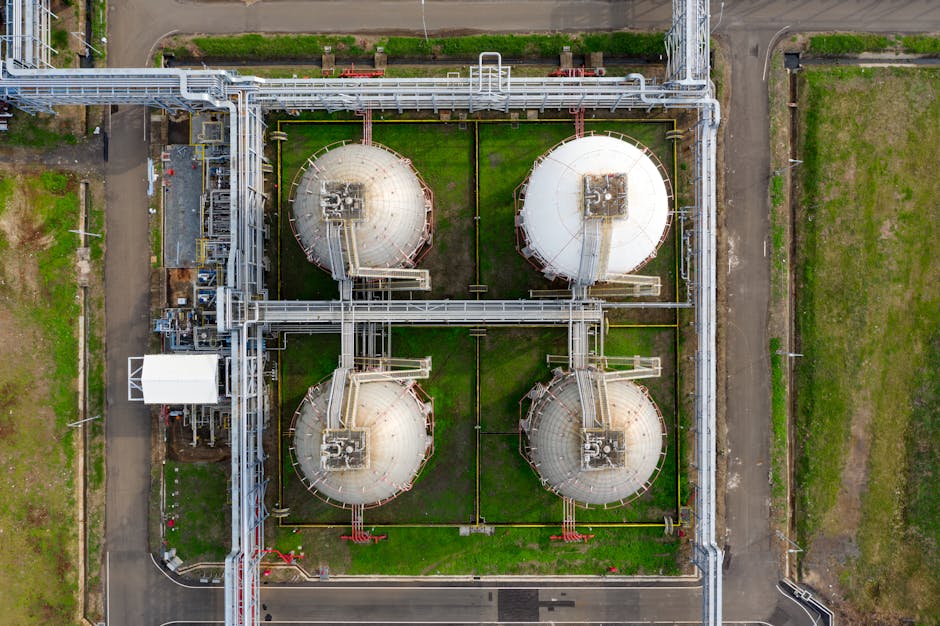
    hydrogen fuel cell power plant and battery energy storage system ESS facility

    결론. 어느 쪽이 ‘정답’이 아니라, 어디에 쓰이느냐가 관건

    수치를 놓고 보면 배터리가 단거리·단기 저장에서 압도적으로 유리하고, 연료전지·수소는 장거리·장기 저장·고출력 연속 운용에서 강점을 가진다는 구도가 꽤 명확하게 드러납니다. 두 기술은 경쟁보다는 상호 보완 관계에 가깝다고 보는 게 2026년 기준 업계의 중론이에요.

    • 도심 단거리 이동·일상 에너지 저장 → 배터리(고효율, 낮은 인프라 비용)
    • 장거리 물류·선박·항공·계절 단위 전력 저장 → 수소 연료전지(높은 에너지 밀도, 빠른 충전)
    • 건물·공장 열병합 에너지 공급 → SOFC 연료전지(열 활용 포함 시 효율 최강)

    결국 “어느 기술이 더 우월하냐”는 질문보다는, “내가 해결하려는 에너지 문제가 무엇이냐”를 먼저 정의하는 것이 훨씬 실용적인 접근이라고 봅니다.

    에디터 코멘트 : 개인적으로 가장 주목하고 싶은 포인트는 전고체 배터리와 암모니아 기반 수소 운반 기술이 동시에 성숙해가는 2026년의 상황입니다. 어느 한쪽에 ‘올인’하기보다는, 두 기술의 융합 시나리오—예컨대 배터리로 단기 피크를 잡고 수소로 계절 에너지를 저장하는 하이브리드 그리드—가 현실적인 미래 에너지 해법이 될 가능성이 높다고 봐요. 기술 선택의 문제는 결국 사용 맥락과 경제성의 문제라는 것, 꼭 기억해 두시면 좋겠습니다.


    📚 관련된 다른 글도 읽어 보세요

    태그: [‘연료전지’, ‘배터리ESS’, ‘수소에너지’, ‘에너지저장효율’, ‘수소차vs전기차’, ‘에너지전환2026’, ‘연료전지배터리비교’]

  • Green Hydrogen From Water: How Renewable-Powered Electrolysis Is Reshaping Energy in 2026

    Picture this: a coastal wind farm in Denmark, turbines spinning steadily under a grey Nordic sky, generating electricity that doesn’t feed into a grid — it feeds into a massive tank of water. That water gets split molecule by molecule into hydrogen and oxygen. The hydrogen gets stored, shipped, and eventually burns clean in a fuel cell halfway across the world. No carbon. No fumes. Just water vapor. That’s not a sci-fi concept anymore — in 2026, it’s a rapidly scaling industrial reality, and it’s worth unpacking exactly how it works and why it matters so much right now.

    Renewable-powered water electrolysis — often called green hydrogen production — sits at the intersection of clean electricity and chemical energy storage. If you’ve been hearing the term “hydrogen economy” and wondered whether it’s hype or genuine momentum, let’s think through it together with some hard data and real-world examples.

    green hydrogen electrolysis renewable energy wind solar water splitting facility

    What Is Water Electrolysis, Really?

    At its core, electrolysis is beautifully simple chemistry. You pass an electric current through water (H₂O), and it breaks apart into hydrogen (H₂) at the cathode and oxygen (O₂) at the anode. The key equation is:

    2H₂O → 2H₂ + O₂

    The “green” part comes from where that electricity originates. When you power an electrolyzer with solar or wind energy, the resulting hydrogen carries virtually zero lifecycle carbon emissions — a stark contrast to the dominant “grey hydrogen” produced today via steam methane reforming (SMR), which emits roughly 9–12 kg of CO₂ per kilogram of hydrogen.

    The Three Major Electrolyzer Technologies in 2026

    Not all electrolyzers are created equal. Here’s where the technology landscape stands today:

    • Alkaline Electrolysis (AEL): The oldest and most commercially proven technology. Uses a liquid alkaline solution (typically KOH) as electrolyte. Cost-effective at large scale, but less responsive to fluctuating renewable inputs. System efficiency sits around 63–71%.
    • Proton Exchange Membrane Electrolysis (PEM): Uses a solid polymer membrane. Highly responsive to variable power loads — perfect for pairing with intermittent solar or wind. Efficiency ranges from 70–80%, and capital costs have dropped roughly 40% since 2022 due to scaling. This is currently the dominant choice for new green hydrogen projects.
    • Solid Oxide Electrolysis (SOEC): Operates at high temperatures (700–900°C), enabling exceptional theoretical efficiencies above 85% when waste heat is available. Still in scale-up phase but gaining traction in industrial settings where heat integration is possible.

    The Economics: Where Do We Stand in 2026?

    This is where things get genuinely exciting. Green hydrogen’s Achilles heel has always been cost. In 2020, producing 1 kg of green hydrogen cost roughly $4–$6. By mid-2026, benchmark projects in sun-rich and wind-rich regions are hitting $2.10–$2.80/kg, with the most optimized projects in Chile’s Atacama Desert and Australia’s Pilbara region pushing closer to $1.80/kg — approaching the long-held “$2 threshold” that economists consider the tipping point for broad competitiveness with fossil fuels.

    Key cost drivers that have shifted the equation include:

    • Utility-scale solar LCOE dropping below $0.018/kWh in top-resource regions
    • PEM electrolyzer stack costs falling to approximately $450–$600/kW (down from over $1,000/kW in 2021)
    • Improved capacity factors through hybrid solar-wind co-location, reducing idle electrolyzer time
    • Policy incentives — notably the U.S. Inflation Reduction Act’s $3/kg hydrogen production tax credit (PTC) continuing to drive investment

    Real-World Examples Driving the Sector Forward

    Theory is one thing — let’s look at what’s actually happening on the ground:

    🇰🇷 South Korea – Boryeong Green Hydrogen Hub: South Korea, a country with ambitious hydrogen roadmap targets, has been scaling its Boryeong coastal facility into one of Asia’s largest PEM-based green hydrogen plants. By early 2026, the facility is producing over 3,000 tonnes of green hydrogen annually, feeding directly into hydrogen fuel cell vehicle (FCEV) refueling infrastructure and industrial processes in the Chungcheong region. Korea’s government has backed this with roughly ₩2.1 trillion in cumulative public investment since 2023.

    🇪🇺 Europe – HyDeal Ambition & Spanish Solar Corridors: The HyDeal Ambition project, spanning Spain, France, and Germany, has been operationalizing a model where dedicated solar farms in Spain’s La Mancha region power gigawatt-scale electrolyzers. The hydrogen moves via repurposed natural gas pipelines — a clever infrastructure reuse strategy — to industrial consumers in Germany. By Q1 2026, the project corridor is delivering hydrogen at costs competitive with incumbent industrial grey hydrogen on a subsidy-adjusted basis.

    🇦🇺 Australia – Asian Renewable Energy Hub (AREH): Western Australia’s AREH remains one of the world’s most watched projects. Combining offshore wind and solar assets totaling over 26 GW of generation capacity, the hub is designed to produce green hydrogen and ammonia for export to Japan, South Korea, and Singapore. The first commercial shipments of green ammonia (a hydrogen carrier) departed in late 2025, marking a genuine proof of concept for the intercontinental green hydrogen trade.

    green hydrogen storage tank industrial electrolyzer facility renewable energy Australia Korea

    The Realistic Challenges You Shouldn’t Ignore

    Let’s be honest — this isn’t a frictionless path. Several genuine bottlenecks remain:

    • Water scarcity: Electrolysis requires purified water. Deploying large-scale green hydrogen in arid regions (where solar resources are best) creates real tension with local water availability. Seawater electrolysis R&D is progressing but not yet commercially dominant.
    • Storage and transportation: Hydrogen is the smallest molecule — it leaks, it embrittles metal pipelines, and compressing or liquefying it is energy-intensive. Ammonia and liquid organic hydrogen carriers (LOHCs) are viable transport alternatives, each with their own tradeoffs.
    • Grid curtailment dependency: Some projects bank on ultra-cheap curtailed renewable electricity. As grids become smarter and storage expands, those hours of near-zero electricity may shrink, affecting project economics.
    • Electrolyzer manufacturing bottlenecks: Global PEM electrolyzer production capacity is still ramping up. Lead times for large systems stretched to 18–24 months at peak demand in 2024–2025, though new manufacturing facilities in Europe and East Asia are easing this.

    Realistic Alternatives Worth Considering

    If full-scale green hydrogen isn’t immediately accessible or economical for your application, here’s how to think through the spectrum of options:

    • Blue hydrogen as a bridge: Hydrogen from SMR paired with carbon capture and storage (CCS) — not zero-emission, but significantly lower than grey. Useful for industrial decarbonization where green hydrogen supply is constrained.
    • Direct electrification: For many end-uses (heat pumps, EVs, industrial electric arc furnaces), direct use of renewable electricity is more efficient than converting to hydrogen. Only reach for hydrogen where direct electrification genuinely doesn’t work — long-haul shipping, aviation, steel DRI, chemical feedstocks.
    • Hydrogen blending: Blending 10–20% green hydrogen into existing natural gas networks is a low-infrastructure-investment way to begin demand creation, though it’s a transitional rather than terminal strategy.
    • Power-to-X pathways: Using green hydrogen as a chemical intermediate to produce green methanol, green ammonia, or synthetic fuels (e-fuels) can leverage existing fuel infrastructure while reducing emissions — smart for sectors locked into liquid fuels.

    The honest takeaway for 2026 is this: green hydrogen via renewable electrolysis has crossed from “promising experiment” to “real but uneven deployment.” The technology works. The economics are moving in the right direction. But the gap between the best projects and average projects remains wide, and the infrastructure puzzle is genuinely complex. The smart play — whether you’re a policymaker, investor, or industrial operator — is to identify the specific use cases where green hydrogen’s advantages are irreplaceable and build from there, rather than applying it universally.

    The water in that Danish tank isn’t just splitting into molecules. It’s splitting apart our old assumptions about what clean energy can actually do.

    Editor’s Comment : What strikes me most about the renewable electrolysis story in 2026 isn’t any single technological breakthrough — it’s the compounding effect of incremental improvements across solar costs, electrolyzer manufacturing, and policy frameworks all landing at roughly the same moment. That convergence is rarer than it looks. The projects that will define this decade aren’t the moonshot gigafactories — they’re the mid-scale, carefully sited facilities that nail the basics of resource availability, water access, and off-take agreements. If you’re exploring this space, start by asking “where is renewable electricity cheapest AND most abundant?” — because the electrolyzer is almost the easy part.


    📚 관련된 다른 글도 읽어 보세요

    태그: [‘green hydrogen production 2026’, ‘renewable energy electrolysis’, ‘PEM electrolyzer technology’, ‘water electrolysis hydrogen’, ‘clean hydrogen economy’, ‘hydrogen energy storage’, ‘solar wind hydrogen fuel’]

  • 재생에너지 기반 수전해 수소 생산 방법 완벽 정리 | 2026년 그린수소 기술 현황

    얼마 전 지인 한 분이 이런 말을 했어요. “전기차는 알겠는데, 수소차는 대체 수소를 어디서 구하는 거야?” 생각해 보면 당연한 질문이에요. 우리가 흔히 ‘친환경’이라고 부르는 수소 에너지도, 그 수소를 어떻게 만드느냐에 따라 전혀 친환경이 아닐 수 있거든요. 현재 전 세계에서 생산되는 수소의 약 96%는 여전히 천연가스나 석탄에서 나온다고 합니다. 이른바 ‘그레이 수소’죠. 그렇다면 진짜 의미의 친환경 수소, ‘그린수소’는 어떻게 만들어지는 걸까요? 오늘은 재생에너지 기반 수전해(水電解, Water Electrolysis) 수소 생산 방법을 함께 살펴보려 합니다.


    green hydrogen water electrolysis renewable energy solar wind power plant

    🔬 수전해란 무엇인가? 원리부터 짚어보기

    수전해는 말 그대로 물(H₂O)에 전기를 흘려 수소(H₂)와 산소(O₂)로 분리하는 기술이에요. 중학교 과학 시간에 배운 ‘물의 전기분해’ 실험과 본질적으로 같은 원리입니다. 여기서 핵심은 바로 이 전기를 어디서 가져오느냐예요.

    재생에너지(태양광, 풍력, 수력 등)로 만든 전기를 수전해 장치에 공급하면, 화석연료를 전혀 사용하지 않고 수소를 생산할 수 있어요. 이렇게 만들어진 수소를 그린수소(Green Hydrogen)라고 부릅니다. 생산 과정에서 탄소 배출이 사실상 제로(Zero)에 가깝다는 점에서 진정한 의미의 탈탄소 에너지원이라고 봅니다.

    📊 수전해 기술의 세 가지 유형과 구체적 수치 비교

    현재 상용화되거나 주목받는 수전해 기술은 크게 세 가지로 나뉩니다. 각 기술마다 효율, 비용, 내구성이 다르기 때문에 어느 하나가 절대적으로 우수하다고 단정하기 어렵고, 용도와 환경에 따라 선택이 달라진다고 봐요.

    • 알칼라인 수전해(AWE, Alkaline Water Electrolysis)
      가장 오래된 상용 기술로, 수십 년간 검증된 안정성이 강점이에요. KOH(수산화칼륨) 수용액을 전해질로 사용하며, 현재 기준 스택 효율은 약 63~71% 수준입니다. 설비 단가가 상대적으로 낮아 대규모 생산에 유리하지만, 부하 변동(재생에너지의 간헐성)에 대한 응답 속도가 느리다는 단점이 있어요.
    • PEM 수전해(Proton Exchange Membrane Electrolysis)
      양성자 교환막을 전해질로 사용하는 방식으로, 빠른 기동·정지 특성 덕분에 재생에너지의 변동성을 유연하게 흡수할 수 있어요. 스택 효율은 약 67~82%로 알칼라인 방식보다 높지만, 이리듐(Ir) 같은 희소 귀금속 촉매를 사용해 단가가 비싼 편입니다. 2026년 현재 글로벌 주요 제조사들은 이리듐 사용량을 기존 대비 60~70% 줄이는 저(低)이리듐 촉매 개발에 집중하고 있어요.
    • 고체산화물 수전해(SOEC, Solid Oxide Electrolysis Cell)
      700~900℃의 고온에서 작동하는 차세대 기술이에요. 이론적 효율이 85% 이상으로 가장 높지만, 고온 환경에서의 내구성 문제와 초기 가동 시간이 길다는 한계가 있습니다. 폐열을 활용할 수 있는 제철소나 화학 플랜트와 결합하면 시너지가 크다고 봐요.

    🌍 국내외 주요 사례: 이미 현실이 된 그린수소 프로젝트

    해외 사례 — 유럽의 선도적 움직임
    덴마크 코펜하겐 외곽에 위치한 ØrstedCopenhagen Infrastructure Partners가 추진해온 ‘그린수소 에너지 허브’ 프로젝트는 2026년 기준 연간 약 10만 톤의 그린수소 생산을 목표로 확장 단계에 들어섰어요. 북해의 풍력 전기를 PEM 수전해 설비에 직접 연결하는 구조로, 전력 계통에 연결하지 않고 재생에너지를 ‘직결(Direct Coupling)’하는 방식이 주목받고 있습니다.

    독일에서는 2025년 완공된 함부르크 항구의 그린암모니아(Green Ammonia) 플랜트가 화제가 되었어요. 해상 풍력 → PEM 수전해 → 수소 → 암모니아 합성으로 이어지는 공급망을 구축해, 수소 운반의 최대 난제인 저장·운송 문제를 암모니아 형태로 해결한 사례라고 봅니다.

    국내 사례 — 한국의 그린수소 전략
    한국은 2026년 현재 ‘수소경제 로드맵 2.0’을 기반으로 국내외 그린수소 생산 거점을 동시에 확보하는 전략을 펼치고 있어요. 현대자동차·한국남부발전이 참여한 제주도 풍력 연계 수전해 실증 플랜트는 1MW급 PEM 수전해기를 운영하며 실증 데이터를 축적 중이고, 롯데케미칼과 한화솔루션은 대규모 수전해 스택 내재화를 위한 투자를 본격화했습니다. 또한 한국전력공사는 호주, 사우디아라비아 등에서 재생에너지 잉여전력을 활용한 해외 그린수소 생산 후 국내 도입하는 ‘해외 그린수소 도입 프로그램’을 추진 중이에요.

    electrolyzer stack hydrogen production facility industrial plant

    💡 현실적으로 풀어야 할 숙제들

    솔직하게 말씀드리면, 그린수소는 아직 가격 경쟁력 면에서 도전적인 상황이에요. 2026년 현재 그린수소의 생산 단가는 kg당 약 3~5달러 수준으로, 천연가스 개질(그레이 수소)의 약 1달러 내외와 비교하면 여전히 3~5배 비싸다고 봐요. 이 간극을 좁히기 위해서는

    • 재생에너지 발전 단가의 지속적 하락 (태양광 LCOE는 2010년 대비 2026년 약 90% 하락)
    • 수전해 스택 내구 수명 연장 (현재 PEM 기준 약 8만~10만 시간 목표)
    • 설비 대형화를 통한 규모의 경제 달성 (현재 100MW → 1GW 이상 규모로 확장 추세)
    • 그린수소에 대한 탄소 가격제(Carbon Pricing) 적용 등 정책적 인센티브 확대

    이 네 가지 요소가 동시에 맞물려야 그린수소가 화석연료 기반 수소를 실질적으로 대체할 수 있을 것 같아요. 국제재생에너지기구(IRENA)는 2030년까지 그린수소 단가가 kg당 1.5달러 이하로 낮아질 것으로 전망하고 있는데, 이는 결코 불가능한 숫자가 아니라고 봅니다.

    📌 결론 — 지금 우리가 주목해야 할 이유

    수전해 그린수소는 단순한 에너지원이 아니라, 철강·화학·선박·항공처럼 전기화하기 어려운 ‘하드투어비트(Hard-to-Abate)’ 산업의 탈탄소화를 이끌 핵심 매개체예요. 재생에너지로 만든 수소를 암모니아, 메탄올, 합성연료(e-fuel)로 전환해 기존 인프라를 그대로 활용하는 시나리오도 주목할 만해요. 단기적으로는 비싸고 복잡해 보이지만, 장기적인 관점에서 그린수소 기술에 대한 이해와 관심을 갖고 지켜보는 것이 중요하다고 봅니다.

    에디터 코멘트 : 재생에너지 기반 수전해 수소는 분명히 미래지만, ‘지금 당장’을 기대하기보다는 ‘인프라와 비용 구조가 무르익는 시점’을 냉정하게 지켜보는 것이 현실적인 자세라고 봐요. 개인이나 기업 입장에서는 그린수소 관련 기술 동향(PEM 단가 추이, 탄소세 정책 방향)을 꾸준히 모니터링하면서, 지금은 에너지 효율 개선과 재생에너지 직접 활용 비중을 높이는 것이 더 실질적인 대안이 될 수 있습니다. 그린수소는 10년을 내다보는 포지션으로 접근하는 게 맞는 것 같아요.


    📚 관련된 다른 글도 읽어 보세요

    태그: [‘그린수소’, ‘수전해’, ‘재생에너지수소’, ‘PEM수전해’, ‘수소경제’, ‘탈탄소에너지’, ‘그린수소생산방법’]

  • Hydrogen Fuel Cells in 2026: Where Are We Now, and Is the Future Finally Here?

    Picture this: you’re driving across a stretch of highway, and instead of watching your battery percentage slowly drain on your electric vehicle, you pull into a hydrogen refueling station, spend about four minutes filling up, and you’re back on the road with a 500-mile range. No range anxiety. No hour-long charging stops. Sounds like a scene from a sci-fi film, right? Well, in 2026, this scenario is increasingly becoming a real — if still not universally accessible — part of our transportation landscape. The commercialization of hydrogen fuel cells has been one of the most talked-about energy transitions of the decade, and the story is far more nuanced and exciting than most headlines suggest.

    hydrogen fuel cell vehicle refueling station modern infrastructure 2026

    Where the Technology Actually Stands: The 2026 Data Snapshot

    Let’s ground ourselves in some concrete numbers before we get too optimistic or too skeptical. As of early 2026, the global hydrogen fuel cell market is valued at approximately $18.4 billion USD, with projections suggesting it could surpass $60 billion by 2031 — that’s roughly a 26% compound annual growth rate. This isn’t speculative fantasy; it’s being driven by real policy mandates, corporate investments, and infrastructure buildouts happening right now.

    Green hydrogen — produced via electrolysis using renewable energy rather than fossil fuels — has seen its production cost drop dramatically. In regions with abundant solar or wind energy (think Chile’s Atacama Desert or Australia’s outback), the cost of green hydrogen has dipped below $2.50 per kilogram in some pilot projects, approaching the much-cited “gold standard” threshold of $2/kg that would make it broadly cost-competitive with fossil fuels. That’s not everywhere yet, but the trajectory is unmistakable.

    On the vehicle front, fuel cell electric vehicles (FCEVs) still represent a small fraction of the overall EV market — roughly 1.2% of new zero-emission vehicle registrations globally in 2026 — but they’re carving out specific niches where battery EVs genuinely struggle: long-haul trucking, maritime shipping, aviation, and heavy industrial applications.

    Why Fuel Cells Aren’t Just “Another Battery Alternative”

    Here’s where a lot of casual readers get confused. A hydrogen fuel cell isn’t a battery — it’s actually closer to an engine that converts chemical energy directly into electricity through an electrochemical reaction between hydrogen and oxygen, with water vapor as its only emission. The key advantages are real and worth understanding:

    • Rapid refueling: Most FCEVs and fuel cell trucks refuel in 3–5 minutes, comparable to conventional gasoline vehicles.
    • Energy density: Hydrogen contains roughly 3x the energy per kilogram compared to lithium-ion batteries, making it ideal for heavy loads and long distances.
    • Zero direct emissions: The only byproduct is water vapor — a compelling argument in industries under heavy carbon-reduction pressure.
    • Scalability for industry: Steel production, cement manufacturing, and chemical plants are beginning real-world hydrogen integration, something batteries fundamentally cannot replicate at scale.
    • Grid balancing potential: Excess renewable energy can be converted to hydrogen and stored, solving one of the biggest headaches of wind and solar power.

    Of course, the challenges are equally real. Hydrogen storage requires either extreme compression (700 bar) or cryogenic cooling, and building out refueling infrastructure is enormously capital-intensive. We shouldn’t gloss over that.

    Global and Domestic Case Studies: Who’s Actually Doing This?

    The most instructive way to understand commercialization progress is to look at who’s actually deploying this technology at scale — and where the gaps still exist.

    🇰🇷 South Korea — The Aggressive Pioneer: South Korea remains one of the world’s most committed hydrogen economies. Hyundai’s NEXO FCEV has been a domestic staple since the early 2020s, and by 2026, the country operates over 310 hydrogen refueling stations with government commitments to expand to 660 by 2030. Korea’s “Hydrogen Economy Roadmap” has also pushed fuel cells into apartment building energy systems — thousands of residential complexes now use stationary fuel cells for combined heat and power (CHP), reducing grid dependence significantly.

    🇩🇪 Germany — The Industrial Heavy Hitter: Germany’s approach is less about passenger cars and more about industrial decarbonization. The country’s Nationaler Wasserstoffrat (National Hydrogen Council) has been steering investments into green hydrogen for steel production. ThyssenKrupp’s direct reduction iron (DRI) plant, partially powered by hydrogen, has been producing low-carbon steel at commercial volumes since late 2025 — a landmark achievement for the heavy industry sector.

    🇯🇵 Japan — The Long-Game Player: Japan’s hydrogen strategy is arguably the most comprehensive globally, with Toyota continuing to refine its Mirai platform and partnering with logistics companies to deploy fuel cell trucks for last-mile delivery in urban areas. Japan is also investing heavily in hydrogen import infrastructure from Australia and the Middle East to offset its limited domestic renewable capacity.

    🇺🇸 United States — Policy Tailwinds Driving Scale: The Inflation Reduction Act’s hydrogen production tax credit (the “45V credit”) continues to stimulate investment in 2026, with over 40 regional hydrogen hubs across various stages of development. California’s Hydrogen Highway is seeing renewed momentum, and companies like Plug Power and Bloom Energy are reporting record deployment numbers for stationary fuel cell systems in data centers and manufacturing facilities.

    hydrogen fuel cell industrial applications green energy infrastructure global deployment

    The Honest Bottlenecks: Why Mainstream Adoption Is Still Uneven

    Let’s think through this realistically together, because blind optimism isn’t useful for anyone making energy or investment decisions.

    • The “chicken-and-egg” infrastructure problem: Consumers won’t buy FCEVs without refueling stations; investors won’t build stations without sufficient vehicles. This loop is slowly breaking but remains a real friction point outside of pilot regions.
    • Grey hydrogen dominance: Despite all the “green hydrogen” headlines, roughly 95% of hydrogen produced globally in 2026 still comes from natural gas reforming (grey hydrogen), which produces significant CO₂. The green transition is happening, but slowly.
    • Cost competitiveness in passenger vehicles: For everyday commuters, a battery EV with home charging remains significantly cheaper in total cost of ownership compared to an FCEV — at least in markets where charging infrastructure is mature.
    • Electrolyzer manufacturing scale: Green hydrogen production requires electrolyzers, and while costs have dropped considerably, scaling manufacturing to meet ambitious national targets remains a supply chain challenge.

    Realistic Alternatives: How Should You Think About Hydrogen in Your Life?

    Here’s where I want to have a genuine conversation with you, depending on where you’re sitting right now:

    If you’re a regular consumer wondering whether to wait for an FCEV instead of buying a battery EV — unless you live in South Korea, parts of Japan, or specific California corridors, the refueling infrastructure simply isn’t there yet for a friction-free daily experience. A battery EV (or even a plug-in hybrid) is the more practical 2026 choice for personal transportation in most markets.

    If you’re in logistics or heavy transport, hydrogen deserves serious evaluation right now. Several fuel cell Class 8 trucks (like those from Hyzon or Hyundai’s XCIENT platform) are operating commercially, and for routes over 300 miles with heavy payloads, the total cost equation is becoming competitive — especially as carbon pricing pressure intensifies.

    If you’re an energy or industrial professional, stationary fuel cells for backup power, combined heat-and-power systems, and industrial process heat represent the most commercially mature and immediately deployable hydrogen applications available today.

    Editor’s Comment : Hydrogen fuel cell commercialization in 2026 is one of those genuinely exciting-but-complex stories where the technology is real, the progress is measurable, but the timeline to mass-market ubiquity is still being written. It’s not a bubble — there’s too much capital, policy commitment, and industrial demand for that — but it’s also not the overnight revolution that some breathless headlines suggest. The smartest perspective? Think of hydrogen and battery technology not as competitors, but as complementary tools in the broader zero-emission toolkit, each with its own sweet spot. The energy transition is big enough for both.


    📚 관련된 다른 글도 읽어 보세요

    태그: [‘hydrogen fuel cell’, ‘FCEV 2026’, ‘green hydrogen’, ‘hydrogen economy’, ‘fuel cell commercialization’, ‘zero emission vehicles’, ‘renewable energy storage’]

  • 수소 연료전지 상용화 현황 및 전망 2026 — 이제 진짜 시대가 열리는가?

    얼마 전 지인이 수소 버스를 처음 타고 나서 이런 말을 했어요. “엔진 소리가 없으니까 버스가 고장난 줄 알았어.” 그 한 마디가 참 인상적이었어요. 우리가 수십 년간 당연하게 여겨왔던 내연기관의 소음과 진동이 사라진 자리에, 수소 연료전지가 조용히 파고들고 있다는 걸 새삼 실감했거든요. 그렇다면 2026년 현재, 수소 연료전지는 과연 어디까지 왔을까요? 단순한 ‘미래 기술’의 테두리를 벗어나 실제 우리 생활 속으로 얼마나 들어왔는지 함께 살펴보겠습니다.

    hydrogen fuel cell bus transportation city street

    📊 숫자로 보는 수소 연료전지 시장 — 2026년 현재

    글로벌 수소 연료전지 시장은 2026년 기준으로 약 420억 달러(한화 약 57조 원) 규모에 달하는 것으로 추정됩니다. 2022년 대비 연평균 성장률(CAGR)이 약 18~22%에 달할 만큼 빠르게 팽창하고 있는 시장이라고 봅니다.

    특히 주목할 만한 수치는 수소전기차(FCEV) 누적 보급 대수인데요. 국제수소연료전지협회(IPHE) 자료를 기반으로 하면, 2026년 초 기준 전 세계 수소전기차 누적 등록 대수는 약 10만 대를 넘어선 것으로 파악됩니다. 아직 전기차(BEV)의 수천만 대 규모에 비하면 작은 숫자처럼 보이지만, 상용 트럭·버스·열차 같은 모빌리티 분야에서의 침투율이 급격히 높아지고 있다는 점이 핵심입니다.

    국내로 좁혀보면, 2026년 1분기 현재 한국의 수소 충전소는 전국 320여 개소를 돌파했으며, 수소 버스 운행 대수도 3,000대 이상으로 늘어났습니다. 정부의 ‘수소경제 로드맵 2.0’ 목표치와 비교하면 아직 갈 길이 남아 있지만, 2년 전과 비교하면 인프라 속도가 확실히 빨라진 느낌이에요.

    🌍 국내외 주요 사례 — 누가, 어디서, 어떻게?

    국내 사례 — 현대자동차와 지자체의 협업
    현대자동차는 2026년 현재 넥쏘(NEXO) 2세대 모델을 중심으로 내수 시장을 공략하는 동시에, 수소 대형 트럭 ‘엑시언트(XCIENT) 수소전기트럭’의 유럽·호주 수출을 꾸준히 확대하고 있어요. 특히 서울시는 2026년부터 시내버스 교체 물량의 30% 이상을 수소 버스로 전환하는 계획을 실행 중에 있고, 경기도와 울산시도 수소 청소차·수소 택시 등으로 적용 범위를 넓히고 있습니다.

    해외 사례 — 일본, 독일, 중국의 각기 다른 접근
    일본 도요타는 ‘미라이(Mirai)’ 승용차를 앞세워 수소 생태계를 구축하는 동시에, 수소 연료전지를 활용한 항만 하역 장비와 지게차 시장에서도 존재감을 키우고 있습니다. 독일은 알스톰(Alstom)의 수소 열차 ‘코라디아 아이린트(Coradia iLint)’를 지방 철도 노선에 투입해 디젤 열차를 단계적으로 대체하는 실험을 이어가고 있어요. 중국은 특유의 대규모 보조금 정책을 통해 수소 상용차 누적 보급 대수에서 이미 글로벌 1위를 차지한 상황이라고 봅니다.

    hydrogen refueling station infrastructure green energy

    ⚙️ 수소 연료전지의 핵심 구조, 왜 이게 어려울까?

    수소 연료전지는 간단히 말하면 수소(H₂)와 산소(O₂)의 전기화학 반응으로 전기를 생산하고, 부산물로 순수한 물(H₂O)만 배출하는 장치입니다. 이론적으로는 완벽한 친환경 기술이에요. 그런데 왜 이렇게 상용화가 더딜까요?

    • 수소 생산 방식의 딜레마: 현재 생산되는 수소의 대부분은 천연가스 개질(그레이 수소) 방식으로 만들어져 탄소를 배출해요. 진정한 친환경인 ‘그린 수소'(재생에너지로 물을 전기분해)는 아직 생산 단가가 높습니다.
    • 인프라 구축 비용: 수소 충전소 1기를 건설하는 데 드는 비용은 일반 전기차 충전소 대비 수십 배에 달하는 것으로 알려져 있어요. 압축·냉각 설비가 필요하기 때문입니다.
    • 스택 내구성 문제: 연료전지 핵심 부품인 ‘MEA(막전극접합체)’의 내구성을 높이고, 백금(Pt) 촉매 사용량을 줄이는 것이 원가 절감의 핵심 과제로 꼽힙니다.
    • 안전 인식: 수소를 폭발물처럼 인식하는 대중의 심리적 장벽도 보급 확산의 장애 요인 중 하나입니다. 실제로 현대적인 수소 탱크는 극한의 충격 테스트를 통과할 만큼 안전하게 설계되어 있지만, 인식 개선은 또 다른 문제입니다.
    • BEV와의 경쟁: 배터리 전기차 기술이 빠르게 발전하며 주행 거리 불안이 해소되고 있어, 승용차 부문에서 수소차가 설 자리가 좁아지고 있다는 시각도 있습니다.

    🔮 2026년 이후 전망 — 어느 분야에서 답이 나올까?

    전문가들 사이에서 점점 공감대가 형성되고 있는 것은 “수소는 모든 걸 대체하는 기술이 아니라, 특정 영역에서 배터리가 못하는 걸 하는 기술”이라는 시각입니다. 승용차 시장은 BEV가 주도하더라도, 다음 분야에서는 수소 연료전지가 확실한 경쟁력을 가질 것으로 봅니다.

    • 장거리 대형 상용차(트럭·버스): 충전 시간이 짧고 중량 대비 에너지 밀도가 높아 배터리보다 유리합니다.
    • 철도·선박·항공: 전기화가 어려운 중장거리 교통수단에서 수소가 핵심 대안으로 부상하고 있어요.
    • 분산형 발전 및 건물용 연료전지: 국내에서도 아파트 단지와 데이터센터 등에 수소 연료전지 발전 시스템을 도입하는 사례가 늘고 있습니다.
    • 산업용 수소 활용: 철강·화학 산업의 탈탄소화를 위해 그린 수소를 환원제로 활용하는 ‘그린 스틸(Green Steel)’ 프로젝트도 본격화되고 있어요.

    결국 수소 연료전지 상용화의 속도는 그린 수소 생산 단가가 얼마나 빨리 낮아지느냐에 달려 있다고 봅니다. 국제에너지기구(IEA)는 2030년까지 그린 수소 단가가 현재의 절반 수준인 kg당 2달러대로 낮아질 가능성을 제시하고 있어요. 이 전망이 현실화된다면, 2030년을 전후로 수소 경제의 본격적인 임계점(tipping point)이 올 수도 있다는 겁니다.


    에디터 코멘트 : 솔직히 말하면, 수소 연료전지는 ‘곧 터질 것 같다’는 기대와 ‘아직 멀었다’는 회의 사이에서 꽤 오랜 시간을 보내왔어요. 그런데 2026년 현재의 상황을 보면, 예전과는 다른 게 느껴져요. 승용차 한 대 보급 수를 자랑하던 시대에서, 버스·트럭·발전소 등 시스템 전체가 움직이는 단계로 넘어가고 있거든요. 수소차를 당장 구매해야 하느냐는 질문보다, 내가 사는 도시의 수소 버스를 타보고 그 경험을 체감하는 것부터 시작해 보시길 권합니다. 기술은 쓰는 사람이 늘어야 빨리 발전하니까요.


    📚 관련된 다른 글도 읽어 보세요

    태그: [‘수소연료전지’, ‘수소경제’, ‘수소차상용화’, ‘그린수소’, ‘FCEV’, ‘친환경모빌리티’, ‘수소전기차전망’]

  • Hydrogen Fuel Cell Vehicles in 2026: Are We Finally at the Tipping Point of Mass Adoption?

    Picture this: it’s a crisp morning in Seoul, and you pull into a hydrogen refueling station. In about four minutes — roughly the time it takes to grab a coffee — your fuel cell vehicle is fully charged and ready for a 600-kilometer journey. No range anxiety. No multi-hour charging sessions. Just clean water vapor coming out of the tailpipe. Sounds almost too good to be true, right? Well, as of 2026, this scenario is becoming less of a futuristic dream and more of an everyday reality — at least in certain pockets of the world. But let’s not get ahead of ourselves. The road to mainstream hydrogen fuel cell vehicle (FCEV) adoption is still full of interesting twists, and I think it’s worth exploring where we genuinely stand today.

    hydrogen fuel cell vehicle refueling station 2026 clean energy

    Where the Numbers Actually Stand in 2026

    Let’s ground this conversation in some real data. By early 2026, the global fleet of FCEVs has surpassed approximately 800,000 units on the road — a significant jump from the roughly 100,000 units counted in 2021, but still a fraction of the tens of millions of battery electric vehicles (BEVs) currently in circulation. So yes, growth is happening, but it’s deliberate and concentrated rather than explosive.

    On the infrastructure side, hydrogen refueling stations (HRS) worldwide have crossed the 1,500 mark in 2026, with South Korea, Japan, Germany, and California leading the charge. The cost of green hydrogen — produced via electrolysis powered by renewables — has dropped significantly, hovering around $3.50–$5.00 per kilogram in mature markets, down from upwards of $8/kg just five years ago. That’s meaningful progress, though cost parity with gasoline or even BEV charging still remains a work in progress.

    • Global FCEV fleet (2026): ~800,000+ units
    • Hydrogen refueling stations worldwide: 1,500+
    • Green hydrogen cost (mature markets): $3.50–$5.00/kg
    • Average FCEV range: 550–700 km per fill-up
    • Refueling time: 3–5 minutes
    • Top markets: South Korea, Japan, China, Germany, USA (California)

    The Commercial Vehicle Breakthrough: Where FCEVs Are Winning

    Here’s something worth paying close attention to: while consumer FCEV adoption remains modest, the commercial vehicle segment — trucks, buses, and freight carriers — is where hydrogen is genuinely disrupting the status quo in 2026. Heavy-duty trucks running long-haul routes are notoriously difficult to electrify with batteries due to weight and range limitations. FCEVs sidestep this beautifully.

    Hyundai’s XCIENT Fuel Cell trucks, for example, have expanded their European operations significantly, with over 2,000 units deployed across Switzerland, Germany, and the Netherlands. Meanwhile, Toyota and Kenworth are running commercial hydrogen truck pilots across major US freight corridors. In China, state-backed programs have put over 10,000 hydrogen-powered buses into service across major cities including Beijing, Shanghai, and Wuhan. The logic here is crystal clear — when you’re running a vehicle 500+ kilometers a day commercially, a 4-minute hydrogen refuel beats a multi-hour charging stop every single time.

    hydrogen fuel cell truck commercial vehicle fleet highway 2026

    Domestic & International Spotlights: Who’s Leading the Race?

    South Korea continues to be the poster child for FCEV adoption at the consumer level. The Hyundai NEXO — now in its refreshed second-generation form — remains the world’s best-selling consumer FCEV. The Korean government’s Hydrogen Economy Roadmap has kept subsidies and infrastructure investment flowing, and Seoul alone boasts over 80 operational hydrogen refueling stations as of 2026. The government is targeting 3 million FCEVs on Korean roads by 2030, which still seems ambitious but is at least directionally credible given current trajectories.

    Japan has taken a different but equally committed path. Toyota’s Mirai (now in enhanced third-generation trim) remains central to Japan’s hydrogen vision, and the country has woven hydrogen into everything from residential fuel cells to the Shinkansen pilot programs. Japan views hydrogen not just as a transport fuel but as a national energy security strategy — importing green hydrogen from Australia via the Hydrogen Energy Supply Chain (HESC) project, which went fully commercial in late 2025.

    Germany has made steady strides, particularly in regional rail. Deutsche Bahn’s hydrogen-powered Coradia iLint trains now operate across multiple non-electrified regional lines, offering a compelling case study for mobility decarbonization beyond road transport.

    China, characteristically, is playing the long game at massive scale. Backed by state policy, China is building hydrogen industrial clusters in provinces like Guangdong and Inner Mongolia, with ambitions to become the world’s largest hydrogen producer and consumer by 2030. The sheer scale of Chinese investment makes it a wildcard that could dramatically reshape global FCEV economics.

    California (USA) remains the North American bright spot, though the state has had to reckon with several hydrogen station closures in 2024–2025 due to supply chain disruptions and operator bankruptcies. The lesson there? Infrastructure rollout needs to be more resilient and better coordinated — a genuinely useful cautionary tale for other regions planning rapid expansion.

    The Honest Challenges: Let’s Not Sugarcoat It

    Being realistic here is important. FCEVs in 2026 still face three core challenges that aren’t going away overnight:

    • Infrastructure gaps: Outside of South Korea, Japan, and select European/US metro areas, finding a hydrogen pump is genuinely difficult. This creates a classic chicken-and-egg problem for would-be buyers.
    • Vehicle cost: Consumer FCEVs still carry a price premium of roughly $10,000–$15,000 over comparable BEVs, even after subsidies in most markets. Total cost of ownership is improving but hasn’t reached parity yet.
    • Green hydrogen supply: A significant portion of hydrogen still comes from steam methane reforming (grey hydrogen), which partially undermines the environmental case. Scaling truly green hydrogen production fast enough remains the sector’s biggest systemic challenge.

    Realistic Alternatives: Who Should Actually Consider an FCEV Right Now?

    Here’s my honest take, and I think this is where practical lifestyle thinking really matters. An FCEV might genuinely make sense for you in 2026 if you live in South Korea, Japan, or a well-served European corridor; regularly drive long distances (300+ km); have access to a hydrogen station within 30 km of your home or workplace; or operate a commercial fleet where fast refueling cycles are critical. On the other hand, if you’re in a region with sparse hydrogen infrastructure, a BEV (especially one paired with home solar charging) is almost certainly the more practical and cost-effective zero-emission choice right now. The two technologies aren’t really competing for the same use case anymore — FCEVs are carving out a clear niche in long-range and heavy-duty applications, while BEVs dominate everyday urban and suburban commuting. Recognizing that distinction honestly will save you a lot of frustration.

    Editor’s Comment : Hydrogen fuel cell vehicles in 2026 aren’t the revolution some predicted they’d be by now, but they’re also far from a dead-end technology. What’s emerging is something arguably more interesting — a highly targeted, use-case-specific role where FCEVs genuinely outperform alternatives. The commercial vehicle surge, in particular, signals that hydrogen’s real-world breakthrough may come from freight and transit rather than the family sedan. Keep an eye on green hydrogen production costs — when those reliably hit $2/kg at scale, the entire equation shifts dramatically. We’re not there yet, but we’re watching history in slow motion, and that’s actually pretty exciting.


    📚 관련된 다른 글도 읽어 보세요

    태그: [‘hydrogen fuel cell vehicles 2026’, ‘FCEV commercialization’, ‘green hydrogen technology’, ‘Hyundai NEXO 2026’, ‘hydrogen infrastructure’, ‘clean energy vehicles’, ‘fuel cell electric vehicle adoption’]

  • 수소 연료전지 자동차 2026 상용화 현황 — 드디어 현실이 된 수소차, 지금 타도 될까?

    얼마 전 지인이 수소차를 구매하겠다고 했을 때, 솔직히 속으로 ‘아직 이르지 않나?’ 싶었어요. 충전소가 어디 있는지도 잘 모르겠고, 가격도 만만찮다는 인식이 있었거든요. 그런데 막상 2026년 현재 시장 상황을 들여다보니, 생각보다 훨씬 빠르게 판이 바뀌고 있더라고요. 오늘은 수소 연료전지 자동차(FCEV, Fuel Cell Electric Vehicle)의 2026년 상용화 현황을 함께 살펴보고, ‘지금 수소차를 선택하는 게 합리적인가’까지 같이 고민해 보겠습니다.

    hydrogen fuel cell vehicle road 2026 futuristic

    📊 숫자로 보는 2026년 수소차 시장 — 생각보다 빠른 성장세

    글로벌 수소차 누적 보급 대수는 2026년 1분기 기준으로 약 80만 대를 돌파한 것으로 추정됩니다. 2023년 말 약 30만 대 수준이었던 것과 비교하면 불과 2~3년 사이에 2배 이상 성장한 셈이에요. 이 중 한국은 약 12만 대를 기록하며 단일 국가로는 여전히 상위권을 유지하고 있고요.

    국내 수소 충전 인프라도 눈에 띄게 늘었습니다. 2026년 현재 전국 수소 충전소는 약 380개소로, 2023년(약 230개소) 대비 약 65% 증가했어요. 정부가 ‘수소경제 로드맵 2.0’을 통해 2030년까지 660개소 구축을 목표로 삼고 있는 만큼, 지금도 월평균 8~10개씩 신규 개소가 이뤄지고 있는 것으로 보입니다.

    가격 면에서도 변화가 있어요. 현대 넥쏘(NEXO) 2세대 모델 기준으로 소비자가격이 약 6,500만 원대까지 낮아졌고, 보조금(국비+지자체)을 합산하면 실구매가는 지역에 따라 4,000만 원 초중반까지 내려오는 사례도 확인됩니다. 여전히 동급 내연기관차나 배터리 전기차(BEV)보다 비싸지만, 격차가 좁혀지고 있는 건 분명한 것 같아요.

    🌍 국내외 주요 사례 — 누가 어떻게 움직이고 있나

    현대자동차 (한국)는 2026년 상반기에 넥쏘 2세대 풀체인지 모델을 공식 출시했습니다. 1회 충전 주행거리가 약 750km로 늘어났고, 충전 시간도 약 4분대로 단축되었어요. 수소차의 고질적 약점으로 꼽히던 ‘충전 시간’과 ‘주행거리’ 문제를 동시에 개선했다는 점에서 의미가 크다고 봅니다.

    토요타 (일본)는 미라이(Mirai) 3세대 개발에 박차를 가하며, 2026년 말 출시를 예고한 상태예요. 동시에 일본 정부는 도쿄 도심 내 수소 버스 운행 노선을 2025년 대비 2배 이상 확대하며 상용차 분야에서의 수소 전환을 가속화하고 있습니다.

    중국은 승용 수소차보다는 수소 트럭·버스 상용차 시장에 집중 투자하는 전략을 택하고 있어요. 2026년 기준 중국 내 수소 상용차 보급은 약 7만 대를 넘긴 것으로 알려졌는데, 이는 글로벌 수소 상용차 시장의 절반 이상을 차지하는 수치입니다.

    유럽은 독일을 중심으로 수소 기차(Alstom Coradia iLint)가 이미 정규 노선 운행 중이고, 2026년에는 프랑스, 네덜란드 등지로 수소 철도 노선이 확장되는 추세입니다. 자동차보다 철도·중장거리 운송 분야에서 수소 연료전지 기술의 실용화가 더 빠르게 진행되고 있다는 점이 흥미롭습니다.

    hydrogen refueling station infrastructure Korea urban

    ✅ 2026년 현재, 수소차의 장단점을 냉정하게 정리하면

    • 장점 1 — 긴 주행거리: 700km 이상의 실용 주행거리는 장거리 운행 시 배터리 전기차 대비 확실한 강점입니다.
    • 장점 2 — 빠른 충전: 4~5분이면 완전 충전이 가능해, 충전 시간 스트레스가 사실상 없는 수준이에요.
    • 장점 3 — 순수 무배출: 배기가스로 물(H₂O)만 배출하며, 연료전지 스택 특성상 실내 공기 정화 효과도 있다고 알려져 있습니다.
    • 단점 1 — 충전 인프라 부족: 380개 충전소는 여전히 전기차 충전 인프라(수만 개)와 비교하면 턱없이 부족한 수준이에요. 특히 지방·농촌 지역은 아직 불편함이 큰 것 같습니다.
    • 단점 2 — 수소 생산 방식 문제: 현재 국내 유통 수소의 상당 부분이 여전히 ‘그레이 수소(천연가스 개질 방식)’라는 점은 환경적 관점에서 논란이 될 수 있어요. 그린 수소 비중 확대가 핵심 과제입니다.
    • 단점 3 — 수소 가격 변동성: kg당 수소 가격이 지역·충전소마다 편차가 크고, 보조금 정책에 따라 실질 연료비가 달라져 예측 가능성이 낮은 편입니다.
    • 단점 4 — 중고차 시장 미성숙: 수소차 중고 거래 시장이 아직 활발하지 않아 잔존가치 예측이 어렵다는 점도 구매 결정 시 고려할 필요가 있어요.

    🔮 결론 — 지금 수소차, 어떤 사람에게 현실적인 선택일까?

    솔직히 말씀드리면, 2026년 현재 수소차는 ‘모든 사람에게 최선의 선택’이라고 보기는 아직 어렵습니다. 하지만 특정 조건을 충족하는 분들께는 충분히 합리적인 선택지가 되고 있는 것 같아요.

    거주 지역 반경 20km 내에 수소 충전소가 확인되고, 연간 주행거리가 2만 km 이상이며, 장거리 출퇴근이나 출장이 잦은 분이라면 수소차가 가져다주는 편의성과 연료비 절감 효과가 분명히 체감될 것이라 봅니다. 반면 충전 인프라 접근이 불확실한 지역에 거주하신다면, 배터리 전기차를 택하거나 하이브리드를 유지하면서 인프라가 더 성숙하기를 기다리는 것도 현명한 전략일 수 있어요.

    수소 에너지 생태계 자체는 분명히 앞으로 나아가고 있습니다. 다만 그 속도가 내 생활 반경에서 실질적으로 체감될 만큼 충분한지를 먼저 점검해 보는 게 구매 결정의 핵심 포인트라고 봅니다.

    에디터 코멘트 : 수소차를 둘러싼 논쟁은 늘 ‘기술의 우월성’이 아니라 ‘인프라와 생태계의 속도’ 문제로 귀결되는 것 같아요. 2026년 현재, 기술은 충분히 성숙했습니다. 이제는 내가 사는 지역의 충전 인프라 지도를 한번 열어보는 것, 그게 수소차 구매 고민의 첫 번째 현실적 출발점이라고 생각합니다.


    📚 관련된 다른 글도 읽어 보세요

    태그: [‘수소연료전지자동차’, ‘수소차2026’, ‘FCEV상용화’, ‘넥쏘2세대’, ‘수소충전소현황’, ‘수소경제’, ‘친환경자동차비교’]

  • Fuel Cell Vehicles vs. Battery Electric Cars in 2026: Which One Actually Wins?

    Picture this: it’s a cold January morning, and your neighbor is standing at a hydrogen refueling station, filling up his Toyota Mirai in under five minutes. Meanwhile, you’re at home, still waiting for your Tesla Model 3 to finish its overnight charge. Who made the smarter choice? The answer, as we’ll explore together, is genuinely more complicated — and more interesting — than you might think.

    As we move deeper into 2026, the debate between Fuel Cell Electric Vehicles (FCEVs) and Battery Electric Vehicles (BEVs) has never been more relevant. Both technologies have matured significantly, both have real-world champions, and both have very real limitations. Let’s think through this together, side by side.

    hydrogen fuel cell car vs electric vehicle charging station 2026

    🔋 How Each Technology Actually Works

    Before diving into the numbers, let’s ground ourselves in the basics — because understanding how these cars work shapes everything else about them.

    Battery Electric Vehicles (BEVs) store electrical energy in large lithium-ion (or increasingly, solid-state) battery packs. You plug them in, charge the battery, and the motor draws from it. Simple. Elegant. The Tesla Model Y, Hyundai IONIQ 6, and BYD Han EV are classic examples dominating global roads in 2026.

    Fuel Cell Electric Vehicles (FCEVs), on the other hand, generate electricity on the go by combining hydrogen gas stored in a high-pressure tank with oxygen from the air inside a fuel cell stack. The only byproduct? Water vapor. Cars like the Toyota Mirai Gen 3 and Hyundai NEXO 2026 edition operate on this principle.

    📊 Performance & Specs: 2026 Head-to-Head Data

    Let’s look at where the real differences show up in practical metrics:

    • Refueling/Recharging Time: FCEVs win decisively here — a full hydrogen fill takes 3–5 minutes. BEVs using the latest 800V ultra-fast chargers (like Hyundai’s E-GMP platform or Tesla Supercharger V4) can add 200 km of range in about 15–20 minutes, which is impressive but still not instant.
    • Range: Both have improved significantly. The 2026 Toyota Mirai offers approximately 650 km on a single tank. Top-tier BEVs like the Mercedes EQS 450+ now push 780 km on a charge. Slight edge to BEVs in raw range numbers.
    • Energy Efficiency: This is where BEVs shine hard. BEVs convert roughly 77–85% of energy to motion. FCEVs, accounting for hydrogen production, compression, and fuel cell conversion losses, deliver closer to 25–35% well-to-wheel efficiency. That’s a massive gap.
    • Infrastructure Availability: BEV charging networks are now extensive globally — over 3.2 million public chargers worldwide as of early 2026. Hydrogen stations? Roughly 1,200 globally, heavily concentrated in Japan, South Korea, Germany, and California.
    • Purchase Price: BEVs have achieved near price parity with combustion vehicles in many segments. FCEVs remain significantly more expensive — the 2026 Hyundai NEXO starts around $65,000 USD before incentives.
    • Maintenance: Both are low-maintenance compared to ICE vehicles, but FCEVs have an additional layer of complexity around the fuel cell stack and hydrogen storage system.
    • Cold Weather Performance: FCEVs handle cold climates better than most BEVs, since the chemical reaction in the fuel cell is less temperature-sensitive than lithium battery chemistry.

    🌍 Real-World Examples: Who’s Betting on What in 2026?

    The global landscape tells a fascinating story of diverging bets.

    South Korea remains the most ambitious FCEV market in the world. The government’s Hydrogen Economy Roadmap 2.0 targets 3 million FCEVs on Korean roads by 2030, backed by massive subsidies and a growing network of 600+ hydrogen stations as of 2026. Hyundai’s commercial hydrogen trucks — the XCIENT Fuel Cell — are already operating in Switzerland and California fleet logistics.

    Japan continues to be Toyota’s home turf for hydrogen advocacy. The Tokyo metropolitan area now operates hydrogen-powered public buses on 12 dedicated routes, and the third-generation Mirai has quietly become a favorite among long-distance commuters in rural prefectures where BEV charging infrastructure is sparse.

    Europe tells a split story. Germany invested heavily in hydrogen corridor infrastructure along the Autobahn, while the UK, France, and the Netherlands have overwhelmingly shifted consumer subsidies toward BEVs. The EU’s 2026 Clean Vehicles Directive technically supports both, but market momentum clearly favors BEVs at the consumer level.

    China and the United States are BEV strongholds. BYD sold over 4.2 million EVs globally in 2025, and Tesla continues to expand Supercharger density in North America. Hydrogen in these markets is being developed primarily for commercial and industrial use — long-haul trucking, port equipment, and industrial heat — rather than personal cars.

    hydrogen refueling station infrastructure map global 2026

    🤔 The Honest Pros & Cons Breakdown

    Let’s not sugarcoat either side. Both technologies have genuine strengths and genuine problems worth naming clearly.

    Why FCEVs make sense: If you drive long distances regularly, live in a cold climate, can’t charge at home (apartment dweller, for instance), or operate in a region with strong hydrogen infrastructure like Seoul or Tokyo, an FCEV genuinely solves problems a BEV can’t. Fleet operators running delivery trucks or taxis that need to turn around fast will also find FCEVs compelling.

    Why BEVs make more sense for most people right now: The charging network is just there. The efficiency advantage is real money over time. Purchase prices have dropped dramatically. And solid-state battery technology — rolling out in limited production from Toyota, Samsung SDI, and CATL in 2026 — promises to close the remaining gaps in charge time and cold-weather performance within the next two to three years.

    💡 Realistic Alternatives for Different Reader Situations

    Not sure where you fit? Let’s reason through a few scenarios:

    • Urban commuter, apartment renter: Look hard at BEVs with strong public charging networks in your city first. But if public chargers near you are unreliable or congested, an FCEV (if hydrogen stations exist nearby) could genuinely be your more practical daily driver.
    • Suburban homeowner with a garage: A BEV is almost certainly your best choice. Home charging overnight is the killer feature that makes BEV ownership nearly effortless.
    • Rural driver, long daily distances: Evaluate your region’s hydrogen infrastructure honestly. If it’s there, FCEVs are worth serious consideration. If not, a long-range BEV paired with strategic fast-charging habits works well.
    • Fleet operator / logistics company: The FCEV case is strongest here, particularly for heavy vehicles. Hydrogen’s fast refueling translates directly to uptime and profitability.
    • Eco-conscious buyer worried about total carbon footprint: Dig into your local electricity grid’s energy mix for BEVs, and your region’s hydrogen production source for FCEVs. Green hydrogen (from renewables) is still limited in supply in 2026 — most hydrogen today is still “grey” (from natural gas). A BEV charged on a renewable-heavy grid is often the cleaner choice right now.

    🔮 Where Is This Heading?

    The honest forecast for 2026 and beyond is that these two technologies are likely to find their own niches rather than one fully displacing the other. BEVs are winning the personal car market decisively. FCEVs are carving out a durable role in commercial transport, industrial applications, and markets with strong government-backed hydrogen infrastructure.

    The wildcard? Green hydrogen production costs are finally starting to fall meaningfully, driven by electrolysis powered by cheap renewable energy in places like Australia, Chile, and the Middle East. If hydrogen gets cheap and clean at scale, the efficiency math changes, and FCEVs become far more compelling for a wider audience.

    For now, the honest advice is: don’t let technology tribalism make your decision for you. Map your actual life — your commute, your charging access, your regional infrastructure — onto the technology that genuinely fits. That’s always the smarter play.


    Editor’s Comment : After years of watching this debate get heated and tribal online, what strikes me most in 2026 is how both technologies have earned their place. FCEVs are not “dead” as some BEV enthusiasts insist — they’re finding their lane in commercial logistics and infrastructure-rich markets. And BEVs are not perfect — ask anyone who’s hunted for a working fast charger on a road trip. The best version of a clean transportation future probably has room for both. Pick the one that fits your life, not the one that wins Twitter arguments.


    📚 관련된 다른 글도 읽어 보세요

    태그: [‘fuel cell vehicle 2026’, ‘battery electric vehicle comparison’, ‘FCEV vs BEV’, ‘hydrogen car pros cons’, ‘electric vehicle guide 2026’, ‘Toyota Mirai vs Tesla’, ‘green transportation 2026’]

  • 연료전지 자동차 vs 배터리 전기차 비교 2026 – 지금 어떤 차를 선택해야 할까?

    연료전지 자동차 vs 배터리 전기차 비교 2026 – 지금 어떤 차를 선택해야 할까?

    얼마 전, 지인이 조용히 연락을 해왔어요. “나 이번에 친환경 차 바꾸려고 하는데, 수소차 어때? 아니면 그냥 전기차가 낫나?” 라는 질문이었죠. 사실 이 질문, 생각보다 훨씬 많은 분들이 고민하고 있는 주제라고 봅니다. 2026년 현재, 배터리 전기차(BEV)는 이미 대중화의 궤도에 올라탔고, 수소 연료전지 자동차(FCEV)는 조용히 그러나 꾸준히 인프라를 넓혀가고 있거든요. 단순히 “어떤 게 더 좋아?”가 아니라, 내 삶의 방식과 가장 잘 맞는 선택이 무엇인지를 함께 따져보는 게 중요하다고 생각해요.

    그래서 오늘은 두 기술의 핵심 차이를 수치로 짚어보고, 실제 국내외 현황까지 폭넓게 살펴보겠습니다.

    hydrogen fuel cell car vs electric vehicle comparison 2026

    📊 본론 1 – 수치로 보는 핵심 차이점

    ① 충전(충전 vs 충전) 시간과 주행거리

    가장 먼저 체감되는 차이는 역시 ‘얼마나 빨리 충전하고, 얼마나 오래 달릴 수 있느냐’라고 봅니다.

    • 배터리 전기차(BEV): 2026년 기준 주요 모델의 완속 충전 시간은 약 6~10시간, 급속(350kW 기준)은 약 18~25분 내외로 80% 충전이 가능해졌어요. 주행거리는 프리미엄 모델 기준 최대 650~750km 수준까지 올라왔습니다.
    • 수소 연료전지차(FCEV): 수소 충전 시간은 단 3~5분 내외로, 내연기관 주유와 거의 유사한 수준이에요. 1회 충전 주행거리는 약 600~700km로 BEV와 큰 차이가 없는 수준까지 왔습니다.

    충전 시간만 놓고 보면 FCEV가 확실히 유리하지만, 충전 인프라의 밀도는 BEV가 압도적으로 앞서있어요. 2026년 1월 기준, 국내 전기차 급속충전기는 약 3만 2천 기를 넘어선 반면, 수소충전소는 전국 270여 곳에 불과한 상황입니다.

    ② 에너지 효율과 탄소발자국

    전문 용어로 표현하면 ‘Well-to-Wheel(연료 생산~바퀴 구동까지 전 과정) 효율’을 따져봐야 해요.

    • BEV: 전기 에너지를 구동력으로 변환하는 효율은 약 77~85% 수준으로 매우 높은 편이에요. 단, 발전원이 화석연료 중심이라면 전체 탄소발자국은 여전히 논쟁거리가 됩니다.
    • FCEV: 전기분해로 수소를 생산하고(그린 수소 기준), 다시 전기를 만들어 구동하는 과정에서 에너지 손실이 발생해요. 전체 효율은 약 25~35% 수준으로 BEV보다 낮습니다. 다만 그린 수소가 보급될수록 탄소 감축 효과는 극대화된다고 봅니다.

    ③ 차량 가격 및 유지비

    • BEV: 2026년 기준 국내 보조금 적용 후 준중형 세단 기준 약 3,500~4,500만 원 선에 진입이 가능해졌어요. 전기 충전 비용은 km당 약 20~35원 수준입니다.
    • FCEV: 현대 넥쏘 후속 모델 기준, 보조금 적용 후 약 5,000만 원 후반~6,000만 원 초반 수준으로 여전히 BEV 대비 가격 장벽이 높아요. 수소 충전 비용은 kg당 약 8,000~9,500원 수준으로, 실질 주행 비용도 BEV보다 다소 높은 편입니다.

    🌍 본론 2 – 국내외 최신 사례로 보는 흐름

    hydrogen charging station and EV charging infrastructure 2026

    국내: 두 기술이 공존하는 구조로 가고 있어요

    국내에서는 정부가 2026년 수소경제 로드맵의 중간 점검을 진행하면서, 상용차(버스·트럭) 중심의 FCEV 확대와 승용차 중심의 BEV 대중화를 병행하는 전략을 유지하고 있는 것으로 보입니다. 특히 현대자동차는 넥쏘 2세대 플랫폼을 기반으로 한 신모델을 2026년 상반기에 출시하면서 FCEV 라인업을 강화했고, 기아와 삼성SDI가 협력하는 전고체 배터리 탑재 EV 역시 양산 테스트 단계에 있어요.

    해외: 수소는 ‘상용차·산업용’, 전기는 ‘승용차’ 구도가 굳어지고 있어요

    유럽에서는 독일 도이체반(Deutsche Bahn)이 수소 열차를 정규 노선에 투입한 것을 비롯해, 대형 트럭 분야에서 토요타·다임러 트럭의 수소 모델이 실증 운행 중입니다. 반면 승용차 시장에서는 토요타 미라이(MIRAI)가 꾸준히 판매되고 있지만 BEV에 비해 점유율이 낮은 상황이에요. 미국에서는 캘리포니아주의 수소충전소 운영 예산 부족 문제가 반복되면서, 일부 FCEV 사용자들이 충전 인프라에 대한 불만을 공개적으로 표출하기도 했습니다. 이처럼 글로벌 흐름을 보면, 수소는 ‘대용량·장거리·상업용’, 배터리 전기는 ‘일상 승용·단거리~중거리’에 최적화된 구도로 자리 잡고 있는 것 같아요.


    ✅ 결론 – 그래서 나는 어떤 차를 선택해야 할까?

    솔직히 말씀드리면, 2026년 현재 시점에서 일반 소비자에게 ‘지금 당장의 현실적 선택’은 BEV 쪽이 훨씬 편리한 환경이라고 봅니다. 충전 인프라, 차량 가격, 유지비 모든 면에서 BEV가 앞서 있거든요. 하지만 장거리 출장이 잦고 충전 시간이 정말 아깝게 느껴지는 분, 혹은 상용 차량을 고민 중이신 분이라면 FCEV의 빠른 충전과 긴 주행거리가 결정적인 강점이 될 수 있어요.

    • 🏙️ 도심 주거 + 단거리~중거리 이동 중심 → 배터리 전기차(BEV) 추천
    • 🛣️ 장거리 출장·영업직·물류업 → 수소 연료전지차(FCEV) 검토 가치 있음
    • 🏗️ 버스·트럭 등 상용차 도입 예정 → FCEV + 그린 수소 인프라 연계가 장기적으로 유리
    • 💰 초기 비용이 부담스럽다면 → 보조금 혜택이 큰 BEV로 먼저 진입하는 것이 현실적

    두 기술은 경쟁 관계가 아니라 ‘역할 분담’으로 이해하는 게 더 정확하다고 봐요. 그리고 그 역할 분담의 경계선은 앞으로 5년 안에 훨씬 더 명확해질 것 같습니다.

    에디터 코멘트 : 어떤 기술이 ‘더 옳다’는 답은 없는 것 같아요. 수소차를 선택한다는 건 ‘미래 인프라에 먼저 베팅하는 것’이고, 전기차를 선택한다는 건 ‘지금 이 순간 가장 효율적인 환경을 택하는 것’이라고 봅니다. 중요한 건 내가 하루에 어떻게 이동하고, 어디서 잠을 자고, 얼마나 자주 충전할 여유가 있는지를 솔직하게 돌아보는 것 아닐까요. 기술보다 나의 라이프스타일이 먼저예요.


    📚 관련된 다른 글도 읽어 보세요

    태그: [‘연료전지자동차’, ‘배터리전기차’, ‘수소차BEV비교2026’, ‘FCEV전기차’, ‘친환경자동차2026’, ‘수소충전소’, ‘전기차추천’]