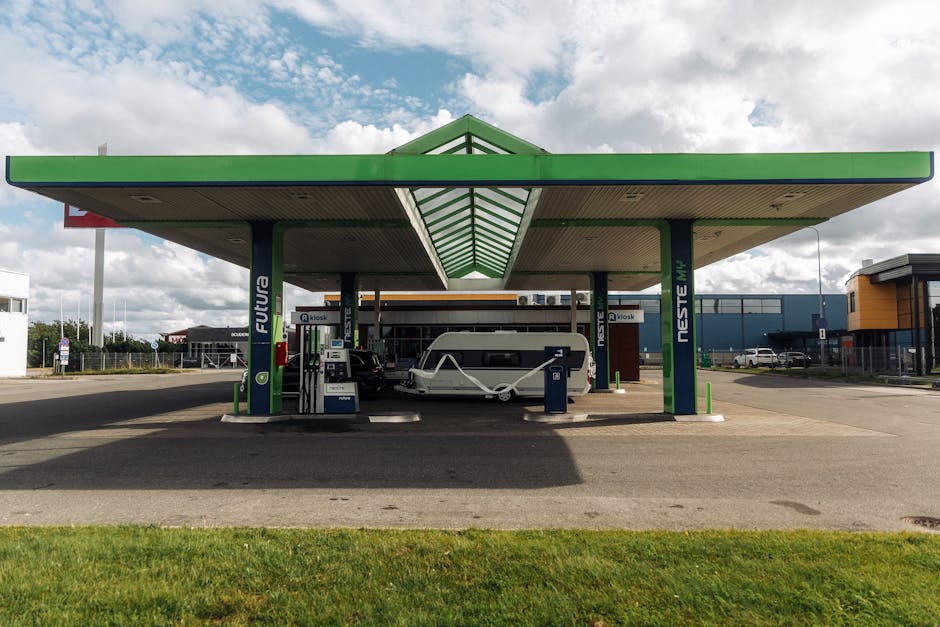
Picture this: you’re driving across a stretch of highway, and instead of watching your battery percentage slowly drain on your electric vehicle, you pull into a hydrogen refueling station, spend about four minutes filling up, and you’re back on the road with a 500-mile range. No range anxiety. No hour-long charging stops. Sounds like a scene from a sci-fi film, right? Well, in 2026, this scenario is increasingly becoming a real — if still not universally accessible — part of our transportation landscape. The commercialization of hydrogen fuel cells has been one of the most talked-about energy transitions of the decade, and the story is far more nuanced and exciting than most headlines suggest.
Where the Technology Actually Stands: The 2026 Data Snapshot
Let’s ground ourselves in some concrete numbers before we get too optimistic or too skeptical. As of early 2026, the global hydrogen fuel cell market is valued at approximately $18.4 billion USD, with projections suggesting it could surpass $60 billion by 2031 — that’s roughly a 26% compound annual growth rate. This isn’t speculative fantasy; it’s being driven by real policy mandates, corporate investments, and infrastructure buildouts happening right now.
Green hydrogen — produced via electrolysis using renewable energy rather than fossil fuels — has seen its production cost drop dramatically. In regions with abundant solar or wind energy (think Chile’s Atacama Desert or Australia’s outback), the cost of green hydrogen has dipped below $2.50 per kilogram in some pilot projects, approaching the much-cited “gold standard” threshold of $2/kg that would make it broadly cost-competitive with fossil fuels. That’s not everywhere yet, but the trajectory is unmistakable.
On the vehicle front, fuel cell electric vehicles (FCEVs) still represent a small fraction of the overall EV market — roughly 1.2% of new zero-emission vehicle registrations globally in 2026 — but they’re carving out specific niches where battery EVs genuinely struggle: long-haul trucking, maritime shipping, aviation, and heavy industrial applications.
Why Fuel Cells Aren’t Just “Another Battery Alternative”
Here’s where a lot of casual readers get confused. A hydrogen fuel cell isn’t a battery — it’s actually closer to an engine that converts chemical energy directly into electricity through an electrochemical reaction between hydrogen and oxygen, with water vapor as its only emission. The key advantages are real and worth understanding:
- Rapid refueling: Most FCEVs and fuel cell trucks refuel in 3–5 minutes, comparable to conventional gasoline vehicles.
- Energy density: Hydrogen contains roughly 3x the energy per kilogram compared to lithium-ion batteries, making it ideal for heavy loads and long distances.
- Zero direct emissions: The only byproduct is water vapor — a compelling argument in industries under heavy carbon-reduction pressure.
- Scalability for industry: Steel production, cement manufacturing, and chemical plants are beginning real-world hydrogen integration, something batteries fundamentally cannot replicate at scale.
- Grid balancing potential: Excess renewable energy can be converted to hydrogen and stored, solving one of the biggest headaches of wind and solar power.
Of course, the challenges are equally real. Hydrogen storage requires either extreme compression (700 bar) or cryogenic cooling, and building out refueling infrastructure is enormously capital-intensive. We shouldn’t gloss over that.
Global and Domestic Case Studies: Who’s Actually Doing This?
The most instructive way to understand commercialization progress is to look at who’s actually deploying this technology at scale — and where the gaps still exist.
🇰🇷 South Korea — The Aggressive Pioneer: South Korea remains one of the world’s most committed hydrogen economies. Hyundai’s NEXO FCEV has been a domestic staple since the early 2020s, and by 2026, the country operates over 310 hydrogen refueling stations with government commitments to expand to 660 by 2030. Korea’s “Hydrogen Economy Roadmap” has also pushed fuel cells into apartment building energy systems — thousands of residential complexes now use stationary fuel cells for combined heat and power (CHP), reducing grid dependence significantly.
🇩🇪 Germany — The Industrial Heavy Hitter: Germany’s approach is less about passenger cars and more about industrial decarbonization. The country’s Nationaler Wasserstoffrat (National Hydrogen Council) has been steering investments into green hydrogen for steel production. ThyssenKrupp’s direct reduction iron (DRI) plant, partially powered by hydrogen, has been producing low-carbon steel at commercial volumes since late 2025 — a landmark achievement for the heavy industry sector.
🇯🇵 Japan — The Long-Game Player: Japan’s hydrogen strategy is arguably the most comprehensive globally, with Toyota continuing to refine its Mirai platform and partnering with logistics companies to deploy fuel cell trucks for last-mile delivery in urban areas. Japan is also investing heavily in hydrogen import infrastructure from Australia and the Middle East to offset its limited domestic renewable capacity.
🇺🇸 United States — Policy Tailwinds Driving Scale: The Inflation Reduction Act’s hydrogen production tax credit (the “45V credit”) continues to stimulate investment in 2026, with over 40 regional hydrogen hubs across various stages of development. California’s Hydrogen Highway is seeing renewed momentum, and companies like Plug Power and Bloom Energy are reporting record deployment numbers for stationary fuel cell systems in data centers and manufacturing facilities.
The Honest Bottlenecks: Why Mainstream Adoption Is Still Uneven
Let’s think through this realistically together, because blind optimism isn’t useful for anyone making energy or investment decisions.
- The “chicken-and-egg” infrastructure problem: Consumers won’t buy FCEVs without refueling stations; investors won’t build stations without sufficient vehicles. This loop is slowly breaking but remains a real friction point outside of pilot regions.
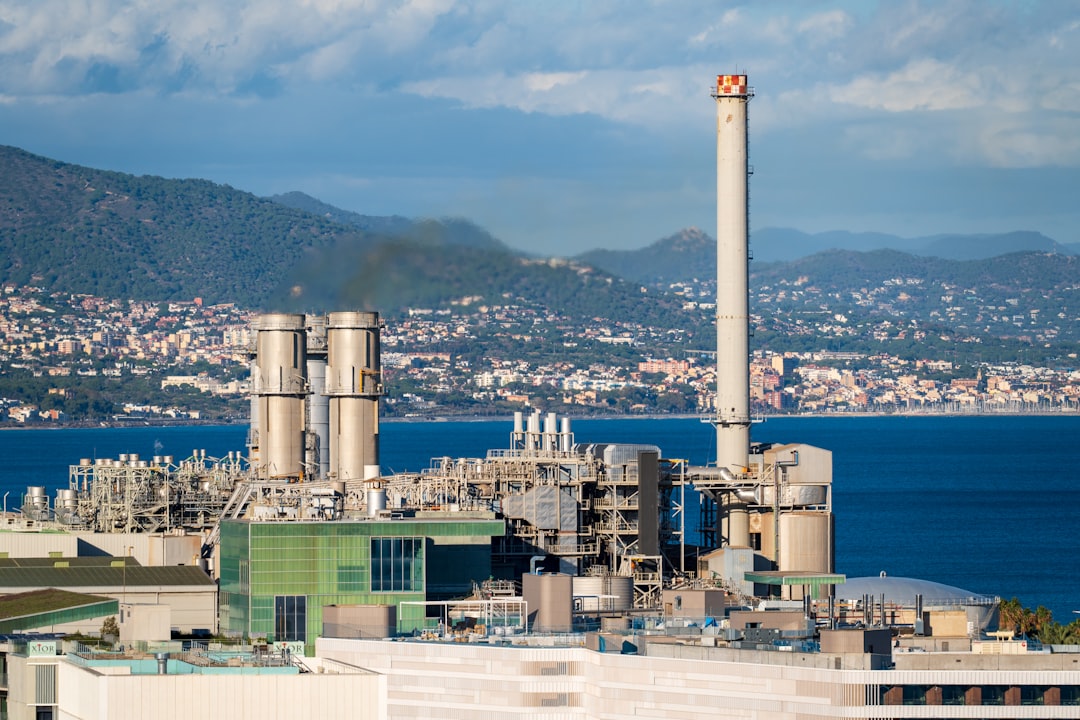
- Grey hydrogen dominance: Despite all the “green hydrogen” headlines, roughly 95% of hydrogen produced globally in 2026 still comes from natural gas reforming (grey hydrogen), which produces significant CO₂. The green transition is happening, but slowly.
- Cost competitiveness in passenger vehicles: For everyday commuters, a battery EV with home charging remains significantly cheaper in total cost of ownership compared to an FCEV — at least in markets where charging infrastructure is mature.
- Electrolyzer manufacturing scale: Green hydrogen production requires electrolyzers, and while costs have dropped considerably, scaling manufacturing to meet ambitious national targets remains a supply chain challenge.
Realistic Alternatives: How Should You Think About Hydrogen in Your Life?
Here’s where I want to have a genuine conversation with you, depending on where you’re sitting right now:
If you’re a regular consumer wondering whether to wait for an FCEV instead of buying a battery EV — unless you live in South Korea, parts of Japan, or specific California corridors, the refueling infrastructure simply isn’t there yet for a friction-free daily experience. A battery EV (or even a plug-in hybrid) is the more practical 2026 choice for personal transportation in most markets.
If you’re in logistics or heavy transport, hydrogen deserves serious evaluation right now. Several fuel cell Class 8 trucks (like those from Hyzon or Hyundai’s XCIENT platform) are operating commercially, and for routes over 300 miles with heavy payloads, the total cost equation is becoming competitive — especially as carbon pricing pressure intensifies.
If you’re an energy or industrial professional, stationary fuel cells for backup power, combined heat-and-power systems, and industrial process heat represent the most commercially mature and immediately deployable hydrogen applications available today.
Editor’s Comment : Hydrogen fuel cell commercialization in 2026 is one of those genuinely exciting-but-complex stories where the technology is real, the progress is measurable, but the timeline to mass-market ubiquity is still being written. It’s not a bubble — there’s too much capital, policy commitment, and industrial demand for that — but it’s also not the overnight revolution that some breathless headlines suggest. The smartest perspective? Think of hydrogen and battery technology not as competitors, but as complementary tools in the broader zero-emission toolkit, each with its own sweet spot. The energy transition is big enough for both.
📚 관련된 다른 글도 읽어 보세요
- 연료전지 자동차 vs 수소차, 같은 말일까? 2026년 완전 비교 분석
- 수소 연료전지 자동차 2026 완전 리뷰 | 지금 살 만한 차일까?
- 수소 연료전지 상용화 현황 및 전망 2026 — 이제 진짜 시대가 열리는가?
태그: [‘hydrogen fuel cell’, ‘FCEV 2026’, ‘green hydrogen’, ‘hydrogen economy’, ‘fuel cell commercialization’, ‘zero emission vehicles’, ‘renewable energy storage’]
Leave a Reply