Category: Uncategorized

  • Hydrogen Fueling Stations in 2026: Where Are We Really, and What’s Still Holding Us Back?

    Picture this: you’ve just bought a sleek hydrogen fuel cell vehicle (FCEV), drawn in by the promise of zero emissions and a 500-mile range. You punch in your destination on the nav system, and then โ€” that familiar anxiety kicks in. Not range anxiety exactly, but station anxiety. Where’s the nearest hydrogen fueling station? Is it actually operational today? These are questions that millions of FCEV drivers and aspiring buyers are still asking in 2026, and honestly, the answers are more complicated โ€” and more hopeful โ€” than you might expect.

    Let’s think through this together, because the story of hydrogen infrastructure is one of the most fascinating infrastructure puzzles of our generation.

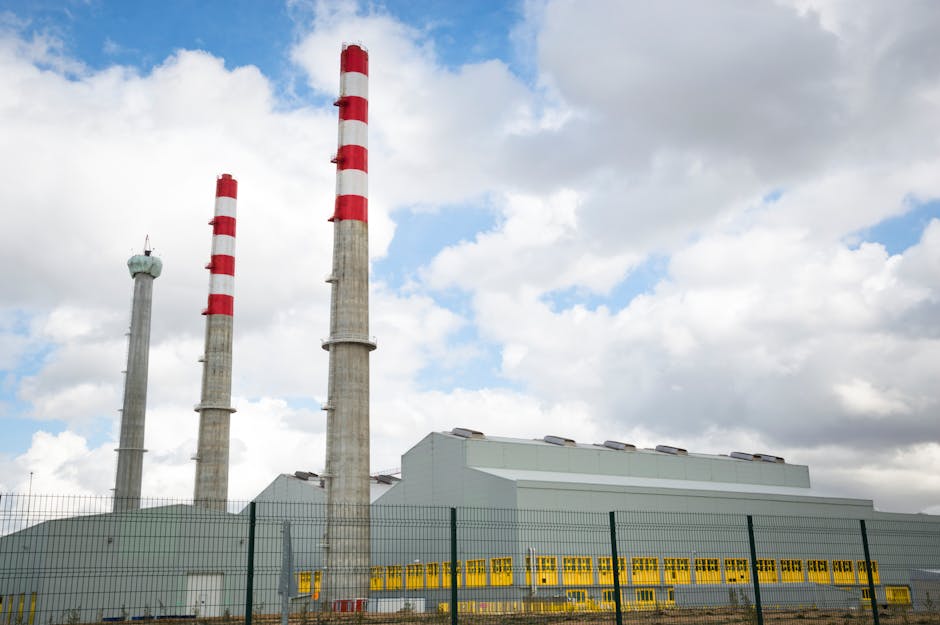
    hydrogen fueling station modern infrastructure 2026

    ๐Ÿ“Š The Global Numbers: Where Do We Actually Stand in 2026?

    As of early 2026, there are approximately 1,200+ publicly accessible hydrogen refueling stations (HRS) operating globally, according to data compiled by H2stations.org and the International Energy Agency (IEA). That sounds like a lot until you compare it to the roughly 170,000 conventional gas stations in the United States alone, or the 8,000+ EV fast-chargers added monthly across Europe.

    Here’s how the numbers break down regionally:

    • Asia-Pacific: Leading the pack with around 580 stations โ€” South Korea (~310), Japan (~165), and China (~105) dominating the count. South Korea’s “Hydrogen Economy Roadmap” has been a particularly aggressive policy driver.
    • Europe: Approximately 380 stations, concentrated in Germany (~100), France (~65), and the Netherlands (~45). The EU’s Alternative Fuels Infrastructure Regulation (AFIR), which mandated HRS every 200 km on major TEN-T corridors by 2025, has shown mixed compliance results.
    • North America: Around 120 stations, with California accounting for roughly 85% of U.S. capacity. Canada and other U.S. states are still in pilot phases.
    • Rest of World: A scattered but growing ~140 stations, including emerging hubs in the UAE, Australia, and Chile.

    ๐Ÿ” Breaking Down the Core Challenges

    Raw station counts are only half the story. Let’s talk about what’s really slowing things down, because it’s not just one bottleneck โ€” it’s a systemic knot.

    1. The Chicken-and-Egg Dilemma (Still Real in 2026)
    Investors won’t build stations without vehicle demand. Consumers won’t buy FCEVs without nearby stations. This loop has been partially broken in places like California and South Korea through government mandates and subsidies, but it persists elsewhere. The IEA estimates that for a hydrogen station to be financially viable without subsidy, it needs to serve at least 300โ€“500 vehicles daily โ€” a threshold most current stations don’t approach.

    2. Uptime and Reliability Issues
    A 2025 study by the California Energy Commission revealed that hydrogen stations in the state experienced an average operational uptime of only 78%, meaning roughly 1 in 5 visits could result in a failed refuel. Compressor failures, storage tank pressurization issues, and supply chain disruptions are the primary culprits. For context, traditional gas stations boast 99%+ uptime.

    3. Green vs. Gray Hydrogen Supply
    Here’s the uncomfortable truth: the majority of hydrogen used in fueling stations in 2026 is still gray hydrogen โ€” produced from natural gas via steam methane reforming (SMR), which emits COโ‚‚. Only about 12โ€“15% of station supply globally qualifies as certified “green hydrogen” (produced via renewable-powered electrolysis). The infrastructure for transporting and storing green hydrogen at scale remains underdeveloped.

    4. Capital Cost Barriers
    Building a single high-capacity hydrogen station costs between $2 million and $5 million USD, compared to roughly $300,000โ€“$500,000 for a multi-port DC fast-charging EV station. That’s a 5โ€“10x gap that makes private investors extremely cautious without long-term policy certainty.

    ๐ŸŒ Learning from Leaders: South Korea, Germany, and California

    Some regions are genuinely cracking the code, and their approaches offer a useful roadmap.

    South Korea โ€” The Policy-Driven Model: Seoul’s approach has been unapologetically top-down. The government directly funded over 70% of station construction costs through the Korea Hydrogen Industry Association (KHIA) and mandated public bus and taxi fleets to convert to FCEVs. By 2026, Hyundai’s NEXO is among the world’s best-selling FCEVs, and the domestic demand loop is finally beginning to self-sustain. The country is also experimenting with hydrogen “mother station” + satellite dispenser” networks to reduce per-location capital costs.

    Germany โ€” The H2 Mobility Public-Private Partnership: Germany’s H2 Mobility consortium โ€” a partnership between Shell, TotalEnergies, Linde, and Air Liquide โ€” represents one of the most sophisticated private-sector-led models globally. With ~100 stations operational, Germany has prioritized highway corridor coverage first, ensuring intercity travel is viable before dense urban saturation. The key lesson: network design matters more than raw station count.

    California โ€” The Cautionary Tale with Silver Linings: California has invested over $200 million in hydrogen infrastructure since 2015, yet the network has struggled with reliability and geographic clustering around the LA-SF corridor. The state’s 2026 “Hydrogen Superhighway” initiative is attempting to correct this by linking coastal hubs to inland freight corridors โ€” recognizing that heavy-duty trucking, not just passenger cars, may be hydrogen’s strongest near-term use case.

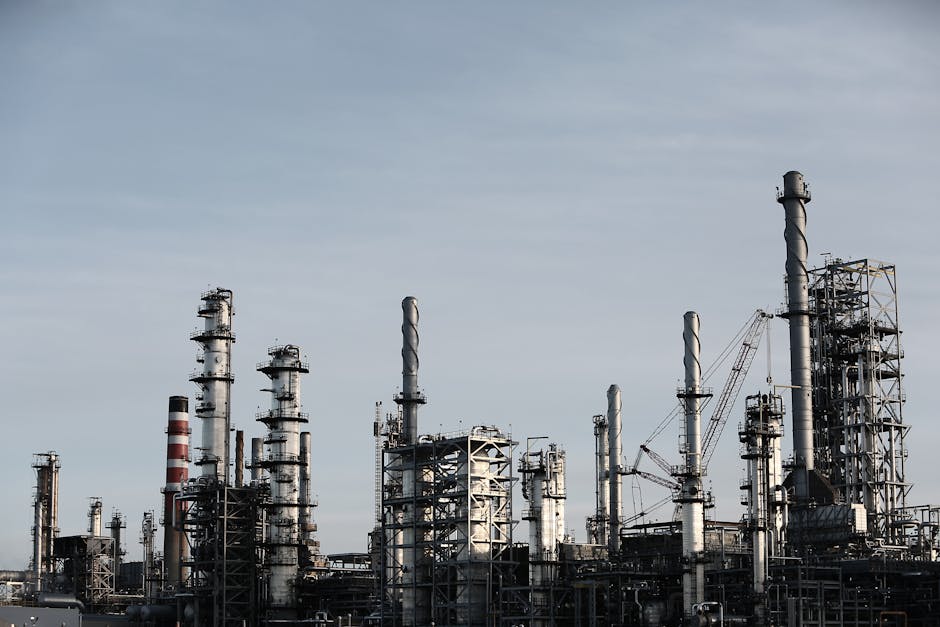
    hydrogen green energy supply chain electrolysis infrastructure

    ๐Ÿš› The Pivot That Changes Everything: Heavy-Duty Transport

    Here’s a perspective shift worth considering: maybe we’ve been thinking about hydrogen fueling infrastructure primarily through the lens of passenger cars, and that’s been limiting our vision. In 2026, the most economically compelling hydrogen applications are in heavy-duty trucks, port equipment, trains, and maritime vessels โ€” segments where battery limitations (weight, charge time, range) make hydrogen genuinely superior.

    Companies like Nikola, Hyzon, and Toyota’s commercial vehicle division are deploying FCEV trucks on fixed freight corridors, allowing infrastructure builders to co-locate stations with existing freight hubs rather than building out sparse public networks. This “depot + corridor” model dramatically improves station utilization rates and financial viability.

    ๐Ÿ’ก Realistic Alternatives and a Path Forward

    So what should consumers, investors, and policymakers actually do right now? Let’s be honest about the trade-offs:

    • If you’re a consumer considering an FCEV today: Check actual station uptime data in your region (apps like HydrogenMap and AFDC provide real-time status). If you’re in California, South Korea, or Germany’s major corridors, an FCEV is increasingly practical. Elsewhere, wait 18โ€“24 months for network maturation โ€” or consider a plug-in hybrid as a bridge.
    • If you’re a city or regional planner: Prioritize hydrogen for your municipal bus and refuse truck fleets first. Fixed-route, depot-based hydrogen is the fastest path to station viability and clean air benefits simultaneously.
    • If you’re a policy maker: Uptime guarantees and green hydrogen certification standards matter more than raw station construction subsidies. Fund maintenance programs and green hydrogen supply contracts, not just ribbon-cutting moments.
    • If you’re an investor: The heavy-duty transport segment and industrial hydrogen hubs (ports, airports, logistics centers) offer clearer ROI timelines than passenger car networks in most markets outside East Asia.

    The hydrogen fueling station story in 2026 is genuinely one of “we can see the finish line, but the track is still being laid.” The technology works. The environmental case is sound. The economic model is becoming clearer. What remains is the hard, unglamorous work of supply chain coordination, policy consistency, and grid-level green electricity expansion.

    That’s not a reason for pessimism โ€” it’s actually a reason for strategic optimism. The challenges are known. The solutions are being tested in real-world conditions right now. And the regions that get the infrastructure flywheel spinning โ€” policy pull, fleet demand, reliable supply, consumer confidence โ€” are going to have a significant economic and environmental edge in the decade ahead.

    Editor’s Comment : The hydrogen infrastructure gap isn’t really a technology problem anymore โ€” it’s a coordination and sequencing problem. The most important thing both governments and industry can do in 2026 is stop treating hydrogen stations as individual projects and start designing them as interconnected networks with guaranteed supply, verified uptime, and demand anchors in heavy transport. Get those three elements right, and the passenger car market will follow naturally. Rush the consumer side without fixing the fundamentals? We risk another decade of “almost there” headlines.


    ๐Ÿ“š ๊ด€๋ จ๋œ ๋‹ค๋ฅธ ๊ธ€๋„ ์ฝ์–ด ๋ณด์„ธ์š”

    ํƒœ๊ทธ: [‘hydrogen fueling station infrastructure 2026’, ‘FCEV hydrogen vehicle range’, ‘green hydrogen supply chain’, ‘hydrogen economy policy’, ‘hydrogen heavy duty transport’, ‘H2 mobility investment’, ‘zero emission fuel cell infrastructure’]

  • ์ˆ˜์†Œ ์ถฉ์ „์†Œ ์ธํ”„๋ผ ๊ตฌ์ถ• ํ˜„ํ™ฉ๊ณผ ๊ณผ์ œ 2026 โ€” ์šฐ๋ฆฌ๋Š” ์–ผ๋งˆ๋‚˜ ์™”๊ณ , ์–ผ๋งˆ๋‚˜ ๋‚จ์•˜๋‚˜

    ์–ผ๋งˆ ์ „ ์ง€์ธ ํ•œ ๋ช…์ด ์ˆ˜์†Œ์ „๊ธฐ์ฐจ๋ฅผ ๊ตฌ์ž…ํ–ˆ๋‹ค๊ฐ€ ํ•œ ๋‹ฌ๋„ ์•ˆ ๋ผ ํ›„ํšŒํ•œ๋‹ค๋Š” ์ด์•ผ๊ธฐ๋ฅผ ๊บผ๋ƒˆ์–ด์š”. ์ด์œ ๋ฅผ ๋ฌผ์—ˆ๋”๋‹ˆ ๋‹จ์ˆœํ–ˆ์Šต๋‹ˆ๋‹ค. “์ถฉ์ „์†Œ๊ฐ€ ๋„ˆ๋ฌด ์—†์–ด์„œ์š”.” ์ง‘ ๊ทผ์ฒ˜๋Š”์ปค๋…• ์ถœํ‡ด๊ทผ ๋™์„  30km ์•ˆ์— ์šด์˜ ์ค‘์ธ ์ถฉ์ „์†Œ๊ฐ€ ๋‹จ ํ•œ ๊ณณ๋„ ์—†์—ˆ๋˜ ๊ฑฐ์ฃ . ์ฐจ๋Š” ์žˆ๋Š”๋ฐ ์—ฐ๋ฃŒ๋ฅผ ๋„ฃ์ง€ ๋ชปํ•˜๋Š” ์ƒํ™ฉ, ์ด๊ฒŒ 2026๋…„ ํ˜„์žฌ ๋Œ€ํ•œ๋ฏผ๊ตญ ์ˆ˜์†Œ ๋ชจ๋นŒ๋ฆฌํ‹ฐ์˜ ๋ฏผ๋‚ฏ์ด๋ผ๊ณ  ๋ด…๋‹ˆ๋‹ค.

    ์ˆ˜์†Œ์—๋„ˆ์ง€๋Š” ํƒ„์†Œ์ค‘๋ฆฝ ์‹œ๋Œ€์˜ ํ•ต์‹ฌ ์—๋„ˆ์ง€์›์œผ๋กœ ์ „ ์„ธ๊ณ„๊ฐ€ ์ฃผ๋ชฉํ•˜๊ณ  ์žˆ์–ด์š”. ํ•˜์ง€๋งŒ ์•„๋ฌด๋ฆฌ ์ข‹์€ ๊ธฐ์ˆ ์ด๋ผ๋„ ‘์“ธ ์ˆ˜ ์žˆ๋Š” ํ™˜๊ฒฝ’์ด ๊ฐ–์ถฐ์ง€์ง€ ์•Š์œผ๋ฉด ๊ทธ๋ฆผ์˜ ๋–ก์ž…๋‹ˆ๋‹ค. ์˜ค๋Š˜์€ ์ˆ˜์†Œ ์ถฉ์ „ ์ธํ”„๋ผ์˜ ํ˜„์žฌ ์œ„์น˜๋ฅผ ๋ƒ‰์ •ํ•˜๊ฒŒ ์งš์–ด๋ณด๊ณ , ์™œ ์ด๋ ‡๊ฒŒ ๋”๋”˜์ง€, ๊ทธ๋ฆฌ๊ณ  ํ˜„์‹ค์ ์ธ ๋ŒํŒŒ๊ตฌ๋Š” ๋ฌด์—‡์ธ์ง€ ํ•จ๊ป˜ ๊ณ ๋ฏผํ•ด ๋ณด๊ฒ ์Šต๋‹ˆ๋‹ค.

    hydrogen fueling station infrastructure Korea 2026

    ๐Ÿ“Š ์ˆซ์ž๋กœ ๋ณด๋Š” 2026๋…„ ๊ตญ๋‚ด ์ˆ˜์†Œ ์ถฉ์ „์†Œ ํ˜„ํ™ฉ

    2026๋…„ 4์›” ๊ธฐ์ค€, ๊ตญ๋‚ด์— ์šด์˜ ์ค‘์ธ ์ˆ˜์†Œ ์ถฉ์ „์†Œ๋Š” ์•ฝ 330์—ฌ ๊ณณ์œผ๋กœ ์ง‘๊ณ„๋˜๊ณ  ์žˆ์Šต๋‹ˆ๋‹ค. ์ •๋ถ€๊ฐ€ 2025๋…„๊นŒ์ง€ ๋ชฉํ‘œ๋กœ ํ–ˆ๋˜ 450๊ณณ์—๋Š” ์—ฌ์ „ํžˆ ๋ฏธ์น˜์ง€ ๋ชปํ•˜๋Š” ์ˆ˜์ค€์ด์—์š”. ์„ค์น˜ ์ธํ—ˆ๊ฐ€๋ฅผ ๋ฐ›๊ณ ๋„ ์ฐฉ๊ณต์— ๋“ค์–ด๊ฐ€์ง€ ๋ชปํ•œ ‘์œ ๋ น ์ถฉ์ „์†Œ’๊ฐ€ ์ „์ฒด์˜ ์•ฝ 20%์— ๋‹ฌํ•œ๋‹ค๋Š” ๋ถ„์„๋„ ์žˆ์Šต๋‹ˆ๋‹ค.

    ์ˆ˜์†Œ์Šน์šฉ์ฐจ ๋ˆ„์  ๋“ฑ๋ก ๋Œ€์ˆ˜๋Š” ์•ฝ 4๋งŒ 2์ฒœ ๋Œ€๋ฅผ ๋„˜์–ด์„ฐ๊ณ , ์ˆ˜์†Œ๋ฒ„์Šค์™€ ํŠธ๋Ÿญ๊นŒ์ง€ ํฌํ•จํ•˜๋ฉด ์ƒ์šฉ ์ˆ˜์†Œ์ฐจ ์ˆ˜์š”๋Š” ๊พธ์ค€ํžˆ ์ฆ๊ฐ€์„ธ์ž…๋‹ˆ๋‹ค. ์ถฉ์ „์†Œ 1๊ณณ๋‹น ํ‰๊ท  ๋‹ด๋‹น ์ฐจ๋Ÿ‰ ์ˆ˜๊ฐ€ ์•ฝ 127๋Œ€ ์ˆ˜์ค€์ด๋ผ๋Š” ๊ฑด๋ฐ, ์ „๊ธฐ์ฐจ ๊ธ‰์†์ถฉ์ „๊ธฐ 1๊ธฐ๋‹น ์ฐจ๋Ÿ‰ ์ˆ˜(์•ฝ 8~10๋Œ€)์™€ ๋น„๊ตํ•˜๋ฉด ์ธํ”„๋ผ ๋ถ€์กฑ์ด ์–ผ๋งˆ๋‚˜ ์‹ฌ๊ฐํ•œ์ง€ ์ฒด๊ฐํ•  ์ˆ˜ ์žˆ์–ด์š”.

    ์ง€์—ญ ํŽธ์ค‘ ๋ฌธ์ œ๋„ ์‹ฌ๊ฐํ•ฉ๋‹ˆ๋‹ค. ์ „์ฒด ์ถฉ์ „์†Œ์˜ ์•ฝ 62%๊ฐ€ ์ˆ˜๋„๊ถŒยท์˜๋‚จ๊ถŒ์— ์ง‘์ค‘๋˜์–ด ์žˆ๊ณ , ๊ฐ•์›ยท์ถฉ์ฒญยท์ „๋ผ ์ผ๋ถ€ ์ง€์—ญ์€ ํ•œ ๊ฐœ ๊ด‘์—ญ์‹œ๋„ ์•ˆ์— ์ถฉ์ „์†Œ๊ฐ€ ์†์— ๊ผฝํž ์ •๋„์˜ˆ์š”. ๊ณ ์†๋„๋กœ ์ˆ˜์†Œ ์ถฉ์ „์†Œ๋Š” 2026๋…„ ํ˜„์žฌ ์ „๊ตญ 29๊ฐœ ๋…ธ์„  ์ค‘ ์•ฝ 18๊ฐœ ๋…ธ์„ ์—์„œ ์ด์šฉ ๊ฐ€๋Šฅํ•œ ์ˆ˜์ค€์ž…๋‹ˆ๋‹ค.

    ๐ŸŒ ํ•ด์™ธ๋Š” ์–ด๋–ป๊ฒŒ ํ•˜๊ณ  ์žˆ์„๊นŒ โ€” ์ผ๋ณธยท๋…์ผยท๋ฏธ๊ตญ ์‚ฌ๋ก€

    ์ผ๋ณธ์€ 2026๋…„ ๊ธฐ์ค€ ์ „๊ตญ ์•ฝ 200์—ฌ ๊ฐœ์˜ ์ˆ˜์†Œ ์ถฉ์ „์†Œ๋ฅผ ์šด์˜ ์ค‘์ž…๋‹ˆ๋‹ค. ์ˆซ์ž๋งŒ ๋ณด๋ฉด ํ•œ๊ตญ๋ณด๋‹ค ์ ์–ด ๋ณด์ด์ง€๋งŒ, ํ•ต์‹ฌ์€ ‘์šด์˜ ์•ˆ์ •์„ฑ’์ด์—์š”. ์ผ๋ณธ ๊ฒฝ์ œ์‚ฐ์—…์„ฑ(METI)๊ณผ ํ† ์š”ํƒ€ยทํ˜ผ๋‹ค ๋“ฑ ์™„์„ฑ์ฐจ ๊ธฐ์—…์ด ๊ณต๋™ ์ถœ์žํ•œ ‘JHyM(Japan H2 Mobility)’์ด๋ผ๋Š” ๋ฏผ๊ด€ํ•ฉ๋™๋ฒ•์ธ์ด ์ˆ˜์ต์„ฑ ๋‚ฎ์€ ์ถฉ์ „์†Œ๋„ ์•ˆ์ •์ ์œผ๋กœ ์šด์˜ํ•  ์ˆ˜ ์žˆ๋„๋ก ๋ฆฌ์Šคํฌ๋ฅผ ๋ถ„์‚ฐ์‹œํ‚ค๋Š” ๊ตฌ์กฐ๋ฅผ ๊ฐ–์ถ”๊ณ  ์žˆ์Šต๋‹ˆ๋‹ค. ํ•œ๊ตญ์ด ์ฃผ๋ชฉํ•ด์•ผ ํ•  ๋ชจ๋ธ์ด๋ผ๊ณ  ๋ด์š”.

    ๋…์ผ์€ H2 Mobility Deutschland๋ฅผ ์ค‘์‹ฌ์œผ๋กœ ์•ฝ 100์—ฌ ๊ฐœ์˜ ์ถฉ์ „์†Œ๋ฅผ ์šด์˜ํ•˜๊ณ  ์žˆ์œผ๋ฉฐ, ์•„์šฐํ† ๋ฐ˜ ์ฃผ์š” ๊ฑฐ์  ์ค‘์‹ฌ์˜ ‘ํšŒ๋ž‘(Corridor) ์ „๋žต’์œผ๋กœ ์žฅ๊ฑฐ๋ฆฌ ์šดํ–‰์˜ ์‹ค์šฉ์„ฑ์„ ๋†’์ด๋Š” ๋ฐ ์ง‘์ค‘ํ–ˆ์Šต๋‹ˆ๋‹ค. ํ™”๋ฌผ ํŠธ๋Ÿญ ์ค‘์‹ฌ์˜ ์ˆ˜์†Œ ๋ชจ๋นŒ๋ฆฌํ‹ฐ ์ „ํ™˜์— ์ดˆ์ ์„ ๋งž์ถ˜ ์ ๋„ ์ธ์ƒ์ ์ด์—์š”.

    ๋ฏธ๊ตญ ์บ˜๋ฆฌํฌ๋‹ˆ์•„๋Š” ์ฃผ์ •๋ถ€ ์ฃผ๋„๋กœ ์•ฝ 70์—ฌ ๊ฐœ์˜ ์†Œ๋งค ์ถฉ์ „์†Œ๋ฅผ ์šด์˜ ์ค‘์ด๋ฉฐ, 2026๋…„์—๋Š” CARB(์บ˜๋ฆฌํฌ๋‹ˆ์•„ ๋Œ€๊ธฐ์ž์›์ฒญ)๊ฐ€ ์ถฉ์ „์†Œ ์‹ ๊ทœ ์ธํ—ˆ๊ฐ€ ์ ˆ์ฐจ๋ฅผ ๋Œ€ํญ ๊ฐ„์†Œํ™”ํ•˜๋Š” ๊ฐœ์ •์•ˆ์„ ์‹œํ–‰ํ•˜๊ณ  ์žˆ์Šต๋‹ˆ๋‹ค. ์†๋„๋ณด๋‹ค ‘์‚ฌ์šฉ ๊ฐ€๋Šฅํ•œ ์ธํ”„๋ผ์˜ ์งˆ’์„ ์šฐ์„ ์‹œํ•˜๋Š” ์ ‘๊ทผ๋ฒ•์ž…๋‹ˆ๋‹ค.

    ๐Ÿšง ์™œ ์ถฉ์ „์†Œ ๊ตฌ์ถ•์ด ์ด๋ ‡๊ฒŒ ์–ด๋ ค์šด๊ฐ€ โ€” ํ•ต์‹ฌ ๊ณผ์ œ ๋ถ„์„

    ์ˆ˜์†Œ ์ถฉ์ „์†Œ๊ฐ€ ์ „๊ธฐ์ฐจ ์ถฉ์ „๊ธฐ๋ณด๋‹ค ๋ณด๊ธ‰์ด ํ›จ์”ฌ ๋А๋ฆฐ ๋ฐ๋Š” ๊ตฌ์กฐ์ ์ธ ์ด์œ ๊ฐ€ ์žˆ์–ด์š”. ๋‹จ์ˆœํžˆ ‘์ •๋ถ€ ์˜์ง€ ๋ถ€์กฑ’์œผ๋กœ ๋ณด๊ธฐ์—” ๋งฅ๋ฝ์ด ๋ณต์žกํ•ฉ๋‹ˆ๋‹ค.

    • ์ดˆ๊ธฐ ๊ตฌ์ถ• ๋น„์šฉ ๋ฌธ์ œ: ์ˆ˜์†Œ ์ถฉ์ „์†Œ 1๊ธฐ ๊ตฌ์ถ•์— ๋“œ๋Š” ๋น„์šฉ์€ ์•ฝ 30์–ต~50์–ต ์› ์ˆ˜์ค€์œผ๋กœ, ์ „๊ธฐ์ฐจ ๊ธ‰์†์ถฉ์ „๊ธฐ(์•ฝ 2์ฒœ๋งŒ~5์ฒœ๋งŒ ์›)์™€ ๋น„๊ตํ•  ์ˆ˜ ์—†์„ ์ •๋„๋กœ ๋†’์Šต๋‹ˆ๋‹ค. ํˆฌ์ž ํšŒ์ˆ˜ ๊ธฐ๊ฐ„์ด ๊ธธ์–ด ๋ฏผ๊ฐ„ ์‚ฌ์—…์ž๊ฐ€ ์„ ๋œป ๋›ฐ์–ด๋“ค๊ธฐ ์–ด๋ ต์ฃ .
    • ์ˆ˜์†Œ ์œ ํ†ต ์ธํ”„๋ผ ๋ถ€์žฌ: ์ถฉ์ „์†Œ์— ์ˆ˜์†Œ๋ฅผ ๊ณต๊ธ‰ํ•˜๋ ค๋ฉด ์ˆ˜์†Œ ์ƒ์‚ฐโ†’์ •์ œโ†’์••์ถ•โ†’์šด๋ฐ˜ ์ „ ๊ณผ์ •์— ๊ฑธ์ณ ์ฝœ๋“œ์ฒด์ธ์— ๋ฒ„๊ธˆ๊ฐ€๋Š” ์œ ํ†ต๋ง์ด ํ•„์š”ํ•ด์š”. ์•„์ง ํŒŒ์ดํ”„๋ผ์ธ ์ธํ”„๋ผ๊ฐ€ ๋ถ€์กฑํ•œ ํ•œ๊ตญ์—์„œ๋Š” ํŠœ๋ธŒํŠธ๋ ˆ์ผ๋Ÿฌ๋กœ ์šด๋ฐ˜ํ•˜๋Š” ๋ฐฉ์‹์ด ์ฃผ๋ฅผ ์ด๋ฃจ๋Š”๋ฐ, ์ด๊ฒŒ ์šด์˜ ๋น„์šฉ์„ ๋†’์ด๋Š” ์ฃผ๋ฒ”์ž…๋‹ˆ๋‹ค.
    • ์ธํ—ˆ๊ฐ€ ์ ˆ์ฐจ์˜ ๋ณต์žก์„ฑ: ์ˆ˜์†Œ๋Š” ๊ณ ์••๊ฐ€์Šค ์•ˆ์ „๊ด€๋ฆฌ๋ฒ•, ๋„์‹œ๊ฐ€์Šค์‚ฌ์—…๋ฒ•, ๊ฑด์ถ•๋ฒ• ๋“ฑ ์—ฌ๋Ÿฌ ๋ฒ•๋ น์˜ ์ ์šฉ์„ ๋™์‹œ์— ๋ฐ›์•„ ์ธํ—ˆ๊ฐ€์—๋งŒ ํ‰๊ท  18~24๊ฐœ์›”์ด ์†Œ์š”๋œ๋‹ค๋Š” ํ˜„์žฅ ๋ชฉ์†Œ๋ฆฌ๊ฐ€ ๋งŽ์Šต๋‹ˆ๋‹ค.
    • ์•ˆ์ „ ๊ธฐ์ค€๊ณผ ์ฃผ๋ฏผ ์ˆ˜์šฉ์„ฑ: ์ˆ˜์†Œ ํญ๋ฐœ์— ๋Œ€ํ•œ ๋Œ€์ค‘์˜ ๋ง‰์—ฐํ•œ ๊ณตํฌ์‹ฌ์€ ์•„์ง๋„ ์ถฉ์ „์†Œ ์ž…์ง€ ์„ ์ •์„ ์–ด๋ ต๊ฒŒ ๋งŒ๋“œ๋Š” ํ˜„์‹ค์ ์ธ ์žฅ๋ฒฝ์ด์—์š”. ์‹ค์ œ๋กœ ์ˆ˜์†Œ๋Š” ๊ฐ€์†”๋ฆฐ๋ณด๋‹ค ํญ๋ฐœ ์œ„ํ—˜์ด ๋‚ฎ๋‹ค๋Š” ์—ฐ๊ตฌ ๊ฒฐ๊ณผ๊ฐ€ ์žˆ์ง€๋งŒ, ์ธ์‹ ์ „ํ™˜์€ ๋”๋”ฅ๋‹ˆ๋‹ค.
    • ์ˆ˜์ต์„ฑ ํ™•๋ณด ์–ด๋ ค์›€: ์ˆ˜์†Œ์ฐจ ๋ณด๊ธ‰ ๋Œ€์ˆ˜๊ฐ€ ์•„์ง ์ž„๊ณ„์ (Critical Mass)์— ๋„๋‹ฌํ•˜์ง€ ๋ชปํ•ด, ์ถฉ์ „์†Œ ๋‹จ๋…์œผ๋กœ๋Š” ์ˆ˜์ต ๋‚ด๊ธฐ๊ฐ€ ์‚ฌ์‹ค์ƒ ๋ถˆ๊ฐ€๋Šฅํ•œ ๊ตฌ์กฐ์ž…๋‹ˆ๋‹ค.
    hydrogen energy supply chain infrastructure challenge diagram

    ๐Ÿ’ก ํ˜„์‹ค์ ์ธ ๋ŒํŒŒ๊ตฌ โ€” ์ง€๊ธˆ ๋‹น์žฅ ํ•  ์ˆ˜ ์žˆ๋Š” ๊ฒƒ๋“ค

    ์ƒํ™ฉ์ด ์–ด๋ ต๋‹ค๊ณ  ํ•ด์„œ ๋ฐฉ๋ฒ•์ด ์—†๋Š” ๊ฑด ์•„๋‹ˆ์—์š”. ๋ช‡ ๊ฐ€์ง€ ๋ฐฉํ–ฅ์—์„œ ๋ŒํŒŒ๊ตฌ๋ฅผ ์ฐพ์„ ์ˆ˜ ์žˆ๋‹ค๊ณ  ๋ด…๋‹ˆ๋‹ค.

    • ๊ฑฐ์ ํ˜• ์ถฉ์ „ ํ—ˆ๋ธŒ ์ „๋žต: ์ „๊ตญ ๊ณณ๊ณณ์— ์†Œํ˜• ์ถฉ์ „์†Œ๋ฅผ ๋ถ„์‚ฐ์‹œํ‚ค๊ธฐ๋ณด๋‹ค, ๋ฌผ๋ฅ˜ ๊ฑฐ์ ยท๊ณ ์†๋„๋กœ ํœด๊ฒŒ์†Œยท๋Œ€ํ˜• ๋ณตํ•ฉ์‹œ์„ค์— ๋Œ€์šฉ๋Ÿ‰ ํ—ˆ๋ธŒ ์ถฉ์ „์†Œ๋ฅผ ๋จผ์ € ๊ตฌ์ถ•ํ•˜๋Š” ‘์„ ํƒ๊ณผ ์ง‘์ค‘’ ์ „๋žต์ด ํ˜„์‹ค์ ์ž…๋‹ˆ๋‹ค.
    • ์ƒ์šฉ์ฐจ ์šฐ์„  ๋ณด๊ธ‰ ์ •์ฑ…: ์ˆ˜์†Œ๋ฒ„์Šคยท์ˆ˜์†ŒํŠธ๋Ÿญ์€ ์ •ํ•ด์ง„ ๊ฒฝ๋กœ๋ฅผ ์šดํ–‰ํ•˜๊ธฐ ๋•Œ๋ฌธ์— ์ถฉ์ „ ์ˆ˜์š” ์˜ˆ์ธก์ด ์‰ฌ์›Œ์š”. ์Šน์šฉ์ฐจ๋ณด๋‹ค ์ƒ์šฉ์ฐจ ์œ„์ฃผ๋กœ ์ธํ”„๋ผ๋ฅผ ๋จผ์ € ๊น”๋ฉด ์ถฉ์ „์†Œ ๊ฐ€๋™๋ฅ ์„ ๋†’์ผ ์ˆ˜ ์žˆ์Šต๋‹ˆ๋‹ค.
    • ๋ฏผ๊ด€ ๊ณต๋™๋ฒ•์ธ ๋ชจ๋ธ ๋„์ž…: ์•ž์„œ ์–ธ๊ธ‰ํ•œ ์ผ๋ณธ JHyM ๋ชจ๋ธ์ฒ˜๋Ÿผ, ์™„์„ฑ์ฐจยท์—๋„ˆ์ง€ยท๊ฐ€์Šค ๊ธฐ์—…์ด ํ•จ๊ป˜ ์ถœ์žํ•ด ์ˆ˜์ต์„ฑ ๋ฆฌ์Šคํฌ๋ฅผ ๋‚˜๋ˆ„๋Š” ๊ตฌ์กฐ๋ฅผ ๊ตญ๋‚ด์—์„œ๋„ ์ ๊ทน ๊ฒ€ํ† ํ•  ํ•„์š”๊ฐ€ ์žˆ์–ด์š”.
    • ๊ทœ์ œ ์ƒŒ๋“œ๋ฐ•์Šค ํ™•๋Œ€: ์ธํ—ˆ๊ฐ€ ๊ฐ„์†Œํ™”๋ฅผ ์œ„ํ•œ ํŠน๋ก€ ๊ตฌ์—ญ์„ ์ˆ˜์†Œ ์ถฉ์ „ ๋ถ„์•ผ์— ์ ์šฉํ•ด, ์‹œ๋ฒ” ์ง€์—ญ์—์„œ ๋น ๋ฅด๊ฒŒ ์‚ฌ๋ก€๋ฅผ ๋งŒ๋“ค๊ณ  ํ™•์‚ฐ์‹œํ‚ค๋Š” ๋ฐฉ๋ฒ•๋„ ์œ ํšจํ•ฉ๋‹ˆ๋‹ค.

    ์ˆ˜์†Œ ์ถฉ์ „ ์ธํ”„๋ผ๋Š” ๊ฒฐ๊ตญ ๋‹ญ๊ณผ ๋‹ฌ๊ฑ€์˜ ๋ฌธ์ œ์˜ˆ์š”. ์ฐจ๊ฐ€ ์—†์œผ๋ฉด ์ถฉ์ „์†Œ๊ฐ€ ์•ˆ ์ƒ๊ธฐ๊ณ , ์ถฉ์ „์†Œ๊ฐ€ ์—†์œผ๋ฉด ์ฐจ๋ฅผ ์•ˆ ์‚ฝ๋‹ˆ๋‹ค. ์ด ๊ต์ฐฉ ์ƒํƒœ๋ฅผ ํ’€ ์ˆ˜ ์žˆ๋Š” ๊ฑด ๊ฒฐ๊ตญ ์ •๋ถ€์˜ ์„ ์ œ์  ํˆฌ์ž์™€ ๋ฏผ๊ฐ„์˜ ์žฅ๊ธฐ์  ์‹ ๋ขฐ ๊ตฌ์ถ•์ด๋ผ๊ณ  ๋ด…๋‹ˆ๋‹ค. 2026๋…„์ด ๊ทธ ๋ณ€๊ณก์ ์ด ๋  ์ˆ˜ ์žˆ์„์ง€, ์ง€์ผœ๋ณผ ํ•„์š”๊ฐ€ ์žˆ์Šต๋‹ˆ๋‹ค.

    ์—๋””ํ„ฐ ์ฝ”๋ฉ˜ํŠธ : ์ˆ˜์†Œ ์ธํ”„๋ผ ์ด์•ผ๊ธฐ๋ฅผ ํ•  ๋•Œ ํ”ํžˆ ‘๊ธฐ์ˆ ์˜ ๋ฌธ์ œ’๋กœ๋งŒ ์ ‘๊ทผํ•˜๋Š” ๊ฒฝ์šฐ๊ฐ€ ๋งŽ์€๋ฐ, ์‚ฌ์‹ค ๊ฐ€์žฅ ํฐ ์žฅ๋ฒฝ์€ ์ œ๋„ยท๊ฒฝ์ œ์„ฑยท์‚ฌํšŒ์  ์ˆ˜์šฉ์„ฑ์ด๋ผ๋Š” ‘์‚ฌ๋žŒ์˜ ๋ฌธ์ œ’๋ผ๊ณ  ์ƒ๊ฐํ•ด์š”. ๊ธฐ์ˆ ์€ ์ด๋ฏธ ์ถฉ๋ถ„ํžˆ ์„ฑ์ˆ™ํ•ด ์žˆ๊ฑฐ๋“ ์š”. ์ˆ˜์†Œ์ฐจ๋ฅผ ๊ณ ๋ ค ์ค‘์ด๋ผ๋ฉด ์ง€๊ธˆ ๋‹น์žฅ์€ ์ž์‹ ์˜ ์ƒํ™œ๊ถŒ ๋‚ด ์ถฉ์ „์†Œ ์œ„์น˜๋ฅผ ๊ผญ ๋จผ์ € ํ™•์ธํ•ด ๋ณด์‹œ๊ธธ ๊ถŒํ•ฉ๋‹ˆ๋‹ค. ํ•œ๊ตญ์ˆ˜์†Œ์‚ฐ์—…ํ˜‘ํšŒ์˜ ์‹ค์‹œ๊ฐ„ ์ถฉ์ „์†Œ ์ง€๋„๊ฐ€ ๊ฝค ์œ ์šฉํ•˜๋”๋ผ๊ณ ์š”. ์ธํ”„๋ผ๊ฐ€ ๊ฐ–์ถฐ์ง€๋Š” ์†๋„์— ๋งž์ถฐ ์ง„์ž… ์‹œ์ ์„ ์ „๋žต์ ์œผ๋กœ ์žก๋Š” ๊ฒŒ ํ˜„๋ช…ํ•œ ์†Œ๋น„๋ผ๊ณ  ๋ด…๋‹ˆ๋‹ค.


    ๐Ÿ“š ๊ด€๋ จ๋œ ๋‹ค๋ฅธ ๊ธ€๋„ ์ฝ์–ด ๋ณด์„ธ์š”

    ํƒœ๊ทธ: [‘์ˆ˜์†Œ์ถฉ์ „์†Œ’, ‘์ˆ˜์†Œ์ธํ”„๋ผ’, ‘์ˆ˜์†Œ์ „๊ธฐ์ฐจ’, ‘์ˆ˜์†Œ์—๋„ˆ์ง€’, ‘ํƒ„์†Œ์ค‘๋ฆฝ’, ‘์นœํ™˜๊ฒฝ๋ชจ๋นŒ๋ฆฌํ‹ฐ’, ‘์ˆ˜์†Œ๊ฒฝ์ œ’]

  • SOFC vs. PEMFC: Key Differences, Real-World Examples & Future Outlook in 2026

    Picture this: you’re touring a cutting-edge hydrogen energy facility in South Korea โ€” say, one of the new green hydrogen hubs near Incheon โ€” and the engineer casually mentions two acronyms: SOFC and PEMFC. Your eyes glaze over for a second. Both are fuel cells, both run on hydrogen (or hydrogen-rich fuels), and both promise a cleaner energy future. But they couldn’t be more different in how they work, where they shine, and what role they’re likely to play as we race toward net-zero by 2050. Let’s unpack this together โ€” no PhD required.

    SOFC PEMFC fuel cell comparison diagram hydrogen energy 2026

    What Exactly Are Fuel Cells, and Why Do We Care?

    A fuel cell is essentially a device that converts chemical energy โ€” typically from hydrogen โ€” directly into electricity through an electrochemical reaction, with water (and sometimes heat) as the main byproduct. Unlike combustion engines, there’s no burning involved, which means dramatically lower emissions. In 2026, fuel cells are no longer a niche lab curiosity; they’re powering everything from apartment buildings in Japan to long-haul trucks on European highways. The global fuel cell market was valued at approximately $8.4 billion in 2025 and is projected to exceed $25 billion by 2030, according to BloombergNEF’s latest energy transition data.

    Within this booming landscape, two technologies dominate the conversation: Solid Oxide Fuel Cells (SOFC) and Proton Exchange Membrane Fuel Cells (PEMFC). Think of them as two very talented athletes competing in completely different sports โ€” both excellent, but suited to entirely different arenas.

    SOFC: The High-Temperature Powerhouse

    SOFC stands for Solid Oxide Fuel Cell. As the name implies, it uses a solid ceramic oxide material as the electrolyte โ€” the layer that allows ions to pass through while blocking electrons (forcing them through an external circuit to generate electricity). The critical thing to know? SOFCs operate at 600ยฐC to 1,000ยฐC (1,112ยฐF to 1,832ยฐF). That’s extraordinarily hot.

    • Fuel flexibility: Because of those extreme temperatures, SOFCs can internally reform natural gas, biogas, methane, or even ammonia โ€” not just pure hydrogen. This is a massive practical advantage today when pure hydrogen infrastructure is still developing.
    • Efficiency: Electrical efficiency ranges from 50โ€“65%, and when the waste heat is captured in a combined heat and power (CHP) system, total efficiency can reach 80โ€“90%.
    • Startup time: The Achilles’ heel. Heating up to operational temperatures takes 30 minutes to several hours, making SOFCs impractical for applications that require quick on/off cycles.
    • Durability: Modern SOFCs (2025โ€“2026 generation) are hitting 40,000โ€“80,000 hours of operational life in stationary applications โ€” a remarkable leap from a decade ago.
    • Cost: Still relatively high at roughly $2,000โ€“$4,500 per kW for commercial systems, though costs are falling roughly 8โ€“10% per year.

    PEMFC: The Agile, Fast-Response Champion

    PEMFC stands for Proton Exchange Membrane Fuel Cell (sometimes called Polymer Electrolyte Membrane Fuel Cell). Instead of a hot ceramic, the electrolyte here is a thin, flexible polymer membrane โ€” think of a specially engineered plastic sheet. PEMFCs operate at a much cooler 60ยฐC to 100ยฐC (140ยฐF to 212ยฐF).

    • Fast startup: PEMFCs can reach full operational capacity in seconds to a few minutes โ€” perfect for vehicles and portable applications.
    • Fuel requirement: The low-temperature operation means PEMFCs need high-purity hydrogen (typically 99.97% or better). Contaminants like carbon monoxide (CO) can poison the platinum catalyst, reducing performance rapidly.
    • Efficiency: Electrical efficiency sits at 40โ€“60% โ€” slightly lower than SOFC โ€” though ongoing catalyst improvements in 2026 are narrowing this gap.
    • Power density: PEMFCs deliver exceptional power density, making them compact and lightweight โ€” ideal for cars, buses, trains, drones, and portable devices.
    • Cost: Toyota’s latest Mirai platform and Hyundai’s NEXO successor use PEMFC stacks that have come down to approximately $80โ€“$120 per kW at scale in 2026, though platinum dependency still concerns supply chain strategists.
    PEMFC hydrogen fuel cell vehicle Toyota Hyundai 2026 green energy

    Side-by-Side Comparison: SOFC vs. PEMFC at a Glance

    Let’s put the key metrics head-to-head so the differences really click:

    • Operating Temperature: SOFC = 600โ€“1,000ยฐC | PEMFC = 60โ€“100ยฐC
    • Electrolyte Material: SOFC = Solid ceramic oxide | PEMFC = Polymer membrane
    • Fuel Flexibility: SOFC = High (natural gas, biogas, ammonia, hydrogen) | PEMFC = Low (requires pure Hโ‚‚)
    • Startup Speed: SOFC = Slow (30 min to hours) | PEMFC = Fast (seconds to minutes)
    • Electrical Efficiency: SOFC = 50โ€“65% | PEMFC = 40โ€“60%
    • Combined Heat & Power Efficiency: SOFC = Up to 90% | PEMFC = Up to 80%
    • Best Applications: SOFC = Stationary power, industrial, data centers | PEMFC = Transportation, portable, backup power
    • Catalyst: SOFC = No precious metals needed | PEMFC = Platinum-based (cost & supply concern)

    Real-World Examples: Who’s Doing What in 2026?

    The theory is one thing โ€” let’s look at where these technologies are actually making an impact right now.

    SOFC in Action:

    • Bloom Energy (USA) continues to expand its Bloom Energy Server installations across U.S. data centers and hospitals. In early 2026, Microsoft announced a partnership to power several of its Pacific Northwest data centers with Bloom’s latest gen SOFC systems, citing the high efficiency and fuel flexibility as key factors during the ongoing hydrogen infrastructure build-out.
    • Kyocera & Osaka Gas (Japan) have jointly deployed residential SOFC micro-CHP units (ENE-FARM Type S) across thousands of Japanese homes, where the units provide both electricity and hot water โ€” a model South Korea’s Doosan Fuel Cell has been eyeing closely for its apartment complex pilots in Sejong City.
    • Doosan Fuel Cell (South Korea) โ€” a major domestic player โ€” is deploying large-scale SOFC systems for industrial parks in Gyeonggi Province, with several units going online in Q1 2026 as part of Korea’s Hydrogen Economy Roadmap 2.0.

    PEMFC in Action:

    • Hyundai Motor Group (South Korea) launched its XCIENT Fuel Cell 2.0 heavy-duty truck in 2025, now operating in 14 countries. As of April 2026, the fleet has collectively logged over 50 million kilometers โ€” a milestone that significantly validates PEMFC durability for commercial transport.
    • Toyota (Japan) expanded the Mirai platform into a modular powertrain kit for light rail and ferry applications across Southeast Asia, with pilot routes in Thailand and Vietnam operational since late 2025.
    • H2ROGEN (EU Consortium) โ€” a joint initiative involving Germany’s ThyssenKrupp and French energy giant TotalEnergies โ€” is deploying PEMFC-based backup power systems across 200+ telecom towers in Germany, replacing diesel generators ahead of EU emissions mandates taking effect in 2027.

    The Platinum Problem & What’s Being Done About It

    One thing that keeps PEMFC engineers up at night is platinum. The catalyst that makes PEMFCs work is heavily reliant on platinum-group metals (PGMs), and South Africa controls roughly 70% of global platinum supply. In 2026, geopolitical supply concerns have accelerated research into platinum-reduced and platinum-free catalysts. Startups like Pajarito Powder (USA) and research teams at KAIST (Korea Advanced Institute of Science and Technology) are showing promising results with iron-nitrogen-carbon (Fe-N-C) catalysts โ€” though durability under real-world conditions remains a work in progress.

    Future Outlook: Where Are These Technologies Headed?

    So what does the next 5โ€“10 years look like for SOFC and PEMFC? Here’s my honest read of where things are going:

    • SOFC will dominate stationary and industrial power โ€” especially as the grid decarbonizes. The fuel flexibility advantage is enormous in a world where 100% green hydrogen is still years away from being universally available. Expect SOFC to become the backbone of distributed energy systems for factories, hospitals, and data centers.
    • PEMFC will accelerate in transportation โ€” heavy-duty trucks, trains, ships, and aviation (yes, hydrogen aviation startups are watching PEMFC closely for regional aircraft applications). As green hydrogen production scales up via electrolysis, the purity requirement becomes less of a barrier.
    • Convergence technologies are emerging โ€” researchers at MIT and ETH Zurich are developing intermediate-temperature SOFCs (IT-SOFC) operating at 400โ€“600ยฐC that combine some of SOFC’s fuel flexibility with faster startup characteristics. Watch this space closely through 2028.
    • Cost parity with conventional grid power is projected for PEMFC vehicle applications by 2028 and for SOFC stationary systems by 2030, according to the International Energy Agency’s 2026 Hydrogen Roadmap update.

    Realistic Alternatives: Which Should You (or Your Organization) Care About?

    If you’re evaluating fuel cell technology for a specific application โ€” or just trying to make sense of where to invest attention โ€” here’s a straightforward framework:

    • Running a building, data center, or factory? โ†’ SOFC is almost certainly your best bet. The high efficiency, CHP capability, and fuel flexibility make it the practical choice until green hydrogen pipelines are widely available.
    • Building or procuring vehicles or mobile equipment? โ†’ PEMFC wins on startup speed, power density, and the rapidly maturing automotive supply chain. Think forklifts, trucks, buses, trains.
    • Interested in investing or following the sector? โ†’ Track both, but watch PEMFC catalyst innovation (platinum reduction) and IT-SOFC development as the two biggest potential inflection points of the next few years.
    • Homeowner curious about residential fuel cells? โ†’ Japan and South Korea’s micro-CHP programs (predominantly SOFC-based) offer a glimpse of what’s coming. These aren’t mainstream in North America or Europe yet, but utility pilot programs are launching in Germany and California in 2026.

    The honest bottom line? SOFC and PEMFC aren’t really competitors โ€” they’re complementary technologies addressing different parts of our energy puzzle. The hydrogen economy needs both, and the smartest players in 2026 are investing in the infrastructure that allows both to thrive.

    Editor’s Comment : After spending time digging into the latest data and real-world deployments for this piece, what strikes me most is how rapidly the “theoretical” advantages of fuel cells are becoming lived, commercial realities in 2026 โ€” especially in South Korea and Japan, where government-industry coordination has given both SOFC and PEMFC a genuine running start. The next few years will be genuinely exciting to watch. If you’re just beginning to explore this space, start by following Doosan Fuel Cell, Bloom Energy, and Hyundai’s fuel cell division โ€” their quarterly updates are essentially a live dashboard for where the whole industry is heading.


    ๐Ÿ“š ๊ด€๋ จ๋œ ๋‹ค๋ฅธ ๊ธ€๋„ ์ฝ์–ด ๋ณด์„ธ์š”

    ํƒœ๊ทธ: [‘SOFC vs PEMFC’, ‘fuel cell technology 2026’, ‘hydrogen energy future’, ‘solid oxide fuel cell’, ‘proton exchange membrane fuel cell’, ‘green hydrogen applications’, ‘hydrogen economy outlook’]

  • SOFC vs PEMFC ์™„๋ฒฝ ๋น„๊ต 2026 | ๊ณ ์ฒด์‚ฐํ™”๋ฌผ vs ๊ณ ๋ถ„์ž์ „ํ•ด์งˆ ์—ฐ๋ฃŒ์ „์ง€ ์ฐจ์ด์ ๊ณผ ๋ฏธ๋ž˜ ์ „๋ง

    ์–ผ๋งˆ ์ „ ์ง€์ธ ํ•œ ๋ถ„์ด ์ด๋Ÿฐ ๋ง์„ ํ•˜๋”๋ผ๊ณ ์š”. “์ˆ˜์†Œ์ฐจ๊ฐ€ ๋Œ€์„ธ๋ผ๋Š”๋ฐ, ์—ฐ๋ฃŒ์ „์ง€๊ฐ€ ๋‹ค ๊ฑฐ๊ธฐ์„œ ๊ฑฐ๊ธฐ ์•„๋‹Œ๊ฐ€์š”?” ๊ทธ ์งˆ๋ฌธ์„ ๋“ฃ๊ณ  ์ž ๊น ๋ฉˆ์นซํ–ˆ์–ด์š”. ์‚ฌ์‹ค ์—ฐ๋ฃŒ์ „์ง€๋Š” ์ข…๋ฅ˜์— ๋”ฐ๋ผ ์ž‘๋™ ์˜จ๋„๋„, ์“ฐ์ž„์ƒˆ๋„, ์‹ฌ์ง€์–ด ๋ฏธ๋ž˜ ๊ฐ€์น˜๋„ ์™„์ „ํžˆ ๋‹ค๋ฅด๊ฑฐ๋“ ์š”. ์˜ค๋Š˜์€ ๊ทธ์ค‘์—์„œ๋„ ๊ฐ€์žฅ ๋งŽ์ด ์–ธ๊ธ‰๋˜๋Š” ๋‘ ๊ฐ€์ง€, SOFC(๊ณ ์ฒด์‚ฐํ™”๋ฌผ ์—ฐ๋ฃŒ์ „์ง€)์™€ PEMFC(๊ณ ๋ถ„์ž์ „ํ•ด์งˆ ์—ฐ๋ฃŒ์ „์ง€)๋ฅผ ํ•จ๊ป˜ ๋น„๊ตํ•ด ๋ณด๋ ค ํ•ฉ๋‹ˆ๋‹ค. ์–ด๋А ์ชฝ์ด ‘๋” ์ข‹๋‹ค’๋Š” ๊ฒฐ๋ก ๋ณด๋‹ค๋Š”, ์–ด๋–ค ์ƒํ™ฉ์—์„œ ์–ด๋–ค ์„ ํƒ์ด ๋งž๋Š”์ง€๋ฅผ ๊ฐ™์ด ๊ณ ๋ฏผํ•ด ๋ณด๋Š” ์‹œ๊ฐ„์ด ๋์œผ๋ฉด ํ•ด์š”.

    SOFC PEMFC fuel cell comparison diagram hydrogen energy

    ๐Ÿ”ฌ ์—ฐ๋ฃŒ์ „์ง€๋ž€ ๋ฌด์—‡์ธ๊ฐ€? ๊ฐ„๋‹จ ๋ณต์Šต

    ์—ฐ๋ฃŒ์ „์ง€(Fuel Cell)๋Š” ์ˆ˜์†Œ์™€ ์‚ฐ์†Œ์˜ ์ „๊ธฐํ™”ํ•™ ๋ฐ˜์‘์„ ํ†ตํ•ด ์ „๊ธฐ๋ฅผ ์ง์ ‘ ์ƒ์‚ฐํ•˜๋Š” ์žฅ์น˜์˜ˆ์š”. ๋‚ด์—ฐ๊ธฐ๊ด€์ฒ˜๋Ÿผ ์—ฐ๋ฃŒ๋ฅผ ํƒœ์šฐ๋Š” ๊ฒŒ ์•„๋‹ˆ๋ผ, ๋ฐ˜์‘ ๊ณผ์ •์—์„œ ์ „์ž์˜ ์ด๋™์„ ์œ ๋„ํ•ด ์ „๊ธฐ๋ฅผ ๋งŒ๋“ค์–ด๋ƒ…๋‹ˆ๋‹ค. ์ด๋ก  ํšจ์œจ์ด ์—ด์—ญํ•™์ ์œผ๋กœ ๋งค์šฐ ๋†’๊ณ , ๋ถ€์‚ฐ๋ฌผ์ด ๋ฌผ(Hโ‚‚O)๋ฟ์ด๋ผ๋Š” ์ ์—์„œ ์นœํ™˜๊ฒฝ ์—๋„ˆ์ง€์›์œผ๋กœ ์ฃผ๋ชฉ๋ฐ›๊ณ  ์žˆ์ฃ . ๊ทธ๋Ÿฐ๋ฐ ์ „ํ•ด์งˆ์˜ ์†Œ์žฌ์™€ ์ž‘๋™ ๋ฐฉ์‹์— ๋”ฐ๋ผ ์ˆ˜์‹ญ ๊ฐ€์ง€ ์ข…๋ฅ˜๋กœ ๋‚˜๋‰˜๋Š”๋ฐ, ํ˜„์žฌ ์ƒ์šฉํ™” ๋ฐ ์—ฐ๊ตฌ ์ธก๋ฉด์—์„œ ๊ฐ€์žฅ ์•ž์„œ ์žˆ๋Š” ๋‘ ์ข…๋ฅ˜๊ฐ€ ๋ฐ”๋กœ SOFC์™€ PEMFC๋ผ๊ณ  ๋ด…๋‹ˆ๋‹ค.


    ๐Ÿ“Š ๋ณธ๋ก  1: ์ˆ˜์น˜๋กœ ๋ณด๋Š” SOFC vs PEMFC ํ•ต์‹ฌ ์ฐจ์ด

    โ‘  ์ž‘๋™ ์˜จ๋„ โ€” ๊ฐ€์žฅ ๊ฒฐ์ •์ ์ธ ์ฐจ์ด

    ๋‘ ๊ธฐ์ˆ ์„ ๊ฐ€๋ฅด๋Š” ๊ฐ€์žฅ ๊ทผ๋ณธ์ ์ธ ์ฐจ์ด๋Š” ์ž‘๋™ ์˜จ๋„์ž…๋‹ˆ๋‹ค.

    • PEMFC: ์ƒ์˜จ~์•ฝ 80~100ยฐC์˜ ์ €์˜จ์—์„œ ์ž‘๋™ํ•ฉ๋‹ˆ๋‹ค. ๋น ๋ฅธ ์‹œ๋™์ด ๊ฐ€๋Šฅํ•˜๊ณ , ์ถœ๋ ฅ ๋ณ€๋™์—๋„ ์œ ์—ฐํ•˜๊ฒŒ ๋Œ€์‘ํ•  ์ˆ˜ ์žˆ์–ด์š”.
    • SOFC: ๋ฌด๋ ค 600~1,000ยฐC์˜ ๊ณ ์˜จ ํ™˜๊ฒฝ์ด ํ•„์š”ํ•ฉ๋‹ˆ๋‹ค. ๊ฐ€์—ด์— ์‹œ๊ฐ„์ด ๊ฑธ๋ฆฌ์ง€๋งŒ, ์ด ๊ณ ์˜จ ๋•๋ถ„์— ๋‹ค์–‘ํ•œ ์—ฐ๋ฃŒ๋ฅผ ์ง์ ‘ ์‚ฌ์šฉํ•  ์ˆ˜ ์žˆ๋‹ค๋Š” ๊ฐ•์ ์ด ์ƒ๊น๋‹ˆ๋‹ค.

    โ‘ก ํšจ์œจ โ€” SOFC๊ฐ€ ์•ž์„œ์ง€๋งŒ ์กฐ๊ฑด์ด ์žˆ๋‹ค

    ์ „๊ธฐ ๋ณ€ํ™˜ ํšจ์œจ๋งŒ ๋ณด๋ฉด PEMFC๋Š” ๋‹จ๋… ์šด์ „ ๊ธฐ์ค€ ์•ฝ 40~60%๋ฅผ ๊ธฐ๋กํ•˜๋Š” ๋ฐ˜๋ฉด, SOFC๋Š” ๋‹จ๋… ๊ธฐ์ค€ 50~65%๊นŒ์ง€ ๋‚˜์˜ค๊ณ , ์—ด๋ณ‘ํ•ฉ(CHP, Combined Heat and Power) ๋ฐฉ์‹์œผ๋กœ ํ™œ์šฉํ•˜๋ฉด ์‹œ์Šคํ…œ ์ „์ฒด ํšจ์œจ์ด 80~90%์— ๋‹ฌํ•  ์ˆ˜ ์žˆ๋‹ค๋Š” ํ‰๊ฐ€๋„ ์žˆ์–ด์š”. ์ด๋Š” ๊ณ ์˜จ ๋ฐฐ์—ด(ๅปข็†ฑ)์„ ๋‚œ๋ฐฉ์ด๋‚˜ ์ŠคํŒ€์œผ๋กœ ์žฌํ™œ์šฉํ•  ์ˆ˜ ์žˆ๊ธฐ ๋•Œ๋ฌธ์ž…๋‹ˆ๋‹ค.

    โ‘ข ์—ฐ๋ฃŒ ์œ ์—ฐ์„ฑ โ€” SOFC์˜ ํ•ต์‹ฌ ๊ฐ•์ 

    PEMFC๋Š” ์ˆœ๋„ ๋†’์€ ์ˆ˜์†Œ๋งŒ์„ ์—ฐ๋ฃŒ๋กœ ์‚ฌ์šฉํ•ด์•ผ ํ•ฉ๋‹ˆ๋‹ค. ๋ฐฑ๊ธˆ(Pt) ์ด‰๋งค๊ฐ€ ์ผ์‚ฐํ™”ํƒ„์†Œ(CO)์— ๋งค์šฐ ์ทจ์•ฝํ•ด์„œ, ๋ถˆ์ˆœ๋ฌผ์ด ์กฐ๊ธˆ๋งŒ ์„ž์—ฌ๋„ ์ด‰๋งค๊ฐ€ ํ”ผ๋…(Poisoning)๋˜๊ฑฐ๋“ ์š”. ๋ฐ˜๋ฉด SOFC๋Š” ๊ณ ์˜จ ํ™˜๊ฒฝ ๋•๋ถ„์— ์ฒœ์—ฐ๊ฐ€์Šค(CHโ‚„), LPG, ์•”๋ชจ๋‹ˆ์•„(NHโ‚ƒ)๊นŒ์ง€ ๋‚ด๋ถ€ ๊ฐœ์งˆ(Internal Reforming)์„ ํ†ตํ•ด ์ง์ ‘ ์‚ฌ์šฉํ•  ์ˆ˜ ์žˆ์–ด์š”. ํ˜„์žฌ ์ˆ˜์†Œ ์ธํ”„๋ผ๊ฐ€ ๋ถ€์กฑํ•œ ์ƒํ™ฉ์—์„œ ์ด๋Š” ๊ต‰์žฅํžˆ ์‹ค์งˆ์ ์ธ ์žฅ์ ์ด๋ผ๊ณ  ๋ด…๋‹ˆ๋‹ค.

    โ‘ฃ ๋‚ด๊ตฌ์„ฑ๊ณผ ์‹œ๋™ ํŠน์„ฑ

    • PEMFC: ์‹œ๋™ ์‹œ๊ฐ„์ด ์ˆ˜์ดˆ~์ˆ˜๋ถ„์œผ๋กœ ๋งค์šฐ ์งง์•„ ๋ชจ๋นŒ๋ฆฌํ‹ฐ(์ž๋™์ฐจ, ์„ ๋ฐ•, ๋“œ๋ก ) ๋ถ„์•ผ์— ์ตœ์ ํ™”๋˜์–ด ์žˆ์–ด์š”.
    • SOFC: ๊ณ ์˜จ๊นŒ์ง€ ๊ฐ€์—ดํ•˜๋Š” ๋ฐ ์ˆ˜์‹ญ ๋ถ„์—์„œ ์ˆ˜ ์‹œ๊ฐ„์ด ์†Œ์š”๋  ์ˆ˜ ์žˆ๊ณ , ์—ด ์‚ฌ์ดํด ๋ฐ˜๋ณต์— ๋”ฐ๋ฅธ ์†Œ์žฌ ์ŠคํŠธ๋ ˆ์Šค๊ฐ€ ๋‚ด๊ตฌ์„ฑ ๊ณผ์ œ๋กœ ์ง€๋ชฉ๋˜๊ธฐ๋„ ํ•ฉ๋‹ˆ๋‹ค. ๋Œ€์‹  ํ•œ ๋ฒˆ ๊ฐ€๋™ํ•˜๋ฉด ์žฅ์‹œ๊ฐ„ ์•ˆ์ •์ ์œผ๋กœ ์šด์ „ํ•˜๋Š” ์ •์น˜ํ˜•(๋ฐœ์ „์†Œ, ๊ฑด๋ฌผ์šฉ) ์‹œ์Šคํ…œ์— ๊ฐ•ํ•ฉ๋‹ˆ๋‹ค.

    โ‘ค ๋น„์šฉ ๊ตฌ์กฐ

    PEMFC๋Š” ๋ฐฑ๊ธˆ ์ด‰๋งค ์˜์กด๋„๊ฐ€ ๋†’์•„ ๊ท€๊ธˆ์† ๊ฐ€๊ฒฉ ๋ณ€๋™์— ๋ฏผ๊ฐํ•ฉ๋‹ˆ๋‹ค. 2026๋…„ ํ˜„์žฌ ๋ฐฑ๊ธˆ ๊ฐ€๊ฒฉ์€ ์˜จ์Šค๋‹น 1,000๋‹ฌ๋Ÿฌ ์•ˆํŒŽ์„ ์˜ค๊ฐ€๋ฉฐ ๊ณต๊ธ‰๋ง ๋ฆฌ์Šคํฌ๋กœ ์—ฌ์ „ํžˆ ์–ธ๊ธ‰๋˜๊ณ  ์žˆ์–ด์š”. SOFC๋Š” ๋‹ˆ์ผˆ(Ni), ์„ธ๋ฆฌ์•„(CeOโ‚‚), ํŽ˜๋กœ๋ธŒ์Šค์นด์ดํŠธ(Perovskite) ๊ณ„์—ด ์†Œ์žฌ๋ฅผ ์‚ฌ์šฉํ•ด ๊ท€๊ธˆ์† ์˜์กด๋„๊ฐ€ ๋‚ฎ์ง€๋งŒ, ๊ณ ์˜จ ์†Œ์žฌ ๊ฐ€๊ณต ๋น„์šฉ๊ณผ ์Šคํƒ ์ œ์กฐ ๋‚œ์ด๋„๊ฐ€ ๋น„์šฉ์„ ๋Œ์–ด์˜ฌ๋ฆฌ๋Š” ์š”์ธ์ด๋ผ๊ณ  ๋ด…๋‹ˆ๋‹ค.


    ๐ŸŒ ๋ณธ๋ก  2: ๊ตญ๋‚ด์™ธ ์ตœ์‹  ๋„์ž… ์‚ฌ๋ก€ (2026 ๊ธฐ์ค€)

    PEMFC ๊ตญ๋‚ด์™ธ ๋™ํ–ฅ

    ํ˜„๋Œ€์ž๋™์ฐจ๋Š” ๋„ฅ์˜(NEXO) ํ›„์† ๋ชจ๋ธ ๊ฐœ๋ฐœ๊ณผ ํ•จ๊ป˜ ์ƒ์šฉ ํŠธ๋Ÿญ์šฉ PEMFC ์‹œ์Šคํ…œ์˜ ๋‚ด๊ตฌ์„ฑ์„ 30๋งŒkm ์ด์ƒ์œผ๋กœ ๋Œ์–ด์˜ฌ๋ฆฌ๋Š” ํ”„๋กœ์ ํŠธ๋ฅผ ์ง„ํ–‰ ์ค‘์ธ ๊ฒƒ์œผ๋กœ ์•Œ๋ ค์ ธ ์žˆ์–ด์š”. ์ผ๋ณธ ๋„์š”ํƒ€ ์—ญ์‹œ ๋ฏธ๋ผ์ด(Mirai) 3์„ธ๋Œ€ ํ”Œ๋žซํผ์„ ๊ธฐ๋ฐ˜์œผ๋กœ PEMFC ์ถœ๋ ฅ ๋ฐ€๋„๋ฅผ ๋Œ์–ด์˜ฌ๋ฆฌ๋Š” ๋ฐ ์ง‘์ค‘ํ•˜๊ณ  ์žˆ๊ณ ์š”. ํ•ญ๊ณต ๋ถ„์•ผ์—์„œ๋„ ์—์–ด๋ฒ„์Šค์™€ ZeroAvia๊ฐ€ ์†Œํ˜• ํ•ญ๊ณต๊ธฐ์— PEMFC๋ฅผ ํƒ‘์žฌํ•˜๋Š” ์‹ค์ฆ์„ ์ด์–ด๊ฐ€๊ณ  ์žˆ์Šต๋‹ˆ๋‹ค.

    SOFC ๊ตญ๋‚ด์™ธ ๋™ํ–ฅ

    ๋ฏธ๊ตญ์˜ ๋ธ”๋ฃธ์—๋„ˆ์ง€(Bloom Energy)๋Š” ์ด๋ฏธ ๋ฐ์ดํ„ฐ์„ผํ„ฐ์™€ ๋ณ‘์› ๋“ฑ์— ๋Œ€๊ทœ๋ชจ SOFC ์‹œ์Šคํ…œ์„ ๊ณต๊ธ‰ ์ค‘์ด๋ฉฐ, ์‚ผ์„ฑSDI์™€ ๋‘์‚ฐํ“จ์–ผ์…€์€ ๊ฑด๋ฌผ์šฉยท๋ฐœ์ „์šฉ SOFC ์ƒ์šฉํ™”์— ๊พธ์ค€ํžˆ ํˆฌ์žํ•˜๊ณ  ์žˆ์Šต๋‹ˆ๋‹ค. ํŠนํžˆ ๋‘์‚ฐํ“จ์–ผ์…€์€ ํ•œ๊ตญ ์„œ๋ถ€๋ฐœ์ „๊ณผ ํ•จ๊ป˜ MW๊ธ‰ SOFC ์—ฐ๊ณ„ ๋ฐœ์ „ ์‹ค์ฆ ์‚ฌ์—…์„ ์ง„ํ–‰ ์ค‘์ธ ๊ฒƒ์œผ๋กœ ๋ณด์ด๊ณ ์š”. ์œ ๋Ÿฝ์—์„œ๋Š” ๋…์ผ๊ณผ ๋ด๋งˆํฌ๋ฅผ ์ค‘์‹ฌ์œผ๋กœ SOFC ๊ธฐ๋ฐ˜ ์—ด๋ณ‘ํ•ฉ ์‹œ์Šคํ…œ์„ ์ฃผํƒ ๋‹จ์ง€์— ์ ์šฉํ•˜๋Š” ์‹œ๋ฒ” ํ”„๋กœ์ ํŠธ๊ฐ€ ํ™•๋Œ€๋˜๊ณ  ์žˆ๋‹ค๋Š” ๋ณด๊ณ ๊ฐ€ ์žˆ์Šต๋‹ˆ๋‹ค.

    hydrogen fuel cell power plant building SOFC installation 2026

    ๐Ÿ”ฎ ๋ฏธ๋ž˜ ์ „๋ง: ๊ฒฝ์Ÿ์ด ์•„๋‹Œ ๊ณต์กด์˜ ์‹œ๋Œ€

    ๋งŽ์€ ๋ถ„๋“ค์ด SOFC์™€ PEMFC๋ฅผ ๊ฒฝ์Ÿ ๊ด€๊ณ„๋กœ ๋ณด์‹œ๋Š” ๊ฒƒ ๊ฐ™์€๋ฐ, ์ €๋Š” ์กฐ๊ธˆ ๋‹ค๋ฅด๊ฒŒ ๋ด์š”. ๋‘ ๊ธฐ์ˆ ์€ ๊ฐ•์ ์ด ์„œ๋กœ ๋‹ค๋ฅธ ์˜์—ญ์— ์žˆ๊ณ , ๊ฒฐ๊ตญ ์šฉ๋„์— ๋”ฐ๋ผ ๋ณ‘๋ ฌ์ ์œผ๋กœ ๋ฐœ์ „ํ•  ๊ฐ€๋Šฅ์„ฑ์ด ๋†’๋‹ค๊ณ  ๋ด…๋‹ˆ๋‹ค.

    • ๐Ÿš— ์ˆ˜์†กยท๋ชจ๋นŒ๋ฆฌํ‹ฐ: ๋น ๋ฅธ ์‹œ๋™, ๊ฐ€๋ณ€ ์ถœ๋ ฅ์ด ํ•„์š”ํ•œ ์ž๋™์ฐจยท์„ ๋ฐ•ยท๋“œ๋ก  โ†’ PEMFC๊ฐ€ ์šฐ์œ„๋ฅผ ์ด์–ด๊ฐˆ ๊ฒƒ์œผ๋กœ ๋ณด์ž…๋‹ˆ๋‹ค.
    • ๐Ÿข ๊ฑด๋ฌผยท์‚ฐ์—…์šฉ ๋ถ„์‚ฐ ๋ฐœ์ „: ์žฅ์‹œ๊ฐ„ ์•ˆ์ • ์šด์ „, ์—ด๋ณ‘ํ•ฉ์ด ์ค‘์š”ํ•œ ๋ฐ์ดํ„ฐ์„ผํ„ฐยท๊ณต์žฅยท์ฃผ๊ฑฐ ๋‹จ์ง€ โ†’ SOFC๊ฐ€ ๋” ์ ํ•ฉํ•œ ์„ ํƒ์ง€์ž…๋‹ˆ๋‹ค.
    • โšก ๊ทธ๋ฆฌ๋“œ ์—ฐ๊ณ„ ๋Œ€ํ˜• ๋ฐœ์ „: ์žฌ์ƒ์—๋„ˆ์ง€ ๋ณ€๋™์„ฑ์„ ๋ณด์™„ํ•˜๋Š” ์•ˆ์ •์  ์ „์›์œผ๋กœ SOFC ๊ธฐ๋ฐ˜ ๋ฐœ์ „์ด ์ ์ฐจ ์ฃผ๋ชฉ๋ฐ›๋Š” ์ถ”์„ธ์˜ˆ์š”.
    • ๐ŸŒฟ ์•”๋ชจ๋‹ˆ์•„ยท๋ฐ”์ด์˜ค๊ฐ€์Šค ํ™œ์šฉ: ํƒ„์†Œ์ค‘๋ฆฝ ์—ฐ๋ฃŒ์™€์˜ ์—ฐ๊ณ„์—์„œ๋Š” ์—ฐ๋ฃŒ ์œ ์—ฐ์„ฑ์ด ๋†’์€ SOFC๊ฐ€ ์œ ๋ฆฌํ•œ ๊ณ ์ง€๋ฅผ ์ ํ•  ๊ฐ€๋Šฅ์„ฑ์ด ํฌ๋‹ค๊ณ  ๋ด…๋‹ˆ๋‹ค.
    • ๐Ÿ”ฌ ๊ธฐ์ˆ  ์œตํ•ฉ: SOFC-GT(๊ฐ€์Šคํ„ฐ๋นˆ) ํ•˜์ด๋ธŒ๋ฆฌ๋“œ, PEMFC ์ €๋ฐฑ๊ธˆยท๋น„๋ฐฑ๊ธˆ ์ด‰๋งค ๊ฐœ๋ฐœ ๋“ฑ ๊ฐ ๊ธฐ์ˆ ์˜ ์•ฝ์ ์„ ๋ณด์™„ํ•˜๋Š” ๋ฐฉํ–ฅ์œผ๋กœ R&D๊ฐ€ ์ง‘์ค‘๋˜๊ณ  ์žˆ์–ด์š”.

    2026๋…„ ํ˜„์žฌ, ๊ธ€๋กœ๋ฒŒ ์—ฐ๋ฃŒ์ „์ง€ ์‹œ์žฅ ๊ทœ๋ชจ๋Š” ์—ฐ๊ฐ„ ๋‘ ์ž๋ฆฟ์ˆ˜ ์„ฑ์žฅ๋ฅ ์„ ๊ธฐ๋กํ•˜๋ฉฐ ํ™•๋Œ€๋˜๋Š” ์ถ”์„ธ์ด๊ณ , ์ •๋ถ€ ๋ณด์กฐ๊ธˆ๊ณผ ํƒ„์†Œ์„ธ ๊ฐ•ํ™”๊ฐ€ ๋งž๋ฌผ๋ฆฌ๋ฉด์„œ ๊ฒฝ์ œ์„ฑ๋„ ๋น ๋ฅด๊ฒŒ ๊ฐœ์„ ๋˜๋Š” ์ค‘์ž…๋‹ˆ๋‹ค. ์–ด๋А ํ•œ ๊ธฐ์ˆ ์ด ๋…์ ํ•˜๋Š” ๋ฏธ๋ž˜๋ณด๋‹ค๋Š”, ์“ฐ์ž„์ƒˆ์— ๋”ฐ๋ผ ์ตœ์ ์˜ ๊ธฐ์ˆ ์ด ์„ ํƒ๋˜๋Š” ‘์—ฐ๋ฃŒ์ „์ง€ ์ƒํƒœ๊ณ„’๊ฐ€ ํ˜•์„ฑ๋  ๊ฐ€๋Šฅ์„ฑ์ด ๋†’๋‹ค๊ณ  ๋ด์š”.


    ์—๋””ํ„ฐ ์ฝ”๋ฉ˜ํŠธ : SOFC์™€ PEMFC, ์–ด๋А ์ชฝ์— ํˆฌ์žํ•˜๊ฑฐ๋‚˜ ๊ด€์‹ฌ์„ ๊ฐ€์ ธ์•ผ ํ• ์ง€ ๊ณ ๋ฏผ์ด์‹œ๋ผ๋ฉด, ๋จผ์ € ‘์–ด๋–ค ์šฉ๋„๋ฅผ ์œ„ํ•œ ๊ฒƒ์ธ๊ฐ€’๋ฅผ ๋จผ์ € ์ •ํ•˜์‹œ๋Š” ๊ฒŒ ์ˆœ์„œ๋ผ๊ณ  ๋ด…๋‹ˆ๋‹ค. ์ˆ˜์†Œ์ฐจ๋‚˜ ๋ชจ๋นŒ๋ฆฌํ‹ฐ ์‚ฌ์—…์— ๊ด€์‹ฌ ์žˆ๋‹ค๋ฉด PEMFC ์ƒํƒœ๊ณ„๋ฅผ, ๊ฑด๋ฌผ ์—๋„ˆ์ง€ ํšจ์œจ์ด๋‚˜ ๋ถ„์‚ฐ ๋ฐœ์ „ ๊ด€๋ จ ์‚ฌ์—…์„ ๋ณด์‹ ๋‹ค๋ฉด SOFC ์ชฝ ๊ธฐ์—…๊ณผ ์ •์ฑ… ํ๋ฆ„์„ ํ•จ๊ป˜ ์‚ดํŽด๋ณด์‹œ๊ธธ ๊ถŒํ•ด๋“œ๋ ค์š”. ๋‘ ๊ธฐ์ˆ  ๋ชจ๋‘ ์•„์ง ์™„์„ฑ๋œ ๊ธฐ์ˆ ์ด ์•„๋‹ˆ๋ผ๋Š” ์ , ๊ทธ๋ž˜์„œ ์ง€๊ธˆ์ด ๊ฐ€์žฅ ํฅ๋ฏธ๋กœ์šด ํƒ€์ด๋ฐ์ผ ์ˆ˜๋„ ์žˆ๋‹ค๋Š” ์ ๋„ ํ•จ๊ป˜ ๊ธฐ์–ตํ•ด ๋‘์‹œ๋ฉด ์ข‹๊ฒ ์Šต๋‹ˆ๋‹ค. ๐Ÿ™‚


    ๐Ÿ“š ๊ด€๋ จ๋œ ๋‹ค๋ฅธ ๊ธ€๋„ ์ฝ์–ด ๋ณด์„ธ์š”

    ํƒœ๊ทธ: [‘SOFC’, ‘PEMFC’, ‘์—ฐ๋ฃŒ์ „์ง€ ๋น„๊ต’, ‘๊ณ ์ฒด์‚ฐํ™”๋ฌผ ์—ฐ๋ฃŒ์ „์ง€’, ‘๊ณ ๋ถ„์ž์ „ํ•ด์งˆ ์—ฐ๋ฃŒ์ „์ง€’, ‘์ˆ˜์†Œ์—๋„ˆ์ง€ 2026’, ‘์—ฐ๋ฃŒ์ „์ง€ ๋ฏธ๋ž˜์ „๋ง’]

  • Home Fuel Cell Systems in 2026: Are the Installation Costs Actually Worth It?

    A neighbor of mine โ€” let’s call her Sarah โ€” spent the better part of last winter complaining about her electricity bills. She lives in a mid-sized suburban home in Ohio, runs a home office, and has two teenagers who seem physically incapable of turning off lights. When she told me she was seriously considering a residential fuel cell system, I didn’t brush it off. Instead, we sat down with a coffee and really thought it through together. That conversation turned into this article.

    Residential fuel cell systems have quietly moved from “experimental tech for early adopters” to a genuinely viable energy option in 2026 โ€” but the cost-efficiency equation is still nuanced, and it deserves a careful, honest look.

    home fuel cell system installation residential energy 2026

    What Exactly Is a Home Fuel Cell System?

    Before we dive into numbers, let’s get on the same page. A residential fuel cell system (often called a micro-CHP, or micro Combined Heat and Power unit) generates electricity through an electrochemical reaction โ€” typically using natural gas or hydrogen โ€” rather than combustion. The big win? It produces both electricity and usable heat simultaneously, which dramatically improves overall energy efficiency compared to conventional grid power.

    Popular residential systems in 2026 include units from Bloom Energy, Panasonic’s ENE-FARM series (widely adopted in Japan), and newer entrants like Ceres Power partnerships and Doosan Fuel Cell home units. Most residential systems range from 1 kW to 5 kW in output capacity.

    Breaking Down the Real Installation Costs in 2026

    Here’s where we need to be brutally honest. The upfront costs are not trivial. Based on 2026 market data:

    • Unit cost (hardware only): $8,000โ€“$22,000 depending on capacity and brand
    • Installation labor and permitting: $2,500โ€“$6,000 (varies widely by state and local codes)
    • Natural gas line modification or hydrogen supply setup: $500โ€“$3,000
    • Total installed cost (average 3kW system): Approximately $14,000โ€“$28,000
    • Annual maintenance contracts: $300โ€“$800/year

    That’s a significant chunk of change. But raw cost figures without context are almost meaningless โ€” what matters is the payback period and net savings over time.

    The Efficiency Math: Does It Actually Add Up?

    A modern residential fuel cell system operates at 40โ€“60% electrical efficiency, and when you factor in heat recovery (using the waste heat for water heating or space heating), the overall system efficiency can reach 85โ€“90%. Compare that to the average U.S. grid, which delivers electricity at roughly 33โ€“35% efficiency from source to socket due to transmission losses.

    For a household consuming 900 kWh/month (close to the U.S. average in 2026), a properly sized fuel cell system could reduce grid electricity purchases by 60โ€“80%. At the current average U.S. electricity price of approximately $0.17/kWh (2026 EIA estimates), that translates to annual savings of $1,100โ€“$1,800 on electricity alone, before factoring in heat savings.

    Simple payback period? Roughly 10โ€“18 years without incentives. With incentives, that number gets more interesting.

    Government Incentives and Tax Credits in 2026

    This is where the equation can genuinely shift in your favor. In the U.S., the Inflation Reduction Act provisions that carried into 2026 still offer:

    • Federal Investment Tax Credit (ITC): 30% credit on qualifying fuel cell systems (up to $500 per 0.5 kW of capacity)
    • State-level rebates: California, New York, Connecticut, and Massachusetts offer additional rebates ranging from $1,000โ€“$5,000
    • Utility net metering programs: Some utilities allow fuel cell owners to sell excess power back to the grid

    With a 30% federal credit applied to a $20,000 installation, your effective cost drops to $14,000 โ€” suddenly that payback period shrinks to 8โ€“12 years, which begins to look competitive with solar panel systems.

    Real-World Examples: What’s Happening Globally

    Japan remains the world leader in residential fuel cell adoption. The ENE-FARM program, now in its 15th year, has over 500,000 residential units installed nationwide as of 2026. Japanese households report average annual energy cost reductions of ยฅ120,000โ€“ยฅ180,000 (roughly $800โ€“$1,200 USD), with government subsidies covering up to 50% of initial costs in some prefectures.

    In South Korea, companies like Doosan Fuel Cell and POSCO Energy have driven down residential unit costs through manufacturing scale, and the Korean government’s hydrogen economy roadmap has made fuel cells a mainstream consideration for new construction projects in 2026.

    In Europe, Germany and the Netherlands have seen growing adoption through the Callux and ene.field successor programs, with installations increasingly tied to hydrogen-ready infrastructure as green hydrogen supply chains mature.

    Japan ENE-FARM residential fuel cell home energy savings

    Who Should Seriously Consider This โ€” and Who Shouldn’t?

    Let’s think through this practically. A home fuel cell system makes the most sense if you:

    • Have high electricity consumption (consistently above 800 kWh/month)
    • Also have significant hot water or space heating needs (to maximize CHP benefits)
    • Plan to stay in your home for 10+ years
    • Live in a state with meaningful incentive programs
    • Have reliable natural gas access (or are near a hydrogen supply network)
    • Want energy resilience and some independence from grid outages

    On the other hand, if you’re renting, planning to move within 5 years, or live in a mild climate with low heating needs, the economics get much harder to justify.

    Realistic Alternatives Worth Considering

    If a fuel cell system feels like too big a commitment right now, here are some genuinely smart alternatives to think about:

    • Solar + Battery Storage (e.g., Tesla Powerwall 3 or Enphase IQ system): Lower upfront cost in many cases, faster payback in sun-rich regions, no fuel supply dependency
    • High-Efficiency Heat Pump Water Heaters: A much cheaper way to tackle the hot water efficiency piece specifically (around $1,200โ€“$2,000 installed)
    • Hybrid Approach: Install solar now, leave conduit space for a future fuel cell system as hydrogen infrastructure expands in your area
    • Community Energy Programs: Some utilities now offer virtual power plant (VPP) participation that can reduce bills without any hardware installation

    The hybrid approach, honestly, is what I’d tell Sarah. Start with what makes sense today, architect it to expand tomorrow.

    Editor’s Comment : Home fuel cell systems in 2026 represent genuinely mature technology โ€” they’re no longer a science experiment. But “mature” doesn’t automatically mean “right for you right now.” The honest answer is that they’re a fantastic investment for high-consumption households in incentive-rich states with long-term ownership plans, and a harder sell for everyone else. The good news? As green hydrogen supply chains continue developing through 2026 and beyond, the running cost side of the equation is only going to improve. If you’re building a new home or planning a major renovation, at minimum, have a conversation with a certified energy consultant about future-proofing your setup. The infrastructure decisions you make today will determine your options in 2030.


    ๐Ÿ“š ๊ด€๋ จ๋œ ๋‹ค๋ฅธ ๊ธ€๋„ ์ฝ์–ด ๋ณด์„ธ์š”

    ํƒœ๊ทธ: [‘home fuel cell system’, ‘residential fuel cell cost 2026’, ‘micro CHP installation’, ‘home energy efficiency’, ‘fuel cell ROI’, ‘ENE-FARM residential’, ‘clean energy home solutions’]

  • ๊ฐ€์ •์šฉ ์—ฐ๋ฃŒ์ „์ง€ ์‹œ์Šคํ…œ ์„ค์น˜ ๋น„์šฉ๊ณผ ํšจ์œจ, 2026๋…„ ์ง€๊ธˆ ํˆฌ์žํ•  ๋งŒํ•œ๊ฐ€?

    ์–ผ๋งˆ ์ „ ์ง€์ธ ํ•œ ๋ถ„์ด ์ด๋Ÿฐ ๋ง์„ ํ–ˆ์–ด์š”. “ํƒœ์–‘๊ด‘ ํŒจ๋„์€ ์ด๋ฏธ ์„ค์น˜ํ–ˆ๋Š”๋ฐ, ์—ฐ๋ฃŒ์ „์ง€๋Š” ๋ญ”๊ฐ€ ๋„ˆ๋ฌด ๋ณต์žกํ•˜๊ณ  ๋น„์Œ€ ๊ฒƒ ๊ฐ™์•„์„œ ์—„๋‘๊ฐ€ ์•ˆ ๋‚œ๋‹ค”๊ณ ์š”. ๊ทธ ๋ง์ด ๊ฝค ์˜ค๋ž˜ ๋จธ๋ฆฟ์†์— ๋‚จ์•˜์Šต๋‹ˆ๋‹ค. ์—ฐ๋ฃŒ์ „์ง€ ์‹œ์Šคํ…œ์€ ๋ถ„๋ช…ํžˆ ์œ ๋งํ•œ ๊ธฐ์ˆ ์ธ๋ฐ, ์•„์ง๋„ ‘๋น„์‹ธ๊ณ  ์–ด๋ ค์šด ๊ฒƒ’์ด๋ผ๋Š” ์ธ์‹์ด ๊ฐ•ํ•˜๊ฒŒ ๋‚จ์•„ ์žˆ๋Š” ๊ฒƒ ๊ฐ™๋”๋ผ๊ณ ์š”. ๊ทธ๋ž˜์„œ ์˜ค๋Š˜์€ 2026๋…„ ํ˜„์žฌ ๊ธฐ์ค€์œผ๋กœ ๊ฐ€์ •์šฉ ์—ฐ๋ฃŒ์ „์ง€ ์‹œ์Šคํ…œ์˜ ์‹ค์ œ ์„ค์น˜ ๋น„์šฉ๊ณผ ์—๋„ˆ์ง€ ํšจ์œจ์„ ํ•œ๋ฒˆ ์ฐฌ์ฐฌํžˆ ๋œฏ์–ด๋ณด๋ ค ํ•ฉ๋‹ˆ๋‹ค.

    home fuel cell system installation residential energy

    ๐Ÿ“Š 2026๋…„ ๊ธฐ์ค€, ๊ฐ€์ •์šฉ ์—ฐ๋ฃŒ์ „์ง€ ์‹œ์Šคํ…œ ์„ค์น˜ ๋น„์šฉ์€ ์–ผ๋งˆ?

    ๊ตญ๋‚ด ์‹œ์žฅ ๊ธฐ์ค€์œผ๋กœ ๋ณด๋ฉด, 1kW๊ธ‰ ๊ฐ€์ •์šฉ ์—ฐ๋ฃŒ์ „์ง€ ์‹œ์Šคํ…œ์˜ ์„ค์น˜ ๋น„์šฉ์€ ๋Œ€๋žต 1,500๋งŒ ์›~2,200๋งŒ ์› ์ˆ˜์ค€์ด๋ผ๊ณ  ๋ด…๋‹ˆ๋‹ค. ์—ฌ๊ธฐ์„œ ์ค‘์š”ํ•œ ๊ฑด ์ •๋ถ€ ๋ณด์กฐ๊ธˆ์ž…๋‹ˆ๋‹ค. 2026๋…„ ํ˜„์žฌ ์‚ฐ์—…ํ†ต์ƒ์ž์›๋ถ€ ๋ฐ ํ•œ๊ตญ์—๋„ˆ์ง€๊ณต๋‹จ์˜ ‘์‹ ์žฌ์ƒ์—๋„ˆ์ง€ ์ฃผํƒ์ง€์›์‚ฌ์—…’์„ ํ†ตํ•ด ์„ค์น˜๋น„์˜ ์ตœ๋Œ€ 60~70%๊นŒ์ง€ ๋ณด์กฐ๊ธˆ ์ง€์›์ด ๊ฐ€๋Šฅํ•œ ๊ฒฝ์šฐ๋„ ์žˆ์–ด์š”. ์ฆ‰, ์ž๋ถ€๋‹ด ๋น„์šฉ์ด 500๋งŒ~700๋งŒ ์› ์„ ๊นŒ์ง€ ๋‚ฎ์•„์งˆ ์ˆ˜ ์žˆ๋‹ค๋Š” ์˜๋ฏธ์ž…๋‹ˆ๋‹ค.

    ๋ฌผ๋ก  ์ง€์ž์ฒด๋ณ„๋กœ ์ถ”๊ฐ€ ๋ณด์กฐ๊ธˆ ์ง€์› ์—ฌ๋ถ€๊ฐ€ ๋‹ฌ๋ผ์ง€๊ธฐ ๋•Œ๋ฌธ์—, ์‹ค์งˆ ๋น„์šฉ์€ ๊ฑฐ์ฃผ ์ง€์—ญ์— ๋”ฐ๋ผ ์ƒ๋‹นํ•œ ์ฐจ์ด๊ฐ€ ์ƒ๊น๋‹ˆ๋‹ค. ์ด ์ ์€ ๊ผญ ๊ฐœ์ธ ํ™•์ธ์ด ํ•„์š”ํ•œ ๋ถ€๋ถ„์ด์—์š”.

    • ์‹œ์Šคํ…œ ์šฉ๋Ÿ‰: ์ผ๋ฐ˜ ๊ฐ€์ • ๊ธฐ์ค€ 1kW๊ธ‰์ด ๊ฐ€์žฅ ์ผ๋ฐ˜์  (4์ธ ๊ฐ€๊ตฌ ๊ธฐ์ค€ ๊ถŒ์žฅ)
    • ํ‰๊ท  ๋ฐœ์ „ ํšจ์œจ: ์ „๊ธฐ ํšจ์œจ ์•ฝ 35~42%, ์—ด ํšŒ์ˆ˜ ํฌํ•จ ์‹œ ์ข…ํ•ฉ ํšจ์œจ 85~90% ์ˆ˜์ค€
    • ์—ฐ๊ฐ„ ์ ˆ๊ฐ ์ „๊ธฐ ์š”๊ธˆ: ๊ฐ€๊ตฌ ์‚ฌ์šฉ ํŒจํ„ด์— ๋”ฐ๋ผ ์•ฝ 60๋งŒ~100๋งŒ ์› ์ ˆ๊ฐ ํšจ๊ณผ ์ถ”์ •
    • ๋‹จ์ˆœ ํšŒ์ˆ˜ ๊ธฐ๊ฐ„: ๋ณด์กฐ๊ธˆ ์ ์šฉ ํ›„ ์ˆœ์ˆ˜ ์ž๋ถ€๋‹ด ๊ธฐ์ค€ ์•ฝ 5~8๋…„ ๋‚ด์™ธ๋กœ ์ถ”์‚ฐ
    • ์‹œ์Šคํ…œ ์ˆ˜๋ช…: ์ฃผ์š” ์Šคํƒ ๊ต์ฒด ๊ธฐ์ค€ ์•ฝ 8๋งŒ~9๋งŒ ์‹œ๊ฐ„, ์•ฝ 10๋…„ ๋‚ด์™ธ ์šด์šฉ ๊ฐ€๋Šฅ
    • ์œ ์ง€๋ณด์ˆ˜ ๋น„์šฉ: ์—ฐ๊ฐ„ ์•ฝ 10๋งŒ~20๋งŒ ์› ์ˆ˜์ค€์˜ ์ •๊ธฐ ์ ๊ฒ€ ๋น„์šฉ ๋ฐœ์ƒ

    ์—ฌ๊ธฐ์„œ ํ•ต์‹ฌ์€ ‘์ „๊ธฐ๋งŒ ๋งŒ๋“œ๋Š” ๊ฒŒ ์•„๋‹ˆ๋‹ค’๋ผ๋Š” ์ ์ž…๋‹ˆ๋‹ค. ์—ฐ๋ฃŒ์ „์ง€๋Š” ๋ฐœ์ „ ๊ณผ์ •์—์„œ ๋ฐœ์ƒํ•˜๋Š” ํ์—ด์„ ๋‚œ๋ฐฉ ๋ฐ ๊ธ‰ํƒ•์— ํ™œ์šฉํ•˜๋Š” ์—ด๋ณ‘ํ•ฉ(CHP, Combined Heat and Power) ๋ฐฉ์‹์œผ๋กœ ์ž‘๋™ํ•ด์š”. ์ด ํ์—ด ํ™œ์šฉ์ด ์ „์ฒด ์—๋„ˆ์ง€ ํšจ์œจ์„ 85~90%๊นŒ์ง€ ๋Œ์–ด์˜ฌ๋ฆฌ๋Š” ํ•ต์‹ฌ ์š”์ธ์ด๋ผ๊ณ  ๋ด…๋‹ˆ๋‹ค.

    ๐ŸŒ ๊ตญ๋‚ด์™ธ ๋„์ž… ์‚ฌ๋ก€, ์‹ค์ œ๋กœ ์–ด๋–ป๊ฒŒ ํ™œ์šฉ๋˜๊ณ  ์žˆ์„๊นŒ?

    ๊ตญ๋‚ด ์‚ฌ๋ก€: ๊ตญ๋‚ด์—์„œ๋Š” ๋„์‹œ๊ฐ€์Šค ๊ธฐ๋ฐ˜์˜ ๊ณ ๋ถ„์ž์ „ํ•ด์งˆ ์—ฐ๋ฃŒ์ „์ง€(PEMFC) ์‹œ์Šคํ…œ์ด ๊ฐ€์žฅ ๋งŽ์ด ๋ณด๊ธ‰๋˜์–ด ์žˆ์Šต๋‹ˆ๋‹ค. ๋‘์‚ฐํ“จ์–ผ์…€, ์—์Šคํ“จ์–ผ์…€ ๋“ฑ ๊ตญ๋‚ด ๊ธฐ์—…์ด ๊ณต๊ธ‰ํ•˜๋Š” 1kW๊ธ‰ ์ œํ’ˆ์ด ์ˆ˜๋„๊ถŒ ์•„ํŒŒํŠธ ๋ฐ ๋‹จ๋…์ฃผํƒ์— ๊พธ์ค€ํžˆ ์„ค์น˜๋˜๊ณ  ์žˆ์–ด์š”. ํŠนํžˆ ์„œ์šธ์‹œ์™€ ๊ฒฝ๊ธฐ๋„๋Š” 2026๋…„ ํ˜„์žฌ๋„ ๋ณ„๋„ ์ง€์ž์ฒด ๋ณด์กฐ๊ธˆ์„ ํ†ตํ•ด ๋ณด๊ธ‰ ํ™•๋Œ€์— ์ ๊ทน์ ์ธ ํŽธ์ž…๋‹ˆ๋‹ค.

    ์ผ๋ณธ ์‚ฌ๋ก€ (์—๋„คํŒœ, ENE-FARM): ์ผ๋ณธ์€ ๊ฐ€์ •์šฉ ์—ฐ๋ฃŒ์ „์ง€ ๋ณด๊ธ‰์˜ ์„ ์ง„๊ตญ์ด๋ผ๊ณ  ํ•  ์ˆ˜ ์žˆ์–ด์š”. ํŒŒ๋‚˜์†Œ๋‹‰๊ณผ ๋„์š”ํƒ€ ๋“ฑ์ด ์ฐธ์—ฌํ•˜๋Š” ์—๋„คํŒœ ํ”„๋กœ์ ํŠธ๋Š” 2026๋…„ ๊ธฐ์ค€ ๋ˆ„์  ์„ค์น˜ ๋Œ€์ˆ˜๊ฐ€ 50๋งŒ ๋Œ€๋ฅผ ํ›Œ์ฉ ๋„˜์–ด์„  ๊ฒƒ์œผ๋กœ ์•Œ๋ ค์ ธ ์žˆ์Šต๋‹ˆ๋‹ค. ์ผ๋ณธ์˜ ๊ฒฝ์šฐ ๋„์‹œ๊ฐ€์Šค์™€ LPG ๋ชจ๋‘ ์—ฐ๋ฃŒ๋กœ ํ™œ์šฉ ๊ฐ€๋Šฅํ•˜๊ณ , ์ „๊ธฐ์š”๊ธˆ์ด ๋†’์€ ๊ตฌ์กฐ ๋•๋ถ„์— ๊ฒฝ์ œ์„ฑ์ด ๊ตญ๋‚ด๋ณด๋‹ค ์ฒด๊ฐ์ƒ ๋†’๋‹ค๋Š” ํ‰๊ฐ€๊ฐ€ ๋งŽ์•„์š”.

    ์œ ๋Ÿฝ ์‚ฌ๋ก€: ๋…์ผ์„ ์ค‘์‹ฌ์œผ๋กœ ํ•œ ์œ ๋Ÿฝ์—์„œ๋Š” ์ˆ˜์†Œ ๊ธฐ๋ฐ˜ ์—ฐ๋ฃŒ์ „์ง€์™€ ํƒœ์–‘๊ด‘ ํŒจ๋„์„ ๊ฒฐํ•ฉํ•œ ํ•˜์ด๋ธŒ๋ฆฌ๋“œ ์—๋„ˆ์ง€ ์‹œ์Šคํ…œ์ด ์ฃผ๋ชฉ๋ฐ›๊ณ  ์žˆ์Šต๋‹ˆ๋‹ค. ์ „๋ ฅ๋ง ๋…๋ฆฝ๋„๋ฅผ ๋†’์ด๋Š” ๋ฐฉํ–ฅ์œผ๋กœ ํ™œ์šฉ๋˜๊ณ  ์žˆ์–ด์„œ, ๋‹จ์ˆœํ•œ ์ ˆ์•ฝ ๊ฐœ๋…์„ ๋„˜์–ด ์—๋„ˆ์ง€ ์ž๋ฆฝ์˜ ์ˆ˜๋‹จ์œผ๋กœ ์ ‘๊ทผํ•˜๋Š” ์‹œ๊ฐ์ด ๊ฐ•ํ•œ ํŽธ์ด์—์š”.

    fuel cell efficiency chart home energy savings 2026

    ๐Ÿ” ๊ทธ๋ ‡๋‹ค๋ฉด ์ง€๊ธˆ ์„ค์น˜ํ•˜๋Š” ๊ฒŒ ํ˜„๋ช…ํ•œ ์„ ํƒ์ผ๊นŒ?

    ์†”์งํžˆ ๋ง์”€๋“œ๋ฆฌ๋ฉด, “๋ฌด์กฐ๊ฑด ์ง€๊ธˆ ๋‹น์žฅ ์„ค์น˜ํ•ด์•ผ ํ•œ๋‹ค”๊ณ  ๋‹จ์ • ์ง“๊ธฐ๋Š” ์–ด๋ ต์Šต๋‹ˆ๋‹ค. ๋ช‡ ๊ฐ€์ง€ ๋ณ€์ˆ˜๋ฅผ ๊ผญ ๋”ฐ์ ธ๋ด์•ผ ํ•ด์š”.

    ๋จผ์ €, ๋„์‹œ๊ฐ€์Šค ๊ณต๊ธ‰ ์—ฌ๋ถ€๊ฐ€ ์ค‘์š”ํ•ฉ๋‹ˆ๋‹ค. ์—ฐ๋ฃŒ์ „์ง€ ์‹œ์Šคํ…œ์˜ ๋Œ€๋ถ€๋ถ„์€ ๋„์‹œ๊ฐ€์Šค(์ฒœ์—ฐ๊ฐ€์Šค)๋ฅผ ๊ฐœ์งˆํ•˜์—ฌ ์ˆ˜์†Œ๋ฅผ ์ƒ์‚ฐํ•˜๋Š” ๋ฐฉ์‹์ด๊ธฐ ๋•Œ๋ฌธ์—, ๋„์‹œ๊ฐ€์Šค ๋ฏธ๊ณต๊ธ‰ ์ง€์—ญ์ด๋ผ๋ฉด ์ดˆ๊ธฐ ์ธํ”„๋ผ ๋น„์šฉ์ด ์ถ”๊ฐ€๋  ์ˆ˜ ์žˆ์–ด์š”. ๋‹ค์Œ์œผ๋กœ, ์ „๊ธฐ ์‚ฌ์šฉ๋Ÿ‰์ด ๋งŽ์€ ๊ฐ€๊ตฌ์ผ์ˆ˜๋ก ๊ฒฝ์ œ์„ฑ์ด ๋†’์•„์ง‘๋‹ˆ๋‹ค. ๋ฐ˜๋Œ€๋กœ 1~2์ธ ์†Œ๊ทœ๋ชจ ๊ฐ€๊ตฌ๋ผ๋ฉด ํˆฌ์ž ํšŒ์ˆ˜ ๊ธฐ๊ฐ„์ด ๊ธธ์–ด์งˆ ์ˆ˜ ์žˆ์–ด์š”.

    ๋˜ ํ•œ ๊ฐ€์ง€ ์ฒดํฌํฌ์ธํŠธ๋Š” ํ˜„์žฌ ๊ฑฐ์ฃผ ํ˜•ํƒœ์˜ ์žฅ๊ธฐ ์ง€์† ์—ฌ๋ถ€์ž…๋‹ˆ๋‹ค. ์ž๊ฐ€ ์ฃผํƒ์—์„œ 10๋…„ ์ด์ƒ ๊ฑฐ์ฃผํ•  ๊ณ„ํš์ด๋ผ๋ฉด ํšŒ์ˆ˜ ํšจ์œจ์ด ํ™•์‹คํžˆ ๋†’์•„์ง€์ง€๋งŒ, ์ด์‚ฌ ๊ณ„ํš์ด ์žˆ๋‹ค๋ฉด ๋‹ค์‹œ ์ƒ๊ฐํ•ด๋ณผ ํ•„์š”๊ฐ€ ์žˆ์„ ๊ฒƒ ๊ฐ™์•„์š”.

    ์—๋””ํ„ฐ ์ฝ”๋ฉ˜ํŠธ : ๊ฐ€์ •์šฉ ์—ฐ๋ฃŒ์ „์ง€ ์‹œ์Šคํ…œ์€ ‘์‹ผ ๊ธฐ์ˆ ’์€ ์•„์ง ์•„๋‹™๋‹ˆ๋‹ค. ํ•˜์ง€๋งŒ ์—ด๋ณ‘ํ•ฉ ํšจ์œจ 90%์— ์œก๋ฐ•ํ•˜๋Š” ์—๋„ˆ์ง€ ์ƒ์‚ฐ ๊ตฌ์กฐ, ์ •๋ถ€ ๋ณด์กฐ๊ธˆ์„ ํ†ตํ•œ ์ดˆ๊ธฐ๋น„์šฉ ์™„ํ™”, ๊ทธ๋ฆฌ๊ณ  ๊ฐˆ์ˆ˜๋ก ์˜ค๋ฅด๋Š” ์ „๊ธฐ์š”๊ธˆ ์ถ”์„ธ๋ฅผ ์ข…ํ•ฉํ•˜๋ฉด ์žฅ๊ธฐ ๊ฑฐ์ฃผ์ž์—๊ฒŒ๋Š” ์ถฉ๋ถ„ํžˆ ๊ฒ€ํ† ํ•  ๊ฐ€์น˜๊ฐ€ ์žˆ๋Š” ์„ ํƒ์ง€๋ผ๊ณ  ๋ด…๋‹ˆ๋‹ค. ํƒœ์–‘๊ด‘๊ณผ ์—ฐ๋ฃŒ์ „์ง€๋ฅผ ๋ณ‘ํ–‰ํ•˜๋Š” ํ•˜์ด๋ธŒ๋ฆฌ๋“œ ๊ตฌ์„ฑ์€ ํŠนํžˆ 2026๋…„ ํ˜„์žฌ ์—๋„ˆ์ง€ ์ž๋ฆฝ๋„๋ฅผ ๋†’์ด๊ณ  ์‹ถ์€ ๋ถ„๋“ค์—๊ฒŒ ์˜๋ฏธ ์žˆ๋Š” ์กฐํ•ฉ์ด ๋  ์ˆ˜ ์žˆ์–ด์š”. ๋‹น์žฅ ๊ฒฐ์ •ํ•˜๊ธฐ ์–ด๋ ต๋‹ค๋ฉด, ๋จผ์ € ํ•œ๊ตญ์—๋„ˆ์ง€๊ณต๋‹จ์˜ ‘์‹ ์žฌ์ƒ์—๋„ˆ์ง€ ์„ค์น˜ ์ง€์› ์‚ฌ์—…’ ์‹ ์ฒญ ๊ธฐ๊ฐ„๊ณผ ๋ณด์กฐ๊ธˆ ๊ทœ๋ชจ๋ถ€ํ„ฐ ํ™•์ธํ•ด๋ณด์‹œ๋Š” ๊ฑธ ๊ถŒํ•ด๋“œ๋ฆฌ๊ณ  ์‹ถ์Šต๋‹ˆ๋‹ค.


    ๐Ÿ“š ๊ด€๋ จ๋œ ๋‹ค๋ฅธ ๊ธ€๋„ ์ฝ์–ด ๋ณด์„ธ์š”

    ํƒœ๊ทธ: [‘๊ฐ€์ •์šฉ์—ฐ๋ฃŒ์ „์ง€’, ‘์—ฐ๋ฃŒ์ „์ง€์„ค์น˜๋น„์šฉ’, ‘์‹ ์žฌ์ƒ์—๋„ˆ์ง€๋ณด์กฐ๊ธˆ’, ‘์—๋„ˆ์ง€ํšจ์œจ’, ‘์—ด๋ณ‘ํ•ฉ๋ฐœ์ „CHP’, ‘์—ฐ๋ฃŒ์ „์ง€์‹œ์Šคํ…œ2026’, ‘์—๋„ˆ์ง€์ ˆ์•ฝ’]

  • Hydrogen Energy Investments in 2026: Top Companies & Market Size You Can’t Afford to Ignore

    Picture this: It’s 2019, and a friend of mine โ€” a chemical engineer with a nose for emerging tech โ€” quietly bought shares in a relatively unknown hydrogen fuel cell company. Fast forward to 2026, and that same company is now a household name in the clean energy sector. He didn’t just get lucky. He did his homework, looked at the infrastructure trajectory, and recognized that hydrogen wasn’t a fleeting trend โ€” it was a structural shift in how the world powers itself.

    If you’ve been sitting on the sidelines wondering whether hydrogen energy is still a viable investment play, let’s think through this together. The market has matured significantly, the policy tailwinds are stronger than ever, and several companies have emerged as clear frontrunners. Let’s dig in.

    hydrogen fuel cell plant industrial infrastructure 2026

    ๐Ÿ“Š Where Is the Hydrogen Energy Market in 2026?

    The global hydrogen energy market has crossed a major psychological milestone in 2026. According to recent industry analyses, the market is now valued at approximately $320 billion USD, up from around $180 billion in 2022 โ€” representing a compound annual growth rate (CAGR) of roughly 12โ€“15%. That’s not speculative froth; that’s sustained, policy-backed expansion.

    Here’s what’s driving that growth:

    • Green hydrogen mandates: The EU’s REPowerEU plan has set binding targets for green hydrogen production โ€” 10 million tonnes domestically and 10 million tonnes imported annually. These aren’t suggestions; they’re legal obligations creating massive demand.
    • US Hydrogen Hubs: The US Department of Energy’s $7 billion Regional Clean Hydrogen Hubs program (launched under the Bipartisan Infrastructure Law) is now fully operational, spurring private co-investment in the hundreds of billions.
    • Asia-Pacific acceleration: South Korea, Japan, and increasingly China are racing to become hydrogen exporters, not just consumers. South Korea’s H2KOREA initiative alone targets 5.26 million hydrogen vehicles by 2030.
    • Industrial decarbonization pressure: Steel, cement, and shipping industries โ€” historically impossible to decarbonize with solar or wind alone โ€” are turning to hydrogen as the only realistic solution.

    ๐Ÿญ Top Hydrogen Energy Companies Worth Watching in 2026

    Let’s be honest โ€” not every company that slaps “hydrogen” onto its name is worth your money. Here are the players that have demonstrated real technical depth and market traction:

    • Air Products and Chemicals (APD) โ€” USA: One of the oldest and most reliable names in industrial gases, Air Products has committed over $15 billion to green and blue hydrogen infrastructure projects globally. Their NEOM Green Hydrogen Project in Saudi Arabia (in partnership with ACWA Power and NEOM) is arguably the world’s largest green hydrogen facility.
    • Plug Power (PLUG) โ€” USA: After a rocky few years of restructuring and capital management challenges, Plug Power has stabilized in 2026 with a diversified revenue base spanning electrolyzers, fuel cells, and green hydrogen production. Not for the faint of heart, but the scale potential remains enormous.
    • Nel ASA โ€” Norway: Nel is one of Europe’s premier electrolyzer manufacturers โ€” electrolyzers being the machines that split water into hydrogen and oxygen using electricity. As green hydrogen scales, electrolyzer demand is the direct proxy. Nel’s order book has grown substantially following EU and UK government contracts.
    • Hyundai Motor Group โ€” South Korea: Hyundai isn’t just a car company anymore. Their HTWO brand (hydrogen fuel cell systems division) supplies heavy trucks, buses, and industrial equipment globally. The XCIENT Fuel Cell truck has logged millions of kilometers in Europe and South Korea, providing real-world validation that hydrogen mobility works at scale.
    • Linde plc โ€” Ireland/USA: Linde is the quiet giant of the hydrogen world. As the world’s largest industrial gas company, they are involved in virtually every part of the hydrogen value chain โ€” production, storage, distribution, and end-use applications. Their diversification makes them a lower-risk entry point for hydrogen exposure.
    • Mitsubishi Heavy Industries (MHI) โ€” Japan: MHI has been quietly building hydrogen turbine technology capable of burning 100% hydrogen for power generation. This is a critical piece of the puzzle: how do you store excess renewable energy at grid scale? Hydrogen turbines are one compelling answer.

    ๐ŸŒ Domestic & International Case Studies: Where Theory Meets Practice

    It’s one thing to read market projections. It’s another to see hydrogen actually working in the real economy. Let’s look at a few examples that have caught attention in 2026:

    ๐Ÿ‡ฉ๐Ÿ‡ช Germany โ€” The H2Global Initiative: Germany has become the world’s most aggressive hydrogen importer, using the H2Global mechanism to auction long-term contracts for green hydrogen derivatives (like ammonia) from partner countries including Namibia, India, and Australia. This creates a stable price floor that de-risks both producer and consumer investments โ€” a model other nations are starting to replicate.

    ๐Ÿ‡ฐ๐Ÿ‡ท South Korea โ€” Pohang Steel City: POSCO, the South Korean steel giant, is piloting hydrogen-based direct reduced iron (H-DRI) steelmaking at its Pohang facility. Traditional steel production accounts for roughly 8% of global CO2 emissions. If hydrogen can crack steel decarbonization economically, it unlocks a multi-trillion-dollar addressable market virtually overnight.

    ๐Ÿ‡ฆ๐Ÿ‡บ Australia โ€” The Asian Renewable Energy Hub: Australia is positioning itself as the “Saudi Arabia of hydrogen,” exporting green hydrogen to Japan and South Korea via ammonia carriers. The sheer scale of Australia’s renewable energy resources (solar irradiation, wind corridors) makes it one of the lowest potential cost producers of green hydrogen globally.

    green hydrogen electrolysis renewable energy investment growth chart

    โš ๏ธ The Realistic Picture: What Could Go Wrong?

    Here’s where I want to think with you rather than just sell you on the hype. Hydrogen investment carries real risks that deserve honest discussion:

    • Cost competitiveness: Green hydrogen still costs $3โ€“6/kg in most markets, while grey hydrogen (produced from natural gas) runs $1โ€“2/kg. The economics only work with sustained policy support or a significant carbon price.
    • Infrastructure gap: Hydrogen requires entirely new pipelines, storage tanks, and dispensing infrastructure. This takes decades and enormous capital โ€” and political will can evaporate.
    • Energy efficiency debate: Hydrogen’s round-trip efficiency (renewable electricity โ†’ electrolysis โ†’ compression โ†’ fuel cell โ†’ electricity) is roughly 25โ€“35%. Direct electrification is more efficient for many applications. Hydrogen makes most sense where direct electrification is physically impossible โ€” shipping, aviation, steelmaking.
    • Company execution risk: Several early hydrogen “darlings” (including some SPACs from 2020โ€“2021) have already gone bankrupt or been delisted. Technical promise doesn’t automatically translate to business success.

    ๐Ÿ’ก Realistic Investment Alternatives โ€” Tailored to Your Situation

    Not everyone should be picking individual hydrogen stocks. Here’s a tiered approach based on your risk tolerance:

    • Conservative investors: Consider diversified clean energy ETFs with hydrogen exposure, such as the Global X Hydrogen ETF (HYDR) or the Defiance Next Gen H2 ETF (HDRO). You get basket exposure without company-specific risk.
    • Moderate investors: Large industrial companies like Linde or Air Products offer hydrogen upside within stable, dividend-paying businesses. They won’t 10x overnight, but they won’t go to zero either.
    • Growth-oriented investors: Pure-play companies like Nel ASA or Plug Power offer higher upside but require conviction and a 5โ€“10 year time horizon. Position sizing matters โ€” these shouldn’t dominate a portfolio.
    • Thematic investors: Consider investing in the enablers โ€” electrolyzer manufacturers, specialty materials companies making membranes (like W.L. Gore), or hydrogen storage technology firms. The “picks and shovels” approach in gold rushes often outperforms betting on individual miners.

    The hydrogen energy narrative in 2026 is no longer “if” but “how fast and at what cost.” The market has moved from demonstration projects to commercial deployment in several key sectors. That’s a meaningful de-risking of the investment thesis โ€” but it doesn’t mean every bet will pay off. The companies that combine technical credibility, strong balance sheets, and policy-aligned business models are the ones most likely to reward patient, informed investors.

    The clean energy transition isn’t a sprint. It’s a multi-decade restructuring of global infrastructure. Hydrogen is one of the most important chapters of that story โ€” and 2026 is still early enough to find compelling entry points if you’re selective and patient.

    Editor’s Comment : What fascinates me most about hydrogen in 2026 isn’t the technology itself โ€” it’s the geopolitical reshuffling it’s enabling. Countries with abundant sun and wind but little fossil fuel (think Namibia, Chile, Morocco) are suddenly potential energy exporters. The investment opportunity isn’t just in the companies building hydrogen technology โ€” it’s in understanding which nations and regions win the new energy geography. Keep that macro lens on as you evaluate your positions.


    ๐Ÿ“š ๊ด€๋ จ๋œ ๋‹ค๋ฅธ ๊ธ€๋„ ์ฝ์–ด ๋ณด์„ธ์š”

    ํƒœ๊ทธ: [‘hydrogen energy investment 2026’, ‘green hydrogen stocks’, ‘hydrogen market size 2026’, ‘best hydrogen companies to invest’, ‘fuel cell stocks’, ‘clean energy investment’, ‘hydrogen economy growth’]

  • 2026๋…„ ์ˆ˜์†Œ ์—๋„ˆ์ง€ ํˆฌ์ž ์œ ๋ง ๊ธฐ์—… ์ด์ •๋ฆฌ | ์‹œ์žฅ ๊ทœ๋ชจ์™€ ํ•ต์‹ฌ ํŠธ๋ Œ๋“œ๊นŒ์ง€

    ์–ผ๋งˆ ์ „ ์ง€์ธ ํ•œ ๋ถ„์ด ์ด๋Ÿฐ ๋ง์„ ํ•˜๋”๋ผ๊ณ ์š”. “์š”์ฆ˜ 2์ฐจ์ „์ง€๋Š” ๋„ˆ๋ฌด ๋ณ€๋™์„ฑ์ด ํฌ๊ณ , ํƒœ์–‘๊ด‘์€ ์ด๋ฏธ ํฌํ™”๋œ ๊ฒƒ ๊ฐ™์•„์„œ… ๋‹ค์Œ ์—๋„ˆ์ง€ ํ…Œ๋งˆ๊ฐ€ ๋ญ”์ง€ ๋ชจ๋ฅด๊ฒ ์–ด.” ๊ทธ ๋Œ€ํ™”๊ฐ€ ๊ฝค ์˜ค๋ž˜ ๋จธ๋ฆฟ์†์— ๋‚จ์•˜์–ด์š”. ๊ทธ๋ฆฌ๊ณ  ์†”์งํžˆ, ์ €๋„ ๊ฐ™์€ ๊ณ ๋ฏผ์„ ํ–ˆ๊ฑฐ๋“ ์š”. ๊ฒฐ๊ตญ ๋‘ ๋‹ฌ์ฏค ์ž๋ฃŒ๋ฅผ ๋“ค์—ฌ๋‹ค๋ณด๋‹ค๊ฐ€ ํ•˜๋‚˜์˜ ํ‚ค์›Œ๋“œ๋กœ ์ˆ˜๋ ดํ–ˆ์Šต๋‹ˆ๋‹ค. ๋ฐ”๋กœ ์ˆ˜์†Œ ์—๋„ˆ์ง€(Hydrogen Energy)์˜€์–ด์š”.

    2026๋…„ ํ˜„์žฌ, ์ˆ˜์†Œ๋Š” ๋‹จ์ˆœํ•œ ‘๋ฏธ๋ž˜ ๊ธฐ์ˆ ’์˜ ์˜์—ญ์„ ๋„˜์–ด ์‹ค์ œ ํˆฌ์ž๊ธˆ์ด ์ง‘์ค‘๋˜๋Š” ์‚ฐ์—…์œผ๋กœ ๋น ๋ฅด๊ฒŒ ์ง„ํ™”ํ•˜๊ณ  ์žˆ๋‹ค๊ณ  ๋ด…๋‹ˆ๋‹ค. ์ด๋ฒˆ ๊ธ€์—์„œ๋Š” ์‹œ์žฅ ๊ทœ๋ชจ๋ถ€ํ„ฐ ๊ตญ๋‚ด์™ธ ์œ ๋ง ๊ธฐ์—…, ๊ทธ๋ฆฌ๊ณ  ํ˜„์‹ค์ ์ธ ํˆฌ์ž ๊ด€์ ๊นŒ์ง€ ํ•จ๊ป˜ ์‚ดํŽด๋ณผ๊ฒŒ์š”.

    hydrogen energy green industry future investment 2026

    ๐Ÿ“Š 2026๋…„ ๊ธ€๋กœ๋ฒŒ ์ˆ˜์†Œ ์—๋„ˆ์ง€ ์‹œ์žฅ ๊ทœ๋ชจ, ์ˆซ์ž๋กœ ๋ณด๊ธฐ

    ์‹œ์žฅ ๊ทœ๋ชจ๋ถ€ํ„ฐ ์งš๊ณ  ๋„˜์–ด๊ฐ€์•ผ ํ•  ๊ฒƒ ๊ฐ™์•„์š”. ์ˆ˜์†Œ ์—๋„ˆ์ง€ ์‹œ์žฅ์€ ์ˆซ์ž๊ฐ€ ๋งํ•ด์ฃผ๋Š” ๊ฒƒ ์ด์ƒ์œผ๋กœ ๋น ๋ฅด๊ฒŒ ์„ฑ์žฅํ•˜๊ณ  ์žˆ๋Š” ๊ฒƒ ๊ฐ™์Šต๋‹ˆ๋‹ค.

    • ๊ธ€๋กœ๋ฒŒ ์ˆ˜์†Œ ์‹œ์žฅ ๊ทœ๋ชจ (2026๋…„ ์ถ”์ •): ์•ฝ 2,200์–ต ๋‹ฌ๋Ÿฌ(ํ•œํ™” ์•ฝ 300์กฐ ์›) ์ˆ˜์ค€์œผ๋กœ, 2020๋…„ ๋Œ€๋น„ ์•ฝ 3๋ฐฐ ์ด์ƒ ์„ฑ์žฅํ•œ ์ˆ˜์น˜์ž…๋‹ˆ๋‹ค.
    • ๊ทธ๋ฆฐ์ˆ˜์†Œ(Green Hydrogen) ๋น„์ค‘: ์ „์ฒด ์ˆ˜์†Œ ์ƒ์‚ฐ ์ค‘ ๊ทธ๋ฆฐ์ˆ˜์†Œ ๋น„์ค‘์ด 2026๋…„ ๊ธฐ์ค€ ์•ฝ 12~15%๊นŒ์ง€ ํ™•๋Œ€๋˜์—ˆ์œผ๋ฉฐ, 2030๋…„๊นŒ์ง€ 30% ๋ŒํŒŒ๋ฅผ ๋ชฉํ‘œ๋กœ ํ•˜๋Š” ๊ตญ๊ฐ€ ์ •์ฑ…๋“ค์ด ๋งž๋ฌผ๋ ค ์žˆ์Šต๋‹ˆ๋‹ค.
    • ์—ฐํ‰๊ท  ์„ฑ์žฅ๋ฅ (CAGR): 2023~2030๋…„ ๊ธฐ์ค€ ๊ธ€๋กœ๋ฒŒ ์ˆ˜์†Œ ์‹œ์žฅ์˜ CAGR์€ ์•ฝ 9.2%๋กœ ์˜ˆ์ธก๋˜๋ฉฐ, ํŠนํžˆ ์•„์‹œ์•„-ํƒœํ‰์–‘ ์ง€์—ญ์€ 11%๋ฅผ ์›ƒ๋Œ ๊ฒƒ์œผ๋กœ ์ „๋ง๋ฉ๋‹ˆ๋‹ค.
    • ์ •๋ถ€ ํˆฌ์ž ๊ทœ๋ชจ: EU์˜ ‘Hydrogen Strategy’, ๋ฏธ๊ตญ IRA(์ธํ”Œ๋ ˆ์ด์…˜ ๊ฐ์ถ•๋ฒ•) ๋‚ด ์ˆ˜์†Œ ์„ธ์•ก๊ณต์ œ(Clean Hydrogen PTC), ํ•œ๊ตญ ์ˆ˜์†Œ๊ฒฝ์ œ ๋กœ๋“œ๋งต 2.0 ๋“ฑ ๊ฐ๊ตญ ์ •๋ถ€์˜ ์ง๊ฐ„์ ‘ ์ง€์› ์ด์•ก์€ 2026๋…„ ๊ธฐ์ค€ ๋ˆ„์  5,000์–ต ๋‹ฌ๋Ÿฌ๋ฅผ ๋„˜์–ด์„ฐ๋‹ค๋Š” ๋ถ„์„์ด ๋‚˜์˜ค๊ณ  ์žˆ์–ด์š”.

    ์ด ์ •๋„ ์ˆซ์ž๋ฉด ๋‹จ์ˆœํ•œ ํ…Œ๋งˆ๊ฐ€ ์•„๋‹ˆ๋ผ, ์ธํ”„๋ผ ์ „ํ™˜ ์‚ฌ์ดํด์ด ์‹œ์ž‘๋๋‹ค๊ณ  ๋ด๋„ ๋ฌด๋ฐฉํ•˜์ง€ ์•Š์„๊นŒ์š”? ๋ฌผ๋ก  ์—ฌ์ „ํžˆ ๋น„์šฉ ๊ตฌ์กฐ(ํŠนํžˆ ๊ทธ๋ฆฐ์ˆ˜์†Œ ์ƒ์‚ฐ๋‹จ๊ฐ€)๊ฐ€ ๊ณผ์ œ์ด๊ธด ํ•˜์ง€๋งŒ, ์ „ํ•ด์กฐ(Electrolyzer) ๊ธฐ์ˆ  ๊ณ ๋„ํ™”์™€ ๊ทœ๋ชจ์˜ ๊ฒฝ์ œ๊ฐ€ ๋งž๋ฌผ๋ฆฌ๋ฉฐ ๋น ๋ฅด๊ฒŒ ๊ฐœ์„ ๋˜๊ณ  ์žˆ๋Š” ์ถ”์„ธ์ž…๋‹ˆ๋‹ค.

    ๐ŸŒ ๊ธ€๋กœ๋ฒŒ ์ˆ˜์†Œ ํˆฌ์ž ์œ ๋ง ๊ธฐ์—… โ€” ํ•ด์™ธ ํŽธ

    ํ•ด์™ธ์—์„œ ์ฃผ๋ชฉ๋ฐ›๋Š” ๊ธฐ์—…๋“ค์„ ์‚ดํŽด๋ณด๋ฉด, ํฌ๊ฒŒ ์ˆ˜์†Œ ์ƒ์‚ฐยท์šด๋ฐ˜๊ณผ ์—ฐ๋ฃŒ์ „์ง€ ์‹œ์Šคํ…œ ๋‘ ์ถ•์œผ๋กœ ๋‚˜๋‰˜๋Š” ๊ฒƒ ๊ฐ™์•„์š”.

    • ์—์–ด ํ”„๋กœ๋•์ธ (Air Products, ๋ฏธ๊ตญ): ์„ธ๊ณ„ ์ตœ๋Œ€ ์ˆ˜์ค€์˜ ์ˆ˜์†Œ ์ƒ์‚ฐยท๊ณต๊ธ‰ ์ธํ”„๋ผ๋ฅผ ๋ณด์œ ํ•˜๊ณ  ์žˆ์–ด์š”. ์‚ฌ์šฐ๋””์•„๋ผ๋น„์•„ ๋„ค์˜ด(NEOM) ํ”„๋กœ์ ํŠธ์™€ ์—ฐ๊ณ„๋œ ๊ทธ๋ฆฐ์ˆ˜์†Œ ์ˆ˜์ถœ ํ—ˆ๋ธŒ ํˆฌ์ž๋กœ ์žฅ๊ธฐ ๊ณ„์•ฝ ๊ธฐ๋ฐ˜์˜ ์•ˆ์ •์ ์ธ ์ˆ˜์ต ๊ตฌ์กฐ๋ฅผ ๊ฐ–์ถ”๊ณ  ์žˆ์Šต๋‹ˆ๋‹ค.
    • ํ”Œ๋Ÿฌ๊ทธ ํŒŒ์›Œ(Plug Power, ๋ฏธ๊ตญ): ์ˆ˜์†Œ ์—ฐ๋ฃŒ์ „์ง€ ๋ถ„์•ผ์˜ ์ƒ์ง•์ ์ธ ๊ธฐ์—…์ด์ง€๋งŒ, 2024~2025๋…„ ์‹ค์  ๋ถ€์ง„ ์ดํ›„ 2026๋…„ ๋“ค์–ด ๊ตฌ์กฐ์กฐ์ •๊ณผ ๋น„์šฉ ์ ˆ๊ฐ์„ ํ†ตํ•œ ํšŒ๋ณต ๊ตญ๋ฉด์— ์žˆ๋‹ค๋Š” ํ‰๊ฐ€๊ฐ€ ๋‚˜์˜ค๊ณ  ์žˆ์–ด์š”. ๋ณ€๋™์„ฑ์ด ๋†’์€ ๋งŒํผ ๋ฆฌ์Šคํฌ ๊ด€๋ฆฌ๊ฐ€ ์ค‘์š”ํ•œ ์ข…๋ชฉ์ž…๋‹ˆ๋‹ค.
    • ๋ฆฐ๋ฐ(Linde, ๋…์ผ/๋ฏธ๊ตญ): ์‚ฐ์—…์šฉ ๊ฐ€์Šค ์„ธ๊ณ„ 1์œ„ ๊ธฐ์—…์œผ๋กœ, ์ˆ˜์†Œ ์ธํ”„๋ผ ํ™•์ถฉ์˜ ์กฐ์šฉํ•œ ์ˆ˜ํ˜œ์ฃผ๋ผ๊ณ  ๋ณผ ์ˆ˜ ์žˆ์–ด์š”. ์•ˆ์ •์ ์ธ ์žฌ๋ฌด๊ตฌ์กฐ๊ฐ€ ๊ฐ•์ ์ž…๋‹ˆ๋‹ค.
    • ๋„ฌ ASA(Nel ASA, ๋…ธ๋ฅด์›จ์ด): ์ „ํ•ด์กฐ ์ œ์กฐ ๋ถ„์•ผ์—์„œ ์œ ๋Ÿฝ์„ ๋Œ€ํ‘œํ•˜๋Š” ๊ธฐ์—…์ด์—์š”. ๊ทธ๋ฆฐ์ˆ˜์†Œ ํ™•๋Œ€์— ๋”ฐ๋ฅธ ์ „ํ•ด์กฐ ์ˆ˜์š” ์ฆ๊ฐ€์˜ ์ง์ ‘์ ์ธ ์ˆ˜ํ˜œ๋ฅผ ๋ฐ›๊ณ  ์žˆ์Šต๋‹ˆ๋‹ค.
    • ํ˜ผ๋‹ค(Honda, ์ผ๋ณธ): ์ˆ˜์†Œ ์—ฐ๋ฃŒ์ „์ง€์ฐจ(FCEV) ‘ํ˜ผ๋‹ค CR-V e:FCEV’์˜ ์–‘์‚ฐ ํ™•๋Œ€์™€ ํ•จ๊ป˜ ์—ฐ๋ฃŒ์ „์ง€ ์‹œ์Šคํ…œ์„ ์ƒ์šฉ์ฐจ ๋ฐ ๋ฐœ์ „ ๋ถ„์•ผ๋กœ ํ™•์žฅํ•˜๊ณ  ์žˆ์–ด์š”.
    South Korea hydrogen company fuel cell electrolyzer stock market

    ๐Ÿ‡ฐ๐Ÿ‡ท ๊ตญ๋‚ด ์ˆ˜์†Œ ํˆฌ์ž ์œ ๋ง ๊ธฐ์—… โ€” ๊ตญ๋‚ด ํŽธ

    ๊ตญ๋‚ด ๊ธฐ์—…๋“ค์€ ๊ธ€๋กœ๋ฒŒ ๊ณต๊ธ‰๋ง ๋‚ด์—์„œ ์˜์™ธ๋กœ ํƒ„ํƒ„ํ•œ ํฌ์ง€์…˜์„ ์ ํ•˜๊ณ  ์žˆ๋‹ค๊ณ  ๋ด…๋‹ˆ๋‹ค. ๋ช‡ ๊ฐ€์ง€ ์ฃผ๋ชฉํ•  ๋งŒํ•œ ๊ธฐ์—…๋“ค์„ ์ •๋ฆฌํ•ด๋ณผ๊ฒŒ์š”.

    • ํ˜„๋Œ€์ฐจ๊ทธ๋ฃน (ํ˜„๋Œ€์ฐจยทํ˜„๋Œ€๋ชจ๋น„์Šค): NEXO ํ›„์† ๋ชจ๋ธ ๊ฐœ๋ฐœ๊ณผ ์ˆ˜์†Œ ์ƒ์šฉ์ฐจ(๋Œ€ํ˜• ํŠธ๋Ÿญ) ๋ผ์ธ์—… ํ™•๋Œ€๋ฅผ ํ†ตํ•ด ๊ธ€๋กœ๋ฒŒ FCEV ์‹œ์žฅ ์ ์œ ์œจ์„ ๋†’์ด๊ณ  ์žˆ์–ด์š”. ์—ฐ๋ฃŒ์ „์ง€ ์‹œ์Šคํ…œ์˜ ๋‚ด์žฌํ™” ๋น„์œจ๋„ ์—…๊ณ„ ์ตœ๊ณ  ์ˆ˜์ค€์ž…๋‹ˆ๋‹ค.
    • ํ•œํ™”์†”๋ฃจ์…˜: ์ˆ˜์ „ํ•ด(๋ฌผ์„ ์ „๊ธฐ๋ถ„ํ•ดํ•ด ์ˆ˜์†Œ๋ฅผ ๋งŒ๋“œ๋Š” ๊ธฐ์ˆ ) ๊ธฐ๋ฐ˜ ๊ทธ๋ฆฐ์ˆ˜์†Œ ์ƒ์‚ฐ ์„ค๋น„ ์‚ฌ์—…์„ ํ™•๋Œ€ํ•˜๊ณ  ์žˆ์œผ๋ฉฐ, ๋ฏธ๊ตญ IRA ์„ธ์•ก๊ณต์ œ ์ˆ˜ํ˜œ ๊ฐ€๋Šฅ์„ฑ๋„ ์ฃผ๋ชฉ ํฌ์ธํŠธ์ž…๋‹ˆ๋‹ค.
    • ๋‘์‚ฐํ“จ์–ผ์…€: ๊ตญ๋‚ด ์—ฐ๋ฃŒ์ „์ง€ ๋ฐœ์ „ ์‹œ์žฅ์˜ ํ•ต์‹ฌ ํ”Œ๋ ˆ์ด์–ด๋กœ, ๊ฑด๋ฌผ์šฉยท๋ฐœ์ „์šฉ ์—ฐ๋ฃŒ์ „์ง€์—์„œ ๊พธ์ค€ํ•œ ์ˆ˜์ฃผ ์‹ค์ ์„ ๋ณด์ด๊ณ  ์žˆ์–ด์š”. ๋‹ค๋งŒ ์„ฑ์žฅ ์†๋„๋Š” ๋‹ค์†Œ ์ ์ง„์ ์ธ ํŽธ์ž…๋‹ˆ๋‹ค.
    • ํšจ์„ฑ์ค‘๊ณต์—…: ์ˆ˜์†Œ ์ถฉ์ „ ์ธํ”„๋ผ ๊ตฌ์ถ• ์‚ฌ์—…์— ์ ๊ทน ์ฐธ์—ฌํ•˜๊ณ  ์žˆ์œผ๋ฉฐ, ์•กํ™”์ˆ˜์†Œ ํ”Œ๋žœํŠธ ๋ถ„์•ผ์—์„œ ๋‘๊ฐ์„ ๋‚˜ํƒ€๋‚ด๊ณ  ์žˆ์Šต๋‹ˆ๋‹ค.
    • ์ผ์ง„ํ•˜์ด์†”๋ฃจ์Šค: ์ˆ˜์†Œ ์ €์žฅ ์šฉ๊ธฐ(๊ณ ์•• ํƒฑํฌ) ๋ถ„์•ผ ๊ตญ๋‚ด 1์œ„ ๊ธฐ์—…์œผ๋กœ, ์ˆ˜์†Œ์ฐจ ๋ฐ ๋“œ๋ก ยทUAM ํ™•์‚ฐ์˜ ์ˆ˜ํ˜œ๋ฅผ ๋ฐ›์„ ์ˆ˜ ์žˆ๋Š” ์†Œ์žฌยท๋ถ€ํ’ˆ ๊ธฐ์—…์ด์—์š”.

    โš ๏ธ ์ˆ˜์†Œ ํˆฌ์ž ์ „ ๋ฐ˜๋“œ์‹œ ์งš์–ด์•ผ ํ•  ๋ฆฌ์Šคํฌ

    ์œ ๋งํ•˜๋‹ค๊ณ  ํ•ด์„œ ๋ฆฌ์Šคํฌ๊ฐ€ ์—†๋Š” ๊ฑด ์•„๋‹ˆ์—์š”. ํ•จ๊ป˜ ๋ƒ‰์ •ํ•˜๊ฒŒ ๋“ค์—ฌ๋‹ค๋ณด๋Š” ๊ฒŒ ์ข‹์„ ๊ฒƒ ๊ฐ™์Šต๋‹ˆ๋‹ค.

    • ๊ทธ๋ฆฐ์ˆ˜์†Œ ์ƒ์‚ฐ๋‹จ๊ฐ€ ๋ฌธ์ œ: 2026๋…„ ํ˜„์žฌ ๊ทธ๋ฆฐ์ˆ˜์†Œ ์ƒ์‚ฐ๋‹จ๊ฐ€๋Š” kg๋‹น ์•ฝ 4~6๋‹ฌ๋Ÿฌ ์ˆ˜์ค€์œผ๋กœ, ๋ชฉํ‘œ์น˜์ธ 1๋‹ฌ๋Ÿฌ๋Œ€์™€๋Š” ์—ฌ์ „ํžˆ ๊ฒฉ์ฐจ๊ฐ€ ์กด์žฌํ•ฉ๋‹ˆ๋‹ค.
    • ์ธํ”„๋ผ ๊ตฌ์ถ• ์†๋„: ์ˆ˜์†Œ ์ถฉ์ „์†Œ, ํŒŒ์ดํ”„๋ผ์ธ ๋“ฑ ์ธํ”„๋ผ ๋ณด๊ธ‰ ์†๋„๊ฐ€ ์˜ˆ์ƒ๋ณด๋‹ค ๋А๋ฆด ๊ฒฝ์šฐ ์ˆ˜์š” ์ฐฝ์ถœ ์ž์ฒด๊ฐ€ ์ง€์—ฐ๋  ์ˆ˜ ์žˆ์–ด์š”.
    • ์ •์ฑ… ๋ฆฌ์Šคํฌ: ์ •๋ถ€ ๋ณด์กฐ๊ธˆ๊ณผ ์„ธ์ œ ํ˜œํƒ์— ํฌ๊ฒŒ ์˜์กดํ•˜๋Š” ๊ตฌ์กฐ์ธ ๋งŒํผ, ์ •๊ถŒ ๊ต์ฒด๋‚˜ ์˜ˆ์‚ฐ ์‚ญ๊ฐ ์‹œ ๊ธฐ์—… ์‹ค์ ์— ์ง๊ฒฉํƒ„์ด ๋  ์ˆ˜ ์žˆ์Šต๋‹ˆ๋‹ค.
    • ๊ฒฝ์Ÿ ๊ธฐ์ˆ ๊ณผ์˜ ๊ฒฝํ•ฉ: ์ „๊ณ ์ฒด ๋ฐฐํ„ฐ๋ฆฌ, ์ฐจ์„ธ๋Œ€ ํƒœ์–‘๊ด‘ ๋“ฑ ๊ฒฝ์Ÿ ์ฒญ์ •์—๋„ˆ์ง€ ๊ธฐ์ˆ ์˜ ๋ฐœ์ „ ์†๋„์— ๋”ฐ๋ผ ์ˆ˜์†Œ์˜ ํฌ์ง€์…”๋‹์ด ๋‹ฌ๋ผ์งˆ ์ˆ˜ ์žˆ์–ด์š”.

    ๐Ÿ’ก 2026๋…„ ์ˆ˜์†Œ ํˆฌ์ž, ์–ด๋–ป๊ฒŒ ์ ‘๊ทผํ•˜๋ฉด ์ข‹์„๊นŒ?

    ์ˆ˜์†Œ ๊ด€๋ จ ์ข…๋ชฉ์€ ๊ฐœ๋ณ„ ๊ธฐ์—… ๋ฆฌ์Šคํฌ๊ฐ€ ์ƒ๋‹นํžˆ ํฌ๊ธฐ ๋•Œ๋ฌธ์—, ๋‹จ์ผ ์ข…๋ชฉ๋ณด๋‹ค๋Š” ETF๋ฅผ ํ†ตํ•œ ๋ถ„์‚ฐ ์ ‘๊ทผ์ด ๋” ํ˜„์‹ค์ ์ธ ์ „๋žต์ด๋ผ๊ณ  ๋ด์š”. ๋Œ€ํ‘œ์ ์œผ๋กœ ๊ธ€๋กœ๋ฒŒ ์ˆ˜์†Œ ETF์ธ HDRO(Global X Hydrogen ETF)๋‚˜ ๊ตญ๋‚ด ์ƒ์žฅ๋œ ์ˆ˜์†Œ ํ…Œ๋งˆ ETF๋“ค์„ ํ™œ์šฉํ•˜๋ฉด ๊ฐœ๋ณ„ ์ข…๋ชฉ์˜ ๋ณ€๋™์„ฑ์„ ์ค„์ด๋ฉด์„œ๋„ ์„นํ„ฐ ์„ฑ์žฅ์˜ ํ๋ฆ„์„ ๋”ฐ๋ผ๊ฐˆ ์ˆ˜ ์žˆ์Šต๋‹ˆ๋‹ค.

    ๋˜ํ•œ ์ˆ˜์†Œ ๋ฐธ๋ฅ˜์ฒด์ธ ์ „์ฒด๋ฅผ ‘์ƒ์‚ฐ โ†’ ์ €์žฅยท์šด๋ฐ˜ โ†’ ํ™œ์šฉ’ ์„ธ ๋‹จ๊ณ„๋กœ ๋‚˜๋ˆ ์„œ ๊ฐ ๋‹จ๊ณ„์—์„œ ํฌ์ง€์…˜์„ ๋ถ„์‚ฐํ•˜๋Š” ๋ฐฉ์‹๋„ ๊ณ ๋ คํ•ด๋ณผ ๋งŒํ•ด์š”. ํŠน์ • ๊ธฐ์ˆ ์ด ์‹คํŒจํ•ด๋„ ๋‹ค๋ฅธ ๋‹จ๊ณ„์˜ ์ˆ˜ํ˜œ์ฃผ๊ฐ€ ํฌํŠธํด๋ฆฌ์˜ค๋ฅผ ๋ณด์™„ํ•ด์ค„ ์ˆ˜ ์žˆ๊ฑฐ๋“ ์š”.


    ์—๋””ํ„ฐ ์ฝ”๋ฉ˜ํŠธ : ์ˆ˜์†Œ ์—๋„ˆ์ง€ ํˆฌ์ž๋Š” ‘์ง€๊ธˆ ๋‹น์žฅ์˜ ์ˆ˜์ต’๋ณด๋‹ค ‘๊ตฌ์กฐ์  ์ „ํ™˜’์„ ๋ฏฟ๋Š” ์‚ฌ๋žŒ์—๊ฒŒ ๋” ์–ด์šธ๋ฆฌ๋Š” ํ…Œ๋งˆ๋ผ๊ณ  ์ƒ๊ฐํ•ด์š”. ๊ธฐ์ˆ  ์‹คํ˜„ ์†๋„์™€ ์ •์ฑ… ๋ฐฉํ–ฅ์„ ๊พธ์ค€ํžˆ ๋ชจ๋‹ˆํ„ฐ๋งํ•˜๋ฉด์„œ, ๊ณผ๋„ํ•œ ์ง‘์ค‘ ํˆฌ์ž๋ณด๋‹ค๋Š” ํฌํŠธํด๋ฆฌ์˜ค์˜ ์ผ๋ถ€๋กœ ํŽธ์ž…ํ•˜๋Š” ๋ฐฉ์‹์ด ๊ฐ€์žฅ ํ˜„์‹ค์ ์ธ ์ ‘๊ทผ์ด ์•„๋‹๊นŒ ์‹ถ์Šต๋‹ˆ๋‹ค. ์ˆ˜์†Œ ์‚ฐ์—…์€ ๋ถ„๋ช… ์˜ค๋ž˜ ๋‘๊ณ  ๋ณผ ๋งŒํ•œ ํ…Œ๋งˆ์˜ˆ์š”. ๋‹ค๋งŒ ๊ทธ ์—ฌ์ •์ด ์˜ˆ์ƒ๋ณด๋‹ค ๊ธธ ์ˆ˜ ์žˆ๋‹ค๋Š” ์ , ํ•จ๊ป˜ ๊ธฐ์–ตํ•ด๋‘๋ฉด ์ข‹๊ฒ ์–ด์š”. ๐Ÿ™‚


    ๐Ÿ“š ๊ด€๋ จ๋œ ๋‹ค๋ฅธ ๊ธ€๋„ ์ฝ์–ด ๋ณด์„ธ์š”

    ํƒœ๊ทธ: [‘์ˆ˜์†Œ์—๋„ˆ์ง€ํˆฌ์ž’, ‘์ˆ˜์†Œ์œ ๋ง๊ธฐ์—…2026’, ‘๊ทธ๋ฆฐ์ˆ˜์†ŒETF’, ‘์ˆ˜์†Œ์‹œ์žฅ๊ทœ๋ชจ’, ‘์นœํ™˜๊ฒฝ์—๋„ˆ์ง€์ฃผ์‹’, ‘์ˆ˜์†Œ๊ฒฝ์ œ’, ‘์—๋„ˆ์ง€์ „ํ™˜ํˆฌ์ž’]

  • Hydrogen Fuel Cell Vehicles in 2026: Are We Finally at the Tipping Point for Mass Adoption?

    Picture this: It’s a brisk Tuesday morning in 2026, and instead of pulling into a gas station or waiting 45 minutes at a congested EV charging hub, a driver in Seoul pulls up to a hydrogen refueling station, tops off their fuel cell vehicle in under five minutes, and gets back on the road โ€” zero emissions, zero drama. Sounds almost too good to be true, right? Well, that scenario is becoming increasingly real this year, and the global conversation around hydrogen fuel cell vehicles (FCEVs) has shifted dramatically from “maybe someday” to “okay, let’s talk logistics.”

    So let’s actually think through this together. Where do hydrogen fuel cell vehicles stand in 2026? What’s holding them back, and what’s quietly pushing them forward?

    hydrogen fuel cell car refueling station 2026 modern

    ๐Ÿ“Š The State of the Market: What the Numbers Tell Us

    To understand where we are, we need to ground ourselves in real data. As of early 2026, global FCEV sales have surpassed 850,000 cumulative units โ€” a figure that still pales against the tens of millions of battery electric vehicles (BEVs) on the road, but the trajectory is telling. In 2025 alone, FCEV registrations grew by approximately 34% year-over-year, with South Korea, Japan, China, and Germany leading the charge (no pun intended).

    Hydrogen infrastructure has also seen meaningful acceleration. The global count of operational hydrogen refueling stations (HRS) crossed 1,800 stations in early 2026, with China alone accounting for nearly 600 of those. The International Energy Agency (IEA) had projected this kind of growth contingent on government policy alignment โ€” and that alignment, at least in Asia and parts of Europe, is finally showing up in tangible form.

    On the cost front, green hydrogen production costs have dropped to approximately $3.50โ€“$4.80 per kilogram in leading markets, down from $5โ€“$7/kg just three years ago. This is still above the $2/kg “golden threshold” widely cited as the point of true economic competitiveness, but the curve is bending in the right direction. Electrolyzer manufacturing costs have dropped by roughly 40% since 2022, which is a big deal for the entire supply chain.

    ๐Ÿš— Key Players and Their 2026 Moves

    Let me walk you through who’s actually making waves right now, because this isn’t just a Hyundai-and-Toyota story anymore.

    • Hyundai NEXO 2026 Edition: South Korea’s flagship FCEV has received a significant platform refresh this year, boasting a range of over 700 km (435 miles) on a single fill-up and improved cold-weather stack performance โ€” a longstanding criticism of fuel cell systems in sub-zero climates.
    • Toyota Mirai Gen 3 Concept: Toyota has signaled a third-generation Mirai targeted for late 2026 or 2027, featuring a smaller, lighter fuel cell stack and a more accessible price point aimed at closing the gap with premium BEVs.
    • BMW iX5 Hydrogen (Limited Series): BMW’s hydrogen SUV moved beyond pilot phase in 2025 and is now available in select European markets, providing real-world fleet data that’s informing its broader roadmap.
    • China’s SAIC, GAC, and BAIC: Chinese OEMs have been quietly but aggressively scaling FCEV production, particularly in commercial vehicles โ€” buses and heavy trucks โ€” where hydrogen’s refueling speed advantage is most operationally impactful.
    • Commercial & Heavy Transport (Nikola, Hyzon, Daimler Truck): This is perhaps the most strategically significant space. Long-haul trucking is where FCEVs genuinely outperform BEVs on range and payload weight tradeoffs, and 2026 is seeing real fleet deployments, not just pilot programs.

    ๐ŸŒ International Lessons: What’s Working and Where

    South Korea’s “Hydrogen Economy Roadmap” has arguably been the most cohesive national policy framework. With government subsidies covering up to 50% of FCEV purchase prices and a committed rollout of 310+ HRS stations by end of 2026, Korea is functioning as a kind of living laboratory for hydrogen mobility at scale.

    Japan, meanwhile, has leaned into hydrogen for both mobility and stationary energy storage, with the government’s GX (Green Transformation) strategy earmarking significant resources through 2030. The cultural alignment between Japanese industrial policy and long-term technology bets gives Toyota and Honda a home-field advantage here.

    In Europe, Germany’s H2Mobility network has been expanding steadily, though the pace has frustrated some industry observers. The EU’s Alternative Fuels Infrastructure Regulation (AFIR) is adding regulatory teeth, requiring hydrogen stations at 200 km intervals on major corridors by 2031 โ€” which is creating a structured demand signal for infrastructure investment today.

    The United States presents a more complex picture. The Inflation Reduction Act’s hydrogen tax credits have catalyzed private investment, particularly in California, Texas, and the Pacific Northwest, but fragmented state-level policy and a lack of coherent national infrastructure planning means the US is lagging behind Asia and Europe in practical deployment.

    hydrogen fuel cell vehicle technology comparison BEV 2026

    โš–๏ธ The Honest Tradeoffs: FCEV vs. BEV in 2026

    Here’s where I want to be genuinely useful and not just cheerleading. FCEVs are not a universal solution โ€” they’re a contextual one. Let’s think through this logically:

    • Where FCEVs make more sense: Long-range driving (500km+), commercial/fleet vehicles, regions with limited grid capacity, cold climates where battery degradation is a real issue, and use cases demanding rapid refueling turnaround.
    • Where BEVs still win: Urban commuting, short-to-medium range trips, areas with robust charging infrastructure, and lower total cost of ownership when home charging is available.
    • The energy efficiency argument: This one’s worth being honest about โ€” BEVs are more energy-efficient on a well-to-wheel basis. Green hydrogen via electrolysis loses roughly 30โ€“40% of input energy, whereas BEV charging loses about 15โ€“20%. However, if the hydrogen is produced from otherwise curtailed renewable energy (excess wind/solar that would be wasted), that efficiency gap becomes less morally significant.
    • Infrastructure chicken-and-egg: Consumers won’t buy FCEVs without stations; investors won’t build stations without consumers. This classic dilemma is being broken by government mandates and fleet operators rather than individual consumer demand โ€” which is actually the realistic path forward.

    ๐Ÿ”ฎ Realistic Alternatives for Consumers Right Now

    If you’re sitting there thinking “I’m interested in hydrogen but don’t know if it’s practical for me yet,” here’s how I’d frame your options depending on your situation:

    • You live in a hydrogen-accessible metro (Seoul, Tokyo, LA, Munich): Leasing a current-gen FCEV like the NEXO or Mirai is genuinely viable and often economically attractive with subsidies. Leasing rather than buying protects you from tech depreciation risk.
    • You need range + fast refueling for business: A FCEV or PHEV (plug-in hybrid) combination fleet might make more operational sense than pure BEV right now, especially for logistics companies.
    • You’re in a region with sparse H2 infrastructure: Honestly? A long-range BEV like a Tesla Model Y Long Range or a Hyundai IONIQ 6 is probably your smarter near-term choice. The infrastructure math doesn’t support daily FCEV ownership yet in those markets.
    • You’re a fleet manager for heavy transport: This is genuinely the sweet spot for FCEVs in 2026. The business case is becoming real โ€” do a serious TCO (total cost of ownership) analysis including refueling time savings.

    The honest truth about hydrogen fuel cell vehicles in 2026 is that they’re not replacing BEVs โ€” they’re finding their lane. And that lane is wider than most people expected two years ago, particularly in commercial transport and in countries with deliberate policy alignment. The technology has matured, the cost curve is bending, and the infrastructure, while still patchy, is no longer theoretical. We’re not at mass adoption yet, but we’re convincingly past the “interesting experiment” phase.

    The next two to three years will be genuinely decisive. Watch the commercial trucking sector, watch green hydrogen production costs, and watch whether the US gets its policy act together. Those three variables will tell you more about FCEV’s future than any single car launch.

    Editor’s Comment : Hydrogen fuel cell vehicles in 2026 remind me of the early smartphone market circa 2007 โ€” clearly capable of something transformative, but still needing the ecosystem to catch up. The tech believers aren’t wrong; they’re just early. If you’re in a position to engage with FCEVs today โ€” through leasing, fleet adoption, or policy advocacy โ€” you might just be helping build the infrastructure that makes this obvious in 2030. And if you’re not, a well-chosen BEV remains an excellent, guilt-free choice. Either way, the internal combustion engine is increasingly the odd one out at the dinner table.


    ๐Ÿ“š ๊ด€๋ จ๋œ ๋‹ค๋ฅธ ๊ธ€๋„ ์ฝ์–ด ๋ณด์„ธ์š”

    ํƒœ๊ทธ: [‘hydrogen fuel cell vehicles 2026’, ‘FCEV mass adoption’, ‘green hydrogen technology’, ‘hydrogen car vs electric car’, ‘Hyundai NEXO 2026’, ‘hydrogen refueling infrastructure’, ‘sustainable transportation 2026’]

  • ์ˆ˜์†Œ ์—ฐ๋ฃŒ์ „์ง€ ์ž๋™์ฐจ ์ƒ์šฉํ™” 2026 ์ „๋ง โ€” ์ง€๊ธˆ์ด ์ง„์งœ ๋ณ€๊ณก์ ์ผ๊นŒ?

    ์–ผ๋งˆ ์ „ ๊ณ ์†๋„๋กœ ํœด๊ฒŒ์†Œ์— ๋“ค๋ €๋‹ค๊ฐ€ ๋‚ฏ์„  ํ’๊ฒฝ์„ ๋ชฉ๊ฒฉํ–ˆ๋‹ค๋Š” ์ง€์ธ์˜ ์ด์•ผ๊ธฐ๋ฅผ ๋“ค์—ˆ์–ด์š”. ์ฃผ์œ ์†Œ ์˜†์— ์กฐ์šฉํžˆ ์ž๋ฆฌ ์žก์€ ์ˆ˜์†Œ ์ถฉ์ „์†Œ์—์„œ ๋„ฅ์˜ ํ•œ ๋Œ€๊ฐ€ ์ถฉ์ „์„ ๋งˆ์น˜๊ณ  ์œ ์œ ํžˆ ๋น ์ ธ๋‚˜๊ฐ€๋Š” ์žฅ๋ฉด์ด์—ˆ๋Š”๋ฐ, ๋ถˆ๊ณผ ๋ช‡ ๋…„ ์ „๋งŒ ํ•ด๋„ “์ €๊ฒŒ ๋ญ์•ผ?”๋ผ๋Š” ๋ฐ˜์‘์ด ๋‚˜์™”์„ ๊ทธ ์žฅ๋ฉด์ด ์ด์ œ๋Š” ๊ฝค ์ž์—ฐ์Šค๋Ÿฝ๊ฒŒ ๋А๊ปด์กŒ๋‹ค๊ณ  ํ•˜๋”๋ผ๊ณ ์š”. 2026๋…„, ์ˆ˜์†Œ ์—ฐ๋ฃŒ์ „์ง€ ์ž๋™์ฐจ(FCEV, Fuel Cell Electric Vehicle)๋Š” ์กฐ์šฉํžˆ, ํ•˜์ง€๋งŒ ๋ถ„๋ช…ํ•˜๊ฒŒ ์šฐ๋ฆฌ ์ผ์ƒ ๊ฐ€๊นŒ์ด๋กœ ๋‹ค๊ฐ€์˜ค๊ณ  ์žˆ๋Š” ๊ฒƒ ๊ฐ™์Šต๋‹ˆ๋‹ค.

    ๊ทธ๋Ÿฐ๋ฐ ๊ณผ์—ฐ ‘์ƒ์šฉํ™”’๋ผ๋Š” ๋‹จ์–ด๋ฅผ ๋ถ™์ผ ์ˆ˜ ์žˆ์„ ๋งŒํผ ์‹œ์žฅ์ด ์„ฑ์ˆ™ํ–ˆ์„๊นŒ์š”? ์˜ค๋Š˜์€ 2026๋…„ ๊ธฐ์ค€ ๊ตญ๋‚ด์™ธ ๋ฐ์ดํ„ฐ์™€ ํ๋ฆ„์„ ์งš์–ด๋ณด๋ฉด์„œ ํ•จ๊ป˜ ๊ณ ๋ฏผํ•ด ๋ณด๊ฒ ์Šต๋‹ˆ๋‹ค.

    hydrogen fuel cell car charging station highway 2026

    ๐Ÿ“Š ๋ณธ๋ก  1 โ€” ์ˆซ์ž๋กœ ๋ณด๋Š” 2026๋…„ FCEV ์‹œ์žฅ ํ˜„ํ™ฉ

    ๊ธ€๋กœ๋ฒŒ ์ˆ˜์†Œ ์—ฐ๋ฃŒ์ „์ง€ ์ž๋™์ฐจ ์‹œ์žฅ์€ 2026๋…„ ํ˜„์žฌ ์—ฐ๊ฐ„ ํŒ๋งค๋Ÿ‰ ๊ธฐ์ค€์œผ๋กœ ์•ฝ 8๋งŒ~10๋งŒ ๋Œ€ ์ˆ˜์ค€์— ๋„๋‹ฌํ–ˆ์„ ๊ฒƒ์œผ๋กœ ์—…๊ณ„๋Š” ์ถ”์ •ํ•˜๊ณ  ์žˆ์–ด์š”. 2023๋…„ ๊ธฐ์ค€ ๊ธ€๋กœ๋ฒŒ FCEV ๋ˆ„์  ํŒ๋งค๋Ÿ‰์ด ์•ฝ 7๋งŒ ๋Œ€๋ฅผ ๋„˜์–ด์„ฐ๋˜ ์ ์„ ๊ฐ์•ˆํ•˜๋ฉด, ๋ถˆ๊ณผ 3๋…„ ์‚ฌ์ด์— ๋ˆ„์  ํŒ๋งค ๊ทœ๋ชจ๊ฐ€ 2๋ฐฐ ์ด์ƒ ์ฆ๊ฐ€ํ•œ ์…ˆ์ด๋ผ๊ณ  ๋ณผ ์ˆ˜ ์žˆ์Šต๋‹ˆ๋‹ค.

    ๊ตญ๋‚ด ์‹œ์žฅ๋„ ํ๋ฆ„์ด ๋น„์Šทํ•ด์š”. ํ•œ๊ตญ ์ •๋ถ€์˜ ์ˆ˜์†Œ๊ฒฝ์ œ ๋กœ๋“œ๋งต์— ๋”ฐ๋ฅด๋ฉด 2026๋…„๊นŒ์ง€ ์Šน์šฉ FCEV ๋ˆ„์  ๋ณด๊ธ‰ ๋ชฉํ‘œ๋ฅผ 20๋งŒ ๋Œ€ ์ด์ƒ์œผ๋กœ ์„ค์ •ํ–ˆ๋Š”๋ฐ, ์‹ค์ œ ๋‹ฌ์„ฑ๋ฅ ์€ ๋ชฉํ‘œ์น˜์˜ 60~70% ์ˆ˜์ค€์— ๋จธ๋ฌผ๊ณ  ์žˆ๋‹ค๋Š” ํ‰๊ฐ€๊ฐ€ ๋งŽ์Šต๋‹ˆ๋‹ค. ๋ชฉํ‘œ๋ฅผ ์™„์ „ํžˆ ๋‹ฌ์„ฑํ•˜์ง„ ๋ชปํ–ˆ์ง€๋งŒ, ์ด ์ˆซ์ž ์ž์ฒด๊ฐ€ ์ด๋ฏธ ์˜๋ฏธ ์žˆ๋Š” ์ž„๊ณ„์ ์— ๊ฐ€๊นŒ์›Œ์ง€๊ณ  ์žˆ๋‹ค๋Š” ์‹ ํ˜ธ๋ผ๊ณ  ๋ด…๋‹ˆ๋‹ค.

    ์ถฉ์ „ ์ธํ”„๋ผ ์ธก๋ฉด์—์„œ๋Š” ๊ตญ๋‚ด ์ˆ˜์†Œ ์ถฉ์ „์†Œ๊ฐ€ 2026๋…„ ํ˜„์žฌ 300๊ฐœ์†Œ ์ด์ƒ ์šด์˜ ์ค‘์ธ ๊ฒƒ์œผ๋กœ ํŒŒ์•…๋˜๊ณ  ์žˆ์–ด์š”. ์ „๊ธฐ์ฐจ ์ถฉ์ „์†Œ์™€ ๋น„๊ตํ•˜๋ฉด ์—ฌ์ „ํžˆ ์••๋„์ ์œผ๋กœ ์ ์€ ์ˆซ์ž์ง€๋งŒ, ๊ณ ์†๋„๋กœ ์ฃผ์š” ๊ตฌ๊ฐ„๊ณผ ๊ด‘์—ญ์‹œ ๊ถŒ์—ญ์—๋Š” ์–ด๋А ์ •๋„ ๋„คํŠธ์›Œํฌ๊ฐ€ ํ˜•์„ฑ๋๋‹ค๋Š” ์ ์—์„œ ‘์ƒํ™œ๊ถŒ ์ง„์ž…’ ๋‹จ๊ณ„์— ์ ‘์–ด๋“  ๊ฒƒ ๊ฐ™์Šต๋‹ˆ๋‹ค.

    ํ•œ ๊ฐ€์ง€ ์ฃผ๋ชฉํ•  ์ง€ํ‘œ๋Š” ์ˆ˜์†Œ ๋‹จ๊ฐ€์˜ˆ์š”. 2023๋…„๊นŒ์ง€๋งŒ ํ•ด๋„ kg๋‹น 8,000~9,000์›๋Œ€์— ๋จธ๋ฌผ๋˜ ์ถฉ์ „ ๋‹จ๊ฐ€๊ฐ€ 2026๋…„์—๋Š” 6,000์›๋Œ€ ์ดˆ๋ฐ˜๊นŒ์ง€ ๋‚ด๋ ค์™”๋‹ค๋Š” ๋ณด๊ณ ๊ฐ€ ๋‚˜์˜ค๊ณ  ์žˆ์Šต๋‹ˆ๋‹ค. ์•„์ง ํœ˜๋ฐœ์œ ๋‚˜ ์ „๊ธฐ ๋Œ€๋น„ ๋น„์šฉ ๊ฒฝ์Ÿ๋ ฅ์ด ์™„์ „ํ•˜์ง€๋Š” ์•Š์ง€๋งŒ, ๋ฐฉํ–ฅ์„ฑ์€ ๋ถ„๋ช…ํžˆ ํ•˜๋ฝ์„ธ๋ผ๋Š” ์ ์ด ๊ธ์ •์ ์ด์—์š”.

    ๐ŸŒ ๋ณธ๋ก  2 โ€” ๊ตญ๋‚ด์™ธ ์ฃผ์š” ์‚ฌ๋ก€๋กœ ๋ณด๋Š” ์ƒ์šฉํ™”์˜ ‘์˜จ๋„์ฐจ’

    ํ•œ๊ตญ โ€” ํ˜„๋Œ€์ฐจ์˜ ๋„ฅ์˜ ํ›„์†๊ณผ ์ƒ์šฉ FCEV์˜ ๋ถ€์ƒ
    ํ˜„๋Œ€์ž๋™์ฐจ๋Š” 2026๋…„ ํ˜„์žฌ ๋„ฅ์˜์˜ 2์„ธ๋Œ€ ๋ชจ๋ธ ์ถœ์‹œ๋ฅผ ์•ž๋‘๊ณ  ์žˆ๊ฑฐ๋‚˜, ์ด๋ฏธ ์ถœ์‹œ ์งํ›„ ๋‹จ๊ณ„์— ์žˆ๋Š” ๊ฒƒ์œผ๋กœ ์•Œ๋ ค์ ธ ์žˆ์–ด์š”. 1์„ธ๋Œ€ ๋„ฅ์˜๊ฐ€ ‘๊ธฐ์ˆ  ์ฆ๋ช…’์˜ ์—ญํ• ์„ ํ–ˆ๋‹ค๋ฉด, 2์„ธ๋Œ€๋Š” ์‹ค์ œ ์†Œ๋น„์ž ๊ฒฝํ—˜์„ ๋Œ์–ด์˜ฌ๋ฆฌ๋Š” ๋ฐ ์ดˆ์ ์„ ๋งž์ถ˜ ๋ชจ๋ธ์ด๋ผ๊ณ  ๋ด…๋‹ˆ๋‹ค. ๋˜ํ•œ ๋ฒ„์Šค, ํŠธ๋Ÿญ ๋“ฑ ์ƒ์šฉ์ฐจ ๋ถ„์•ผ์—์„œ FCEV ๊ธฐ์ˆ ์ด ๋” ๋น ๋ฅด๊ฒŒ ๋ฟŒ๋ฆฌ๋‚ด๋ฆฌ๊ณ  ์žˆ๋Š” ์ ๋„ ๋ˆˆ์—ฌ๊ฒจ๋ณผ ๋งŒํ•ด์š”. ์ˆ˜์†Œ ๋ฒ„์Šค๋Š” 2026๋…„ ํ˜„์žฌ ์ „๊ตญ ์ฃผ์š” ๋„์‹œ์—์„œ ์ด๋ฏธ ์‹ค์ œ ๋…ธ์„  ์šดํ–‰ ์ค‘์ž…๋‹ˆ๋‹ค.

    ์ผ๋ณธ โ€” ํ† ์š”ํƒ€ ๋ฏธ๋ผ์ด์™€ ์ƒํƒœ๊ณ„ ๊ตฌ์ถ• ์ „๋žต
    ์ผ๋ณธ์€ ์ •๋ถ€-๊ธฐ์—… ํ˜‘๋ ฅ ๋ชจ๋ธ๋กœ ์ˆ˜์†Œ ์ƒํƒœ๊ณ„๋ฅผ ๊ฐ€์žฅ ์ฒด๊ณ„์ ์œผ๋กœ ๊ตฌ์ถ•ํ•ด์˜จ ๋‚˜๋ผ ์ค‘ ํ•˜๋‚˜์˜ˆ์š”. ํ† ์š”ํƒ€์˜ ๋ฏธ๋ผ์ด(Mirai) 2์„ธ๋Œ€๋Š” 1ํšŒ ์ถฉ์ „ ์ฃผํ–‰๊ฑฐ๋ฆฌ๊ฐ€ ์•ฝ 850km์— ๋‹ฌํ•ด ์ˆœ์ˆ˜ ์ „๊ธฐ์ฐจ(BEV)์™€ ์ฐจ๋ณ„ํ™”๋˜๋Š” ์žฅ๊ฑฐ๋ฆฌ ์ด๋™ ๊ฐ•์ ์„ ์–ดํ•„ํ•˜๊ณ  ์žˆ์Šต๋‹ˆ๋‹ค. ์ผ๋ณธ ์ •๋ถ€๋Š” 2030๋…„๊นŒ์ง€ ์ˆ˜์†Œ ์Šคํ…Œ์ด์…˜ 1,000๊ณณ ๋‹ฌ์„ฑ์„ ๋ชฉํ‘œ๋กœ ํ•˜๊ณ  ์žˆ์–ด์š”.

    ์œ ๋Ÿฝ โ€” ์ƒ์šฉ์ฐจ ์ค‘์‹ฌ์˜ ํ˜„์‹ค์  ์ ‘๊ทผ
    ์œ ๋Ÿฝ์€ ์Šน์šฉ FCEV๋ณด๋‹ค ๋Œ€ํ˜• ํŠธ๋Ÿญ๊ณผ ์—ด์ฐจ์— ์ˆ˜์†Œ ๊ธฐ์ˆ ์„ ๋จผ์ € ์ ์šฉํ•˜๋Š” ํ˜„์‹ค์ ์ธ ๋…ธ์„ ์„ ํƒํ•˜๊ณ  ์žˆ์–ด์š”. ๋…์ผ์˜ ์•Œ์Šคํ†ฐ(Alstom)์ด ์šดํ–‰ ์ค‘์ธ ์ˆ˜์†Œ ์—ด์ฐจ ์ฝ”๋ผ๋””์•„ iLint๋Š” ์ด๋ฏธ ์ƒ์—… ์šดํ–‰ ์‹ค์ ์„ ์Œ“์•„๊ฐ€๊ณ  ์žˆ๊ณ , ๋‹ค์ž„๋Ÿฌ ํŠธ๋Ÿญ๊ณผ ๋ณผ๋ณด๊ฐ€ ์ˆ˜์†Œ ํŠธ๋Ÿญ ์–‘์‚ฐ ์ฒด์ œ๋ฅผ ์ •๋น„ํ•˜๋Š” ํ๋ฆ„๋„ ์ฃผ๋ชฉํ•  ๋งŒํ•ฉ๋‹ˆ๋‹ค.

    hydrogen fuel cell truck bus commercial vehicle fleet

    โœ… ์ˆ˜์†Œ ์—ฐ๋ฃŒ์ „์ง€์ฐจ, ์ง€๊ธˆ ์–ด๋–ค ์ ์ด ๊ฐ•์ ์ด๊ณ  ์–ด๋–ค ์ ์ด ๊ณผ์ œ์ผ๊นŒ?

    • ์žฅ์  โ€” ์ถฉ์ „ ์‹œ๊ฐ„: ์ˆ˜์†Œ ์ถฉ์ „์€ 3~5๋ถ„์ด๋ฉด ์™„๋ฃŒ๋ผ์š”. ๊ธ‰์† ์ถฉ์ „๋„ 20~30๋ถ„ ์ด์ƒ ๊ฑธ๋ฆฌ๋Š” ์ „๊ธฐ์ฐจ์™€ ๋น„๊ตํ•˜๋ฉด ์••๋„์ ์ธ ํŽธ์˜์„ฑ์ž…๋‹ˆ๋‹ค.
    • ์žฅ์  โ€” ์žฅ๊ฑฐ๋ฆฌ ์ฃผํ–‰: 1ํšŒ ์ถฉ์ „ ๊ธฐ์ค€ 600~850km ์ฃผํ–‰์ด ๊ฐ€๋Šฅํ•ด, ์žฅ๊ฑฐ๋ฆฌ ์šด์ „์ž๋‚˜ ๋ฌผ๋ฅ˜ ์—…๊ณ„์— ์‹ค์งˆ์ ์ธ ๋Œ€์•ˆ์ด ๋  ์ˆ˜ ์žˆ์–ด์š”.
    • ์žฅ์  โ€” ๊ทนํ•œ ๊ธฐํ›„ ๋‚ด์„ฑ: ์ €์˜จ ํ™˜๊ฒฝ์—์„œ ๋ฐฐํ„ฐ๋ฆฌ ์„ฑ๋Šฅ์ด ๊ธ‰๊ฒฉํžˆ ๋–จ์–ด์ง€๋Š” BEV์™€ ๋‹ฌ๋ฆฌ, FCEV๋Š” ์ƒ๋Œ€์ ์œผ๋กœ ์ €์˜จ ๋‚ด์„ฑ์ด ๊ฐ•ํ•œ ํŽธ์ž…๋‹ˆ๋‹ค.
    • ๊ณผ์ œ โ€” ์ถฉ์ „ ์ธํ”„๋ผ ๋ถ€์กฑ: ์•„์ง ์ „๊ตญ ์–ด๋””์„œ๋‚˜ ์ถฉ์ „ํ•  ์ˆ˜ ์žˆ๋Š” ์ˆ˜์ค€์—๋Š” ๋ฏธ์น˜์ง€ ๋ชปํ•ด์š”. ์ถฉ์ „์†Œ ์œ„์น˜๋ฅผ ๋ฏธ๋ฆฌ ํ™•์ธํ•˜๋Š” ๊ฒƒ์ด ํ•„์ˆ˜์ž…๋‹ˆ๋‹ค.
    • ๊ณผ์ œ โ€” ์ฐจ๋Ÿ‰ ๊ฐ€๊ฒฉ: ์ˆ˜์†Œ์ฐจ ๊ตฌ๋งค ๊ฐ€๊ฒฉ์€ ๋ณด์กฐ๊ธˆ์„ ๋ฐ›๋”๋ผ๋„ ๋™๊ธ‰ BEV๋ณด๋‹ค ๋†’์€ ๊ฒฝํ–ฅ์ด ์žˆ์–ด์š”. ์ดˆ๊ธฐ ์ง„์ž… ์žฅ๋ฒฝ์ด ์—ฌ์ „ํžˆ ์กด์žฌํ•ฉ๋‹ˆ๋‹ค.
    • ๊ณผ์ œ โ€” ๊ทธ๋ฆฐ ์ˆ˜์†Œ ๋น„์œจ: ํ˜„์žฌ ์œ ํ†ต๋˜๋Š” ์ˆ˜์†Œ์˜ ์ƒ๋‹น ๋ถ€๋ถ„์€ ์—ฌ์ „ํžˆ ํ™”์„์—ฐ๋ฃŒ ๊ธฐ๋ฐ˜์˜ ‘๊ทธ๋ ˆ์ด ์ˆ˜์†Œ’์˜ˆ์š”. ์ง„์ •ํ•œ ์นœํ™˜๊ฒฝ์„ ์œ„ํ•ด์„œ๋Š” ์žฌ์ƒ์—๋„ˆ์ง€ ๊ธฐ๋ฐ˜ ‘๊ทธ๋ฆฐ ์ˆ˜์†Œ’ ๋น„์œจ์„ ๋†’์ด๋Š” ๊ฒƒ์ด ํ•ต์‹ฌ ๊ณผ์ œ์ž…๋‹ˆ๋‹ค.
    • ๊ณผ์ œ โ€” ์†Œ๋น„์ž ์ธ์ง€๋„: BEV์— ๋น„ํ•ด FCEV์— ๋Œ€ํ•œ ์†Œ๋น„์ž ์ธ์ง€๋„์™€ ์ดํ•ด๋„๊ฐ€ ์—ฌ์ „ํžˆ ๋‚ฎ์€ ํŽธ์ด์—์š”. ๋Œ€์ค‘ํ™”๋ฅผ ์œ„ํ•œ ๊ต์œก๊ณผ ํ™๋ณด๊ฐ€ ๋ณ‘ํ–‰๋˜์–ด์•ผ ํ•ฉ๋‹ˆ๋‹ค.

    ๐Ÿ”ฎ ๊ฒฐ๋ก  โ€” 2026๋…„, FCEV๋Š” ‘๊ธฐ์ˆ ’์—์„œ ‘์„ ํƒ์ง€’๊ฐ€ ๋˜๋Š” ์ค‘

    ์ˆ˜์†Œ ์—ฐ๋ฃŒ์ „์ง€ ์ž๋™์ฐจ๊ฐ€ ์ „๊ธฐ์ฐจ๋ฅผ ๋Œ€์ฒดํ•˜๊ฑฐ๋‚˜ ์••๋„ํ•˜๋Š” ์‹œ๋Œ€๊ฐ€ ๊ฐ‘์ž๊ธฐ ์˜ฌ ๊ฒƒ์ด๋ผ๊ณ  ์ƒ๊ฐํ•˜์ง„ ์•Š์•„์š”. ์˜คํžˆ๋ ค ๋‘˜์€ ๊ฒฝ์Ÿ์ž๋ผ๊ธฐ๋ณด๋‹ค ์„œ๋กœ ๋‹ค๋ฅธ ์ˆ˜์š”๋ฅผ ์ฑ„์šฐ๋Š” ๋ณด์™„์  ๊ด€๊ณ„๋กœ ์ž๋ฆฌ์žก์•„ ๊ฐ€๋Š” ๊ฒƒ ๊ฐ™์Šต๋‹ˆ๋‹ค. ์žฅ๊ฑฐ๋ฆฌ ์ด๋™์ด ์žฆ๊ฑฐ๋‚˜, ์ถฉ์ „ ์‹œ๊ฐ„์— ๋ฏผ๊ฐํ•˜๊ฑฐ๋‚˜, ์ƒ์šฉ ์ฐจ๋Ÿ‰์„ ์šด์˜ํ•˜๋Š” ๋ถ„๋“ค์—๊ฒŒ FCEV๋Š” 2026๋…„ ํ˜„์žฌ ์ง„์ง€ํ•˜๊ฒŒ ๊ณ ๋ คํ•  ๋งŒํ•œ ํ˜„์‹ค์ ์ธ ์„ ํƒ์ง€๊ฐ€ ๋๋‹ค๊ณ  ๋ด์š”.

    ๋‹ค๋งŒ, ์•„์ง ์ถฉ์ „ ์ธํ”„๋ผ๊ฐ€ ์ƒํ™œ๊ถŒ ์ „๋ฐ˜์— ์ด˜์ด˜ํ•˜๊ฒŒ ๊น”๋ ค ์žˆ์ง€ ์•Š๊ธฐ ๋•Œ๋ฌธ์— ๊ฑฐ์ฃผ์ง€ ์ธ๊ทผ ์ถฉ์ „์†Œ ์œ„์น˜๋ฅผ ๋จผ์ € ํŒŒ์•…ํ•˜๋Š” ๊ฒƒ์ด ๊ตฌ๋งค ์ „ ์ฒซ ๋ฒˆ์งธ ์ฒดํฌํฌ์ธํŠธ๋ผ๊ณ  ํ•  ์ˆ˜ ์žˆ์Šต๋‹ˆ๋‹ค. ์ •๋ถ€ ๋ณด์กฐ๊ธˆ ์ •์ฑ…๋„ ๋งค๋…„ ์กฐ๊ฑด์ด ๋‹ฌ๋ผ์ง€๋ฏ€๋กœ, ๊ตฌ๋งค ์‹œ์ ์— ๋งž์ถฐ ์ตœ์‹  ์ง€์› ๋‚ด์—ญ์„ ๋ฐ˜๋“œ์‹œ ํ™•์ธํ•˜๋Š” ๊ฒƒ์„ ๊ถŒํ•ด๋“œ๋ ค์š”.

    ์—๋””ํ„ฐ ์ฝ”๋ฉ˜ํŠธ : ์ˆ˜์†Œ์ฐจ๋Š” ์•„์ง ‘์–ผ๋ฆฌ์–ด๋‹ตํ„ฐ์˜ ์˜์—ญ’์ด๋ผ๋Š” ์ธ์‹์ด ์žˆ์ง€๋งŒ, 2026๋…„ ํ˜„์žฌ๋Š” ๊ทธ ๊ฒฝ๊ณ„๊ฐ€ ์ƒ๋‹นํžˆ ํ๋ ค์กŒ๋‹ค๊ณ  ๋ด…๋‹ˆ๋‹ค. ์ธํ”„๋ผ์˜ ๊ณต๋ฐฑ์„ ๊ฐ์ˆ˜ํ•  ์ˆ˜ ์žˆ๋Š” ๋ถ„์ด๋ผ๋ฉด, ํŠนํžˆ ์žฅ๊ฑฐ๋ฆฌ ์ฃผํ–‰์ด ์žฆ์€ ๋ถ„์ด๋ผ๋ฉด ๋„ฅ์˜ 2์„ธ๋Œ€๋‚˜ ๋ฏธ๋ผ์ด๋ฅผ ํ•œ๋ฒˆ ์‹œ์Šนํ•ด ๋ณด์‹œ๋Š” ๊ฒƒ๋งŒ์œผ๋กœ๋„ ๊ฝค ๋งŽ์€ ํŽธ๊ฒฌ์ด ๊นจ์งˆ ๊ฑฐ์˜ˆ์š”. ๊ธฐ์ˆ ์€ ์ด๋ฏธ ์ถฉ๋ถ„ํžˆ ์„ฑ์ˆ™ํ–ˆ๊ณ , ์ด์ œ๋Š” ์šฐ๋ฆฌ๊ฐ€ ๊ทธ๊ฒƒ์„ ๋ฐ›์•„๋“ค์ผ ์ค€๋น„๊ฐ€ ๋๋Š”์ง€์˜ ๋ฌธ์ œ์ธ ๊ฒƒ ๊ฐ™์Šต๋‹ˆ๋‹ค.


    ๐Ÿ“š ๊ด€๋ จ๋œ ๋‹ค๋ฅธ ๊ธ€๋„ ์ฝ์–ด ๋ณด์„ธ์š”

    ํƒœ๊ทธ: [‘์ˆ˜์†Œ์—ฐ๋ฃŒ์ „์ง€์ž๋™์ฐจ’, ‘FCEV์ƒ์šฉํ™”2026’, ‘์ˆ˜์†Œ์ฐจ์ „๋ง’, ‘์ˆ˜์†Œ์ถฉ์ „์†Œ’, ‘์นœํ™˜๊ฒฝ์ž๋™์ฐจ’, ‘ํ˜„๋Œ€๋„ฅ์˜’, ‘๊ทธ๋ฆฐ์ˆ˜์†Œ’]