Imagine driving through a city where the only thing coming out of bus exhausts is water vapor. Not a dream — this is already happening in parts of Seoul, Rotterdam, and Los Angeles. But here’s the honest question most energy analysts are wrestling with right now in 2026: Is green hydrogen truly ready to carry the weight of our carbon neutrality ambitions, or are we still betting on a very expensive promise?
Let’s think through this together, because the answer is genuinely more nuanced than the headlines suggest.
What Exactly Is Green Hydrogen — and Why Does “Green” Matter?
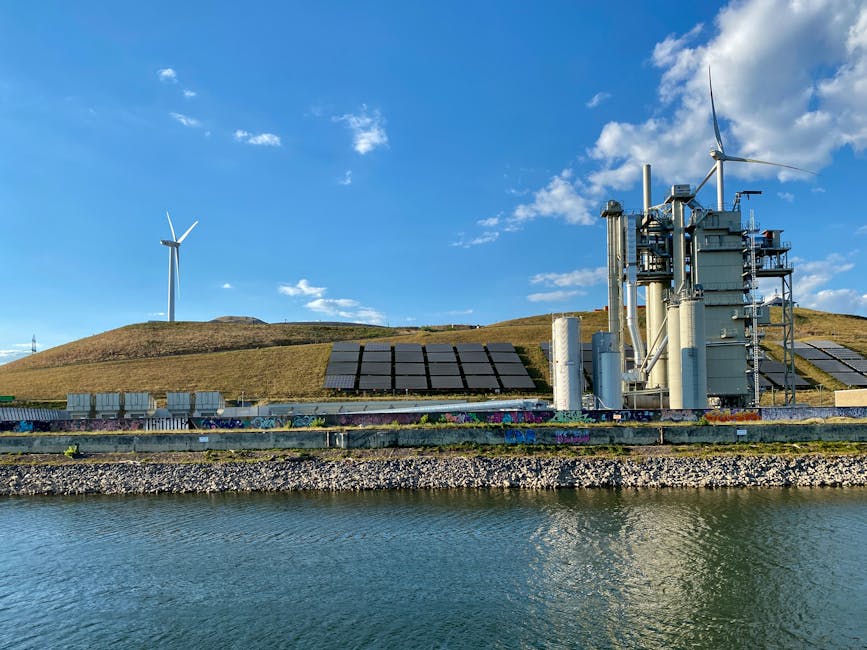
First, a quick grounding for anyone newer to this topic. Hydrogen is the most abundant element in the universe, but on Earth it doesn’t float around freely — it’s locked inside molecules like water (H₂O) or methane (CH₄). To use it as fuel, we have to extract it. Green hydrogen specifically means hydrogen produced by splitting water using electrolysis powered entirely by renewable energy (solar, wind, hydro). No fossil fuels in the process = near-zero carbon emissions.
Compare that to grey hydrogen (made from natural gas, emitting lots of CO₂) or blue hydrogen (grey hydrogen with carbon capture attached — still debated). Green is the gold standard, which is why it keeps showing up in every serious carbon neutrality roadmap.
The Numbers in 2026: Where Are We Actually Standing?
Let’s get specific, because vague optimism doesn’t help anyone plan their energy future.
- Global green hydrogen production capacity has reached approximately 2.5 million tonnes per year as of early 2026, up from just under 1 million tonnes in 2023 — a significant jump, but still less than 1% of total global hydrogen demand.
- Cost of green hydrogen has dropped to an average of $3.50–$5.00 per kilogram in leading production regions (parts of Chile, Australia, and the Middle East), down from $6–$8/kg in 2022. The “holy grail” target of $2/kg is still a few years out in most regions.
- The International Energy Agency (IEA) estimates that to hit net-zero by 2050, green hydrogen needs to supply roughly 10% of global energy by mid-century — meaning production must scale 50x from today’s levels.
- The EU’s Green Hydrogen Accelerator, launched as part of the revised REPowerEU framework, now mandates 20 million tonnes of green hydrogen consumption annually within EU borders by 2030.
So yes, momentum is real. But the math between where we are and where we need to be is still daunting. Acknowledging that isn’t pessimism — it’s honest planning.
What’s Driving the Momentum Right Now in 2026?
Several converging forces are pushing green hydrogen from a “someday technology” to an “active investment category” this year:
- Electrolyzer cost drops: The cost of electrolyzers (the machines that split water) has fallen roughly 40% since 2021, driven by scaled manufacturing in China, Germany, and South Korea.
- Policy lock-in: The U.S. Inflation Reduction Act’s hydrogen production tax credit ($3/kg for the cleanest hydrogen) is now in full swing. Similarly, South Korea’s Hydrogen Economy Promotion Act is channeling billions into domestic infrastructure.
- Industrial demand pressure: Steel, cement, and chemical companies are facing real regulatory deadlines to decarbonize. Green hydrogen is one of the few viable options for industries that can’t simply “electrify” their heat processes.
- Falling renewable energy costs: Since green hydrogen’s cost is tightly linked to electricity prices, the continued decline in solar and wind costs is making the math steadily more attractive.
Real-World Examples: Who’s Actually Doing This?
Let’s look at concrete cases rather than just projections.
🇰🇷 South Korea — Hydrogen Cities and POSCO Steel: South Korea has committed to becoming one of the world’s top three hydrogen economies. POSCO, the steel giant, is actively piloting hydrogen-based direct reduction iron (H-DRI) technology at its Pohang plant, aiming to produce carbon-neutral steel by 2030. Meanwhile, Ulsan — dubbed Korea’s “Hydrogen City” — now operates over 200 hydrogen fuel cell buses and is expanding its hydrogen pipeline network throughout 2026.
🇩🇪 Germany — H2Global and Industrial Hubs: Germany’s H2Global initiative continues to bridge the gap between supply and demand by purchasing green hydrogen from regions with cheap renewables (like Namibia and Chile) and reselling it to German industry. The Hamburg port has become a live testing ground for green hydrogen logistics, with the first commercial-scale ammonia import terminal operational since late 2025.
🇦🇺 Australia — Green Hydrogen Superpower Ambitions: Australia is arguably the most aggressive player in export-oriented green hydrogen. The Western Australia Renewable Hydrogen Strategy has attracted investment from Japanese and Korean energy companies. Projects like the Asian Renewable Energy Hub are now in advanced construction phases, with ambitions to ship green hydrogen (in the form of ammonia) to Asia at scale by 2028.
🇸🇦 Saudi Arabia — NEOM’s Helios Project: NEOM’s green hydrogen and green ammonia project, developed by Air Products, is now producing its first commercial quantities after delays. Love it or question it, it’s proof that even oil-exporting nations see green hydrogen as a strategic pivot.
The Honest Challenges We Can’t Ignore
Being a fan of green hydrogen doesn’t mean ignoring its real friction points. Here’s what thoughtful observers are still wrestling with:
- Energy efficiency losses: The green hydrogen “chain” — electricity → electrolysis → compression/liquefaction → transport → use — loses significant energy at each step. For some applications, direct electrification is simply more efficient. Green hydrogen makes most sense where direct electrification is impractical.
- Infrastructure gaps: Pipelines, storage facilities, and fueling stations are still being built out. The “chicken-and-egg” problem (no infrastructure without demand, no demand without infrastructure) is real.
- Water consumption: Producing 1 kg of hydrogen requires roughly 9 liters of purified water. In water-stressed regions with ideal solar conditions (think Middle East, North Africa), this is a legitimate sustainability tension.
- Grid pressure: If electrolyzer capacity grows rapidly but renewable generation doesn’t keep pace, electrolyzers may pull from grids still partially powered by fossil fuels — undermining the “green” in green hydrogen.
Realistic Alternatives and Complementary Paths
Here’s where I want to offer some grounded perspective rather than just cheerleading. Green hydrogen is not a silver bullet — it’s one powerful tool in a toolbox. Depending on your context, here’s how to think about it realistically:
- For heavy industry (steel, cement, chemicals): Green hydrogen is genuinely one of the best available pathways. Start tracking pilot projects and regulatory timelines in your sector — they’ll affect supply chains sooner than many expect.
- For personal transportation: In 2026, battery electric vehicles (BEVs) still make more economic and efficiency sense for most consumers. Hydrogen fuel cell vehicles (FCEVs) remain more competitive in heavy trucking and long-distance transport.
- For grid energy storage: Green hydrogen can play a seasonal storage role that batteries can’t match — storing excess summer solar power for winter use, for instance. This is an underappreciated use case that will grow.
- For developing nations: Countries with abundant sun and wind but limited grid infrastructure might find green hydrogen export a compelling economic opportunity. It’s worth following pilot initiatives in Morocco, Namibia, and Kenya.
The bottom line? Don’t wait for green hydrogen to be perfect before engaging with it. But also don’t dismiss the alternatives. Smart energy transitions are almost always portfolio strategies, not single-technology bets.
Editor’s Comment : Green hydrogen in 2026 feels a lot like solar power circa 2010 — the technology works, costs are falling fast, early adopters are seeing real results, and the remaining barriers are more logistical and political than scientific. That’s actually an exciting place to be. The decade ahead will likely look back on 2026 as the year green hydrogen stopped being a “future technology” and started becoming a present-tense industry. The question isn’t whether it matters — it’s whether your sector, your government, and your investments are positioning for it intelligently.
📚 관련된 다른 글도 읽어 보세요
- 수소 연료전지 상용화 현황 및 전망 2026 — 이제 진짜 시대가 열리는가?
- 재생에너지 기반 수전해 수소 생산 방법 완벽 정리 | 2026년 그린수소 기술 현황
- Fuel Cell Vehicles vs. Battery Electric Cars in 2026: Which One Actually Wins?
태그: [‘green hydrogen 2026’, ‘carbon neutrality’, ‘clean energy transition’, ‘hydrogen economy’, ‘renewable energy’, ‘decarbonization’, ‘net zero strategy’]
Leave a Reply