Picture this: it’s a crisp morning in Seoul, and you pull into a hydrogen refueling station. In about four minutes — roughly the time it takes to grab a coffee — your fuel cell vehicle is fully charged and ready for a 600-kilometer journey. No range anxiety. No multi-hour charging sessions. Just clean water vapor coming out of the tailpipe. Sounds almost too good to be true, right? Well, as of 2026, this scenario is becoming less of a futuristic dream and more of an everyday reality — at least in certain pockets of the world. But let’s not get ahead of ourselves. The road to mainstream hydrogen fuel cell vehicle (FCEV) adoption is still full of interesting twists, and I think it’s worth exploring where we genuinely stand today.

Where the Numbers Actually Stand in 2026
Let’s ground this conversation in some real data. By early 2026, the global fleet of FCEVs has surpassed approximately 800,000 units on the road — a significant jump from the roughly 100,000 units counted in 2021, but still a fraction of the tens of millions of battery electric vehicles (BEVs) currently in circulation. So yes, growth is happening, but it’s deliberate and concentrated rather than explosive.
On the infrastructure side, hydrogen refueling stations (HRS) worldwide have crossed the 1,500 mark in 2026, with South Korea, Japan, Germany, and California leading the charge. The cost of green hydrogen — produced via electrolysis powered by renewables — has dropped significantly, hovering around $3.50–$5.00 per kilogram in mature markets, down from upwards of $8/kg just five years ago. That’s meaningful progress, though cost parity with gasoline or even BEV charging still remains a work in progress.
- Global FCEV fleet (2026): ~800,000+ units
- Hydrogen refueling stations worldwide: 1,500+
- Green hydrogen cost (mature markets): $3.50–$5.00/kg
- Average FCEV range: 550–700 km per fill-up
- Refueling time: 3–5 minutes
- Top markets: South Korea, Japan, China, Germany, USA (California)
The Commercial Vehicle Breakthrough: Where FCEVs Are Winning
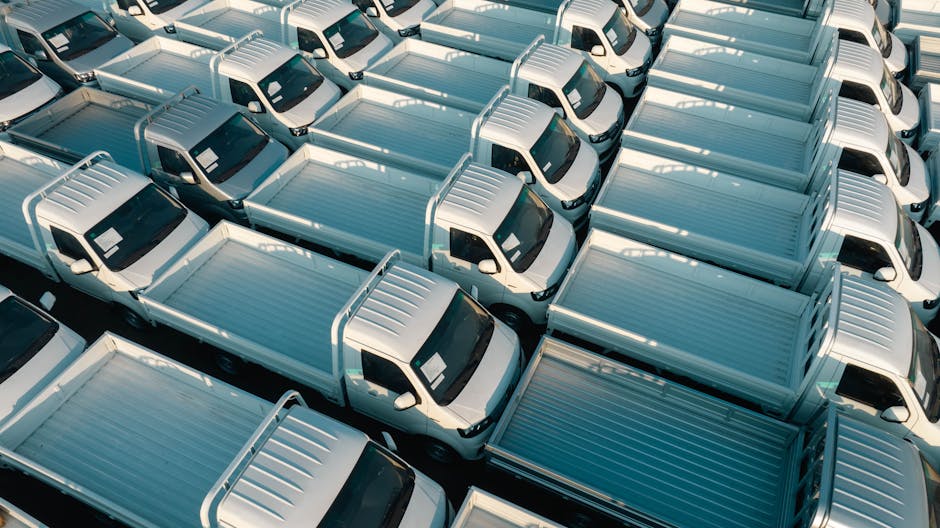
Here’s something worth paying close attention to: while consumer FCEV adoption remains modest, the commercial vehicle segment — trucks, buses, and freight carriers — is where hydrogen is genuinely disrupting the status quo in 2026. Heavy-duty trucks running long-haul routes are notoriously difficult to electrify with batteries due to weight and range limitations. FCEVs sidestep this beautifully.
Hyundai’s XCIENT Fuel Cell trucks, for example, have expanded their European operations significantly, with over 2,000 units deployed across Switzerland, Germany, and the Netherlands. Meanwhile, Toyota and Kenworth are running commercial hydrogen truck pilots across major US freight corridors. In China, state-backed programs have put over 10,000 hydrogen-powered buses into service across major cities including Beijing, Shanghai, and Wuhan. The logic here is crystal clear — when you’re running a vehicle 500+ kilometers a day commercially, a 4-minute hydrogen refuel beats a multi-hour charging stop every single time.
Domestic & International Spotlights: Who’s Leading the Race?
South Korea continues to be the poster child for FCEV adoption at the consumer level. The Hyundai NEXO — now in its refreshed second-generation form — remains the world’s best-selling consumer FCEV. The Korean government’s Hydrogen Economy Roadmap has kept subsidies and infrastructure investment flowing, and Seoul alone boasts over 80 operational hydrogen refueling stations as of 2026. The government is targeting 3 million FCEVs on Korean roads by 2030, which still seems ambitious but is at least directionally credible given current trajectories.
Japan has taken a different but equally committed path. Toyota’s Mirai (now in enhanced third-generation trim) remains central to Japan’s hydrogen vision, and the country has woven hydrogen into everything from residential fuel cells to the Shinkansen pilot programs. Japan views hydrogen not just as a transport fuel but as a national energy security strategy — importing green hydrogen from Australia via the Hydrogen Energy Supply Chain (HESC) project, which went fully commercial in late 2025.
Germany has made steady strides, particularly in regional rail. Deutsche Bahn’s hydrogen-powered Coradia iLint trains now operate across multiple non-electrified regional lines, offering a compelling case study for mobility decarbonization beyond road transport.
China, characteristically, is playing the long game at massive scale. Backed by state policy, China is building hydrogen industrial clusters in provinces like Guangdong and Inner Mongolia, with ambitions to become the world’s largest hydrogen producer and consumer by 2030. The sheer scale of Chinese investment makes it a wildcard that could dramatically reshape global FCEV economics.
California (USA) remains the North American bright spot, though the state has had to reckon with several hydrogen station closures in 2024–2025 due to supply chain disruptions and operator bankruptcies. The lesson there? Infrastructure rollout needs to be more resilient and better coordinated — a genuinely useful cautionary tale for other regions planning rapid expansion.
The Honest Challenges: Let’s Not Sugarcoat It
Being realistic here is important. FCEVs in 2026 still face three core challenges that aren’t going away overnight:
- Infrastructure gaps: Outside of South Korea, Japan, and select European/US metro areas, finding a hydrogen pump is genuinely difficult. This creates a classic chicken-and-egg problem for would-be buyers.
- Vehicle cost: Consumer FCEVs still carry a price premium of roughly $10,000–$15,000 over comparable BEVs, even after subsidies in most markets. Total cost of ownership is improving but hasn’t reached parity yet.
- Green hydrogen supply: A significant portion of hydrogen still comes from steam methane reforming (grey hydrogen), which partially undermines the environmental case. Scaling truly green hydrogen production fast enough remains the sector’s biggest systemic challenge.
Realistic Alternatives: Who Should Actually Consider an FCEV Right Now?
Here’s my honest take, and I think this is where practical lifestyle thinking really matters. An FCEV might genuinely make sense for you in 2026 if you live in South Korea, Japan, or a well-served European corridor; regularly drive long distances (300+ km); have access to a hydrogen station within 30 km of your home or workplace; or operate a commercial fleet where fast refueling cycles are critical. On the other hand, if you’re in a region with sparse hydrogen infrastructure, a BEV (especially one paired with home solar charging) is almost certainly the more practical and cost-effective zero-emission choice right now. The two technologies aren’t really competing for the same use case anymore — FCEVs are carving out a clear niche in long-range and heavy-duty applications, while BEVs dominate everyday urban and suburban commuting. Recognizing that distinction honestly will save you a lot of frustration.
Editor’s Comment : Hydrogen fuel cell vehicles in 2026 aren’t the revolution some predicted they’d be by now, but they’re also far from a dead-end technology. What’s emerging is something arguably more interesting — a highly targeted, use-case-specific role where FCEVs genuinely outperform alternatives. The commercial vehicle surge, in particular, signals that hydrogen’s real-world breakthrough may come from freight and transit rather than the family sedan. Keep an eye on green hydrogen production costs — when those reliably hit $2/kg at scale, the entire equation shifts dramatically. We’re not there yet, but we’re watching history in slow motion, and that’s actually pretty exciting.
📚 관련된 다른 글도 읽어 보세요
- SOFC vs PEMFC: The Ultimate 2026 Guide to Next-Gen Fuel Cell Technology — Which One Actually Wins?
- Hydrogen Fuel Cell Cars in 2026: Are They Finally Worth It? A Brutally Honest Review
- Fuel Cell Drones Are Reshaping Air Mobility in 2026 — Here’s What You Need to Know
태그: [‘hydrogen fuel cell vehicles 2026’, ‘FCEV commercialization’, ‘green hydrogen technology’, ‘Hyundai NEXO 2026’, ‘hydrogen infrastructure’, ‘clean energy vehicles’, ‘fuel cell electric vehicle adoption’]
Leave a Reply