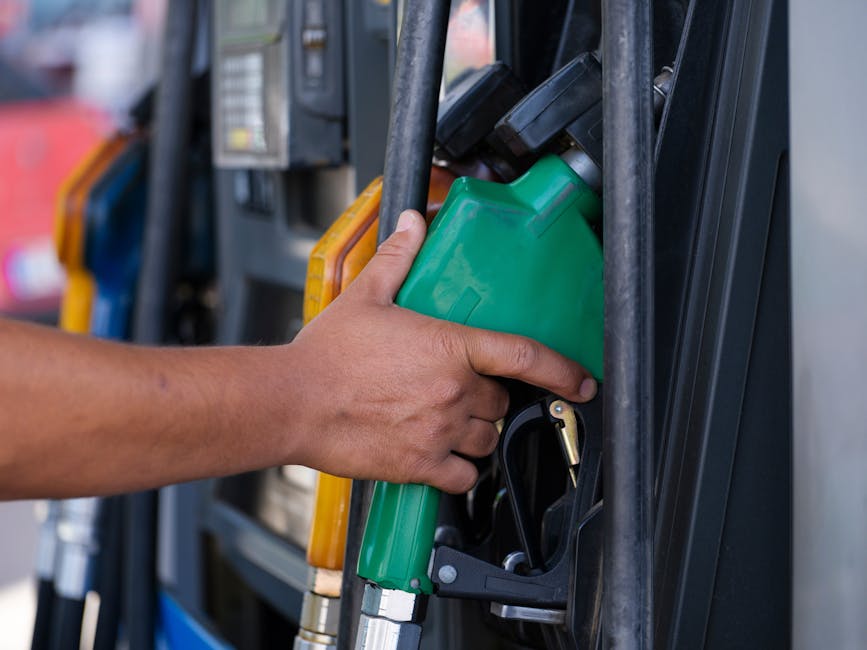
Picture this: it’s a chilly morning in 2026, and you’re filling up your hydrogen fuel cell vehicle at a station in Seoul. The only thing coming out of the exhaust pipe is water vapor. It feels almost too good to be true, right? That’s exactly the tension at the heart of the hydrogen energy conversation — enormous promise on one side, and a messy, complicated reality on the other. So let’s think through this together: can hydrogen energy genuinely contribute to carbon neutrality, or is it just one of the cleanest-sounding buzzwords in today’s energy debate?
Why Hydrogen Is Getting So Much Attention Right Now
Hydrogen is the most abundant element in the universe, and when used in a fuel cell, its only byproduct is water. That’s the headline. But headlines rarely tell the whole story. The real question isn’t whether hydrogen can be clean — it’s whether the way we currently produce it is clean. As of 2026, roughly 95% of global hydrogen production still comes from fossil fuels, primarily through a process called Steam Methane Reforming (SMR). This produces what the industry calls “grey hydrogen” — and it emits a significant amount of CO₂ in the process.
Here’s a quick breakdown of the hydrogen color spectrum, because yes, the industry literally color-codes its hydrogen:
- Grey Hydrogen: Produced from natural gas via SMR. Most common. High carbon emissions.
- Blue Hydrogen: Same as grey, but CO₂ is captured and stored (Carbon Capture and Storage, or CCS). Lower emissions, but not zero.
- Green Hydrogen: Produced by electrolysis of water using renewable electricity. Truly low-carbon. Currently expensive but rapidly scaling.
- Pink Hydrogen: Produced via electrolysis powered by nuclear energy. Zero direct emissions, but nuclear waste remains a debate point.
- Turquoise Hydrogen: Produced through methane pyrolysis, yielding solid carbon instead of CO₂. Still emerging technology.
So when policymakers talk about hydrogen as a pillar of carbon neutrality, they’re largely betting on green hydrogen becoming cost-competitive — and the data in 2026 is finally starting to support that bet.
The Numbers: Where Does Hydrogen Stand in 2026?
Let’s get specific. According to the International Energy Agency’s 2025 Hydrogen Report (published late 2025), global green hydrogen production capacity has grown by approximately 340% compared to 2022 levels. The cost of green hydrogen, which stood at around $4–6 per kilogram in 2022, has dropped to roughly $2.80–$3.50 per kilogram in many regions by early 2026 — still higher than grey hydrogen at around $1.50/kg, but the gap is narrowing faster than most analysts predicted.
The key driver? The dramatic fall in electrolyzer costs and the continued plummeting of solar and wind power prices. In sun-rich regions like Chile’s Atacama Desert, parts of Australia, and the Middle East, green hydrogen is approaching cost parity. Industry analysts project that by 2030, green hydrogen could reach $1.50–$2.00/kg in optimal locations — making it genuinely competitive.
In terms of carbon impact, replacing grey hydrogen with green hydrogen in existing industrial applications (ammonia production, steel manufacturing, refining) alone could eliminate approximately 830 million tonnes of CO₂ per year globally — equivalent to the entire annual emissions of Germany and France combined. That’s not a trivial number.
Real-World Examples: From Korea to Europe to Australia
Let’s ground this in actual stories happening right now, because the best way to evaluate a technology’s potential is to see what’s working and what isn’t in the field.
South Korea’s Hydrogen Economy Roadmap: South Korea has been one of the most aggressive hydrogen adopters globally. By March 2026, Korea has deployed over 35,000 hydrogen fuel cell vehicles (FCVs) and operates more than 310 hydrogen refueling stations nationwide. Hyundai’s NEXO FCV has become a recognizable part of Seoul’s taxi fleet, and POSCO is actively testing hydrogen-based direct reduced iron (H-DRI) steelmaking at its Pohang facility — a process that could decarbonize one of Korea’s most emissions-heavy industries.
Germany’s H2Global Initiative: Germany, facing its post-Russia-gas energy transition, has doubled down on hydrogen imports. The H2Global initiative is facilitating long-term contracts for green ammonia and green hydrogen imports from countries like Namibia, Chile, and Australia. By 2026, Germany has committed over €4 billion to hydrogen infrastructure, and the first commercial-scale green ammonia shipments from Namibia arrived in Hamburg in late 2025.
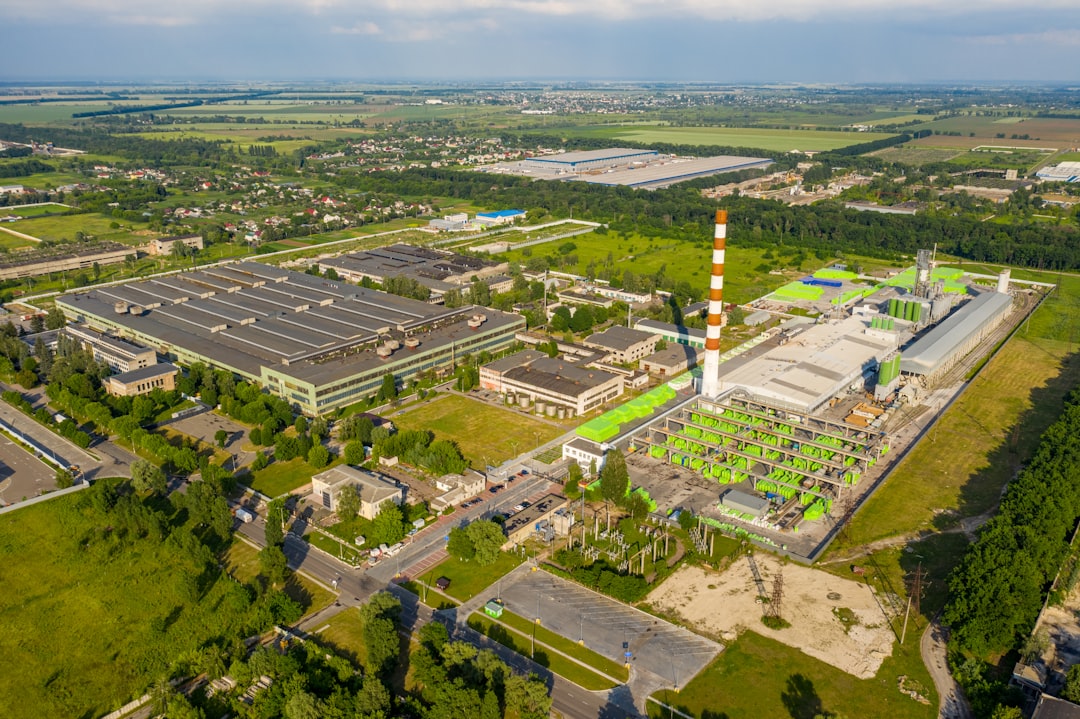
Australia’s Asian Hydrogen Hub: Australia’s Pilbara region is positioning itself as a green hydrogen export powerhouse, leveraging its abundant solar resources. The Western Australian government and private consortia have invested heavily in electrolyzer farms, with pilot-scale exports of liquid hydrogen to Japan already underway. Japan and South Korea are the primary target markets, given their geography (limited land for renewables) and industrial hydrogen demand.
The EU Hydrogen Bank: The European Hydrogen Bank, now in its second auction round in 2026, has allocated over €3 billion in subsidies to green hydrogen projects across member states. Early results show that competitive auctions are successfully driving down project costs, signaling that market mechanisms — not just mandates — can accelerate the transition.
Where Hydrogen Genuinely Shines — and Where It Doesn’t
Here’s where I want to be really honest with you, because not every problem needs a hydrogen solution. Energy experts increasingly refer to this as “sector-appropriate hydrogen use” — meaning hydrogen is brilliant for some applications and genuinely wasteful for others.
Best use cases for hydrogen (where it truly contributes to carbon neutrality):
- Heavy industry: Steel, cement, and chemical production are extremely difficult to electrify directly. Green hydrogen as a reducing agent or heat source is among the few viable decarbonization pathways here.
- Long-haul heavy transport: Trucks, ships, and trains that need high energy density over long distances benefit from hydrogen’s energy-to-weight advantage over batteries.
- Seasonal energy storage: Hydrogen can store excess renewable energy generated in summer for use in winter heating — something lithium-ion batteries can’t economically do at scale.
- Aviation (via SAF): Green hydrogen can synthesize sustainable aviation fuel (SAF) or power future aircraft directly, addressing one of the hardest-to-abate transport sectors.
- Ammonia production: Fertilizer production consumes enormous amounts of hydrogen. Switching to green hydrogen here has a massive global food-security and climate co-benefit.
Where hydrogen is probably NOT the best tool:
- Home heating (in most cases): Studies in 2025 consistently showed that heat pumps are 3–5x more energy-efficient than hydrogen boilers for residential heating. Blending hydrogen into gas grids sounds nice but delivers minimal emissions reduction per unit of cost.
- Short-range passenger cars: With battery electric vehicle (BEV) infrastructure maturing rapidly and BEV total cost of ownership dropping, FCVs struggle to compete for everyday commuters unless you’re in a region with established hydrogen fueling networks.
- Power generation as a primary source: The round-trip efficiency of hydrogen (making it from electricity, then converting back) is around 25–35%, compared to 80–90% for direct battery storage. Using hydrogen to generate grid electricity is expensive and inefficient unless it’s specifically for long-duration or seasonal storage.
Realistic Alternatives and a Balanced Path Forward
So here’s the nuanced take I’d encourage you to carry forward: hydrogen isn’t a silver bullet, but it’s a very important tool in a diverse decarbonization toolkit. The most realistic path to carbon neutrality — whether we’re talking about a national policy, an industry strategy, or even personal choices — involves thoughtful selection of the right energy solution for the right context.
If you’re a business owner in manufacturing, exploring green hydrogen procurement contracts now (even small pilots) positions you ahead of incoming carbon border adjustment mechanisms. If you’re a policymaker, investing in electrolyzer manufacturing capacity and green electricity generation simultaneously is the key — you can’t have affordable green hydrogen without abundant cheap renewables.
And if you’re simply a curious person wondering what to make of all the hydrogen headlines: the honest answer in 2026 is that hydrogen’s contribution to carbon neutrality is real but conditional. It depends on how fast we can scale green production, how well we match it to the right applications, and whether we resist the temptation to use “hydrogen” as a greenwashing shield to delay harder structural changes.
The trajectory is genuinely encouraging. Cost curves are bending in the right direction, political will is sustaining, and early industrial deployments are proving the concept. Hydrogen won’t save us alone — but wielded wisely, it could be one of the most powerful tools we have for decarbonizing the parts of our economy that nothing else can easily reach.
Editor’s Comment : What excites me most about the hydrogen story in 2026 isn’t the technology itself — it’s how it’s forcing us to think more precisely about energy systems. The color-coding, the sector-specificity, the honest efficiency comparisons — these are signs of a maturing conversation. We’re moving past the hype phase and into the real engineering and economics. That’s actually where progress lives. Stay curious, stay critical, and don’t let anyone sell you a one-size-fits-all energy answer.
태그: [‘hydrogen energy’, ‘carbon neutrality 2026’, ‘green hydrogen’, ‘clean energy transition’, ‘net zero strategy’, ‘hydrogen fuel cell’, ‘decarbonization technology’]
Leave a Reply