얼마 전 지인 중 한 명이 수소 관련 스타트업에 합류했다는 소식을 전해왔어요. 그런데 이야기를 나누다 보니 흥미로운 부분이 있었습니다. 회사 내에서도 SOFC(고체산화물 연료전지)를 밀어야 하는 팀과 PEMFC(고분자전해질 연료전지)를 밀어야 하는 팀 사이에 팽팽한 긴장감이 흐른다는 거였어요. 단순히 기술적 선호의 문제가 아니라, 어떤 연료전지를 선택하느냐에 따라 사업 모델 자체가 완전히 달라지기 때문이라고 하더군요. 2026년 현재, 수소 에너지 생태계가 본격적으로 상업화 단계에 진입하면서 이 두 기술 사이의 선택지는 더욱 중요해지고 있다고 봅니다. 오늘은 함께 그 차이를 찬찬히 들여다보겠습니다.
🔬 기본 원리부터 짚고 가기 — 두 기술은 어떻게 다를까?
두 연료전지 모두 수소와 산소의 전기화학 반응을 통해 전기를 생산한다는 공통점이 있어요. 그러나 전해질의 종류와 작동 온도에서 근본적인 차이가 있습니다.
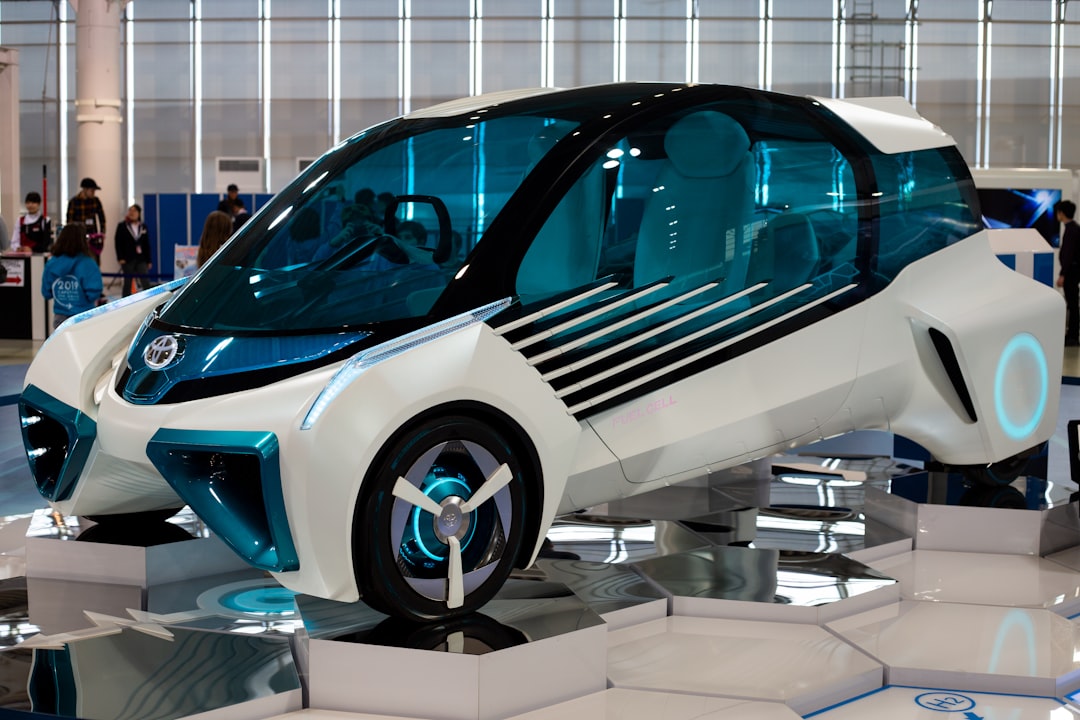
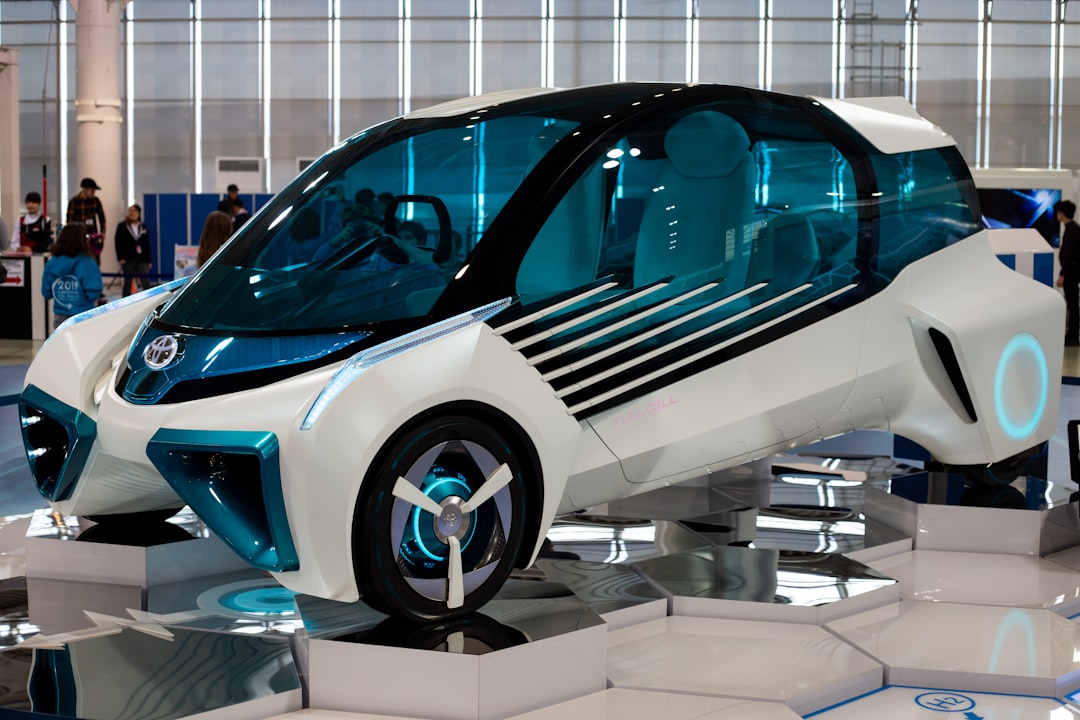
PEMFC(Proton Exchange Membrane Fuel Cell)는 고분자(폴리머) 막을 전해질로 사용하며, 약 60~80°C의 비교적 낮은 온도에서 작동합니다. 반응 속도가 빠르고 시동 시간이 짧아, 현재 도요타 미라이, 현대 넥쏘 등 수소전기차(FCEV)에 주로 탑재되어 있는 기술이에요.
반면 SOFC(Solid Oxide Fuel Cell)는 세라믹 계열의 고체산화물을 전해질로 사용하며, 700~1,000°C의 고온에서 작동합니다. 이 높은 온도가 단점처럼 들릴 수 있지만, 오히려 이 열을 활용한 열병합 발전(CHP: Combined Heat and Power)이 가능해 전체 에너지 효율이 극대화되는 장점이 있어요.
📊 핵심 성능 수치 비교 — 숫자로 보면 이해가 빠르다
막연하게 “SOFC가 효율이 높다”는 말만으로는 부족하죠. 구체적인 수치를 보면 이해가 훨씬 빠를 것 같습니다.
발전 효율: PEMFC는 단독 발전 기준 약 40~60%, SOFC는 단독 기준 55~65%, 열병합 시 최대 85~90%에 달합니다.
시동 시간: PEMFC는 수 초~수 분 이내 / SOFC는 수십 분~수 시간 (고온 도달까지 시간 필요)
연료 유연성: PEMFC는 고순도 수소 필수 (CO 농도 10ppm 이하) / SOFC는 천연가스, 메탄, 암모니아 등 다양한 연료 호환 가능
수명(스택 기준): PEMFC 약 5,000~10,000시간 (차량용) / SOFC 약 40,000~80,000시간 (발전용)
시스템 단가(2026년 기준 추정): PEMFC 약 100~200달러/kW (대량 양산 기준) / SOFC 약 1,500~3,000달러/kW (아직 프리미엄 시장)
단가만 보면 SOFC가 압도적으로 비싸 보이지만, 수명이 길고 열 회수 효율이 높기 때문에 총소유비용(TCO: Total Cost of Ownership) 관점에서는 장기 운전 시 오히려 경쟁력이 있다는 평가가 많아요.
🌍 국내외 실제 적용 사례 — 어디서 어떻게 쓰이고 있나?
기술은 결국 현장에서 증명됩니다. 2026년 기준으로 두 기술의 실제 적용 방향이 꽤 뚜렷하게 갈리고 있다고 봐요.
PEMFC 진영에서는 역시 모빌리티가 핵심입니다. 현대자동차는 넥쏘 후속 플랫폼을 기반으로 한 수소 상용차 라인업을 확장 중이고, 일본 도요타는 2026년에도 미라이 3세대 개발 로드맵을 공개적으로 제시하고 있습니다. 또한 수소 드론, 수소 지게차 등 소형 모빌리티 시장에서도 PEMFC가 빠르게 자리를 잡아가고 있어요. 국내에서는 두산퓨얼셀이 발전용 PEMFC 시스템을 공급하며 분산 전원 시장을 개척 중입니다.
SOFC 진영은 분산 발전과 산업용 전력 공급에서 강세를 보이고 있습니다. 미국의 블룸에너지(Bloom Energy)는 데이터센터와 반도체 공장에 SOFC 기반 에너지 서버를 공급하며 안정적인 B2B 시장을 형성했고, 2026년 현재 삼성전자, SK하이닉스의 일부 생산 거점에도 무탄소 전력 공급원으로 SOFC가 검토·도입되고 있는 것으로 알려져 있어요. 국내에서는 포스코홀딩스 산하의 포스코퓨처엠이 SOFC용 핵심 소재 공급망을 강화하며 생태계 구축에 나서고 있는 상황입니다.
⚖️ 용도별 선택 기준 — 무조건 하나가 더 좋은 건 아니다
두 기술을 비교할 때 가장 많이 하는 실수가 “어느 쪽이 더 뛰어난가”를 묻는 거라고 생각해요. 사실 이건 칼이 좋냐, 포크가 좋냐를 묻는 것과 비슷합니다. 맥락에 따라 다를 수밖에 없어요.
모빌리티(자동차, 버스, 드론, 선박 보조전원) → PEMFC 우위: 빠른 시동, 경량화, 컴팩트한 스택 설계에 유리
건물용·분산 발전(병원, 공장, 데이터센터) → SOFC 우위: 장시간 연속 운전, 열병합 효율, 다양한 연료 수용성
수소 인프라 미비 지역 → SOFC 우위: 도시가스(메탄)를 그대로 투입 가능, 수소 공급망 없이도 운용 가능
그린수소 기반 미래 생태계 → PEMFC 유리 가능성 높음: 고순도 수소 공급이 확대되면 PEMFC 효율 극대화
암모니아 크래킹 연계 발전 → SOFC 유리: 고온 특성상 암모니아 분해 및 연료 활용에 적합
🚀 2026년 기술 트렌드 — 경계가 허물어지고 있다
흥미로운 점은, 2026년 현재 두 기술의 경계가 점점 흐릿해지는 흐름도 감지된다는 거예요. 중온형 SOFC(IT-SOFC, 500~700°C) 연구가 활발해지면서 기존 SOFC의 단점이었던 긴 시동 시간과 열충격 문제가 개선되고 있습니다. 동시에 PEMFC 쪽에서는 고온형 PEMFC(HT-PEMFC, 120~200°C)가 개발되면서 CO 내성이 강화되고 냉각 시스템이 간소화되는 방향으로 진화 중이에요.
또한 두 기술을 결합한 하이브리드 시스템도 등장하고 있습니다. SOFC로 기저 전력을 공급하고, 급격한 부하 변화에는 PEMFC 또는 배터리가 보완하는 방식이죠. 이런 시스템은 특히 선박용 에너지 솔루션이나 군사·도서 지역 분산 전원에서 주목받고 있어요.
💡 결론 — 기술 우위보다 ‘맥락’을 선택하라
결국 SOFC와 PEMFC 중 어느 쪽이 ‘차세대 연료전지의 승자’가 될 것인가라는 질문은 조금 잘못된 프레임인 것 같습니다. 시장은 이미 두 기술이 공존하는 방향으로 움직이고 있고, 각각의 생태계 내에서 서로 다른 역할을 맡아가는 분업 구조가 자리를 잡아가는 중이에요.
투자자나 기업 담당자라면 단기 모빌리티 시장은 PEMFC, 중장기 산업용·건물용 발전은 SOFC 중심으로 포트폴리오를 구성하는 게 현실적인 전략이라고 봅니다. 그리고 무엇보다 수소 공급망이 얼마나 빠르게 구축되느냐가 두 기술 모두의 성패를 가를 가장 큰 변수일 것 같아요.
에디터 코멘트 : 연료전지 기술을 공부하다 보면 자꾸 PEMFC vs SOFC를 대결 구도로 바라보게 되는데, 실제 산업 현장을 들여다보면 오히려 서로의 약점을 보완하는 방향으로 협력하는 사례가 늘고 있어요. 기술을 선택할 때 “어떤 기술이 더 좋은가”보다 “우리의 운영 환경과 연료 공급 조건에 무엇이 더 맞는가”를 먼저 물어보는 게 훨씬 현명한 접근이라고 생각합니다. 그 맥락을 잘 잡으면, 두 기술 모두 충분히 매력적인 선택지가 될 수 있어요.
Picture this: a medical drone silently gliding over a remote mountain range in Norway, carrying blood samples to a hospital — not once stopping to recharge, covering over 200 kilometers on a single hydrogen tank. That’s not a sci-fi script. That’s something that happened earlier this year, and it’s a pretty good signal that fuel cell drone technology has officially crossed from “promising experiment” into “real-world workhorse.”
If you’ve been loosely tracking the urban air mobility (UAM) and drone delivery space, you’ve probably noticed that battery-electric drones keep hitting the same wall: limited range, long recharge times, and payload trade-offs. Fuel cells — specifically hydrogen proton exchange membrane (PEM) fuel cells — are quietly solving all three of those problems at once. Let’s dig into how, and more importantly, where this is actually being applied right now.
Why Fuel Cells? The Numbers Tell the Story
To understand the excitement, you have to look at what engineers call specific energy — essentially, how much energy you can store per kilogram of weight. Lithium-ion batteries (the gold standard in drones today) typically offer around 150–250 Wh/kg. Hydrogen fuel cell systems, when you account for the full system weight, come in at roughly 400–1,000 Wh/kg depending on storage configuration. That’s a 2x to 4x energy density advantage.
What does that translate to in practice?
Flight time: Battery drones average 20–40 minutes of useful flight. Fuel cell drones are routinely hitting 2–4 hours, with some research platforms exceeding 6 hours.
Range: Commercial hydrogen drones are now operating in the 100–300 km range — a category that simply didn’t exist for battery-electric platforms.
Refueling time: Swapping a hydrogen cartridge takes under 10 minutes, versus 45–90 minutes for a meaningful battery recharge.
Payload efficiency: Because fuel cells generate electricity as they consume hydrogen (rather than carrying a heavy battery pack), payload ratios improve significantly at longer range missions.
Zero emissions output: The only byproduct is water vapor — a genuine plus as drone regulations increasingly factor in environmental impact.
Of course, there are trade-offs. Hydrogen storage infrastructure is still sparse, cold-weather performance requires thermal management systems, and upfront hardware costs remain higher than battery equivalents. But the trajectory in 2026 is clearly pointing toward these gaps closing fast.
Global and Domestic Case Studies: Who’s Actually Flying These Things?
Let’s get specific, because this is where it gets genuinely interesting.
🇰🇷 South Korea — Urban Logistics and Smart City Integration South Korea has been one of the most aggressive early adopters. Hyundai Motor Group’s UAM division, in collaboration with Korea Aerospace Research Institute (KARI), has been running hydrogen-powered cargo drone corridors between Incheon logistics hubs and outer Seoul districts since late 2025. The drones carry up to 5 kg payloads and complete round trips of approximately 80 km — a route that would require two battery swaps on conventional platforms. The Korean Ministry of Land, Infrastructure and Transport reported in early 2026 that fuel cell drones now account for roughly 18% of all licensed commercial drone operations in designated smart logistics zones.
🇩🇪 Germany — Industrial Inspection at Scale Deutsche Bahn (Germany’s national rail operator) has been deploying hydrogen drones from a startup called H2Fly’s commercial spinoff for railway infrastructure inspection across the Bavaria corridor. The drones fly automated inspection routes covering over 500 km of track per day — something that required multiple drone teams and frequent recharging pit stops before the fuel cell switch. The key win here isn’t just range; it’s operational continuity. Inspectors get uninterrupted data streams rather than patchy coverage between battery swaps.
🇺🇸 United States — Emergency Response and Remote Delivery In Alaska and rural Montana, companies like Heven Drones (operating under an FAA Beyond Visual Line of Sight waiver program expanded in 2025) are using hydrogen fuel cell platforms for medical supply delivery to communities that are otherwise cut off during winter months. One notable deployment in January 2026 saw a fuel cell drone deliver insulin and antibiotics to a community 140 km from the nearest road-accessible pharmacy during a snowstorm — a mission impossible for battery alternatives.
🇯🇵 Japan — Disaster Response Pre-Positioning Following the 2024 Noto Peninsula earthquake response lessons, Japan’s Self-Defense Force and the Japan Aerospace Exploration Agency (JAXA) fast-tracked a fuel cell drone rapid-deployment program. By 2026, prefectural governments in high-seismic-risk zones are required to maintain at least two hydrogen drone units for disaster reconnaissance, capable of 3-hour continuous surveillance flight with thermal imaging payloads.
The Infrastructure Problem — And Realistic Workarounds
Here’s where I want to be honest with you, because a lot of breathless coverage glosses over this: hydrogen infrastructure is still a legitimate bottleneck. If you’re a logistics operator in, say, rural Southeast Asia or sub-Saharan Africa, you can’t just order a fleet of hydrogen drones and expect smooth operations. The supply chain for compressed hydrogen cylinders, the handling certifications, the storage requirements — it’s a real operational layer that battery drones simply don’t have.
So what are the realistic alternatives and workarounds people are actually using?
Hybrid systems: Some operators are running hydrogen fuel cells as range-extenders alongside a smaller lithium battery buffer. The battery handles peak power demands (takeoff, rapid maneuvers) while the fuel cell handles cruise efficiency. This reduces hydrogen consumption and smooths out power spikes.
Hydrogen-as-a-service models: Companies like Air Products and Iwatani are piloting mobile hydrogen refueling units — essentially a truck that comes to your drone base. This sidesteps the need for fixed infrastructure in early-adoption phases.
Methanol fuel cells as a bridge technology: For regions where hydrogen logistics are impractical, direct methanol fuel cells (DMFCs) offer a middle path. They’re less energy-dense than hydrogen but far easier to store and transport, and they’re seeing real traction in Southeast Asian drone delivery markets.
Battery-electric for short-range, fuel cell for long-range: The pragmatic answer for most fleet operators in 2026 is a mixed fleet strategy — don’t try to replace everything with hydrogen, just route your long-range, high-endurance missions to fuel cell platforms.
What This Means for the Broader Air Mobility Picture
Zoom out for a second. The reason fuel cell drone applications matter beyond the drone industry itself is that they’re essentially a proving ground for hydrogen propulsion in larger urban air mobility vehicles — the air taxis and regional air mobility aircraft that companies like Joby, Lilium’s successor ventures, and Korea’s Plana are developing. Every hour of operational data from a hydrogen drone fleet is informing the safety cases, maintenance protocols, and regulatory frameworks that will eventually govern hydrogen-powered air taxis.
Regulators in the EU (EASA), the US (FAA), and Korea (MOLIT) have all explicitly cited drone-scale fuel cell operational data as a key input for their 2027–2030 hydrogen aviation rulemaking roadmaps. So the drones flying medical supplies over Norwegian fjords today are, in a very real sense, paving the runway for the hydrogen air taxi that might serve your city in 2030.
Editor’s Comment : What genuinely surprises me about the fuel cell drone space in 2026 is how quickly it’s shifted from niche research to operational deployment — and how the real adoption drivers aren’t the flashy urban delivery headlines, but the quiet, unglamorous use cases: railway inspections, disaster pre-positioning, remote medical access. If you’re evaluating drone technology for any serious long-range application right now and you’re not at least piloting a hydrogen platform in your assessment, you’re probably making decisions with incomplete information. The infrastructure gaps are real, but the hybrid and service-model workarounds are genuinely usable today. Worth the homework.
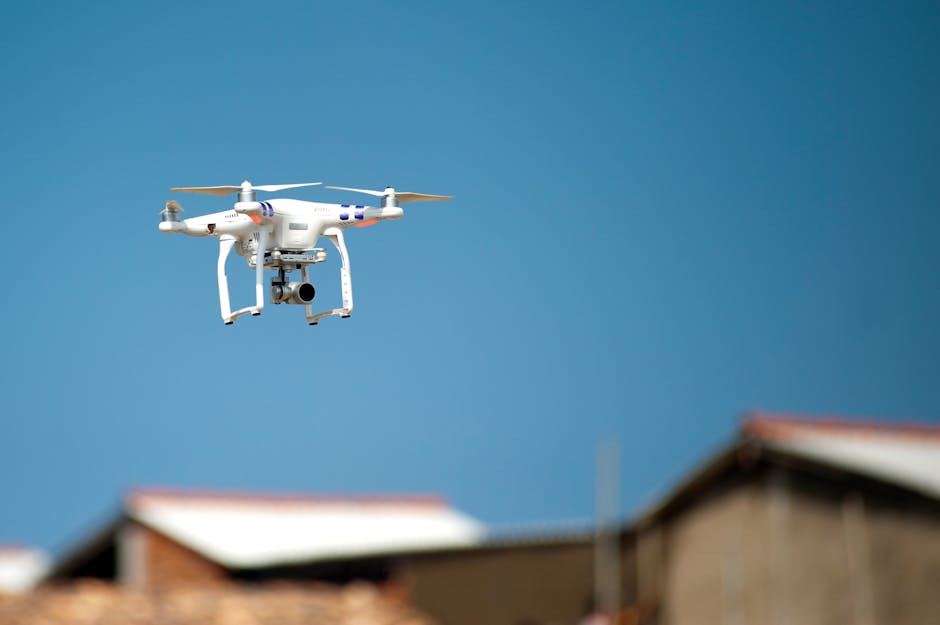
지난해 말, 강원도의 한 산간 마을에 긴급 혈액 팩을 실어 나른 드론이 화제가 됐어요. 배터리 드론이었다면 왕복 70km 거리에서 두 번은 착륙해 배터리를 교체했어야 할 상황이었는데, 이 드론은 중간 착륙 없이 임무를 완수했습니다. 비결은 바로 수소 연료전지(Hydrogen Fuel Cell) 동력 시스템이었죠. 이 작은 사례 하나가, 우리가 흔히 ‘드론은 배터리’라고 생각해 왔던 고정관념을 조용히 흔들고 있다고 봅니다.
오늘은 연료전지 드론이 항공 모빌리티 분야에 어떻게 스며들고 있는지, 실제 수치와 국내외 사례를 통해 함께 들여다볼게요.
① 왜 배터리 드론은 한계에 부딪힐 수밖에 없나? — 에너지 밀도의 벽
드론의 비행 시간을 결정하는 핵심 지표는 에너지 밀도(Energy Density)입니다. 리튬이온 배터리의 에너지 밀도는 현재 기술 기준으로 약 250~300Wh/kg 수준에 머물러 있어요. 반면 수소 연료전지 시스템(탱크 포함 시스템 전체 기준)은 상용화 제품 기준으로 이미 400~600Wh/kg에 도달해 있고, 일부 고압 수소 탱크 기술을 적용하면 이론상 800Wh/kg도 가능하다고 봅니다.
이게 실제 비행 시간으로 환산되면 어떻게 달라질까요?
리튬이온 배터리 드론 (동급 페이로드 기준): 최대 비행 시간 20~40분
수소 연료전지 드론 (동급 페이로드 기준): 최대 비행 시간 90~240분
충전/재보급 시간: 배터리 완충 40~80분 vs. 수소 충전 5~10분
저온 환경(-20°C) 성능 유지율: 리튬이온 약 60~70% / 연료전지 약 85~90%
탄소 배출: 그린수소 기반 연료전지 드론은 운용 중 배출량 사실상 0
수치만 놓고 보면 연료전지 드론의 압승처럼 보이지만, 물론 수소 인프라 구축 비용과 초기 시스템 단가라는 현실적인 장벽도 분명히 존재합니다. 이 부분은 결론에서 다시 이야기할게요.
② 국내외 연료전지 드론 항공 모빌리티 적용 사례
🇰🇷 국내 사례 — 빠르게 치고 나오는 한국
한국은 2026년 현재 연료전지 드론 상용화 속도에서 글로벌 상위권에 속한다고 봐요. 현대모비스와 두산모빌리티이노베이션(DMI)이 대표적인 플레이어입니다.
두산모빌리티이노베이션의 DS30W 모델은 연료전지 드론 중 가장 많이 실증된 기체 중 하나로, 산림청 산불 감시 임무에 정기 투입되고 있어요. 최대 비행 시간은 약 2시간이며, 5kg 내외의 페이로드를 실을 수 있습니다. 2025년부터는 제주도 연안 해양 쓰레기 모니터링 프로젝트에도 참여 중이고, 실증 결과 배터리 드론 대비 운용 효율이 약 3.2배 향상됐다는 보고가 있었죠.
한국항공우주연구원(KARI)도 2026년 UAM(도심항공모빌리티) 실증 노선에 연료전지 하이브리드 추진 시스템을 탑재한 멀티콥터 기체 테스트를 진행 중입니다. 기존 전기 추진 UAM 대비 항속 거리를 약 40% 이상 늘리는 것이 목표라고 해요.
🌍 해외 사례 — 이미 인프라로 들어온 연료전지 드론
미국의 ZeroAvia는 19인승 급 수소 전기 항공기 상용화를 목전에 두고 있는 기업이에요. 드론 영역에서는 방산 스타트업과의 협력을 통해 장거리 ISR(정보·감시·정찰) 드론에 연료전지 시스템을 공급하고 있으며, 2026년 현재 미 연방항공청(FAA) 인증 절차를 밟고 있는 상태입니다.
유럽에서는 H3 Dynamics(구 Hylium Industries)가 수소 드론 기반 물류 네트워크를 스위스 알프스 산간 지역에 구축하는 프로젝트를 진행 중이에요. 기존 헬기 물류 대비 운용 비용을 약 60% 절감할 수 있다는 초기 분석이 나왔고, 특히 혹독한 기후 환경에서의 안정성 데이터가 주목받고 있습니다.
일본에서는 NEC와 가와사키중공업이 합동으로 연료전지 드론을 활용한 재난 대응 통신 중계 시스템을 실증하고 있어요. 지진·화산 피해 지역에서 기지국 역할을 하는 드론이 6시간 이상 체공할 수 있어야 한다는 실증 기준을 충족했다는 보고가 2025년 말에 발표됐습니다.
③ 항공 모빌리티에서 연료전지가 특히 유리한 이유
UAM이나 화물 드론처럼 고정익·멀티콥터가 혼재하는 차세대 항공 모빌리티 시장에서 연료전지가 각광받는 이유는 단순히 ‘오래 난다’는 것 이상입니다. 연료전지는 출력 대비 진동과 소음이 극히 적고, 유일한 부산물이 물(H₂O)이기 때문에 도심 운용 시 규제 허들이 낮아질 가능성이 높아요. 특히 UAM 버티포트(Vertiport)처럼 도심 내 이착륙 인프라가 밀집되는 환경에서 배기 가스와 소음 문제는 인허가의 핵심 변수인 만큼, 연료전지 기반 추진 시스템의 경쟁력은 단순 성능을 넘어 규제 친화성에서도 두드러진다고 봅니다.
에디터 코멘트 : 연료전지 드론이 모든 면에서 배터리 드론을 대체할 것이라고 보기는 아직 이른 것 같아요. 단거리·저비용 임무에서는 여전히 리튬이온 배터리 드론이 훨씬 경제적이고, 수소 충전 인프라가 없는 곳에서는 운용 자체가 불가능하니까요. 현실적으로는 ‘임무 특성에 따른 선택’이 맞는 방향이라고 봅니다. 장거리 물류, 긴급 의료 수송, 장시간 감시·정찰처럼 체공 시간이 절대적인 임무에는 연료전지가 압도적으로 유리하고, 단거리 배송이나 촬영 드론에는 배터리가 여전히 합리적인 선택이에요. 앞으로 2~3년 안에 수소 충전 인프라가 어디까지 보급되느냐가 연료전지 드론 시장의 성패를 가를 가장 큰 변수가 될 것 같습니다.
Picture this: It’s a chilly Tuesday morning in Seoul, and a city bus quietly pulls away from the curb — no exhaust fumes, no diesel rattle, just a faint hiss of steam trailing behind it. That bus runs entirely on hydrogen fuel cells. A few blocks away, a hydrogen refueling station hums along next to a traditional gas station. This isn’t science fiction anymore. This is 2026, and hydrogen energy is no longer a distant promise sitting in a research lab — it’s actively reshaping how cities, industries, and homes think about power.
But before we get too carried away with the excitement, let’s slow down and actually think through what’s working, what’s still a challenge, and whether hydrogen energy deserves the hype it’s been getting. Grab a coffee — let’s dig in together.
📊 The Numbers Behind the Hype: Where Hydrogen Stands in 2026
The global hydrogen energy market was valued at approximately $220 billion in 2025, and analysts project it will breach $300 billion by the end of 2027, according to data from the International Energy Agency (IEA) and BloombergNEF. That’s not just optimistic projections — those figures are being backed by real policy commitments and infrastructure investment.
Here’s the key data snapshot for 2026:
Green hydrogen production costs have dropped roughly 40% since 2020, now hovering around $3.50–$5.00 per kilogram in regions with abundant renewable energy — still higher than natural gas but closing the gap fast.
The world now has over 1,200 operational hydrogen refueling stations, with South Korea, Japan, Germany, and California leading the count.
Global electrolyzer capacity — the tech that creates green hydrogen using electricity — surpassed 25 GW installed capacity in early 2026, up from just 1 GW in 2021.
The EU’s Hydrogen Strategy has committed over €470 billion to hydrogen infrastructure development through 2030.
Heavy industry sectors — steel, cement, shipping — now account for nearly 18% of total hydrogen offtake agreements globally, a sector that was virtually zero in 2020.
What’s particularly interesting here is the speed of the cost curve. We saw something similar with solar panels between 2010 and 2020. If green hydrogen follows a comparable trajectory, cost parity with fossil fuels in industrial applications could realistically land somewhere between 2030 and 2033. That’s not far off at all.
🌍 Who’s Actually Doing It? Real-World Examples from Around the Globe
Let’s ground this in reality with some concrete examples from both domestic (Korean) and international fronts, because numbers only tell part of the story.
🇰🇷 South Korea — The Hydrogen Republic Ambition
South Korea continues to be one of the most aggressive national players in hydrogen. Hyundai’s XCIENT Fuel Cell trucks are now operating across logistics corridors in South Korea and Switzerland, with a fleet exceeding 3,000 units globally as of early 2026. POSCO, the steel giant, has begun piloting hydrogen-based direct reduction iron (H-DRI) at its Pohang plant — a massive step toward decarbonizing steel production, which traditionally accounts for about 7–9% of global CO₂ emissions. The Korean government’s Hydrogen Economy Roadmap targets 15 million fuel cell vehicles on the road by 2040, which, even if they hit 30% of that target, would be transformative.
🇩🇪 Germany — The H2Global Initiative
Germany has been quietly building one of the world’s most sophisticated hydrogen import frameworks. The H2Global initiative — a government-backed auction mechanism — is actively purchasing green hydrogen from countries like Namibia, Chile, and Australia and feeding it into German industrial supply chains. Germany’s first hydrogen-powered passenger train corridor in Lower Saxony is now expanding, with 27 trains in service replacing diesel on non-electrified tracks.
🇦🇺 Australia — The Sunburnt Hydrogen Powerhouse
Australia’s geographic and solar advantages make it a natural green hydrogen exporter. The Asian Renewable Energy Hub (AREH) in Western Australia is mid-construction, targeting 26 GW of combined wind and solar to produce green hydrogen and ammonia for export to Japan and South Korea. This is genuinely exciting — it’s one of the largest renewable energy projects ever conceived.
🇺🇸 United States — The Inflation Reduction Act Effect
The U.S. hydrogen sector got a massive tailwind from the Inflation Reduction Act’s $3/kg production tax credit for clean hydrogen. In 2026, we’re seeing the downstream effects: new electrolysis plants in Texas, Louisiana, and the Pacific Northwest are coming online, and companies like Air Products and Plug Power are scaling faster than analysts predicted even 18 months ago.
⚠️ The Honest Challenges We Can’t Ignore
Now, let’s be real — hydrogen isn’t a silver bullet, and pretending otherwise wouldn’t be honest or helpful. Here are the genuine friction points still in play in 2026:
Energy efficiency losses: Green hydrogen production through electrolysis is only about 65–75% efficient. When you compress, transport, and convert it back to electricity in a fuel cell, your round-trip efficiency drops to around 25–35%. Compared to a battery electric vehicle’s ~85–90% efficiency, this matters — especially for passenger cars.
Infrastructure gaps: While 1,200+ stations sounds impressive globally, it’s still geographically clustered. Outside urban centers in Japan, Korea, and select European cities, hydrogen refueling remains inconvenient for most consumers.
Grey vs. Green: Approximately 95% of hydrogen produced globally is still grey hydrogen — made from natural gas via steam methane reforming. It’s cheap, but it still produces CO₂. The clean hydrogen transition is happening, but it’s far from complete.
Public perception and safety concerns: Hydrogen is highly flammable, and public trust in its safety requires continued education and demonstrated track record — something that takes years to build, not months.
🔧 Realistic Alternatives Depending on Your Situation
So what should you actually do with this information? The answer really depends on who you are and what you’re trying to solve.
If you’re a homeowner: Hydrogen home fuel cells (like those made by Panasonic’s Ene-Farm or Bloom Energy’s domestic units) are becoming more accessible in 2026, especially in Japan and select Korean cities. However, if you’re not in a supported region, a solar + battery storage system remains a more practical and cost-effective decarbonization path today. Don’t wait for hydrogen if you have a viable solar option now.
If you’re a small business or fleet operator: For short-range urban fleets, battery electric vehicles still win on total cost of ownership. But if you’re running long-haul routes over 500 km or need rapid refueling with heavy payloads, hydrogen fuel cell trucks are increasingly competitive — especially where government subsidies apply. It’s worth getting a proper TCO analysis done for your specific route profile.
If you’re an investor or policy follower: Watch the green hydrogen cost curve closely. The tipping point for large-scale industrial adoption likely lands between 2028–2032. Electrolyzer manufacturers, green ammonia producers, and hydrogen logistics companies are interesting spaces — but volatility is real, and patience is required.
If you’re just a curious person: The most impactful thing you can do is stay informed and advocate for balanced, honest energy policy in your community. Hydrogen works best as part of a portfolio approach alongside solar, wind, and batteries — not as a replacement for any of them.
🔭 Looking Forward: What to Watch in the Next 24 Months
If you want to track hydrogen’s real progress, here are the specific milestones worth watching through 2027:
Whether the U.S. clean hydrogen hubs (funded under the Infrastructure Investment and Jobs Act) begin producing at commercial scale
The outcome of the EU’s RFNBO (Renewable Fuels of Non-Biological Origin) certification rollout, which determines how “green” hydrogen must be to qualify for subsidies
Green hydrogen production cost hitting the $2/kg threshold in high-solar regions — widely considered the commercial viability inflection point
The launch of the first commercial hydrogen-powered long-haul aircraft demonstration flights, with Airbus’s ZEROe program targeting 2027–2028
Hydrogen energy is neither the overhyped fantasy its critics sometimes make it out to be, nor the complete solution its most enthusiastic advocates claim. What it genuinely is, in 2026, is a rapidly maturing technology with a clear and important role in decarbonizing the parts of our economy that electricity alone simply can’t reach — heavy industry, long-distance shipping, and aviation. That’s not a small deal. That’s actually a huge deal.
The question isn’t really “will hydrogen matter?” — it clearly already does. The question is how quickly costs fall, how honestly we account for its lifecycle emissions, and whether we build the infrastructure with enough intelligence and equity that it serves everyone, not just the early adopters.
Let’s keep watching. The next few years are going to be genuinely fascinating.
Editor’s Comment : Hydrogen energy in 2026 sits at a genuinely pivotal crossroads — past the “just a concept” phase but not yet at mass-market ubiquity. The smartest approach for most readers isn’t to bet everything on hydrogen or dismiss it entirely, but to understand where it fits in the broader clean energy puzzle. Think of it less like a race between hydrogen and batteries, and more like choosing the right tool for the right job. Heavy industry and long-haul transport? Hydrogen’s moment is coming fast. Your daily commute? Your EV is probably still the smarter call today. Stay curious, stay skeptical, and always follow the cost curves — they tell the truest story.
태그: [‘hydrogen energy 2026’, ‘green hydrogen future’, ‘fuel cell technology’, ‘clean energy transition’, ‘hydrogen economy’, ‘renewable energy trends’, ‘decarbonization strategy’]
얼마 전 지인 한 명이 이런 말을 했어요. “수소차 사려고 알아봤는데, 충전소가 너무 없어서 그냥 전기차 샀어.” 솔직히 공감이 많이 됐습니다. 수소 에너지는 몇 년 전부터 ‘미래 에너지의 왕’처럼 불려 왔는데, 막상 일상에서는 여전히 멀게 느껴지는 게 사실이에요. 그렇다면 2026년 현재, 수소 에너지는 실제로 어디쯤 와 있는 걸까요? 그리고 앞으로 우리 삶에 얼마나 가까이 올 수 있을지, 함께 찬찬히 들여다보려 합니다.
📊 숫자로 보는 수소 에너지 시장 — 생각보다 훨씬 빠르게 커지고 있어요
국제에너지기구(IEA)의 최근 보고에 따르면, 2026년 기준 글로벌 수소 에너지 시장 규모는 약 2,200억 달러(한화 약 295조 원) 수준으로 추정됩니다. 2020년과 비교하면 불과 6년 만에 시장이 약 3배 이상 성장한 셈이라고 봅니다. 특히 주목할 만한 지표는 ‘그린 수소’의 생산 단가예요.
그린 수소란 태양광이나 풍력 같은 재생에너지로 물을 전기 분해해 생산한 수소를 말해요. 2020년에는 1kg당 생산 비용이 약 5~6달러 수준이었는데, 2026년 현재 일부 선진국 기준으로 2~3달러 이하까지 내려온 사례가 나오고 있습니다. 전문가들이 경제성의 마지노선으로 보는 ‘1달러/kg’ 목표에 점점 가까워지고 있는 거라고 볼 수 있어요.
또한 전 세계 수소 관련 투자액은 2025~2030년 사이 누적 5,000억 달러를 넘을 것으로 전망되며, 이 중 상당 부분은 한국, 일본, 독일, 미국에 집중되고 있는 흐름입니다.
🌍 국내외 수소 에너지 현황 — 각자의 방식으로 달리고 있어요
수소 에너지 경쟁에서 가장 공격적인 행보를 보이는 나라 중 하나는 단연 독일입니다. 독일은 2020년에 ‘국가 수소 전략’을 발표한 이후 꾸준히 투자를 늘려왔고, 2026년 현재 북해 해상풍력과 연계한 대규모 그린 수소 생산 파이프라인 구축이 본격화된 상태예요. 특히 산업용 고온 공정(철강, 시멘트 등)에서 탄소를 줄이는 수단으로 수소를 적극 활용하고 있다는 점이 인상적입니다.
일본은 조금 다른 전략을 취하고 있어요. 자국 내 재생에너지 자원이 부족한 만큼, 호주나 중동 등에서 수소를 생산해 액화 형태로 수입하는 ‘수소 공급망 구축’에 집중하고 있습니다. 가와사키중공업이 주도한 호주-일본 간 액화 수소 운반선 프로젝트는 이미 상업적 단계에 진입했다고 봐도 무방한 상황이에요.
우리나라는 어떨까요? 한국은 수소차(FCEV) 보급 면에서 여전히 세계 최고 수준의 인프라를 갖추고 있어요. 현대자동차의 넥쏘(NEXO)는 누적 판매 기준으로 글로벌 수소 승용차 시장에서 상위권을 유지하고 있고, 2026년 현재 수소 충전소는 전국 기준 250여 곳을 넘어선 것으로 집계됩니다. 다만, 수소 생산 단계에서 여전히 ‘블루 수소’나 ‘그레이 수소’에 대한 의존도가 높다는 점은 해결해야 할 과제로 꼽힙니다.
🔍 수소 에너지의 종류, 헷갈리셨죠? 정리해 드릴게요
그레이 수소 (Grey Hydrogen): 천연가스를 개질해 생산. 현재 가장 많이 쓰이지만 CO₂를 다량 배출해요. 비용은 저렴하지만 친환경과는 거리가 멀어요.
블루 수소 (Blue Hydrogen): 그레이 수소 생산 과정에서 나오는 탄소를 포집·저장(CCS) 기술로 처리한 수소. 과도기적 솔루션으로 평가받습니다.
그린 수소 (Green Hydrogen): 재생에너지 기반 수전해로 생산. 진정한 의미의 친환경 수소지만 아직 생산 비용이 높아요.
핑크 수소 (Pink Hydrogen): 원자력 전기로 수전해해 생산. 탄소 배출이 없고 대량 생산이 가능해 최근 재조명받고 있어요.
청록 수소 (Turquoise Hydrogen): 메탄 열분해 방식으로, 탄소를 고체 형태로 추출해 CO₂ 배출이 없다는 장점이 있어요. 아직 상용화 초기 단계입니다.
⚠️ 수소 에너지가 풀어야 할 현실적 숙제들
수소 에너지가 ‘장밋빛 미래’만은 아니라는 점도 솔직하게 짚어야 할 것 같아요. 우선 저장과 운반의 어려움이 있습니다. 수소는 부피가 크고 폭발성이 있어 고압 또는 극저온 액화 상태로 보관해야 하는데, 이 인프라 구축 비용이 상당하거든요. 또한 에너지 효율 면에서도 논쟁이 있어요. 재생에너지 전기를 수소로 변환했다가 다시 전기로 쓰면 전체 효율이 30~40%에 그친다는 지적도 있습니다. 직접 배터리에 저장하는 것보다 손실이 크다는 거죠.
그럼에도 불구하고, 수소가 전기 배터리로는 대체하기 어려운 영역 — 장거리 트럭, 선박, 항공, 그리고 철강·화학 같은 고온 산업 공정 — 에서의 탈탄소 수단으로서 가치는 여전히 독보적이라고 봅니다.
🔮 2026년 이후 수소 에너지, 어떤 방향으로 흘러갈까요?
가장 현실적인 전망은 ‘수소는 모든 것을 대체하지 않고, 전기차·배터리와 역할을 나눈다’는 방향인 것 같아요. 단거리 승용차는 전기차가, 장거리 상용차·선박·항공기는 수소가 담당하는 구조로 에너지 생태계가 재편될 가능성이 높다고 봅니다.
또한 AI 데이터센터의 전력 수요 폭증과 맞물려, 수소 연료전지 기반의 분산형 전원(Distributed Power)이 주목받고 있어요. 대규모 전력망에 의존하지 않고 현장에서 전기를 생산하는 방식인데, 2026년 들어 마이크로소프트, 아마존 등 빅테크 기업들이 데이터센터 백업 전원으로 수소 연료전지를 테스트하고 있다는 점은 꽤 흥미로운 신호라고 생각해요.
에디터 코멘트 : 수소 에너지를 바라볼 때 ‘전기차의 경쟁자’로만 보면 실망하게 될 수도 있어요. 오히려 수소의 진짜 가치는 우리가 쉽게 전기화하기 어려운 영역들 — 무거운 산업, 먼 거리를 달리는 운송 수단, 계절별 에너지 저장 — 에 있다고 봐요. 당장 내 삶에서 체감하기 어렵더라도, 수소 인프라가 쌓여가는 방향은 분명히 옳다고 생각합니다. 관심이 있다면 수소 ETF나 관련 기업 동향을 꾸준히 지켜보는 것도 하나의 흥미로운 탐구가 될 것 같아요. 🌿
Picture this: it’s a crisp Tuesday morning in Seoul, and you pull into a hydrogen refueling station on your way to work. In under four minutes, your tank is full, and you’re back on the road — no range anxiety, no lengthy charging stops. Sounds futuristic? It’s already happening. But here’s the thing: not everyone who says “hydrogen car” means the same thing, and the differences under the hood — and in your wallet — are significant.
In 2026, the conversation around hydrogen-powered mobility has matured dramatically. We’re no longer asking “will this technology survive?” — we’re asking “which version of it is right for me, right now?” Let’s think through this together.
🔬 First, Let’s Get the Terminology Straight
When people say “hydrogen car,” they’re often lumping two distinct technologies into one bucket. Let’s separate them clearly:
Fuel Cell Electric Vehicles (FCEVs): These use hydrogen gas to generate electricity via a fuel cell stack. The electricity powers an electric motor. The only emission? Water vapor. Think Hyundai NEXO, Toyota Mirai GR.
Hydrogen Internal Combustion Engine Vehicles (H2-ICE): These burn hydrogen directly in a modified combustion engine — similar in concept to a gasoline engine, but fueled by hydrogen. BMW and Toyota have been piloting these aggressively since 2024.
Most mainstream media collapses both into “hydrogen cars,” but their performance profiles, infrastructure demands, and cost structures are genuinely different animals.
📊 Performance & Efficiency: The Numbers Don’t Lie
Let’s talk hard data, because this is where things get really interesting.
FCEVs convert hydrogen to electricity with roughly 60% efficiency at the fuel cell stack level — compared to just 20–35% thermal efficiency for H2-ICE engines. In practical driving terms, a 2026 FCEV like the Hyundai NEXO 2 (launched Q1 2026) delivers approximately 650 km of range on a full tank, while Toyota’s H2-ICE Hilux variant manages closer to 420–480 km under similar conditions.
However, efficiency isn’t everything. H2-ICE vehicles are significantly cheaper to manufacture — leveraging existing powertrain infrastructure — and are more tolerant of hydrogen purity variation (FCEVs demand 99.97%+ pure H2 to avoid cell degradation).
Refueling time: Both technologies refuel in 3–5 minutes — a clear advantage over BEVs even with 350kW fast chargers.
Cold weather performance: FCEVs can struggle below -20°C due to membrane freezing; H2-ICE handles cold starts more robustly.
Maintenance complexity: FCEVs have fewer moving parts than H2-ICE, but fuel cell stack replacement (typically at 250,000–300,000 km) remains expensive at $8,000–$12,000 USD in 2026 estimates.
CO₂ emissions: FCEVs are zero-emission at the tailpipe; H2-ICE produces trace NOx emissions (~10–15% of gasoline equivalent) — not zero, but still dramatically cleaner.
🌍 Global & Domestic Examples: Who’s Betting on What?
The global hydrogen vehicle landscape in 2026 tells a fascinating story of regional strategy.
South Korea remains the FCEV capital of the world. Hyundai’s domestic NEXO 2 sales crossed 45,000 units in 2025 alone, and the Korean government’s “H2 Road 2030” plan has pushed the number of domestic hydrogen stations to over 320 — up from 180 in 2023. Seoul’s metropolitan bus fleet now runs 28% hydrogen fuel cell buses.
Japan is playing a dual strategy. Toyota continues refining Mirai GR for premium consumers while quietly scaling its H2-ICE technology for commercial trucking through its Hino division. Japan’s government subsidizes both pathways, recognizing that one size won’t fit all use cases.
Germany has pivoted aggressively toward H2-ICE for heavy freight. As of early 2026, TRATON Group (Volkswagen’s truck arm) has deployed over 1,200 hydrogen combustion trucks across the Autobahn corridor — a pragmatic choice given the lower infrastructure precision demands of H2-ICE.
United States: California leads with 85 FCEV-compatible stations, concentrated in the LA-SF corridor. Federal IRA hydrogen credits extended through 2028 have kept FCEV demand alive, though infrastructure growth has been slower than anticipated outside the coasts.
💰 The Cost Reality Check
Here’s where most blog posts lose their nerve and go vague. Let’s be direct.
In 2026, purchasing a new FCEV like the Hyundai NEXO 2 runs approximately $62,000–$70,000 USD (before incentives). With available tax credits in the US and Korean government rebates, effective consumer cost lands closer to $48,000–$54,000. Toyota’s Mirai GR sits in similar territory at around $65,000 base.
Hydrogen fuel itself? This is the ongoing pain point. Green hydrogen (produced via electrolysis with renewable energy) costs roughly $10–$14 per kilogram at retail stations in 2026 — meaning a full NEXO 2 tank (6.33 kg) costs $63–$89. That translates to roughly $0.10–$0.14 per km, comparable to premium gasoline vehicles but still higher than BEV cost-per-km.
H2-ICE vehicles, where commercially available, tend to run 15–20% cheaper at purchase but consume hydrogen less efficiently — partially erasing that upfront saving at the pump.
🛣️ Realistic Alternatives: Who Should Actually Consider a Hydrogen Vehicle in 2026?
Here’s my honest take after thinking through all of this:
Urban commuters in hydrogen-dense cities (Seoul, Tokyo, LA): FCEVs are a genuinely compelling choice in 2026 — especially if you live in an apartment and can’t install a home EV charger. The rapid refuel is a real quality-of-life win.
Long-haul drivers and commercial fleet operators: H2-ICE heavy vehicles are increasingly cost-justified, particularly in Europe and Korea. The infrastructure tolerance and familiar powertrain mechanics make fleet transitions manageable.
Rural drivers or those outside major H2 corridors: Be honest with yourself — infrastructure gaps are still real. A plug-in hybrid or long-range BEV probably serves you better right now.
Early adopters with brand alignment: If you’re drawn to cutting-edge engineering and have station access, FCEVs offer a genuinely premium, near-zero-emission experience that no BEV can fully replicate in terms of refueling speed.
The honest conclusion is that neither technology is universally “better” — they’re optimized for different use cases, and the smart move is matching the technology to your actual life, not the other way around.
Editor’s Comment : After spending a lot of time thinking through the hydrogen car landscape in 2026, what strikes me most is how the conversation has shifted from “will hydrogen work?” to “which hydrogen approach works for whom?” FCEVs are genuinely impressive machines — efficient, clean, and increasingly refined — but they live and die by infrastructure density. H2-ICE is the pragmatist’s bridge technology, especially for commercial applications. My personal recommendation? If you’re in a hydrogen-ready city and can snag the current government incentives, the NEXO 2 or Mirai GR are worth serious consideration. If you’re not? Patience is a strategy. The infrastructure map will look very different by 2028, and getting in at the right time matters more than getting in fast.
태그: [‘hydrogen fuel cell car 2026’, ‘FCEV vs H2-ICE comparison’, ‘Hyundai NEXO 2026’, ‘hydrogen vehicle buying guide’, ‘green hydrogen mobility’, ‘fuel cell electric vehicle’, ‘hydrogen car infrastructure 2026’]
얼마 전 지인이 자동차 전시회에 다녀오더니 이런 말을 하더라고요. “수소차 보고 왔는데, 거기서 연료전지차라고도 부르던데 그게 다른 건가요?” 사실 이 질문, 생각보다 굉장히 많은 분들이 헷갈려 하시는 부분이에요. 단어가 비슷한 것 같으면서도 기술 문서나 뉴스 기사를 읽다 보면 두 표현이 혼용되기도 하고, 때로는 전혀 다른 맥락에서 쓰이기도 하니까요. 2026년 현재, 수소 모빌리티 시장이 본격적인 전환점을 맞이하고 있는 지금, 이 두 개념을 제대로 정리해 두는 것이 꽤 중요하다고 봅니다. 함께 하나씩 짚어볼게요.
📌 먼저 개념부터: 수소차 = 연료전지차인가요?
결론부터 말씀드리면, ‘연료전지 자동차(FCEV, Fuel Cell Electric Vehicle)’는 수소차의 하위 개념이라고 보는 것이 맞는 것 같습니다. 수소차(Hydrogen Vehicle)는 수소를 어떤 방식으로든 동력원으로 활용하는 차량 전체를 가리키는 넓은 의미인 반면, 연료전지차는 수소와 산소의 전기화학 반응을 통해 전기를 생산하고 그 전기로 모터를 구동하는 특정 방식을 말해요.
즉, 모든 연료전지차는 수소차지만, 수소차가 모두 연료전지차인 건 아닌 거죠. 수소를 직접 내연기관에서 연소시키는 수소 내연기관차(H2 ICE)도 넓은 의미에서 수소차에 포함되거든요.
📊 두 방식의 기술적 차이: 수치로 비교해 보면
2026년 기준, 두 방식의 주요 스펙 차이를 간략하게 정리하면 다음과 같습니다.
에너지 효율: 연료전지차(FCEV)의 수소-전기 변환 효율은 약 60~65% 수준입니다. 반면 수소 내연기관차는 열효율 한계로 인해 보통 35~40%에 머무르는 것으로 알려져 있어요.
주행거리: 현재 양산 FCEV 기준, 완충 시 약 600~700km 수준의 주행이 가능한 모델들이 등장하고 있습니다. 수소 내연기관차는 아직 상용화 초기 단계라 이보다 짧은 편이에요.
배출물: FCEV는 물(H₂O)만 배출합니다. 수소 내연기관차는 극미량이지만 질소산화물(NOx)이 발생할 수 있다는 점에서 차이가 있어요.
소음 및 진동: FCEV는 전기차에 가까운 정숙성을 제공하는 반면, 수소 내연기관차는 기존 가솔린 엔진과 유사한 소음·진동 특성을 가집니다.
충전 시간: 두 방식 모두 수소 충전 방식을 사용하므로, 고압 충전 기준 약 3~5분이면 충전이 완료됩니다. 이 점은 장거리 운전자에게 분명히 매력적인 요소죠.
🌍 국내외 최신 동향: 2026년의 판도는 어디로?
국내에서는 현대자동차가 차세대 넥쏘(NEXO) 후속 모델의 양산 체계를 본격화하면서 FCEV 시장을 이끌고 있는 상황이에요. 2026년 초 기준으로 국내 수소 충전소는 300개소를 돌파했으며, 정부는 2030년까지 주요 고속도로 모든 휴게소에 수소 충전 인프라를 구축하겠다는 목표를 유지하고 있는 것으로 알려져 있습니다.
해외를 보면, 도요타(Toyota)는 미라이(Mirai) 3세대 개발을 진행 중이며 유럽 시장 공략을 강화하고 있다고 봅니다. 특히 독일과 네덜란드는 수소 충전 인프라 구축에 EU 보조금을 대거 투입하면서 FCEV 상용차(버스, 트럭) 보급에 집중하는 모습이에요.
한편, BMW와 일부 중국 제조사들은 수소 내연기관차(H2 ICE) 기술에도 꾸준히 투자하고 있어요. 순수 전기차(BEV) 전환이 어려운 상용 중장비 분야에서 현실적인 대안이 될 수 있다는 논리인데, 이 관점은 꽤 설득력 있다고 봅니다.
⚖️ 그래서 어떤 선택이 현실적인가?
솔직히 말씀드리면, 2026년 현재 일반 소비자 입장에서 연료전지차(FCEV)가 훨씬 현실적인 선택지라고 봐요. 수소 내연기관차는 아직 양산 단계가 아니고, 효율 면에서도 FCEV에 비해 뚜렷한 장점을 찾기 어려운 상황이거든요.
다만, 장거리 화물 운송, 건설 중장비, 선박처럼 전기 배터리가 무거움의 한계를 갖는 분야에서는 수소 내연기관 기술이 중간 브리지 역할을 할 수 있다는 시각도 있습니다. 기술이 어느 한 방향으로만 발전하지 않는다는 걸 늘 염두에 두는 게 좋을 것 같아요.
에디터 코멘트 : 수소차와 연료전지차를 같은 말로 쓰는 것 자체가 틀린 건 아니에요. 현재 시장에서 유통되는 수소차의 대부분이 FCEV이기 때문에 일상 대화에서는 혼용해도 큰 문제가 없습니다. 하지만 기술 선택이나 투자, 정책을 논할 때는 이 둘을 구분하는 게 훨씬 정확한 논의로 이어진다고 봐요. ‘수소’라는 키워드 하나에 얼마나 다양한 기술 갈래가 숨어 있는지, 이번 기회에 조금 더 선명하게 그려지셨으면 좋겠습니다.
Picture this: a massive, silver-white tanker gliding silently into a port in Kawasaki, Japan — not carrying oil, not carrying LNG, but carrying liquid hydrogen cooled to -253°C. That’s cold enough to make liquid nitrogen look warm. Just a few years ago, this was firmly in the realm of science fiction. Today, in 2026, it’s becoming a routine industrial operation. And the technology making it possible? It’s evolving faster than most people realize.
Whether you’re an energy enthusiast, an investor, or just someone curious about where the world is heading, let’s think through what’s really happening in liquid hydrogen (LH2) transport and storage — and why it matters beyond the headlines.
Why Liquid Hydrogen Is So Technically Challenging
Before we dive into the latest breakthroughs, it helps to understand why this problem is so hard. Hydrogen, when liquefied, occupies about 1/800th of its gaseous volume — making it incredibly energy-dense for transport. But keeping it liquid requires maintaining temperatures near absolute zero (-253°C / 20 Kelvin). That’s colder than the surface of Pluto.
The core engineering challenges are:
Boil-off gas (BOG): Even with the best insulation, heat leaks in and hydrogen slowly evaporates. Industry benchmarks in 2024 saw boil-off rates of 0.3–0.5% per day on large vessels. In 2026, leading designs are now pushing toward 0.1% per day or lower through advanced vacuum-jacketed multi-layer insulation (MLI).
Ortho-para hydrogen conversion: Hydrogen exists in two spin states — orthohydrogen and parahydrogen. During liquefaction, converting ortho- to para-hydrogen releases heat. New catalytic converters integrated into liquefaction plants are now achieving 99%+ para-hydrogen purity, dramatically reducing boil-off during storage.
Materials embrittlement: Metals behave differently at cryogenic temperatures. Austenitic stainless steels and aluminum alloys remain the gold standard, but 2026 has seen the emergence of carbon fiber reinforced polymer (CFRP) composite tanks that offer 40% weight reduction with comparable thermal performance.
Refueling infrastructure: Getting LH2 from ship to shore to end-user requires cryogenic pumps, vacuum-insulated piping, and fast-fill stations — all of which are still being standardized globally.
The Numbers That Are Turning Heads in 2026
Let’s get specific, because the data in 2026 is genuinely exciting:
The global liquid hydrogen market, valued at approximately $1.8 billion in 2023, is now tracking toward $14–17 billion by 2030 according to multiple industry analysts. That’s not linear growth — that’s an inflection point. Several catalysts are driving this curve steeper:
The EU’s Hydrogen Bank, now in its second auction round, has committed over €3 billion toward green hydrogen production and LH2 logistics infrastructure across member states.
Japan’s revised Basic Hydrogen Strategy (updated 2023, with 2026 implementation milestones) targets 3 million tonnes of hydrogen per year by 2030, with LH2 as a primary import pathway.
South Korea’s HySupply corridor with Australia is now in commercial phase, with the first full-scale LH2 carrier (capacity: 1,250 m³) completing its third commercial voyage in early 2026.
In the U.S., DOE’s hydrogen hub program (H2Hubs) has accelerated LH2 distribution trials in Texas and California, with liquid hydrogen truck delivery corridors now operational along I-10.
Real-World Examples: Who’s Leading and How
Let’s look at who’s actually doing this — not just announcing it.
🇯🇵 Japan — Kawasaki Heavy Industries & HySTRA: The Suiso Frontier, the world’s first LH2 carrier, completed its pioneering pilot voyage back in 2022. By 2026, KHI’s next-generation vessel — designed with a 160,000 m³ cargo capacity (compare that to the original 1,250 m³ pilot ship) — is in advanced construction at the Sakaide shipyard. The insulation system uses advanced perlite-vacuum panels that have reduced thermal losses by approximately 35% compared to the pilot vessel’s design.
🇦🇺 Australia — Fortescue & CSIRO: Australia has positioned itself as the Saudi Arabia of green hydrogen. In the Pilbara region, Fortescue’s green hydrogen facility is now producing LH2 for export, with a dedicated liquefaction train capacity of 500 tonnes per day — one of the largest standalone green LH2 facilities outside of the U.S. CSIRO’s membrane separation technology continues to improve on-site purity to 99.999% (5N grade) hydrogen.
🇩🇪 Germany — Linde & Hydrogenious LOHC (for comparison): Germany presents an interesting contrast. While investing in LH2 terminals at Hamburg and Brunsbüttel ports, German industry has also heavily backed Liquid Organic Hydrogen Carriers (LOHC) as a competing technology. The debate is real: LOHC operates at ambient temperature and pressure but requires energy-intensive dehydrogenation at the point of use. In 2026, the German federal government’s official position is to support both pathways, letting market conditions determine the winner — a pragmatic hedge that other nations are watching closely.
🇺🇸 United States — Air Products & NASA Heritage: The U.S. has the deepest industrial experience with LH2, largely thanks to NASA’s decades of work. Air Products, which operates the world’s largest LH2 plant (in New Orleans, ~30 tonnes/day), is now scaling up to a new 90 tonnes/day facility in Louisiana, primarily targeting export markets via the Gulf Coast. Their cryo-pump technology innovations in 2025–2026 have reportedly reduced LH2 transfer losses during ship loading to under 0.05% — a remarkable engineering feat.
The Storage Side: What’s New on Land
Transport gets the glamour, but stationary storage is equally critical. Think of it like this: if LH2 is water, then storage tanks are the reservoirs — without them, the whole system falls apart.
Key developments in 2026 include:
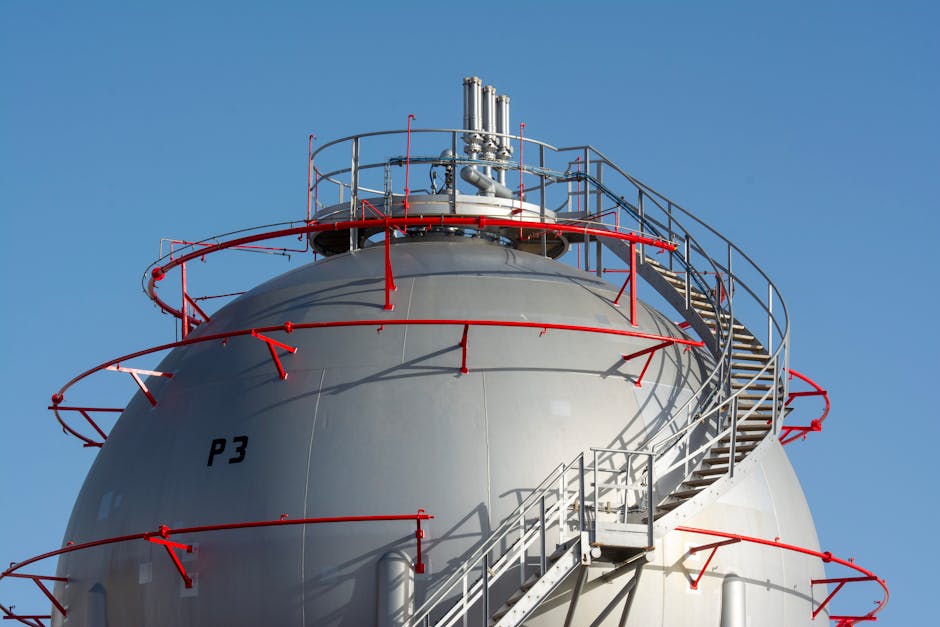
Spherical vacuum-insulated tanks at gigawatt scale: EDF in France and POSCO in South Korea are both commissioning large-scale LH2 storage spheres with capacities exceeding 5,000 m³. The spherical geometry minimizes surface-area-to-volume ratio, inherently reducing heat ingress.
Underground LH2 cavern storage (pilot phase): Taking a page from LNG’s playbook, researchers in Norway and Japan are exploring rock cavern storage for LH2. The naturally cold, stable rock environment could reduce insulation requirements significantly. Full feasibility results are expected by late 2026.
Smart boil-off management systems: Rather than venting boil-off gas (wasted energy and a safety concern), new integrated systems capture BOG, recompress it, and re-liquefy it using waste cold from incoming LH2 streams. Several German and Japanese terminals deployed these systems in 2025, reporting near-zero net BOG losses in steady-state operation.
Realistic Alternatives: What If LH2 Isn’t Right for Your Use Case?
Here’s where I want to be really honest with you, because not every situation calls for liquid hydrogen — and choosing the right carrier form is genuinely important.
If you’re thinking about hydrogen in an industrial or investment context, consider these realistic alternatives:
Compressed gaseous hydrogen (CGH2): For short-distance distribution (under ~300 km), tube trailers at 200–500 bar are often more cost-effective than LH2. No liquefaction energy cost (~30% of hydrogen’s energy content), simpler infrastructure. Downside: much lower energy density per vehicle.
Ammonia (NH3) as hydrogen carrier: Ammonia is already globally traded at massive scale. Green ammonia — cracked back to hydrogen at destination — is being seriously pursued by Saudi Aramco, JERA in Japan, and OCI Global. It sidesteps cryogenics entirely. The trade-off: cracking efficiency and the need for nitrogen handling.
LOHC (Liquid Organic Hydrogen Carriers): As mentioned above, companies like Hydrogenious LOHC Technologies and Chiyoda Corporation’s SPERA Hydrogen system offer ambient-condition transport. Best suited for industrial clusters where dehydrogenation infrastructure already exists.
Metal hydrides: For small-scale, high-density stationary storage (think back-up power for data centers), solid-state metal hydrides offer a compelling safety profile. Startups like H2 Energy Storage (Switzerland) are gaining traction in 2026 for niche applications.
The honest reality? LH2 wins when you need large volumes over long distances and high delivery purity — aerospace refueling, large-scale power-to-X applications, and intercontinental export. For distributed, smaller-scale needs, one of the alternatives above may actually make more sense economically and operationally.
What to Watch for in the Rest of 2026
A few things I’m personally tracking that could shift this space significantly:
The ISO/TC 197 hydrogen technology standards update expected in Q3 2026, which will set global benchmarks for LH2 marine transport safety — this will either accelerate or slow investment timelines.
China’s entry into large-scale LH2 export: SINOPEC and State Power Investment Corporation (SPIC) have both announced LH2 export ambitions. China’s scale could commoditize aspects of the supply chain within years.
The outcome of the EU’s hydrogen import tariff negotiations — currently a hot political topic — which will determine whether European LH2 import terminals get their business cases confirmed or complicated.
Editor’s Comment : Liquid hydrogen technology in 2026 is genuinely at that exciting, slightly uncomfortable inflection point where the engineering is ahead of the policy and the policy is ahead of the public understanding. The boil-off numbers are getting real, the vessels are getting big, and the supply chains are clicking into place. But let’s stay clear-eyed: LH2 is one arrow in the quiver, not the whole bow. The smartest players right now are the ones building flexible infrastructure that can adapt as the competition between LH2, ammonia, and LOHC plays out over the next decade. My advice? Keep watching the terminal construction announcements — that’s where the real money signals are hiding.
지난해 말, 일본 고베항에서 출항한 한 선박이 호주산 갈색 석탄에서 추출한 액체 수소를 싣고 태평양을 건너는 데 성공했다는 소식이 에너지 업계를 떠들썩하게 했어요. 그 배의 이름은 ‘스이소 프론티어(Suiso Frontier)’ 후속 선박, 즉 2세대 수소 운반선이었습니다. 당시 현장에 있었던 한 엔지니어는 “영하 253도의 액체를 바다 위에서 몇 주 동안 보존한다는 게 마치 우주선 연료탱크를 배에 얹어 항해하는 것 같았다”라고 표현했다는군요. 과장이 아닙니다. 액체 수소는 끓는점이 영하 253°C(20K)로, 액체 질소보다도 훨씬 낮은 ‘극저온 물질’이거든요. 그래서 이 기술이 상용화되기까지 얼마나 많은 공학적 난제가 있는지, 그리고 2026년 현재 세계가 어디까지 왔는지 함께 들여다보고 싶었습니다.
📊 숫자로 보는 액체 수소 기술의 현주소
액체 수소(LH₂)는 같은 부피 기준으로 기체 수소 대비 약 800배의 에너지를 담을 수 있어요. 이론상 운반 효율이 극적으로 높아지는 셈이죠. 하지만 문제는 ‘유지’입니다. 아무리 단열을 잘 해도 외부 열이 스며들어 자연 기화(Boil-off)가 발생하는데, 현재 상용 급 저장 탱크의 일일 기화 손실률(BOR, Boil-off Rate)은 대략 0.1~0.3%/day 수준입니다. 소형 용기는 1~3%까지 치솟기도 해요.
2026년 기준 주요 지표를 정리하면 다음과 같아요:
글로벌 액체 수소 생산 능력: 2026년 상반기 기준 약 500톤/일 수준으로, 2022년 대비 약 2.3배 증가한 것으로 추정됩니다(IEA Hydrogen Tracker 2026 추정치 기준).
대형 LH₂ 선박 탱크 용량: 현재 개발 중인 차세대 운반선의 목표 탱크 용량은 단일 탱크 기준 4만~5만 m³으로, LNG 운반선 수준에 근접하려는 도전입니다.
저장 단가: 육상 대형 LH₂ 탱크(수천 m³ 급) 기준 저장 비용은 현재 kgH₂당 약 1.5~2달러 수준으로 추정되며, 기술 성숙 시 0.5달러 이하로 낮추는 것이 업계 목표라고 봅니다.
단열 기술: 진공 다층 단열(MLI, Multi-Layer Insulation) 기술이 주류이며, 최신 에어로젤 기반 단열재와 결합해 BOR을 0.05%/day 이하로 줄이는 프로토타입이 등장하고 있어요.
🌍 국내외 최신 동향 — 경쟁이 뜨겁습니다
일본·호주 수소 공급망 프로젝트(HySTRA)는 2026년 현재 2단계로 진입했어요. 1세대 실증 선박의 데이터를 기반으로 탱크 용량을 기존 1,250 m³에서 1만 m³ 이상으로 확장하는 설계 검증이 진행 중이라고 합니다. 가와사키중공업(Kawasaki Heavy Industries)이 중심이 되어 이중각진공단열(Double-wall Vacuum Insulation) 구조의 선박용 탱크 개발에 박차를 가하고 있어요.
유럽에서는 독일 린데(Linde)와 에어리퀴드(Air Liquide)가 손을 잡고 북해 항구에 대규모 LH₂ 터미널 인프라를 구축하는 ‘HyPort’ 컨소시엄을 2025년 말 공식 출범시켰습니다. 2026년 현재 항만 내 극저온 파이프라인 배관 공사가 시작된 단계로 알려져 있어요.
국내에서는 한국가스공사(KOGAS)와 현대重 조선해양이 공동으로 진행 중인 ‘수소 전용 운반선 독자 모델’ 개발이 눈에 띕니다. 2026년 초 산업통상자원부 발표에 따르면, 2028년 상업 운항을 목표로 2만 m³급 LH₂ 탱크 설계 기본 인증(AIP, Approval in Principle)을 한국선급(KR)으로부터 취득했다고 해요. 국산화율을 높이는 데도 집중하고 있어, 단열재와 극저온 밸브류의 국내 공급망 확보가 병행되고 있습니다.
🔬 기술 트렌드 — 단순 ‘보냉’을 넘어서
2026년 가장 주목받는 기술 흐름은 크게 세 가지라고 봅니다.
액체 유기 수소 캐리어(LOHC)와의 하이브리드 전략: LOHC(예: 디벤질톨루엔 기반)는 상온·상압에서 수소를 저장할 수 있어 운반 안전성이 높아요. 그러나 에너지 밀도는 LH₂에 비해 낮습니다. 최근에는 장거리 해상 운송에는 LOHC를, 최종 수요처 인근 단거리 유통에는 LH₂를 쓰는 ‘하이브리드 공급망’ 모델이 현실적 대안으로 논의되고 있어요.
고체 수소 저장과의 경쟁: 금속 수소화물(Metal Hydride) 기반 고체 저장은 안전성이 높지만 충·방전 속도가 느리다는 한계가 있죠. LH₂ 진영은 속도와 에너지 밀도에서 우위를 유지하고 있습니다.
극저온 펌프 및 계측 기술 고도화: 영하 253°C 환경에서 작동하는 펌프와 유량계, 센서류의 신뢰성을 높이는 것이 상용화의 실질적 병목 구간입니다. 2026년 들어 일본 산업기술총합연구소(AIST)와 국내 KAIST 공동 연구팀이 초전도 기반 극저온 유량 센서 특허를 등록했다는 소식이 들려왔어요.
⚠️ 현실적인 과제 — 아직 갈 길이 멉니다
솔직히 말씀드리면, 액체 수소 운반·저장 기술은 ‘기술 가능성’이 증명된 단계이지 ‘경제성’이 확보된 단계는 아직 아닌 것 같습니다. 가장 큰 장벽은 액화 공정의 에너지 소비예요. 수소를 액화하는 데 수소 자체가 가진 에너지의 약 25~35%를 소비한다는 점은 여전히 해결해야 할 숙제입니다. 재생에너지 기반 전력 비용이 충분히 낮아지지 않으면 경제성 확보가 쉽지 않아요.
또한 전 세계 항구와 충전 인프라의 표준화 문제도 있습니다. LNG처럼 표준 규격이 정착되기까지는 국제해사기구(IMO) 차원의 코드 정비가 필요하고, 현재 ‘IGC Code(국제가스연료선코드)’의 액체 수소 관련 개정안이 2026~2027년 사이 최종 채택을 목표로 논의 중인 단계라고 합니다.
에디터 코멘트 : 액체 수소는 분명 매력적인 에너지 운반 수단이지만, ‘극저온’이라는 물리적 조건은 기술과 비용 양쪽에서 만만치 않은 장벽을 만들어냅니다. 개인적으로는 단기적으로 LOHC나 암모니아(NH₃) 크래킹 방식이 현실적인 교량 역할을 하면서, LH₂ 인프라가 점진적으로 확장되는 ‘병행 전략’이 가장 현실적인 경로가 아닐까 싶어요. 특히 국내 독자분들께는, 한국이 LNG 운반선 세계 1위 경험을 보유하고 있다는 점이 LH₂ 분야에서도 강점이 될 수 있다는 점을 기억해 두시면 좋겠습니다. 이 분야의 기술 뉴스는 앞으로도 꾸준히 업데이트해 드릴게요.
Picture this: it’s a chilly morning in 2026, and you’re filling up your hydrogen fuel cell vehicle at a station in Seoul. The only thing coming out of the exhaust pipe is water vapor. It feels almost too good to be true, right? That’s exactly the tension at the heart of the hydrogen energy conversation — enormous promise on one side, and a messy, complicated reality on the other. So let’s think through this together: can hydrogen energy genuinely contribute to carbon neutrality, or is it just one of the cleanest-sounding buzzwords in today’s energy debate?
Why Hydrogen Is Getting So Much Attention Right Now
Hydrogen is the most abundant element in the universe, and when used in a fuel cell, its only byproduct is water. That’s the headline. But headlines rarely tell the whole story. The real question isn’t whether hydrogen can be clean — it’s whether the way we currently produce it is clean. As of 2026, roughly 95% of global hydrogen production still comes from fossil fuels, primarily through a process called Steam Methane Reforming (SMR). This produces what the industry calls “grey hydrogen” — and it emits a significant amount of CO₂ in the process.
Here’s a quick breakdown of the hydrogen color spectrum, because yes, the industry literally color-codes its hydrogen:
Grey Hydrogen: Produced from natural gas via SMR. Most common. High carbon emissions.
Blue Hydrogen: Same as grey, but CO₂ is captured and stored (Carbon Capture and Storage, or CCS). Lower emissions, but not zero.
Green Hydrogen: Produced by electrolysis of water using renewable electricity. Truly low-carbon. Currently expensive but rapidly scaling.
Pink Hydrogen: Produced via electrolysis powered by nuclear energy. Zero direct emissions, but nuclear waste remains a debate point.
Turquoise Hydrogen: Produced through methane pyrolysis, yielding solid carbon instead of CO₂. Still emerging technology.
So when policymakers talk about hydrogen as a pillar of carbon neutrality, they’re largely betting on green hydrogen becoming cost-competitive — and the data in 2026 is finally starting to support that bet.
The Numbers: Where Does Hydrogen Stand in 2026?
Let’s get specific. According to the International Energy Agency’s 2025 Hydrogen Report (published late 2025), global green hydrogen production capacity has grown by approximately 340% compared to 2022 levels. The cost of green hydrogen, which stood at around $4–6 per kilogram in 2022, has dropped to roughly $2.80–$3.50 per kilogram in many regions by early 2026 — still higher than grey hydrogen at around $1.50/kg, but the gap is narrowing faster than most analysts predicted.
The key driver? The dramatic fall in electrolyzer costs and the continued plummeting of solar and wind power prices. In sun-rich regions like Chile’s Atacama Desert, parts of Australia, and the Middle East, green hydrogen is approaching cost parity. Industry analysts project that by 2030, green hydrogen could reach $1.50–$2.00/kg in optimal locations — making it genuinely competitive.
In terms of carbon impact, replacing grey hydrogen with green hydrogen in existing industrial applications (ammonia production, steel manufacturing, refining) alone could eliminate approximately 830 million tonnes of CO₂ per year globally — equivalent to the entire annual emissions of Germany and France combined. That’s not a trivial number.
Real-World Examples: From Korea to Europe to Australia
Let’s ground this in actual stories happening right now, because the best way to evaluate a technology’s potential is to see what’s working and what isn’t in the field.
South Korea’s Hydrogen Economy Roadmap: South Korea has been one of the most aggressive hydrogen adopters globally. By March 2026, Korea has deployed over 35,000 hydrogen fuel cell vehicles (FCVs) and operates more than 310 hydrogen refueling stations nationwide. Hyundai’s NEXO FCV has become a recognizable part of Seoul’s taxi fleet, and POSCO is actively testing hydrogen-based direct reduced iron (H-DRI) steelmaking at its Pohang facility — a process that could decarbonize one of Korea’s most emissions-heavy industries.
Germany’s H2Global Initiative: Germany, facing its post-Russia-gas energy transition, has doubled down on hydrogen imports. The H2Global initiative is facilitating long-term contracts for green ammonia and green hydrogen imports from countries like Namibia, Chile, and Australia. By 2026, Germany has committed over €4 billion to hydrogen infrastructure, and the first commercial-scale green ammonia shipments from Namibia arrived in Hamburg in late 2025.
Australia’s Asian Hydrogen Hub: Australia’s Pilbara region is positioning itself as a green hydrogen export powerhouse, leveraging its abundant solar resources. The Western Australian government and private consortia have invested heavily in electrolyzer farms, with pilot-scale exports of liquid hydrogen to Japan already underway. Japan and South Korea are the primary target markets, given their geography (limited land for renewables) and industrial hydrogen demand.
The EU Hydrogen Bank: The European Hydrogen Bank, now in its second auction round in 2026, has allocated over €3 billion in subsidies to green hydrogen projects across member states. Early results show that competitive auctions are successfully driving down project costs, signaling that market mechanisms — not just mandates — can accelerate the transition.
Where Hydrogen Genuinely Shines — and Where It Doesn’t
Here’s where I want to be really honest with you, because not every problem needs a hydrogen solution. Energy experts increasingly refer to this as “sector-appropriate hydrogen use” — meaning hydrogen is brilliant for some applications and genuinely wasteful for others.
Best use cases for hydrogen (where it truly contributes to carbon neutrality):
Heavy industry: Steel, cement, and chemical production are extremely difficult to electrify directly. Green hydrogen as a reducing agent or heat source is among the few viable decarbonization pathways here.
Long-haul heavy transport: Trucks, ships, and trains that need high energy density over long distances benefit from hydrogen’s energy-to-weight advantage over batteries.
Seasonal energy storage: Hydrogen can store excess renewable energy generated in summer for use in winter heating — something lithium-ion batteries can’t economically do at scale.
Aviation (via SAF): Green hydrogen can synthesize sustainable aviation fuel (SAF) or power future aircraft directly, addressing one of the hardest-to-abate transport sectors.
Ammonia production: Fertilizer production consumes enormous amounts of hydrogen. Switching to green hydrogen here has a massive global food-security and climate co-benefit.
Where hydrogen is probably NOT the best tool:
Home heating (in most cases): Studies in 2025 consistently showed that heat pumps are 3–5x more energy-efficient than hydrogen boilers for residential heating. Blending hydrogen into gas grids sounds nice but delivers minimal emissions reduction per unit of cost.
Short-range passenger cars: With battery electric vehicle (BEV) infrastructure maturing rapidly and BEV total cost of ownership dropping, FCVs struggle to compete for everyday commuters unless you’re in a region with established hydrogen fueling networks.
Power generation as a primary source: The round-trip efficiency of hydrogen (making it from electricity, then converting back) is around 25–35%, compared to 80–90% for direct battery storage. Using hydrogen to generate grid electricity is expensive and inefficient unless it’s specifically for long-duration or seasonal storage.
Realistic Alternatives and a Balanced Path Forward
So here’s the nuanced take I’d encourage you to carry forward: hydrogen isn’t a silver bullet, but it’s a very important tool in a diverse decarbonization toolkit. The most realistic path to carbon neutrality — whether we’re talking about a national policy, an industry strategy, or even personal choices — involves thoughtful selection of the right energy solution for the right context.
If you’re a business owner in manufacturing, exploring green hydrogen procurement contracts now (even small pilots) positions you ahead of incoming carbon border adjustment mechanisms. If you’re a policymaker, investing in electrolyzer manufacturing capacity and green electricity generation simultaneously is the key — you can’t have affordable green hydrogen without abundant cheap renewables.
And if you’re simply a curious person wondering what to make of all the hydrogen headlines: the honest answer in 2026 is that hydrogen’s contribution to carbon neutrality is real but conditional. It depends on how fast we can scale green production, how well we match it to the right applications, and whether we resist the temptation to use “hydrogen” as a greenwashing shield to delay harder structural changes.
The trajectory is genuinely encouraging. Cost curves are bending in the right direction, political will is sustaining, and early industrial deployments are proving the concept. Hydrogen won’t save us alone — but wielded wisely, it could be one of the most powerful tools we have for decarbonizing the parts of our economy that nothing else can easily reach.
Editor’s Comment : What excites me most about the hydrogen story in 2026 isn’t the technology itself — it’s how it’s forcing us to think more precisely about energy systems. The color-coding, the sector-specificity, the honest efficiency comparisons — these are signs of a maturing conversation. We’re moving past the hype phase and into the real engineering and economics. That’s actually where progress lives. Stay curious, stay critical, and don’t let anyone sell you a one-size-fits-all energy answer.
태그: [‘hydrogen energy’, ‘carbon neutrality 2026’, ‘green hydrogen’, ‘clean energy transition’, ‘net zero strategy’, ‘hydrogen fuel cell’, ‘decarbonization technology’]