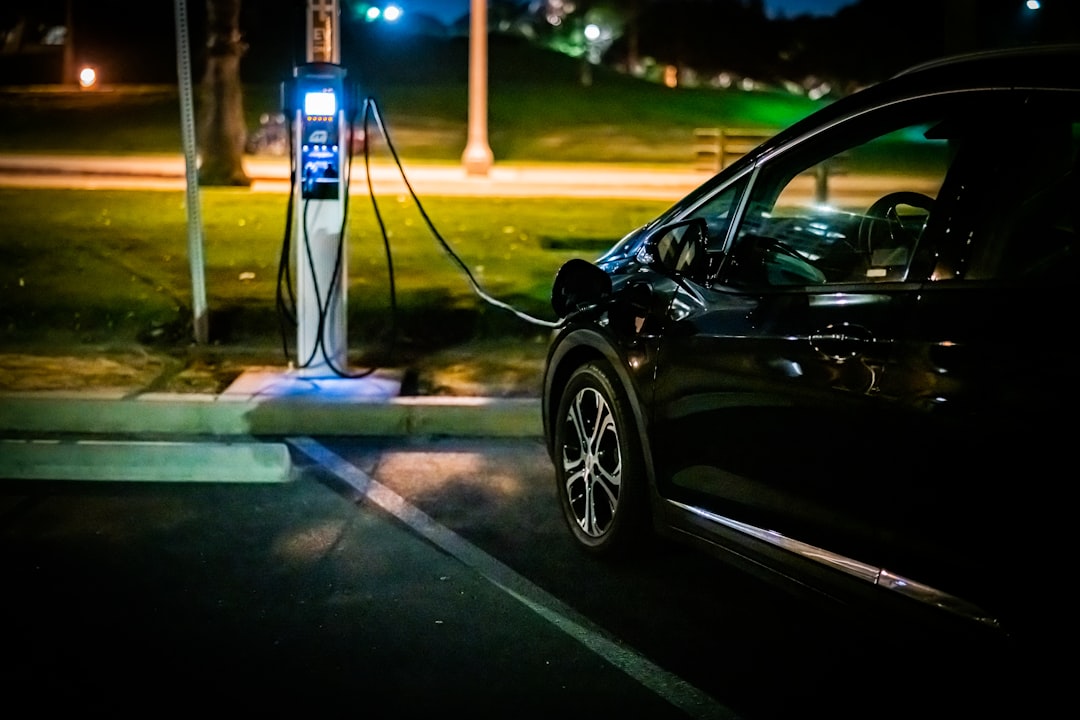
얼마 전 지인 한 명이 수소차 구매를 고민하다가 결국 전기차를 선택했다는 이야기를 꺼냈어요. 이유를 물어보니 “수소 충전소가 너무 없어서”라는 단순하면서도 현실적인 답이 돌아왔습니다. 그 대화가 꽤 오래 머릿속에 남았어요. 기술의 우열보다 인프라와 경제성이 실제 소비자 선택을 좌우한다는 사실을 새삼 실감했거든요.
2026년 현재, 수소 연료전지와 리튬 배터리의 경쟁은 단순한 기술 싸움을 넘어 에너지 패권 전쟁에 가까워졌다고 봅니다. 각국 정부의 보조금 정책, 글로벌 완성차 기업들의 전략 선회, 그리고 원자재 수급 불안까지 복잡하게 얽혀 있어요. 오늘은 이 두 기술의 현재 위치를 최대한 냉정하게 짚어보려 합니다.
📊 숫자로 보는 2026년 현재: 두 기술의 격차는 어디까지 왔나?
리튬 이온 배터리(LIB) 진영은 2026년 기준으로 상당히 인상적인 수치를 기록하고 있습니다. 글로벌 전기차 배터리 평균 팩 단가는 kWh당 약 78~85달러 수준까지 하락했어요. 2020년만 해도 140달러를 웃돌았던 걸 생각하면 불과 6년 만에 40% 이상 떨어진 셈입니다. 이른바 ‘그리드 패리티(Grid Parity)’, 즉 내연기관과의 원가 동등점에 사실상 도달했다는 분석이 나오는 이유이기도 해요.
반면 수소 연료전지 시스템(FCEV)의 비용 구조는 아직 녹록지 않습니다. 수소 1kg 생산 단가는 그린수소 기준 여전히 3~5달러 수준으로, 경쟁력 있는 가격대라 여겨지는 1달러대와는 거리가 있어요. 물론 2022~2023년의 7달러대와 비교하면 빠르게 내려오고 있는 건 사실입니다. 충전 인프라 측면에서도 전 세계 수소 충전소는 약 1,200여 곳에 불과한 반면, 전기차 충전 포인트는 이미 1,000만 개를 훌쩍 넘는 것으로 파악됩니다.
에너지 효율 측면에서는 흥미로운 역전 포인트가 있어요. 전기차는 배터리→모터로 이어지는 전환 효율이 약 77~85%에 달하는 반면, 수소차는 전기분해→압축→연료전지→모터라는 긴 체인을 거치며 효율이 25~35% 수준으로 떨어집니다. 이 숫자만 보면 리튬 배터리의 압승처럼 보이지만, 이야기는 여기서 끝나지 않아요.
🌍 국내외 사례로 읽는 전략의 분기점
일본과 독일은 여전히 수소 진영의 주요 지지자입니다. 일본은 2026년에도 도요타를 중심으로 수소 사회 실현 로드맵을 유지하고 있으며, 특히 대형 트럭과 선박, 제철 산업에서의 수소 활용에 집중 투자하고 있어요. 독일은 H2Global 프로젝트를 통해 중동·북아프리카산 그린수소를 대규모 도입하는 방향으로 에너지 포트폴리오를 다각화하고 있는 상황입니다.
중국은 흥미롭게도 두 마리 토끼를 동시에 잡으려 하고 있어요. CATL, BYD 등을 앞세운 리튬 배터리 패권은 이미 전 세계 시장의 60% 이상을 장악했고, 동시에 정부 차원에서 수소 버스·트럭 보급에도 강력한 보조금을 투입하고 있습니다. 이건 단순한 기술 선택이 아니라 지정학적 에너지 주도권 확보 전략으로 읽히는 게 맞는 것 같습니다.
국내 상황을 보면, 현대자동차는 넥쏘 후속 모델 개발을 지속하면서도 아이오닉 시리즈 전기차 라인업을 더욱 빠르게 확장하고 있어요. 2026년 기준 국내 수소 충전소는 약 280여 곳으로 늘었지만, 수도권 외 지역에서의 접근성은 여전히 한계가 있는 게 현실입니다. 반면 급속 충전기 보급은 전국 기준 10만 기를 넘어서며 인프라 격차가 더 벌어지고 있다고 봅니다.
⚖️ 두 기술의 진짜 강점과 약점 비교
리튬 배터리의 강점: 충전 인프라가 압도적으로 촘촘하고, 에너지 변환 효율이 높으며, 단가 하락 속도가 빠릅니다. 소형 승용차 시장에서는 사실상 표준으로 자리잡았어요.
리튬 배터리의 약점: 충전 시간(급속도 15~30분 이상), 혹한기 배터리 성능 저하, 리튬·코발트 등 원자재의 지정학적 리스크(주요 매장지가 특정 국가에 편중), 장거리 운행 시 무게 부담이 있어요.
수소 연료전지의 강점: 충전(충전이 아닌 ‘충전’이 5분 이내), 주행거리의 유연성, 대형 운송수단(트럭·선박·기차)에서의 적용 용이성, 배터리 대비 가벼운 무게가 핵심 강점으로 꼽힙니다.
수소 연료전지의 약점: 그린수소 생산 단가의 높은 벽, 충전 인프라 부족, 에너지 체인 전체를 고려한 낮은 효율, 대중화까지 필요한 긴 시간이 여전히 숙제입니다.
공통 과제: 두 기술 모두 배터리·수소탱크 재활용 및 폐기 문제, 즉 순환경제(Circular Economy) 관점에서의 지속가능성 검증이 2026년 현재 핵심 이슈로 부상하고 있어요.
🔮 2026년 이후, 공존인가 도태인가?
솔직히 말하면, 이 경쟁에서 한쪽의 완전한 승리를 예단하는 건 섣부른 것 같습니다. 업계 전문가들 사이에서도 “용도별 최적 기술(Fit-for-Purpose)”이라는 개념이 점점 설득력을 얻고 있어요. 즉, 도심 승용차·소형 물류는 리튬 배터리, 장거리 대형 트럭·해운·항공은 수소라는 역할 분담이 굳어져 가고 있는 흐름입니다.
흥미로운 지점은 전고체 배터리(Solid-State Battery)의 상용화 속도인데요. 도요타와 삼성SDI 등이 2027~2028년 양산을 목표로 하고 있어, 만약 이것이 현실화되면 리튬 배터리 진영의 약점인 에너지 밀도와 안전성 문제가 대폭 해소될 수 있어요. 이 경우 수소 진영이 설 자리는 더 좁아질 가능성도 있다고 봅니다.
에디터 코멘트 : 결국 이 논쟁을 바라보는 가장 현실적인 시각은 “어느 쪽이 이기느냐”가 아니라 “나의 삶과 산업에 어느 기술이 더 잘 맞느냐”인 것 같아요. 개인 소비자라면 현재 인프라와 비용을 고려할 때 전기차(리튬 배터리)가 압도적으로 현실적인 선택입니다. 하지만 물류·제조·에너지 산업에 몸담고 있다면 수소 기술의 움직임을 절대 눈에서 놓쳐선 안 돼요. 에너지 전환의 방향은 어느 한 기술이 독점하지 않을 가능성이 높고, 그 다양성 속에서 기회를 먼저 읽는 쪽이 유리한 위치를 차지하게 될 거라 생각합니다.
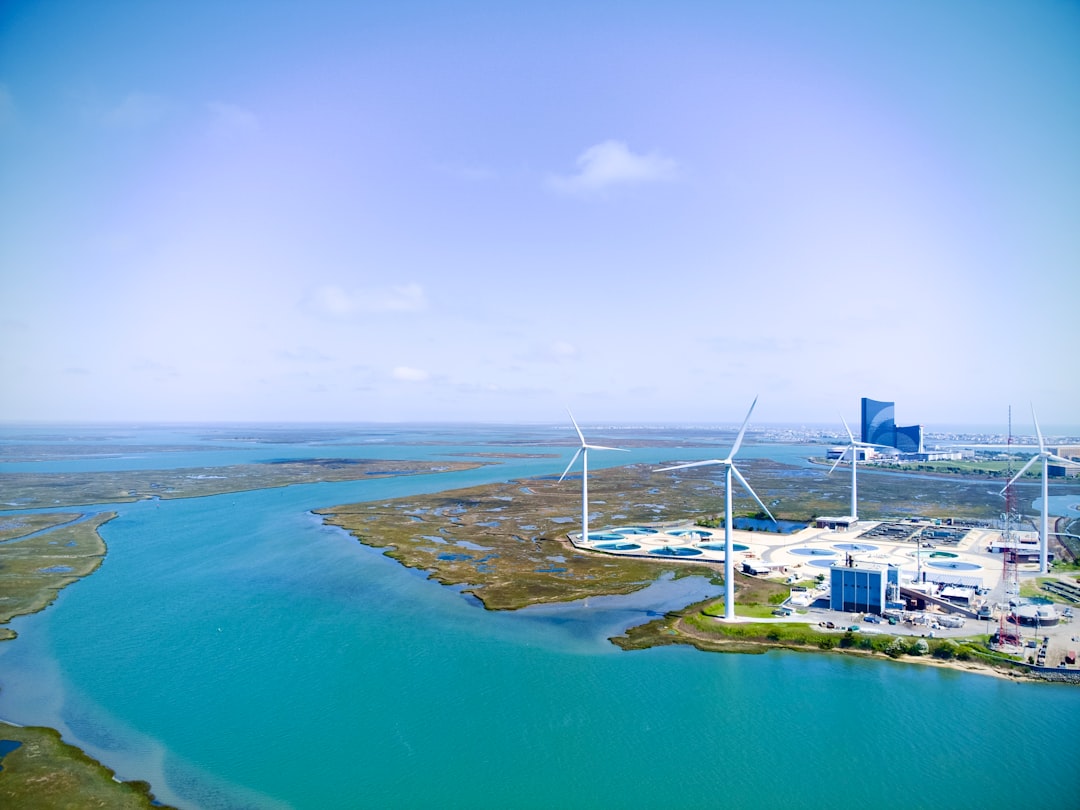
Picture this: a wind farm off the coast of Denmark, spinning at full capacity on a blustery Tuesday morning — but the grid doesn’t need all that power right now. Instead of curtailing the turbines (basically throwing free energy away), operators pipe that surplus electricity into an electrolyzer, splitting water molecules into hydrogen and oxygen. The hydrogen gets stored, shipped, and eventually burned cleanly. No carbon. No waste. That’s the dream of renewable-linked green hydrogen — and in 2026, that dream is closer to reality than ever, though still frustratingly imperfect.
Let’s think through exactly where the efficiency story stands today, why the numbers matter more than the headlines, and what realistic paths forward actually look like.
Why Efficiency Is the Make-or-Break Metric
When people talk about green hydrogen production efficiency, they’re usually referring to the system round-trip efficiency — how much of the original renewable electricity actually ends up as usable hydrogen energy. This is sometimes called the Power-to-Hydrogen (P2H) efficiency.
Here’s the honest breakdown as of 2026:
Alkaline Electrolyzers (AEL): The workhorse of the industry. Typical stack efficiency sits around 63–70% (LHV basis). They’re cheap and durable, but slow to ramp up — a real problem when you’re pairing them with variable solar or wind.
Proton Exchange Membrane (PEM) Electrolyzers: Faster dynamic response, ideal for intermittent renewables. Stack efficiency now reaches 70–75% in commercial deployments, up from ~68% just three years ago. The trade-off? Higher capital cost and platinum-group metal catalysts that strain supply chains.
Solid Oxide Electrolyzers (SOEC): The efficiency champion — up to 85–90% at high operating temperatures — but still largely at demonstration scale. Companies like Topsoe and Elcogen have been pushing hard, and 2026 is seeing the first genuine multi-MW SOEC projects come online.
Anion Exchange Membrane (AEM): The emerging dark horse. Efficiency in the 65–72% range, but potentially combining PEM’s flexibility with AEL’s lower costs. Several startups hit commercial milestones in late 2025.
But here’s where things get interesting — and a bit humbling. When you zoom out to full-system efficiency (including power conditioning, compression, storage losses, and transportation), even the best setups drop to around 25–40% end-to-end. That means for every 100 units of renewable energy you feed in, you might recover 25–40 units of usable hydrogen energy at the point of use. That’s not a bug in the system — it’s a physics reality we have to design around.
The Renewable Coupling Problem (And How Smart Operations Are Solving It)
The core challenge with renewable-linked green hydrogen isn’t the electrolyzer alone — it’s the mismatch between variable power generation and the steady, high-utilization operation that electrolyzers prefer for maximum efficiency and longevity.
Running a PEM electrolyzer at 30% capacity factor (common with direct solar coupling) dramatically raises the Levelized Cost of Hydrogen (LCOH) because you’re amortizing expensive capital equipment over fewer operating hours. The efficiency per run might be fine, but the economics collapse.
Smart hybrid approaches now being deployed in 2026 include:
Hybrid renewable + grid buffering: Using grid electricity during off-peak, low-carbon hours to maintain higher electrolyzer utilization without compromising green credentials.
Co-located battery storage: Short-duration batteries (2–4 hours) smooth out solar intermittency, keeping electrolyzers operating in their optimal efficiency band more consistently.
Demand-side flexibility: Scheduling hydrogen compression and purification during peak generation windows, shifting parasitic loads away from low-generation periods.
Digital twin optimization: AI-driven plant management systems that predict renewable output 15–30 minutes ahead and pre-condition electrolyzers accordingly — now standard in large-scale projects.
Real-World Examples: Who’s Actually Doing This Well in 2026?
NEOM’s HELIOS Project (Saudi Arabia): Still arguably the most ambitious green hydrogen project on Earth, this 4 GW wind-and-solar-powered complex in northwestern Saudi Arabia is now in its operational ramp-up phase. The project uses AEL technology at massive scale, targeting an LCOH below $2/kg — a psychological and economic threshold the industry has chased for years. Early operational data suggests they’re consistently hitting system efficiencies around 68–70% at the electrolyzer stack level, with full-system losses bringing delivered hydrogen closer to 55–58% efficiency before end-use.
HyDeal Europe (Spain/Germany Corridor): This consortium has been linking Spanish solar farms directly to German industrial consumers via repurposed natural gas pipelines. Their 2026 operating data shows that the pipeline transport efficiency (including compression and blending management) is actually better than many skeptics predicted — around 95–97% for pure hydrogen over medium distances. The bottleneck remains the electrolyzer utilization rate, hovering around 42–48% annually due to solar variability without sufficient storage.
South Korea’s Hydrogen Economy Roadmap — 2026 Update: Korea has taken a different angle, focusing on importing green hydrogen and ammonia (which reconverts to hydrogen) rather than domestic production. Their Saemangeum offshore wind-to-hydrogen pilot, however, is showing promising results — PEM electrolyzers coupled with offshore wind are achieving capacity factors of 48–52%, significantly higher than most solar-only projects, thanks to more consistent wind resources.
Australia’s Asian Renewable Energy Hub (AREH): Western Australia’s hybrid wind-solar project is now exporting green ammonia to Japan and South Korea. Their operational efficiency reports for early 2026 indicate a full-chain efficiency (from renewable generation to ammonia at the export terminal) of approximately 38–42% — lower than pure hydrogen pathways, but the energy density and shipping economics of ammonia make it more practical for long-distance trade.
What the Numbers Tell Us About Where We Actually Are
Let’s be honest with ourselves here. Green hydrogen is not yet the cheapest clean energy carrier in most markets. The LCOH from best-in-class projects in 2026 ranges from about $1.80–$3.50/kg depending on location, renewable resource quality, and scale. Grey hydrogen (from natural gas without carbon capture) still sits at roughly $1.00–$1.50/kg in most regions. The gap is narrowing — electrolyzer costs have dropped about 40% since 2022 — but it hasn’t closed.
The efficiency improvements we’ve seen since 2023 are real and meaningful:
PEM stack efficiency up ~3–5 percentage points
System-level balance-of-plant losses reduced by better thermal integration
Electrolyzer stack degradation rates improved — stacks now routinely last 80,000–100,000 hours versus ~60,000 hours previously
SOEC moving from lab curiosity to MW-scale reality
But the fundamental physics ceiling means we’re unlikely to see dramatic leaps beyond current efficiency ranges without breakthrough materials science — think new proton-conducting membranes or earth-abundant catalysts replacing platinum and iridium in PEM systems.
Realistic Alternatives Worth Considering Right Now
If you’re a business, policymaker, or even just an informed citizen thinking about the hydrogen economy, here’s the pragmatic 2026 reality check:
For industrial heat users: If you’re replacing high-temperature industrial processes, green hydrogen (or green ammonia reconverted) is genuinely competitive in specific sectors like steel, cement, and fertilizer — especially where direct electrification is technically impossible.
For transportation: Fuel cell hydrogen still makes more sense for heavy-duty trucking, shipping, and aviation than for passenger cars (where battery EVs have decisively won on efficiency grounds). The round-trip efficiency disadvantage of hydrogen versus direct battery use is too large to ignore for light vehicles.
For energy storage: Seasonal storage of hydrogen is becoming genuinely interesting — underground salt cavern storage projects in the UK and Germany are demonstrating viable long-duration energy storage at scale where batteries simply can’t compete on duration.
For regions without transmission infrastructure: Island nations, remote industrial sites, and developing regions with excellent renewable resources but poor grid connectivity may find green hydrogen the most practical energy carrier — leapfrogging grid infrastructure entirely.
The most honest advice? Don’t bet everything on hydrogen being the universal answer. It’s an extraordinary solution for specific, well-matched problems. Matching the application to the technology’s actual strengths — rather than forcing hydrogen into every clean energy narrative — is the mature, 2026 approach.
We’re in a fascinating transitional moment. The efficiency numbers are good enough to justify serious investment in the right applications. The cost curves are bending in the right direction. And the real-world operational data coming in from projects like NEOM, AREH, and the Korea pilots is replacing speculation with evidence.
Green hydrogen won’t save the entire energy system. But in its lane? It’s increasingly formidable.
Editor’s Comment : What strikes me most about the green hydrogen story in 2026 is how the conversation has matured from breathless hype to careful, application-specific analysis. Five years ago, hydrogen was going to power everything from your lawnmower to transcontinental flights by next Tuesday. Today’s engineers and investors are asking much better questions: Where does the efficiency math actually work? Where does it not? That’s healthy. The efficiency gaps are real, the physics are unforgiving, and the cost journey is still underway — but the use cases where green hydrogen genuinely shines are becoming clearer every quarter. Keep watching the SOEC commercial rollout closely; if those efficiency numbers at scale hold up through 2026 and into 2027, that could be the genuine game-changer the sector has been waiting for.
태그: [‘green hydrogen efficiency 2026’, ‘renewable energy hydrogen production’, ‘PEM electrolyzer efficiency’, ‘power to hydrogen’, ‘LCOH green hydrogen’, ‘renewable linked hydrogen’, ‘green hydrogen electrolysis technology’]
얼마 전 지인 한 명이 이런 말을 했어요. “수소차는 결국 친환경이 아니잖아요. 수소 만드는 데 전기 펑펑 쓰잖아요.” 사실 틀린 말이 아닙니다. 문제의 핵심을 꽤 정확하게 짚은 거라고 봐요. 그런데 그 전기를 태양광이나 풍력으로 만든다면 이야기가 달라집니다. 바로 여기서 ‘그린 수소(Green Hydrogen)’가 등장하죠. 오늘은 재생에너지와 연계한 그린 수소 생산 효율이 2026년 현재 어느 수준에 와 있는지, 그리고 앞으로 어떤 방향으로 가야 할지 함께 살펴보려 합니다.
그린 수소란 무엇이고, 왜 ‘효율’이 핵심인가?
수소는 만드는 방법에 따라 색깔이 붙습니다. 천연가스를 개질(Reforming)해 만들면 ‘그레이 수소’, 거기서 탄소를 포집하면 ‘블루 수소’, 그리고 재생에너지 전력으로 물을 전기분해(수전해, Electrolysis)해 만들면 ‘그린 수소’입니다. 탄소 배출이 거의 없다는 점에서 그린 수소가 궁극의 목표인 셈이죠.
그런데 문제는 효율입니다. 재생에너지 전력을 수소로 변환하는 전 과정에서 에너지 손실이 발생하기 때문이에요. 구체적인 수치로 살펴보면 이렇습니다.
수전해 효율 (Electrolyzer Efficiency): 현재 상용화된 알칼라인 수전해(AWE) 장치의 효율은 약 60~70% 수준입니다. 즉, 100kWh의 전력을 투입하면 수소 에너지 기준으로 60~70kWh 수준만 회수됩니다.
PEM 수전해 (Proton Exchange Membrane): 반응 속도가 빠르고 재생에너지의 간헐성에 유연하게 대응할 수 있어 주목받고 있어요. 효율은 AWE와 비슷하거나 약간 낮은 65~70% 수준이지만, 고압 수소 직접 생산이 가능하다는 장점이 있습니다.
SOEC (고체산화물 수전해): 고온(700~900°C)에서 작동하며 이론적 효율이 80~90%에 달할 수 있습니다. 산업 폐열을 활용할 경우 효율이 더 올라가지만, 내구성 문제로 아직 상용화 단계는 아닙니다.
전체 시스템 효율 (Well-to-Tank): 재생에너지 발전 → 전력망 → 수전해 → 압축·저장까지 고려하면 실질 효율은 25~40% 수준으로 낮아집니다. 이 부분이 그린 수소의 가장 큰 현실적 과제예요.
2026년 국내외 주요 사례: 기술은 어디까지 왔나?
기술과 정책이 맞물리면서 전 세계적으로 굵직한 프로젝트들이 진행되고 있다고 봅니다.
🇦🇺 호주 – ARENA 지원 그린 수소 클러스터: 호주는 풍부한 태양광·풍력 자원을 바탕으로 수출용 그린 수소 생산에 집중하고 있습니다. 2026년 현재 퀸즐랜드주와 서호주에서 대규모 PEM 수전해 프로젝트가 가동 중이며, 생산 단가를 kg당 3.5~4달러 수준으로 낮추는 것을 목표로 하고 있어요. 이는 2022년의 kg당 6~8달러 대비 상당한 개선입니다.
🇩🇪 독일 – H2Global 프로젝트: 독일은 자국 내 재생에너지만으로는 수소 수요를 충당할 수 없다고 보고, 북아프리카·중동산 그린 수소를 수입하는 전략을 병행하고 있습니다. 동시에 풍력이 풍부한 북해 인근에 오프쇼어(Offshore) 풍력 연계 수전해 설비를 구축하고 있는데, 연계 효율 최적화에 집중하는 모습이 인상적이에요.
🇰🇷 국내 – 새만금 그린수소 복합단지: 국내에서는 새만금 지구를 중심으로 태양광·풍력 발전과 수전해 설비를 연계한 그린 수소 생산 단지 조성이 본격화되고 있습니다. 2026년 기준으로 소규모 실증 설비가 운영되고 있으며, 연간 수천 톤 규모의 생산 목표를 향해 나아가고 있습니다. 다만, 국내 재생에너지 보급 속도가 아직 충분하지 않아 ‘재생에너지 연계’ 비율을 높이는 것이 선결 과제라는 지적이 있어요.
효율을 끌어올리는 세 가지 핵심 전략
그렇다면 현실적으로 그린 수소 생산 효율을 높이려면 어떤 접근이 필요할까요? 기술적으로 세 가지 방향이 주목받고 있다고 봅니다.
커플링 최적화 (Direct Coupling): 재생에너지 발전 설비와 수전해 장치를 전력망을 거치지 않고 직접 연결하는 방식입니다. 전력망 변환 손실을 줄일 수 있어 시스템 전체 효율이 5~10%p 개선될 수 있다고 봐요. 단, 재생에너지의 출력 변동에 수전해 장치가 버텨야 하므로 내구성 설계가 중요합니다.
스택 기술 고도화: 수전해 스택(Stack) 자체의 효율을 높이는 소재 연구가 활발합니다. 이리듐(Iridium)을 대체할 비귀금속 촉매 개발이 핵심인데, 성공하면 PEM 수전해의 비용과 효율 두 마리 토끼를 잡을 수 있습니다.
폐열 활용 통합 시스템: 수전해 과정에서 발생하는 열을 SOEC에 재투입하거나 인근 산업 시설에 공급하는 통합 에너지 시스템 구성입니다. 이론적으로 전체 효율을 60% 이상으로 끌어올릴 수 있다는 연구 결과들이 나오고 있어요.
결론: 그린 수소, 지금 당장의 답은 아니지만 방향은 맞다
솔직히 말씀드리면, 2026년 현재 그린 수소는 아직 ‘경제적 대안’이라고 단정 짓기 어렵습니다. 전체 시스템 효율이 25~40%에 불과하고 생산 단가도 그레이 수소 대비 2~3배 높은 것이 현실이에요. 하지만 재생에너지 발전 단가가 꾸준히 하락하고 있고, 수전해 기술도 빠르게 발전하고 있다는 점에서 2030년대에는 본격적인 경쟁력을 갖출 가능성이 충분하다고 봅니다.
특히 재생에너지 잉여 전력(Curtailment)을 수소로 저장하는 개념은 에너지 시스템 전체의 효율을 높이는 관점에서 상당히 의미 있는 접근이에요. 버려지는 전기로 수소를 만든다면, 효율 논쟁의 프레임 자체가 달라지니까요.
에디터 코멘트 : 그린 수소를 바라볼 때 단순히 ‘에너지 변환 효율’만 볼 것이 아니라, 재생에너지 시스템 전체에서 어떤 역할을 하는지로 판단해야 할 것 같습니다. 지금 당장 완벽하지 않더라도, 잉여 전력의 저장·운반 수단으로서의 가능성과 탈탄소 경로에서의 전략적 가치를 함께 봐야 더 정확한 그림이 나온다고 봐요. 기술과 정책, 그리고 시장이 동시에 움직이는 분야인 만큼, 앞으로의 흐름을 꾸준히 지켜볼 필요가 있을 것 같습니다.
A neighbor of mine in suburban Portland recently showed me her electricity bill from January 2026. It was $14. Fourteen dollars. For an entire month. Her secret? A residential fuel cell unit she had installed last spring, paired with a modest rooftop solar array. She wasn’t off-grid in some survivalist sense — she was still connected to the utility, just barely using it. That conversation sent me down a rabbit hole of research, and what I found genuinely surprised me about where home fuel cell technology stands right now.
What’s Actually Driving the 2026 Fuel Cell Boom?
Let’s get the numbers on the table first, because they tell a compelling story. According to the Fuel Cell & Hydrogen Energy Association’s 2026 market report, residential fuel cell shipments globally surpassed 650,000 units in 2025 — a 38% jump from 2023 figures. The global residential fuel cell market is projected to reach $4.2 billion USD by the end of 2026, up from roughly $2.8 billion in 2024. That’s not hype — that’s hardware being bolted to walls and plumbed into gas lines.
Three converging forces are making this happen simultaneously:
Policy tailwinds: The U.S. Inflation Reduction Act extensions through 2026 maintain a 30% federal tax credit for residential fuel cell installations (up to $3,000 per 0.5 kW of capacity). Japan’s ENE-FARM subsidy program continues to fund roughly 40,000 new units annually. South Korea’s Ministry of Trade, Industry and Energy allocated ₩180 billion (~$130M USD) specifically for residential hydrogen energy in its 2026 budget.
Falling system costs: The average installed cost of a PEMFC (Proton Exchange Membrane Fuel Cell) residential unit has dropped to roughly $8,500–$12,000 in 2026, compared to $18,000+ just five years ago. Economies of scale and improved membrane manufacturing are doing the heavy lifting here.
Grid anxiety: After multiple high-profile grid stress events across the U.S. Sun Belt and European winter shortfalls in 2024–2025, homeowners are actively seeking energy independence — and fuel cells offer something solar panels alone can’t: consistent 24/7 baseload power generation.
How Does a Home Fuel Cell Actually Work? (No Engineering Degree Required)
Think of a fuel cell like a battery that never runs out — as long as you keep feeding it fuel. In a typical residential setup, natural gas or, increasingly, hydrogen-blended gas enters the unit. Through an electrochemical reaction (not combustion — this is key), hydrogen molecules are stripped of electrons, which flow as usable electricity. The byproducts? Heat and water vapor. That waste heat is captured in most modern systems for domestic hot water or home heating, pushing overall system efficiency to 80–90% — compared to about 33% for a traditional grid power plant.
The two dominant technologies you’ll encounter in the residential market in 2026 are:
PEMFC (Proton Exchange Membrane): Lower operating temperature (~80°C), faster startup, great for smaller homes. Brands like Panasonic’s ENEFARM-S and Bloom Energy’s residential Edge units use this approach.
SOFC (Solid Oxide Fuel Cell): Higher operating temperature (~700–1000°C), higher electrical efficiency, better for larger homes or those with significant heating loads. Kyocera and Aisin lead this segment.
Real-World Examples: Who’s Actually Doing This?
Japan remains the undisputed global leader in residential fuel cell deployment. By March 2026, Japan had over 700,000 ENE-FARM units installed across the country — a program that’s been running since 2009 but has dramatically accelerated. In Tokyo’s Setagaya ward alone, nearly 12% of detached homes now have some form of micro-CHP (combined heat and power) fuel cell system. The average Japanese household with an ENE-FARM unit reports 35–45% reductions in annual energy costs.
In Europe, Germany’s “Brennstoffzelle im Gebäude” (Fuel Cell in Buildings) initiative has funded over 45,000 residential installations since its relaunch in 2023. The German systems often run on hydrogen-natural gas blends (currently up to 20% H₂ by volume in several regional pilot networks), giving homeowners a pathway to a fully green hydrogen future without replacing equipment.
South Korea’s experience is worth highlighting for its speed. The government’s aggressive push means Korean manufacturers like Doosan Fuel Cell and Mirae ENE have essentially created a domestic industry from scratch, with installed costs 15–20% below comparable Western markets due to local supply chains.
In the United States, adoption is more patchwork but accelerating. California, Massachusetts, and New York lead adoption — largely due to state-level incentives stacking on top of federal credits. The Los Angeles Department of Water and Power launched a 2026 pilot program offering participating homeowners fuel cell units at a subsidized $4,200 installed cost in exchange for demand-response participation rights.
The Honest Conversation: Limitations You Should Know
Here’s where I want to think through this with you realistically, because glossy brochures don’t tell the whole story.
Natural gas dependency: Most residential fuel cells in 2026 still run on reformed natural gas, which does produce CO₂ (though significantly less than grid power for most regions). If your goal is zero carbon, you need either a green hydrogen supply (still limited and expensive in most U.S. markets) or to pair with a biogas source.
Maintenance requirements: PEMFC systems typically need membrane stack replacement every 8–12 years (~$1,500–$2,500 in parts). SOFC systems have longer stack life but higher repair costs when issues occur. Budget for annual service contracts (~$300–$500/year).
Apartment and condo dwellers: The technology is fundamentally single-family-home oriented right now. Multi-unit residential applications exist but are complex, expensive, and rarely make financial sense at the individual unit level.
Upfront cost even with incentives: After the 30% federal tax credit, you’re still looking at $6,000–$8,500 out of pocket for a standard PEMFC system. Payback periods currently average 7–11 years depending on local energy prices — reasonable, but not dramatic.
Realistic Alternatives If a Full System Isn’t Right for You Yet
Not everyone is in a position to write a $10,000 check (even if the math eventually pencils out). Here’s how I’d think about your options in 2026, depending on where you are:
Solar + battery storage first: If you’re in a high-solar-irradiance region, a solar-plus-battery system (think Tesla Powerwall 3 or Enphase IQ Battery 5P) still offers a faster payback — typically 5–8 years — with lower complexity. This makes more sense in sunbelt states than fuel cells do.
Fuel cell leasing programs: Bloom Energy and a handful of regional utilities now offer residential fuel cell leases in select markets — you pay a fixed monthly fee (typically $80–$120/month) and they own and maintain the unit. No upfront cost, predictable bills.
Community hydrogen programs: Several U.S. municipalities are piloting “hydrogen community” programs where a neighborhood-level fuel cell plant serves multiple homes via a micro-grid. Check with your local utility about 2026 pilot participation opportunities — these can deliver fuel-cell economics without individual installation costs.
Wait for 2027–2028: If your home is older and needs other major systems work anyway, analysts broadly expect residential fuel cell costs to dip another 20–25% over the next two years as manufacturing scales. Patience is a legitimate strategy.
My neighbor’s $14 electricity bill isn’t a fluke, but it did require the right home profile, the right location, and the right moment to act. The exciting news for 2026 is that “the right moment” is finally arriving for a much broader slice of homeowners than ever before.
Editor’s Comment : The residential fuel cell story in 2026 is genuinely one of those rare cases where the technology, the economics, and the policy environment are all moving in the same direction at the same time. That doesn’t mean it’s right for everyone right now — it means the window of reasonable consideration has cracked open meaningfully wider. If you’ve been watching from the sidelines, this is the year to at least run the numbers for your specific situation. And if the numbers don’t work yet? The alternatives above are better than they’ve ever been too. Either way, you’re playing with a stronger hand than homeowners had even two years ago.
태그: [‘home fuel cell system 2026’, ‘residential fuel cell technology’, ‘hydrogen energy home’, ‘fuel cell vs solar comparison’, ‘ENE-FARM residential energy’, ‘home energy independence 2026’, ‘PEMFC SOFC residential’]
얼마 전 지인이 이런 말을 꺼냈어요. “전기요금 고지서 받을 때마다 심장이 쫄깃해진다”고요. 2026년 현재, 에너지 요금 인상과 탄소중립 정책이 맞물리면서 ‘가정용 에너지 자립’이라는 키워드가 단순한 이상론을 넘어 실제 생활 정책 논의로 들어온 라이프스타일이 빠르게 확산되고 있는 것 같습니다. 그 중심에 바로 가정용 연료전지 시스템(Residential Fuel Cell System)이 있어요. 태양광 패널보다는 덜 친숙하지만, 알고 보면 훨씬 정교하고 안정적인 분산전원 솔루션이라고 볼 수 있습니다.
📊 2026년 가정용 연료전지 시장, 숫자로 보기
국내 가정용 연료전지 누적 보급 대수는 2026년 상반기 기준으로 약 8만 5천 대를 넘어선 것으로 추산됩니다. 2022년 약 3만 대 수준에서 불과 4년 만에 거의 세 배 가까이 늘어난 셈이에요. 정부의 ‘분산에너지 활성화 특별법’ 시행과 맞물려 보급 보조금 지원 단가 역시 유지·확대 기조를 이어가고 있는 흐름이라고 봅니다.
일반 가정에서 사용하는 가정용 연료전지의 발전 용량은 보통 1kW 급이에요. 연간 약 7,000~8,000 kWh를 발전할 수 있고, 발전 과정에서 발생하는 열을 온수나 난방에 재활용하는 열병합(CHP, Combined Heat and Power) 방식을 채택해 에너지 효율이 최대 90%에 달한다고 알려져 있습니다. 태양광이 일조 조건에 따라 발전량이 들쑥날쑥한 것과 달리, 연료전지는 24시간 안정적 발전이 가능하다는 게 가장 큰 차별점이에요.
🌏 국내외 사례로 본 보급 확대 흐름
일본의 에네팜(ENE-FARM)은 가정용 연료전지의 글로벌 레퍼런스라고 할 수 있어요. 파나소닉·도시바·아이신 등의 기업이 참여한 이 프로그램은 2009년 상용화를 시작해 현재 50만 대 이상이 일본 가정에 보급된 것으로 보입니다. 초기에는 대당 수백만 엔에 달하던 가격이 기술 고도화와 대량 생산 효과로 현재는 100만~150만 엔대까지 낮아진 사례는 국내에도 시사하는 바가 크다고 봐요.
국내에서는 경기도 수원시의 친환경 주택 단지 사례가 주목받고 있습니다. 2025년 말 입주를 시작한 일부 신축 공동주택 단지에서 세대별 연료전지 시스템을 옵션이 아닌 기본 사양으로 채택하면서, 입주민 설문조사에서 에너지 비용 절감 체감도가 높게 나타났다는 보고가 있어요. 또한 SK E&S, 두산퓨얼셀 등 국내 기업들이 가정용 소형 연료전지 기술 고도화에 박차를 가하면서 국산화율 제고와 가격 경쟁력 확보라는 두 마리 토끼를 잡으려는 시도가 이어지고 있습니다.
🔍 가정용 연료전지, 장점과 현실적 한계
장점 ① 높은 에너지 효율: 열병합 방식으로 발전 효율 40~50%에 열회수까지 더하면 종합 효율 80~90%에 달해, 기존 화력발전 대비 에너지 낭비가 훨씬 적어요.
장점 ② 탄소 배출 저감: 수소를 연료로 사용하는 특성상 연소 시 이산화탄소 배출량이 가스 보일러 대비 40% 이상 줄어드는 것으로 알려져 있습니다.
장점 ③ 안정적 전력 공급: 날씨와 무관하게 24시간 발전 가능해 태양광·풍력 등 간헐성 재생에너지의 단점을 보완하는 역할을 할 수 있어요.
한계 ① 초기 설치 비용: 보조금 적용 후에도 가구당 800만~1,200만 원 수준의 자기 부담금이 발생해 경제적 진입 장벽이 여전히 존재합니다.
한계 ② 도시가스 의존성: 현재 대부분의 가정용 연료전지는 도시가스(LNG)를 개질(reforming)해 수소를 추출하는 방식이에요. 즉, 완전한 탈화석연료라고 보기엔 아직 한계가 있는 것 같습니다.
한계 ③ 공간 및 유지 관리: 야외 설치 공간이 필요하고, 스택 교체 주기(보통 10년 내외)와 정기 점검 비용이 추가로 발생할 수 있어요.
한계 ④ 아파트 보급 제약: 국내 주택의 절반 이상이 아파트인데, 설치 구조상 개별 세대 적용보다 단지 단위 집단 설치 방식이 현실적이라는 점에서 일반 보급 속도가 단독주택 대비 느린 편입니다.
💡 2026년, 지금 도입을 고민한다면?
2026년 현재 환경부 및 한국에너지공단의 신재생에너지 보급 지원 사업을 통해 가정용 연료전지 설치 시 설치비의 일부(지역 및 예산에 따라 차등 적용)를 보조받을 수 있는 제도가 운영되고 있는 것으로 보입니다. 신청 전에 반드시 한국에너지공단 그린홈 지원사업 공고를 직접 확인하는 게 중요해요. 지자체별로 추가 지원금이 붙는 경우도 있거든요.
단독주택 거주자라면 지금이 비교적 좋은 타이밍이라고 볼 수 있어요. 기술 성숙도가 올라가면서 제품 신뢰성이 높아졌고, 경쟁 심화로 가격도 완만하게 내려오는 추세이기 때문입니다. 다만 아파트 거주자라면 개별 신청보다는 관리사무소 및 입주자 대표회의를 통한 단지 단위 공동 신청을 알아보는 방향이 현실적인 접근법이라고 봐요.
에디터 코멘트 : 연료전지라는 단어가 처음에는 굉장히 생소하게 느껴지지만, 결국은 “우리 집 전기와 온수를 내가 직접 만들어 쓴다”는 개념이에요. 에너지 자립이라는 큰 그림에서 보면, 태양광처럼 하늘만 바라보지 않아도 된다는 점에서 연료전지는 분명히 매력적인 선택지 중 하나입니다. 아직 완벽한 기술은 아니지만, 지금의 속도라면 5년 뒤에는 보일러 교체하듯 연료전지를 검토하는 시대가 올 수도 있겠다 싶어요. 보조금 일정을 미리 살피고, 전문 설치 업체로부터 에너지 사용 패턴 기반의 경제성 시뮬레이션을 받아보는 것을 추천드립니다.
Picture this: It’s a chilly morning in Hamburg, Germany, and a fleet of hydrogen-powered buses quietly rolls through the city streets, emitting nothing but water vapor. Not long ago, the economics behind this scene were almost laughably unfavorable — green hydrogen cost upwards of $6–9 per kilogram to produce, making it roughly three to four times more expensive than its fossil-fuel-derived counterpart, gray hydrogen. But as we move through 2026, something genuinely exciting is happening in labs, factories, and offshore platforms around the world. The cost curve is bending — and bending fast.
If you’ve been following the clean energy space, you know green hydrogen has always been the “too expensive but too promising to ignore” kid on the block. It’s produced by splitting water (H₂O) using electricity from renewable sources — a process called electrolysis. When that electricity is clean, the hydrogen is clean. The math is beautiful in theory. The wallet, historically, not so much. So let’s think through what’s actually changing in 2026 and why it matters for you, whether you’re an investor, a policy enthusiast, or just someone who wants to know if their future car might run on water.
📉 The Numbers Are Finally Moving: Where Does Green Hydrogen Stand in 2026?
Let’s anchor ourselves in real data before we get excited. According to the International Energy Agency (IEA) and BloombergNEF’s 2026 hydrogen tracker, green hydrogen production costs in leading markets have dropped to a range of $2.50–$4.00 per kilogram in regions with optimal renewable resources — places like Chile’s Atacama Desert, Western Australia, and Morocco’s Atlantic coast. That’s down dramatically from the $5–9/kg range that dominated the early 2020s. In a few pilot projects, costs have even dipped below $2/kg, which is essentially the threshold where green hydrogen starts genuinely competing with gray hydrogen on a levelized cost basis.
The drivers behind this shift aren’t magic — they’re engineering, scale, and smart policy layered together. Let’s break them down.
⚡ Electrolyzer Technology: The Engine Room of the Revolution
The electrolyzer is the core piece of equipment that splits water into hydrogen and oxygen using electricity. For years, the two dominant technologies — Alkaline Electrolysis (AEL) and Proton Exchange Membrane (PEM) electrolysis — were expensive to manufacture and had limited efficiency ceilings. Here’s what’s shifting in 2026:
Anion Exchange Membrane (AEM) electrolyzers — a newer, hybrid approach — are hitting commercial scale. Companies like Enapter (Germany/Italy) have announced AEM systems that cost roughly 30–40% less per kilowatt than comparable PEM units, while still offering fast dynamic response to fluctuating renewable power.
Solid Oxide Electrolysis (SOEC) is maturing rapidly for industrial use. Operating at high temperatures (700–900°C), SOEC achieves system efficiencies above 80%, meaning you get more hydrogen out of the same amount of electricity. Bloom Energy and Toshiba have both reported commercial-scale SOEC deployments in 2026.
Stack lifetime improvements — a crucial but often overlooked cost driver — have extended PEM stack durability to 100,000+ hours in several manufacturer benchmarks, dramatically reducing replacement and maintenance costs over a project’s lifetime.
Manufacturing scale-up: Global electrolyzer manufacturing capacity crossed 25 GW/year in early 2026, up from just 8 GW/year in 2023. This “gigafactory effect,” similar to what happened with lithium-ion batteries, is pushing component costs down steadily.
☀️ The Renewable Electricity Factor: Cheap Power = Cheap Hydrogen
Here’s a fundamental truth about green hydrogen: it’s essentially “bottled electricity.” So when solar and wind power get cheaper, green hydrogen gets cheaper too — almost automatically. In 2026, we’re seeing solar LCOE (Levelized Cost of Energy) in sun-rich regions fall below $0.01–$0.015 per kWh in places like Saudi Arabia, Chile, and parts of India. That is almost incomprehensibly cheap electricity. Since electricity typically accounts for 60–70% of green hydrogen’s production cost, these ultra-low power prices are transformational.
The strategic insight here is that green hydrogen projects are increasingly being co-located with dedicated renewable generation — what the industry calls “behind-the-meter” or “direct-coupled” electrolysis — rather than drawing from the grid. This avoids transmission costs and grid fees, trimming another $0.30–$0.80/kg off the production cost in some cases.
🌍 Global Examples: Who’s Leading the Charge in 2026?
It’s one thing to talk about technology in theory. Let’s look at who’s actually doing this at scale right now.
NEOM’s ENOWA Project (Saudi Arabia): The NEOM green hydrogen complex in northwest Saudi Arabia — a joint venture between Air Products, ACWA Power, and NEOM — is now in its second operational phase in 2026. It’s targeting production costs below $1.50/kg by the late 2020s, leveraging Saudi Arabia’s near-perfect combination of solar irradiance and vast open land. Early operational data from Phase 1 has confirmed the electrolyzer performance assumptions that made the business case viable.
South Korea’s Hydrogen Economy Roadmap: South Korea remains one of the most hydrogen-committed nations in the world. In 2026, POSCO (the steel giant) and Hyundai are collaborating on a domestic green hydrogen supply chain specifically targeted at decarbonizing steel production — one of the hardest industrial processes to clean up. The government’s H2 Korea initiative provides production incentives capped at ₩3,000/kg, effectively subsidizing the gap between current green hydrogen costs and the economically viable threshold for industrial users.
European Hydrogen Bank Auctions: The EU’s Hydrogen Bank completed its second major auction round in early 2026, with winning bids for green hydrogen production subsidies coming in at €0.37–€0.48/kg — significantly lower than the first auction round in 2024. This signals that producers are becoming more confident in their cost curves and requiring less public support to make projects pencil out.
Australia’s Asian Renewable Energy Hub (AREH): Located in Western Australia, AREH is progressing toward its target of producing green hydrogen (and ammonia for export) at competitive prices for Asian markets. Australia’s proximity to Japan and South Korea — both massive potential green hydrogen importers — gives it a geographic advantage that European producers simply don’t have.
🔬 Innovation at the Frontier: What the Labs Are Working On Now
Beyond incremental improvements, there are a few genuinely disruptive technologies in advanced development stages in 2026 that could reshape the economics further:
Photoelectrochemical (PEC) cells: These devices split water directly using sunlight — no separate solar panel and electrolyzer required. MIT and KAUST researchers published promising efficiency results in late 2025, though commercial viability is still 5–8 years away.
Biological hydrogen production: Engineered microalgae and bacteria that produce hydrogen as a metabolic byproduct are attracting renewed interest. Startups like Algae Systems (US) and SynBioBeta-funded ventures are exploring scalable bioreactor designs.
AI-optimized electrolysis operations: Machine learning models that dynamically adjust electrolyzer operating parameters in real time — responding to power price fluctuations, stack degradation signals, and weather forecasting — are now being deployed commercially. Early results show 8–15% efficiency improvements in real-world operations compared to static control systems.
Seawater electrolysis: Splitting seawater directly (rather than highly purified freshwater) would be a game-changer for coastal and offshore projects. Challenges with chlorine chemistry and membrane fouling are being actively addressed; several startups received major funding rounds in 2025 to push this forward.
🤔 Realistic Alternatives: Not Everyone Needs Green Hydrogen Right Now
Here’s where I want to be genuinely practical with you. Green hydrogen is not a universal solution for every decarbonization challenge — at least not yet. If you’re thinking about this from a business, investment, or policy perspective, it’s worth being honest about the alternatives:
For long-haul trucking: Battery-electric trucks are increasingly competitive for routes under 500 km due to their superior energy efficiency (roughly 3x more efficient than hydrogen fuel cells end-to-end). Green hydrogen’s sweet spot for transport is really long-haul heavy freight and maritime shipping, where batteries become prohibitively heavy.
For residential heating: Heat pumps running on green electricity are almost certainly more efficient than burning green hydrogen for space heating. Green hydrogen as a heating fuel would waste roughly 60–70% of the original renewable energy in conversion steps. District heating systems powered by excess renewable electricity are a smarter bet for most regions.
For industrial processes: This is genuinely where green hydrogen shines — steel, ammonia, chemicals, and high-temperature industrial heat. There are no good electrification alternatives for these applications at scale, making green hydrogen essentially irreplaceable here.
For energy storage at grid scale: Green hydrogen (or ammonia/LOHC carriers derived from it) makes sense for seasonal energy storage — storing summer solar surplus for winter use — in a way that batteries cannot economically do at the required scale.
The key insight is to be strategic about where you deploy green hydrogen, rather than treating it as a silver bullet for all things energy.
🗺️ The Road to $1/kg: Is It Actually Achievable?
The much-discussed “$1/kg” green hydrogen target — championed by the US Department of Energy’s “Hydrogen Shot” initiative — is still a stretch goal for most of the world in 2026, but it no longer looks like science fiction. In optimal locations (very high solar capacity factors + very low land costs + proximity to water), the cost trajectory suggests sub-$1.50/kg is achievable by 2028–2030, with $1/kg potentially reachable in the most favorable sites in the early 2030s.
The more grounded target for a globally meaningful impact is getting green hydrogen below $2/kg reliably in multiple geographies — because that’s where it displaces gray hydrogen in industrial applications at scale, without requiring ongoing subsidies. That milestone looks genuinely achievable within the next 3–5 years based on current cost curves.
What would accelerate this? Three things, mostly: continued electrolyzer manufacturing scale-up, sustained low renewable energy prices, and policy certainty that gives developers the confidence to make long-term investment decisions without worrying about regulatory reversals.
Editor’s Comment : The green hydrogen story in 2026 is fundamentally one of a technology that has crossed from “interesting demonstration” to “serious commercial contender” — but unevenly and selectively. The honest takeaway is this: don’t bet on green hydrogen solving every energy problem, but absolutely pay attention to it as the backbone of heavy industry decarbonization and long-duration energy storage. The cost data is moving in the right direction, the engineering is improving faster than most analysts predicted five years ago, and the geopolitical interest in energy independence is keeping policy support surprisingly resilient even in turbulent political climates. If you’re watching one clean energy technology to follow closely over the next decade, this is a strong candidate. The water-splitting dream is getting real — just maybe not for your home heating bill quite yet.
태그: [‘green hydrogen’, ‘hydrogen production cost 2026’, ‘electrolyzer technology’, ‘renewable energy’, ‘clean energy innovation’, ‘hydrogen economy’, ‘decarbonization technology’]
얼마 전 한 에너지 컨퍼런스에서 이런 말을 들었어요. “그린 수소는 미래 에너지의 왕인데, 가격표가 문제다.” 현장에 있던 엔지니어 한 분이 쓴웃음을 지으며 덧붙였죠. “킬로그램당 10달러짜리 수소로는 화석연료를 이길 수 없어요.” 그 말이 꽤 오래 머릿속에 맴돌았어요. 기술적으로는 분명히 가능한 에너지인데, 왜 아직도 ‘비싸다’는 꼬리표를 떼지 못하는 걸까요? 2026년 현재, 이 질문에 대한 답이 조금씩 나오고 있는 것 같습니다. 오늘은 그 흐름을 함께 짚어보려 해요.
📊 지금 그린 수소, 얼마나 비싼가? — 숫자로 보는 현실
그린 수소란 태양광·풍력 등 재생에너지로 물을 전기분해(수전해, Electrolysis)해 생산한 수소를 말해요. 탄소 배출이 없다는 점에서 ‘진짜 친환경 수소’로 불리죠. 그런데 문제는 생산 비용입니다.
2023년 기준 그린 수소 생산 비용: kg당 약 4~8달러 (지역·전력 단가에 따라 상이)
천연가스 개질 방식(그레이 수소) 비용: kg당 약 1~2달러
경쟁력 확보를 위한 목표 단가: kg당 2달러 이하 (일명 ‘H2 Earthshot’ 목표, 미국 DOE 기준)
2026년 현재 업계 전망: 일부 최적 입지(중동, 호주 등)에서 kg당 2.5~3달러 수준까지 하락 중
아직 목표치에는 못 미치지만, 불과 3~4년 전과 비교하면 꽤 빠른 속도로 가격이 내려오고 있는 건 사실이에요. 이 흐름을 만들고 있는 핵심 기술들이 뭔지, 하나씩 살펴볼게요.
⚙️ 비용 절감의 핵심 — 수전해 기술의 진화
그린 수소 생산 비용의 약 60~70%는 전력비가 차지해요. 그래서 수전해 장비(Electrolyzer) 자체의 효율을 높이는 게 곧 비용 절감이라고 봅니다. 현재 주목받는 기술 방식은 크게 세 가지예요.
알칼라인 수전해(AWE): 가장 오래된 방식으로 내구성이 높고 초기 투자 비용이 낮아요. 대형 상업 플랜트에 여전히 많이 쓰입니다.
PEM(고분자 전해질막) 수전해: 응답 속도가 빠르고 고순도 수소를 만들 수 있어서 재생에너지의 변동성에 유연하게 대응 가능해요. 다만 이리듐(Iridium) 같은 희귀 금속 사용이 비용 부담 요인이었는데, 2026년 현재 이리듐 사용량을 기존 대비 80% 이상 줄인 촉매 기술이 상용화 단계에 접어들고 있는 것 같아요.
AEM(음이온 교환막) 수전해: AWE와 PEM의 장점을 결합한 차세대 방식으로, 귀금속 촉매 없이도 높은 효율을 낼 수 있다는 게 가장 큰 강점이에요. 아직 스케일업(대형화) 과제가 남아있지만, 가장 빠르게 연구가 진행되고 있는 분야라고 봅니다.
🌍 국내외 주요 기술 개발 사례 — 어디까지 왔나?
[해외] 독일의 티센크루프(thyssenkrupp nucera)는 2025년 말, 1GW급 알칼라인 수전해 모듈의 양산 체계를 갖추면서 규모의 경제를 통한 비용 절감에 성공했다고 발표했어요. 덴마크의 그린 수소 스타트업 Hysata는 세계 최고 수준인 전력 효율 95%에 가까운 모세관 전해조(Capillary-fed Electrolysis) 기술로 주목을 받고 있습니다. 이 기술이 본격 상용화되면 생산 단가를 현재보다 30% 이상 낮출 수 있다는 분석도 있어요.
[국내] 국내에서는 현대자동차그룹과 한국에너지기술연구원(KIER)이 고내구성 PEM 수전해 스택 개발에 집중 투자하고 있어요. 특히 KIER은 2026년 초, 기존 PEM 대비 촉매 비용을 절반 이하로 줄이면서도 성능을 유지하는 기술 결과를 발표한 것으로 알려져 있습니다. 또한 포스코홀딩스는 호주, 중동 등 재생에너지가 풍부한 지역과 연계한 해외 그린 수소 생산 거점 구축 프로젝트를 진행 중이에요.
🔩 전력비 외에 또 뭐가 있을까? — 숨겨진 비용 절감 포인트
전력비 다음으로 큰 비중을 차지하는 건 장비 자본비(CAPEX)예요. 수전해 장비 가격 자체를 낮추는 게 중요한데, 2026년 현재 중국 제조사들의 공격적인 가격 경쟁이 이 분야에 큰 변수로 작용하고 있어요. 중국산 알칼라인 스택의 경우 유럽·미국 대비 50~60% 저렴한 가격을 내세우고 있거든요. 물론 내구성·효율에 대한 검증 논쟁이 계속되고 있지만, 장비 가격 하락 압력을 만들고 있다는 점은 분명한 것 같아요.
또 한 가지 주목할 부분은 디지털 트윈(Digital Twin)과 AI를 활용한 운영 최적화예요. 수전해 시스템 전체를 디지털로 시뮬레이션해서 에너지 손실을 최소화하고 예지 정비(Predictive Maintenance)를 가능하게 함으로써, 전체 생애주기 비용(LCC)을 낮추는 접근 방식이 2026년 들어 본격적으로 실증 단계에 들어갔어요.
🧭 결론 — 지금 우리가 주목해야 할 현실적 시각
솔직히 말하면, ‘2030년 kg당 1달러’라는 장밋빛 전망을 그대로 믿기는 어렵다고 봐요. 재생에너지 발전 단가의 추가 하락, 수전해 기술 스케일업, 인프라 투자 등 여러 조건이 동시에 맞아떨어져야 하니까요. 하지만 분명한 건, 불가능한 목표가 아니라는 점이에요. 기술의 방향성은 맞고, 속도도 예상보다 빠른 편입니다.
개인 투자자나 기업 담당자라면 수전해 소재·부품 기업과 재생에너지-수소 연계 프로젝트를 주시하는 게 현실적인 전략이라고 봅니다. 완성된 시장보다 기반을 쌓아가는 지금 이 시점에 더 큰 기회가 숨어있는 경우가 많거든요.
에디터 코멘트 : 그린 수소는 ‘미래 에너지’라는 수식어가 너무 오래 붙어 있었던 것 같아요. 그런데 2026년 현재의 기술 흐름을 보면, 이제 그 수식어를 슬슬 떼어낼 준비를 해야 할 것 같습니다. 비용 절감의 퍼즐 조각들이 맞춰지는 속도가 점점 빨라지고 있거든요. 완벽한 답이 나오기 전에 흐름을 읽는 눈을 키워두는 것, 그게 지금 우리가 할 수 있는 가장 현명한 준비 아닐까요.
Picture this: it’s a cold January morning in 2026, and a fuel cell system quietly powers an entire apartment complex in Seoul — no grid interruptions, no carbon emissions. Sounds almost too good to be true, right? Well, the reason systems like that are inching closer to reality has a lot to do with one stubborn engineering problem that researchers have been wrestling with for decades: how do you make a Solid Oxide Fuel Cell (SOFC) stack last long enough to be genuinely practical?
SOFC technology has always been the “promising but fragile” kid in the clean energy classroom. Spectacular efficiency on paper — often exceeding 60% electrical efficiency and up to 85% when heat recovery is factored in — but historically plagued by degradation issues that made long-term commercial deployment a financial gamble. The good news? 2026 is shaping up to be a genuinely pivotal year for SOFC stack durability research, and the results are worth unpacking carefully.
Why Durability Has Always Been the Achilles’ Heel of SOFC Stacks
Before we dive into the breakthroughs, let’s make sure we’re on the same page about why durability is such a big deal. An SOFC stack operates at extremely high temperatures — typically between 600°C and 1,000°C depending on the design generation. At those temperatures, the materials inside (electrodes, electrolytes, interconnects) are under enormous thermochemical stress. Over time, this causes:
Cathode delamination — the cathode layer physically separates from the electrolyte, increasing contact resistance.
Chromium poisoning — chromium vapor from metallic interconnects migrates to the cathode and blocks active reaction sites.
Nickel coarsening at the anode — nickel particles in the Ni-YSZ (Nickel-Yttria Stabilized Zirconia) anode agglomerate over time, reducing the three-phase boundary where electrochemical reactions occur.
Thermal cycling fatigue — repeated startup and shutdown cycles introduce mechanical stress that cracks ceramic components.
Historically, commercial SOFC stacks were expected to degrade at roughly 0.5–1.0% per 1,000 hours of operation. For a system targeting a 40,000-hour commercial lifespan, that’s a 20–40% performance loss — not exactly confidence-inspiring for investors or end users.
The 2026 Research Landscape: Key Findings That Are Turning Heads
Several research groups have published noteworthy results in the past 12 months that collectively represent a genuine step-change in our understanding of SOFC durability.
A joint study from KIER (Korea Institute of Energy Research) and POSTECH published earlier this year demonstrated that applying a thin protective La₀.₈Sr₀.₂MnO₃ (LSM) coating on ferritic stainless steel interconnects reduced chromium evaporation by approximately 78% under operating conditions over a 5,000-hour test. That’s not a marginal improvement — that’s potentially eliminating one of the top two causes of long-term SOFC degradation.
Meanwhile, at the materials science end, researchers at MIT’s Energy Initiative and Kyushu University have been collaborating on a new class of proton-conducting ceramic electrolytes (PCEs) that allow operation at intermediate temperatures (400–600°C rather than 800–1,000°C). Lower operating temperatures mean less thermal stress, which directly translates to slower degradation. Their 2026 interim data shows a degradation rate of just 0.18% per 1,000 hours — roughly a 70% improvement over conventional high-temperature designs.
On the anode side, a European consortium led by DTU Energy (Technical University of Denmark) has been testing infiltrated Ni-CGO (Cerium Gadolinium Oxide) anodes where nano-sized catalytic particles are introduced into the porous anode structure. The result? Significantly enhanced resistance to nickel coarsening, with electrode morphology remaining stable even after 8,000 hours of continuous operation in accelerated testing conditions.
Real-World Deployment: Who’s Actually Using This?
It’s one thing to see impressive numbers in a lab report — it’s another to see them translate into commercial products. Here’s where things get genuinely exciting in 2026:
Bloom Energy (USA) has been quietly integrating improved interconnect coating technologies into its latest-generation Energy Servers. Their published reliability data from field installations now shows average stack lifetimes exceeding 90,000 hours in optimized operating conditions — a number that was considered aspirational just five years ago.
Kyocera and Osaka Gas (Japan) continue to lead the residential micro-CHP (combined heat and power) market with their ENE-FARM systems. The newest 2026 units incorporate intermediate-temperature SOFC stacks and have achieved certified operational lifetimes of 10+ years with degradation rates below 0.3% per 1,000 hours — making them commercially competitive with heat pump systems on a total cost of ownership basis.
In South Korea, Doosan Fuel Cell has been ramping up its 400kW SOFC units for distributed power generation, and recent public disclosures indicate their next-generation stack, incorporating several of the coating and material innovations described above, will enter pilot deployment in Q3 2026. Their target degradation rate? Under 0.25% per 1,000 hours over a 60,000-hour design life.
What This Means If You’re Not a Materials Scientist
Okay, let’s step back from the technical weeds for a moment. If you’re a business owner, a policy maker, or just someone interested in where clean energy is actually heading, here’s the practical translation:
Lower lifetime costs — a more durable stack means fewer replacements, which is the single biggest driver of SOFC’s historically high levelized cost of electricity (LCOE). Improved durability could push SOFC-based systems to sub-$0.08/kWh territory within 3–5 years.
Broader application range — intermediate-temperature SOFCs are more compatible with conventional manufacturing processes and cheaper balance-of-plant components, opening up new markets like data centers, marine vessels, and remote microgrids.
Better grid integration — more reliable stacks mean SOFC systems can participate more confidently in demand response programs, acting as dispatchable clean power rather than just baseload.
Reduced maintenance burden — fewer technician visits, less downtime, and more predictable performance curves make these systems easier to finance and insure.
Realistic Alternatives to Consider Right Now
If you’re evaluating distributed energy systems today and SOFC technology is on your radar, here’s how to think about your options practically:
If you need proven reliability above all else, current-generation PEMFC (Proton Exchange Membrane Fuel Cell) systems from companies like Panasonic or Plug Power offer lower operational temperatures and faster startup times, though with lower electrical efficiency (~40–45%). They’re a safer commercial bet for applications with frequent cycling.
If you’re in a high heat-demand application (industrial processes, large commercial buildings), an SOFC CHP system — even at current durability levels — likely makes economic sense because the thermal output recovery compensates for degradation costs. Run the numbers with a 15-year total cost model rather than a 5-year payback analysis.
If you’re a researcher or startup looking at where to focus material development resources, the proton-conducting electrolyte space seems to be where the biggest durability gains-per-research-dollar are available right now. The intermediate-temperature window is relatively underexplored compared to high-temperature systems.
And if you’re simply a curious consumer wondering whether to wait for fuel cell home systems to mature further — the answer in 2026 is: you’re actually not waiting that much longer. The Japanese ENE-FARM data is real-world evidence, not a laboratory projection.
Editor’s Comment : What strikes me most about the 2026 SOFC durability research landscape isn’t any single breakthrough — it’s the convergence of multiple independent advances happening simultaneously. Coating chemistry, electrolyte materials, and anode microstructure engineering are all moving in the right direction at the same time. In technology development, that kind of parallel progress is usually the signal that a field is approaching a genuine inflection point rather than incremental improvement. Keep your eye on intermediate-temperature SOFC systems in particular — I suspect by 2028 we’ll look back at 2026 as the year the narrative definitively shifted from “promising but not yet ready” to “commercially credible.”
태그: [‘SOFC stack durability 2026’, ‘solid oxide fuel cell research’, ‘fuel cell stack degradation’, ‘clean energy breakthroughs’, ‘SOFC commercialization’, ‘intermediate temperature SOFC’, ‘distributed energy systems’]
얼마 전 한 에너지 기술 콘퍼런스에서 연구원 한 분이 이런 말씀을 하셨어요. “연료전지는 효율보다 수명이 문제입니다. 아무리 발전 효율이 높아도 3년 만에 스택이 열화되면 경제성이 없어요.” 그 말이 꽤 오래 머릿속에 남았는데요. 실제로 SOFC(고체산화물 연료전지, Solid Oxide Fuel Cell)는 이론 효율 60~70%에 달하는 차세대 발전 기술로 주목받고 있지만, 바로 이 스택(Stack) 내구성 문제가 상용화의 가장 큰 걸림돌로 꼽혀 왔습니다. 2026년 현재, 그 장벽이 조금씩 무너지고 있다는 반가운 소식들이 들려오고 있어요. 오늘은 함께 그 흐름을 짚어볼까 합니다.
📊 SOFC 스택 내구성, 숫자로 보면 얼마나 달라졌을까?
내구성을 이야기할 때 가장 자주 등장하는 지표가 바로 전압 열화율(Voltage Degradation Rate)입니다. 단위는 보통 %/1,000h로 표시하는데요, 쉽게 말해 1,000시간 운전할 때마다 출력 전압이 몇 퍼센트씩 감소하는지를 나타냅니다.
2015년 전후 산업 평균: 약 2~3%/1,000h 수준으로, 40,000시간 운전 시 초기 출력 대비 80~120% 이상 열화가 누적되는 수준이었어요.
2020~2022년 개선 목표치: 국제에너지기구(IEA) 및 미국 DOE 기준 0.5%/1,000h 이하를 상용화 진입 기준으로 제시했습니다.
2026년 최신 연구 성과: 일부 선도 연구그룹에서는 0.1~0.2%/1,000h 수준을 실험실 규모에서 달성했다고 보고되고 있어요. 이는 이론상 80,000~100,000시간, 즉 약 9~11년 이상의 연속 운전을 가능하게 하는 수치입니다.
운전 온도 관점: 기존 SOFC는 800~1,000°C의 고온에서 작동했는데, 최근 연구에서는 600~750°C의 중온(IT-SOFC, Intermediate Temperature SOFC) 영역에서도 동등한 출력 밀도(Power Density ~1.2 W/cm²)를 유지하면서 열화율을 낮추는 데 성공했다는 보고가 라인업되고 있습니다.
이 숫자들이 왜 중요하냐면, 상업용 분산발전 시스템의 경제성 확보를 위해 통상 40,000시간(약 4.5년) 이상의 연속 운전 보증이 필요하기 때문이에요. 그 기준을 넘어서는 기술들이 이제 실험실 밖으로 나올 채비를 하고 있다고 봐도 좋을 것 같습니다.
🌍 국내외 핵심 연구 사례 — 무엇이 달라졌나?
내구성 저하의 주범은 크게 세 가지로 볼 수 있어요. ① 전극 소결(Sintering)에 의한 미세구조 붕괴, ② 크롬(Cr) 피독(Poisoning), ③ 열팽창 계수(TEC) 불일치로 인한 계면 박리입니다. 각국의 연구는 이 세 가지를 다른 방향에서 공략하고 있습니다.
🇩🇪 독일 율리히 연구센터(Forschungszentrum Jülich)는 공기극(Cathode) 소재로 기존 LSC(La₀.₆Sr₀.₄CoO₃) 계열 대신 MIEC(혼합 이온-전자 전도체) 나노복합 구조를 도입해, 1,000시간 이상 연속 운전 후에도 전극 미세구조 변화를 기존 대비 60% 이상 억제했다고 2025년 말 발표했습니다. 이 연구는 2026년 들어 파일럿 스택 규모로 검증 중인 것으로 알려져 있어요.
🇯🇵 일본 교세라(Kyocera)와 산업기술종합연구소(AIST)의 협력 연구에서는 연결재(Interconnect) 소재에 반응소결 스피넬(Spinel) 코팅 기술을 적용해 Cr 피독 문제를 실질적으로 차단하는 데 성공했다고 봅니다. Cr은 스테인리스강 연결재에서 휘발해 공기극을 오염시키는 고질적인 문제였는데, 이 코팅이 배리어 역할을 한 거예요. 교세라는 2026년 상반기 내 가정용 5kW급 시스템 업그레이드 적용을 발표한 상태입니다.
🇰🇷 국내 한국에너지기술연구원(KIER)과 한국과학기술연구원(KIST)의 공동 연구팀은 연료극(Anode) 측에 Ni-YSZ 서멧(Cermet) 대신 페로브스카이트 계열 산화물 연료극을 개발해, 황(S) 피독 및 탄소 침적에 대한 내성을 기존 대비 약 3배 향상시켰다는 결과를 2026년 초 국제 학술지에 게재한 것으로 알려져 있어요. 특히 도시가스(LNG) 직접 개질 환경에서도 안정성을 유지하는 점이 인상적입니다.
🔬 내구성 향상을 이끄는 핵심 기술 트렌드
나노스케일 계면 공학: 전해질-전극 계면에 원자층 증착(ALD, Atomic Layer Deposition) 기술로 수 nm 두께의 완충층을 삽입해 TEC 불일치를 완화하는 방식이 주목받고 있어요.
자가치유(Self-healing) 소재 연구: 고온 환경에서 미세 균열이 발생해도 산화물 층이 자동으로 재형성되는 소재 설계가 연구 초기 단계에서 긍정적인 결과를 내고 있습니다.
디지털 트윈 기반 운전 최적화: 스택 내 온도 분포와 전류 밀도를 실시간 모니터링해 열화가 가속되는 구간을 사전에 제어하는 AI 기반 운전 시스템도 내구성 연장에 기여하고 있다고 봅니다.
스택 모듈화 설계: 열화된 셀 유닛만 선택적으로 교체할 수 있는 모듈형 스택 구조가 실질적인 운영 수명을 늘리는 현실적 방안으로 부상하고 있어요.
💡 결론: 기술은 익어가고 있다 — 우리가 주목해야 할 것
SOFC 스택 내구성 문제는 단순히 소재 하나를 바꾼다고 해결되는 게 아니에요. 소재·공정·설계·운전 방식이 복합적으로 맞물려야 실질적인 상용화 수준에 도달할 수 있다는 점에서, 지금의 연구 흐름은 그 퍼즐 조각들이 동시에 맞춰지고 있는 시기라고 볼 수 있습니다.
가정용 분산발전이나 수소 연계 발전 시스템에 관심 있는 분들이라면, 2026~2028년이 SOFC 상용화의 현실적인 분기점이 될 가능성이 높다는 점을 염두에 두시면 좋을 것 같아요. 특히 국내 에너지 정책과 수소경제 로드맵과의 연결 고리가 강해지고 있는 만큼, 관련 기업과 연구 동향을 꾸준히 살펴보는 것이 의미 있을 거라고 봅니다.
에디터 코멘트 : SOFC가 매력적인 이유는 결국 ‘효율’이지만, 실제로 시장이 원하는 건 ‘믿고 오래 쓸 수 있는가’의 문제인 것 같아요. 2026년의 연구 성과들은 그 신뢰를 쌓아가는 과정이라고 생각합니다. 아직 완벽하진 않지만, 방향은 분명히 맞아가고 있다는 느낌이 들어요. 숫자가 그걸 말해주고 있으니까요.
Picture this: it’s a blustery Tuesday morning at a wind farm off the coast of Denmark, and instead of dumping excess electricity back into the grid (which, frankly, the grid doesn’t always want), operators are routing that surplus power into a sleek electrolyzer stack. Water goes in. Hydrogen comes out. No carbon involved. It sounds almost too clean to be true — and for a long time, the economics made it feel that way, too. But 2026 is shaping up to be the year that water electrolysis, the core technology behind green hydrogen, finally starts closing the gap between “promising lab concept” and “real-world workhorse.”
Let’s think through what’s actually changed, what the numbers look like right now, and whether green hydrogen deserves the hype it’s been collecting.
What Is Water Electrolysis, Anyway? A Quick Grounding
Water electrolysis (or “수전해” in Korean, which literally means “water electrolysis”) is the process of using electricity to split water (H₂O) into hydrogen (H₂) and oxygen (O₂). The equation is beautifully simple: 2H₂O → 2H₂ + O₂. When that electricity comes from renewable sources like wind or solar, the resulting hydrogen carries zero direct carbon emissions — hence “green hydrogen.”
The key technologies in play right now are:
Alkaline Electrolysis (AEL): The old-timer of the group. Mature, relatively cheap to build, but less responsive to the fluctuating power output of renewables. Still widely deployed because the cost per unit is manageable.
Proton Exchange Membrane (PEM) Electrolysis: More dynamic and compact. Handles variable power inputs well — perfect for pairing with solar or wind. The downside has historically been the reliance on expensive platinum-group metal catalysts like iridium.
Solid Oxide Electrolysis (SOEC): Operates at high temperatures (700–900°C), which sounds inefficient but actually improves thermodynamic efficiency dramatically. It’s the newcomer with enormous potential, especially when paired with industrial waste heat.
Anion Exchange Membrane (AEM): A hybrid approach trying to combine the cost advantages of alkaline systems with the performance flexibility of PEM. Still maturing, but several manufacturers hit commercial-scale pilots in late 2025.
The Efficiency Numbers That Are Actually Moving the Needle in 2026
Here’s where things get genuinely exciting. For years, the benchmark for PEM electrolyzers hovered around 50–55 kWh per kilogram of hydrogen produced, which translated to green hydrogen costs well above $5/kg in most markets — not competitive with grey hydrogen (produced from natural gas) at roughly $1–2/kg.
In 2026, leading manufacturers like Nel Hydrogen, ITM Power, and South Korea’s Hyosung Heavy Industries are reporting system efficiencies approaching 65–70% (LHV basis), bringing energy consumption down toward the 42–47 kWh/kg range in optimized configurations. That might sound like incremental progress, but shave 8 kWh off every kilogram produced at scale and the cost savings cascade dramatically.
More importantly, the electrolyzer stack lifetime — a critical factor in total cost of ownership — has stretched. PEM stacks that previously degraded significantly after 60,000–80,000 hours of operation are now being quoted at 100,000+ hours with improved membrane durability. Fewer replacements mean lower levelized costs over a project’s lifetime.
The U.S. Department of Energy’s Hydrogen Shot target of $1/kg by 2031 (the so-called “1-1-1” goal) was looking like a stretch goal two years ago. In 2026, several analysts — including BloombergNEF and Wood Mackenzie — have revised their models to suggest that in regions with very cheap renewable electricity (below $20/MWh), we may hit $2/kg green hydrogen by 2028, with the $1 threshold plausible in specific geographies before 2032.
Real-World Examples: Where It’s Actually Happening
Let’s ground this in projects you can point to on a map.
NEOM, Saudi Arabia — The Flagship Megaproject: The NEOM Green Hydrogen Project, operated by ACWA Power and Air Products, came online in phases through 2025 and is now approaching its target of 600 metric tons of green hydrogen per day in 2026. It uses 2.2 GW of dedicated solar and wind capacity feeding alkaline electrolyzers. The scale is staggering — and it’s providing critical real-world data on how large AEL systems perform at continuous, industrial-grade throughput.
South Korea — National Hydrogen Economy Roadmap in Action: South Korea has been aggressive here. Hyosung Heavy Industries partnered with TÜV SÜD to certify its liquid hydrogen plant in Ulsan, and the government’s Hydrogen Economy Promotion and Hydrogen Safety Management Act has been funneling investment into domestic electrolyzer manufacturing. By early 2026, Korea had over 1.5 GW of committed electrolyzer capacity in various project stages — a meaningful jump from the 300 MW figure cited in 2023 reports.
Germany — H2Global and Industrial Cluster Pivots: Germany’s H2Global mechanism — essentially a double auction system to import green hydrogen and derivatives — has been signing contracts with producers in Chile, Namibia, and Australia. Meanwhile, the Hamburg industrial cluster is piloting direct injection of green hydrogen into the existing gas grid at up to 20% blend ratios, a pragmatic near-term use case while dedicated hydrogen infrastructure is built out.
Australia — Electrolyzer Manufacturing Ambitions: Fortescue’s green energy arm (now Fortescue Zero) has been scaling up its own PEM electrolyzer manufacturing in Queensland. Their stated goal is to produce electrolyzers at a cost that undercuts current market prices by 60–70% through vertical integration — a bold claim that, if delivered, would fundamentally reshape the cost curve globally.
The Honest Bottlenecks We Shouldn’t Ignore
Being realistic here matters more than cheerleading. A few friction points remain very real in 2026:
Iridium supply constraints: PEM electrolyzers still rely on iridium as an anode catalyst. Global iridium production is roughly 7–8 metric tons per year. Scaling PEM to hundreds of gigawatts without drastically reducing iridium loading per MW is a materials science challenge that hasn’t been fully solved yet, though catalyst loading reductions of 60–80% versus 2020 baselines have been demonstrated in research settings.
Grid connection and renewable curtailment timing: Electrolyzers are most cost-effective when running near full capacity on cheap, curtailed renewable electricity. In many regions, the permitting and grid connection timelines for co-located renewables are measured in years, not months.
Hydrogen storage and transport infrastructure: Producing cheap green hydrogen is one problem. Getting it to end users — whether as compressed gas, liquid hydrogen, or hydrogen carriers like ammonia or liquid organic hydrogen carriers (LOHCs) — adds significant cost and complexity that varies enormously by geography.
Certification and market trust: The definition of “green hydrogen” still lacks full global harmonization. The EU’s Delegated Acts under the Renewable Energy Directive set specific rules; the U.S. Treasury’s guidance on the 45V tax credit has its own methodology. Cross-border trade requires navigating these overlapping frameworks.
Realistic Alternatives for Different Stakeholders
Not everyone reading this is building a gigawatt electrolyzer farm, so let’s think about what these developments mean at different scales:
If you’re a small/mid-sized industrial energy buyer: Don’t wait for pure green hydrogen at scale if you have near-term decarbonization targets. Look at low-carbon hydrogen blending in industrial thermal applications, or consider blue hydrogen (natural gas + carbon capture) as a bridge while green hydrogen infrastructure catches up in your region. The efficiency gains in electrolyzers mean that 3–5 year supply contracts starting in 2026–2027 are likely to price significantly better than contracts signed two years ago.
If you’re a policymaker or city planner: The most pragmatic near-term deployment of green hydrogen isn’t passenger vehicles — it’s heavy transport (trucks, shipping, rail where electrification is impractical) and industrial feedstocks (ammonia fertilizer, steel, refining). Routing policy support toward these sectors maximizes the carbon reduction per dollar of public investment.
If you’re an individual investor or startup founder: The electrolyzer manufacturing and balance-of-plant supply chain is arguably more attractive right now than upstream hydrogen production itself. Companies supplying membrane materials, stack components, water purification systems, and hydrogen compression equipment are positioned to benefit regardless of which electrolysis technology wins the market share race.
Where Does This Leave Us Heading Into 2027?
The trajectory is genuinely positive, and 2026 represents what I’d call the “infrastructure maturity inflection” — not the moment green hydrogen becomes universally cheap, but the moment it becomes undeniably investable at scale with a credible cost-reduction roadmap. The gap between aspiration and engineering reality is narrowing every year, driven by accumulated operational data, catalyst innovation, and the learning-curve effects that come with scaling manufacturing.
The most intellectually honest take? Green hydrogen won’t solve everything, and it won’t be cheap everywhere by next year. But for the specific applications where it makes physical and economic sense — long-duration industrial decarbonization, energy export from renewable-rich regions, hard-to-electrify transport — the water electrolysis technology underpinning it is now good enough to build serious plans around.
That’s not nothing. In fact, in the context of the climate challenge we’re navigating, that’s quite a lot.
Editor’s Comment : The story of green hydrogen in 2026 is really a story about patience paying off. Electrolyzer efficiency hasn’t improved through one dramatic breakthrough — it’s been the accumulation of membrane science, catalyst chemistry, manufacturing scale, and operational learning over a decade. The lesson for anyone tracking emerging clean technologies: the boring, incremental progress years matter enormously. What looks like a slow burn often precedes the inflection. Keep watching the electrolyzer cost curves — they’re telling us something important about where energy economics are heading.