Picture this: it’s a crisp morning at a coastal wind farm in Denmark, and the turbines are spinning so fast the grid can’t absorb all the electricity. Instead of wasting it, engineers pipe that surplus power straight into an electrolyzer — splitting water molecules into hydrogen and oxygen. The hydrogen gets stored, shipped, and eventually powers a bus fleet in Hamburg. That’s not a futuristic fantasy anymore. That’s 2026 reality.
But here’s the thing — not all green hydrogen is created equal. The method you use to produce it matters enormously: in cost, efficiency, scalability, and carbon footprint. So let’s think through the main renewable-based hydrogen production pathways together, compare them honestly, and figure out which one actually makes sense for different situations.
1. PEM Electrolysis (Proton Exchange Membrane) — The Fast Responder
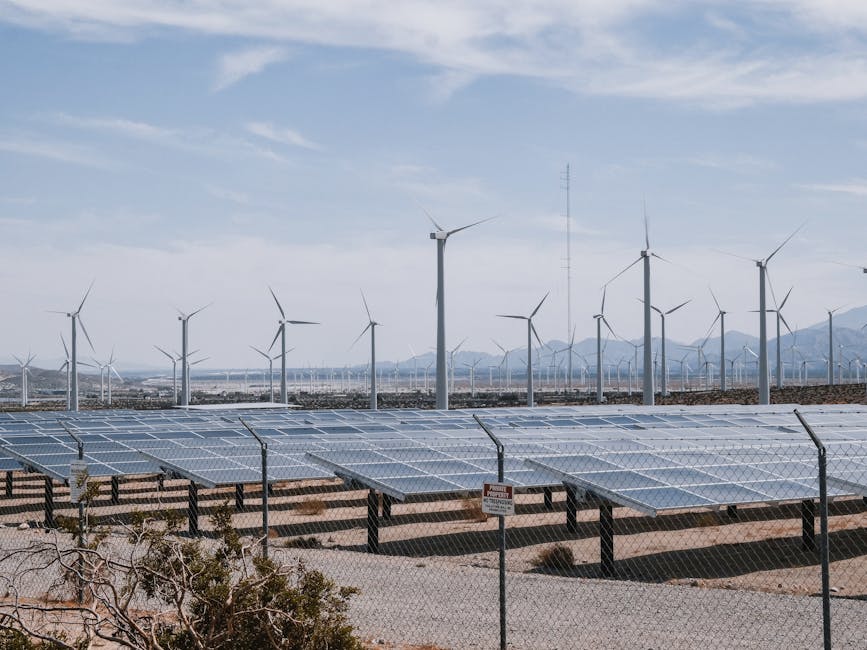
PEM electrolysis is arguably the darling of the hydrogen world right now. It uses a solid polymer electrolyte membrane to split water, and it pairs beautifully with variable renewable sources like solar and wind because it can ramp up and down quickly (response time under one second). That flexibility is a huge deal when your power source is intermittent.
- Efficiency: 60–70% (hydrogen energy output vs. electricity input)
- Current cost (2026): Approximately $3.50–$5.00/kg H₂ at scale
- Stack lifespan: 60,000–100,000 hours with recent membrane advances
- Best paired with: Offshore wind, utility-scale solar
The downside? PEM systems still rely on platinum-group metal catalysts (iridium and platinum), which keeps capital costs stubbornly high. Companies like ITM Power (UK) and Nel Hydrogen (Norway) have made significant progress reducing iridium loading in 2025–2026, but full cost parity with alkaline systems is still a year or two away.
2. Alkaline Electrolysis — The Proven Workhorse
Alkaline electrolysis has been around since the 1920s. It uses a liquid potassium hydroxide (KOH) electrolyte and doesn’t need precious metal catalysts — which is why it’s cheaper upfront. In 2026, large-scale alkaline plants are hitting hydrogen production costs around $2.80–$4.50/kg, slightly lower than PEM at comparable scale.
- Efficiency: 62–68%
- Capital cost: Lower than PEM (no platinum-group metals)
- Weakness: Slower dynamic response — not ideal for highly variable renewables
- Best paired with: Steady baseload renewables like geothermal or run-of-river hydro
Think of alkaline as the reliable old truck: not glamorous, but it gets the job done cheaply when conditions are stable. Chile’s massive HIF Global e-fuels facility in Patagonia — which uses consistent Patagonian winds — relies partly on alkaline electrolyzers precisely because that wind resource is relatively steady.
3. Solid Oxide Electrolysis (SOEC) — The High-Efficiency Contender
SOEC operates at very high temperatures (700–900°C) and can reach electrical efficiencies of 80–90% — the highest of any electrolysis method. The catch? It needs that heat input. But here’s where it gets interesting: if you co-locate an SOEC system next to an industrial heat source (like a steel plant or a geothermal facility), that waste heat essentially becomes free fuel for your electrolyzer.
- Efficiency: 80–90% (with heat integration)
- Current TRL (Technology Readiness Level): 6–7 — pre-commercial but advancing fast
- Key player: Haldor Topsoe (now Topsoe) has commissioned pilot SOEC units in Denmark
- Best paired with: Geothermal energy, industrial waste heat, nuclear thermal
Iceland is a fascinating case study here. The country’s abundant geothermal energy provides both electricity and thermal energy — a perfect match for SOEC. Reykjavik Energy has been piloting integrated geothermal-SOEC hydrogen production since late 2025, with full-scale results expected by late 2026.
4. Photoelectrochemical (PEC) and Photobiological Methods — The Wild Cards
These are the “moonshot” approaches. PEC systems use specialized semiconductors to split water directly using sunlight — no electricity needed as an intermediate step. Photobiological methods use microorganisms (like green algae) that naturally produce hydrogen under certain conditions.
- PEC efficiency (lab): 10–15% solar-to-hydrogen — still well below electrolysis routes
- Photobiological: Very early stage; oxygen sensitivity of hydrogenase enzymes remains a major hurdle
- Realistic timeline: Commercial viability unlikely before 2032–2035 at the earliest
These are worth watching — and worth funding through research grants — but if you’re planning a hydrogen project today, these aren’t your production method yet. They’re fascinating science, but not yet engineering.
5. Biomass Gasification with Renewable Feedstock — The Often-Overlooked Option
Hydrogen can also be produced by gasifying biomass (agricultural waste, woody biomass, municipal solid waste) at high temperatures. When the biomass feedstock is sustainably sourced and the process captures CO₂ (bio-CCS), this can actually result in carbon-negative hydrogen.
- Cost range: $1.80–$3.50/kg (highly dependent on feedstock availability)
- Carbon intensity: Potentially negative with CCS integration
- Key example: Japan’s Kawasaki Heavy Industries has been scaling biomass gasification in Australia (using sugarcane waste) and shipping hydrogen to Japan under the Hydrogen Energy Supply Chain project
- Limitation: Land use competition, feedstock logistics, and not truly “green” without strict sustainability certification
Side-by-Side Snapshot: Which Method Wins Where?
- Variable renewable regions (coastal wind, large solar farms): PEM electrolysis wins for flexibility
- Stable renewable regions (geothermal, steady hydro): Alkaline or SOEC for lower cost/higher efficiency
- Industrial zones with waste heat: SOEC is a compelling fit
- Regions with abundant biomass waste: Gasification with CCS for potentially carbon-negative outcomes
- Research & long-term innovation: PEC and photobiological deserve continued investment
The Cost Reality Check for 2026
Here’s where we need to be honest. The oft-cited target of $1/kg green hydrogen (the “H2 shot” goal) is still a stretch goal, not a current reality. The global weighted average for green hydrogen in early 2026 sits around $3.20–$4.80/kg, depending on region and renewable electricity costs. Europe’s aggressive carbon pricing (now at €110/tonne CO₂) is helping close the gap with grey hydrogen (~$1.50/kg), but full economic parity without subsidy support remains a 2028–2030 story for most markets.
That said, the trajectory is genuinely exciting — costs have dropped roughly 35% over the past three years, and electrolyzer manufacturing is finally achieving the kind of economies of scale that solar panels achieved in the 2010s.
Practical Alternatives If You’re Not a Utility-Scale Player
Not everyone reading this is planning a gigawatt hydrogen project. So let’s think practically:
- Small businesses / municipalities: Community-scale PEM systems (100kW–1MW range) powered by local solar are increasingly viable for backup power or fleet fueling, especially in markets with strong green energy incentives like South Korea’s H2 City program or California’s ARCHES initiative.
- Farmers with biomass waste: Small-scale biomass gasifiers are becoming commercially available — companies like Hyme Energy (Denmark) are targeting this segment specifically in 2026.
- Industrial operators: If you have waste heat above 600°C, seriously investigate SOEC pilot partnerships — Topsoe and Bloom Energy are actively seeking industrial co-development partners.
The key insight is this: there’s no single “best” method. The optimal hydrogen production pathway is deeply contextual — it depends on your local renewable resource, available heat sources, scale of operation, and whether your priority is lowest cost, lowest carbon intensity, or highest flexibility. Matching the method to the context is the real skill here.
Green hydrogen’s journey from niche curiosity to genuine energy backbone is one of the most compelling engineering and policy stories of our decade. The science is largely solved — what’s left is the hard, unglamorous work of manufacturing scale-up, grid integration, and infrastructure build-out. But we’re genuinely in the acceleration phase now, and understanding how hydrogen is made — not just that it’s made — puts you miles ahead in thinking critically about the energy transition.
Editor’s Comment : After spending time comparing these production pathways, what strikes me most is how the hydrogen conversation has matured. We’ve moved past the hype phase into genuine engineering trade-offs — and that’s actually a healthy sign. If I were advising someone entering this space in 2026, I’d say: don’t chase the technology that sounds coolest. Chase the one that fits your specific renewable resource, your heat availability, and your realistic scale. The hydrogen future is plural — it’ll be built by many methods working together, not one magic solution winning everything.
태그: [‘green hydrogen production’, ‘renewable energy hydrogen’, ‘PEM electrolysis’, ‘alkaline electrolyzer’, ‘solid oxide electrolysis’, ‘hydrogen cost 2026’, ‘clean energy comparison’]
Leave a Reply