에너지 업계 지인이 얼마 전 술자리에서 이런 말을 꺼냈다. “암모니아가 수소 캐리어로 뜬다는 건 몇 년째 듣는데, 실제로 뭔가 달라졌냐?” 그 자리에서 30분 동안 이야기가 멈추지 않았다. 사실 암모니아(NH₃)가 수소 운반체로 주목받기 시작한 건 꽤 됐다. 그런데 2026년 지금, 분위기가 확실히 다르다. 파일럿이 끝나고 상용화 일정이 구체화되고 있고, 국내외 대기업들이 본격적으로 돈을 쏟아붓고 있다. 오늘은 현장에서 보고 들은 것들을 바탕으로, 암모니아 기반 수소 운반체의 상용화 동향을 전부 털어놓겠다.
- 1. 왜 하필 암모니아인가? — 수소가 직접 못 가는 이유
- 2. 암모니아 크래킹 기술 현황 — 600~900℃ 현실의 벽
- 3. 국내외 주요 상용화 사례 비교 — 원익·한화·Wärtsilä·Topsoe
- 4. 수소 운반체 비교표 — 암모니아 vs 액화수소 vs LOHC
- 5. 이 분야 투자·진입 전 절대 하지 말아야 할 실수
- 6. 자주 묻는 질문 (FAQ)
- 7. 결론: 2026년 지금 어디를 봐야 하나
1. 왜 하필 암모니아인가? — 수소가 직접 못 가는 이유
수소는 에너지 밀도가 높고 연소 시 물만 나오는 이상적인 연료다. 그런데 문제는 운송이다. 액체 수소(LH₂)로 만들려면 영하 253℃ 이하의 극저온 환경이 필요하고, 이를 유지하는 데 드는 비용이 천문학적이다. 반면 암모니아는 어떨까?
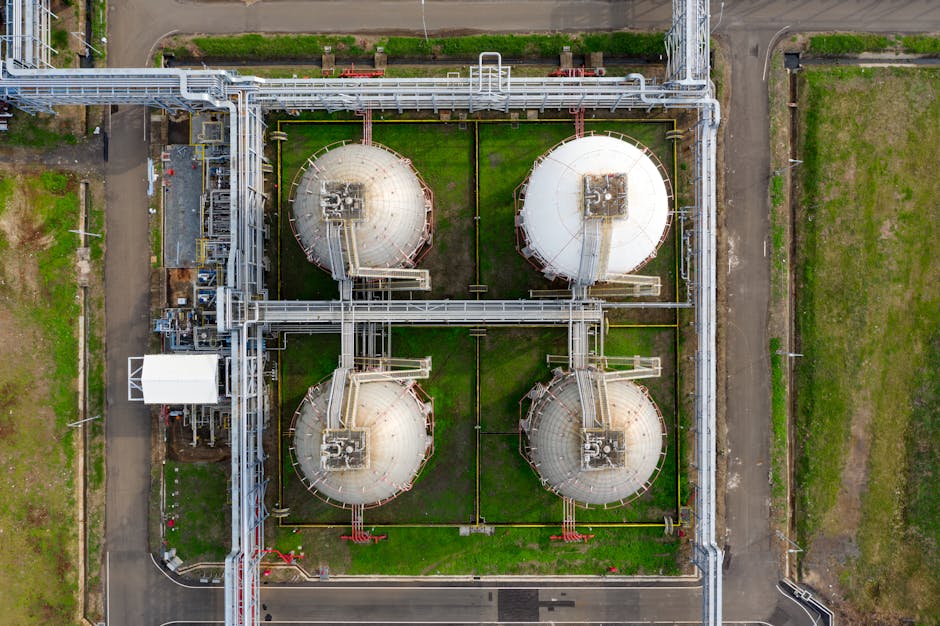
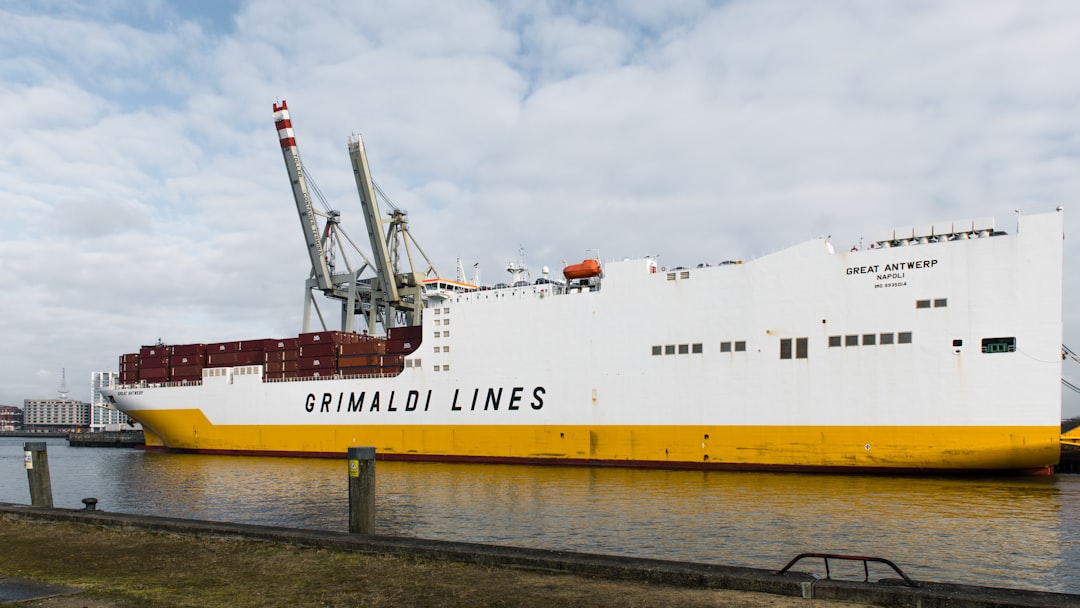
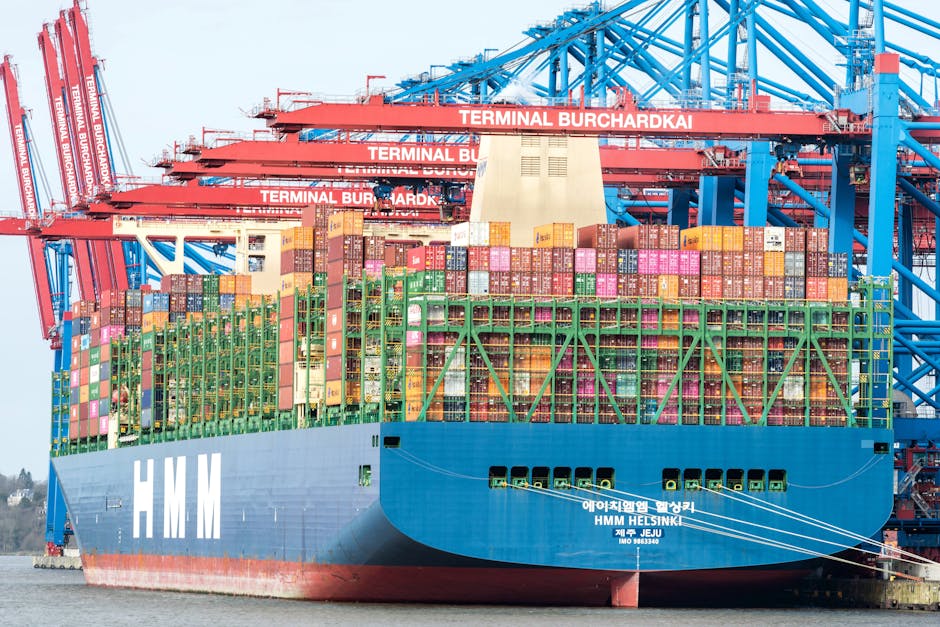
암모니아는 대기압에서 -33℃, 8.5bar에서는 상온에서 액화될 정도로 액화가 쉽다. 이게 왜 중요하냐면, 기존 LPG 인프라와 유사한 조건으로 저장·운송이 가능하다는 뜻이다. 아미 LNG 선박을 조금만 개조하면 된다는 얘기다.
암모니아는 수소보다 운송 에너지 효율이 높고, 더 작은 공간에 더 많은 에너지를 장거리 운송할 수 있으며, 이미 세계적으로 안전하고 효율적인 운송 인프라가 구축되어 있다.
실제로 매년 약 1.8억 톤에 달하는 그레이 암모니아가 생산·운송되고 있으며, 전 세계적으로 38개의 암모니아 수출 터미널, 88개의 수입 터미널이 운영 중이다. 즉, 새로운 인프라를 처음부터 깔 필요 없이 기존 공급망을 그대로 활용할 수 있다는 것이 암모니아 최대의 무기다.
가연성 기체의 위험도 지수에서 프로판(47.6), 메탄(31.5), 수소(31.2), 암모니아(15.4) 순으로, 암모니아가 폭발로부터 가장 안전하다는 분석도 있다. 독성 문제가 있긴 하지만, 폭발 위험성만 놓고 보면 수소보다 훨씬 다루기 쉽다.
2. 암모니아 크래킹 기술 현황 — 600~900℃ 현실의 벽
암모니아를 수소 운반체로 쓰는 흐름은 세 단계다: ①수소를 암모니아로 합성(하버-보슈 공정), ②암모니아를 선박으로 운송, ③목적지에서 암모니아를 다시 수소로 ‘크래킹(Cracking)’.
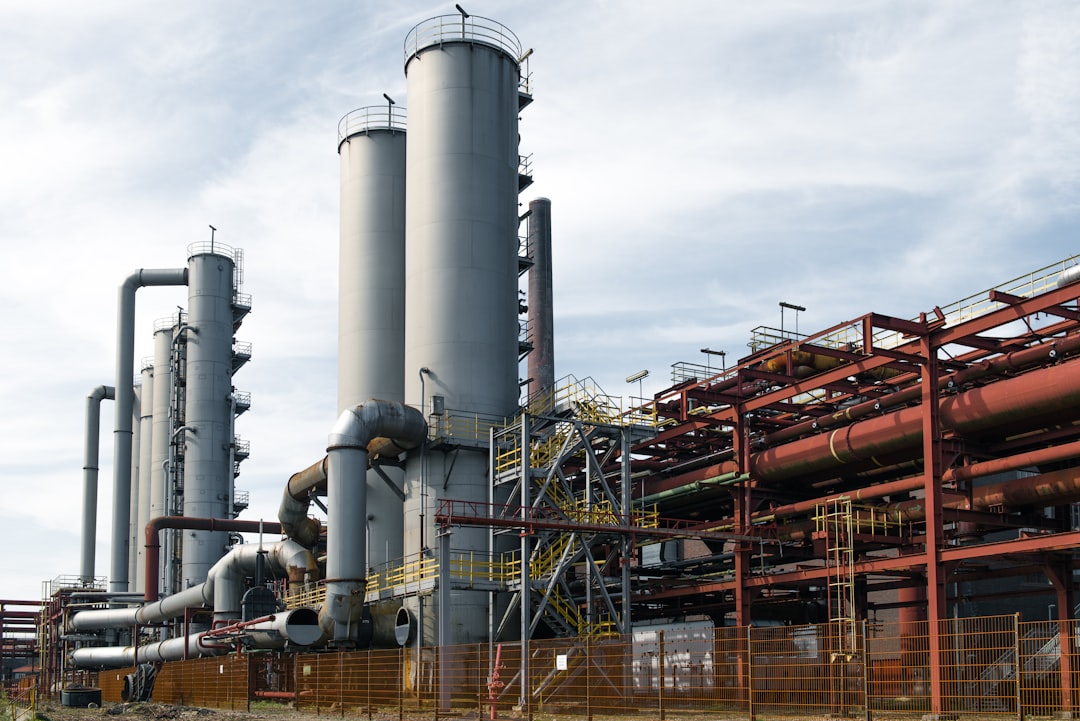
마지막 단계인 크래킹이 기술적 핵심이다. 발전 부문에서 암모니아는 보통 600~900℃의 고온에서 촉매를 통해 크래킹되어 순수 수소 연료를 방출하며, 이 수소는 고효율 PEM 연료전지에 활용된다.
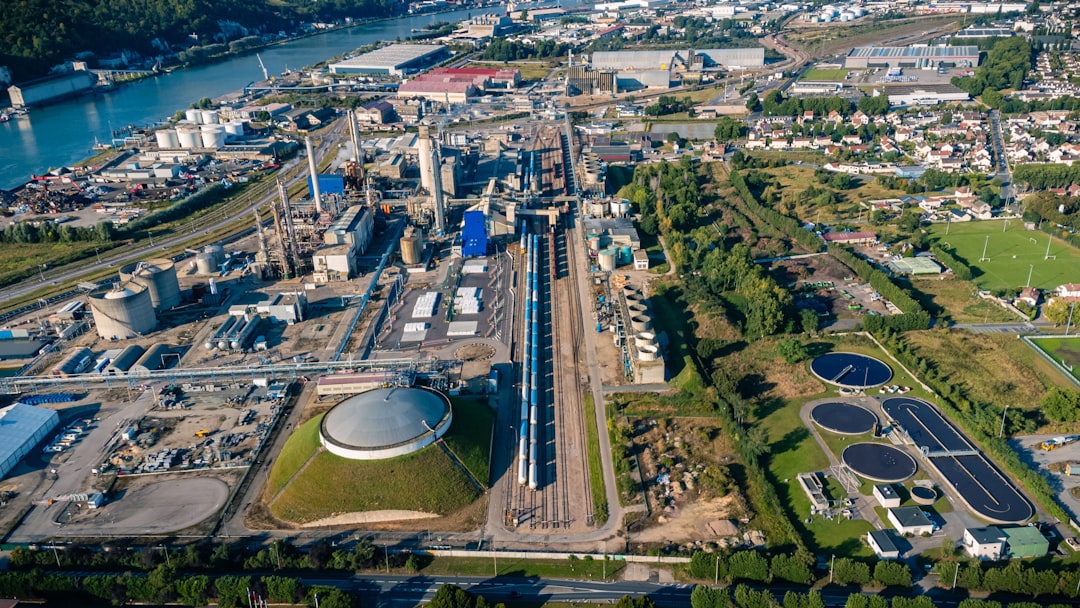
산업 규모의 암모니아 크래커가 유럽, 아시아, 미국을 중심으로 상업적 성숙 단계에 진입하고 있으며, 암모니아는 높은 체적 수소 밀도 덕분에 우수한 에너지 운반체로, 기존 글로벌 해운·저장 인프라를 그대로 활용할 수 있다.
글로벌 촉매 전문기업 Topsoe는 일찍이 이 시장을 선점했다. 수십 년간의 운영을 통해 축적된 촉매 개발·제조 경험을 바탕으로 2022년 상업적 수소 생산을 위한 최초의 대형 암모니아 크래킹 기술을 출시했다.
차세대 기술로 주목받는 건 멤브레인 리액터(Membrane Reactor)다. 멤브레인 리액터 기술은 크래킹 반응과 동시에 수소 정제를 결합해, 기존 2단계 공정 대비 월등한 효율성과 순도를 제공한다. IndexBox는 글로벌 암모니아 크래킹 멤브레인 리액터 시장이 2026~2035년 사이 연평균 12.0%의 성장률(CAGR)을 기록할 것으로 추정한다.
3. 국내외 주요 상용화 사례 비교 — 원익·한화·Wärtsilä·Amogy
🇰🇷 국내: 원익머티리얼즈 + 한화임팩트
원익머티리얼즈가 주관하는 실증 사업은 2022년부터 2026년까지 4년간 하루 500kg급 암모니아 개질 수소생산 상용 시스템을 구축해, 암모니아에서 추출한 수소를 99.997% 이상의 고순도로 정제해 반도체 공정이나 수소충전소에 공급하는 것까지 실증하는 사업이다. 실증 이후 하루 2,000kg급 암모니아 개질 수소생산시스템을 상용화하는 것이 최종 목표다.
규제 측면에서도 진전이 있었다. 이번 안전기준 개정은 기존 규정상 탄화수소 계열 연료만 허용되던 수소 추출 설비에 암모니아를 열분해하여 수소를 추출하는 방식이 공식적으로 포함된 것이 핵심이며, 관련 재료·구조·장치·성능 기준이 새롭게 마련됨으로써 상용화와 사업화 기반이 확고히 구축되었다.
🌍 글로벌: Wärtsilä + Höegh Evi (부유식 해상 분해기)
글로벌 해양 에너지 인프라 기업 Höegh Evi와 Wärtsilä Gas Solutions이 세계 최초로 부유식 암모니아-수소 분해 설비 개발을 성공적으로 완료했다. 이 설비는 선박으로 운송된 액상 암모니아를 해상에서 직접 수소로 변환하는 기술로, 산업용 규모의 수소 공급이 가능하다.
이 설비는 연간 21만 톤의 수소를 생산할 수 있는 처리 능력을 갖췄으며, 암모니아 저장 용량도 1만㎥에서 최대 12만㎥까지 확장 가능하다.
🇺🇸 미국: Woodside Energy의 Beaumont 시설 인수
2026년 3월, Woodside Energy는 OCI Global로부터 텍사스 Beaumont 신규 암모니아 시설의 운영권을 인수해 저탄소 암모니아 포트폴리오를 강화했다. Woodside Energy는 약 110만 MTPA(연간 메트릭 톤) 규모로 글로벌 수출 시장을 겨냥해 생산 능력을 확장하고 있다.
🇯🇵 일본: Mitsui & Co. 저탄소 암모니아 공급망
2026년 3월, Mitsui & Co.는 산업용 연료 및 원료 응용을 위해 연간 약 28만 톤 규모의 저탄소 암모니아 공급망 프로젝트를 진행 중이다.
🇰🇷 포항: Amogy + GS E&C + HD현대인프라코어
Amogy는 포항에 암모니아 기반 분산 발전 시스템을 구축할 예정이며, 올해 1MW 파일럿 프로젝트를 추진하고 2029년까지 40MW 규모의 상업 운전으로 확대하는 계획을 세우고 있다. GS E&C, HD현대인프라코어, 포항시가 파트너로 참여해 포항을 차세대 청정에너지 허브로 육성하는 것이 목표다.
4. 수소 운반체 비교표 — 암모니아 vs 액화수소 vs LOHC
이 표 하나면 왜 지금 암모니아에 돈이 몰리는지 이해된다.
| 항목 | 암모니아 (NH₃) | 액화수소 (LH₂) | LOHC (액상유기물) |
|---|---|---|---|
| 액화 조건 | -33℃ / 8.5bar 상온 | -253℃ 극저온 | 상온·상압 (액체 상태) |
| 수소 함유율 | 17.6 wt% | 100 wt% | 6~7 wt% |
| 기존 인프라 활용 | ✅ 매우 용이 (LPG 설비 유사) | ❌ 전용 설비 필요 | ⚠️ 일부 활용 가능 |
| 운송 안전성 | ⚠️ 독성 (폭발 위험 낮음) | ⚠️ 극저온·고압 위험 | ✅ 상대적으로 안전 |
| 크래킹(분해) 온도 | 600~900℃ (촉매 필요) | 해당 없음 | 300~400℃ |
| 에너지 손실률 | ~20~30% | ~35~40% (액화 포함) | ~35~40% |
| 글로벌 연간 유통량 | 약 1.8억 톤 | 극소 (상용화 초기) | 극소 (파일럿 단계) |
| 2026년 상용화 수준 | ✅ 대규모 파일럿 → 상용화 진입 | ⚠️ 일부 파일럿 | ⚠️ 파일럿 단계 |
| 주요 리스크 | NOx 배출, 독성 관리 | 초기 인프라 비용 폭증 | 수소 순도, 탈수소 효율 |
※ 에너지 손실률은 생산→운송→재변환 전 주기 기준 추정치이며 기술 발전에 따라 변동됨.
5. 이 분야 투자·진입 전 절대 하지 말아야 할 실수
암모니아 수소 운반체 시장, 뜨는 건 맞다. 근데 잘못 들어갔다간 쪽박이다. 현장에서 직접 보고 들은 실패 패턴들을 공유한다.
-
❌ 실수 1: “그린 암모니아 = 지금 당장 상업적으로 싸다”는 착각
기술, 인프라, 시장 전반에 걸쳐 여전히 높은 비용, 제한적인 그린수소 생산 능력, 운송·저장 시스템 미비 등 상당한 장벽이 존재한다. 그린 암모니아 생산 단가는 아직 그레이 대비 2~3배 비싸다. “미래 가격”을 현재 비즈니스 모델에 대입하지 마라. -
❌ 실수 2: 크래킹 효율을 논문 수치 그대로 믿기
실험실 촉매 효율과 실제 공장 스케일업 효율은 다르다. 암모니아 1톤 생산에 9~15MWh의 에너지가 필요하며, 다시 유용한 형태로 변환하거나 직접 활용할 때 상당한 에너지 손실이 발생할 수 있다. 라운드트립 효율(생산→운송→재변환)을 반드시 따져봐야 한다. -
❌ 실수 3: NOx(질소산화물) 문제를 무시하는 것
암모니아를 직접 연소하면 NOx가 발생한다. 이게 골치다. 크래킹 후 수소를 쓰거나, 고체산화물연료전지(SOFC)로 직접 활용하는 방식이 현재로선 더 현실적인 솔루션이다. 고체산화물연료전지(SOFC)는 내부에서 NH₃ 크래킹이 발생하므로 별도의 수소 분리 시스템이 필요 없어 근시일 내 배치 가능하다. -
❌ 실수 4: 국내 규제 환경을 구시대 기준으로 판단하기
정부는 ‘충북 그린수소산업 규제자유특구’에 국내 최초로 암모니아 기반 모듈형 수소 생산 및 활용 시설을 구축하고 실증을 진행했으며, 최근까지의 운영에서 기술의 안전성과 신뢰성을 입증하고 한국가스안전공사를 통해 관련 안전기준 개정을 이끌어냈다. 규제가 풀리고 있다. 구 기준으로 “법적으로 안 된다”며 포기하지 마라. -
❌ 실수 5: 공급망 없이 기술만 개발하기
2028~2030년경 표준화된 모듈형 설계가 확산되면서 자본 비용이 낮아지고 금융 조달이 용이해지는 티핑 포인트가 예상된다. 기술만 만들어놓고 수요처·공급망 없이 기다리면, 그 티핑 포인트가 와도 먼 산 얘기다. 지금부터 오프테이크(Offtake) 계약 확보가 핵심이다. -
❌ 실수 6: 해상 인프라를 육상과 동일하게 접근하기
선속저감·선형 개발·풍력 추진 등 다양한 기술적 조치만으로는 완전한 탈탄소화에 한계가 있으며, 결국 무탄소 연료로의 전환은 필수적이고, IMO·EU 규제가 강화될수록 전환이 가속화될 것이다. 선박용 암모니아 연료는 육상 규정과 다른 IMO 별도 기준(IGF Code)이 적용된다. 해양 규제 로드맵부터 파악하라.
FAQ — 독자들이 가장 많이 묻는 질문 3가지
Q1. 암모니아에서 수소를 추출하면 100% 순수 수소가 나오나요?
아니다. 크래킹 이후에는 수소(H₂)와 질소(N₂)가 혼합된 상태다. 이 중 질소를 분리·정제하는 과정이 필수다. 원익머티리얼즈의 실증 사업은 암모니아에서 추출한 수소를 99.997% 이상의 고순도로 정제해 반도체 공정이나 수소충전소에 공급하는 것까지 실증하는 것이 목표다. 즉, 정제 기술이 함께 패키지로 따라와야 진짜 상용화다.
Q2. 그린 암모니아와 블루 암모니아, 어떤 게 더 빠르게 상용화될까요?
솔직히 말하면, 단기적으로는 블루 암모니아가 더 현실적이다. CCS(탄소포집·저장) 기술을 접목한 블루 암모니아 프로젝트에 대한 관심이 높아지며 저배출 생산 경로가 강화되고 있다. 그린 암모니아는 재생에너지 비용이 충분히 내려오는 2030년 이후가 본격 경쟁 구도다. 2026년 초, 기업들은 비료와 해운 연료·발전 등 신규 에너지 응용 분야의 글로벌 수요 증가에 대응하기 위해 암모니아 생산 능력을 확장하고 있다.
Q3. 암모니아 선박 연료는 실제로 언제쯤 상업 운항이 가능할까요?
한국조선해양, 대우조선해양, 삼성중공업 등 글로벌 조선사들도 암모니아 추진선 상용화 계획을 발표하고 있다. IMO의 IGF Code 개정 논의가 진행 중이고, 2026년 1분기는 수소·암모니아 추진 분야의 상업 활동이 집중된 랜드마크 분기로, 주요 플레이어들이 데모에서 상업 규모로 프로젝트를 전환하고 있다. 업계 컨센서스는 2028~2030년 본격 상업 운항이다. 그 전에 지금이 공급망 선점 타이밍이다.
결론: 2026년 지금, 암모니아 수소 운반체의 점수는?
그린 암모니아는 연료전지, 선박연료, 수소저장 및 공급 등 전주기 가치사슬 전반에서 실용화를 위한 전환점에 진입하고 있다. 2026년은 ‘실증’에서 ‘상용화’로 넘어가는 경계선이다. 기술은 준비됐고, 규제는 열리고 있으며, 돈은 이미 움직이기 시작했다.
다만 냉정하게 말하면, 아직은 파일럿 프로젝트와 데모 유닛이 지배하는 사전 상업화 단계다. 모든 플레이어가 다 살아남진 않는다. 촉매 기술, 크래킹 효율, 오프테이크 계약, 규제 대응력, 이 네 가지를 동시에 잡는 기업이 이 판을 가져간다.
주관적 평점: ⭐⭐⭐⭐☆ (4/5) — 방향은 맞고, 타이밍도 나쁘지 않다. 단, 진입 전 공급망과 규제 리스크를 반드시 확인할 것.
에디터 코멘트 : 암모니아는 냉동창고 냄새 나는 옛날 물질이 아니다. 2026년 지금, 그건 미래 에너지 패권의 열쇠다. 근데 아무 생각 없이 뛰어들면 독성 물질처럼 당신 비즈니스를 태운다. 공부하고 들어가라.
📚 관련된 다른 글도 읽어 보세요
- SOFC vs PEMFC 완벽 비교 2026 | 고체산화물 vs 고분자전해질 연료전지 차이점과 미래 전망
- Hydrogen Fuel Cell vs. Battery Electric Vehicles in 2026: Which One Actually Wins?
- Hydrogen Fuel Cell Vehicles in 2026: Are We Finally at the Commercial Tipping Point?
태그: []