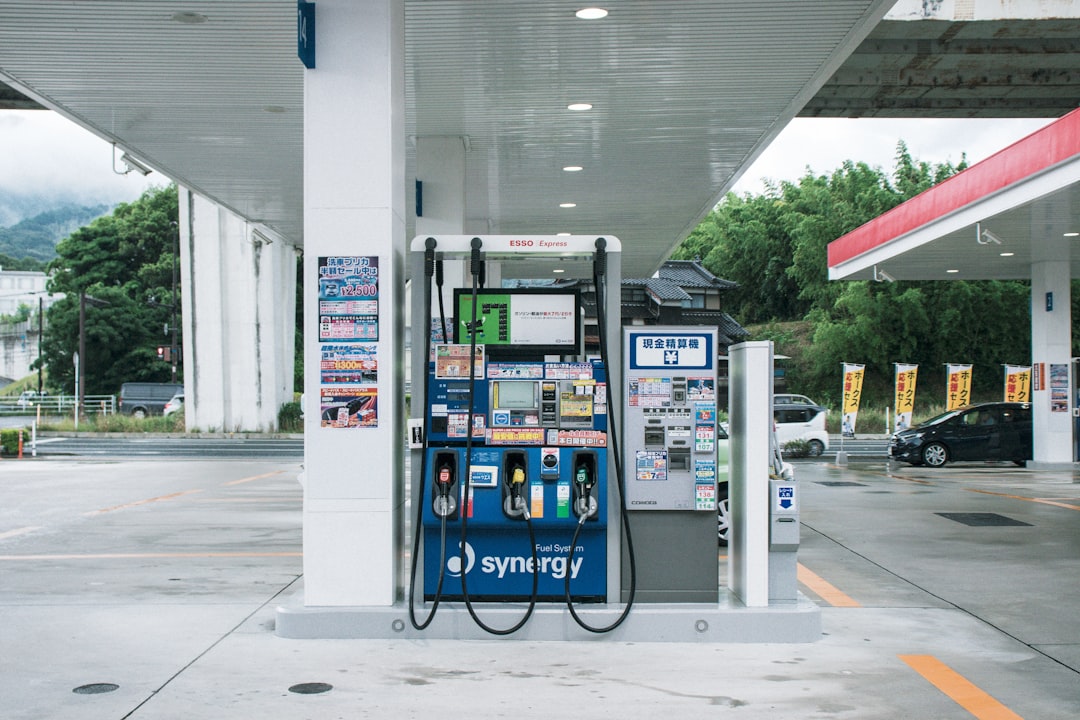
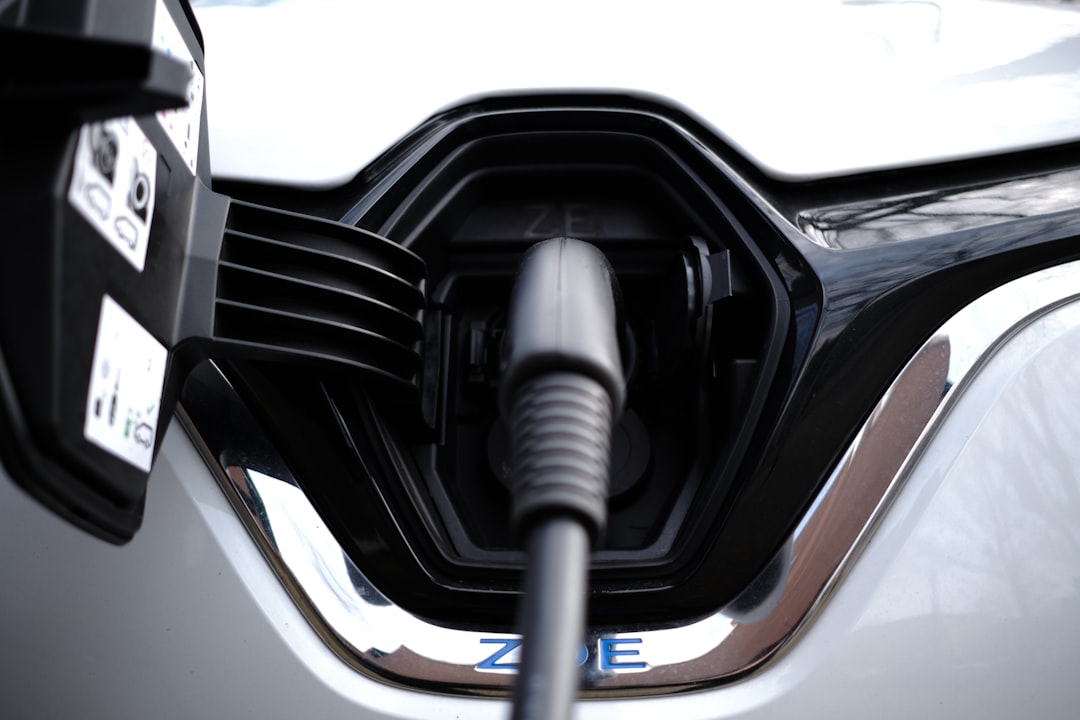
얼마 전 지인 한 명이 이런 말을 했어요. “전기차는 충전소가 많아졌는데, 수소차는 왜 아직도 충전소 찾기가 이렇게 어렵죠?” 사실 이 질문 하나에 수소 에너지가 넘어야 할 가장 큰 산이 고스란히 담겨 있다고 봅니다. 수소 자체를 만드는 기술은 빠르게 발전하고 있는데, 정작 그것을 어떻게 담아두고, 어떻게 옮기느냐는 문제가 여전히 발목을 잡고 있거든요. 2026년 현재, 전 세계 에너지 산업이 가장 집중적으로 투자하고 있는 분야가 바로 이 ‘수소 저장 및 운반(Storage & Transportation)’ 기술입니다. 오늘은 그 최전선을 같이 살펴볼게요.
① 왜 저장·운반이 수소의 가장 큰 숙제일까요?
수소(H₂)는 우주에서 가장 가벼운 원소입니다. 에너지 밀도가 질량 기준으로 킬로그램당 약 120MJ로, 같은 질량의 가솔린(약 44MJ/kg)보다 무려 약 2.7배 높아요. 들으면 굉장히 유리한 것 같죠? 그런데 문제는 부피 기준 에너지 밀도입니다. 상온·상압 상태의 수소 기체 1리터에 담긴 에너지는 가솔린 1리터의 약 1/3,000에 불과해요. 이 어마어마한 밀도 차이를 극복하기 위해 크게 세 가지 방식이 경쟁하고 있습니다.
압축 기체 수소(CGH₂) : 700bar(약 700기압)로 압축해 탱크에 저장. 현재 수소 충전소의 주류 방식이지만, 고압 인프라 구축 비용이 1기 당 30억~50억 원에 달합니다.
액체 수소(LH₂) : 영하 253°C로 냉각해 액화. 같은 부피 대비 기체 대비 약 800배 이상의 수소를 저장할 수 있어요. 단, 냉각 유지 에너지 소비와 증발 손실(boil-off) 문제가 상용화의 걸림돌이라고 봅니다.
화학적 저장 매체 : 암모니아(NH₃), 액상유기수소운반체(LOHC), 메탄올 등 수소를 다른 분자에 결합시켜 운반 후 현지에서 다시 분리하는 방식. 기존 석유화학 인프라를 재활용할 수 있다는 점에서 주목받고 있어요.
② 2026년 기준 핵심 기술 수치로 보는 현황
국제에너지기구(IEA)의 2026년 초 발표 자료에 따르면, 글로벌 수소 인프라 투자액은 2025년 대비 약 18% 증가한 680억 달러 규모로 추정됩니다. 특히 저장·운반 분야에 전체의 약 35%인 238억 달러가 집중 투입되고 있어요.
액체 수소 분야에서는 기술 성숙도가 빠르게 올라오고 있어요. 2026년 현재 상업용 대형 액화 플랜트의 액화 효율은 수소 1kg당 소비 전력 약 6~8kWh 수준까지 낮아졌는데, 불과 3~4년 전만 해도 10~12kWh였던 것을 감안하면 상당한 진전이라고 볼 수 있습니다. 암모니아 크래킹(NH₃ → N₂ + H₂ 분해) 기술의 효율도 기존 60% 수준에서 75~80%까지 향상되면서 실증 단계를 넘어 상용화 직전 단계에 진입한 상황이에요.
③ 국내외 최전선 사례 : 누가 어떻게 앞서가고 있나요?
[일본 · 호주 : 세계 최초 국제 액체수소 공급망 확장] 2019년 시범 운항을 시작한 일본-호주 간 액체수소 운반선 프로젝트는 2026년 현재 2세대 선박이 투입되며 상업 운항 단계에 진입했습니다. 가와사키중공업이 주도하는 이 프로젝트에서 운반선 한 척의 탑재 용량은 초기 75톤 규모에서 1,250톤급으로 대폭 확장됐어요. 장거리 청정 에너지 무역의 실제 모델을 보여준다는 점에서 의미가 크다고 봅니다.
[독일 · 중동 : 암모니아 기반 수소 수입 벨트 구축] 독일은 탈러스(TALOS) 프로젝트를 통해 사우디아라비아, UAE, 오만으로부터 그린 암모니아를 수입하고, 이를 함부르크항에서 수소로 재전환하는 공급망을 2026년부터 본격 가동하기 시작했어요. 연간 목표 처리량은 그린수소 기준 약 20만 톤으로, 독일 산업용 수소 수요의 약 5%를 충당할 수 있는 규모입니다.
[한국 : LOHC와 액체수소 충전 인프라 병행 추진] 국내에서는 SK E&S와 롯데케미칼이 LOHC(톨루엔-메틸시클로헥산 방식) 기술 실증에 속도를 내고 있어요. 현대자동차그룹은 2026년까지 액체수소 충전소 30기 구축 목표를 제시했고, 인천·울산·창원 거점을 중심으로 액체수소 저장 탱크를 갖춘 허브 충전소 모델이 현실화되고 있습니다. 정부의 수소법 개정으로 액체수소 운반 차량의 도심 진입 기준도 완화되면서 실제 보급 속도가 붙을 것으로 기대됩니다.
④ 기술별 현실적 한계와 앞으로의 방향
세 가지 저장 방식 중 어느 하나가 ‘절대 승자’가 되기는 어렵다는 게 현재 전문가들의 대체적인 시각인 것 같습니다. 용도와 거리에 따라 최적 기술이 달라지기 때문이에요.
단거리·도심용 : 700bar 압축 수소가 당분간 주력. 충전 속도와 기존 인프라 호환성이 강점.
대륙 간·국가 간 장거리 무역 : 암모니아·LOHC 등 화학 매체 방식이 가장 현실적. 기존 탱커선·항만 인프라 재활용 가능.
고체 수소 저장(금속 수소화물) : 아직 초기 연구 단계지만 안전성이 높아 장기적으로 소형 저장 및 군사·항공 분야 잠재력이 높다고 봅니다.
결국 2026년 이후 수소 에너지의 실질적인 보급 속도는 수소 생산 단가만큼이나 저장·운반 비용을 얼마나 낮출 수 있느냐에 달려 있다고 해도 과언이 아니에요. 현재 그린수소의 운반 포함 최종 공급 비용은 kg당 약 6~9달러 수준인데, 2030년까지 4달러 이하로 낮추는 것이 업계의 공통 목표입니다.
에디터 코멘트 : 수소 에너지를 둘러싼 논쟁에서 ‘생산’에만 시선이 쏠리는 경우가 많은데, 사실 저장과 운반이야말로 수소 경제의 진짜 병목이라고 봅니다. 어떤 단일 기술이 이 문제를 해결해 줄 것이라는 기대보다는, 용도별로 최적화된 기술들이 상호 보완적으로 발전하는 그림이 훨씬 현실적이에요. 관련 산업에 관심 있으신 분이라면 ‘암모니아 크래킹 효율’과 ‘액체수소 boil-off 저감 기술’ 두 가지 키워드를 꾸준히 추적해 보시길 권합니다. 이 두 기술의 진전이 수소 운반 비용 곡선을 결정적으로 꺾을 가능성이 높거든요.
Imagine plugging a fuel cell into your home heating system the same way you’d install a smart thermostat — no exotic temperature requirements, no specialized infrastructure, just clean, efficient energy conversion humming away at a fraction of the heat we once thought was non-negotiable. That vision is getting closer to reality in 2026, and honestly, the pace of progress in low-temperature Solid Oxide Fuel Cell (SOFC) technology has been genuinely surprising even to those of us who follow this space closely.
Let’s dig into what’s actually happening, why it matters, and what realistic paths forward look like — whether you’re an energy engineer, a policy wonk, or simply someone curious about where your electricity might come from in ten years.
What Exactly Is Low-Temperature SOFC — And Why Does the Temperature Matter?
Traditional SOFCs operate at scorching temperatures between 800°C and 1,000°C. That heat is what enables the fast ion transport through the ceramic electrolyte — essentially, the hotter it is, the more efficiently oxygen ions can shuttle through the solid material to generate electricity. The problem? Those extreme temperatures mean:
Expensive, heat-resistant alloy components that drive up manufacturing costs
Long startup times (sometimes hours), making SOFCs impractical for on-demand or mobile applications
Material degradation over time due to thermal cycling stress
Limited pairing with lower-grade waste heat recovery systems
Low-temperature SOFCs (commonly defined as operating in the 300°C–600°C range, with intermediate-temperature variants at 500°C–700°C) aim to solve all four of these pain points simultaneously. The core challenge? Getting those oxygen ions to move fast enough at lower temperatures requires fundamentally rethinking the electrolyte material.
What the Data Is Telling Us in 2026
The research momentum has accelerated dramatically. Here are some of the most significant developments shaping the landscape right now:
Thin-Film Electrolyte Breakthroughs: Teams at POSTECH (Pohang University of Science and Technology) in South Korea have reported electrolyte membrane thicknesses pushed below 200 nanometers using atomic layer deposition (ALD) techniques. At this scale, even ceria-based electrolytes — which traditionally underperform at low temperatures — deliver ionic conductivity values competitive with YSZ (Yttria-Stabilized Zirconia) at 800°C. Their 2026 Q1 publication demonstrated a peak power density of 1.8 W/cm² at just 450°C, a figure that would have seemed implausible five years ago.
Proton-Conducting Oxides (PCECs) Gaining Ground: Protonic Ceramic Electrochemical Cells are technically a cousin of SOFCs, but the distinction is blurring. Companies like Utility Global (US) and research groups at the Technical University of Denmark (DTU) have demonstrated stable operation at 400°C–500°C using barium cerate-zirconate electrolytes doped with yttrium and ytterbium. DTU’s latest dataset shows 40,000+ hours of operational stability — a critical threshold for commercial viability — without significant performance degradation.
AI-Assisted Materials Discovery: This is perhaps the most exciting meta-trend. Research institutions including KAIST and MIT’s Materials Intelligence Research group are using machine learning models trained on perovskite structure databases to predict novel electrolyte compositions. In 2026 alone, at least three previously untested double-perovskite compositions have been synthesized and validated based on AI screening, reducing traditional trial-and-error timelines from years to months.
Global Players Making Real Moves
Let’s ground this in actual industry activity, because lab results mean little until they translate into deployed systems:
South Korea — Policy-Backed Acceleration: The Korean Ministry of Trade, Industry and Energy (MOTIE) has allocated ₩380 billion (approximately $285 million USD) through its Hydrogen Economy Roadmap 2.0 specifically targeting intermediate and low-temperature SOFC commercialization by 2028. LG Electronics and Doosan Fuel Cell are co-developing residential micro-CHP (combined heat and power) units targeting sub-600°C operation, with pilot deployments in Sejong City already underway as of early 2026.
United States — DOE’s SECA Program Reboot: The Department of Energy’s Solid-State Energy Conversion Alliance (SECA) received renewed funding in 2025 and has expanded its scope to explicitly include low-temperature targets. Bloom Energy, long the dominant player in high-temperature SOFC deployment, has quietly filed patents referencing electrolyte compositions active at 550°C, signaling a strategic pivot from their traditional 800°C+ systems.
Europe — The German-Italian Axis: Germany’s Jülich Research Centre and Italy’s CNR-ITAE have formalized a joint research program under the EU’s Horizon Europe framework, focusing on scalable manufacturing of thin-film electrolytes using roll-to-roll processing. Their target: bring per-unit electrolyte fabrication costs below €15/kW by 2027, which would make low-temperature SOFCs cost-competitive with PEM fuel cells in stationary applications.
Japan — The Quiet Leader: Kyocera and Osaka Gas have been running low-temperature SOFC-based Ene-Farm residential units in field trials since late 2024. The 2026 data from these deployments is particularly compelling — average system efficiency of 58% electrical + 32% thermal, achieved at operating temperatures around 580°C. That’s a combined efficiency of 90%, which is genuinely difficult to beat with almost any other technology.
The Real Bottlenecks Nobody Talks About Enough
Progress is real, but let’s be honest about what’s still hard:
Cathode kinetics: Reducing operating temperature slows oxygen reduction reactions at the cathode even more than electrolyte conductivity. Finding cathode materials (like LSCF — Lanthanum Strontium Cobalt Ferrite) that remain highly active at 500°C without coarsening or delaminating is an ongoing battle.
Sealing technology: Believe it or not, keeping gas-tight seals across thermal cycling at 400–600°C is a distinct engineering challenge from doing so at 800°C+ — different thermal expansion mismatches, different material candidates.
Manufacturing scale-up: Nanoscale thin-film deposition techniques like ALD are brilliant in the lab but notoriously difficult and expensive to scale. Bridging that gap is where most commercialization timelines are currently bottlenecked.
Fuel flexibility at lower temps: High-temperature SOFCs can internally reform natural gas and ammonia. At lower temperatures, this internal reforming capability is reduced, potentially requiring external reformers — adding system complexity and cost.
Realistic Alternatives: If Full Low-Temp SOFCs Aren’t Ready for You Yet
If you’re a building developer, industrial energy manager, or municipality evaluating fuel cell options right now — in 2026 — here’s how to think pragmatically:
Intermediate-temperature SOFCs (600–700°C) are available commercially today from companies like Kyocera and Bloom Energy’s newer product lines. They capture most of the cost and startup-time benefits without waiting for sub-500°C technology to mature.
PEM Fuel Cells operate at near-room temperature and are well-suited for transportation and backup power where rapid startup is critical — though their efficiency ceiling is lower than SOFCs.
Molten Carbonate Fuel Cells (MCFCs) from companies like FuelCell Energy are a strong option for large industrial or utility-scale applications where high-grade waste heat can be co-utilized.
Hybrid SOFC + Gas Turbine systems remain the gold standard for pure electrical efficiency (65%+) in large-scale stationary power if temperature constraints aren’t a concern for your application.
The key question to ask is: What does your application actually need? Rapid start-stop cycling favors lower-temperature technologies. Continuous baseload operation where startup time is irrelevant? Current high-temperature SOFCs are already excellent. Match the technology to the use case rather than chasing the newest headline.
What’s genuinely exciting about where we are in 2026 is that the gap between “promising lab result” and “commercially deployable system” is narrowing faster than almost anyone predicted. The combination of AI-accelerated materials discovery, thin-film deposition advances, and serious government-backed manufacturing scale-up programs across Korea, Europe, the US, and Japan suggests that sub-600°C SOFCs with genuine commercial durability could be a market reality within three to five years — not a decade-away dream.
We’re at one of those genuinely exciting inflection points in energy technology. The thermodynamic elegance of fuel cells — converting chemical energy directly to electricity without combustion — combined with the operational practicality of low-temperature operation could make SOFCs the backbone of distributed energy systems in a way that was simply not achievable before. Keep your eye on cathode material announcements and manufacturing cost disclosures — those will be the real signal of when this technology has crossed the threshold.
Editor’s Comment : What strikes me most about the low-temperature SOFC story in 2026 isn’t any single breakthrough — it’s the convergence. AI materials screening, nanoscale fabrication, and genuine industrial commitment are all arriving at the same time. My honest take? The researchers chasing the 400°C target are doing the most important work in distributed energy right now, and the next two years of field trial data from Japan and Korea will tell us whether the timeline compresses even further. This is one space where the optimists might actually be underestimating the pace of change.
얼마 전 지인 중 한 명이 수소연료전지 관련 스타트업에 합류했다는 소식을 전해왔어요. 그분이 가장 먼저 꺼낸 말이 인상적이었습니다. “SOFC가 진짜 쓸 만해지려면 온도부터 낮춰야 한다”는 거였죠. 사실 이 한 문장이 고체산화물 연료전지(SOFC, Solid Oxide Fuel Cell) 업계가 수십 년간 붙잡고 씨름해온 핵심 과제를 정확히 짚고 있다고 봅니다. 2026년 현재, 이 문제에 대한 해법이 점점 구체화되고 있어 함께 살펴볼 필요가 있을 것 같아요.
📊 왜 ‘저온 작동’인가 — 숫자로 보는 기술적 한계
기존 SOFC는 전해질(주로 YSZ, 이트리아 안정화 지르코니아)이 충분한 산소이온 전도도를 확보하려면 750~1,000℃의 고온이 필요합니다. 이 온도 범위는 몇 가지 심각한 현실적 문제를 만들어냅니다.
소재 열화 가속: 셀 내부 니켈-YSZ 서멧(Ni-YSZ cermet) 연료극은 고온 장기 운전 시 니켈 입자 조대화(coarsening)가 발생하며, 5,000시간 운전 기준 출력 저하율이 최대 15~20%에 달한다는 연구 결과가 있어요.
시동·정지 시간 문제: 고온 시스템은 열충격에 취약해 1회 시동에 30분~2시간이 소요되는 경우가 많고, 이는 분산 발전이나 모바일 응용에 치명적 단점입니다.
BOP(Balance of Plant) 비용: 고온 유지를 위한 단열재, 인터커넥터 소재(내열 합금) 등 주변 기기 비용이 전체 시스템 원가의 40~60%를 차지한다는 분석도 있습니다.
밀봉(sealing) 기술: 고온에서 기체 누출을 막는 실링 소재 개발이 여전히 상용화의 병목으로 지목됩니다.
반면 저온 SOFC(LT-SOFC, Low Temperature SOFC)는 작동 온도를 400~650℃ 수준으로 낮추는 것을 목표로 합니다. 이 범위에서는 스테인리스 스틸 계열 인터커넥터 사용이 가능해지고, 시동 시간도 수분 이내로 단축될 수 있다고 봅니다. 시스템 비용이 이론적으로 30~50%가량 절감될 수 있다는 전망도 나옵니다.
🌏 2026년 국내외 최신 개발 사례
이 분야에서 가장 주목할 만한 흐름은 박막형 전해질(thin-film electrolyte) 기술의 고도화입니다. 전해질 두께를 수백 나노미터(nm) 수준으로 극박화하면, 낮은 온도에서도 절대적인 이온 전도 저항을 줄일 수 있기 때문이에요.
📍 해외 동향
미국 스탠퍼드 대학교 및 MIT 연구팀은 2025~2026년 사이 발표된 연구에서 바륨-코발트계 페로브스카이트(Ba-Co perovskite) 공기극 소재를 활용, 500℃ 구간에서 기존 LSC(란타늄 스트론튬 코발트 산화물) 대비 산소 환원 반응(ORR) 속도를 약 3배 향상시킨 결과를 내놓았습니다. 특히 표면 촉매 기능성 나노코팅 기법이 핵심 기여 요인으로 지목됐어요.
중국 화중과기대(HUST) 연구팀은 SDC(사마리아 도핑 세리아) 기반 전해질에 Li₂CO₃-Na₂CO₃ 복합 탄산염을 복합화한 ‘복합 전해질(composite electrolyte)’ 방식으로 550℃에서 단위 면적당 600 mW/cm² 이상의 최대 출력 밀도를 달성했다는 논문을 공개했습니다. 다만 장기 안정성에 대한 검증이 추가로 필요한 단계라는 지적도 함께 나왔어요.
📍 국내 동향
한국에너지기술연구원(KIER)과 POSTECH 공동 연구팀은 2026년 초 국제 학술지에 발표한 논문에서 프로톤 전도성 SOFC(PC-SOFC) 분야의 진전을 보고했습니다. BaZrCeYYb(BZCYYB) 계열 전해질을 사용한 셀이 450~550℃에서 안정적인 출력을 유지하면서 1,000시간 이상 내구성 테스트를 통과한 것인데요. 프로톤 전도성 방식은 수증기를 연료극이 아닌 공기극 쪽에서 생성하기 때문에 연료 희석 문제가 없고, 탄소 침적(carbon coking) 리스크도 낮아 저온 작동의 유력한 경로로 주목받고 있는 것 같습니다.
삼성SDI와 두산퓨얼셀은 각각 소형 분산 발전 및 건물 일체형 연료전지(BIPFC) 시장을 겨냥해 저온화 SOFC 모듈 개발 로드맵을 공개한 상태이며, 2027~2028년 파일럿 상용화를 목표로 한다고 알려져 있어요.
🔬 기술 해결의 핵심 — 3가지 접근법 비교
① 신소재 전해질 개발: SDC, GDC(가돌리니아 도핑 세리아), LSGM(란타늄 스트론튬 갈륨 망간 산화물) 등 YSZ 대체 소재. 단점은 전자 전도성 혼입(electronic leakage) 문제가 있을 수 있어요.
② 전해질 박막화 (ALD/PLD 공정): 원자층 증착(ALD) 또는 펄스 레이저 증착(PLD)으로 수십~수백 nm 전해질 구현. 제조 단가와 대면적 확장성이 현재 과제입니다.
③ 전극 나노구조화 및 촉매 표면 처리: 공기극·연료극 표면적을 극대화해 저온에서 반응 속도 보상. 나노 입자 소결(sintering) 안정성이 관건이라고 봅니다.
💡 현실적인 상용화 전망 — 2026년에서 2030년까지
현재 기술 성숙도(TRL, Technology Readiness Level) 기준으로 LT-SOFC는 대체로 TRL 4~6 단계에 위치해 있다고 봐도 무방할 것 같아요. 실험실 수준의 성능은 증명됐지만, 스택(stack) 통합 → 시스템화 → 현장 실증이라는 단계를 거쳐야 합니다. 업계 전문가들은 2028~2030년 사이에 소형 분산 발전(1~10 kW급) 시장에서 LT-SOFC 기반 제품의 상용화 초기 단계를 기대하는 분위기입니다.
다만 현실적으로 PEMFC(고분자 전해질막 연료전지)나 고온 SOFC의 기술 성숙도와 경쟁해야 한다는 점, 그리고 수소 공급 인프라 확충 속도에 따라 시장 타이밍이 달라질 수 있다는 점도 감안해야 할 것 같습니다.
에디터 코멘트 : SOFC 저온화 기술은 단순히 온도 숫자를 낮추는 문제가 아니라, 전해질·전극·제조 공정·시스템 설계가 모두 맞물려 돌아가는 복잡계 문제입니다. 2026년 현재 가장 현실적인 접근은 특정 ‘만능 해결책’보다는, 프로톤 전도 방식과 박막 공정의 결합처럼 여러 기술을 하이브리드로 조합하는 방향인 것 같아요. 이 분야에 관심 있는 분이라면 단순 온도 수치보다 장기 내구성 데이터(1,000시간 이상)와 스택 레벨 출력 밀도를 기준으로 기술 성숙도를 판단하시는 게 훨씬 현명한 접근이라고 봅니다.
태그: [‘SOFC 저온 작동’, ‘고체산화물 연료전지’, ‘수소연료전지 최신 기술’, ‘LT-SOFC 개발 동향’, ‘프로톤 전도 연료전지’, ‘연료전지 상용화 2026’, ‘에너지 기술 트렌드’]
Imagine standing at a gas station in 2026 and filling up your vehicle with hydrogen produced entirely from wind power off the coast of Norway. No carbon emissions. No fossil fuel dependency. Just clean, pressurized energy flowing into your tank. This isn’t a futurist fantasy anymore — it’s happening in pockets across the globe, and the investment dollars chasing this reality have grown into a torrent.
I’ve been tracking the green hydrogen space for a few years now, and honestly, the acceleration we’re seeing in 2026 is something even the optimists didn’t fully predict. So let’s think through this together — where is the money actually going, why is it going there, and what does this mean if you’re an investor, a policy wonk, or just someone trying to understand the energy transition?
The Big Picture: A Market That Has Found Its Footing
For years, green hydrogen was the “promising but pricey” kid on the clean energy block. Producing hydrogen via electrolysis powered by renewables was simply too expensive compared to grey hydrogen (made from natural gas) or even blue hydrogen (grey with carbon capture). But 2026 marks a genuine inflection point.
According to the Hydrogen Council’s Q1 2026 report, the levelized cost of green hydrogen has dropped to approximately $2.80–$3.50 per kilogram in regions with abundant renewable energy — down from over $6/kg just four years ago. Meanwhile, grey hydrogen sits around $1.50–$2.00/kg, but with carbon pricing mechanisms tightening across the EU and increasingly in Asia-Pacific markets, the gap is narrowing fast.
Global cumulative investment in green hydrogen projects reached $320 billion by end of 2025, with analysts at BloombergNEF projecting that figure to cross $500 billion by the close of 2026. The drivers? Falling electrolyzer costs, maturing renewable energy infrastructure, and government mandates that are finally moving from paper to procurement.
Where Is the Capital Actually Landing in 2026?
Let’s break down the regional investment landscape, because this is where things get genuinely interesting — and where the strategic logic becomes clear.
Europe: Policy-Driven, Execution-Challenged (But Accelerating) The EU’s Hydrogen Bank has now committed over €18 billion in auction-backed subsidies through its third round in early 2026. Germany alone has green-lit 47 large-scale electrolysis projects. The challenge in Europe isn’t ambition — it’s grid connectivity and permitting speed. Smart investors here are betting on midstream infrastructure: pipelines repurposed for hydrogen blending and storage solutions.
Middle East & North Africa: The Cost Advantage Play NEOM’s OXAGON industrial city in Saudi Arabia began its first commercial shipments of green ammonia (a hydrogen carrier) to South Korea in late 2025. Egypt, Morocco, and Oman have all attracted multi-billion dollar FDI commitments in 2026, capitalizing on irradiation levels that make solar-powered electrolysis brutally cost-competitive. This region is positioning itself as the “Saudi Arabia of green hydrogen” — and the geography actually supports the claim.
Australia: The Export Corridor to Asia Australia’s National Hydrogen Strategy has yielded tangible results. The Pilbara region in Western Australia now hosts three operating gigawatt-scale electrolysis facilities. Japan and South Korea — both energy-importing nations with aggressive decarbonization targets — have locked in long-term offtake agreements, giving Australian projects the revenue certainty that de-risks private capital.
United States: IRA Momentum Meets Hydrogen Hubs The Inflation Reduction Act’s $3/kg production tax credit (with clean hydrogen provisions) continues to reshape the economics of U.S. projects. The Department of Energy’s 7 Regional Clean Hydrogen Hubs are now in active construction or early operations phases as of 2026, representing over $50 billion in combined public-private investment. Texas and the Gulf Coast are particularly active, leveraging existing petrochemical infrastructure.
Key Investment Themes Dominating 2026
Electrolyzer manufacturing scale-up: Companies like Nel Hydrogen, ITM Power, and China’s CSSC Hainan are racing to build gigafactory-scale electrolyzer production. Cost per MW of electrolyzer capacity has fallen ~60% since 2021, and investors are pouring capital into next-gen PEM and AEM electrolyzer startups.
Green ammonia as a hydrogen carrier: Ammonia is easier to transport and store than pure hydrogen. Green ammonia fertilizer plants and shipping fuel projects are attracting significant crossover investment from agricultural and maritime sectors.
Hydrogen for hard-to-abate industries: Steel, cement, and chemical manufacturers are the primary demand-side offtakers. Projects with signed industrial offtake agreements are commanding premium valuations in 2026’s deal flow.
Storage and transport infrastructure: Salt cavern storage, liquid hydrogen tankers, and pipeline blending projects are the “picks and shovels” plays that institutional investors increasingly favor for lower-risk exposure.
Green hydrogen RECs and certification: A credible certification market (EU’s CertifHy and equivalents in Australia and the U.S.) is emerging, allowing investors to track and verify the environmental integrity of their hydrogen investments — a critical ESG consideration.
A Tale of Two Projects: Real-World Examples
H2Global (International Example): Germany’s H2Global mechanism — which uses a double-auction system to bridge the price gap between green hydrogen producers in MENA/Australia and European buyers — completed its second tender round in February 2026, securing contracts for 850,000 tonnes of green ammonia annually. This model is now being replicated by Japan and South Korea, signaling a shift toward government-brokered demand aggregation as a key enabling mechanism.
Korea’s POSCO Green Steel Initiative (Domestic/Asian Example): POSCO, the South Korean steel giant, announced a $7.2 billion green hydrogen-based direct reduced iron (DRI) facility in Gwangyang in January 2026, with green hydrogen sourced from Australian and Omani suppliers under long-term contracts. This is exactly the kind of industrial anchor project that transforms an entire regional value chain — and it’s the template other heavy industries are studying closely.
Realistic Alternatives: Not Everyone Needs to Bet on Hydrogen Directly
Here’s where I want to get practical with you. If you’re intrigued by the green hydrogen investment wave but aren’t positioned to take on the risk of early-stage hydrogen startups or project finance, there are smarter entry points to consider:
Renewable energy ETFs with hydrogen exposure: Funds like the Global X Hydrogen ETF (HYDR) or the iShares Clean Energy ETF provide diversified exposure without single-project concentration risk.
Industrial gas companies: Air Products, Linde, and Air Liquide are all deeply embedded in the hydrogen economy — both grey and green — and offer more stable, dividend-bearing exposure.
Electrolyzer and fuel cell component suppliers: Rather than betting on which hydrogen project wins, consider investing in the companies supplying the equipment everyone needs regardless of geography.
Green ammonia and shipping plays: Maritime decarbonization is a massive structural theme. Companies building ammonia-fueled vessels or green ammonia terminals sit at the intersection of multiple long-term trends.
Watch and wait with small allocations: If direct project investment is your goal, consider joining a green hydrogen-focused venture fund with a small allocation rather than concentrating in single assets. The shakeout in this space isn’t over yet.
What Could Go Wrong? (Because We Should Always Ask)
No intellectually honest analysis of green hydrogen in 2026 skips the risk register. Here’s what keeps industry insiders up at night: demand ramp-up is still slower than supply-side projections assumed. Many industrial buyers are waiting for sub-$2/kg pricing before switching at scale. Permitting bottlenecks in Europe and the U.S. continue to delay projects. And geopolitical shifts — particularly around Middle Eastern supply chain stability and U.S. energy policy continuity — create real uncertainty for long-duration infrastructure investments.
The technology risk, however, is largely resolved. Electrolysis works at scale. The remaining challenge is economic and institutional — which, historically, is where patient capital with the right policy tailwinds wins big.
Green hydrogen in 2026 is no longer a question of “if” — it’s a question of “at what pace, in which geography, and through which value chain.” That’s a much better problem to have.
Editor’s Comment : The green hydrogen story in 2026 is ultimately a story about infrastructure patience and geographic arbitrage. The most compelling investment thesis isn’t “hydrogen will replace everything” — it’s that specific corridors (MENA-to-Europe, Australia-to-Asia) with the right cost structure, policy support, and industrial offtakers are genuinely de-risked enough for serious capital allocation. If you’re building a long-horizon portfolio with energy transition exposure, ignoring green hydrogen at this stage feels increasingly hard to justify. But as always — size your position to your risk tolerance, diversify across the value chain, and stay skeptical of projects that haven’t secured binding offtake agreements.
태그: [‘green hydrogen investment 2026’, ‘hydrogen economy trends’, ‘renewable energy investment’, ‘clean hydrogen global market’, ‘electrolyzer technology’, ‘energy transition finance’, ‘green hydrogen production cost’]
얼마 전 한 에너지 업계 관계자와 커피를 마시다가 흥미로운 이야기를 들었어요. “요즘 유럽 쪽 펀드 매니저들이 그린 수소 관련 미팅을 하루에 서너 건씩 잡는다”는 거예요. 불과 3~4년 전만 해도 ‘먼 미래의 기술’처럼 여겨졌던 그린 수소가, 이제는 실제 투자 포트폴리오의 핵심 자산으로 올라서고 있다는 신호라고 봅니다. 그렇다면 2026년 현재, 전 세계 자본은 그린 수소의 어느 지점을 향해 흘러가고 있을까요? 함께 살펴보겠습니다.
📊 숫자로 보는 2026년 그린 수소 투자 규모
글로벌 에너지 리서치 기관들의 추산에 따르면, 2026년 기준 그린 수소 분야의 누적 민간·공공 투자 약정액은 4,500억 달러(약 600조 원)를 넘어선 것으로 집계되고 있어요. 2023년 대비 약 2.3배 이상 증가한 수치라고 봅니다. 특히 주목할 점은 투자 구조의 변화인데요.
전해조(Electrolyzer) 제조 및 스케일업: 전체 투자의 약 28%를 차지하며 가장 빠르게 성장 중인 세그먼트예요. GW(기가와트)급 생산 시설이 유럽과 미국, 호주에 잇따라 착공되고 있습니다.
그린 암모니아·메탄올 연계 프로젝트: 수소를 직접 수송하기 어렵다는 한계를 극복하기 위해, 암모니아나 메탄올로 변환해 운반하는 ‘수소 캐리어’ 사업에 약 21%의 자금이 몰리고 있어요.
수소 파이프라인·저장 인프라: 유럽연합(EU)의 ‘European Hydrogen Backbone’ 프로젝트를 중심으로 약 18%의 투자가 집중되고 있습니다.
재생에너지 연계(태양광·풍력 + 전해조) 패키지: 단순히 수소만 만드는 게 아니라, 재생에너지 발전과 전해조를 묶어 하나의 사업 단위로 개발하는 방식이 약 33%로 가장 큰 비중을 차지하고 있어요.
킬로그램당 그린 수소 생산 원가는 2026년 현재 일부 일조량이 풍부한 지역(칠레 아타카마, 호주 북서부, 중동 사우디아라비아)에서 $2.0~$2.8/kg 수준까지 낮아진 것으로 보고되고 있어요. 여전히 그레이 수소($1.0~$1.5/kg)보다는 비싸지만, 탄소 가격이 본격적으로 반영되면 경쟁력이 역전되는 ‘티핑 포인트’가 현실적으로 가까워졌다고 볼 수 있습니다.
🌍 국내외 주요 투자 사례: 누가 어디에 베팅하고 있나?
유럽 — REPowerEU의 가속 페달
유럽연합은 2026년에도 그린 수소 리더십을 놓지 않으려는 모습이에요. 독일의 Thyssenkrupp nucera는 연간 1GW 이상 전해조를 공급할 수 있는 생산 라인을 가동 중이고, 스페인의 Iberdrola는 태양광 발전과 연계한 그린 수소 생산 단지를 이베리아 반도 곳곳에 확장하고 있습니다. EU의 ‘Hydrogen Bank’ 경매 메커니즘을 통해 생산자에게 보조금을 직접 지원하는 구조가 민간 자본 유입을 상당히 촉진하고 있다고 봐요.
미국 — IRA(인플레이션 감축법)의 유산과 진화
2022년 통과된 IRA의 수소 생산 세액공제(PTC, $3/kg 최대)는 2026년에도 여전히 미국 그린 수소 투자의 가장 강력한 드라이버로 작동하고 있어요. Air Products, Plug Power, Bloom Energy 등이 텍사스와 캘리포니아 중심으로 대규모 생산 허브를 구축 중이며, 특히 ‘청정 수소 허브(H2Hubs)’ 프로그램에 배정된 70억 달러 이상의 연방 자금이 민간 투자를 끌어들이는 마중물 역할을 하고 있습니다.
중동 — NEOM과 사우디 비전 2030의 교차점
사우디아라비아의 NEOM 그린 수소 프로젝트는 단일 프로젝트로는 세계 최대 규모로 손꼽혀요. 총 85억 달러 규모로, 연간 그린 암모니아 120만 톤 생산을 목표로 하고 있습니다. ACWA Power와 Air Products의 합작으로 진행되는 이 프로젝트는 유럽·아시아 수출을 겨냥한 그린 수소 ‘수출국’ 전략의 상징적인 사례라고 볼 수 있어요.
한국 — 정책과 민간의 속도 조율 중
한국은 2026년 현재, 수소경제 육성법 개정안을 기반으로 수소 전문 기업 인증 제도를 정비하고 수소발전 의무화(HPS, Hydrogen Portfolio Standard) 확대를 추진하고 있어요. 현대차그룹은 수소 상용차 라인업을 확장하며 수요 측 생태계를 만들고 있고, SK E&S와 롯데케미칼은 해외 그린 수소 수입 거점 확보에 적극적으로 나서고 있습니다. 다만 국내 생산 단가 문제와 재생에너지 보급 속도의 간극은 여전히 숙제라고 봐요.
🔍 2026년 투자 트렌드의 핵심 키워드 3가지
① ‘밸류체인 통합(Value Chain Integration)’: 재생에너지 생산 → 전해조 운영 → 저장·운반 → 최종 수요처까지 하나의 기업 또는 컨소시엄이 통합 관리하는 수직계열화 모델이 투자자들에게 더 높은 신뢰를 받고 있어요. 불확실성을 줄이고 수익 예측 가능성을 높이기 때문이라고 봅니다.
② ‘하드-투-어베이트(Hard-to-Abate) 섹터’ 집중: 철강, 시멘트, 화학, 항공, 해운처럼 전기화만으로 탈탄소가 어려운 산업에 그린 수소를 공급하는 B2B 사업 모델이 안정적인 수익 기반으로 주목받고 있습니다.
③ 탄소 크레딧 연계 수익화: 그린 수소 생산 자체를 탄소 회피 활동으로 인증받아, 탄소 크레딧 시장에서 추가 수익을 창출하는 구조가 정교해지고 있어요. 특히 자발적 탄소 시장(VCM)의 품질 기준이 강화되면서 진입 장벽도 함께 올라가고 있다는 점이 흥미롭습니다.
⚠️ 낙관만 할 수 없는 이유: 현실적 리스크 점검
물론 장밋빛 전망만 있는 건 아니에요. 전해조 핵심 소재인 이리듐(Iridium)의 공급망 집중 문제, 재생에너지 발전 증가 속도가 수소 수요 성장을 따라가지 못하는 미스매치, 그리고 각국 보조금 정책의 불확실성 등은 여전히 투자자들이 신중하게 바라보는 리스크 요인들이라고 봅니다. 특히 일부 대규모 프로젝트들이 ‘약정’과 ‘실제 착공’ 사이의 간극에서 지연되는 사례도 나오고 있어서, 숫자 이면의 실행력을 꼼꼼히 살펴봐야 한다고 생각해요.
에디터 코멘트 : 그린 수소 투자는 ‘미래 베팅’이 아니라 ‘현재 진행형 산업 전환’의 영역으로 넘어온 것 같습니다. 다만 모든 투자가 그렇듯, 화려한 수치 뒤에 있는 실행 주체의 기술력, 재무 건전성, 그리고 정책 리스크 흡수 능력을 함께 들여다봐야 해요. 개인 투자자라면 직접 프로젝트에 뛰어들기보다, 전해조 소재·부품 기업이나 관련 ETF를 통해 분산 접근하는 방식이 현실적으로 더 안전한 출발점이라고 봅니다. 에너지 전환은 분명 거스를 수 없는 흐름이지만, 그 흐름 위에 올라타는 방식은 영리하게 골라야 하니까요.
A friend of mine recently traded in her electric SUV for a hydrogen fuel cell vehicle (FCEV) after a cross-country road trip left her stranded for 45 minutes at a slow charger somewhere in rural Wyoming. “I just want to fill up and go,” she told me. That conversation stuck with me — because it perfectly captures the tension millions of drivers are feeling right now as the clean-vehicle market matures into something genuinely competitive.
So let’s dig into the real efficiency story behind hydrogen fuel cell cars in 2026. Not the marketing fluff — the actual numbers, the trade-offs, and whether an FCEV makes sense for you.
What Does “Efficiency” Even Mean for an FCEV?
Before we compare models, we need to agree on what we’re measuring. Efficiency in FCEVs is typically expressed in two ways:
Miles per kilogram (mpkg) of hydrogen: The direct equivalent of MPG for gasoline cars. The higher, the better.
Well-to-wheel efficiency: This accounts for the entire energy chain — from producing the hydrogen to spinning the wheels. This number is much more sobering, and it’s the one automakers prefer not to lead with.
Fuel economy equivalent (MPGe): The EPA’s standardized metric that lets you compare FCEVs, BEVs, and hybrids on a single scale.
The market has consolidated significantly. Here’s where the leading production FCEVs stand as of early 2026:
Toyota Mirai Gen 3 (2026): Rated at 76 MPGe combined, approximately 67 mpkg, with a real-world range of 430–460 miles. Toyota’s latest membrane electrode assembly (MEA) improvements boosted efficiency by roughly 9% over the Gen 2. This remains the benchmark.
Hyundai NEXO II (2026): Rated at 79 MPGe combined — nudging ahead of the Mirai on paper. Real-world range sits around 410–440 miles. Hyundai’s multi-layer bipolar plate redesign reduced internal resistance, which is the main reason for that efficiency bump.
Honda CR-V e:FCEV (2026 update): A plug-in hybrid fuel cell configuration, rated at 72 MPGe in fuel cell mode. The small 17.7 kWh battery lets you run on electrons for daily errands, which is genuinely clever thinking for areas with limited H₂ infrastructure.
BMW iX5 Hydrogen (Production Edition, 2026): Rated at 68 MPGe. BMW prioritized performance tuning over pure efficiency, and it shows — 0 to 60 mph in under 6 seconds, but you’ll pay for it at the pump… or the nozzle.
The Well-to-Wheel Reality Check
Here’s where honest analysis gets uncomfortable. Even in 2026, approximately 62% of commercially available hydrogen in the U.S. and 58% in South Korea is still derived from steam methane reforming (SMR) — a fossil fuel process. So-called “green hydrogen” (electrolysis powered by renewables) accounts for a growing but still minority share.
The well-to-wheel efficiency of an FCEV running on grey hydrogen hovers around 25–30%, compared to a modern battery EV’s 77–85% well-to-wheel efficiency. That gap is real, and it matters if your primary motivation is reducing your actual carbon footprint rather than just your tailpipe emissions.
However — and this is an important “however” — if you’re in a region with strong green hydrogen availability (like parts of California under the H2CA 2026 expansion program, or South Korea’s Hydrogen City clusters in Ulsan and Changwon), the equation shifts meaningfully.
South Korea and Japan: Leading the FCEV Charge
South Korea deserves a spotlight here. By Q1 2026, the country has surpassed 50,000 FCEV registrations, with Hyundai’s NEXO II accounting for the bulk of new sales. The government’s Hydrogen Economy Roadmap has pushed refueling stations to 370+ nationally — still not everywhere, but dramatically more accessible than three years ago.
Japan’s approach has been equally methodical. Toyota’s partnership with the Japanese Ministry of Land, Infrastructure, Transport and Tourism has created hydrogen highway corridors connecting Tokyo, Nagoya, and Osaka. The Mirai Gen 3 was essentially designed around this infrastructure blueprint.
In Europe, Germany’s H2Mobility network now covers most major autobahn corridors, and the Hyundai NEXO II has found a strong commercial fleet market there — particularly for taxi operators who log 200+ miles per day and can’t afford long charging windows.
Where FCEVs Still Struggle
Let’s be fair. The efficiency wins don’t tell the whole story of ownership:
Infrastructure gaps: Outside of California, Japan, South Korea, and parts of Germany, finding an H₂ station is still an adventure. This is the single biggest practical barrier in 2026.
Fuel cost: Hydrogen prices have dropped but still average $10–$13/kg in the U.S., translating to roughly 15–20 cents per mile. That’s higher than BEV charging costs in most markets.
Cold weather performance: FCEVs outperform BEVs in very cold climates since the fuel cell stack isn’t as temperature-sensitive as a lithium-ion battery — a genuine advantage worth noting.
Refueling speed advantage: A full tank in 3–5 minutes versus 20–45 minutes for a fast-charging BEV. For high-mileage drivers, this is not a small thing.
Realistic Alternatives: Who Should Actually Buy an FCEV?
Let’s think through this together based on your situation:
You drive 150+ miles daily and live near an H₂ station: An FCEV is genuinely compelling. The refuel speed and range consistency make it operationally superior to a BEV for your use case.
You live in a hydrogen-sparse region: Stick with a long-range BEV or a plug-in hybrid for now. The infrastructure just isn’t there to support daily FCEV ownership comfortably.
You care deeply about carbon reduction: Verify your local hydrogen source first. If it’s green hydrogen, go for it. If it’s grey, a BEV charged on renewables may be the more honest choice environmentally.
You’re a fleet operator: FCEVs make excellent economic sense for commercial fleets with centralized refueling. This is where the ROI math genuinely works in hydrogen’s favor.
The Honda CR-V e:FCEV hybrid approach is worth a special mention as a realistic middle-ground option — you get the flexibility of battery-electric for short trips and hydrogen for longer ones. It’s not the most efficient in pure fuel cell mode, but it’s arguably the most practical for people who aren’t fully committed to either ecosystem yet.
My Take: Efficiency Is Only Part of the Answer
The 2026 hydrogen fuel cell vehicle market is genuinely impressive on the efficiency front. Hyundai and Toyota have both crossed the 75 MPGe threshold, which would have seemed ambitious just four years ago. But efficiency ratings live in laboratories. Your commute, your local infrastructure, and the carbon intensity of your regional hydrogen supply are the variables that determine whether an FCEV is brilliant or frustrating for you specifically.
The technology is no longer a science project. But it’s also not universally ready. The answer, like most things worth thinking about, is nuanced.
Editor’s Comment :If you’re seriously considering an FCEV in 2026, I’d strongly recommend using the U.S. Department of Energy’s Alternative Fuels Station Locator or South Korea’s H2Korea app to map the hydrogen stations within a 30-mile radius of your home and workplace before you sign anything. Infrastructure access — not efficiency ratings — will make or break your ownership experience. Do that homework first, and then let the MPGe numbers guide you from there.
태그: [‘hydrogen fuel cell car 2026’, ‘FCEV efficiency comparison’, ‘Toyota Mirai vs Hyundai NEXO’, ‘hydrogen vs electric vehicle’, ‘fuel cell vehicle MPGe’, ‘green hydrogen car’, ‘best hydrogen car 2026’]
얼마 전 지인이 차를 바꾸려고 고민하다가 이런 말을 하더라고요. “수소차가 좋다는데, 충전소가 없어서 망설여진다”고요. 그런데 흥미롭게도, 2026년 현재 그 충전 인프라 문제가 빠르게 해소되고 있는 중이라는 걸 알고 계셨나요? 수소 연료전지 자동차(FCEV)는 한동안 ‘미래 기술’이라는 수식어 뒤에 가려져 있었지만, 이제는 실제 도로 위에서 성능과 효율로 정면 승부를 걸고 있는 단계라고 봅니다. 오늘은 2026년 기준 최신 데이터를 중심으로 수소차의 효율을 전기차(BEV) 및 내연기관차(ICE)와 비교해보면서, 어떤 상황에서 수소차가 진짜 강점을 발휘하는지 함께 살펴볼게요.
📊 본론 1 — 수치로 보는 효율 비교: WTW vs TTW, 어떤 기준이 진실에 가까울까?
자동차 효율을 비교할 때 가장 흔히 쓰는 지표는 TTW(Tank-to-Wheel), 즉 연료 탱크에서 바퀴까지의 에너지 효율입니다. 그런데 수소차를 제대로 평가하려면 WTW(Well-to-Wheel), 즉 에너지가 생산되는 시점부터 바퀴까지의 전 과정을 봐야 해요. 두 기준을 모두 살펴볼게요.
▶ TTW 효율 비교 (2026년 기준 대표 모델)
수소 연료전지차 (FCEV) — 현대 넥쏘 페이스리프트 2026 기준: 약 60~65% 전기 변환 효율, 복합 연비 약 수소 1kg당 약 110~120km 주행 가능. 1회 충전(약 6.5kg) 시 주행 가능 거리 약 700~780km.
순수 전기차 (BEV) — 테슬라 모델 3 롱레인지 2026 기준: 배터리-모터 구동 효율 약 85~90%, 1회 충전(82kWh 기준) 약 620~680km 주행.
내연기관차 (ICE) — 동급 세단 기준 열효율 약 35~40%, 복합 연비 약 12~14km/L 수준.
단순 TTW 효율만 보면 전기차가 앞섭니다. 수소차는 수소→전기 변환 과정에서 손실이 발생하기 때문이에요. 그런데 WTW 관점으로 넓혀보면 이야기가 달라집니다. 2026년 현재 한국의 그린 수소 생산 비중은 약 28%까지 올라왔고(산업통상자원부 2026년 1분기 보고서 기준), 재생에너지로 생산된 수소를 사용하면 WTW 탄소 배출량이 전기차와 사실상 동등하거나 오히려 낮은 경우도 나오고 있어요. 반면 전기차도 석탄 발전 비중이 높은 지역에서는 WTW 탄소 효율이 생각보다 낮다는 점, 함께 기억해 두는 게 좋을 것 같습니다.
⏱️ 충전 시간 & 인프라 효율 비교
수소차 충전: 3~5분 내 완충 (700bar 고압 충전 기준). 2026년 현재 국내 수소 충전소 약 380여 개로 확대 (2023년 대비 약 2.5배 증가).
전기차 급속 충전: 350kW 초급속 충전기 기준 약 18~25분 80% 충전. 국내 급속 충전기 약 5만 2천여 기 운영 중.
충전 속도만큼은 수소차가 압도적입니다. 특히 장거리 운전자나 영업용 차량에서 이 차이는 체감도가 크다고 봅니다.
🌍 본론 2 — 국내외 사례로 보는 수소차의 현실
국내 사례로는 현대자동차의 넥쏘가 여전히 글로벌 FCEV 시장에서 점유율 1위(약 38%, SNE리서치 2026년 1월 기준)를 유지하고 있어요. 특히 강원도 및 충청권 일부 지자체에서는 수소버스 도입률이 40%를 넘어서며 대중교통 분야에서 실질적인 전환이 일어나고 있는 점이 눈에 띕니다.
해외 사례를 보면, 일본 토요타는 2026년 미라이(Mirai) 3세대 모델을 출시하며 주행 가능 거리를 850km로 늘렸고, 유럽에서는 독일·프랑스 중심으로 수소 고속도로 프로젝트 ‘HyWay Europe’이 운영 중입니다. 특히 화물 트럭 분야에서는 스위스의 하이드로텍(Hydrodynamics)이 수소 트럭으로 알프스 구간 1,000만km 무사고 상업 운행을 달성해 업계의 주목을 받았어요.
반면, 아직 넘어야 할 산도 있는 건 사실입니다. 수소 생산·압축·운송 전 과정의 인프라 비용이 전기차 대비 여전히 높고, 차량 가격도 동급 전기차보다 약 20~30% 비싼 편이에요. 정부 보조금이 이 격차를 메워주고 있지만, 보조금 없이도 경쟁력을 가지려면 2028~2030년은 되어야 할 것 같다는 게 업계 전반의 시각인 것 같습니다.
🤔 그렇다면 누가 수소차를 선택해야 할까?
연간 주행 거리 3만km 이상인 장거리 운전자
충전 시간을 최소화해야 하는 영업용·렌터카·택시 분야 종사자
충전소가 비교적 잘 갖춰진 수도권·광역시 거주자
탄소 발자국에 민감한 친환경 소비자 (그린 수소 기반일 경우)
반대로, 단거리 도심 주행이 주이고 가정용 충전이 가능하다면 전기차가 여전히 더 경제적인 선택일 수 있어요.
에디터 코멘트 : 수소차 vs 전기차 논쟁은 사실 ‘어느 것이 더 낫냐’의 싸움이 아니라 ‘어떤 용도에 더 맞냐’의 문제라고 봐요. 2026년 현재 도심 단거리엔 전기차, 장거리·상업용엔 수소차라는 구도가 점점 뚜렷해지는 것 같습니다. 인프라가 빠르게 확충되고 있는 만큼, 수소차를 고려하고 있다면 거주 지역의 충전소 위치를 먼저 확인해보시는 게 현실적인 첫걸음이 될 것 같아요. 기술은 충분히 무르익었습니다. 이제는 내 생활 패턴과 얼마나 잘 맞는지를 따져볼 시간이라고 생각합니다.
Picture this: it’s a crisp morning at a hydrogen refueling station in Hamburg, Germany. A fleet of municipal buses pulls in, not to guzzle diesel, but to take on green hydrogen — fuel produced entirely from renewable electricity and water. The only thing coming out of those exhausts? Water vapor. No carbon monoxide, no particulate matter, just clean air. Sounds almost too good to be true, right? Well, in 2026, this isn’t a futuristic fantasy anymore — it’s becoming a measurable, data-backed reality. Let’s think through this together and figure out just how much green hydrogen is actually moving the needle on carbon neutrality.
What Exactly Is Green Hydrogen — And Why Does the Color Matter?
Before we dig into the data, let’s get our terminology straight. Hydrogen itself is colorless, but the energy industry uses a color-coding system to describe how it’s made. Grey hydrogen is produced from natural gas via steam methane reforming (SMR), releasing roughly 9–12 kg of CO₂ per kg of hydrogen. Blue hydrogen adds carbon capture to that process, reducing emissions by about 50–90%, depending on capture efficiency. Then there’s green hydrogen — made via electrolysis powered by renewable energy (solar, wind, hydro). Its lifecycle emissions? Effectively near zero, typically clocking in at 0.5–3 kg CO₂-equivalent per kg of H₂, depending on the renewable energy grid mix used.
This distinction matters enormously when we’re analyzing carbon neutrality contributions. Not all hydrogen is created equal, and lumping them together skews the picture significantly.
The Numbers in 2026: Where Does Green Hydrogen Stand?
Let’s get analytical. According to the International Energy Agency’s 2026 Hydrogen Tracking Report, global green hydrogen production capacity has reached approximately 12 million metric tons annually — up from just under 1 million in 2022. That’s a staggering 12x growth in four years, driven largely by policy incentives, falling electrolyzer costs, and plummeting renewable electricity prices.
Electrolyzer costs: In 2020, the average cost for alkaline electrolyzers was around $800–1,000/kW. By early 2026, leading manufacturers in China and Europe have brought this down to approximately $180–250/kW — a drop of over 70%.
Levelized cost of green hydrogen: Regions with abundant renewable energy (Chile’s Atacama Desert, Australia’s Pilbara, Saudi Arabia’s NEOM) are now producing green hydrogen at $2.50–$3.80 per kg, approaching cost parity with grey hydrogen in many markets.
Carbon displacement potential: Replacing 1 kg of grey hydrogen with green hydrogen eliminates approximately 10–11 kg of CO₂. Scaling to the current 12 million metric ton green production baseline, that represents a theoretical annual displacement of ~120–132 million metric tons of CO₂ — comparable to taking roughly 26–29 million gasoline-powered cars off the road for a year.
Hard-to-abate sectors: Green hydrogen is making the most measurable impact in steel production, ammonia synthesis, and long-haul shipping — sectors where direct electrification remains technically or economically impractical.
Real-World Case Studies: Where Theory Meets Tonnage
Data alone can feel abstract, so let’s look at concrete examples that illustrate how this plays out in practice.
🇩🇪 Germany — H2Global Initiative: Germany’s H2Global program, which uses a double-auction mechanism to bridge the price gap between green hydrogen producers abroad and industrial consumers domestically, reported in its 2026 mid-year review that it had facilitated the import of approximately 800,000 metric tons of green hydrogen and ammonia derivatives from Namibia, Chile, and Egypt. This directly supported Germany’s steel and chemical industries in reducing their Scope 1 emissions by an estimated 7.2 million tonnes CO₂e during fiscal year 2025–2026.
🇰🇷 South Korea — POSCO Green Steel Pilot: South Korea’s POSCO, one of the world’s largest steel producers, completed Phase 1 of its hydrogen direct reduction (H-DR) pilot in late 2025 at its Pohang plant. Early 2026 operational data shows the facility producing approximately 500,000 tons of “green steel” per year, using domestically produced and imported green hydrogen. Compared to the blast furnace route, this reduces CO₂ emissions by approximately 1.6 tonnes of CO₂ per tonne of steel — translating to roughly 800,000 tonnes of annual CO₂ savings from this single facility alone.
🇦🇺 Australia — Asian Renewable Energy Hub (AREH): Western Australia’s AREH, one of the world’s largest planned renewable energy and green hydrogen projects, reached its first commercial production milestone in Q1 2026. Targeting an eventual 26 GW of combined wind and solar capacity, the project is currently exporting green ammonia (a hydrogen carrier) to Japan and South Korea, with lifecycle emissions assessments confirming a 91–95% reduction versus conventional ammonia production from natural gas.
Where the Math Gets Honest: Limitations and Realistic Caveats
Now, I’d be doing you a disservice if I only showed the optimistic side. Let’s think through the genuine constraints, because understanding them is actually how we find realistic alternatives.
Additionality problem: Green hydrogen is only truly carbon-neutral if the electricity used for electrolysis is genuinely additional renewable capacity — not diverted from the grid in ways that cause fossil fuel backup generation to kick in elsewhere. This is a real and ongoing methodological debate among lifecycle analysts.
Infrastructure deficit: Hydrogen has a low volumetric energy density, requiring either compression (700 bar for vehicles), liquefaction (-253°C), or chemical conversion to carriers like ammonia or LOHCs (liquid organic hydrogen carriers). Each step adds cost and energy penalty — sometimes 25–40% of the original energy content.
Water consumption: Producing 1 kg of hydrogen via electrolysis requires approximately 9–10 liters of purified water. In water-stressed regions (ironically, many of which have the best solar resources), this creates genuine sustainability trade-offs that must be planned for.
Pace vs. need: While 12 million metric tons of annual green production sounds impressive, the IEA’s Net Zero by 2050 scenario requires approximately 150 million metric tons of clean hydrogen annually by 2030. We’re progressing, but the gap is still vast.
Realistic Alternatives for Different Stakeholders in 2026
Rather than suggesting green hydrogen is a universal silver bullet, let’s tailor the conversation to where it genuinely makes sense — and where other approaches might serve you better.
For heavy industry (steel, cement, chemicals): Green hydrogen via electrolysis or biomass gasification with CCS is currently the most viable deep-decarbonization pathway. Direct electrification simply isn’t feasible for blast furnace replacement at scale today.
For long-haul trucking: Fuel cell electric vehicles (FCEVs) using green hydrogen compete well against battery EVs for routes over 600 km, especially where charging infrastructure is sparse. If you’re a fleet operator, a hybrid strategy — battery EVs for urban/regional, FCEVs for long-haul — is increasingly the pragmatic 2026 recommendation.
For residential heating: Blending green hydrogen into natural gas grids (up to ~20% by volume) is a near-term transition option, but pure hydrogen boilers face corrosion and safety certification hurdles. Heat pumps remain the more cost-effective and energy-efficient residential choice in most climates through this decade.
For aviation and shipping: Green ammonia and liquid green hydrogen are among the few credible long-haul decarbonization pathways. Sustainable aviation fuel (SAF) competes here, but green hydrogen-derived e-fuels (e-kerosene) offer a similar lifecycle footprint with better energy density than pure hydrogen.
Policy Tailwinds Keeping This Momentum Going
It’s also worth acknowledging that market forces alone didn’t drive this growth. Policy architecture matters. The U.S. Inflation Reduction Act’s production tax credits (up to $3/kg for the lowest-emission hydrogen tiers), the EU’s Renewable Energy Directive mandating 42% of industrial hydrogen from renewable sources by 2030, and South Korea’s Hydrogen Economy Roadmap have all created demand certainty that unlocked investment. In 2026, these frameworks are maturing — and the next policy frontier involves standardizing green hydrogen certification schemes so that cross-border trade can scale without “greenwashing” risk.
The bottom line? Green hydrogen’s contribution to carbon neutrality is real, measurable, and growing — but it’s most powerful as a targeted decarbonization tool for sectors that resist other solutions, rather than a cure-all for every energy challenge. Understanding that nuance is what separates thoughtful climate strategy from wishful thinking.
Editor’s Comment : What strikes me most about the green hydrogen story in 2026 is that the conversation has genuinely matured — we’ve moved from “could this work?” to “where exactly does this work best?” That’s a healthy and necessary evolution. If you’re a policymaker, investor, or industry leader reading this, the honest guidance is: don’t wait for perfect cost parity, but do be selective about applications. Deploy green hydrogen where electrification can’t reach, build the infrastructure now while costs are falling, and pair it with rigorous lifecycle accounting so the carbon math actually holds up. The buses in Hamburg aren’t saving the planet alone — but they’re proving a model that, when multiplied across the right sectors, genuinely moves the needle.
얼마 전 지인 중 한 명이 이런 말을 했어요. “뉴스에서 수소 수소 하는데, 그게 정말 탄소를 줄이는 건지 아니면 그냥 또 다른 마케팅 용어인지 모르겠어.” 솔직히 이 말이 꽤 날카롭게 와닿았습니다. 수소 에너지, 특히 ‘그린 수소(Green Hydrogen)’는 전 세계 탄소중립 로드맵에서 빠지지 않고 등장하지만, 실제로 얼마나 효과적인지, 현실적인 제약은 없는지 제대로 따져보는 글은 생각보다 많지 않더라고요. 오늘은 그린 수소가 탄소중립에 실질적으로 어떤 기여를 할 수 있는지, 숫자와 사례를 함께 들여다보려 합니다.
그린 수소란 정확히 무엇인가? — 색깔로 구분하는 수소의 세계
먼저 용어 정리부터 해볼게요. 수소는 생산 방식에 따라 ‘색깔’로 분류하는 게 업계 관례입니다.
그레이 수소(Grey Hydrogen): 천연가스를 개질(Steam Methane Reforming)해서 만드는 방식으로, 현재 전 세계 수소 생산의 약 96%를 차지합니다. 문제는 1kg의 수소를 만들 때 CO₂를 약 9~12kg 배출한다는 점이에요.
블루 수소(Blue Hydrogen): 그레이 수소에 탄소포집저장(CCS) 기술을 결합한 방식. CO₂ 배출을 60~90%까지 줄일 수 있지만, CCS 설비 비용이 막대합니다.
그린 수소(Green Hydrogen): 태양광·풍력 등 재생에너지로 만든 전기로 물을 전기분해(Water Electrolysis)해 수소를 추출하는 방식. 이론상 탄소 배출이 제로(0)에 가깝습니다.
핵심은 ‘재생에너지 기반 전기’를 사용했느냐의 여부입니다. 재생에너지 전력으로 물을 분해하면 수소(H₂)와 산소(O₂)만 나오고, 이산화탄소는 발생하지 않아요. 이것이 그린 수소가 탄소중립 논의에서 주목받는 근본적인 이유라고 봅니다.
탄소 감축 효과, 숫자로 직접 따져보기
국제재생에너지기구(IRENA)의 2025년 보고서에 따르면, 2050년 기준 그린 수소는 전 세계 에너지 관련 CO₂ 배출량의 약 10~12%를 감축하는 데 기여할 수 있을 것으로 추산됩니다. 이를 좀 더 구체적인 수치로 풀어보면 이렇습니다.
철강 산업: 기존 석탄 코크스 기반 제철 공정을 그린 수소 기반 직접환원철(DRI) 공정으로 전환할 경우, 철강 1톤 생산 시 CO₂ 배출을 약 1.8~2.1톤 → 0.1톤 이하로 줄일 수 있다고 봅니다.
암모니아·비료 산업: 현재 암모니아 생산은 전 세계 CO₂ 배출의 약 1.8%를 차지하는데, 그린 수소 기반으로 전환 시 이 수치를 사실상 0에 가깝게 낮출 수 있을 것 같습니다.
운송 부문(장거리 화물·선박): 리튬이온 배터리로 전기화하기 어려운 대형 운송 수단에서 그린 수소 기반 연료전지는 디젤 대비 탄소 배출을 최대 85%까지 감축하는 효과가 있는 것으로 분석됩니다.
다만 여기서 반드시 짚고 넘어가야 할 것이 있어요. 그린 수소의 탄소 감축 효과는 ‘어떤 전력으로 수소를 만드느냐’에 완전히 종속됩니다. 재생에너지 전력 비중이 낮은 그리드(전력망)에서 생산된 수소는 사실상 그레이 수소와 큰 차이가 없을 수도 있거든요. 그래서 일부 전문가들은 그린 수소의 ‘전과정 탄소 배출량(Life Cycle Assessment, LCA)’ 기준 인증 체계가 미비한 것을 심각한 문제로 지적하기도 합니다.
국내외 주요 사례로 본 현실 가능성
해외 사례 — 유럽 REPowerEU와 독일의 행보
유럽연합은 2030년까지 그린 수소 연간 생산 목표를 1,000만 톤으로 설정하고 대규모 투자를 이어가고 있습니다. 독일은 특히 적극적인데요, 2026년 현재 모로코·나미비아 등 일조량이 풍부한 아프리카 국가들과 협약을 맺고 현지에서 그린 수소를 생산해 파이프라인 또는 암모니아 형태로 수입하는 ‘그린 수소 글로벌 공급망’ 구축에 박차를 가하고 있습니다. 독일 연방경제기후보호부(BMWK)는 이 전략이 2045년 탄소중립 달성의 핵심 퍼즐 중 하나라고 명시하고 있어요.
국내 사례 — 포스코와 현대건설기계의 도전
국내에서는 포스코가 2030년까지 수소환원제철 기술 상용화를 목표로 파일럿 플랜트를 운영 중입니다. 탄소 배출이 가장 집중된 철강 업종에서 그린 수소를 직접 적용하는 시도라는 점에서 의미가 크다고 봅니다. 현대건설기계는 2026년 들어 수소 연료전지 굴삭기의 실증 테스트를 본격화하고 있는데, 건설장비 분야의 탈탄소화라는 측면에서 흥미로운 실험이라 할 수 있어요.
그린 수소의 가장 큰 발목, 경제성 문제
솔직히 말하면, 2026년 현재 그린 수소의 가장 큰 걸림돌은 여전히 생산 비용입니다. 현재 그린 수소 생산 단가는 kg당 약 3~6달러 수준인 반면, 그레이 수소는 kg당 1~2달러 수준이에요. 그린 수소가 경쟁력을 갖추려면 재생에너지 전력 비용 하락과 대형 전해조(Electrolyzer) 제조 원가 인하가 동시에 이루어져야 합니다.
IRENA는 2030년까지 그린 수소 단가가 kg당 1.5~2달러 수준으로 하락할 가능성이 있다고 분석하고 있습니다. 태양광·풍력의 균등화발전비용(LCOE)이 지속적으로 하락하는 추세가 이를 뒷받침해요.
전해조의 핵심 소재인 이리듐(Iridium) 등 희귀 금속의 공급망 리스크도 여전히 해결 과제로 남아있습니다.
수소의 저장·운반 비용(압축, 액화, 암모니아 전환 등)도 전체 가치사슬 비용의 상당 부분을 차지합니다.
결론 — 그린 수소는 ‘만능 해결책’이 아닌 ‘퍼즐 조각’
그린 수소는 분명 탄소중립 실현에 있어 중요한 역할을 담당할 수 있는 기술입니다. 특히 배터리 전기화로 탈탄소화하기 어려운 철강, 화학, 항공, 해운 같은 ‘하드-투-어베이트(Hard-to-Abate)’ 산업에서 그 가치는 더욱 두드러져요. 하지만 지금 당장 모든 에너지 문제를 해결해줄 마법 같은 수단이라고 생각하면 실망할 가능성이 큽니다.
현실적인 시각으로 접근하자면, 단기적으로는 재생에너지 직접 전기화(전기차, 히트펌프 등)를 최우선으로 확대하고, 그린 수소는 전기화가 불가능하거나 극히 어려운 분야에 전략적으로 집중 투입하는 것이 가장 효율적인 탄소중립 경로인 것 같습니다. 모든 곳에 수소를 쓰려는 욕심보다, 수소가 ‘최선의 선택’인 분야를 명확히 가려내는 눈이 더 중요한 시점이라고 봅니다.
에디터 코멘트 : 그린 수소를 단순히 ‘친환경 트렌드’로만 소비하지 않았으면 해요. 생산 단가, LCA 기반 인증 체계, 공급망 안정성이라는 세 가지 숙제가 어느 정도 해결되는 2030년 전후가 그린 수소의 진짜 ‘상용화 원년’이 될 가능성이 높습니다. 지금은 그 도약을 위한 기반을 쌓는 시기라고 생각하고, 기업이든 개인 투자자든 이 기술의 잠재력과 한계를 동시에 냉정하게 바라보는 시각이 필요한 것 같아요.
Picture this: it’s a crisp morning in 2026, and a hospital in Seoul is running entirely on clean, hydrogen-derived electricity — no grid fluctuations, no carbon emissions, just steady, quiet power humming through the building. The technology making that possible? A Solid Oxide Fuel Cell (SOFC) stack. But here’s the catch that researchers have been wrestling with for over two decades — keeping that stack running reliably for 40,000+ hours without significant performance degradation is still one of the hardest problems in clean energy engineering. Let’s think through where the science actually stands right now, and what realistic progress looks like.
What Is an SOFC Stack, and Why Does Durability Matter So Much?
Before we dive into research data, let’s quickly ground ourselves. An SOFC (Solid Oxide Fuel Cell) is an electrochemical device that converts fuel — typically hydrogen or natural gas — directly into electricity at high temperatures (600–1000°C). A stack is essentially many individual cells layered together to generate usable power levels. The “solid oxide” part refers to the ceramic electrolyte material (typically yttria-stabilized zirconia, or YSZ) that allows oxygen ions to pass through at high temperatures.
Durability is the Achilles’ heel here. These cells operate under extreme thermal, chemical, and mechanical stress. When a cell degrades — through electrode delamination, chromium poisoning, or electrolyte cracking — the whole stack suffers. The industry benchmark for commercial viability is typically less than 0.5% voltage degradation per 1,000 hours of operation. Reaching that consistently across diverse operating conditions? Still a work in progress.
Key Degradation Mechanisms Under the Microscope in 2026
Research teams globally are zeroing in on three primary failure modes. Let’s break them down with what the data actually shows:
Cathode delamination and Sr segregation: Lanthanum strontium manganite (LSM) and lanthanum strontium cobalt ferrite (LSCF) cathodes — the oxygen-reducing workhorse of most SOFCs — tend to see strontium migrate to the surface over time. A 2025 study from the Korea Institute of Energy Research (KIER) quantified this at roughly 18–22% reduction in oxygen surface exchange coefficient after 5,000 hours at 750°C. This translates directly into efficiency loss.
Chromium poisoning: Metallic interconnects (the plates between cells) release chromium vapor at high temperatures. That chromium deposits on the cathode surface, blocking active sites. Mitigation coatings — manganese-cobalt spinels in particular — have reduced this effect by up to 60–70% in recent lab environments, but long-term field data beyond 20,000 hours remains sparse.
Electrolyte microcracking: Repeated thermal cycling — turning the system on and off — creates mechanical stress. Researchers at the German Aerospace Center (DLR) published findings in early 2026 showing that reducing thermal ramp rates to below 2°C/minute during startup can cut crack initiation events by nearly 40% in standard YSZ electrolytes.
What the Numbers Look Like in 2026 Research
Let me give you a realistic picture of where performance benchmarks sit right now, because this is where it gets genuinely exciting — and also sobering.
Best-in-class lab stacks (from institutions like MIT’s electrochemical energy lab and AIST in Japan) are demonstrating degradation rates of 0.3–0.4% per 1,000 hours under controlled single-temperature steady-state conditions.
Real-world commercial installations (like the 250kW units deployed in stationary power applications in Japan and South Korea) are averaging closer to 0.6–0.8% per 1,000 hours — still above the commercial viability threshold when accounting for load fluctuations and thermal cycles.
The emerging class of proton-conducting SOFCs (P-SOFCs) — operating at lower temperatures of 400–600°C — is showing extraordinary promise. Researchers at Pohang University of Science and Technology (POSTECH) reported in January 2026 that their barium cerate-based P-SOFC prototype achieved 0.28% degradation per 1,000 hours over a 3,000-hour test. Lower temperatures mean less thermal stress, and that changes the durability equation dramatically.
Domestic and International Research Spotlights
The global research map on SOFC durability is actually quite interesting — there’s real geographic specialization happening.
South Korea is arguably the most aggressive national investor in SOFC commercialization right now. The government’s Hydrogen Economy Roadmap has channeled significant funding into KIER, POSTECH, and KAIST collaborations. A notable 2026 initiative is a joint project between Doosan Fuel Cell and KIER targeting a 40,000-hour lifetime guarantee for residential SOFC units by 2028 — an ambitious but not unrealistic target given current trajectory.
Japan remains the commercial deployment leader. Kyocera’s 3kW residential SOFC units, deployed widely through the ENE-FARM program, have now accumulated field data exceeding 80,000 unit-years. Their latest generation uses Sc-doped zirconia electrolytes and improved interconnect coatings that have pushed mean degradation rates below 0.5% per 1,000 hours in real household conditions — a genuine milestone.
Germany and the EU are focusing on large-scale stationary applications. The DLR, partnering with Sunfire GmbH, is testing reversible SOFC systems (which can also operate in electrolysis mode) with a focus on thermal cycling durability. Their 2026 interim results from a 200kW pilot show that intelligent thermal management software — essentially AI-assisted ramp control — extends stack life by an estimated 15–20% compared to fixed-schedule operation.
Material Innovations That Are Actually Moving the Needle
Beyond operational improvements, material science is where the most transformative durability gains are being unlocked. Here are the approaches generating the most traction in 2026:
Nano-structured cathodes: Infiltrating conventional cathode backbones with nanoparticle catalysts (like praseodymium-doped ceria) dramatically increases active surface area. Stanford researchers demonstrated a 50% reduction in area-specific resistance degradation over 2,000 hours using this approach.
High-entropy oxide (HEO) electrolytes: A cutting-edge approach where multiple cations are incorporated into a single-phase oxide structure. Early data from ETH Zurich suggests HEO electrolytes may resist grain boundary corrosion — a significant long-term failure pathway — far better than conventional YSZ.
Self-healing anode materials: Nickel-YSZ cermet anodes suffer from nickel agglomeration (the nickel particles clump together over time, reducing catalytic surface area). Researchers are exploring doped perovskite anodes (like La₀.₃Sr₀.₇TiO₃) that can exsolve and re-dissolve catalytic nanoparticles under operating conditions — essentially self-repairing.
Anti-chromium coatings: Beyond the manganese-cobalt spinel coatings mentioned earlier, reactive element oxide coatings (like Y₂O₃ additions) are showing promise in suppressing chromium diffusion at the interconnect surface level.
Realistic Alternatives and What This Means for Buyers and Policymakers
Okay, let’s get practical. If you’re evaluating SOFC technology — whether you’re a building manager, a policy advisor, or just a deeply curious reader — here’s how to think about the durability question realistically in 2026:
If you need power reliability right now: Mature commercial SOFC systems from Kyocera, Bloom Energy, or Doosan are genuinely ready for stationary applications where thermal cycling is limited. The degradation rates, while not yet at the “set it and forget it” benchmark, are manageable with 10–15 year warranties now being offered by leading manufacturers. Don’t wait for perfection — the ROI calculation works in many commercial building and industrial contexts already.
If your application involves frequent start-stop cycles (like backup power or grid-balancing): You’d honestly be better served by pairing SOFCs with a buffer battery system rather than pushing the stack through repeated cold starts. A hybrid SOFC-lithium battery configuration reduces thermal cycling stress on the stack dramatically — this is the architecture that’s gaining traction in data center backup power applications in 2026.
If you’re in research or procurement planning for 5+ years out: Watch the P-SOFC space closely. The lower operating temperature fundamentally changes the durability physics, and the POSTECH results mentioned above suggest we may be looking at a technology that leapfrogs current oxide-ion SOFCs in lifetime metrics within the next 5–7 years.
The honest takeaway? SOFC stack durability has improved meaningfully — we’re not stuck where we were a decade ago. But the gap between “lab best” and “field average” is real and worth acknowledging. The research community is closing that gap systematically, not through one dramatic breakthrough, but through a dozen incremental material and operational insights compounding on each other. That’s actually how most durable engineering progress works.
Editor’s Comment : What strikes me most about SOFC durability research in 2026 is that the conversation has matured. Ten years ago, everyone was chasing the single silver bullet — a magic material that would solve everything. Now, the smartest researchers are thinking in systems: better materials plus smarter thermal management plus intelligent operational control. That holistic approach is why I’m genuinely optimistic. We’re not just making better cells — we’re making better ecosystems around those cells. And that, honestly, is what durable technology looks like.