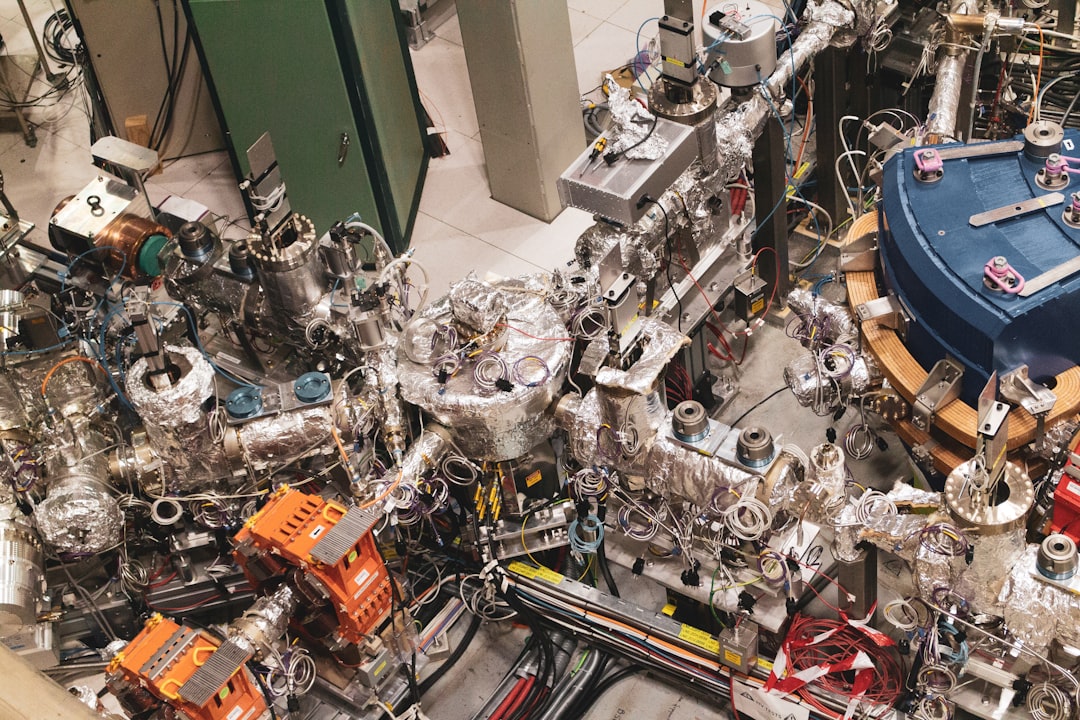
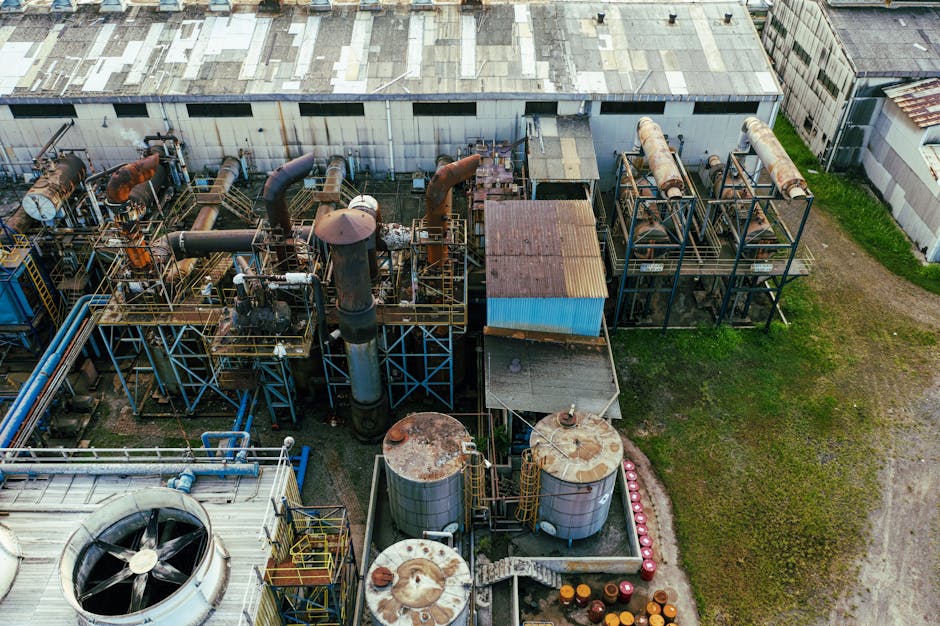
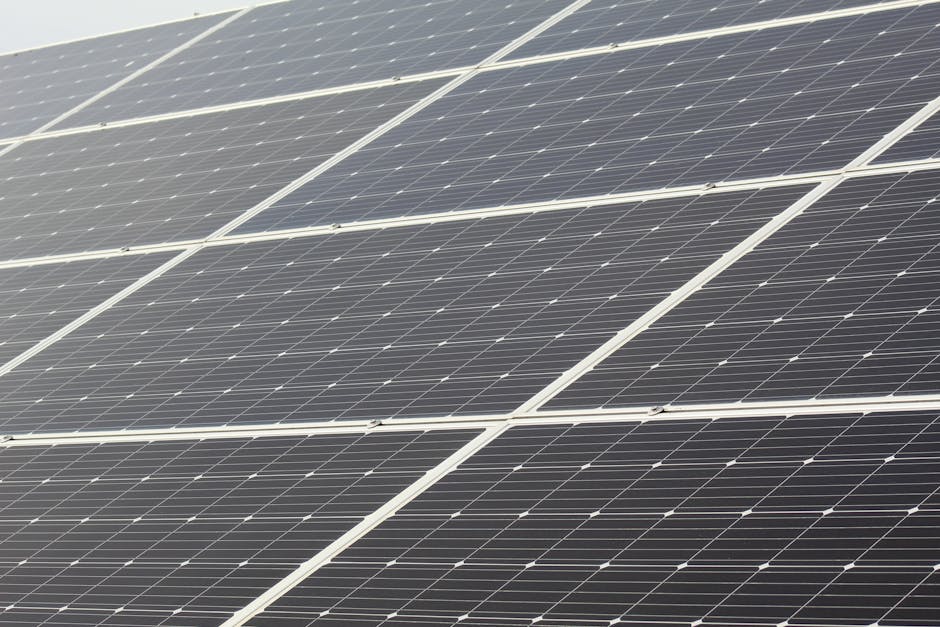
얼마 전 유럽의 한 에너지 컨퍼런스에서 흥미로운 장면이 화제가 됐어요. 독일의 한 연구원이 무대 위에서 소형 수전해 장치에 태양광 전력을 연결해 실시간으로 수소를 생산해 보이며 이렇게 말했다고 하죠. “이제 수소는 미래 에너지가 아니라, 오늘의 에너지입니다.” 단순한 퍼포먼스처럼 보였지만, 그 말에 담긴 맥락은 결코 가볍지 않습니다. 2026년 현재, 수전해(Water Electrolysis) 기술은 실험실 수준을 넘어 실제 산업 현장에 빠르게 스며들고 있고, 그린 수소 생산의 효율화를 둘러싼 경쟁은 그 어느 때보다 치열하게 전개되고 있거든요.
오늘은 수전해 기술이 어떻게 진화하고 있는지, 그리고 그린 수소 생산 비용을 낮추기 위한 글로벌 움직임이 어디까지 왔는지 함께 짚어보려 합니다.
📊 수전해 기술, 숫자로 보면 더 선명해집니다
수전해는 말 그대로 물(H₂O)에 전기를 가해 수소(H₂)와 산소(O₂)로 분리하는 기술이에요. 여기서 핵심 지표는 전력 소비량(kWh/kg H₂)과 전류 밀도(A/cm²), 그리고 시스템 효율(%)입니다.
알칼라인 수전해(AWE): 가장 오래된 방식으로 현재 kWh당 수소 생산 비용이 약 50~55 kWh/kg 수준. 내구성이 높고 초기 투자비가 낮은 편이에요.
PEM 수전해(양성자 교환막, PEMWE): 2026년 기준 상용 시스템에서 약 45~50 kWh/kg까지 효율이 개선됐습니다. 빠른 응답 속도 덕분에 재생에너지와의 연계에 최적화돼 있어요.
고체산화물 수전해(SOEC): 800°C 이상의 고온에서 작동하며 이론 효율이 최대 40 kWh/kg 이하로 떨어질 수 있는 차세대 기술입니다. 다만 내구성 문제가 여전히 상용화의 발목을 잡고 있는 상황이라고 봅니다.
음이온 교환막 수전해(AEMWE): AWE와 PEMWE의 장점을 결합한 방식으로, 귀금속 촉매 의존도를 낮춰 비용 절감 가능성이 크게 주목받고 있어요.
2026년 현재 그린 수소 생산 단가는 지역에 따라 차이가 있지만 평균적으로 약 3~5 USD/kg 수준까지 내려온 것으로 추정됩니다. 불과 5년 전만 해도 6~10 USD/kg에 달했던 것과 비교하면 상당히 유의미한 하락이라고 할 수 있죠. IEA(국제에너지기구)는 2030년까지 1~2 USD/kg의 ‘그린 수소 가격 목표’를 제시하고 있는데, 현재 속도라면 일부 재생에너지 풍부 지역에서는 충분히 달성 가능한 목표라고 봅니다.
🌍 국내외 사례 — 경쟁은 이미 시작됐습니다
독일 — 국가 수소 전략의 중심축 독일은 2026년 현재 유럽 최대 수전해 시설 중 하나인 ‘하이랜드 그린 수소 클러스터’를 본격 가동 중입니다. 해상풍력과 연계된 이 시설은 연간 약 3만 톤의 그린 수소 생산을 목표로 하고 있어요. 특히 독일은 PEM과 SOEC 기술의 하이브리드 적용을 통해 시스템 전체 효율을 극대화하는 방향으로 연구 개발을 집중하고 있는 것 같습니다.
대한민국 — 수소 경제 로드맵의 현재 좌표 국내에서는 한국에너지기술연구원(KIER)과 현대차그룹, 롯데케미칼 등이 수전해 기술 내재화에 속도를 내고 있어요. 2026년 기준 울산 수소 산업 클러스터를 중심으로 연간 1만 톤 규모의 그린 수소 생산 실증 프로젝트가 진행 중이며, 정부는 2030년까지 국내 그린 수소 생산 비중을 전체 수소 수요의 30% 이상으로 끌어올리겠다는 목표를 제시하고 있습니다. 다만 재생에너지 발전 단가와 전력망 안정성 문제가 아직 해결 과제로 남아 있는 것이 현실이에요.
오스트레일리아 — 그린 수소 수출국을 꿈꾸다 풍부한 태양광·풍력 자원을 바탕으로 호주는 ‘그린 수소 수출 강국’을 전략적 목표로 삼고 있습니다. 필바라(Pilbara) 지역에 조성 중인 대규모 수전해 단지는 일본과 한국을 주요 수출 대상으로 설정하고 있어요. 호주의 경우 재생에너지 원가 자체가 낮기 때문에, 생산된 그린 수소가 장거리 운송 비용을 감안하더라도 경쟁력을 가질 수 있다는 분석이 나오고 있습니다.
🔧 효율화를 가로막는 진짜 장벽은 무엇인가
기술 자체의 발전만큼이나 중요한 것이 바로 시스템 전체의 최적화라고 생각해요. 아무리 뛰어난 수전해 스택을 개발해도, 재생에너지의 간헐성(햇빛이 없거나 바람이 불지 않는 시간), 전력 변환 손실, 수소 저장·운송 인프라 부족 등의 문제가 맞물려 있기 때문입니다.
촉매 소재 비용: PEM 방식은 이리듐(Ir), 백금(Pt) 등 희귀 금속에 의존합니다. 이를 줄이기 위한 비귀금속 촉매 연구가 활발하게 진행 중이에요.
스택 내구성: 상업용 수전해 시스템은 통상 80,000시간 이상의 운전 수명이 요구되는데, 고온·고압 환경에서의 막(membrane) 열화 문제가 관건입니다.
전력 비용: 그린 수소 생산 비용의 약 60~70%가 전력 비용이에요. 결국 재생에너지 단가를 얼마나 낮출 수 있느냐가 그린 수소 경쟁력의 핵심 변수라고 봅니다.
규모의 경제(Scale-up): 소형 실증에서 대형 상용화로 넘어갈 때 발생하는 공학적 난제들이 아직 완전히 해결되지 않은 상황입니다.
💡 앞으로의 방향 — 현실적인 시각으로 보면
수전해 기술은 분명 빠르게 진보하고 있습니다. 하지만 그린 수소가 화석연료를 빠른 시일 내에 완전히 대체할 것이라는 낙관적 전망은 조금 조심스럽게 볼 필요가 있어요. 현실적으로는 철강, 화학, 해운, 항공 등 탈탄소화가 어려운 산업(hard-to-abate sector)부터 그린 수소가 먼저 침투할 가능성이 높다고 봅니다.
또한 전 세계적으로 수전해 제조 공급망이 빠르게 구축되고 있는 만큼, 2028~2030년을 기점으로 그린 수소 경제의 본격적인 전환점이 올 수도 있다는 시각도 주목할 만합니다. 기술의 문제만큼이나 정책, 금융, 인프라의 삼각 구도가 얼마나 정합적으로 맞물리느냐가 결국 속도를 결정하게 될 거예요.
에디터 코멘트 : 수전해와 그린 수소 이야기는 자칫 너무 거시적이고 멀게 느껴질 수 있어요. 하지만 지금 이 기술에 투자하고, 연구하고, 정책을 설계하는 사람들의 선택이 10년 후 우리가 어떤 에너지를 쓰고, 얼마를 내는지를 결정할 거라고 생각합니다. 개인 투자자라면 수전해 관련 소재·장비 기업들의 동향을, 정책 관계자라면 재생에너지 단가 인하와 수소 인프라 구축의 선후 관계를 면밀히 살펴볼 필요가 있다고 봐요. 그린 수소는 아직 ‘미완의 혁명’이지만, 그 방향만큼은 확실하게 정해진 것 같습니다.
Picture this: it’s early morning at a hydrogen refueling station in Seoul, and a fleet of heavy-duty trucks quietly pulls up to fuel. No exhaust fumes, no noise — just clean energy at work. Behind that quiet moment is an incredibly complex piece of engineering called the fuel cell stack, and the materials that make it work are evolving faster than most people realize. If you’ve been curious about where hydrogen energy is really headed, the answer lies deep in materials science — and 2026 is shaping up to be a genuinely pivotal year.
Why Stack Materials Are the Real Bottleneck
Let’s think through this together. A hydrogen fuel cell converts chemical energy into electricity through an electrochemical reaction. Sounds elegant, right? But inside the stack — the heart of any fuel cell system — you have membranes, catalysts, gas diffusion layers, and bipolar plates all working under extreme conditions: high humidity, temperature swings between -30°C and 90°C+, and constant electrochemical stress. The weakest material in that chain determines the system’s lifespan and efficiency. That’s why materials R&D isn’t just academic — it’s directly commercial.
As of 2026, the global hydrogen fuel cell market is projected to surpass $28 billion USD, with the stack component accounting for roughly 35–45% of total system costs. Bring that cost down, and hydrogen mobility becomes genuinely competitive with battery EVs on a total ownership basis. So what’s actually changing on the materials front right now?
For decades, Nafion — a sulfonated tetrafluoroethylene-based fluoropolymer — has been the gold standard for PEM fuel cell membranes. It’s chemically stable and highly proton-conductive, but it has real limitations: performance drops significantly above 80°C, and it’s expensive to produce at scale. Researchers and manufacturers have been working hard on alternatives, and 2026 has brought some notable developments:
High-Temperature PEM (HT-PEM) membranes based on polybenzimidazole (PBI) doped with phosphoric acid can now operate at 120–180°C, dramatically improving CO tolerance and simplifying cooling systems.
Hydrocarbon-based membranes (e.g., sulfonated polyether ether ketone, or SPEEK) are gaining traction as lower-cost, fluorine-free alternatives — important for both cost and recyclability.
Composite membranes incorporating graphene oxide or zeolite nanoparticles are showing improved mechanical durability without sacrificing proton conductivity — a classic materials science trade-off that’s finally being resolved.
Radiation-grafted membranes produced using electron-beam techniques are offering a scalable path to customized ion-exchange properties.
Catalyst Layers: Cutting Platinum Without Cutting Performance
Here’s one of the most fascinating challenges in this space. Platinum is the most effective catalyst for the oxygen reduction reaction (ORR) at the cathode, but it’s extraordinarily expensive and geographically concentrated. The goal in 2026 is reducing platinum group metal (PGM) loading from the current ~0.2 mg/cm² to below 0.1 mg/cm² without sacrificing power density. Several approaches are converging:
Platinum alloy catalysts (Pt-Co, Pt-Ni, Pt-Fe) offer higher mass activity — meaning you need less platinum to get the same reaction rate.
Core-shell nanoparticles, where a non-precious metal core is coated with a thin platinum shell, are showing promising durability results in accelerated stress tests.
Single-atom catalysts (SACs) — where individual metal atoms are anchored on carbon or nitrogen-doped carbon supports — represent the theoretical limit of catalyst efficiency. South Korean and Japanese research teams have published SAC results in 2026 with activity metrics previously thought impossible at room temperature.
PGM-free catalysts using iron-nitrogen-carbon (Fe-N-C) structures are maturing rapidly, though durability under real operating cycles remains an active research area.
Bipolar Plates: The Unsung Hero Getting an Upgrade
Bipolar plates distribute gases, manage water, and conduct electricity — they’re structurally critical and account for up to 80% of a stack’s total weight. Traditionally made from graphite (durable but heavy and brittle) or stamped stainless steel (lighter but prone to corrosion), the material landscape here is shifting noticeably in 2026:
Carbon composite bipolar plates combine conductivity and lightweight properties — key for vehicle applications where weight directly impacts range.
Titanium-based plates with DLC (Diamond-Like Carbon) coatings are entering commercial use, especially in premium automotive stacks, offering superior corrosion resistance and lower interfacial contact resistance.
Injection-molded thermoplastic composite plates are enabling high-volume, low-cost manufacturing — critical for reaching price parity with internal combustion engines.
Real-World Examples: Who’s Leading the Charge in 2026?
Let’s look at who’s actually translating these material advances into products and policies.
South Korea remains one of the most aggressive players. Hyundai’s XCIENT fuel cell trucks — now in their third-generation platform — use updated Pt-alloy catalyst layers developed in partnership with KAIST and POSTECH. Korea’s government has committed ₩2.5 trillion (~$1.8B USD) through 2030 specifically for hydrogen stack and material supply chain development under the Hydrogen Economy Roadmap 2.0.
Germany and the EU are pushing hard through the Clean Hydrogen Partnership, with companies like Greenerity (a Toray group company) and Freudenberg Performance Materials commercializing next-generation gas diffusion layers with optimized PTFE content for better water management in cold-start conditions — a major pain point for European climates.
China has become a significant force in PEM membrane production. Companies like Dongyue Group and Shandong Dongyue Future Hydrogen Energy Materials are scaling up domestic Nafion-alternative production, reducing dependency on imported fluoropolymers. China’s installed fuel cell vehicle fleet crossed 30,000 units in early 2026, creating real commercial feedback loops for materials improvement.
The United States, through DOE’s Hydrogen Shot initiative, has prioritized stack durability — specifically targeting a 25,000-hour operational lifetime for heavy-duty applications. 3M’s nanostructured thin film (NSTF) catalyst technology continues to be refined, and startups like Advent Technologies are pushing HT-PEM stacks into backup power and aviation markets.
Japan — home of the world’s most mature residential fuel cell market via ENE-FARM — has Toyota and Honda driving solid oxide fuel cell (SOFC) and next-gen PEM development. Toyota’s 2026 stack platform reportedly achieves a platinum loading reduction of 50% compared to its 2020 Mirai baseline.
Thinking Realistically: What This Means for You
If you’re a materials engineer, an investor, a policy analyst, or simply a curious reader trying to figure out where hydrogen fits in the energy transition — here’s the honest picture. We’re not at a point where hydrogen fuel cells are cost-competitive across all sectors yet. But the materials trajectory in 2026 is genuinely encouraging. The convergence of better membranes, leaner catalyst designs, and manufacturable bipolar plates is compressing the timeline to cost parity.
For those in adjacent industries — battery materials, automotive supply chains, or chemical processing — the crossover technologies are worth watching closely. Many of the nanoparticle synthesis techniques, coating processes, and ionomer chemistry being developed for fuel cells have direct applications elsewhere. This is one of those rare fields where basic materials research and commercial deployment are feeding each other in real time.
If you’re considering a career pivot or research focus, hydrogen stack materials sit at the intersection of electrochemistry, polymer science, and nano-engineering — a genuinely cross-disciplinary space where specialists from multiple fields can contribute meaningfully.
Editor’s Comment : The materials race inside a hydrogen fuel cell stack might not make headlines the way gigafactories do, but it’s arguably more consequential for the long-term viability of the hydrogen economy. Every 10% improvement in platinum utilization efficiency or every degree gained in membrane operating temperature ripples through cost structures, system designs, and infrastructure requirements. What excites me most about 2026 is that we’re no longer just reading about these breakthroughs in academic journals — we’re seeing them show up in commercial stacks, in fleet deployments, and in government procurement specs. That feedback loop is everything. Keep an eye on the materials layer; that’s where the hydrogen story is really being written.
몇 년 전만 해도 ‘수소차’는 자동차 전시회의 콘셉트 부스를 장식하는 먼 미래의 이야기처럼 느껴졌어요. 그런데 2026년 현재, 수소 버스가 서울 도심을 달리고 수소 트럭이 항만 물류를 담당하는 모습은 이제 낯설지 않습니다. 하지만 이 기술의 심장부, 즉 연료전지 스택(Fuel Cell Stack) 안을 들여다보면 여전히 치열한 소재 전쟁이 벌어지고 있다는 걸 알 수 있어요. 더 오래 버티고, 더 저렴하게 만들고, 더 효율적으로 전기를 뽑아내는 소재를 개발하는 것—이게 지금 전 세계 연구자들이 매달리고 있는 핵심 과제라고 봅니다.
오늘은 2026년 기준으로 연료전지 스택 소재 개발이 어떤 방향으로 흘러가고 있는지, 숫자와 사례를 통해 함께 살펴보도록 해요.
① 연료전지 스택, 왜 소재가 이렇게 중요한가요?
연료전지 스택은 수소와 산소를 전기화학 반응시켜 전기를 생산하는 장치예요. 구조를 단순화하면 막전극접합체(MEA, Membrane Electrode Assembly), 기체확산층(GDL, Gas Diffusion Layer), 분리판(Bipolar Plate)으로 구성됩니다. 이 세 가지 구성 요소 각각에 들어가는 소재의 성능이 곧 스택 전체의 출력·내구성·비용을 결정하는 구조예요.
현재 수소연료전지 시스템의 상용화를 가로막는 가장 큰 장벽 두 가지는 비용과 내구성으로 요약할 수 있어요. 미국 에너지부(DOE)가 설정한 2026년 목표 기준으로, 승용차용 연료전지 시스템의 목표 비용은 kW당 80달러 이하, 내구 수명은 8,000시간 이상입니다. 아직 상당수 상용 시스템이 이 두 목표를 동시에 달성하지 못하고 있는 상황이라, 소재 혁신이 필요한 이유가 여기에 있습니다.
② 2026년 기준 핵심 소재별 개발 동향
1) 촉매(Catalyst): 백금 사용량을 줄여라
MEA의 핵심인 촉매는 전통적으로 백금(Pt) 기반이에요. 문제는 백금이 금보다 비싼 귀금속이라는 점이죠. 현재 연구의 주류는 크게 두 갈래입니다. 첫째는 백금 합금 촉매(Pt-alloy)로, 백금에 코발트(Co), 니켈(Ni), 철(Fe) 등을 합금해 Pt 사용량을 줄이면서 활성도를 높이는 방식이에요. 2026년 기준으로 Pt-Co 합금 촉매는 순수 백금 대비 약 3~4배 높은 산소환원반응(ORR) 질량 활성도를 보여주고 있습니다. 둘째는 백금 저감(Low-Pt) 또는 비백금(PGM-free) 촉매 개발로, 철-질소-탄소(Fe-N-C) 계열 촉매가 특히 주목받고 있어요. 아직 내구성 면에서 백금계를 완전히 대체하진 못하지만, 2026년 현재 일부 연구 그룹에서 5,000시간 이상의 내구성 데이터를 확보하기 시작했다는 보고가 나오고 있습니다.
2) 고분자 전해질막(PEM): 불소 없이도 될까?
현재 상용화된 PEM의 표준은 듀폰(DuPont)의 나피온(Nafion) 계열 불소계 막이에요. 이온 전도성이 뛰어나고 내화학성이 강하지만, 제조 비용이 높고 100°C 이상 고온에서 성능이 급격히 저하된다는 단점이 있어요. 이를 극복하기 위해 두 가지 방향이 병행 연구 중입니다. 하나는 고온형 PEM(HT-PEM)으로, 폴리벤즈이미다졸(PBI) 기반의 막이 120~180°C에서도 안정적으로 작동해 연료 불순물(CO 등)에 대한 내성이 높습니다. 다른 하나는 탄화수소계 막(Hydrocarbon-based PEM)으로, 불소 없이 설폰산기를 도입해 비용을 낮추면서도 이온 전도성을 유지하는 방향이에요. 국내 연구진을 포함해 여러 그룹에서 0.1 S/cm 이상의 이온 전도도를 탄화수소계 막으로 달성했다는 결과들이 발표되고 있습니다.
3) 분리판(Bipolar Plate): 금속이냐, 탄소냐
분리판은 스택 전체 무게의 약 60~80%를 차지하는 부품이에요. 전통적인 흑연(graphite) 분리판은 내부식성이 우수하지만 무겁고 가공 비용이 높습니다. 이를 대체하는 금속계 분리판(스테인리스강, 티타늄 등)은 얇게 프레스 성형이 가능해 스택 소형화에 유리하지만 부식 문제가 있었어요. 2026년 현재 이 문제는 DLC(다이아몬드형 탄소) 코팅, TiN, CrN 기반 표면 처리 기술의 발전으로 상당히 해소된 상황이라고 봅니다. 특히 코팅 두께를 수백 나노미터 수준으로 정밀하게 제어하는 PVD(물리기상증착) 기술이 양산 공정에 적용되면서 내부식성과 전기전도성을 동시에 잡는 방향으로 가고 있어요.
③ 국내외 주요 사례: 누가 앞서가고 있나요?
국내에서는 현대자동차그룹이 자체 개발한 5세대 수소 연료전지 시스템을 기반으로 넥쏘(NEXO) 후속 모델 및 대형 상용차(엑시언트 수소트럭)에 탑재하는 스택을 꾸준히 개선 중이에요. 특히 금속 분리판 기반 박형 스택을 통해 단위 부피당 출력 밀도를 높이는 데 집중하고 있는 것으로 알려져 있습니다. 한국에너지기술연구원(KIER)과 한국과학기술연구원(KIST)에서도 비백금 촉매 및 탄화수소계 전해질막 관련 원천 기술 연구를 활발히 진행 중이에요.
해외에서는 토요타(Toyota)가 미라이(Mirai) 2세대에서 적용한 3D 미세유로 구조 전극 설계를 더욱 정교화하고 있으며, GM과 혼다의 합작법인인 Fuel Cell System Manufacturing(FCSM)은 2026년 현재 연간 수만 기 규모의 스택 양산 체계를 갖추고 비용 절감에 속도를 내고 있습니다. 소재 측면에서는 3M이 나노구조 박막 촉매(NSTF, Nanostructured Thin Film) 기술로 Pt 사용량을 기존 대비 대폭 줄인 MEA를 공급하고 있어요. 유럽에서는 독일 바이에른 주 수소 클러스터를 중심으로 엘링클링거(ElringKlinger), 지멘스 에너지(Siemens Energy) 등이 고온형 PEM 및 분리판 코팅 소재 개발을 이끌고 있다는 점도 주목할 만합니다.
④ 2026년 현재 가장 뜨거운 이슈: 내구성과 재활용
최근 소재 개발 트렌드에서 빼놓을 수 없는 키워드가 바로 내구성(Durability)과 순환경제(Circular Economy)예요. 아무리 성능이 좋아도 5,000시간 안에 열화되면 상용화 의미가 없고, 수명이 다한 MEA에서 백금을 회수·재활용하는 기술 없이는 진정한 친환경 에너지라고 부르기 어렵죠.
촉매 열화 억제: 백금 나노입자가 운전 중 뭉치는 오스트발트 숙성(Ostwald ripening) 현상을 막기 위해 코어-쉘(Core-Shell) 구조 촉매나 단원자 촉매(Single Atom Catalyst, SAC) 연구가 2026년 가장 활발한 분야 중 하나입니다.
막 핀홀(Pinhole) 방지: 고온·고습도 반복 조건에서 발생하는 막 핀홀은 스택 수명을 단축시키는 주범이에요. 세리아(CeO₂) 나노입자를 막에 분산시켜 과산화수소 라디칼을 포착하는 라디칼 스캐빈저 기술이 주목받고 있습니다.
GDL 소수성 코팅 내구성: 기체확산층의 PTFE 코팅이 장기 운전 중 벗겨지면 물 관리(Water Management)가 무너져요. 이를 해결하기 위한 내구성 높은 대체 소수성 코팅 소재 탐색이 진행 중입니다.
백금 회수 및 재활용: 폐MEA에서 습식 화학 공정이나 마이크로웨이브 소성법으로 백금을 90% 이상 회수하는 기술이 일부 기업에서 상용화 단계에 접어들고 있습니다.
무불소(Fluorine-free) 소재 전환 압박: EU의 PFAS(과불화화합물) 규제 강화 흐름이 나피온 기반 소재에 대한 대체 소재 개발을 더욱 가속화하고 있어요.
⑤ 앞으로의 전망: 2030년을 향한 로드맵
2026년 현재 수소 연료전지 스택 소재 분야는 단순한 연구 단계를 넘어 양산 적합성(Manufacturability)을 염두에 둔 개발로 무게중심이 이동하고 있다고 봐요. 실험실에서 성능이 좋아도, 롤투롤(Roll-to-Roll) 공정이나 고속 프레스 성형 공정에 적용 가능하지 않으면 상용화로 이어지지 않습니다. 앞으로의 핵심은 소재 성능-
Picture this: you’re driving through Incheon’s industrial corridor in early 2026, and instead of the usual smokestack silhouettes against the skyline, you notice sleek, low-profile structures humming quietly beside a wastewater treatment facility. No dramatic plumes of smoke, no roaring combustion — just steady, clean electricity flowing into the grid. That’s a hydrogen fuel cell power plant in action, and South Korea has been quietly building out one of the world’s most ambitious domestic fleets of them. But how far along are we really, and is the momentum enough to matter?
Let’s think through this together.
The Big Picture: South Korea’s Hydrogen Power Landscape in 2026
South Korea’s push into hydrogen fuel cell power generation didn’t happen overnight. It traces back to the government’s Hydrogen Economy Roadmap (first unveiled in 2019), which set ambitious capacity targets for stationary fuel cells. Fast-forward to 2026, and the cumulative installed capacity of fuel cell power plants in South Korea has crossed the 1.2 GW threshold — making it, by most credible industry estimates, one of the top three nations globally in stationary fuel cell deployment alongside the United States and Japan.
To put that in perspective, 1.2 GW is enough to power roughly 900,000 average Korean households. Not the whole country by a long shot, but a meaningful slice — and growing. The Ministry of Trade, Industry and Energy (MOTIE) has been pushing for 2.1 GW by 2030, meaning the current pace needs to accelerate significantly.
Key Deployment Numbers Worth Knowing
~1.2 GW of cumulative installed fuel cell capacity as of early 2026
Over 70 individual fuel cell power plants operating commercially across the country
Gyeonggi, Incheon, and South Chungcheong provinces lead in installed capacity
POSCO Energy (now re-branded under POSCO Holdings’ energy arm) and Doosan Fuel Cell remain the dominant domestic manufacturers
Average plant capacity ranges from 10 MW to 50 MW per site, with some clustered installations exceeding 100 MW
About 65% of plants are co-located with LNG infrastructure or wastewater treatment facilities for fuel/heat synergy
The government’s Renewable Portfolio Standard (RPS) assigns higher weights to fuel cells, which has driven private investment
Why Fuel Cells? The Logic Behind the Choice
Here’s a question worth asking: with solar and wind scaling up rapidly, why does South Korea keep doubling down on fuel cells? The honest answer is geography and grid reality. South Korea is a small, densely populated peninsula with limited land for utility-scale solar farms and inconsistent wind resources compared to, say, the North Sea corridor. Fuel cells, by contrast, offer dispatchable, 24/7 baseload power that can be sited in urban or semi-urban areas near demand centers — reducing transmission loss.
The thermal efficiency of modern molten carbonate fuel cells (MCFCs) and phosphoric acid fuel cells (PAFCs) used widely in Korea reaches 47–60% electrical efficiency, and when waste heat is recovered for district heating or industrial processes, overall system efficiency can hit 80–85%. That’s a genuinely hard number to beat with intermittent renewables alone.
Domestic & International Benchmarks
Let’s zoom out and compare.
Domestically, the Boryeong Fuel Cell Power Plant in South Chungcheong Province remains a flagship example — a 40 MW facility that has operated stably since 2022 and was expanded in 2025. It uses Doosan Fuel Cell’s PAFC units and feeds directly into KEPCO’s grid while supplying waste heat to nearby industrial users. The Incheon LNG Terminal complex hosts another cluster where fuel cells act as an on-site generation buffer, improving the terminal’s overall energy economics.
Internationally, South Korea often draws comparisons to California’s Self-Generation Incentive Program (SGIP), which has spurred fuel cell adoption at commercial and industrial sites. However, California’s deployment is far more distributed (smaller units at individual buildings) while Korea’s model favors utility-scale clusters — a key philosophical difference. Japan’s ENE-FARM program offers yet another contrast: highly distributed micro-CHP units (1–5 kW) at the residential level. Korea sits between these two poles but is clearly trending toward larger, centralized installations.
The Honest Challenges: It’s Not All Smooth Sailing
Here’s where we need to be real. The majority of South Korea’s fuel cell plants in 2026 still run on reformed natural gas — meaning the hydrogen they use is extracted from LNG on-site through steam methane reforming (SMR). This is often called “grey hydrogen” in industry parlance. While fuel cells are far cleaner than direct gas combustion at the point of use (dramatically lower NOx, near-zero particulates), the upstream carbon footprint remains significant without carbon capture.
The transition to green hydrogen (produced via electrolysis using renewable electricity) is the key inflection point everyone is watching. As of early 2026, less than 8% of Korea’s stationary fuel cell plants operate on certified green or blue hydrogen. The economics still don’t fully pencil out — green hydrogen costs remain roughly 2.5–3x higher than reformed gas hydrogen in the Korean market, though that gap is narrowing with electrolysis scale-up.
Realistic Alternatives and the Path Forward
So where does this leave us? If you’re a local government, industrial complex operator, or energy planner thinking about the next five years, here’s how to think about your options:
Hybrid fuel cell + solar/storage systems: Pair a mid-scale fuel cell (10–20 MW) with rooftop/carport solar and battery storage. The fuel cell handles baseload and night demand; solar handles peak daytime load. This is already being piloted in Sejong City’s smart grid zone.
LNG-to-hydrogen transition planning: If you’re locked into an LNG contract anyway, fuel cells with future hydrogen-blend capability make economic sense now. Doosan and POSCO’s newer PAFC units are rated for up to 30% hydrogen blending today, with roadmaps for 100% by 2028–2029.
Wastewater biogas integration: Several municipalities are already capturing biogas from sewage treatment and feeding it to fuel cells. This is arguably the cleanest near-term path — waste-derived, low-carbon, and it reduces methane emissions from wastewater plants simultaneously.
Wait-and-scale on green hydrogen: For new project planning beyond 2027, waiting for green hydrogen cost curves to decline further before locking in long-term fuel contracts may be the smartest financial play. The tipping point in Korea is projected between 2028 and 2031 by KOGAS research estimates.
The bottom line? South Korea’s fuel cell power sector in 2026 is a genuine success story in deployment terms — but it’s also at a critical crossroads. The hardware is proven, the grid integration works, and the domestic manufacturing ecosystem is globally competitive. What happens next depends almost entirely on how quickly green hydrogen economics improve and whether regulatory frameworks keep pace with the ambition.
It’s a fascinating space to watch — and honestly, to participate in if you’re in any part of the energy or municipal planning ecosystem.
Editor’s Comment : South Korea’s fuel cell story is one of those rare cases where industrial policy actually created a functioning industry — not just a government-subsidized bubble. The real test in the late 2020s will be whether the country can thread the needle between maintaining grid reliability and making the green hydrogen pivot without killing the economics that made fuel cells attractive in the first place. My honest take: the wastewater biogas pathway deserves far more attention than it’s currently getting. It’s not glamorous, but it may be the most pragmatic bridge to a genuinely low-carbon fuel cell future.
태그: [‘hydrogen fuel cell power plant’, ‘South Korea energy 2026’, ‘green hydrogen Korea’, ‘stationary fuel cell deployment’, ‘PAFC MCFC power generation’, ‘Korean energy transition’, ‘hydrogen economy roadmap’]
얼마 전 지인 한 명이 경기도 화성에 있는 공장 단지를 방문했다가 신기한 장면을 목격했다고 했어요. 거대한 굴뚝도, 매캐한 냄새도 없이 조용히 전기를 만들어내는 하얀 박스형 설비들이 나란히 줄지어 서 있었다고요. “저게 뭐냐”고 물었더니 관리자가 태연하게 “연료전지 발전소요”라고 답했다는 이야기였죠. 불과 몇 년 전만 해도 수소 연료전지 발전소는 뉴스에서나 보던 먼 이야기처럼 느껴졌는데, 어느새 우리 생활권 안에 조용히 자리 잡고 있는 겁니다.
그렇다면 2026년 현재, 국내 수소 연료전지 발전소는 실제로 얼마나 보급되어 있을까요? 막연하게 ‘늘고 있다’는 느낌이 아니라, 구체적인 숫자와 사례로 함께 살펴보겠습니다.
📊 2026년 국내 연료전지 발전 누적 설비용량 – 숫자로 읽는 현황
국내 수소 연료전지 발전은 크게 발전용(MW급 대형)과 건물·가정용(kW급 소형)으로 나뉩니다. 2026년 기준으로 보면, 발전용 연료전지의 누적 설비용량은 약 1,200MW(1.2GW) 이상에 달하는 것으로 추정됩니다. 이는 2020년 약 400MW 수준에서 불과 6년 만에 3배 가까이 성장한 수치예요.
정부는 ‘제10차 전력수급기본계획’ 및 수소경제 로드맵을 통해 2030년까지 발전용 연료전지 설비용량을 2.1GW까지 확대하는 목표를 설정했는데, 현재 보급 속도를 보면 목표치 달성이 현실적으로 가능한 궤도에 올라와 있다고 봅니다.
발전용 연료전지 누적 설비용량 (2026년 추정): 약 1,200MW 이상
운영 중인 대형 발전소 수: 전국 50여 개 이상 (수도권·충청·영남 집중)
연간 발전량: 약 6~7TWh 수준으로 국내 전체 발전량의 약 1% 내외
건물·가정용 연료전지 누적 보급 대수: 10만 대 돌파 목전
주요 사용 연료: 현재는 도시가스(천연가스) 개질 방식이 주류, 그린수소 전환은 점진적 진행 중
흥미로운 점은, 발전용 연료전지 설비의 80% 이상이 수도권과 충청권에 집중되어 있다는 겁니다. 이는 도시가스 인프라와의 연계, 전력 수요 집중 지역이라는 현실적인 이유 때문이라고 봅니다. 에너지 전환이 단순히 기술의 문제가 아니라 인프라 지리학의 문제이기도 하다는 걸 새삼 느끼게 되는 대목이에요.
🌏 국내외 대표 사례 – 누가 어디서 어떻게 쓰고 있나
[국내 사례]
국내에서 가장 주목받는 시설 중 하나는 경기 화성에 위치한 한국동서발전의 화성 연료전지 발전소입니다. 포스코에너지(현 한국퓨얼셀) 및 두산퓨얼셀이 공급한 PAFC(인산형 연료전지) 및 MCFC(용융탄산염형 연료전지) 스택을 기반으로 운영되고 있으며, 도심 인접 지역에서 분산 발전의 모범 사례로 꼽힙니다. 특히 폐열을 인근 공단의 열 수요에 공급하는 열병합(CHP, Combined Heat and Power) 방식을 적용해 에너지 효율을 80% 이상으로 끌어올린 점이 인상적이에요.
서울시는 노원·마포 등 자원회수시설(소각장)에 연료전지를 접목해 지역 에너지 자립도를 높이는 프로젝트를 지속 확대하고 있고, 인천시는 수도권매립지 바이오가스를 연료전지에 활용하는 시범사업을 추진 중입니다. 바이오가스 기반 연료전지는 ‘탄소중립 연료전지’로 분류될 수 있어 REC(신재생에너지 공급인증서) 가중치 측면에서도 유리한 구조라고 봅니다.
[해외 사례 비교]
미국 캘리포니아주는 Bloom Energy의 SOFC(고체산화물 연료전지)를 병원·데이터센터·마이크로그리드에 광범위하게 보급하고 있으며, 일본은 가정용 연료전지 시스템 ‘에네팜(ENE-FARM)‘의 보급 대수가 50만 대를 넘어선 지 오래입니다. 한국이 대형 발전용 연료전지에 강점을 보이는 반면, 일본은 소형 가정용 시장에서 세계 최고 수준의 보급률을 자랑한다는 점이 흥미로운 대조를 이룹니다.
이런 차이는 에너지 정책 방향과 소비 문화의 차이에서 비롯된다고 봐요. 한국은 중앙집중식 대형 발전에 익숙한 전력 계통 구조를 갖고 있는 반면, 일본은 지진 등 재해 대비 차원에서 분산 전원과 자립형 에너지 시스템에 대한 수요가 훨씬 높기 때문이죠.
⚠️ 현실적인 과제들 – 장밋빛 전망만은 아닌 이유
보급이 빠르게 늘고 있는 건 사실이지만, 몇 가지 구조적 한계는 솔직하게 짚어봐야 할 것 같아요.
연료 문제: 현재 발전용 연료전지의 대부분이 천연가스 개질 수소를 사용합니다. 이는 엄밀히 말해 완전한 탄소중립이 아니에요. 그린수소(재생에너지로 생산한 수소) 공급망이 충분히 갖춰지지 않는 한, ‘친환경 발전’이라는 수식어는 조건부로 봐야 합니다.
경제성 문제: 연료전지 발전의 균등화발전비용(LCOE)은 태양광·풍력 대비 여전히 높은 편입니다. 정부 REC 지원 없이는 수익성 확보가 어렵다는 점은 보급 확산의 지속 가능성에 물음표를 남깁니다.
국산화율 문제: 스택 핵심 소재(전해질막, 촉매 등)의 해외 의존도가 여전히 높아, 공급망 리스크가 잠재되어 있습니다.
🔮 앞으로의 방향 – 현실적인 대안은 무엇인가
2026년 현재, 수소 연료전지 발전소는 ‘먼 미래의 기술’이 아니라 현재 진행형 에너지 인프라로 자리매김했습니다. 하지만 진정한 의미의 청정 에너지로 기능하려면 몇 가지 전환이 필요하다고 봅니다.
첫째, 그린수소 공급망 확보입니다. 호주·중동 등 해외 그린수소 도입과 함께, 국내 재생에너지 잉여전력을 활용한 P2G(Power to Gas) 방식의 수전해 수소 생산 인프라를 병행 구축하는 전략이 현실적이라고 봅니다.
둘째, 소형 분산 발전 생태계 강화입니다. 일본의 에네팜 사례처럼 가정·건물용 소형 연료전지의 보급을 통해 에너지 자립도를 높이는 방향은 재해 대응력과 에너지 비용 절감 측면에서도 의미 있는 전략입니다.
셋째, 기술 국산화입니다. 두산퓨얼셀·한국퓨얼셀 등이 스택 자체 개발에 투자를 확대하고 있는 만큼, 핵심 소재의 국산화율을 높이는 정책적 지원이 지속되어야 보급 확산의 선순환이 가능할 겁니다.
에디터 코멘트 : 수소 연료전지 발전소 보급 현황을 들여다보면, 숫자는 분명 고무적입니다. 하지만 ‘수소’라는 단어 앞에 ‘그린’이 붙지 않는 한 진정한 에너지 전환이라고 보기엔 아직 갈 길이 있다고 봐요. 그렇다고 비관할 필요는 없습니다. 지금의 보급 속도와 기술 발전 궤적을 보면, 2030년대 초반에는 그린수소 기반 연료전지 발전이 경제성 있는 선택지로 올라설 가능성이 충분하다고 봅니다. 중요한 건 지금 이 과도기적 시간을 허투루 쓰지 않는 거겠죠.
Picture this: a wind farm off the coast of Denmark, its turbines spinning steadily in the North Sea breeze — but instead of just sending electricity to the grid, that power is being funneled into a massive electrolyzer facility, splitting seawater into hydrogen and oxygen. The hydrogen gets compressed, stored, and shipped to fuel trucks, trains, and industrial furnaces across Europe. No carbon emissions. No fossil fuels. Just physics and ingenuity at work.
That image isn’t science fiction anymore. By 2026, renewable-powered hydrogen production via electrolyzer technology has moved from pilot projects into genuine commercial-scale deployment — though the journey here has been bumpy, expensive, and full of hard-won lessons. Let’s think through what’s actually happening in this space, what the data tells us, and what it means for you whether you’re an investor, an engineer, or just someone curious about where energy is headed.
What Exactly Is an Electrolyzer, and Why Does It Matter?
Let’s start simple. An electrolyzer is a device that uses electricity to split water (H₂O) into hydrogen (H₂) and oxygen (O₂) through a process called electrolysis. When that electricity comes from renewable sources like solar or wind, the resulting hydrogen is called green hydrogen — as opposed to gray hydrogen (from natural gas) or blue hydrogen (natural gas with carbon capture).
Why does this matter? Because hydrogen is an incredibly versatile energy carrier. It can decarbonize sectors that are notoriously hard to electrify directly — think steel manufacturing, long-haul shipping, aviation, and chemical production. The electrolyzer is essentially the gateway technology that makes all of this possible.
There are three main electrolyzer types worth knowing:
Alkaline Electrolyzers (AEL): The oldest and most mature technology. They use a liquid alkaline solution (typically potassium hydroxide) as the electrolyte. Reliable and relatively cheap, but slower to respond to fluctuating renewable power inputs.
Proton Exchange Membrane (PEM) Electrolyzers: More dynamic and compact, able to handle the variable output of wind and solar with greater flexibility. Currently more expensive per megawatt of capacity, but costs are falling fast. Companies like ITM Power (UK) and Nel ASA (Norway) are leaders here.
Solid Oxide Electrolyzers (SOEC): Operate at high temperatures (700–900°C), making them highly efficient — but they’re still largely in the demonstration phase for large-scale use. Bloom Energy and Topsoe are pushing this frontier in 2026.
The Numbers: Where Does the Industry Actually Stand in 2026?
Here’s where things get genuinely exciting — and sobering at the same time. According to the International Energy Agency’s 2025 Hydrogen Report, global electrolyzer capacity installed reached approximately 25 GW by end of 2025, up from just 1 GW in 2021. That’s a remarkable trajectory, but the IEA’s Net Zero by 2050 scenario requires around 850 GW by 2030 — which means we’re still dramatically behind pace.
Cost-wise, the progress has been real but uneven:
PEM electrolyzer system costs have dropped from roughly $1,200–1,500/kW in 2020 to approximately $550–750/kW in early 2026, driven by manufacturing scale-up in China and Europe.
The levelized cost of green hydrogen (LCOH) in the best locations — think Chile’s Atacama Desert or Australia’s sun-drenched northwest — has reached $2.50–3.50/kg, edging closer to the $2/kg threshold often cited as the tipping point for wide competitiveness.
In regions with less ideal renewable resources, costs remain higher, often $4–6/kg, which is still challenging against fossil-based alternatives.
The key insight? Geography still matters enormously. Electrolyzer technology can only be as green — and as cost-effective — as the renewable energy feeding it.
Global Examples: Who’s Leading and What Can We Learn?
Let’s ground this in real-world cases from around the globe.
🇩🇪 Germany – HyDeal Deutschland: One of Europe’s most ambitious projects, this consortium is targeting 4 GW of electrolysis capacity connected directly to dedicated offshore wind assets in the North Sea. The “direct coupling” approach — where electrolyzers sit right next to the renewable source — reduces transmission losses and simplifies permitting. As of early 2026, the first 400 MW phase is under construction.
🇦🇺 Australia – Asian Renewable Energy Hub (AREH): Located in Western Australia, this project aims to produce green hydrogen and ammonia for export to Japan and South Korea. With over 26 GW of combined wind and solar capacity planned, it’s arguably the world’s most ambitious single green hydrogen hub. The first shipments of green ammonia (a hydrogen carrier) departed in late 2025.
🇨🇳 China – SINOPEC Kuqa Project: China continues to dominate electrolyzer manufacturing, and the Kuqa facility in Xinjiang — with 260 MW of alkaline electrolysis — remains one of the world’s largest operational green hydrogen plants. Importantly, China’s electrolyzer manufacturing costs are roughly 30–40% lower than Western equivalents, which is reshaping global supply chains and sparking policy debates in the EU and US.
🇰🇷 South Korea – H2Korea Initiative: South Korea, lacking abundant domestic renewable resources, is pursuing an import-led strategy. Korean companies like Hyundai and POSCO are investing in electrolyzer technology while simultaneously securing long-term green hydrogen supply contracts with Australia and the Middle East. This dual-track approach — build domestic tech, import the fuel — is a smart hedge worth watching.
The Real Bottlenecks: It’s Not Just the Electrolyzer
Here’s something that often gets lost in the enthusiasm: the electrolyzer itself is frequently not the biggest problem. Let’s think through the full system:
Renewable electricity availability: Electrolyzers need to run at high capacity factors to be economical. But wind and solar are intermittent. Pairing electrolyzers with storage or grid backup adds cost and complexity.
Water supply: Electrolysis consumes significant amounts of purified water — roughly 9 liters per kilogram of hydrogen. In arid regions where solar is abundant, water scarcity is a genuine constraint. Desalination adds cost and energy demand.
Hydrogen storage and transport: Hydrogen is the smallest molecule, meaning it leaks easily and requires either high-pressure compression, liquefaction (at -253°C), or chemical conversion to ammonia or methanol for practical transport. Each step adds cost and energy loss.
Grid infrastructure and permitting: Connecting large electrolyzer facilities to renewable power — and then to end-users — involves years of permitting, grid upgrades, and pipeline development. Bureaucratic timelines remain a major drag.
Stack degradation: Electrolyzer stacks degrade over time, reducing efficiency. PEM stacks typically need replacement or refurbishment every 7–10 years. Managing this lifecycle cost is critical for project economics.
Realistic Alternatives: Not Everyone Needs Gigawatt-Scale Green Hydrogen
This is where I want to have an honest conversation, because the green hydrogen narrative can sometimes feel like an all-or-nothing proposition. It doesn’t have to be.
If you’re thinking about this from a business, policy, or investment angle, consider these more grounded entry points:
On-site industrial hydrogen replacement: Many chemical plants and refineries already use large amounts of gray hydrogen. Replacing that with on-site green hydrogen production — using an electrolyzer powered by a dedicated rooftop or adjacent solar installation — is a much more tractable first step than building export terminals.
Hydrogen blending in gas networks: Several European utilities are already blending 5–20% hydrogen into natural gas pipelines. While this doesn’t fully decarbonize, it uses existing infrastructure and creates demand that justifies early electrolyzer investment.
Green ammonia for agriculture: Ammonia is the backbone of synthetic fertilizers. Green ammonia — made from green hydrogen — is commercially viable in the best renewable resource zones today, and represents a massive near-term market that doesn’t require building an entirely new hydrogen transport infrastructure.
Fuel cell microgrids for remote communities: Small-scale electrolyzers paired with solar and fuel cells can provide reliable, clean power to off-grid communities — particularly relevant in island nations, remote mining operations, and rural areas in developing countries.
The point is: you don’t have to wait for the “perfect” gigawatt-scale green hydrogen economy to materialize. There are scalable, commercially viable niches available right now.
Editor’s Comment : Green hydrogen via renewable electrolyzer technology is one of those rare energy stories where the physics is sound, the economics are genuinely improving, and the need is undeniable — yet the timeline remains stubbornly challenging. The 2026 landscape shows us a technology that has cleared proof-of-concept and is well into commercial adolescence, but hasn’t yet reached mass-market maturity. The smartest move, whether you’re a policymaker, entrepreneur, or curious citizen, is to focus on the specific use cases where the numbers already work — industrial decarbonization, ammonia production, and off-grid applications — rather than waiting for a universal green hydrogen utopia. The electrolyzer is real, it works, and it’s getting better. The question now is less about the technology and more about the ecosystem around it: finance, regulation, infrastructure, and international cooperation. That’s where the real work of 2026 is happening.
태그: [‘green hydrogen 2026’, ‘electrolyzer technology’, ‘renewable energy hydrogen production’, ‘PEM electrolyzer’, ‘clean energy transition’, ‘hydrogen economy’, ‘electrolysis water splitting’]
얼마 전 지인 한 분이 이런 말을 했어요. “전기료는 오르는데 수소차는 충전소도 없고, 도대체 수소경제는 언제 오는 건가요?” 사실 이 질문, 굉장히 핵심을 찌르는 말이라고 봐요. 수소 경제의 핵심은 결국 ‘얼마나 싸고, 깨끗하게 수소를 만들 수 있느냐’에 달려 있거든요. 그리고 그 중심에 바로 전해조(Electrolyzer) 기술이 있습니다. 오늘은 재생에너지와 연결된 수소 생산 전해조 기술을 함께 뜯어보면서, 왜 지금이 이 기술의 분기점인지 살펴보려고 해요.
① 전해조란 무엇인가 — 물을 쪼개는 기계의 원리
전해조는 간단히 말해 전기를 이용해 물(H₂O)을 수소(H₂)와 산소(O₂)로 분리하는 장치입니다. 이 과정을 ‘수전해(Water Electrolysis)’라고 부르는데요. 재생에너지(태양광·풍력 등)에서 생산된 전기를 사용하면 탄소 배출 없이 수소를 만들 수 있어서 ‘그린수소’라고 부릅니다. 현재 전 세계 수소 생산의 약 96%는 천연가스 개질 방식(그레이·블루수소)에 의존하고 있는데, 이를 그린수소로 전환하는 열쇠가 바로 전해조 기술인 것이죠.
② 전해조의 3가지 핵심 기술 비교
현재 상용화 단계이거나 빠르게 부상하고 있는 전해조 방식은 크게 세 가지라고 볼 수 있어요.
알칼라인 전해조 (AWE, Alkaline Water Electrolyzer): 가장 역사가 오래된 방식으로, 수십 년간 산업 현장에서 검증된 기술입니다. 설비 비용이 상대적으로 낮고 내구성이 뛰어나요. 단, 부하 변동에 취약해 재생에너지처럼 출력이 불규칙한 전원과 연동하기엔 다소 불리한 면이 있습니다. 효율은 약 60~70% 수준.
PEM 전해조 (Proton Exchange Membrane): 고분자 이온교환막을 사용하는 방식으로, 빠른 응답 속도 덕분에 재생에너지의 간헐성을 잘 흡수합니다. 소형화 및 고압 수소 생산이 가능하다는 장점이 있지만, 이리듐(Ir)과 같은 희소금속 촉매를 필요로 해 비용이 높아요. 효율은 약 65~80%.
SOEC (고체산화물 전해조): 600~900℃의 고온에서 작동하는 차세대 기술입니다. 이론적으로 가장 높은 효율(80~90% 이상)을 달성할 수 있고, 증기(Steam) 형태의 물을 사용해 산업 공정 폐열과 결합할 경우 경제성이 대폭 향상됩니다. 아직 내구성·상용화 과제가 남아 있어요.
③ 2026년 기준 글로벌 시장 수치로 보는 전해조 현황
2026년 현재, 전 세계 전해조 설치 용량은 누적 기준 약 25~30GW를 넘어서는 수준으로 추정되고 있어요(IEA 및 BloombergNEF 전망치 기반). 2022년만 해도 전 세계 누적 용량이 1GW 미만이었다는 점을 감안하면 폭발적인 성장세라고 볼 수 있습니다. 그린수소 생산 비용도 빠르게 하락해, 2022년 kg당 약 5~8달러 수준이던 것이 2026년 현재 일부 재생에너지 자원이 풍부한 지역(칠레, 호주, 중동 등)에서는 kg당 3달러 내외까지 낮아진 사례가 보고되고 있어요. 목표인 ‘수소 1달러'(Hydrogen Shot)에는 아직 거리가 있지만, 비용 곡선이 꺾이기 시작했다는 점은 분명해 보입니다.
④ 국내외 주요 사례 — 지금 어디까지 왔나
[해외] 노르웨이의 Nel ASA와 미국의 Plug Power는 대형 PEM 전해조 공급에서 글로벌 선두를 유지하고 있어요. 특히 독일은 ‘국가 수소 전략 2.0’을 통해 2026년까지 자국 내 10GW 이상의 전해조 설치를 목표로 공격적인 투자를 이어가고 있습니다. 사우디아라비아의 NEOM 프로젝트는 태양광·풍력과 연계한 대규모 그린수소 생산 허브로 주목받고 있는데, AWE 기반의 대형 전해조 설비가 이미 가동 단계에 진입한 것으로 알려져 있어요.
[국내] 현대차그룹, SK E&S, 롯데케미칼, 한화솔루션 등 국내 대기업들이 전해조 기술 및 그린수소 밸류체인에 적극 뛰어들고 있습니다. 특히 정부의 ‘청정수소 인증제’ 도입으로 그린수소에 대한 기준이 명확해지면서 투자 불확실성이 줄어드는 추세예요. 국내 스타트업 중에서는 한국에너지기술연구원(KIER)과 협력한 알칼라인·AEM(음이온교환막) 전해조 국산화 연구가 2026년 현재 상당한 성과를 내고 있다고 봅니다.
⑤ 가장 현실적인 장벽 — ‘비용’과 ‘소재’
전해조 기술에서 가장 큰 병목은 촉매 소재의 희소성과 초기 설비 투자비라고 할 수 있어요. PEM 전해조에 사용되는 이리듐(Ir)은 연간 전 세계 생산량이 약 7~8톤에 불과해, PEM 전해조가 GW 단위로 확대될 경우 소재 공급망이 심각한 병목이 될 수 있다는 우려가 나오고 있습니다. 이를 해결하기 위해 이리듐 사용량을 줄인 저귀금속 촉매 개발이나, 아예 귀금속 없이 작동하는 AEM(음이온교환막) 전해조가 차세대 대안으로 급부상하는 이유도 여기에 있어요.
결론 — 전해조 기술이 만들어갈 2026년 이후의 풍경
전해조 기술은 단순한 화학 장치가 아니라, 재생에너지를 ‘저장 가능한 연료’로 전환하는 변환기라고 보는 게 더 정확한 것 같아요. 태양광·풍력이 넘쳐날 때 남는 전기로 수소를 만들고, 그 수소를 필요한 시점에 발전·산업·운송에 투입하는 구조야말로 진정한 에너지 전환의 퍼즐 조각을 완성하는 방식이라고 생각합니다.
일반 독자 입장에서 지금 당장 할 수 있는 현실적인 관점은 이렇습니다. 수소 관련 투자나 관심을 가질 때, ‘수소’ 자체보다 전해조·막(Membrane)·촉매 소재 등 업스트림 기술에 주목하는 것이 더 본질에 가까운 접근이라고 봐요. 마치 골드러시 때 금을 캐는 사람보다 곡괭이를 파는 사람이 더 안정적으로 돈을 벌었던 것처럼요.
에디터 코멘트 : 그린수소는 아직 ‘비싸고 느린’ 기술처럼 느껴질 수 있어요. 하지만 반도체·배터리도 초창기엔 그랬습니다. 전해조 기술의 핵심 경쟁력은 결국 소재 국산화와 스택 설계 효율에서 갈릴 것이라고 봐요. 한국이 배터리에서 보여준 제조 역량을 전해조 분야에서도 발휘할 수 있다면, 2026년 이후의 그린수소 시장에서 충분히 의미 있는 플레이어가 될 수 있지 않을까 기대해 봅니다.
Picture this: a small ceramic disc, no bigger than a coin, sitting at the heart of a power generator that runs quietly, efficiently, and cleanly — no combustion, no turbines, just electrochemical magic. That little disc is the electrolyte in a Solid Oxide Fuel Cell (SOFC), and right now, researchers around the world are betting big that perovskite-structured materials are the key to making this technology genuinely commercially viable. If you’ve been following the clean energy space even casually, you’ve probably heard the buzz. But let’s slow down and actually think through what’s happening, why it matters, and whether the hype is justified.
What Exactly Is a Perovskite, and Why Does It Matter for SOFCs?
Let’s start from the ground up. A perovskite is not a single material — it’s a crystal structure type, defined by the general formula ABO₃, where A and B are cation sites occupied by different metal elements, and O is oxygen. The magic of this structure lies in its almost infinite compositional flexibility: you can substitute different elements at the A or B site and dramatically tune the material’s ionic conductivity, thermal expansion, and chemical stability.
In an SOFC, the electrolyte’s job is to shuttle oxygen ions (O²⁻) from the cathode to the anode — and do it efficiently at high temperatures, typically between 600°C and 900°C. The traditional go-to material has been Yttria-Stabilized Zirconia (YSZ), which has served the field well for decades. But YSZ has a limitation: it really only hits its stride above 700°C, which means the whole system needs to run hot, leading to expensive balance-of-plant components and slower startup times.
This is precisely where perovskites enter the conversation. Certain perovskite compositions — particularly those based on barium zirconate (BaZrO₃), barium cerate (BaCeO₃), and their solid solutions — show proton conductivity at intermediate temperatures (400–700°C), potentially unlocking a new generation of lower-temperature SOFCs.
The Data Behind the Promise: Where Perovskites Outperform
Let’s look at some numbers, because that’s where the story really gets interesting. Research published in early 2026 from multiple groups has consolidated some compelling performance benchmarks:
BaZr₀.₈Y₀.₂O₃₋δ (BZY20) — one of the most studied proton-conducting perovskites — achieves ionic conductivity values of approximately 10⁻² S/cm at 600°C, compared to YSZ which typically delivers around 10⁻³ S/cm at the same temperature. That’s a full order of magnitude difference.
Mixed proton-electron conductors like BaCo₀.₄Fe₀.₄Zr₀.₁Y₀.₁O₃₋δ (BCFZY) have demonstrated peak power densities exceeding 1.3 W/cm² at 600°C in symmetrical cell configurations, a benchmark that was nearly unthinkable five years ago.
Thermal expansion coefficients of well-optimized perovskite electrolytes (around 9–11 × 10⁻⁶ K⁻¹) are becoming increasingly compatible with electrode materials, which historically caused delamination and cracking during thermal cycling.
Grain boundary resistance — historically perovskites’ Achilles’ heel — has been dramatically reduced through sintering aid strategies (e.g., adding small amounts of ZnO or NiO) and advanced spark plasma sintering (SPS) techniques, pushing grain boundary conductivity to near-bulk levels.
These aren’t just lab curiosities anymore. The trajectory of improvement is steep enough that several industry analysts are now projecting perovskite-based protonic ceramic fuel cells (PCFCs) could reach stack-level demonstrations at kilowatt scale by late 2026 or 2027.
International and Domestic Research Landscapes in 2026
The research activity on this topic is genuinely global, which tells you something about its perceived importance. Let me walk you through some of the most significant players and what they’re doing differently.
South Korea has emerged as one of the most aggressive investors in this space. KIST (Korea Institute of Science and Technology) and POSTECH have both active perovskite electrolyte programs, with particular focus on co-doping strategies at the B-site to simultaneously optimize proton conductivity and chemical stability in CO₂-rich environments — a critical real-world concern since fuel reformate gases always contain CO₂, which can carbonate barium-containing perovskites and degrade performance. The Korean government’s Hydrogen Economy Roadmap has funneled significant R&D funding into this exact problem.
In the United States, groups at MIT, Stanford, and the Colorado School of Mines have been pushing the envelope on thin-film perovskite electrolytes — depositing electrolyte layers as thin as 1–3 micrometers using pulsed laser deposition (PLD) and atomic layer deposition (ALD). The thinner the electrolyte, the lower the ohmic resistance, which means the cell can operate at even lower temperatures. MIT’s 2025–2026 results on anode-supported cells with sub-2-μm BZY electrolytes showed exceptional performance stability over 1,000-hour tests.
Germany and the EU — through the Horizon Europe framework — are funding cross-institutional projects (notably the GAIA-X Hydrogen Cluster collaborations) that are trying to connect perovskite electrolyte R&D directly to manufacturing scale-up. Companies like Sunfire GmbH are watching these developments closely, as they could future-proof their SOFC stacks for lower operating temperatures.
China’s contributions shouldn’t be underestimated. Groups at Tsinghua University and Huazhong University of Science and Technology have been prolific publishers on A-site deficiency engineering in perovskites — deliberately creating vacancies on the A-site to tune sintering behavior and ionic conductivity simultaneously. Their output in 2025–2026 has been particularly focused on scaling fabrication from lab-scale pellets to tape-cast sheets suitable for stack assembly.
The Honest Challenges: Not All That Glitters Is Perovskite
It would be intellectually dishonest not to flag the real hurdles here, because this is genuinely where the field needs to do more work before commercialization becomes realistic.
Chemical stability in CO₂ and H₂O: Barium-rich perovskites are notoriously prone to forming BaCO₃ and Ba(OH)₂ surface phases under operating conditions. These secondary phases block ionic transport pathways and degrade cell performance over time. No fully satisfying solution exists yet, though Zr-rich compositions and surface coatings are showing promise.
Sintering temperature mismatch: Dense, gas-tight perovskite electrolytes typically require sintering above 1400°C, which is incompatible with co-sintering alongside Ni-based cermet anodes (which densify at lower temperatures). This forces multi-step firing processes that complicate manufacturing and add cost.
Scale-up from pellet to tape: Most impressive performance data comes from small, carefully prepared pellets in laboratory settings. Translating those results to large-area, defect-free thin sheets through tape casting or screen printing — without cracking, warping, or compositional gradients — remains a serious engineering challenge.
Long-term stability data: Many exciting 2026 results are still reporting 500–1,000-hour durability tests. For commercial applications, you realistically need 40,000+ hours. The community is aware of this gap.
Realistic Alternatives and Complementary Approaches Worth Watching
If you’re a researcher, engineer, or investor evaluating where to focus energy in this space, it’s worth knowing that perovskites don’t exist in a vacuum — there are complementary and competing electrolyte strategies worth benchmarking against:
Scandia-stabilized zirconia (ScSZ): Higher conductivity than YSZ at intermediate temperatures, more mature manufacturing base, but expensive due to scandium cost.
Gadolinium-doped ceria (GDC/CGO): Excellent oxide ion conductivity below 600°C, but suffers from electronic leakage under reducing atmospheres at the anode side, reducing open-circuit voltage. Often used as a bilayer with YSZ to combine advantages.
Lanthanum silicate apatites: An emerging class with genuinely interesting anisotropic conductivity and good stability, but still early-stage compared to perovskites.
Hybrid perovskite-fluorite composites: Some researchers are blending perovskite phases with fluorite-structured oxides to get the best of both — this is a particularly active area in 2026 and worth tracking.
The honest advice? If you’re building a research program from scratch today, a perovskite-first approach with a GDC comparison baseline is probably the smartest strategic position. You get the upside optionality of proton conductors while staying grounded in a well-understood reference material.
The broader picture here is genuinely exciting. We’re at a moment where the fundamental science of perovskite electrolytes is mature enough to see real performance gains, but immature enough that there are still major breakthroughs to be made — particularly around stability and manufacturability. That’s the sweet spot for impactful research. Whether you’re a materials scientist, a clean energy entrepreneur, or just someone who finds solid-state electrochemistry fascinating (guilty as charged), 2026 feels like a genuinely pivotal year in this story. The ceramic disc in that imaginary fuel cell might be smaller, cooler, and more durable than ever before — and perovskites are a big reason why.
Editor’s Comment : What strikes me most about the perovskite electrolyte story is that it’s fundamentally a tale about tunable complexity — the fact that one crystal structure template can yield such wildly different properties depending on what you put into it is both scientifically beautiful and practically powerful. The field’s challenge now isn’t imagination; it’s engineering patience. The researchers who crack the stability and scale-up problems won’t just publish good papers — they’ll help decarbonize industrial heat and distributed power generation at a scale that actually moves the needle on climate. That’s worth staying curious about.
Picture this: it’s a cold January morning in 2026, and a cargo ship quietly docks at the Port of Rotterdam — not carrying oil or LNG, but liquid organic hydrogen carriers (LOHCs) loaded in South Korea just two weeks prior. No massive pressure vessels, no cryogenic nightmares, just a stable, amber-colored liquid that looks almost like motor oil. This is the new hydrogen economy in action, and it’s happening faster than most people realize.
For years, hydrogen energy suffered from what engineers half-jokingly called the “chicken-and-egg” problem: why build infrastructure if there’s no hydrogen supply, and why produce hydrogen if there’s nowhere to store or ship it? In 2026, that deadlock is finally cracking open — thanks to a wave of innovation in how we store and transport hydrogen safely, efficiently, and at scale.
Let’s think through this together, because the technical nuances here actually determine whether hydrogen becomes the backbone of clean energy or just another promising idea that fizzled out.
Why Storage and Transport Were Always the Hard Part
Hydrogen is the most abundant element in the universe, yet incredibly difficult to handle. At room temperature and pressure, it’s an ultra-low-density gas — you’d need about 3,000 liters of hydrogen gas to match the energy in a single liter of gasoline. That’s a logistical nightmare on its own. The traditional solutions — compressing it to 700 bar or cooling it to -253°C as liquid hydrogen — work, but come with staggering energy penalties and infrastructure costs.
Here’s the core trade-off breakdown:
Compressed Hydrogen (350–700 bar): Widely used in fuel cell vehicles today, but compression alone consumes roughly 10–15% of the hydrogen’s energy content. High-pressure tanks are also expensive and require robust safety protocols.
Liquid Hydrogen (LH₂): Energy-dense but requires cooling to near absolute zero (-253°C). The liquefaction process burns up to 30–35% of the hydrogen’s energy. It also evaporates (“boil-off”) over time during transport.
Liquid Organic Hydrogen Carriers (LOHCs): Hydrogen is chemically bonded to a carrier oil (typically dibenzyltoluene). Transported at ambient conditions, released on demand via dehydrogenation. Energy loss exists in the release step, but the logistics are dramatically simpler.
Ammonia (NH₃) as a Hydrogen Vector: Ammonia is 17.6% hydrogen by weight and can be transported using existing infrastructure. However, “cracking” ammonia back into hydrogen requires energy and produces NOx if burned directly.
Metal Hydrides & Advanced Solid-State Storage: Hydrogen absorbed into metallic alloys — safe, compact, but traditionally heavy and slow to release hydrogen.
The 2026 Landscape: What’s Actually New?
This year, three major technological shifts are reshaping the conversation in meaningful, measurable ways:
1. Next-Generation Solid-State Hydrogen Storage In early 2026, Toyota and a consortium of Japanese materials companies announced a breakthrough in magnesium-based nanocomposite hydrides that achieve a gravimetric density of 6.5 wt% hydrogen — close to the U.S. DOE’s long-standing target of 6.5 wt% for onboard vehicle storage. More critically, these materials now release hydrogen at temperatures below 150°C (previous generations required 300°C+), making them compatible with fuel cell waste heat. This changes the calculus for heavy-duty trucks and trains significantly.
2. LOHC Infrastructure Going Commercial Germany’s Hydrogenious LOHC Technologies, in partnership with Hydrogen Europe, began operating the world’s first commercial-scale LOHC supply chain in Q1 2026, shipping hydrogen from renewable energy hubs in North Africa to industrial users in Bavaria. The system transports hydrogen at 57 kg H₂ per cubic meter of carrier fluid — using the same tank trucks and port equipment already handling petroleum products. The reusability of the carrier oil (cycling it back after dehydrogenation) is a genuine game-changer for cost reduction.
3. Cryogenic Transport Getting Smarter Japan’s Kawasaki Heavy Industries, which launched its first liquid hydrogen carrier vessel back in 2022, has now scaled up with a new-generation ship that reduces boil-off losses from the previously problematic 0.3–0.4% per day down to under 0.1% per day, thanks to advanced vacuum-insulated double-wall tank systems. Their Kobe-to-Australia route is now moving 225 tonnes of LH₂ per voyage.
Real-World Examples: Who’s Leading the Charge?
South Korea — Domestic: POSCO Holdings and Hyundai Motor Group launched a joint “H2 Mobility Corridor” in 2026, spanning the western coast industrial belt from Incheon to Gwangyang. The corridor integrates LOHC transport from offshore wind-powered electrolysis plants, with dehydrogenation stations supplying both industrial users (steel production) and a fleet of 3,000+ hydrogen fuel cell trucks. The Korean government’s backing through the Hydrogen Economy Promotion Act has created a regulatory framework that other nations are now studying closely.
European Union — Regional: The EU’s Hydrogen Backbone Initiative, targeting a 53,000 km repurposed natural gas pipeline network dedicated to hydrogen by 2040, hit a critical milestone in 2026: the first 1,200 km stretch connecting Rotterdam to the Ruhr Valley industrial region went live in March. Blending hydrogen into existing gas grids (up to 20% by volume) is serving as a pragmatic bridge strategy while dedicated infrastructure matures.
Australia — Export Hub: The Pilbara region of Western Australia, blessed with exceptional solar irradiance, is now home to the largest green hydrogen production-to-export facility in the Southern Hemisphere. Using electrolysis powered by 10 GW of solar capacity, the facility converts hydrogen into both ammonia (for Asian fertilizer markets) and LH₂ (for Japanese and Korean energy buyers). Annual production target for 2026: 800,000 tonnes of hydrogen equivalent.
United States — Infrastructure Push: The DOE’s Regional Clean Hydrogen Hubs (H2Hubs), funded under the Infrastructure Investment and Jobs Act, are now operational across six regions. The Pacific Northwest hub is particularly notable — it’s combining hydroelectric surplus energy with advanced LOHC storage to create a seasonal hydrogen buffer, effectively storing summer renewable energy for winter industrial use.
The Economics: Is It Getting Affordable?
Here’s where we need to be honest about the numbers. Green hydrogen production costs have fallen dramatically — from around $5–6/kg in 2020 to roughly $2.50–3.50/kg at best-case production sites in 2026. But delivery adds cost. Depending on distance and method:
Pipeline delivery (short to medium distance): adds $0.50–1.50/kg
LOHC shipping (long distance): adds $1.80–2.50/kg including dehydrogenation
Ammonia cracking (long distance, then reconversion): adds $1.50–2.20/kg
For hydrogen to compete with natural gas in power generation, delivered costs need to reach under $4/kg at scale. We’re getting close in favorable geographies, but it’s still a stretch for most markets without policy support. The realistic near-term sweet spot is industrial decarbonization (steel, ammonia, chemicals) where buyers can absorb $4–6/kg and still hit their carbon targets — especially with carbon pricing tightening across the EU and UK.
Realistic Alternatives & What This Means for You
Not everyone needs to wait for gigaton-scale hydrogen infrastructure. Here’s how to think practically about hydrogen’s role depending on your context:
If you’re in heavy industry (steel, chemicals, refining): LOHC and ammonia vectors are your most viable near-term options for imported green hydrogen. The logistics integration with existing liquid chemical handling is genuinely lower-barrier than LH₂.
If you’re in municipal energy planning: Pipeline hydrogen blending (5–20%) is a pragmatic bridge. Don’t over-invest in dedicated hydrogen infrastructure until the broader grid economics clarify over 2027–2030.
If you’re evaluating hydrogen vehicles: Solid-state storage advances in 2026 make hydrogen trucks and heavy rail more compelling than ever. Light-duty passenger vehicles remain a tougher case compared to BEVs unless you’re in fleet applications with fixed refueling points.
If you’re an investor or policy maker: The LOHC and ammonia cracking segments are attracting the most credible late-stage venture and infrastructure capital right now. Solid-state storage is still early-stage but warrants watching closely over the next 24 months.
The hydrogen story in 2026 is no longer a futurist fantasy — it’s an engineering and logistics challenge with clear, measurable milestones. The storage and transport innovations we’re seeing this year are, quite literally, the plumbing that will determine whether the hydrogen economy scales or stalls.
The most exciting part? We’re in that rare window where the technical breakthroughs are real, the policy frameworks are forming, and the infrastructure is being laid down. Decisions made in 2026 will shape the energy map for the next 30 years.
Editor’s Comment :What excites me most about the 2026 hydrogen storage landscape isn’t any single technology — it’s the diversity of approaches finally maturing simultaneously. LOHCs, solid-state hydrides, smarter cryogenic logistics, ammonia vectors: they’re not competing, they’re complementary. Different geographies, different use cases, different economics will pull toward different solutions. That kind of healthy technological pluralism is exactly what a global energy transition needs. Keep an eye on solid-state hydrogen storage specifically — it’s about 18 months away from being genuinely disruptive in ways that will surprise the mainstream energy conversation.
태그: [‘hydrogen energy storage 2026’, ‘hydrogen transport technology’, ‘LOHC hydrogen carrier’, ‘green hydrogen infrastructure’, ‘solid state hydrogen storage’, ‘hydrogen economy breakthroughs’, ‘clean energy logistics’]