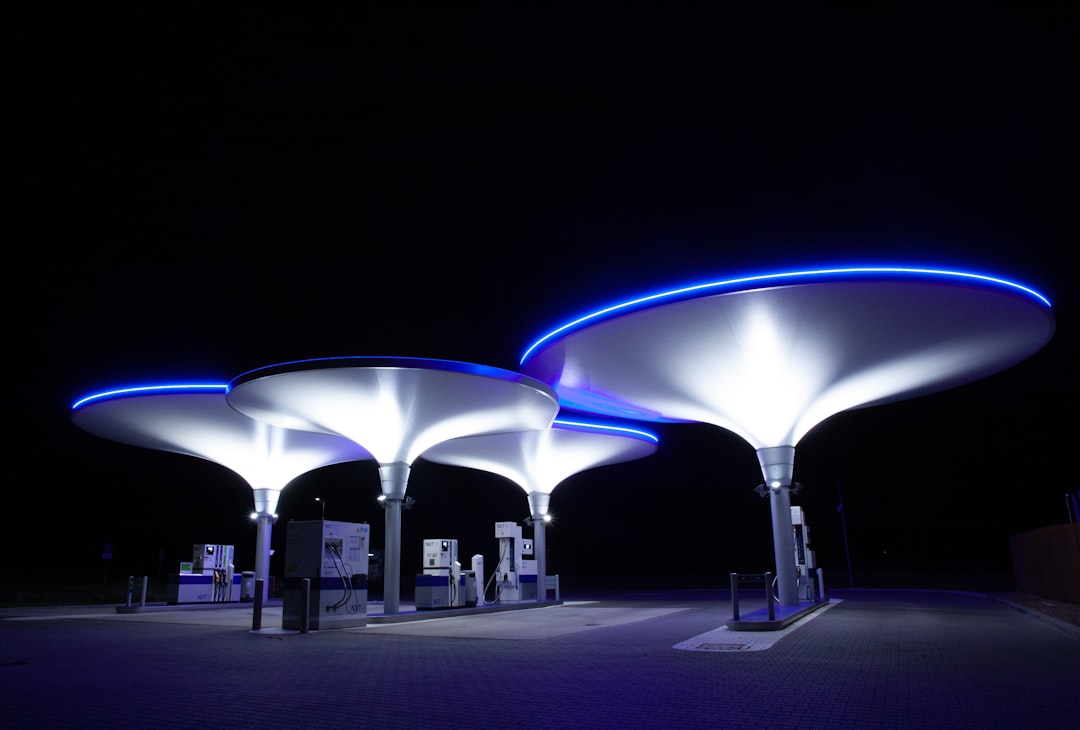
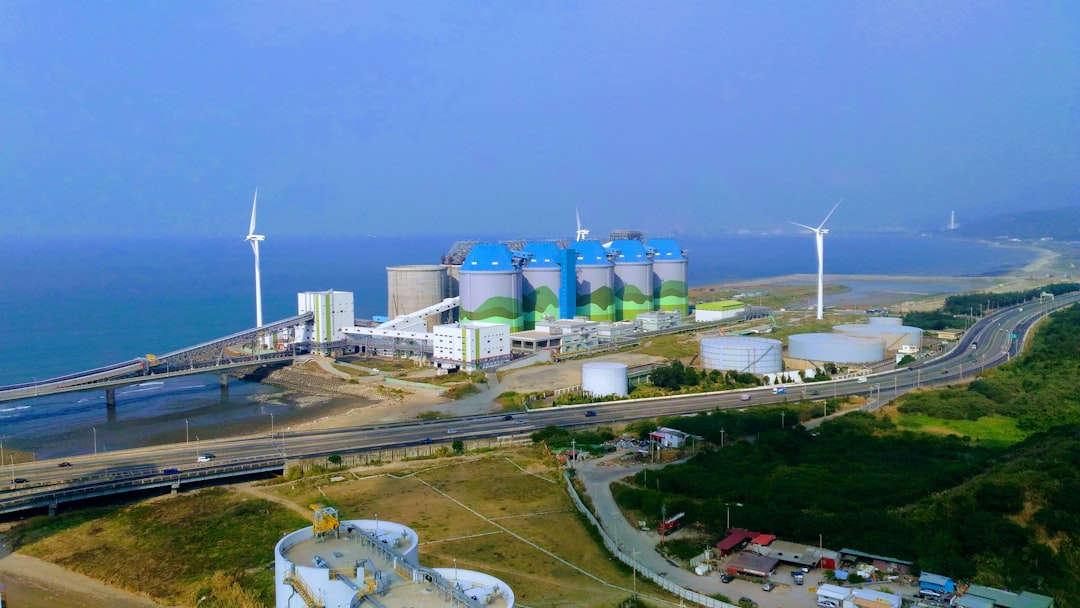
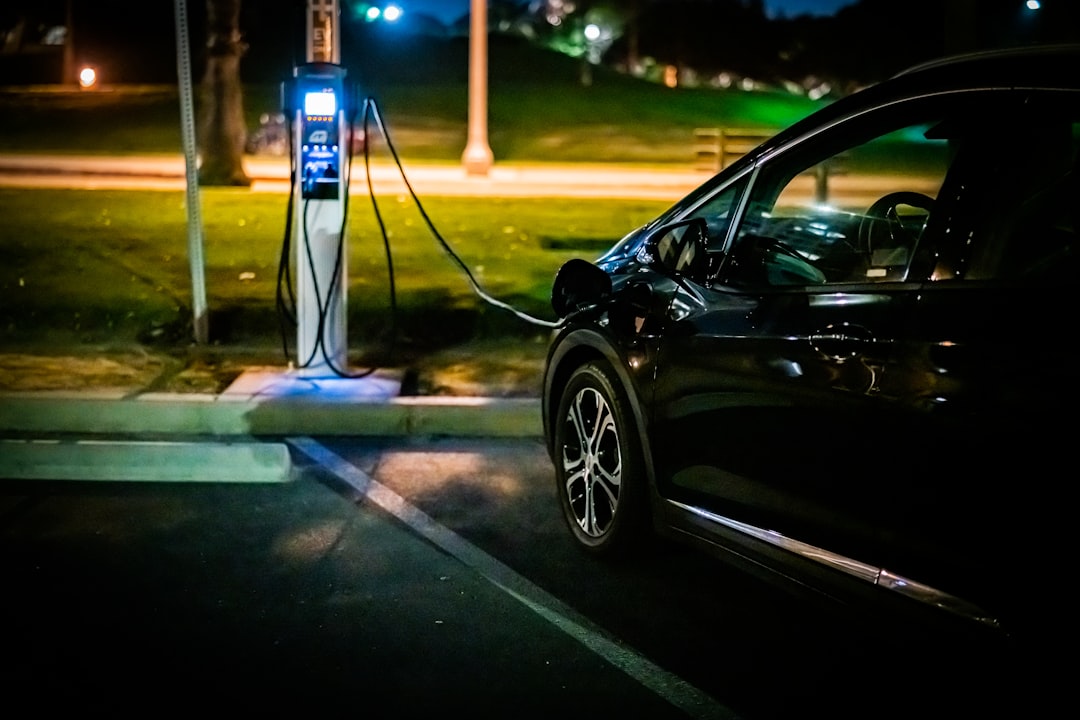
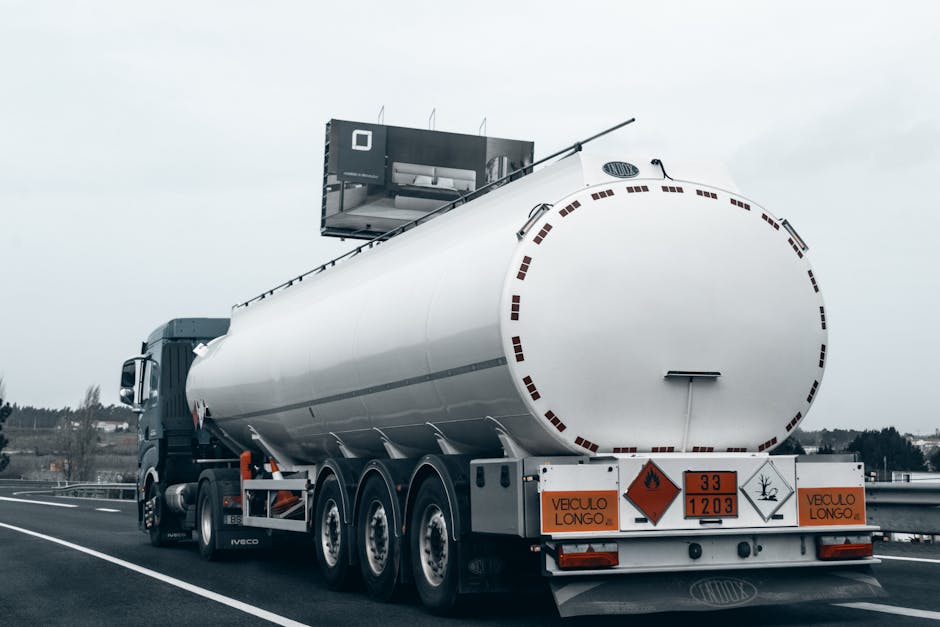
얼마 전 지인 한 명이 이런 말을 했어요. “수소차 충전소가 동네에 생겼는데, 이게 진짜 친환경인 건지 모르겠어. 어차피 수소 만들 때 이산화탄소 엄청 나온다던데?” 사실 이 질문, 굉장히 핵심을 찌르는 말이라고 봅니다. 수소 에너지가 탄소중립의 게임 체인저로 주목받고 있지만, 막상 그 내면을 들여다보면 마냥 장밋빛은 아니거든요. 오늘은 그 복잡한 속사정을 하나씩 풀어보려 해요.
📊 수치로 보는 수소 에너지의 현주소
먼저 현실적인 숫자부터 살펴볼게요. 2026년 기준, 전 세계 수소 생산량의 약 96% 이상은 여전히 화석연료 기반이라고 봐도 무방합니다. 천연가스나 석탄을 개질(reforming)하는 방식으로 만드는 이른바 그레이 수소(Gray Hydrogen)가 주류예요. 이 방식은 수소 1kg을 생산할 때 약 10~12kg의 이산화탄소를 배출합니다. 솔직히 말하면, 이 상태로는 탄소중립 기여라고 부르기가 민망한 수준이에요.
반면, 탄소중립에 실질적으로 기여할 수 있는 그린 수소(Green Hydrogen)는 재생에너지(태양광, 풍력 등)로 물을 전기분해(수전해, electrolysis)해서 만들어냅니다. 이론적으로는 탄소 배출이 ‘0’에 수렴해요. 문제는 생산 비용인데, 현재 그린 수소의 생산 단가는 kg당 약 4~7달러 수준으로, 그레이 수소(kg당 1~2달러)보다 3~4배 비쌉니다. 국제에너지기구(IEA)는 2030년까지 그린 수소 단가를 kg당 2달러 이하로 낮추는 것을 핵심 목표로 제시하고 있어요.
탄소 포집 기술(CCS, Carbon Capture and Storage)을 결합한 블루 수소(Blue Hydrogen)도 중간 다리 역할로 주목받고 있어요. 탄소 배출을 최대 85~90%까지 줄일 수 있다고 알려져 있지만, 포집된 탄소를 어디에 어떻게 저장하느냐는 문제가 여전히 숙제로 남아 있습니다.
🌍 국내외 수소 에너지 전략, 어디까지 왔을까?
유럽의 경우, EU는 ‘유럽 그린딜(European Green Deal)’ 프레임 안에서 2030년까지 그린 수소 생산 목표를 연간 1,000만 톤으로 설정했습니다. 독일은 ‘국가 수소 전략(National Hydrogen Strategy)’을 지속 업그레이드하며, 2026년 현재 북아프리카 및 중동산 그린 수소 수입 파이프라인 구축에 적극적으로 투자하고 있어요. 특히 스페인과 포르투갈이 풍부한 태양광 자원을 기반으로 유럽의 주요 그린 수소 공급지로 부상 중이라는 점이 흥미롭습니다.
한국의 경우, 정부는 ‘수소경제 로드맵’을 꾸준히 수정·보완하며 추진 중입니다. 2026년 현재 전국 수소충전소는 300여 개를 넘어섰고, 현대자동차의 수소전기차 넥쏘(NEXO)와 수소 상용차 부문에서 글로벌 기술 경쟁력을 인정받고 있어요. 울산, 평택, 인천 등을 중심으로 수소 클러스터 조성도 가속화되고 있습니다. 다만 그린 수소 자급률은 아직 미미한 수준으로, 대부분의 수소를 해외에서 수입하거나 국내 화석연료 기반으로 충당하고 있다는 점은 아쉬운 부분이라고 봅니다.
🔍 수소 에너지가 탄소중립에 기여할 수 있는 핵심 분야
수소가 특히 강점을 발휘할 수 있는 영역은 재생에너지만으로는 탈탄소화가 어려운 이른바 ‘탈탄소화 난제(Hard-to-Abate)’ 분야예요. 구체적으로 살펴보면 이렇습니다.
철강 산업: 기존 석탄 기반 고로(용광로)를 수소 환원 제철 방식으로 전환하면 탄소 배출을 획기적으로 줄일 수 있어요. 포스코는 이 분야에서 수소 환원 제철 기술(HyREX) 상용화를 목표로 연구를 지속 중입니다.
장거리 운송 및 해운: 배터리 전기차로 대체하기 어려운 대형 트럭, 선박, 항공기 등에서 수소 연료전지나 암모니아(NH₃) 기반 연료가 유력한 대안으로 꼽히고 있어요.
계절적 에너지 저장: 태양광·풍력은 발전량이 계절과 날씨에 따라 크게 달라지는 간헐성 문제가 있어요. 남는 전력으로 수소를 만들어 저장했다가 필요할 때 다시 전기로 변환하는 ‘전력-가스 변환(Power-to-Gas)’ 기술이 장기 에너지 저장 솔루션으로 주목받고 있습니다.
화학 원료: 암모니아, 메탄올 등 화학 산업의 핵심 원료를 그린 수소 기반으로 대체하면 산업 부문 탄소 배출을 대폭 낮출 수 있어요.
건물 난방: 일부 국가에서는 기존 천연가스 배관망에 수소를 혼합 공급하거나, 수소 보일러로 전환하는 실증 사업을 진행 중입니다.
⚖️ 낙관론과 현실론, 균형 있게 보기
수소 에너지에 대한 시각은 크게 두 갈래로 나뉘는 것 같아요. 한쪽에서는 “그린 수소가 재생에너지와 함께 에너지 전환의 핵심 축이 될 것”이라는 낙관론을 펼치고, 다른 한쪽에서는 “에너지 변환 효율이 낮고(전기→수소→전기 변환 시 손실이 크다), 비용과 인프라 문제가 너무 크다”는 현실론을 제기합니다. 둘 다 틀린 말이 아니라고 봐요.
사실 수소는 모든 곳에 쓰이는 만능 해결책이 아니라, 꼭 필요한 곳에 집중적으로 투입될 때 가장 빛나는 자원이라고 보는 시각이 점점 힘을 얻고 있습니다. 단거리 승용차 시장에서는 배터리 전기차가 효율 면에서 유리하고, 중공업·장거리 운송·에너지 저장 분야에서는 수소가 더 현실적인 답이 될 수 있어요.
에디터 코멘트 : 수소 에너지가 탄소중립의 ‘진짜 열쇠’가 되려면, 지금 당장 필요한 건 두 가지라고 봅니다. 첫째는 그린 수소 생산 단가를 낮출 수 있는 수전해 기술과 재생에너지 확대, 둘째는 무분별한 수소 전환 담론보다 수소가 실제로 효과적인 분야에 집중하는 ‘선택과 집중’ 전략이에요. 수소를 둘러싼 과도한 기대와 과도한 비관 모두 경계하면서, 냉정하게 기술 발전과 정책 방향을 지켜보는 것이 지금 우리가 할 수 있는 가장 합리적인 자세인 것 같습니다. 에너지 전환은 단거리 경주가 아니라 마라톤이니까요.
Picture this: a fuel cell power system humming quietly in the basement of a hospital, delivering clean, uninterrupted electricity for years on end — no drama, no costly shutdowns. That’s the dream behind Solid Oxide Fuel Cell (SOFC) technology. But here’s the catch that engineers have been wrestling with for decades: SOFC stacks are notoriously difficult to keep alive long-term. The extreme operating temperatures (think 700–1000°C), thermal cycling stress, and electrochemical degradation make every extra hour of lifespan a hard-won victory.
In 2026, that battle is finally tilting in our favor. Let’s dig into what’s actually moving the needle — and what realistic options exist depending on where you sit in this ecosystem.
Why SOFC Durability Has Been Such a Tough Nut to Crack
SOFC stacks are essentially high-temperature ceramic sandwiches. Each cell consists of a porous cathode, a dense electrolyte (usually yttria-stabilized zirconia, or YSZ), and a porous anode (typically Ni-YSZ cermet). At operating temperatures, everything expands, contracts, and chemically interacts. The main culprits behind degradation include:
Nickel coarsening: At high temperatures, nickel particles in the anode agglomerate over time, reducing the electrochemically active surface area and increasing resistance. Studies from the Forschungszentrum Jülich in Germany showed Ni coarsening accounts for roughly 15–25% of total performance loss in long-term operation.
Chromium poisoning of cathodes: Metallic interconnects release chromium vapor at operating temperatures, which migrates to the cathode and blocks active sites — a notorious killer of cathode performance.
Delamination and cracking: Thermal cycling causes mechanical stress at material interfaces, leading to micro-cracks, especially at the electrolyte-electrode boundaries.
Carbon deposition (coking): When operating on hydrocarbon fuels, carbon can deposit on the anode, blocking fuel flow and causing irreversible damage.
Sulfur poisoning: Even parts-per-million levels of H₂S can adsorb onto nickel surfaces and dramatically reduce anode activity.
The industry target? A commercially viable SOFC system should operate for at least 40,000–80,000 hours (roughly 5–9 years) with less than 1% degradation per 1,000 hours. As of 2026, leading developers are pushing past 60,000-hour benchmarks in controlled conditions — but real-world deployment numbers still lag behind.
The 2026 Technological Landscape: Five Approaches That Are Actually Working
Let’s be honest — there’s no single silver bullet here. Durability improvement is a multi-front war, and the most successful programs attack it from several angles simultaneously.
1. Advanced Cathode Materials Beyond LSM and LSCF Traditional cathode materials like Lanthanum Strontium Manganite (LSM) and Lanthanum Strontium Cobalt Ferrite (LSCF) have served well, but their vulnerability to chromium poisoning and surface segregation has spurred intensive research. In 2026, double perovskite cathodes — particularly PrBa₀.₅Sr₀.₅Co₁.₅Fe₀.₅O₅₊δ (PBSCF) — are showing exceptional mixed ionic-electronic conductivity (MIEC) with far greater resistance to chromium contamination. South Korea’s Korea Institute of Energy Research (KIER) published results in late 2025 demonstrating PBSCF cathodes maintaining over 98% of initial performance after 10,000 hours at 750°C — a genuinely remarkable benchmark.
2. Protective Coatings on Metallic Interconnects Since you can’t eliminate chromium from stainless steel interconnects entirely (it’s what makes them corrosion-resistant), the strategy is containment. Reactive element oxide (REO) coatings — thin films of materials like MnCo₂O₄ spinel or Ce/Co-based oxides — act as chromium diffusion barriers. Germany’s Plansee Group and Japan’s Nippon Steel have both commercialized spinel coating processes that reduce chromium evaporation rates by over 90%. More recently, atomic layer deposition (ALD) of Al₂O₃ nanolayers on interconnect surfaces has been explored by MIT’s electrochemical laboratory, showing promising results at reducing Cr volatility without significantly increasing contact resistance.
3. Reforming Catalyst Improvements for Carbon Tolerance For SOFCs running on natural gas or biogas (which is increasingly common in distributed energy applications), internal reforming is convenient but risky. Bimetallic anode catalysts — particularly Ni-Fe and Ni-Ru alloys — have shown dramatically improved coking resistance compared to pure nickel. Bloom Energy’s latest Generation 5 stack platform, updated in early 2026, reportedly uses a proprietary Ni-based bimetallic anode formulation that extends carbon-tolerance windows significantly, allowing operation with lower steam-to-carbon ratios without coking-induced degradation.
4. Intelligent Thermal Management & Operational Protocols Sometimes the most impactful advances aren’t purely material-based — they’re operational. Startup-shutdown cycles are among the most mechanically damaging events for SOFC stacks. Research from Kyushu University in Japan demonstrated that controlled ramp rates during thermal cycling (limiting temperature change to ≤2°C/minute) can reduce micro-crack formation by up to 40% over a system’s operational lifetime. In 2026, AI-driven thermal management systems — integrated into commercial SOFC units by companies like Aisin (Toyota Group affiliate) and Kyocera — actively monitor stack impedance in real time and adjust operating parameters to minimize localized stress hotspots.
5. Electrolyte Doping Innovations The YSZ electrolyte has been the workhorse for decades, but scandia-stabilized zirconia (ScSZ) and gadolinium-doped ceria (GDC) are earning serious attention in intermediate-temperature SOFCs (IT-SOFCs operating at 500–700°C). Lower operating temperatures fundamentally reduce the rate of almost every degradation mechanism — it’s thermodynamics working in your favor. The European SOFC-Net consortium’s 2025 annual report highlighted GDC-barrier-layered cells achieving <0.5% degradation per 1,000 hours at 650°C, which would translate to a theoretical 80,000+ hour lifespan.
Real-World Examples: Who’s Winning the Longevity Race?
Theory is great, but let’s look at who’s actually deploying durable SOFC systems at scale in 2026.
Bloom Energy (USA): Their Energy Servers remain the most widely deployed utility-scale SOFC systems globally. Bloom claims commercial units are now achieving 95%+ capacity retention over 5-year operational periods in the field, with several installations at data centers in California and South Korea crossing the 7-year mark without major stack replacements. Their stack refresh program also deserves mention — rather than full system replacement, modular stack swapping keeps total lifecycle costs manageable.
Kyocera / Aisin (Japan): The Ene-Farm residential SOFC program in Japan — which has been running since 2009 and now covers hundreds of thousands of homes — provides extraordinary long-term field data. 2026 statistics from Japan’s METI show that next-generation Ene-Farm Type S units (1 kW residential class) are demonstrating average degradation rates of 0.7% per 1,000 hours, meaning a unit could realistically operate for over 50,000 hours before performance drops below acceptable thresholds.
KIER & POSCO (South Korea): South Korea’s government-backed “Hydrogen Economy Roadmap 2030” has poured significant R&D investment into domestic SOFC development. POSCO Energy (now rebranded as HyNet) has been piloting 100 kW-class SOFC systems at industrial facilities since 2023. Their collaboration with KIER on advanced cathode materials — particularly PBSCF-based systems — is positioning South Korea as a serious player in the next generation of high-durability commercial stacks.
Sunfire (Germany): Known primarily for their reversible SOFC/SOEC systems used in power-to-gas applications, Sunfire has been quietly building an impressive durability track record for systems that regularly switch between fuel cell and electrolyzer modes. Their latest RSOC stacks completed 8,000 hours of reversible operation in 2025 with under 3% total performance loss — a technically demanding achievement given the additional mechanical stress of mode-switching.
What Should You Actually Do? Realistic Pathways for Different Stakeholders
Here’s where I want to be genuinely useful rather than just informative. Durability challenges look different depending on who you are:
If you’re an SOFC system integrator or OEM: Invest in real-time impedance spectroscopy monitoring integrated into your BMS. Early detection of cathode delamination or anode coarsening allows predictive maintenance before catastrophic failure. The cost of the monitoring hardware pays for itself in avoided emergency downtime.
If you’re a facility operator running SOFC systems: Strict fuel quality control — especially sulfur content below 0.1 ppm — is the single highest-ROI operational practice for lifespan extension. Partner with your gas supplier on guaranteed low-sulfur contracts.
If you’re a researcher or materials scientist: The intermediate-temperature SOFC space (500–700°C) remains enormously underexplored relative to its potential. GDC and ScSZ electrolyte systems paired with advanced MIEC cathodes represent the highest-impact research frontier for durability gains.
If you’re a policy maker or investor: The levelized cost of energy (LCOE) from SOFC systems becomes dramatically more competitive when stack lifetime exceeds 60,000 hours. R&D incentives targeting durability milestones (rather than just efficiency) would accelerate commercialization timelines meaningfully.
If you’re a building owner considering distributed SOFC installation: Ask your vendor specifically about stack degradation warranties and replacement cost schedules. The best systems in 2026 offer 10-year performance guarantees — if your vendor can’t match that, it’s a meaningful red flag.
Looking Ahead: What 2026 Tells Us About the Next Five Years
The convergence of AI-driven operational optimization, advanced double-perovskite cathode materials, and intermediate-temperature electrolyte systems is creating a genuine inflection point. We’re not just incrementally improving SOFC lifespan anymore — some of these advances are potentially transformative. A 100,000-hour SOFC stack isn’t science fiction; it’s an engineering challenge that looks increasingly tractable.
The biggest remaining gap is bridging laboratory benchmarks to field performance. Materials that shine at 750°C in controlled lab conditions sometimes behave very differently when exposed to real-world fuel impurities, load fluctuations, and thermal cycling. The field data coming from Japan’s Ene-Farm program and Bloom Energy’s installed base will be invaluable in this regard — every operational hour logged is data that makes the next generation of stacks smarter and more resilient.
One thing is clear: the era of SOFC systems being dismissed as “too fragile for long-term deployment” is ending. What’s replacing it is a technology maturing into a genuinely reliable pillar of distributed clean energy infrastructure.
Editor’s Comment : SOFC stack durability has long been the Achilles’ heel that kept this otherwise brilliant technology from reaching its potential. What’s exciting about 2026 is that we’re seeing multiple independent lines of attack — materials, coatings, operational intelligence, and temperature management — converging simultaneously. No single breakthrough has solved everything, but the cumulative effect is real and measurable. If you’re evaluating SOFC technology for any application, 2026 is arguably the first year where the durability math genuinely works in your favor for multi-decade infrastructure planning. The gap between lab promise and field reality is narrowing fast — and that’s the most encouraging development of all.
Picture this: you pull into a hydrogen refueling station, top up your fuel cell vehicle in about four minutes flat, and drive away with a range of over 600 kilometers — zero tailpipe emissions, just water vapor trailing behind you. Sounds like science fiction? As of 2026, this scenario is playing out in cities from Seoul to Stuttgart. But here’s the thing — the road to hydrogen-powered mobility has been anything but smooth, and whether it’s truly “the future” depends a lot on where you live and what you actually need from a car.
Let’s think through this together, because the hydrogen vs. battery electric vehicle (BEV) debate is one of the most fascinating — and genuinely unresolved — conversations in clean energy right now.
What Exactly Is a Hydrogen Fuel Cell Vehicle?
Before we dive into trends and data, let’s quickly get everyone on the same page. A hydrogen fuel cell vehicle (FCEV) uses a fuel cell stack that combines stored hydrogen gas with oxygen from the air to generate electricity — that electricity then powers the electric motor. The only byproduct? Water. Unlike battery EVs that store electricity, FCEVs essentially generate electricity on the go. Think of it as a rolling power plant that’s incredibly clean.
The key specs that matter in practice are refueling time (3–5 minutes, comparable to gasoline), driving range (typically 500–700+ km per fill), and energy density (hydrogen carries far more energy per kilogram than lithium-ion batteries). Those three factors are exactly why the trucking, shipping, and heavy transport industries have been paying very close attention.
The 2026 Market Snapshot: Where Do Things Actually Stand?
Let’s look at some honest numbers. As of early 2026:
Global FCEV sales have crossed approximately 85,000 units annually — a meaningful jump from 2023 levels, but still a fraction of total EV sales.
South Korea remains the world leader in FCEV adoption per capita, with Hyundai’s NEXO and the commercial Xcient hydrogen truck logging millions of kilometers on Korean highways and European routes.
Japan‘s Toyota Mirai has entered its third generation update cycle, now boasting a real-world range consistently hitting 650 km in moderate climate conditions.
China has aggressively pivoted toward hydrogen for commercial vehicles — buses, heavy trucks, and logistics fleets — with over 12,000 hydrogen commercial vehicles operating as of Q1 2026.
Germany and the EU have committed to the H2Global initiative, with hydrogen refueling corridors now connecting major freight routes across six countries.
The United States is a more mixed story — California remains the primary market with roughly 60 active public hydrogen stations, while federal infrastructure investment has been slower than EV charging rollouts.
The Real Challenges: Let’s Not Sugarcoat Them
Here’s where I want to be genuinely realistic with you, because the hydrogen hype cycle has burned people before. There are three structural challenges that haven’t fully resolved themselves even in 2026.
First, there’s the green vs. gray hydrogen problem. Most hydrogen today is still produced from natural gas (called “gray hydrogen”), which undermines the environmental case significantly. True “green hydrogen” — produced via electrolysis powered by renewables — is growing but remains more expensive. The International Energy Agency notes that green hydrogen costs have dropped roughly 40% since 2020, but they need to fall another 50–60% to be truly competitive at scale.
Second is infrastructure sparsity. Unlike EV chargers, which you can theoretically install at home or in a parking lot, hydrogen refueling stations require significant capital investment and safety infrastructure. For everyday passenger car drivers outside of major urban centers, this is still a real practical barrier in most countries.
Third is efficiency losses in the energy chain. Producing, compressing, transporting, and then converting hydrogen back to electricity involves multiple steps — each with losses. The overall well-to-wheel efficiency of FCEVs is currently lower than BEVs. This is a legitimate engineering reality, not just anti-hydrogen propaganda.
Where Hydrogen Makes the Most Sense Right Now
This is where it gets really interesting, and where I’d push back on the binary “hydrogen vs. electric” framing. The smarter question is: for which use cases does hydrogen genuinely win?
Heavy-duty trucking and logistics: Hydrogen’s fast refueling and high energy density make it ideal for long-haul trucks that can’t afford hours of downtime charging.
Public transit buses: Several European and Asian cities are running hydrogen bus fleets with excellent reliability data.
Maritime shipping: Ammonia (derived from hydrogen) is emerging as a serious contender for zero-emission shipping fuel.
Aviation: Airbus’s ZEROe program is targeting hydrogen-powered regional aircraft by the late 2020s.
Regions with abundant renewable energy: Countries like Chile, Australia, and Norway have natural advantages for producing cheap green hydrogen and are positioning themselves as exporters.
Realistic Alternatives for Regular Consumers in 2026
If you’re an individual consumer wondering whether to wait for hydrogen or just go BEV, here’s my honest take: unless you live in South Korea, Japan, or a hydrogen corridor in Germany, a battery EV is almost certainly the more practical choice right now. The charging infrastructure, model variety, and lower total cost of ownership still favor BEVs for most personal transportation needs.
However, if you’re a fleet manager, logistics operator, or municipal transit planner, hydrogen deserves serious evaluation — especially for long-haul or high-utilization applications where charging downtime is a real cost. The technology is mature enough at this scale to make a compelling business case in 2026.
For everyone else: watch the green hydrogen production costs closely. When those drop to competitive parity — which many analysts project could happen between 2028 and 2032 — the equation for passenger vehicles will look genuinely different.
The Bigger Picture: A Complementary Future
The most intellectually honest position I can offer is this: the clean energy transition is large enough to accommodate both batteries and hydrogen, each finding its optimal niche. The false war between “Team Hydrogen” and “Team Battery” has always been more of a financial and political battle than a scientific one. Real-world energy systems are diverse, and that’s actually a resilient feature, not a bug.
What we need — and what’s becoming clearer in 2026 — is policy consistency, accelerated green hydrogen production investment, and continued infrastructure buildout. The technology is ready enough. The ecosystem just needs to catch up.
Editor’s Comment : Hydrogen fuel cell vehicles aren’t the underdog miracle cure they were once hyped to be, nor are they the dead-end technology their critics claim. In 2026, they occupy a genuinely valuable and expanding niche — especially in commercial transport and energy-rich regions. My advice? Stop treating this as a winner-takes-all race and start thinking about it as a portfolio. The cleanest future probably has both hydrogen and batteries playing significant roles, and that’s a future worth being excited about.
태그: [‘hydrogen fuel cell vehicles’, ‘FCEV 2026’, ‘green hydrogen future’, ‘clean energy transportation’, ‘hydrogen vs electric vehicles’, ‘fuel cell technology’, ‘sustainable mobility’]
얼마 전 지인 한 분이 이런 말을 했어요. “전기차 충전도 불편한데, 수소차는 대체 언제 타볼 수 있는 거야?” 솔직히 틀린 말이 아니에요. 수소 연료전지 자동차(FCEV, Fuel Cell Electric Vehicle)는 몇 년째 ‘미래 기술’이라는 수식어를 달고 다니는데, 막상 주변에서 타는 사람을 보기가 쉽지 않죠. 그런데 2026년 현재, 조용하지만 분명한 변화들이 시작되고 있는 것 같습니다. 오늘은 수치와 사례를 바탕으로 수소차의 현재와 미래를 함께 짚어볼게요.
📊 본론 1 — 숫자로 보는 수소차 시장, 지금 어디까지 왔나
국제에너지기구(IEA)의 2026년 초 보고서에 따르면, 전 세계 수소 연료전지 차량 누적 보급 대수는 약 80만 대를 넘어선 것으로 추산됩니다. 2021년만 해도 전 세계 보급 대수가 5만 대 수준이었던 걸 감안하면, 5년 사이 16배 가까이 성장한 셈이에요. 물론 전기차(EV)의 글로벌 누적 보급 대수가 이미 4,000만 대를 훌쩍 넘었다는 점과 비교하면, 아직 격차가 매우 크다고 봐야 합니다.
국내 상황도 비슷한 맥락이에요. 한국 환경부 집계 기준으로 2026년 1분기 국내 수소차 누적 등록 대수는 약 5만 2천 대 수준으로 알려져 있어요. 수소 충전소는 전국 약 310기까지 늘었지만, 여전히 전기차 충전 인프라(약 30만 기 이상)와는 비교가 어렵죠. 1회 충전에 소요되는 시간은 약 3~5분, 주행 가능 거리는 차종에 따라 600~800km 수준으로 이 부분만큼은 전기차 대비 압도적인 강점을 보여줍니다.
수소 1kg당 가격은 국내 기준 현재 약 8,000~9,000원 선으로, 정부 보조금이 없다면 경제성이 아직 전기차나 내연기관차보다 낮다는 게 솔직한 평가예요. 그럼에도 불구하고 시장은 꾸준히 성장 중이고, 이 배경에는 몇 가지 구조적인 이유가 있다고 봅니다.
🌏 본론 2 — 국내외에서 진행 중인 주목할 만한 움직임들
현대자동차는 넥쏘(NEXO)의 2세대 모델을 2025년 말 공개하고 2026년부터 본격 판매에 들어갔어요. 1회 충전 주행거리를 기존 대비 약 15% 향상시키고, 연료전지 스택의 내구성을 20만 km 이상으로 끌어올린 것이 핵심 개선 포인트라고 합니다. 또한 상용 트럭 부문에서도 수소 트럭 엑시언트(XCIENT)의 유럽 공급을 확대하고 있어, 승용차뿐 아니라 물류 분야로의 확장도 뚜렷하게 진행되고 있는 것 같아요.
일본 토요타는 미라이(Mirai) 3세대 개발을 공식화하면서, 연료전지 시스템 원가를 현재 대비 50% 이상 낮추겠다는 목표를 제시했습니다. 일본 정부 역시 2030년까지 수소차 80만 대 보급이라는 목표를 유지하며 인프라 투자를 지속하고 있어요.
중국은 조금 다른 접근을 하고 있습니다. 승용차보다 버스, 트럭, 열차 등 대형 상용 모빌리티 중심으로 수소를 빠르게 적용하는 전략인데요, 이미 수소 버스 운행 대수 기준으로는 세계 1위 수준이라고 봐야 합니다. 규모의 경제를 통해 연료전지 단가를 낮추고, 이를 다시 승용차 시장에 역적용하는 방식이에요.
유럽에서는 EU의 수소 전략 로드맵에 따라 2030년까지 그린 수소 생산 10백만 톤 목표를 추진 중이고, BMW와 스텔란티스 등도 수소 파워트레인 연구에 다시 속도를 붙이고 있는 분위기입니다.
🔍 수소차가 전기차를 대체할 수 있을까 — 현실적인 시각
많은 분들이 궁금해하시는 질문이에요. 결론부터 말씀드리면, 대체가 아니라 역할 분담이 더 현실적인 그림이라고 봅니다. 도심 단거리 이동, 소형 승용차는 전기차가 유리한 반면, 장거리 이동, 대형 상용차, 항공·선박 분야는 수소가 구조적으로 더 적합하다는 게 업계의 대체적인 시각이에요.
수소 연료전지의 강점과 약점을 솔직하게 정리해 볼게요.
✅ 충전 속도: 3~5분으로 전기차 대비 압도적으로 빠름
✅ 주행 거리: 1회 충전 600~800km, 장거리 운전자에게 적합
✅ 배출물: 물(H₂O)만 배출, 진정한 의미의 무공해 차량
✅ 혹한 성능: 배터리 기반 전기차 대비 저온 환경에서의 성능 저하가 상대적으로 적음
❌ 인프라 부족: 충전소 수가 전기차 대비 현저히 적고, 설치 비용도 높음
❌ 수소 생산 방식 문제: 현재 대부분의 수소는 천연가스 개질(그레이 수소)로 생산되어, 실질 탄소 감축 효과가 제한적임
❌ 차량 가격: 연료전지 스택 비용으로 인해 동급 전기차 대비 높은 가격대 유지
특히 ‘그린 수소(재생에너지로 생산한 수소)’의 비중이 높아지지 않는 한, 수소차의 친환경성 논리가 흔들릴 수 있다는 점은 계속 주목해야 할 부분이에요.
🛣️ 앞으로 5년, 어떤 변화가 올까
2030년을 기점으로 수소 연료전지 기술은 몇 가지 임계점을 넘을 가능성이 높다고 봅니다. 우선 연료전지 스택 생산 단가가 현재 대비 30~40% 이상 낮아질 것으로 업계는 전망하고 있어요. 또한 각국 정부의 그린 수소 투자 확대로 수소 생산 단가 역시 점차 낮아질 것이고, 이것이 충전 단가 인하로 이어지면 경제성 문제가 상당 부분 해소될 수 있다고 봅니다.
한국은 특히 수소 경제 밸류체인 전반(생산-저장-운송-활용)을 국가 전략으로 육성 중이라는 점에서, 글로벌 수소 경제의 핵심 플레이어로 자리매김할 가능성이 충분하다고 생각합니다.
에디터 코멘트 : 수소차를 지금 당장 구매해야 할 기술로 보기는 이르다고 생각해요. 하지만 5~10년의 시간축으로 본다면, 수소 연료전지는 분명히 우리 이동 방식의 일부를 바꿔놓을 기술이라고 봅니다. 특히 장거리 운전이 잦거나 상용 모빌리티에 종사하시는 분들이라면, 지금부터 수소 인프라 확충 흐름을 꾸준히 지켜보시는 게 좋을 것 같아요. 투자든 구매든, 기술이 성숙되는 시점을 미리 파악하고 있는 것만으로도 꽤 유리한 위치에 설 수 있으니까요.
Picture this: it’s a crisp winter morning, and a mid-sized hospital in Seoul is running its HVAC, surgical suites, and diagnostic equipment — all while its energy bill is lower than a comparable facility using conventional grid power. The secret? A Solid Oxide Fuel Cell (SOFC) combined heat and power (CHP) system quietly humming in the basement. I stumbled across this case study last month, and honestly, it made me rethink everything I thought I knew about distributed energy. Let’s dig into why SOFC-based CHP is turning heads in 2026 — and whether it might make sense for your situation too.
What Exactly Is SOFC-Based CHP — And Why Does Efficiency Matter So Much?
First, a quick primer for those new to this space. A Solid Oxide Fuel Cell (SOFC) generates electricity through an electrochemical reaction — typically using hydrogen or natural gas — at operating temperatures between 600°C and 1,000°C. That high-temperature operation is actually the secret weapon here. Unlike low-temperature fuel cells, SOFCs produce enormous amounts of recoverable waste heat.
Combined Heat and Power (CHP), also called cogeneration, is the practice of capturing that waste heat and using it for space heating, water heating, or industrial processes — instead of just venting it into the atmosphere. The result? Total system efficiency that conventional power plants simply can’t touch.
Here’s where the numbers get genuinely exciting:
Conventional coal power plant: ~33–38% electrical efficiency; the rest is wasted as heat.
Natural gas combined cycle (NGCC) plant: ~55–60% electrical efficiency — impressive, but still massive heat losses at scale.
SOFC (electrical only): ~55–65% electrical efficiency in 2026 commercial units — already competitive with the best grid-scale options.
SOFC + CHP (combined): Total system efficiency of 85–92% — a figure that genuinely stops energy engineers mid-sentence.
That 85–92% total efficiency figure isn’t theoretical fluff. Companies like Bloom Energy (U.S.), Kyocera (Japan), and Doosan Fuel Cell (South Korea) are reporting real-world combined efficiencies consistently above 85% in deployed systems as of 2026. For context, if your car’s engine had this kind of efficiency, you’d be getting over 200 miles per gallon equivalent.
Breaking Down the Efficiency Numbers: What’s Actually Happening Inside?
Let’s reason through this together, because understanding why the efficiency is so high helps you evaluate whether SOFC-CHP is right for your use case.
An SOFC system operating at 800°C produces exhaust gases in the 700–800°C range. This thermal energy can be routed through a heat recovery steam generator (HRSG) or direct heat exchanger to produce steam or hot water. In a well-designed system, roughly 20–30% additional energy value is recovered this way, on top of the 55–65% electrical conversion. That’s where the 85–92% total figure comes from — it’s not magic, it’s thermodynamics working in your favor.
There’s also an interesting concept called internal reforming — where the SOFC system uses its own waste heat to convert natural gas or biogas into hydrogen on-site, reducing energy losses in the fuel processing stage. This is a 2026-era optimization that wasn’t commercially mature five years ago.
Real-World Examples: Who’s Actually Using This in 2026?
Let’s ground this in reality with some concrete examples from both domestic (Korean) and international deployments:
South Korea — Doosan Fuel Cell’s Residential & Commercial Push: Doosan has aggressively deployed its SOFC CHP units in apartment complexes and district energy systems across the Seoul Metropolitan Area and Busan. Their 10 kW residential unit, launched in an updated 2025 iteration, reports real-world total efficiency of 87% during winter months when heat demand aligns perfectly with electricity generation. The Korean government’s hydrogen economy roadmap has subsidized over 2,400 commercial SOFC-CHP installations nationwide as of early 2026.
Japan — ENE-FARM and Kyocera’s Micro-CHP: Japan remains arguably the global leader in residential fuel cell CHP adoption. The ENE-FARM program, now in its mature phase, has over 500,000 residential SOFC units deployed across Japanese homes. Kyocera’s latest 700W residential SOFC unit achieves a remarkable 90% total CHP efficiency — the highest in its class. The Japanese model is fascinating because it prioritizes annual efficiency averaging, meaning the system intelligently prioritizes heat or electricity depending on seasonal demand.
United States — Bloom Energy’s Commercial Scale: Bloom Energy’s Bloom Energy Server — essentially a modular SOFC platform — has expanded its CHP configurations for hospitals, data centers, and universities. A notable 2025 deployment at a major university medical center in California now covers 40% of the facility’s thermal load through SOFC waste heat recovery, reducing grid dependency by over 60%.
Germany — Industrial Integration: Germany’s push toward Sektorkopplung (sector coupling) has led several industrial manufacturers to integrate SOFC-CHP into their production facilities. A ceramic manufacturing plant in Bavaria uses SOFC waste heat (operating conveniently at temperatures compatible with kiln pre-heating) to improve overall plant efficiency by 18% compared to their previous natural gas boiler setup.
The Honest Drawbacks: Let’s Not Get Carried Away
I genuinely love SOFC-CHP technology, but I’d be doing you a disservice if I didn’t walk through the real challenges:
High upfront capital cost: Commercial SOFC-CHP systems still carry a premium — roughly $3,000–$6,000 per kW installed in 2026, compared to $800–$1,200/kW for a conventional gas generator. Payback periods of 7–12 years are common without subsidies.
Heat-demand matching challenge: The CHP efficiency gains are only realized when there’s a consistent heat load. A data center that needs cooling (not heating) gets far less benefit than a hospital or residential building complex.
Fuel flexibility is improving but not perfect: Most current SOFC systems perform best on natural gas or clean hydrogen. Biogas works, but with efficiency penalties and more frequent maintenance.
Long startup time: SOFCs are not well-suited for rapid load-following. Startup from cold can take hours — making them ideal for baseload applications, not peak-demand management.
Stack degradation: SOFC stacks degrade at roughly 0.5–1% per 1,000 hours of operation. Modern systems are designed for 80,000–100,000 hours, but stack replacement is a significant maintenance cost to plan for.
Realistic Alternatives: SOFC-CHP Isn’t Always the Answer
Here’s where I want to think through your specific situation with you. SOFC-CHP makes the most sense when all three of these conditions align: (1) a stable, year-round heat demand, (2) high local electricity prices, and (3) access to subsidies or favorable financing. If one or two of those are missing, consider these alternatives:
PEM Fuel Cell CHP (e.g., Panasonic’s H2 ENEFARM): Lower operating temperature (80°C), faster startup, better load-following. Total efficiency is slightly lower (~80–85%), but the system is cheaper and more flexible for variable loads.
Gas Engine CHP (Micro-CHP): Technologies like Vaillant’s ecopower or AISIN’s gas engine units are more cost-effective for buildings without access to hydrogen or premium natural gas supply. Total efficiency of 80–85% is achievable at lower capital cost.
Heat Pump + Rooftop Solar: For residential applications in mild climates, a high-efficiency heat pump (COP of 4–5) combined with solar PV can rival SOFC-CHP economics without fuel dependency — and is increasingly competitive in 2026 given falling solar costs.
District Heating Integration: If you’re in a dense urban area with existing district heating infrastructure, connecting to a large-scale centralized CHP plant may offer better economics than installing your own SOFC system.
The bottom line is this: SOFC combined heat and power technology in 2026 represents one of the most thermodynamically elegant energy solutions available to us. An 85–92% total system efficiency is genuinely transformative compared to the 33–38% we’ve been tolerating from centralized coal plants for over a century. The technology is no longer experimental — it’s deployed, proven, and improving year over year.
That said, it’s a precision tool, not a universal solution. The right match between your thermal profile, budget horizon, and local energy policy makes all the difference between a brilliant investment and an expensive lesson. The exciting news is that in 2026, the cost curves are finally bending in SOFC’s favor — and with hydrogen infrastructure expanding globally, the fuel supply picture is getting cleaner by the year.
Editor’s Comment : What excites me most about SOFC-CHP isn’t just the efficiency numbers — it’s the philosophical shift it represents. For over 100 years, we’ve built energy systems that throw away more than half their fuel value as waste heat, then built separate systems to generate that heat again. SOFC-CHP says: what if we just… didn’t do that? It’s a beautifully logical answer to a problem we’ve been ignoring. If you’re managing a building, facility, or community energy project and your heat demand is consistent, I’d strongly encourage getting a feasibility study done in 2026 — the economics may surprise you.
태그: [‘SOFC fuel cell efficiency’, ‘combined heat and power CHP 2026’, ‘solid oxide fuel cell cogeneration’, ‘SOFC CHP system cost’, ‘fuel cell energy efficiency’, ‘distributed energy generation’, ‘hydrogen fuel cell building energy’]
얼마 전 지인이 운영하는 중소형 물류창고를 방문했을 때, 건물 한쪽에 조용히 돌아가고 있는 박스형 장비 하나를 발견했어요. 관리자분이 말씀하시길 “저게 전기도 만들고 열도 같이 쓰는 장비인데, 가스비가 눈에 띄게 줄었다”고 하더라고요. 바로 고체산화물 연료전지(SOFC, Solid Oxide Fuel Cell) 기반의 열병합 발전 시스템이었습니다. 단순히 전기만 만드는 게 아니라 ‘버려지는 열’까지 회수해 쓴다는 개념, 얼핏 들으면 당연해 보이지만 실제로 이게 얼마나 효율적인지, 그리고 왜 SOFC가 그 중에서도 특별히 주목받는지 함께 파헤쳐 보겠습니다.
SOFC란 무엇인가 — 고온이 오히려 ‘무기’가 되는 이유
SOFC는 이름 그대로 고체 산화물을 전해질로 사용하는 연료전지입니다. 작동 온도가 600~1,000°C 수준으로, 다른 연료전지 타입(PEMFC는 80°C, PAFC는 200°C 내외)에 비해 훨씬 높은 온도에서 운전돼요. 일반적으로 ‘고온’은 시스템에 부담을 준다고 생각하기 쉬운데, SOFC에서는 오히려 이 고온이 핵심 장점이라고 봅니다.
고온 환경에서는 반응 속도가 빠르고, 귀금속 촉매(백금 등) 없이도 니켈계 소재로 충분히 반응이 이루어지거든요. 비용 측면에서도 유리하고, 무엇보다 반응 후 발생하는 고온 배기열을 활용할 여지가 크다는 게 핵심입니다.
전기 효율 vs. 종합 효율 — 숫자로 보는 SOFC의 실력
연료전지 효율을 이야기할 때 두 가지 수치를 구분해야 합니다. 전기 효율(Electrical Efficiency)과 종합 에너지 효율(Overall/System Efficiency)이에요.
전기 효율(단독 발전 기준): 현재 상용화된 SOFC 시스템은 단독 발전 기준으로 약 55~65% 수준의 전기 효율을 기록합니다. 가스터빈 복합 발전(CCGT)의 60% 내외와 비슷하거나 높은 수준이에요.
열병합(CHP) 종합 효율: 여기서 배기열을 회수해 냉난방·온수·공정열 등에 활용하면 종합 에너지 효율이 80~90%까지 올라갑니다. 일부 최적화된 시스템에서는 92%를 넘는 수치도 보고된 바 있어요.
SOFC + 가스터빈 하이브리드(SOFC-GT): SOFC 배기가스를 가스터빈에 재투입하는 구성에서는 전기 효율만 70% 이상을 기록하는 실험 결과도 있습니다. 2026년 현재 파일럿 단계를 넘어 실증 사업 단계로 진입 중입니다.
비교 대상인 일반 열병합(가스엔진 CHP): 전기 효율 30~40%, 종합 효율 70~80% 수준으로, SOFC 대비 전기 효율에서 뚜렷한 차이가 납니다.
CO₂ 배출 감소 효과: 같은 에너지를 생산할 때 기존 계통전력 + 개별 보일러 대비 CO₂ 배출량을 40~60% 절감할 수 있다는 분석 결과가 라고 봅니다.
이렇게 높은 효율이 가능한 이유는 전기화학 반응이 연소 과정 없이 이루어지기 때문입니다. 카르노 한계(열기관의 이론적 최대 효율)에 구애받지 않아요. 연소 엔진은 아무리 잘 설계해도 열역학 제2법칙에 묶여 있지만, 연료전지는 화학 에너지를 직접 전기로 변환하기 때문에 그 한계를 우회할 수 있는 것이라고 봅니다.
국내외 도입 사례 — 현장에서는 어떻게 쓰이고 있나
이론이 좋아도 현장에서 검증이 안 되면 의미가 없죠. 국내외 주요 사례를 살펴보면 이야기가 더 실감 납니다.
🇰🇷 국내 사례 — 한국
국내에서는 한화솔루션·두산퓨얼셀 등을 중심으로 SOFC 기반 분산발전 시스템이 병원, 데이터센터, 산업단지에 보급되고 있어요. 특히 수도권 인근 대형 물류센터와 반도체 공장에서 전력 자립률 향상과 공정 폐열 활용을 목적으로 도입 사례가 늘고 있습니다. 2026년 현재 산업통상자원부의 ‘수소경제 로드맵 2.0’ 하에 SOFC 보급 목표가 상향 조정되면서 초기 투자비 지원도 강화된 상황이라고 봅니다.
🇯🇵 일본 — 에네팜(ENE-FARM) 고체산화물형
일본은 가정용 SOFC 열병합 시스템 ‘에네팜 타입 S’를 파나소닉, 교세라 등이 상용화해 수십만 가구에 보급한 선진국입니다. 발전 효율 약 52%, 종합 에너지 이용률 90% 이상을 달성하며 세계 최대 가정용 SOFC 시장을 형성했어요. 특히 지진 등 재난 상황에서 독립 운전이 가능하다는 점이 일본 소비자에게 크게 어필한 인 것 같습니다.
🇩🇪 독일 — 산업용 대형 SOFC
독일 Sunfire사는 수 MW급 산업용 SOFC 시스템을 철강·화학 공정에 연계하는 프로젝트를 진행 중이에요. 공정에서 발생하는 수소 혼합 가스를 연료로 직접 투입하는 방식으로 연료 유연성이 높다는 점이 강점입니다.
SOFC 열병합의 현실적인 도전 과제
물론 장점만 있는 기술은 없습니다. SOFC가 아직 모든 현장에 보편화되지 못한 이유도 있어요.
초기 투자비: kW당 설치 비용이 가스엔진 CHP 대비 2~3배 수준으로 여전히 높습니다. 다만 2026년 현재 생산 규모 확대와 부품 국산화로 빠르게 떨어지는 추세예요.
기동 시간: 고온 작동 특성상 콜드 스타트(완전 냉각 상태에서 기동)에 수 시간이 걸립니다. 급격한 부하 변동에 취약한 면이 있어요.
내구성: 고온 환경에서 소재 열화(degradation)가 발생할 수 있어 장기 내구성 확보가 기술 개발의 핵심 과제입니다.
연료 순도: 황(S) 성분에 민감해 사전 탈황 처리가 필요합니다.
결론 — 어떤 환경에서 SOFC 열병합이 진짜 빛을 발할까
SOFC 열병합 발전은 ’24시간 안정적으로 전기와 열을 동시에 필요로 하는 환경’에서 가장 강력한 선택지인 것 같습니다. 병원, 호텔, 데이터센터, 식품 공장처럼 연중무휴 가동이 필요하고 냉난방·위생열 수요가 함께 있는 시설이라면 투자 회수 기간이 눈에 띄게 단축되거든요. 반대로 간헐적 사용이나 잦은 기동·정지가 필요한 환경이라면 현 시점에서는 다른 방식을 병행하는 하이브리드 접근이 더 현실적일 수 있어요.
수소 연료와의 호환성이 높다는 점도 미래 가치를 높여줍니다. 지금은 도시가스(LNG)로 돌리더라도, 향후 청정수소 인프라가 확충되면 연료만 교체해 운용할 수 있기 때문이에요. 에너지 전환 시대에 ‘플랫폼’으로서의 가치가 있는 기술이라고 봅니다.
에디터 코멘트 : SOFC 열병합 발전은 단순히 ‘효율이 높다’는 숫자 이야기가 아니에요. 전기화학이라는 근본적으로 다른 변환 방식 덕분에 기존 열기관이 가진 물리적 한계를 넘어서는 접근이라는 점이 핵심인 것 같습니다. 초기 비용과 기동 특성이라는 현실적인 장벽이 있지만, 2026년 현재 보조금 구조와 기술 성숙도를 감안하면 대형 수요처 중심으로 도입을 검토해 볼 만한 ‘지금의 기술’이 됐다고 봅니다. 에너지 비용이 경영의 핵심 변수인 시설이라면, 전문가와 함께 실현 가능성을 꼼꼼히 따져보시길 권해 드립니다.
Picture this: It’s a crisp morning, and you pull into a hydrogen fueling station, top off your fuel cell vehicle in about five minutes, and drive off emitting nothing but water vapor. Sounds like a dream scenario, right? Well, in 2026, that dream is closer than ever — but it’s still bumping up against some very stubborn walls. I’ve been following the hydrogen energy transition closely, and honestly, the more I dig in, the more I realize how layered and complicated this shift really is. Let’s think through it together.
Why Hydrogen? A Quick Refresher on the Promise
Before we get into the friction points, let’s acknowledge what makes hydrogen so exciting. Hydrogen (H₂) is the most abundant element in the universe. When used in a fuel cell — a device that converts chemical energy directly into electricity — it produces zero carbon emissions at the point of use. For heavy industries like steel manufacturing, shipping, and aviation, where battery electrification simply isn’t practical, hydrogen represents a genuinely viable decarbonization pathway. The International Energy Agency (IEA) projected in its 2026 Global Hydrogen Review that demand for low-emission hydrogen could reach 38 million tonnes per year by 2030 if current policy momentum holds. That’s a staggering jump from where we are today.
The Color-Coding Problem: Not All Hydrogen Is Created Equal
Here’s where things get a little tricky — and this is something most casual readers miss entirely. The hydrogen industry uses a color-coding system to describe how hydrogen is produced:
Green Hydrogen: Produced via electrolysis powered by renewable energy. Zero-emission, but currently the most expensive option.
Blue Hydrogen: Derived from natural gas with carbon capture and storage (CCS). Lower emissions, but still fossil-fuel dependent.
Grey Hydrogen: Made from natural gas without CCS. The cheapest and most common — but also the dirtiest. Responsible for roughly 830 million tonnes of CO₂ annually worldwide.
Pink Hydrogen: Produced using nuclear energy. Increasingly discussed in Europe and Japan as a bridge solution.
The uncomfortable truth in 2026? Over 95% of global hydrogen production is still grey or blue. The “hydrogen economy” narrative has largely outpaced the green hydrogen reality. We’re essentially talking about a fuel that, at scale, is still mostly a fossil fuel derivative.
The Cost Barrier: Green Hydrogen Is Still Eye-Wateringly Expensive
Let’s talk numbers, because this is where the rubber really meets the road. As of early 2026, green hydrogen production costs hover between $4–$7 per kilogram in most markets, though leading producers in sun-rich regions like Chile and Saudi Arabia have pushed costs down to around $2.50–$3.50/kg. Compare that to grey hydrogen at roughly $1–$2/kg, and you start to see the competitive gap. Analysts generally agree that green hydrogen needs to hit the “$1/kg” target — sometimes called the “Hydrogen 1-1-1” benchmark (1 dollar, 1 kilogram, 1 decade) — to be truly competitive. We’re not there yet. The electrolyzer technology (the machinery that splits water into hydrogen and oxygen using electricity) is improving rapidly, but manufacturing scale still lags demand projections significantly.
Infrastructure: The Chicken-and-Egg Dilemma
Even if we solve the cost problem tomorrow, we’d still face a massive infrastructure gap. Hydrogen is notoriously difficult to store and transport. It has a very low energy density by volume, which means you need either extremely high pressure (700 bar for vehicle tanks) or cryogenic temperatures (-253°C in liquid form) to move it efficiently. Building out pipelines, storage facilities, and fueling stations requires enormous capital investment — and private investors are hesitant to commit until there’s sufficient demand. But demand won’t grow without infrastructure. It’s a classic chicken-and-egg problem that requires coordinated government-industry action to break.
Global Examples: What’s Working and What’s Not
South Korea’s Bold Bet: South Korea has been one of the most aggressive proponents of the hydrogen economy. The country’s “Hydrogen Economy Roadmap” aims to deploy 30,000 hydrogen buses and 200,000 hydrogen taxis by 2040. In 2026, Hyundai’s NEXO fuel cell SUV remains one of the world’s top-selling hydrogen vehicles, and the country has built over 300 hydrogen refueling stations nationally. Yet even here, challenges persist — grid dependency on fossil fuels means the electricity powering electrolyzers isn’t always clean, undermining the environmental math.
Germany’s H2 Strategy: Germany committed €9 billion to its National Hydrogen Strategy and has been actively developing import corridors from North Africa and Australia. The “HyPipe Bavaria” project — a regional hydrogen pipeline network — broke ground in 2025 and is now in early operational testing. However, industrial uptake has been slower than expected, partly due to high energy prices and regulatory complexity.
Australia’s Export Ambitions: Australia is positioning itself as a global green hydrogen exporter, leveraging its abundant solar and wind resources. The Asian Renewable Energy Hub in Western Australia remains one of the world’s most ambitious renewable-to-hydrogen projects, though permitting delays and Indigenous land rights negotiations have pushed timelines back repeatedly.
Japan’s Pragmatic Pivot: Japan, facing its own energy security concerns, has doubled down on hydrogen — including ammonia co-firing in thermal power plants as a transitional measure. Critics argue this approach delays true decarbonization, while proponents see it as a realistic bridge technology given Japan’s grid constraints.
Safety, Regulation, and Public Perception
Hydrogen is highly flammable and leaks easily through most conventional materials — it’s literally the smallest molecule in existence. While hydrogen infrastructure can absolutely be made safe (it’s been used industrially for decades), public perception remains a hurdle. The word “hydrogen” still triggers associations with the Hindenburg disaster for many people, even though modern fuel cell systems bear zero resemblance to that scenario. Building public trust requires transparent communication and robust regulatory frameworks, both of which are still catching up to the technology in most jurisdictions.
Realistic Alternatives and Pathways Forward
So if the full “hydrogen society” vision is still years away, what should we actually be doing right now? Here’s how I’d frame the realistic roadmap:
Prioritize hard-to-abate sectors first. Rather than pushing hydrogen into passenger vehicles (where batteries are often more efficient), focus initial hydrogen deployment on steelmaking, cement production, maritime shipping, and long-haul aviation — sectors where alternatives simply don’t work well.
Scale electrolyzer manufacturing aggressively. Cost reductions in green hydrogen production are directly tied to manufacturing volume. Policy incentives like the U.S. Inflation Reduction Act’s hydrogen production tax credits (still operational in 2026) are critical levers.
Invest in hydrogen-ready infrastructure in parallel. New industrial zones and port facilities should be built hydrogen-compatible from the start, rather than retrofitting later at enormous cost.
Don’t abandon electrification. Hydrogen and batteries aren’t necessarily competitors — they serve different use cases. A smart energy transition uses both intelligently rather than betting everything on one horse.
Strengthen international trade frameworks. Countries with renewable energy surplus need clear, fair trading mechanisms with energy-importing nations to make green hydrogen export economically viable.
The hydrogen society isn’t a fantasy — it’s a direction. But getting there requires us to be honest about the gap between aspiration and current reality, and to make smart, staged investments rather than grand proclamations. The transition is genuinely happening, just slower and messier than the promotional materials suggest. And honestly? That’s okay. Most meaningful infrastructure shifts in history — electrification, telecommunications, the internet — took decades to mature. Hydrogen is no different.
Editor’s Comment : What excites me most about the hydrogen conversation in 2026 isn’t any single breakthrough — it’s the growing maturity of the debate. We’re moving past the hype cycle into serious, data-driven problem-solving. If you’re a policymaker, investor, or just a curious citizen, the best thing you can do is resist the binary thinking of “hydrogen will save us” vs. “hydrogen is a scam.” The reality, as always, lives in the nuanced middle — and that’s exactly where the most interesting work is being done.
태그: [‘hydrogen energy 2026’, ‘green hydrogen challenges’, ‘fuel cell technology’, ‘hydrogen economy transition’, ‘clean energy future’, ‘hydrogen infrastructure problems’, ‘renewable energy alternatives’]
얼마 전, 지인 중 한 명이 수소 전기차를 구입했다는 소식을 전해왔어요. 정부 보조금 덕분에 꽤 합리적인 가격에 샀다며 흥분해 있었는데, 문제는 충전소를 찾는 게 너무 힘들다는 거였어요. 집 근처 반경 20km 이내에 운영 중인 수소 충전소가 단 한 곳뿐이었고, 그마저도 장비 점검을 이유로 문을 닫는 날이 많다고 하더라고요. “친환경차를 샀는데 왜 이렇게 불편하지?”라는 그 한마디가, 오늘 이 글을 쓰게 된 계기가 됐습니다.
수소 에너지는 탄소중립 시대의 ‘게임 체인저’로 불리며 전 세계적으로 막대한 투자와 기대를 받고 있어요. 하지만 기대와 현실 사이의 간극은 생각보다 훨씬 크다고 봅니다. 오늘은 수소 사회로의 전환이 왜 필요한지, 그리고 그 과정에서 우리가 실제로 넘어야 할 문제점과 과제들이 무엇인지 함께 들여다볼게요.
📊 수치로 보는 수소 경제의 현주소 — 기대만큼 왔을까?
먼저 숫자로 현황을 짚어볼게요. 국제에너지기구(IEA)의 2026년 초 보고에 따르면, 전 세계 수소 수요의 약 96% 이상이 여전히 천연가스나 석탄을 원료로 한 ‘그레이 수소(Gray Hydrogen)’로 충당되고 있어요. 재생에너지 기반의 전기분해로 만들어지는 이른바 ‘그린 수소(Green Hydrogen)’의 비중은 전체의 1%에도 미치지 못하는 수준이라고 봐야 합니다.
한국의 경우, 정부는 2030년까지 수소 공급량을 연 390만 톤, 수소차 30만 대 보급, 충전소 660개소 구축을 목표로 제시한 바 있어요. 하지만 2026년 3월 현재 실제 운영 중인 수소 충전소는 전국 300개소를 갓 넘긴 수준으로, 목표 대비 달성률이 아직 절반을 넘기지 못하고 있다고 봅니다. 수소차 누적 보급 대수 역시 목표의 40% 안팎에 머물고 있어요.
생산 단가 측면에서도 도전이 큽니다. 그린 수소의 생산 비용은 현재 kg당 약 4~7달러 수준인데, 이는 그레이 수소(1~2달러)에 비해 여전히 2~4배가량 비싸요. 경제성 확보까지는 상당한 시간이 필요하다는 게 전문가들의 공통된 시각입니다.
🌍 국내외 사례로 보는 수소 전환의 명암
긍정적인 사례도 분명 있어요. 독일은 2020년 국가 수소 전략을 수립한 이후 꾸준히 투자를 확대해, 2026년 현재 유럽 내 최대 규모의 수소 파이프라인 인프라 구축 프로젝트를 진행 중입니다. ‘하이드로젠 밸리(Hydrogen Valley)’ 개념을 도입해 특정 산업 클러스터 내에서 수소를 생산·소비·유통하는 자급자족형 생태계를 만들어가고 있다는 점이 주목할 만해요.
일본은 민간 기업인 가와사키중공업이 호주산 갈탄에서 수소를 추출해 액화 운반선으로 일본까지 실어 나르는 국제 수소 공급망 실증 사업을 지속하고 있어요. 하지만 이 방식은 탄소 포집·저장(CCS) 기술과 결합되지 않으면 결국 ‘블루 수소’에 가깝고, 완전한 친환경이라 보기 어렵다는 비판도 있습니다.
반면 국내에서는 ‘수소 도시’로 지정된 울산의 사례가 자주 언급돼요. 울산은 기존 석유화학 단지에서 발생하는 부생 수소를 활용해 수소 버스, 수소 트램 운행을 시도했지만, 부생 수소 역시 그레이 수소의 일종이라 탄소중립 관점에서 근본적 해결책이 되기 어렵다는 지적이 있습니다. 인프라 선도 도시라는 상징성은 있지만, 공급원의 질적 전환이 반드시 수반돼야 한다고 봐요.
⚠️ 수소 사회 전환의 핵심 문제점과 과제
수소 에너지가 진정한 미래 에너지로 자리잡기 위해 해결해야 할 과제들을 정리해봤어요.
생산 과정의 탄소 배출 문제: 현재 대부분의 수소는 천연가스 개질(SMR) 방식으로 생산되며, 이 과정에서 상당한 이산화탄소가 배출돼요. 그린 수소 전환 없이는 ‘친환경’이라는 타이틀이 공허해질 수밖에 없습니다.
저장 및 운반의 기술적 난제: 수소는 부피 대비 에너지 밀도가 낮고, 액화를 위해서는 영하 253도라는 극저온이 필요해요. 이 과정에서 에너지 손실이 크고 인프라 구축 비용이 막대합니다.
충전 인프라의 절대적 부족: 앞서 언급한 것처럼 충전소 수가 절대적으로 부족하고, 가동률도 불안정해요. 소비자 신뢰를 얻기 위해선 ‘언제든 충전할 수 있다’는 안심감이 먼저 형성돼야 합니다.
경제성 및 초기 비용 장벽: 수소 연료전지 시스템은 여전히 리튬이온 배터리 기반 전기차 대비 초기 비용이 높아요. 규모의 경제 실현까지는 상당한 시간과 정책적 지원이 필요합니다.
안전 인식과 사회적 수용성: 수소는 폭발성이 있다는 인식이 강해 충전소 인근 주민들의 반대가 적지 않아요. 이른바 ‘님비(NIMBY)’ 현상이 인프라 확충의 발목을 잡는 경우가 많습니다. 과학적 사실에 기반한 안전 교육과 소통이 절실히 필요합니다.
국제 표준 및 공급망 미성숙: 수소 운반 방식(기체, 액체, 암모니아 변환 등)이나 충전 규격이 국가마다 달라, 글로벌 공급망 구축에 걸림돌이 되고 있어요. 표준화 논의가 시급한 상황입니다.
재생에너지 연계 확대 필요성: 그린 수소 생산을 늘리려면 태양광·풍력 등 재생에너지 발전 용량이 함께 확대돼야 해요. 전력망 안정성과 재생에너지 확충이라는 또 다른 숙제가 맞물려 있습니다.
💡 현실적인 대안과 우리가 나아갈 방향
그렇다면 무조건 수소를 포기해야 할까요? 그렇게 보지는 않아요. 핵심은 ‘적재적소(Right place, Right time)’라는 개념에 있다고 봅니다. 수소는 모든 분야의 만능 해법이 아니라, 배터리가 대체하기 어려운 영역 — 장거리 대형 화물 운송, 철강·시멘트 등 산업 공정의 탈탄소화, 장기 에너지 저장 — 에서 탁월한 강점을 발휘하는 에너지원이에요.
단기적으로는 부생 수소와 블루 수소를 현실적인 징검다리로 활용하면서, 동시에 그린 수소 생산 기술과 재생에너지 연계 시스템에 대한 R&D 투자를 꾸준히 늘려가는 투트랙 전략이 현명한 접근이라고 봐요. 정부의 일관된 정책 신호와 장기적 로드맵, 그리고 민간 투자 유인책이 함께 맞물려야 한다는 점도 빼놓을 수 없습니다.
소비자 입장에서도 당장 수소차를 선택하는 것보다, 내가 살고 있는 지역의 인프라 현황을 먼저 확인하고 현실적인 판단을 내리는 것이 스트레스를 줄이는 방법이라고 봐요. 에너지 전환은 결국 기술, 정책, 사람이 함께 만들어가는 과정이니까요.
에디터 코멘트 : 수소 사회로의 전환은 선택이 아닌 방향은 맞지만, 속도와 방식은 냉정하게 따져봐야 한다고 생각해요. 장밋빛 전망에 취해 현실의 문제를 외면하거나, 반대로 기술적 난제만 보고 가능성 자체를 부정하는 양 극단 모두 위험하다고 봅니다. 지금 우리에게 필요한 건, 수소가 ‘언제, 어디서, 어떻게’ 가장 효과적으로 쓰일 수 있는지에 대한 냉철하고 솔직한 논의가 아닐까요? 그 대화가 많아질수록, 우리는 진짜 수소 사회에 한 발 더 가까워질 거라 믿습니다.
Picture this: it’s early 2026, and you’re standing at a highway rest stop somewhere between Seoul and Busan. To your left, there’s a sleek EV charging station humming quietly as a dozen lithium-battery vehicles queue up, each waiting 20–40 minutes for a meaningful charge. To your right, a hydrogen refueling station fills up a fuel-cell truck in under five minutes, and the driver is already back on the road. Which side of that parking lot represents the future? Honestly — and this is what makes this topic so fascinating — both do. But in very different ways, for very different users.
The competition between hydrogen fuel cells and lithium-ion batteries has moved well past theoretical debate. In 2026, we’re seeing real-world deployment, real-world failures, and real-world winners emerging in specific sectors. Let’s think through this together, because the answer isn’t as simple as picking a side.
⚡ The State of Play: Key Data Points in 2026
To understand where we are, let’s ground ourselves in some numbers that have reshaped the conversation this year.
Lithium battery energy density has climbed to approximately 320–350 Wh/kg in next-generation solid-state cells (commercialized at scale by Toyota and Samsung SDI in late 2025), compared to ~250 Wh/kg for conventional lithium-ion packs just three years ago.
Hydrogen fuel cell efficiency in automotive applications now hovers around 60–65% (well-to-wheel), while lithium battery EVs clock in at roughly 77–85% well-to-wheel efficiency — still a meaningful gap favoring batteries.
Green hydrogen production cost has dropped to approximately $3.20–$4.50/kg in leading markets (South Korea, Germany, Australia), down from over $6/kg in 2022 — progress, but still not cost-competitive with grid-charged batteries for light passenger vehicles.
Global fuel cell vehicle (FCV) stock reached roughly 120,000 units by Q1 2026, compared to over 42 million battery electric vehicles (BEVs) — a ratio that tells a clear short-term story.
Heavy-duty trucking, however, tells a different story: fuel cell adoption in Class 8 trucks grew 340% year-over-year in 2025, with Hyundai’s XCIENT platform and Daimler’s GenH2 leading deployments across Europe and East Asia.
🏭 Where Each Technology Actually Thrives
Here’s the logical framework I find most useful: think about energy storage as a spectrum defined by weight sensitivity, refueling time, and duty cycle intensity. Lithium batteries win decisively where weight is manageable, range is predictable, and charging infrastructure is accessible. Hydrogen wins where none of those conditions apply.
For passenger cars and urban commuting, the lithium battery case is essentially closed in 2026. Charging networks in South Korea, the EU, and coastal U.S. cities have reached genuine density. Solid-state batteries are eliminating range anxiety for most use cases. The total cost of ownership for a BEV sedan is now 15–22% lower over five years than a comparable hydrogen FCV, primarily because fuel cell vehicles still pay a hydrogen fuel premium.
But for long-haul freight, maritime shipping, and aviation? Hydrogen is making a genuinely compelling argument. Carrying enough lithium batteries to power a 40-ton truck across 800 km cuts deeply into payload capacity and adds enormous vehicle weight — a compounding problem. A fuel cell system for the same route adds far less weight and refuels in minutes. Kawasaki Heavy Industries launched its first liquid hydrogen cargo vessel route between Japan and Australia in January 2026, and the economics are beginning to pencil out at industrial scale.
🌍 Real-World Examples: From Seoul to Stuttgart
Let’s look at what’s actually happening on the ground across key markets.
South Korea remains the most aggressive hydrogen economy in the world. The government’s “Hydrogen Economy Roadmap 2.0” targets 30,000 hydrogen buses by 2030, and Hyundai’s Nexo FCV has seen renewed commercial fleet uptake in 2026 — particularly in logistics companies that operate fixed routes between hydrogen refueling hubs. Seoul’s metropolitan bus system is now 18% hydrogen-powered, and the infrastructure density in the capital makes refueling genuinely convenient for fleet operators.
Germany is playing both sides strategically. Volkswagen Group doubled down on solid-state battery development through its PowerCo subsidiary, while simultaneously investing €2.1 billion in hydrogen infrastructure for freight corridors via a consortium with Daimler Truck and Linde. German industrial policy in 2026 essentially says: batteries for personal mobility, hydrogen for industry and freight — and that pragmatic division is proving increasingly wise.
California, USA tells a cautionary tale about hydrogen’s infrastructure chicken-and-egg problem. Despite early enthusiasm, several hydrogen retail stations closed in 2024–2025 due to supply chain issues and low utilization. The state pivoted in 2026 toward hydrogen clusters around ports and logistics hubs rather than consumer retail — a much smarter deployment strategy that’s already showing better utilization rates.
China, meanwhile, is doing something characteristically bold: aggressively pursuing both technologies simultaneously. CATL continues to dominate global lithium battery production with its Condensed Battery achieving 500 Wh/kg in prototype form, while state-backed hydrogen projects are deploying fuel cells in mining, port equipment, and intercity buses at a pace no other country can match.
💡 The Underrated Middle Ground: Hybrid Systems
One development that doesn’t get enough attention is the rise of battery-fuel cell hybrid powertrains. Companies like Ballard Power Systems and Toyota are deploying systems where a smaller fuel cell acts as a “range extender” for a lithium battery primary drive. This captures the fast-refueling benefit of hydrogen while using the battery’s superior efficiency for typical driving loads. Several European bus fleets adopted this architecture in 2025, reporting 23% better energy efficiency than pure fuel cell systems and 40% better range than equivalent pure-battery buses. This hybrid approach might be the most practical near-term answer for transit agencies caught between the two worlds.
🔮 Realistic Alternatives: What Should You Actually Think About?
If you’re making decisions — whether as a consumer, a fleet manager, or a policy thinker — here’s how I’d frame your thinking in 2026:
Personal vehicle buyer? Go lithium battery. The infrastructure, the cost, and the technology maturity all point clearly in this direction for 2026 and the next decade.
Fleet operator running fixed urban routes? Evaluate hydrogen seriously if your city has refueling infrastructure. The lower per-km fuel cost on some hydrogen corridors is genuinely competitive now.
Heavy freight operator? Model your specific routes against hydrogen hub locations. If green hydrogen is available within your logistics network, fuel cell total cost of ownership is approaching parity with diesel in several European markets.
Industrial or maritime sector? Hydrogen’s window of advantage is opening. The weight-to-energy ratio and the need for zero-emission certification in ports makes hydrogen the only viable pathway for many applications.
Investor or policy maker? Don’t bet on a single winner. The most resilient energy portfolios and national strategies in 2026 are technology-agnostic at the infrastructure level but application-specific in deployment.
The honest truth is that framing this as a “competition” with a single winner is probably the wrong mental model. Lithium batteries and hydrogen fuel cells are increasingly revealing themselves as complementary technologies optimized for different applications — the way diesel engines and electric motors coexisted and each found their niches over decades of transportation history.
The next 18–24 months will be particularly telling. Green hydrogen production costs need to cross the $2/kg threshold to unlock true mass-market competitiveness. Solid-state batteries need to prove their longevity at scale beyond the 200,000-unit mark. Both milestones are plausible by late 2027, which means the competitive landscape we’re mapping today could look quite different by your next vehicle purchase.
Stay curious, stay flexible, and resist anyone telling you this story is already over. It very much isn’t.
Editor’s Comment : What strikes me most about the hydrogen vs. battery debate in 2026 is how the conversation has matured — we’ve finally moved past tribalism and into genuine application-specific thinking. The readers who will make the smartest decisions are the ones who ask “for what purpose?” before asking “which technology?” That question changes everything. If this piece sparked new questions for you, drop them in the comments — I genuinely love reasoning through these scenarios with readers who are thinking carefully about where energy is heading.
태그: [‘hydrogen fuel cell 2026’, ‘lithium battery vs hydrogen’, ‘EV technology comparison’, ‘green hydrogen economy’, ‘solid state battery 2026’, ‘fuel cell vehicle FCV’, ‘clean energy transportation’]