Picture this: it’s early 2026, and you’re scrolling through the news. One headline screams about a massive green hydrogen plant opening in Australia, while another touts a blue hydrogen deal between a Gulf nation and a European energy giant. Both are called “clean hydrogen” — but are they really the same thing? Spoiler alert: not even close.
If you’ve been following the energy transition conversation (and honestly, who hasn’t at this point?), you’ve probably noticed that hydrogen keeps showing up as the golden ticket to decarbonization. But the color coding — green, blue, grey, even pink — can feel like a confusing rainbow of jargon. Let’s slow down, think this through together, and figure out what actually separates green hydrogen from blue hydrogen, and why that distinction matters more than ever right now.
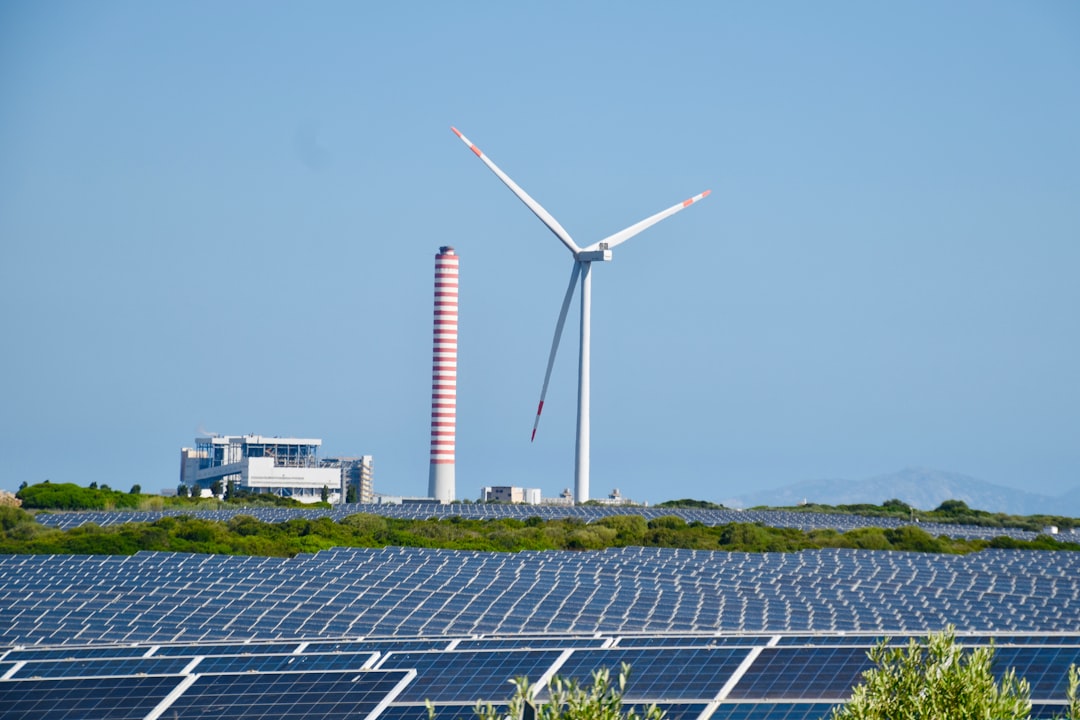
First, Let’s Set the Stage: What Is Hydrogen “Color Coding” Anyway?
Hydrogen itself is a colorless gas — the color labels are industry shorthand for how the hydrogen was produced. Think of it like buying coffee: the bean is the same, but whether it was sustainably farmed or strip-mined makes a world of difference. Here’s a quick orientation:
- Grey Hydrogen: Made from natural gas via steam methane reforming (SMR), with CO₂ released directly into the atmosphere. Accounts for roughly 95% of global hydrogen production today.
- Blue Hydrogen: Also made from natural gas via SMR, but paired with carbon capture and storage (CCS) technology to trap most of the CO₂ before it escapes.
- Green Hydrogen: Produced through electrolysis of water, powered entirely by renewable energy (solar, wind, hydro). The only byproduct is oxygen. Genuinely zero-emission when done right.
- Pink Hydrogen: Electrolysis powered by nuclear energy — gaining traction in France and South Korea in 2026.
Green Hydrogen: The Purist’s Dream
Green hydrogen is the rockstar of the hydrogen world — theoretically perfect, but historically expensive. Here’s how it works: renewable electricity powers an electrolyzer, which splits water (H₂O) into hydrogen and oxygen. No fossil fuels. No carbon. Done.
The numbers in 2026 are genuinely exciting compared to just a few years ago. According to the International Energy Agency’s latest tracking, green hydrogen production costs have dropped to approximately $3.50–$5.00 per kilogram in regions with abundant solar and wind resources — down from over $8/kg in 2021. In Australia’s Pilbara region and Chile’s Atacama Desert, projects are pushing costs even lower due to exceptional renewable capacity factors.
Key players doubling down on green hydrogen in 2026 include:
- Ørsted & partners (Denmark/Germany): Scaling gigawatt-scale offshore wind-to-hydrogen projects in the North Sea.
- POSCO (South Korea): Committed to importing green hydrogen from Australia to feed its steelmaking transition.
- Mainstream Renewable Power (Chile): Running one of the world’s largest green hydrogen export facilities targeting European markets.
The catch? Green hydrogen still requires massive renewable energy infrastructure, electrolyzer scale-up, and new storage and transport systems. It’s not plug-and-play — yet.
Blue Hydrogen: The Pragmatist’s Bridge
Blue hydrogen is, in many ways, a compromise solution — and depending on who you ask, that’s either a smart bridge strategy or a dangerous distraction. Let’s reason through both sides honestly.
The production process is almost identical to grey hydrogen (SMR from natural gas), but blue hydrogen routes the CO₂ emissions through carbon capture and storage (CCS) systems, theoretically locking away 85–95% of the carbon underground or in industrial sinks. The remaining 5–15% still escapes — and methane leakage during natural gas extraction adds another layer of complexity.
A landmark 2021 study from Cornell and Stanford universities (which remains highly cited as of 2026) suggested blue hydrogen’s lifecycle emissions could be worse than burning natural gas directly, once methane leakage is factored in. However, industry and newer government-backed studies argue that with tighter methane regulations — like the EU’s updated Methane Regulation enforcement in 2025 — blue hydrogen can achieve lifecycle emissions of under 2 kg CO₂e per kg H₂, qualifying under most green finance frameworks.
Cost-wise, blue hydrogen currently runs $1.50–$2.50/kg — significantly cheaper than green hydrogen, which is why major industrial consumers haven’t abandoned it.
Real-World Examples: Where Each Hydrogen Color Is Winning
Let’s look at what’s actually happening on the ground in 2026:
- Saudi Arabia (NEOM Blue & Green Mix): The NEOM project initially leaned green, but pragmatic cost pressures have led to a hybrid approach — green hydrogen for export showcase, blue hydrogen for domestic industrial supply.
- Canada (Alberta Blue Hydrogen Hub): Alberta’s geological formations are ideal for CCS. Shell and TC Energy are operating one of the world’s largest blue hydrogen-to-ammonia export corridors, targeting Asian markets.
- Germany (Green Hydrogen Imports): Germany’s H2Global mechanism is actively importing green hydrogen from Namibia and Chile, with 2026 delivery contracts live — a real milestone after years of planning.
- Japan: Still navigating between blue hydrogen from Australia’s Latrobe Valley (brown coal + CCS, technically a grey-blue hybrid) and green hydrogen from offshore wind partnerships with Vietnam and the Philippines.
- South Korea: The Korean Hydrogen Economy Roadmap 2.0, updated in early 2026, now explicitly prioritizes green hydrogen imports over blue by 2030, with blue serving as a transitional fuel in the interim.
The Core Tension: Speed vs. Purity
Here’s the honest tension that makes this debate so fascinating — and unresolved. Green hydrogen is the right long-term answer from an environmental standpoint. But scaling it globally by 2030 to meet industrial decarbonization timelines is, frankly, a massive logistical challenge. Blue hydrogen offers a faster deployment path using existing gas infrastructure, but it perpetuates natural gas dependency and carries methane risk.
Think of it like this: if you need to lose weight for a medical procedure in six months, a strict keto diet might not be realistic — but a moderate calorie deficit you can actually maintain is. Blue hydrogen is the moderate approach; green hydrogen is the optimal end goal. The danger is when “bridge” becomes “destination.”
Which One Should You Care About? A Practical Framework
Whether you’re a policy follower, investor, or just a curious reader, here’s a realistic way to think about where each hydrogen type fits:
- If you’re evaluating energy investments in 2026: Green hydrogen projects in high-solar/wind-resource regions (Chile, Australia, Middle East, North Africa) now represent stronger long-term bets as costs keep falling.
- If you’re in industrial procurement (steel, chemicals, shipping): Blue hydrogen may be your pragmatic near-term solution, especially if you’re in a region with CCS infrastructure (Canada, Norway, UK North Sea).
- If you’re a policy advocate: Push hard for clear lifecycle emissions standards — the “blue vs. green” debate becomes much cleaner when accounting rules are transparent and enforceable.
- If you’re just climate-curious: Know that “clean hydrogen” isn’t always what it claims to be — always ask how it was made.
The Verdict: Not a Winner-Takes-All Race
The green vs. blue hydrogen debate isn’t really a competition — it’s a timeline question. In an ideal world with unlimited capital and time, we’d go straight to green hydrogen everywhere. In the real world of 2026, with heavy industry desperate for near-term decarbonization tools and renewable buildout still catching up to demand, blue hydrogen will play a transitional role — particularly in regions with robust CCS capabilities.
The critical watchpoint is methane leakage accountability and whether blue hydrogen producers are genuinely committed to tightening those numbers, or using “clean” branding as a shield against deeper change. Green hydrogen’s cost curve, meanwhile, continues to bend downward in encouraging ways. By 2030, the economic case may resolve the debate on its own.
The smartest energy strategy isn’t dogmatic — it’s directional. Know where you’re going (green), understand the bridges you might need (blue), and keep pressure on both to be honest about their real-world footprints.
Editor’s Comment : What strikes me most about the green vs. blue hydrogen debate in 2026 is how much it mirrors other “perfect vs. good enough” dilemmas in sustainability — think EVs vs. hybrids, or organic farming vs. conventional regenerative ag. The purist answer and the practical answer aren’t always the same, and pretending otherwise doesn’t serve anyone. My honest take? Fund green aggressively, permit blue carefully, and regulate methane relentlessly. That’s not a compromise — that’s a strategy.
태그: [‘green hydrogen’, ‘blue hydrogen’, ‘hydrogen energy 2026’, ‘carbon capture storage’, ‘clean energy transition’, ‘hydrogen production comparison’, ‘renewable energy hydrogen’]
Leave a Reply