몇 년 전만 해도 ‘그린 수소’라는 단어는 에너지 업계 전문가들의 컨퍼런스 자료 한켠에나 등장하는 낯선 개념이었어요. 그런데 요즘은 뉴스 헤드라인에서, 심지어 동네 편의점 옆 수소 충전소 홍보 현수막에서도 심심찮게 만나게 됩니다. 실제로 지인 중 한 명이 충남의 한 산업단지 근처에서 일하고 있는데, “요즘 공장 지붕에 태양광 패널 달고 거기서 나오는 전기로 수소 만든다는 얘기가 돌던데 그게 진짜 되는 거야?
태그: []
몇 년 전만 해도 ‘그린 수소’라는 단어는 에너지 업계 전문가들의 컨퍼런스 자료 한켠에나 등장하는 낯선 개념이었어요. 그런데 요즘은 뉴스 헤드라인에서, 심지어 동네 편의점 옆 수소 충전소 홍보 현수막에서도 심심찮게 만나게 됩니다. 실제로 지인 중 한 명이 충남의 한 산업단지 근처에서 일하고 있는데, “요즘 공장 지붕에 태양광 패널 달고 거기서 나오는 전기로 수소 만든다는 얘기가 돌던데 그게 진짜 되는 거야?
태그: []
Picture this: it’s a cold January morning in 2026, and a research team at a university lab in Seoul is huddled around a furnace operating at just 600°C — a temperature that, a decade ago, would have been considered impossibly low for a solid oxide fuel cell (SOFC) to function efficiently. Yet here they are, watching a perovskite-based electrolyte membrane deliver record-breaking ionic conductivity. If you’ve been following clean energy tech at all, you know that this is the kind of quiet breakthrough that doesn’t make the front page — but absolutely should.
Let’s think through why perovskite electrolytes are suddenly the hottest topic in SOFC research, what the data actually tells us, and whether this material class is truly ready to reshape the hydrogen economy.

Before we dive into the cutting-edge stuff, let’s level-set. A Solid Oxide Fuel Cell (SOFC) converts chemical energy (usually hydrogen or natural gas) directly into electricity through electrochemical reactions — no combustion, very low emissions. The electrolyte is the critical middle layer: it must conduct oxygen ions (O²⁻) or protons (H⁺) while blocking electrons. The challenge? Traditional yttria-stabilized zirconia (YSZ) electrolytes need temperatures above 800°C to work well, which drives up costs, material degradation, and startup times.
Enter perovskites — a class of materials with the general crystal formula ABO₃. The magic of perovskites lies in their structural flexibility: by swapping out A-site or B-site cations (think barium, strontium, cerium, zirconium), researchers can fine-tune ionic conductivity, thermal stability, and chemical compatibility almost like programming a material from scratch.
Let’s get into specifics, because the progress since 2023 has been genuinely remarkable:
These aren’t just incremental tweaks. When you lower operating temperature by 200–300°C, you unlock the possibility of using stainless steel balance-of-plant components instead of exotic alloys — which can cut system costs by 30–40% according to DOE modeling frameworks updated in early 2026.
The competitive landscape for perovskite SOFC electrolyte research in 2026 is genuinely global, with some fascinating regional specializations emerging:
🇰🇷 South Korea — KAIST & POSTECH Collaborations: Korean researchers have been particularly aggressive in proton-conducting perovskite thin films deposited via pulsed laser deposition (PLD). A joint KAIST-POSTECH team published results in early 2026 demonstrating a full protonic ceramic fuel cell (PCFC) stack reaching efficiency above 60% LHV on pure hydrogen at 550°C — a landmark figure. The Korean government’s Hydrogen Economy Roadmap has funneled significant R&D funding toward this space, which shows.
🇨🇳 China — Tsinghua & CAS Institute of Physics: China’s approach has been more manufacturing-oriented. Rather than chasing maximum conductivity, groups at Tsinghua and the Chinese Academy of Sciences have focused on scalable tape-casting and co-sintering processes for BaCeO₃-BaZrO₃ solid solutions. Their 2025 results on 10-cell stacks showed remarkably consistent performance — variance below 3% across cells — which is the kind of reproducibility that industry partners actually care about.
🇺🇸 United States — MIT & Colorado School of Mines: American groups have leaned into computational materials discovery. Using high-throughput DFT calculations combined with machine learning potentials, MIT’s electrochemical materials group screened over 50,000 perovskite compositions in 2025 alone, identifying several previously unexplored A-site-deficient variants with predicted conductivity values that experimental teams are now racing to validate.
🇩🇪 Germany — Forschungszentrum Jülich: The Germans are doing what they do best — rigorous long-term durability testing. Jülich’s 2026 annual report includes 5,000-hour stability data for La-doped SrTiO₃-based perovskite electrolytes, showing that while conductivity is lower than BZY systems, the thermal cycling stability is exceptional — making them candidates for applications with frequent start-stop cycles.
Here’s where I want to be real with you, because hype without nuance isn’t useful. Perovskite electrolytes face several genuine hurdles that won’t be solved by next Tuesday:
So if you’re a researcher, investor, or just an energy-curious person trying to figure out where to put your attention — here’s how I’d think about the landscape:
If your goal is near-term commercialization, look at companies and research groups working with doped ceria electrolytes (e.g., Gd-doped CeO₂, or GDC). They’re not as flashy as perovskites, but the manufacturing know-how is more mature, and intermediate-temperature operation is already demonstrated at commercial scales by companies like Elcogen (Estonia) and Bloom Energy’s next-gen platforms.
If you’re interested in the longer-horizon, higher-payoff bet, then proton-conducting perovskites (PCFCs) are genuinely exciting — particularly for applications where water is produced on the fuel side (which simplifies system design considerably). The 5–10 year roadmap here could be transformative.
And if you’re a materials scientist early in your career? A-site-deficient and entropy-stabilized perovskites are wide open territory. The high-entropy oxide approach — mixing five or more cations on A or B sites to stabilize the perovskite structure — is producing some wild conductivity results that the community is still trying to fully explain theoretically.
What strikes me most about the 2026 SOFC perovskite electrolyte landscape is how the field has matured from purely academic curiosity into something with genuine commercial tension. The conversations are no longer just “can we make it conduct?” but “can we make it conduct, last 40,000 hours, and be manufactured at $50/kW?” That’s the right conversation to be having.
We’re not quite at the moment where perovskite-based PCFCs are rolling off assembly lines — but the gap between lab excellence and commercial readiness has never been smaller. And in a world where the hydrogen economy is rapidly scaling up (global electrolyzer capacity passed 50 GW in late 2025), having a fuel cell that runs efficiently at 500–600°C instead of 900°C could be exactly the unlock the industry needs.
Editor’s Comment : What excites me most here isn’t any single material breakthrough — it’s the convergence happening in 2026: computational screening is feeding experimental synthesis faster than ever, and manufacturing engineers are finally at the same table as materials scientists. Perovskite electrolytes are a beautiful case study in how patient, curiosity-driven research eventually meets a world that’s ready for it. Keep your eyes on proton-conducting perovskite stacks — I genuinely think we’ll look back at 2025–2028 as the inflection point for this technology.
태그: [‘SOFC perovskite electrolyte’, ‘solid oxide fuel cell 2026’, ‘proton conducting perovskite’, ‘BaZrO3 electrolyte’, ‘intermediate temperature SOFC’, ‘hydrogen fuel cell materials’, ‘protonic ceramic fuel cell’]
얼마 전 한 에너지 컨퍼런스에서 연구자 한 분이 이런 말을 했다고 해요. “우리가 지금 다루는 건 그냥 세라믹 분말이 아니라, 탄소중립 시대의 열쇠를 쥔 물질입니다.” 그 말이 꽤 오래 머릿속에 남았습니다. 고체산화물 연료전지(SOFC, Solid Oxide Fuel Cell)의 전해질 소재로 주목받고 있는 페로브스카이트(Perovskite) 구조 신소재 이야기인데요. 수소경제 로드맵이 본격화되면서 SOFC 기술의 상용화 속도도 빨라지고 있고, 그 중심에는 바로 이 전해질 소재 혁신이 있다고 봅니다. 오늘은 2026년 현재 어디까지 왔는지, 함께 파헤쳐 볼게요.
SOFC는 일반적으로 700~1,000°C의 고온에서 작동하는 연료전지입니다. 발전 효율이 단독으로도 50~65%에 달하고, 열병합 발전 시스템(CHP)과 결합하면 최대 85%까지 에너지 효율을 끌어올릴 수 있다는 점에서 다른 연료전지 방식과 차별화됩니다.
문제는 바로 이 ‘고온 작동’이 동전의 양면이라는 거예요. 효율은 높지만, 그만큼 내구성 있는 소재가 필요하고, 시스템 구동 준비 시간(스타트업 타임)이 길어지며, 소재 열화(degradation)가 빠르게 진행된다는 단점이 있었죠.
이 때문에 연구자들이 주목한 방향이 바로 중저온 SOFC(IT-SOFC, Intermediate Temperature SOFC)입니다. 작동 온도를 400~700°C 범위로 낮추면 소재 선택의 폭이 넓어지고 제조 비용도 획기적으로 줄어들거든요. 그 핵심 열쇠가 바로 페로브스카이트 구조(ABO₃)를 기반으로 한 신규 전해질 소재 개발인 것 같습니다.
기존 SOFC 전해질의 표준 소재인 YSZ(이트리아 안정화 지르코니아, Yttria-Stabilized Zirconia)는 800°C 이상에서야 충분한 이온 전도도(~0.1 S/cm)를 보입니다. 반면 최근 연구된 페로브스카이트 기반 소재, 예를 들어 BaZrCeYYb-O(BZCYYb) 계열 프로톤 전도성 세라믹은 500~600°C에서 유사한 수준의 전도도를 구현하면서도 화학적 안정성을 유지한다는 보고가 나오고 있어요.
페로브스카이트 전해질 연구는 전 세계 여러 기관에서 동시다발적으로 진행 중인데, 몇 가지 주목할 흐름을 짚어볼게요.
해외 동향부터 살펴보면, 미국 캘리포니아공과대학(Caltech)과 MIT 공동 연구팀은 더블 페로브스카이트(Double Perovskite, A₂BB’O₆) 구조를 활용한 혼합이온-전자 전도체(MIEC) 소재 개발에서 의미 있는 결과를 내고 있는 것 같습니다. 특히 산소 이온과 프로톤을 동시에 전도할 수 있는 소재는 전극 반응 속도를 높여 전체 셀 출력 밀도를 기존 대비 30% 이상 향상시킬 수 있다는 점에서 주목받고 있어요.
독일 율리히 연구소(Forschungszentrum Jülich)는 La₀.₉Sr₀.₁Ga₀.₈Mg₀.₂O₃(LSGM) 계열 페로브스카이트 전해질을 적용한 스택 시스템을 600°C 이하에서 1W/cm² 이상의 출력 밀도로 구동하는 데 성공했다고 보고했습니다. 이는 상용화 기준선으로 자주 언급되는 수치라, 연구계에서 꽤 화제가 됐죠.
국내 연구 쪽도 상당히 활발합니다. 한국에너지기술연구원(KIER)과 KAIST를 중심으로 BaCeO₃-BaZrO₃ 혼합계 페로브스카이트 전해질의 소결성(sinterability)과 장기 안정성 문제를 동시에 해결하는 방향의 연구가 진행 중인 것 같아요. 또한 삼성전자 종합기술원과 포스코홀딩스의 수소 사업 부문이 각각 SOFC 소재 관련 특허를 2025~2026년 사이 연속 출원하면서 산업계의 관심도 가시화되고 있는 상황입니다.

그렇다면 왜 아직 완전한 상용화가 이뤄지지 않았을까요? 몇 가지 근본적인 기술 장벽이 있다고 봅니다.
이 모든 도전 과제를 감안할 때, 현재 가장 현실적인 접근은 ‘점진적 대체 전략’이라고 봅니다. YSZ를 한 번에 페로브스카이트로 교체하려는 시도보다는, YSZ 기반 전해질에 페로브스카이트 계열 박막 버퍼층을 삽입하는 하이브리드 구조가 단기적으로 유망한 것 같아요. 전도도를 보완하면서도 기존 제조 인프라를 그대로 활용할 수 있다는 장점이 있거든요.
중장기적으로는 머신러닝 기반 소재 탐색(Materials Informatics)과 페로브스카이트 연구의 결합이 속도를 높일 것으로 보입니다. 방대한 페로브스카이트 조성 공간(A, B 사이트 치환 원소 조합)을 실험만으로 커버하기엔 한계가 있고, 이미 Google DeepMind의 GNoME(Graph Networks for Materials Exploration) 같은 AI 소재 발굴 모델이 수십만 종의 안정적인 무기 소재 구조를 예측한 바 있어 SOFC 전해질 분야에도 적용이 활발해질 것 같습니다.
결국 페로브스카이트 전해질 신소재 연구는 단순히 ‘더 좋은 세라믹을 찾는 작업’이 아니라, 수소 인프라 전체의 경제성을 바꿀 수 있는 핵심 레버(lever)인 셈입니다. 단기 성과보다는 소재-공정-시스템을 통합적으로 바라보는 생태계 수준의 접근이 필요한 시점인 것 같아요.
에디터 코멘트 : SOFC와 페로브스카이트의 조합은 마치 고성능 엔진을 위한 신합금 개발처럼, 기술의 병목을 뚫는 소재 레이스라고 느껴집니다. 연구 소식을 접하면서 개인적으로 가장 인상적인 부분은, 이 분야가 더 이상 순수 학문의 영역에만 머물지 않는다는 점이에요. 국내 에너지 기업들이 소재 특허 경쟁에 뛰어들고, 정부 R&D 예산에서 수소 소재 분야 비중이 커지고 있는 2026년의 흐름은 분명 의미심장합니다. 아직 넘어야 할 기술 산이 많지만, 그 방향성만큼은 꽤 선명해 보인다고 봅니다.
태그: [‘SOFC’, ‘페로브스카이트전해질’, ‘고체산화물연료전지’, ‘수소연료전지소재’, ‘차세대에너지소재’, ‘IT-SOFC신소재’, ‘수소경제2026’]
Imagine pulling up to a fueling station in 2026, not to pump gasoline, but to fill your vehicle with hydrogen in under five minutes — paying roughly the equivalent of what you’d spend on a mid-range coffee subscription per month. Sounds like a vision board fantasy, right? Well, it’s closer to reality than most people realize, and the policy machinery driving it is humming louder than ever this year. Let’s think through what the Hydrogen Economy Roadmap 2026 policies really mean — not just in abstract government-speak, but in terms you can actually use.
The Hydrogen Economy Roadmap is essentially a government blueprint that outlines how nations plan to transition from fossil-fuel dependency toward hydrogen as a primary clean energy carrier. In 2026, this roadmap has evolved from aspirational targets into binding policy commitments across South Korea, the EU, Japan, and the United States — each with their own funding mechanisms and timelines.
South Korea’s Ministry of Trade, Industry and Energy (MOTIE) confirmed in early 2026 that the country aims to deploy over 300,000 hydrogen fuel cell vehicles (FCEVs) and establish 660+ hydrogen refueling stations nationwide by year-end. Meanwhile, the EU’s Hydrogen Bank has committed €3 billion in auction-based subsidies specifically targeting green hydrogen production at scale. These aren’t just numbers on a slide deck — they reflect real capital flows that are reshaping supply chains, job markets, and energy costs.
Let’s be specific here, because vague policy talk helps no one. The 2026 roadmap across major economies generally rests on four pillars:
Theory is fine, but let’s look at who’s turning policy into practice in 2026.
South Korea — The FCEV Pioneer: Hyundai’s NEXO second generation, released in late 2025, is now benefiting directly from government purchase subsidies of up to ₩20 million per unit under the 2026 Green Mobility Support Program. Fleet operators — particularly logistics companies in the Busan-Incheon corridor — are reporting total cost of ownership comparisons that are now within 8–12% of equivalent diesel trucks over a five-year period. That gap is narrowing fast.
Germany — Industrial Hydrogen at Scale: ThyssenKrupp’s Duisburg steel plant began its phased green hydrogen integration in early 2026, targeting a 20% reduction in carbon intensity within 18 months. Germany’s H2Global mechanism, which uses a double-auction system to bridge the price gap between cheaper fossil-based and costlier green hydrogen, has successfully onboarded suppliers from Namibia and Saudi Arabia — demonstrating that hydrogen can be a globally traded commodity, not just a local experiment.
Australia — The Export Ambition: Australia’s National Hydrogen Strategy 2026 update formalized offtake agreements with Japan and South Korea totaling 1.5 million metric tons of hydrogen annually by 2030. Projects in Western Australia’s Pilbara region are already in construction phase, leveraging some of the world’s cheapest solar irradiance to power electrolyzers at costs projected below $2/kg by 2028.
Here’s where I think a lot of coverage goes wrong — it stays at the 30,000-foot level. Let’s bring it down to earth. If you’re a homeowner, a small business owner, or just someone watching your energy bill, here’s how the 2026 hydrogen policy environment could realistically touch your life:
Let’s be real with each other. The hydrogen economy roadmap in 2026, for all its momentum, still faces structural headwinds that policy alone can’t fully resolve. Green hydrogen production costs, while falling, remain roughly 2–3x higher than grey hydrogen in most markets. Electrolyzer supply chains are still bottlenecked — many manufacturers are quoting 18–24 month lead times on large-scale units. And public acceptance of hydrogen infrastructure in residential areas remains a communication challenge that governments have been slow to address head-on.
A realistic alternative framing: rather than viewing hydrogen as a universal replacement for all fossil fuels, the smarter policy logic — and the one increasingly endorsed by energy economists in 2026 — is to deploy hydrogen strategically where electrification is hardest. Think heavy-duty trucking, shipping, aviation, and industrial heat. For passenger cars in urban settings, battery electric vehicles (BEVs) still hold the efficiency advantage. The best outcomes come from letting both technologies compete and complement each other, rather than forcing ideological purity on either side.
If you’re an investor, a policy watcher, or simply a curious citizen, the actionable takeaway is this: follow the infrastructure spending, not just the headline targets. When refueling networks reach critical density (roughly one station per 25km in urban corridors), adoption curves tend to inflect sharply upward. Based on current 2026 deployment rates in South Korea and Japan, that inflection point is likely 18–36 months away in leading markets.
Editor’s Comment : The Hydrogen Economy Roadmap in 2026 is genuinely one of the most consequential — and underreported — policy shifts happening right now. It’s easy to get either swept up in the hype or dismissive of the timelines. The truth, as usual, lives in the middle: this is a real transition with real capital behind it, but it will be uneven, messy, and slower in some sectors than advocates hope. The smartest move, whether you’re a consumer, entrepreneur, or policymaker, is to stay curious, stay specific, and resist both the breathless optimism and the reflexive skepticism. The hydrogen story in 2026 is just getting good.
태그: [‘hydrogen economy roadmap 2026’, ‘green hydrogen policy’, ‘fuel cell vehicles 2026’, ‘clean energy transition’, ‘hydrogen infrastructure investment’, ‘FCEV adoption’, ‘sustainable energy 2026’]
얼마 전 지인 중 한 명이 수소차를 구매했다는 소식을 전해왔어요. 그런데 정작 가장 가까운 수소 충전소까지 왕복 40분 이상 걸린다며 씁쓸한 웃음을 짓더라고요. 기술은 분명히 앞서가고 있는데, 인프라와 정책이 그 속도를 따라가지 못하고 있다는 현실적인 벽에 부딪힌 셈이죠. 2026년 현재, 우리나라의 수소 경제 로드맵은 과연 어디까지 왔을까요? 그리고 그 정책들이 실제로 우리 삶과 어떻게 연결되는지, 함께 들여다보고 싶었어요.

정부가 발표한 「수소경제 이행 기본계획」을 기준으로 보면, 2026년까지 수소차 누적 보급 목표는 약 20만 대, 수소 충전소는 전국 450기 이상을 목표로 하고 있었어요. 하지만 2026년 3월 현재 실제 보급 현황을 보면 충전 인프라 측면에서는 약 320~340기 수준에 머물고 있다는 분석이 나오고 있어요. 목표 대비 약 70~75% 수준으로, 기대에는 다소 못 미치는 수치인 것 같습니다.
수소 생산 측면에서는 국내 청정수소(그린수소·블루수소) 비중을 2030년까지 50% 이상으로 끌어올리겠다는 목표 아래, 2026년 현재는 주로 부생수소와 개질수소(그레이수소)가 전체의 약 80% 이상을 차지하고 있다고 봅니다. 아직은 탈탄소화보다 공급 안정화에 방점이 찍혀 있는 단계라고 볼 수 있어요.
예산 규모도 주목할 만해요. 산업통상자원부를 중심으로 2026년 수소 관련 R&D 및 인프라 예산은 약 1조 2,000억 원 내외로 편성되었으며, 민간 투자 유도를 위한 세제 혜택과 수소발전 입찰시장(CHPS) 확대도 병행되고 있다는 점이 눈에 띄는 부분이에요.
비교 대상으로 자주 언급되는 건 역시 유럽연합(EU)과 일본이에요.
EU는 2026년 현재 「유럽 수소 뱅크(European Hydrogen Bank)」를 통해 그린수소 생산에 직접 보조금을 지급하는 방식을 안착시키고 있어요. 특히 독일은 국가 수소 전략 업데이트를 통해 자국 내 생산에만 집착하지 않고 북아프리카·중동 등지에서의 그린수소 수입 다변화를 적극 추진하고 있다고 봅니다. 공급망 전략이 훨씬 유연한 편이에요.
일본의 경우, 수소사회추진법(2024년 시행)을 기반으로 수소와 암모니아를 에너지 믹스의 핵심으로 편입시키는 작업을 빠르게 진행 중이에요. 후쿠시마 수소에너지연구필드(FH2R)는 태양광과 연계한 그린수소 생산의 실증 사례로 국제적 주목을 받고 있고요.
반면 우리나라는 수소법(수소경제 육성 및 수소 안전관리에 관한 법률)을 세계 최초로 제정한 나라임에도, 실행 속도 면에서는 다소 아쉬운 평가를 받고 있는 것 같아요. 규제 샌드박스 확대와 수소 전문기업 육성 정책이 병행되고 있지만, 민간 투자 심리를 끌어올리기 위한 안정적인 수요 보장 구조가 아직은 부족하다는 목소리가 많아요.
솔직히 말씀드리면, 수소 경제가 일반 소비자의 일상에 깊숙이 파고드는 시점은 아직 2030년 전후가 현실적인 것 같아요. 지금은 그 기반을 다지는 중요한 전환기라고 봅니다. 충전 인프라 부족, 수소 단가의 경쟁력 문제, 그린수소 생산 기술의 원가 절감 속도 등이 복합적으로 풀려야 비로소 ‘체감하는 수소 경제’가 가능해지거든요.
다만 투자자 입장이나 관련 산업에 종사하는 분들이라면 지금 이 시점이 오히려 포지셔닝을 잡을 적기라는 시각도 충분히 유효하다고 봐요. 정책이 만들어낸 수요와 민간 혁신이 교차하는 구간은 항상 기회이기도 하니까요.
에디터 코멘트 : 수소 경제 로드맵을 공부하다 보면, 결국 핵심은 ‘속도’가 아니라 ‘지속 가능한 구조’를 만드는 데 있다는 걸 느끼게 돼요. 충전소가 몇 기 늘었는지보다, 그 충전소에 들어가는 수소가 얼마나 깨끗한 방식으로 만들어지는지를 함께 봐야 한다고 생각해요. 정책을 소비하는 시민으로서 숫자 너머의 맥락을 읽는 습관이 필요한 시대인 것 같습니다.
태그: [‘수소경제’, ‘수소경제로드맵2026’, ‘수소정책’, ‘그린수소’, ‘수소충전소’, ‘수소모빌리티’, ‘청정에너지정책’]
Picture this: you pull into a hydrogen refueling station somewhere off a busy highway, fill up your fuel cell vehicle in about four minutes, and drive another 400+ miles without a second thought about range anxiety. That scenario felt almost science fiction just a few years ago — but in 2026, it’s quietly becoming a real option for a growing number of drivers worldwide. So, where exactly does hydrogen fuel cell vehicle (FCEV) technology stand right now, and what does the road ahead actually look like? Let’s think through this together.

Global FCEV sales have climbed steadily, with cumulative registrations crossing the 1.2 million mark by early 2026, according to industry tracking data from the Hydrogen Council. While that number still trails battery electric vehicles (BEVs) by a significant margin, the growth rate is telling. In key markets like South Korea, Japan, Germany, and California, fleet operators — think buses, heavy trucks, and logistics vehicles — have been the real adopters driving volume.
Here’s a data point worth sitting with: the cost of green hydrogen production has dropped nearly 60% since 2020 due to scaling electrolyzer manufacturing and cheaper renewable energy inputs. That doesn’t mean it’s cheap yet — we’re still looking at roughly $4–6 per kilogram in the most optimized markets — but the trajectory is genuinely encouraging. The U.S. Department of Energy’s 2026 hydrogen cost target of $2/kg by 2030 still looks ambitious, but not impossible.
Let’s be real about the friction points, because pretending they don’t exist would be doing you a disservice. Infrastructure remains the single biggest bottleneck. As of early 2026, there are approximately 1,100 public hydrogen refueling stations globally — that sounds decent until you compare it to the hundreds of thousands of EV charging points. Distribution is also wildly uneven: Japan has about 180 stations, California roughly 120, and South Korea around 310, but vast stretches of Europe and North America remain hydrogen deserts.
Then there’s the efficiency conversation. A hydrogen fuel cell drivetrain converts energy at roughly 40–60% efficiency well-to-wheel, compared to BEVs at around 70–80%. This is a legitimate engineering trade-off, not a dismissible detail. FCEVs make their strongest case in scenarios where energy density, refueling speed, and long-range driving are prioritized over pure energy efficiency.
Let’s zoom in on some concrete cases that tell the story better than statistics alone:
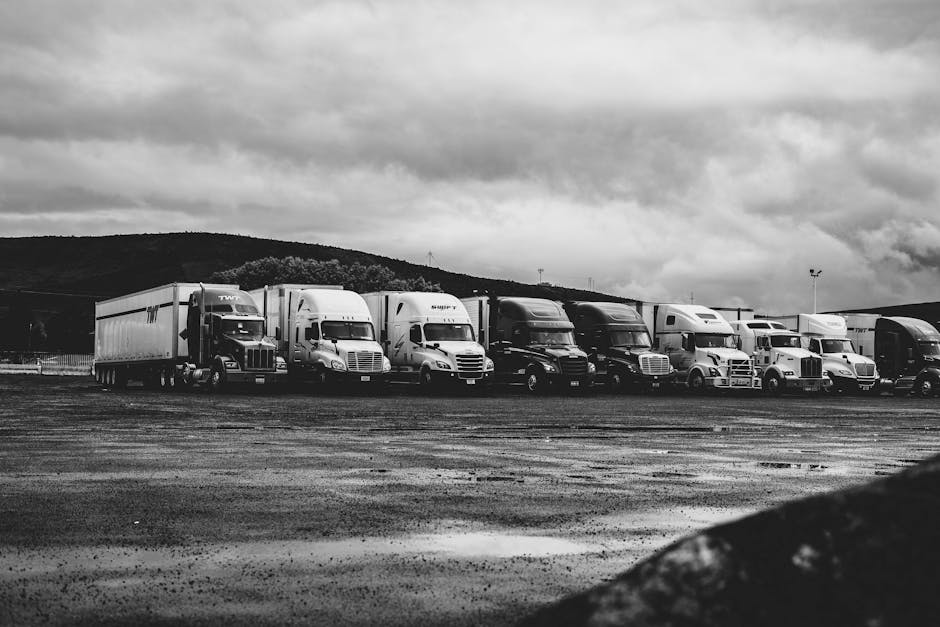
One of the most persistent and, frankly, unhelpful debates in the clean mobility space is the FCEV-versus-BEV framing. In 2026, the more nuanced and accurate picture is segmentation by use case. Think of it this way: BEVs are winning the short-to-medium range, predictable-route, passenger vehicle space — and they should. The charging network, battery cost trajectory, and consumer familiarity all favor them there. But FCEVs are carving out a genuinely defensible niche in long-haul trucking, maritime applications, aviation ground support, and regions where grid infrastructure is weak but renewable energy generation (like solar or wind) is abundant.
If you’re a fleet manager running refrigerated trucks on 600-mile routes, the 15-minute hydrogen refuel versus an hour-plus charging stop is not a marginal difference — it’s an operational paradigm shift. That’s where the hydrogen investment story becomes most compelling in 2026.
If you’re an individual consumer in 2026 wondering whether to wait for hydrogen or commit to an EV now, here’s a grounded take: unless you live in a hydrogen-rich corridor (parts of California, South Korea, or Germany), a BEV or plug-in hybrid is almost certainly the more practical choice today. The infrastructure gap is still too real to ignore for daily use.
However, if you’re a business decision-maker in logistics, public transit, or industrial operations — especially if you’re planning fleet replacements for vehicles in the 10-year+ lifecycle range — hydrogen deserves a serious seat at the evaluation table. The total cost of ownership math is improving, and locking into a platform that aligns with where both regulation and fuel costs are heading can be strategically smart.
For investors and policy-watchers, green hydrogen infrastructure bonds and electrolyzer technology companies are worth monitoring closely. The 2026–2030 window is likely when the cost curves and infrastructure investment will either validate or significantly delay the broader FCEV consumer scenario.
Editor’s Comment : Hydrogen fuel cell vehicles in 2026 remind me a bit of where EVs were around 2013 — genuinely promising technology held back not by the cars themselves, but by the ecosystem around them. The difference this time is that the commercial vehicle sector is doing the heavy lifting early, which means infrastructure investment has a business case that doesn’t depend on convincing millions of individual consumers simultaneously. My honest read? FCEVs won’t replace EVs for most of us in the driveway anytime soon — but they may quietly become the backbone of clean freight and heavy industry over the next decade. Watch the trucks, not just the sedans. That’s where the real hydrogen story is being written in 2026.
태그: [‘hydrogen fuel cell vehicle 2026’, ‘FCEV future outlook’, ‘green hydrogen technology’, ‘hydrogen vs electric vehicle’, ‘clean energy transportation’, ‘hydrogen refueling infrastructure’, ‘fuel cell truck commercial vehicle’]
얼마 전 지인 한 분이 이런 말을 했어요. “수소차 사려고 몇 년째 기다리는데, 충전소가 집 근처에 없어서 아직도 망설이고 있어.” 아마 이 글을 읽고 계신 분들 중에도 비슷한 고민을 하고 계신 분이 꽤 있을 것 같습니다. 전기차 열풍이 한차례 지나가고, 이제 시장은 다시 수소 연료전지차(FCEV, Fuel Cell Electric Vehicle)에 주목하기 시작했어요. 2026년 현재, 수소차는 과연 어디쯤 와 있는 걸까요? 함께 차근차근 짚어보도록 하겠습니다.
글로벌 수소차 시장은 2026년 기준으로 상당히 의미 있는 변곡점에 접어들었다고 봅니다. 시장조사기관 SNE리서치와 H2 인사이트의 추산에 따르면, 2026년 전 세계 수소연료전지 차량 누적 보급 대수는 약 80만 대를 넘어설 것으로 전망되고 있어요. 2022년만 해도 전 세계 누적 보급이 5만 대 수준이었던 것과 비교하면 놀라운 성장 속도라고 할 수 있습니다.
국내 상황을 보면, 2026년 1분기 기준 국내 수소승용차 누적 등록 대수는 약 4만 2천여 대로 집계되고 있어요. 충전 인프라도 조금씩 나아져서, 전국 수소 충전소 수는 약 350개소를 돌파한 상태입니다. 2022년 100개소를 간신히 넘겼던 걸 떠올리면, 물리적 인프라는 분명히 성장하고 있다고 봅니다.
또 하나 주목할 수치는 수소 가격이에요. 한때 kg당 9,000원~11,000원에 달하던 국내 충전 단가는 2026년 현재 일부 지역에서 kg당 7,000원 내외까지 낮아진 상태입니다. 아직 휘발유·전기차 대비 완전한 경제성을 확보했다고 보기는 어렵지만, 하향 추세 자체는 명확한 것 같아요.
현대자동차 넥쏘(NEXO) 2세대는 2025년 말 공식 출시 이후 2026년 들어 본격적인 판매 궤도에 올랐습니다. 1회 충전 주행거리가 약 650km에 달하고, 충전 시간은 5분 내외라는 점에서 장거리 운전자들에게 실질적인 대안으로 떠오르고 있어요. 특히 수소 시스템 내구성을 대폭 개선해 16만 km 이상의 스택 수명을 보장한다는 점이 소비자 신뢰를 높이고 있다고 봅니다.
해외 사례를 보면, 일본 토요타는 미라이(Mirai) 3세대 개발을 공식화하며 2027년 출시를 목표로 수소 저장 효율을 20% 이상 끌어올리는 작업을 진행 중이에요. 중국은 정부 주도 하에 수소 상용차(버스·트럭) 보급에 집중하고 있으며, 2026년 기준 수소 상용차 누적 보급은 이미 10만 대를 넘어섰다는 보고도 있습니다.
유럽에서는 독일의 H2 모빌리티 컨소시엄이 고속도로 수소 충전 네트워크를 확장 중이고, 특히 장거리 물류 트럭 분야에서 수소가 배터리 전기차보다 현실적이라는 인식이 퍼지면서 B2B 수요가 빠르게 늘고 있어요.
수소 연료전지차의 핵심은 스택(Stack)이에요. 수소와 산소를 화학반응시켜 전기를 만드는 심장 같은 부품인데요, 2026년 현재 현대차 기준 스택 출력 밀도는 과거 대비 약 30% 향상됐고, 백금(Platinum) 촉매 사용량도 지속적으로 줄이는 방향으로 기술이 진화하고 있어요. 백금 사용량이 줄수록 차량 원가가 내려가고, 그게 소비자 가격 인하로 이어지는 구조라 중요한 지표라고 봅니다.
또한 수소 저장 방식도 진화 중인데, 기존 700bar(바) 고압 기체 방식 외에 액체 수소(LH₂) 저장 기술을 적용한 차량이 상용화 단계에 근접했다는 소식도 있습니다. 액체 수소는 같은 부피에 더 많은 수소를 담을 수 있어 주행거리 연장에 유리해요.
에디터 코멘트 : 솔직히 말하면, 2026년 현재 수소차는 “모두에게 최선인 선택”은 아직 아닌 것 같아요. 하지만 분명히 특정 라이프스타일—장거리 운행, 빠른 충전 니즈, 충전 인프라 접근 가능—에서는 배터리 전기차보다 설득력 있는 선택지가 됐다고 봅니다. 기술은 계속 앞으로 가고 있고, 인프라도 느리지만 꾸준히 늘고 있어요. 지금 당장 구매보다는, 자신의 주행 패턴과 거주 지역 인프라를 냉정하게 점검하고 결정하는 게 가장 현실적인 접근이라고 생각합니다. 2028년 이후가 되면 지금과는 꽤 다른 그림이 펼쳐질 수도 있으니, 조금 더 지켜보는 것도 충분히 합리적인 선택이에요.
태그: [‘수소연료전지자동차’, ‘수소차미래전망2026’, ‘FCEV’, ‘넥쏘2세대’, ‘수소충전소’, ‘친환경자동차’, ‘수소에너지’]
Picture this: it’s a cold January morning, your heating bill just landed in your inbox, and you’re staring at a number that makes your coffee go cold. A neighbor casually mentions their home fuel cell system hasn’t cost them a dime in grid electricity since autumn. Sound familiar? This exact scenario is playing out in thousands of households across North America, Europe, and East Asia right now — and it’s got a lot of homeowners wondering whether a residential fuel cell is a smart financial move or just expensive green theater.
Let’s think through this together, because the honest answer is: it depends — but in ways that are very calculable once you know what to look for.
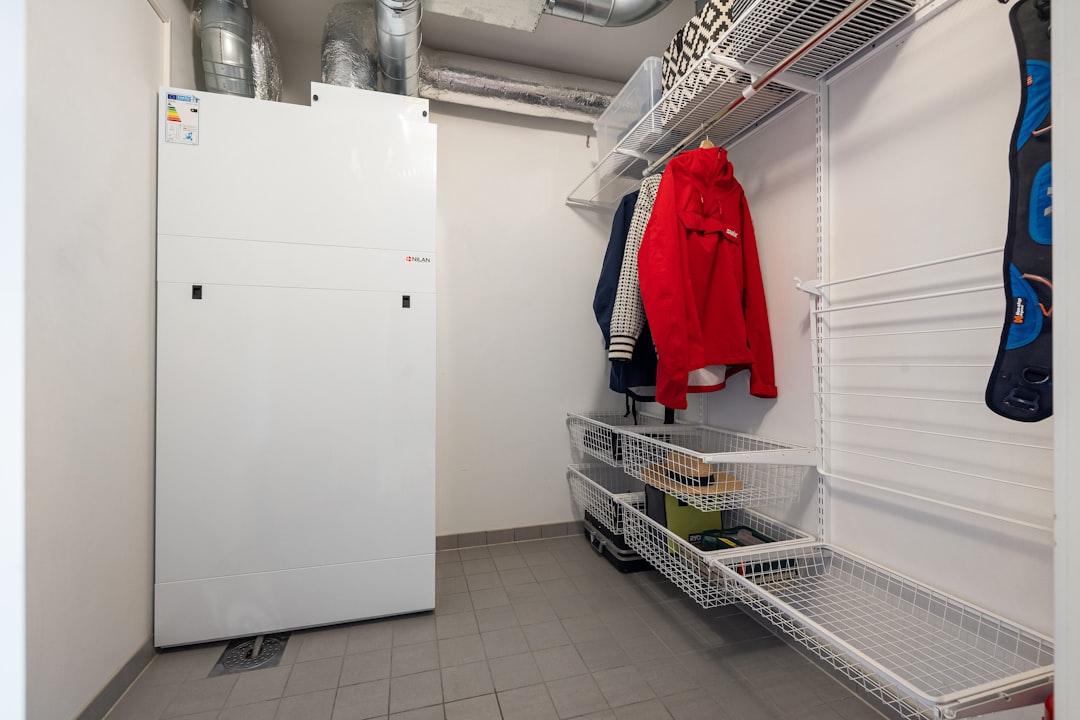
Before we crunch numbers, a quick primer for anyone newer to this technology. A residential fuel cell (most commonly a PEMFC — Proton Exchange Membrane Fuel Cell — or a SOFC — Solid Oxide Fuel Cell) converts natural gas or hydrogen into electricity and heat through an electrochemical reaction, not combustion. The key selling point: efficiencies of 85–95% in combined heat and power (CHP) mode, compared to roughly 35–45% for conventional grid electricity generation.
In 2026, the two dominant residential players globally are Bloom Energy’s home-scale ES-5 unit (targeting the North American premium market) and Panasonic’s ENE-FARM series (dominating Asia-Pacific). European households are increasingly looking at Viessmann’s Vitovalor PT2 and newer hydrogen-ready models from Bosch.
Let’s get into the numbers, because vague promises don’t pay bills.
Upfront Installation Costs (2026 estimates, USD):
These figures have actually dropped 18–22% compared to 2023 levels, largely due to scaled manufacturing in South Korea and Japan and improved stack longevity (modern stacks now reliably reach 60,000–80,000 operating hours before replacement).
Annual Operating Costs: A typical 2.5 kW natural-gas-fed unit running in CHP mode costs roughly $900–$1,400/year in fuel (at 2026 average US natural gas prices of ~$1.15/therm) while displacing $1,800–$2,600/year in grid electricity and heating costs for a median US home consuming ~10,500 kWh annually.
Simple payback period — before incentives — currently runs 14–22 years for most US households. That’s admittedly long. But here’s where policy makes a dramatic difference.
The US Inflation Reduction Act extensions still provide a 30% federal tax credit on residential fuel cell installations (up to $500/0.5 kW of capacity). Several states — California, New York, Massachusetts, and Connecticut — layer additional rebates of $1,500 – $4,000 on top of that. Run those numbers and your payback window can compress to 7–11 years in high-electricity-cost markets like California (averaging $0.32/kWh in 2026).
In Germany, the KfW 433 program continues to subsidize up to €4,800 per fuel cell installation, and in Japan, the Ministry of Economy’s ENE-FARM subsidy (restructured in 2025) offers ¥150,000–¥350,000 depending on system type. South Korea’s Green New Deal successor program covers up to 30% of installation costs for residential micro-CHP.
California Household (San Jose, 2025–2026): A family of four installed a 2.5 kW Panasonic SOFC unit in late 2024. After the 30% federal credit and $3,200 California Self-Generation Incentive Program (SGIP) rebate, net cost was ~$11,800. With PG&E rates at $0.34/kWh, they’re saving approximately $2,100/year. Projected payback: ~5.6 years. That’s genuinely compelling.
Tokyo Apartment (Minato Ward): A retired couple on the ENE-FARM program reports a 38% reduction in combined gas and electricity bills. The Japanese model benefits from the country’s high grid electricity costs (¥30–35/kWh in 2026) and a culture of long-term appliance investment. Their system is in year 9 with no major maintenance costs beyond the scheduled annual service (¥25,000/year).
German Single-Family Home (Bavaria): A Viessmann Vitovalor system installed under KfW 433 is providing heat and power but the owner candidly notes that with Germany’s slightly lower electricity prices post-2025 energy stabilization (~€0.28/kWh), payback is closer to 10–13 years. Still worthwhile, but no magic bullet.
If the numbers don’t stack up for your specific situation right now, here’s how I’d think through your options:
The bottom line? A home fuel cell system in 2026 makes strong financial sense for high-energy-consuming households in high-electricity-cost markets with robust incentive access. For everyone else, it’s a future-leaning investment that rewards patience and careful local analysis over FOMO-driven purchasing.
Editor’s Comment : After digging into these numbers, what genuinely surprises me is how dramatically location and incentive stacking shift the calculus. The same physical system is a slam-dunk in San Jose and a 15-year gamble in rural Iowa. Before you call an installer, I’d strongly recommend running your own numbers using the US DOE’s updated Fuel Cell Cost Calculator (relaunched January 2026) or Japan’s ENE-FARM simulator — both are free and take about 20 minutes. The technology is legitimately impressive and steadily maturing; the question is simply whether your specific situation is ready to reward it today.
태그: [‘home fuel cell system 2026’, ‘residential fuel cell cost analysis’, ‘SOFC PEMFC home energy’, ‘fuel cell ROI payback period’, ‘ENE-FARM Bloom Energy residential’, ‘clean energy home investment 2026’, ‘CHP combined heat and power home’]
얼마 전 지인이 이런 말을 했어요. “우리 집 전기·가스비가 한 달에 40만 원이 넘어가는데, 연료전지 설치하면 좀 나아질까?” 솔직히 처음엔 저도 선뜻 답을 못 했습니다. 연료전지라는 단어 자체가 왠지 ‘전문가들의 영역’처럼 느껴지거든요. 그런데 찬찬히 뜯어보니, 2026년 현재 가정용 연료전지는 생각보다 훨씬 우리 일상에 가까이 와 있더라고요. 오늘은 그 경제성을 숫자로 함께 들여다보겠습니다.
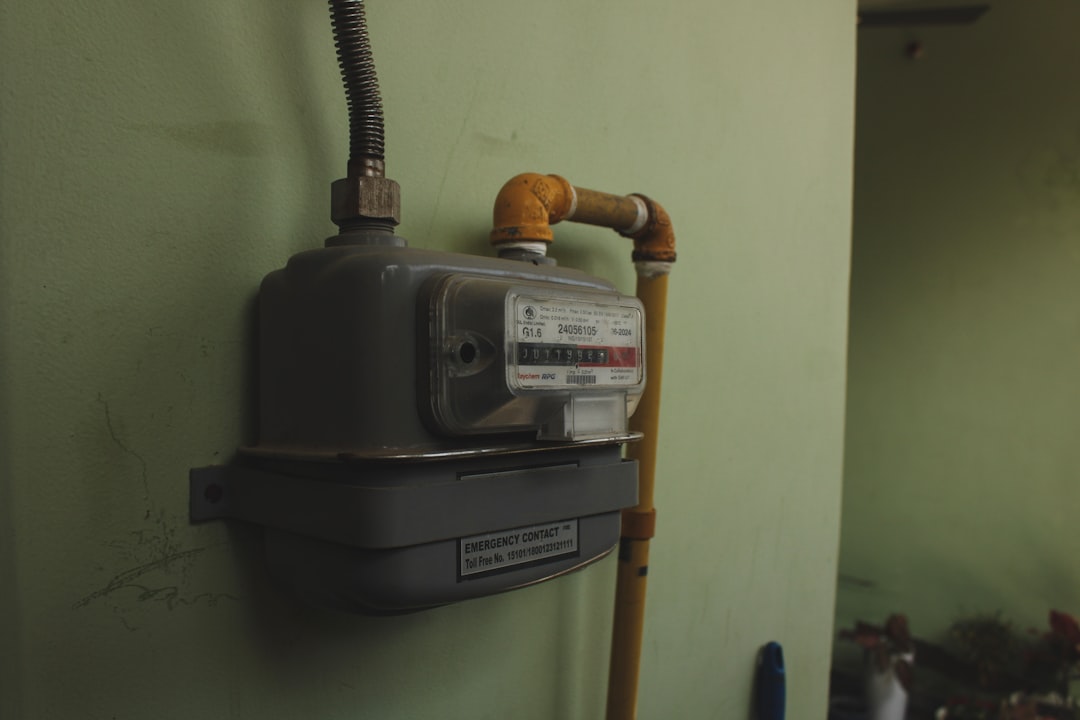
가정용 연료전지 시스템은 도시가스(주로 천연가스, LNG)를 개질(Reforming)해 수소를 추출하고, 그 수소와 공기 중 산소를 전기화학 반응시켜 전기와 열을 동시에 생산하는 장치예요. 쉽게 말해, 가스로 전기도 만들고 온수·난방 열도 같이 얻는 ‘미니 발전소’라고 볼 수 있습니다. 현재 가정용으로 가장 많이 보급된 방식은 PEMFC(고분자 전해질 연료전지)와 SOFC(고체산화물 연료전지) 두 종류라고 봐도 무방해요.
경제성의 핵심은 결국 ‘초기 투자 대비 회수 기간’이라고 봅니다. 2026년 현재 가정용 연료전지(1kW급 기준)의 시장 공급가는 대략 1,600만~2,000만 원 수준이에요. 2~3년 전만 해도 2,400만 원을 훌쩍 넘었으니, 보급 확대와 국산화 덕분에 가격이 상당히 내려온 셈입니다.
여기서 중요한 게 정부 및 지자체 보조금이에요. 2026년 기준 산업통상자원부·한국에너지공단의 신재생에너지 보급 지원 사업을 통해 가정용 연료전지(1kW) 설치 시 최대 700만~900만 원의 국고 보조금을 지원받을 수 있고, 지자체별로 추가 100만~200만 원의 매칭 보조금이 붙는 경우도 있습니다. 서울시·경기도의 경우 별도 에너지 복지 프로그램이 연계되어 있어 실질 자부담이 700만~1,000만 원 선으로 낮아지는 사례도 있더라고요.
단, 보조금은 예산 소진 시 조기 마감되는 구조라 신청 타이밍이 굉장히 중요합니다. 매년 1분기에 접수가 몰리는 경향이 있으니, 관심 있다면 한국에너지공단 그린홈 포털을 일찍 모니터링하는 게 좋을 것 같아요.
이제 가장 현실적인 숫자로 들어가 볼게요. 아래는 4인 가구(전용면적 84m²) 기준 시뮬레이션입니다.
이를 종합하면 월 실질 이득은 45,000~65,000원, 연간 약 54만~78만 원으로 추산됩니다. 자부담 800만 원 기준으로 단순 계산 시 회수 기간은 약 10~15년이라는 결론이 나와요. 연료전지 시스템의 설계 수명이 10년(보증 기간 기준)이라는 점을 고려하면, ‘극적인 이득’보다는 ‘장기적 에너지 비용 안정화’ 관점에서 접근하는 게 맞다고 봅니다.
일본의 에네팜(ENE-FARM)은 가정용 연료전지 보급의 글로벌 벤치마크예요. 2009년 세계 최초 상용화 이후 2026년 현재까지 누적 보급 대수가 70만 대를 넘어선 것으로 알려져 있어요. 일본은 초기에 정부 보조금을 공격적으로 투입하고, 지속적인 기술 개선으로 가격을 절반 이하로 낮추는 데 성공했습니다. 가와사키시 등 일부 지자체에서는 연료전지 보유 가구에 재산세 감면 혜택까지 연계했다는 점이 인상적이에요.
독일의 경우 Viessmann, Bosch 등 대형 난방 업체들이 SOFC 기반 가정용 시스템을 히트펌프와 결합한 하이브리드 모델로 확장하고 있고, 유럽 그린딜 정책에 따라 2030년까지 가정용 수소·연료전지 설치 보조금 체계를 더욱 강화할 예정이라고 합니다.
국내에서는 두산퓨얼셀, 에스퓨얼셀, 미코파워 등이 1kW급 가정용 제품을 공급 중이에요. 특히 2025~2026년 들어 아파트 단지 단위의 집단 설치(커뮤니티 연료전지) 모델이 시범 운영되기 시작했는데, 설치비 분담과 유지보수 효율화 면에서 긍정적인 평가가 나오고 있는 것 같습니다.
솔직히 말하면, ‘지금 당장 설치하면 대박’이라는 표현은 좀 과장일 수 있어요. 하지만 몇 가지 흐름은 분명히 주목할 만합니다. 첫째, 전기요금은 중장기적으로 오를 가능성이 높고, 둘째, 연료전지 시스템 가격은 계속 하락하는 추세입니다. 셋째, 2027년 이후 수소 공급 인프라가 확충되면 순수 그린수소를 연료로 쓰는 방식으로의 전환도 가능해질 거라는 로드맵이 그려지고 있거든요.
즉, 에너지 요금 변동 리스크를 헤지(hedge)하고, 탄소 발자국을 줄이면서, 장기 거주 계획이 있는 분이라면 지금 설치하는 것이 충분히 합리적인 선택일 수 있다고 봅니다. 반대로 5년 이내 이사 계획이 있거나 단독주택이 아닌 경우라면, 조금 더 기다려서 가격이 내려가고 제도가 안착된 시점을 노리는 것도 나쁘지 않은 전략이에요.
에디터 코멘트 : 가정용 연료전지는 ‘친환경 가전’이 아니라 ‘소형 에너지 인프라’로 바라봐야 경제성 계산이 제대로 됩니다. 회수 기간만 보고 실망하기보다, 에너지 자립도와 장기 비용 안정성이라는 두 가지 렌즈를 함께 끼고 보면 전혀 다른 그림이 보여요. 특히 노후 주택 리모델링이나 신축 단독주택 설계 단계에서 함께 검토한다면, 그 경제적 가치는 단순 계산 이상으로 올라갈 수 있다고 생각합니다.
태그: [‘가정용연료전지’, ‘연료전지경제성’, ‘에너지비용절감’, ‘신재생에너지보조금2026’, ‘연료전지설치비용’, ‘에너지자립주택’, ‘탄소중립가정’]
Picture this: it’s a crisp morning in 2026, and a fuel cell bus quietly glides past you on a city street — no exhaust, no noise, just motion. The driver tells you the hydrogen powering it was produced entirely from wind and solar energy, and it cost roughly the same as diesel would have just a few years ago. That moment, which would have sounded like science fiction a decade ago, is now happening in cities from Seoul to Stuttgart. So what changed? Let’s dig into the real story behind the dramatic cost decline in renewable-based hydrogen production — and what it might actually mean for your everyday life.
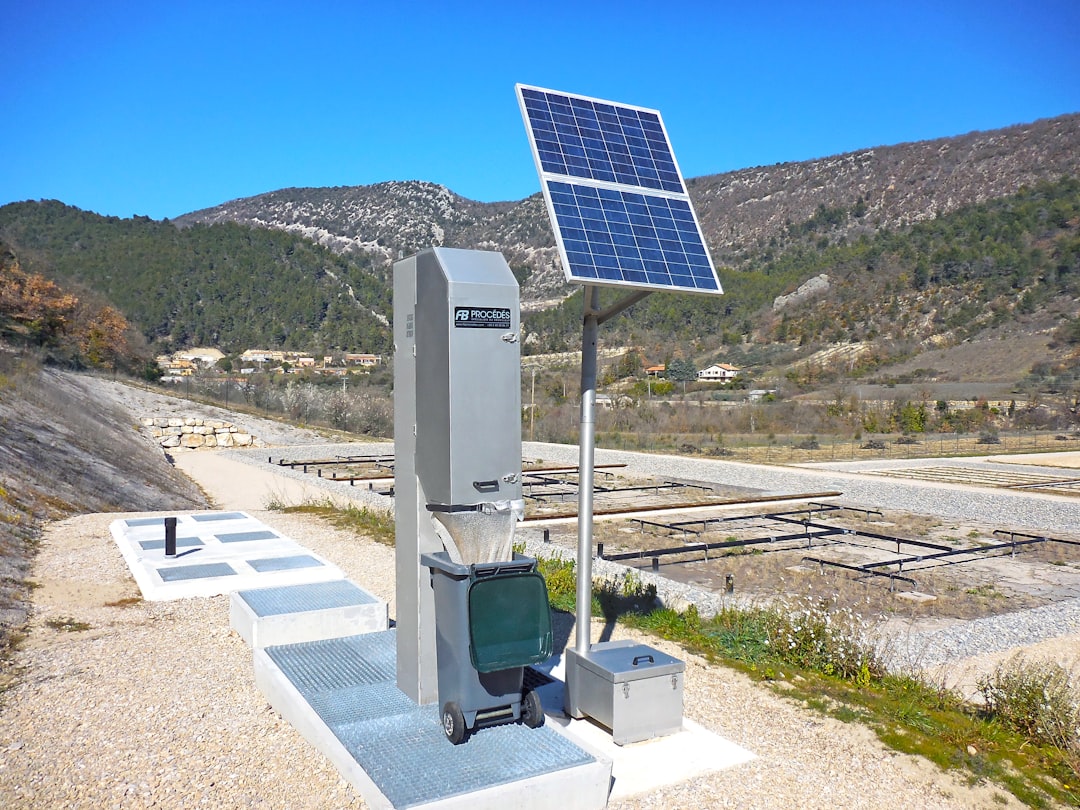
To understand the cost revolution, we first need to understand why green hydrogen (hydrogen produced via electrolysis powered by renewables) was so expensive in the first place. The process splits water (H₂O) into hydrogen and oxygen using electricity. Simple in theory — but historically, the two biggest cost drivers were:
Let’s get specific, because this is where things get genuinely exciting. According to data from the International Energy Agency (IEA) and BloombergNEF’s 2026 Hydrogen Economy Outlook, the levelized cost of green hydrogen has reached a critical threshold in several regions:
The widely cited “holy grail” target of $2/kg for green hydrogen is now a reality in favorable locations — a milestone that was projected to take until 2030 just three years ago. Technological acceleration and policy momentum compressed that timeline significantly.
Rather than just citing the numbers, let’s reason through the mechanisms — because understanding the “why” helps us judge whether this trend is durable or fragile.
Theory is great, but real-world proof points tell the deeper story. Here are some of the most instructive cases from 2025–2026:
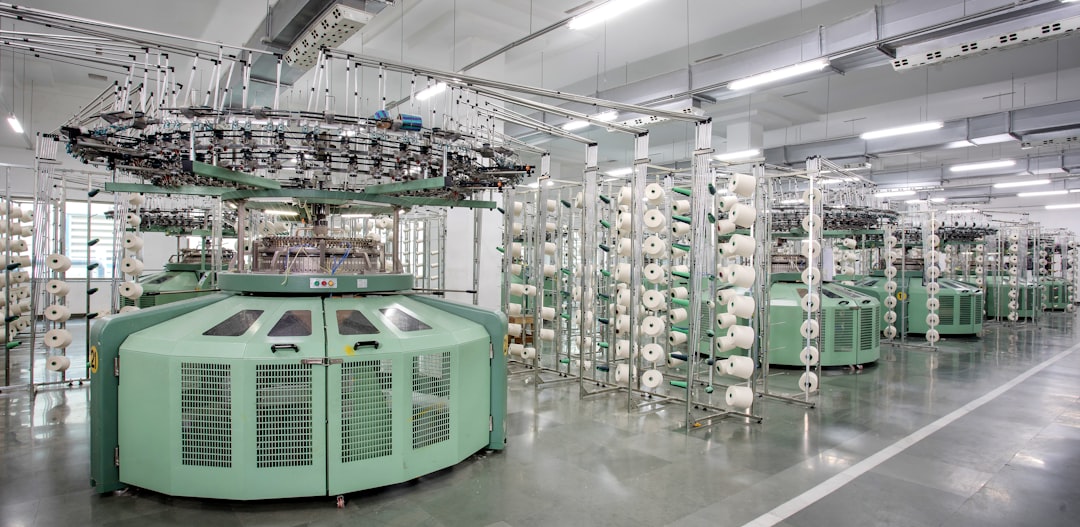
Here’s where we think practically together. Not everyone benefits equally from falling green hydrogen costs — your situation matters enormously. Let me walk through a few scenarios:
We wouldn’t be thinking this through properly without acknowledging the friction points. A few things could slow or complicate the cost trajectory:
None of these are dealbreakers, but they’re important context for anyone making investment or planning decisions based on the optimistic headlines.
Editor’s Comment : What genuinely excites me about the green hydrogen cost story in 2026 isn’t just the numbers — it’s the compounding momentum. When electrolyzer manufacturers scale up, renewable energy gets cheaper, and policy frameworks align, you get a self-reinforcing cycle that’s hard to stop. We saw the same pattern with solar PV from 2010 to 2020 — and most forecasters were wrong on the conservative side throughout. If I had to make one practical suggestion: whatever your industry or situation, now is the time to get familiar with hydrogen technology — not to bet the farm on it, but to be ready when it becomes unavoidable. The question is no longer “will green hydrogen be cost-competitive?” It’s “are you positioned to benefit when it fully arrives in your sector?”
태그: [‘green hydrogen cost 2026’, ‘renewable energy hydrogen production’, ‘electrolyzer technology’, ‘hydrogen economy’, ‘clean energy investment’, ‘green hydrogen price decline’, ‘sustainable energy transition’]