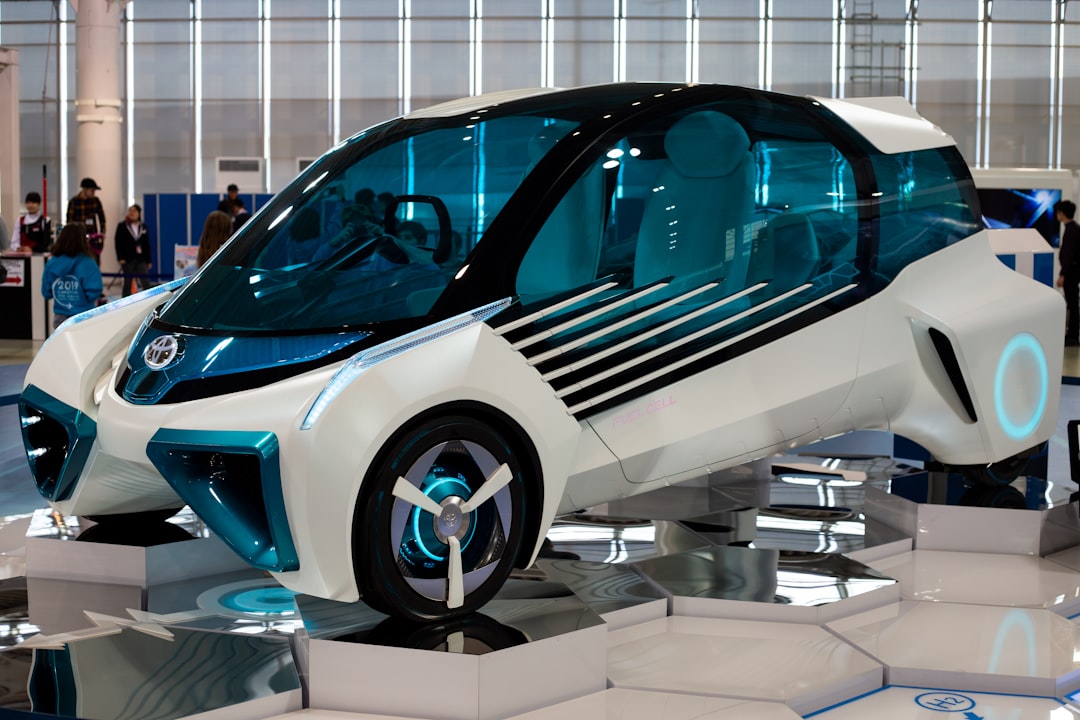
얼마 전 지인이 수소차를 구매하겠다고 했을 때, 솔직히 속으로 ‘아직 이르지 않나?’ 싶었어요. 충전소가 어디 있는지도 잘 모르겠고, 가격도 만만찮다는 인식이 있었거든요. 그런데 막상 2026년 현재 시장 상황을 들여다보니, 생각보다 훨씬 빠르게 판이 바뀌고 있더라고요. 오늘은 수소 연료전지 자동차(FCEV, Fuel Cell Electric Vehicle)의 2026년 상용화 현황을 함께 살펴보고, ‘지금 수소차를 선택하는 게 합리적인가’까지 같이 고민해 보겠습니다.
📊 숫자로 보는 2026년 수소차 시장 — 생각보다 빠른 성장세
글로벌 수소차 누적 보급 대수는 2026년 1분기 기준으로 약 80만 대를 돌파한 것으로 추정됩니다. 2023년 말 약 30만 대 수준이었던 것과 비교하면 불과 2~3년 사이에 2배 이상 성장한 셈이에요. 이 중 한국은 약 12만 대를 기록하며 단일 국가로는 여전히 상위권을 유지하고 있고요.
국내 수소 충전 인프라도 눈에 띄게 늘었습니다. 2026년 현재 전국 수소 충전소는 약 380개소로, 2023년(약 230개소) 대비 약 65% 증가했어요. 정부가 ‘수소경제 로드맵 2.0’을 통해 2030년까지 660개소 구축을 목표로 삼고 있는 만큼, 지금도 월평균 8~10개씩 신규 개소가 이뤄지고 있는 것으로 보입니다.
가격 면에서도 변화가 있어요. 현대 넥쏘(NEXO) 2세대 모델 기준으로 소비자가격이 약 6,500만 원대까지 낮아졌고, 보조금(국비+지자체)을 합산하면 실구매가는 지역에 따라 4,000만 원 초중반까지 내려오는 사례도 확인됩니다. 여전히 동급 내연기관차나 배터리 전기차(BEV)보다 비싸지만, 격차가 좁혀지고 있는 건 분명한 것 같아요.
🌍 국내외 주요 사례 — 누가 어떻게 움직이고 있나
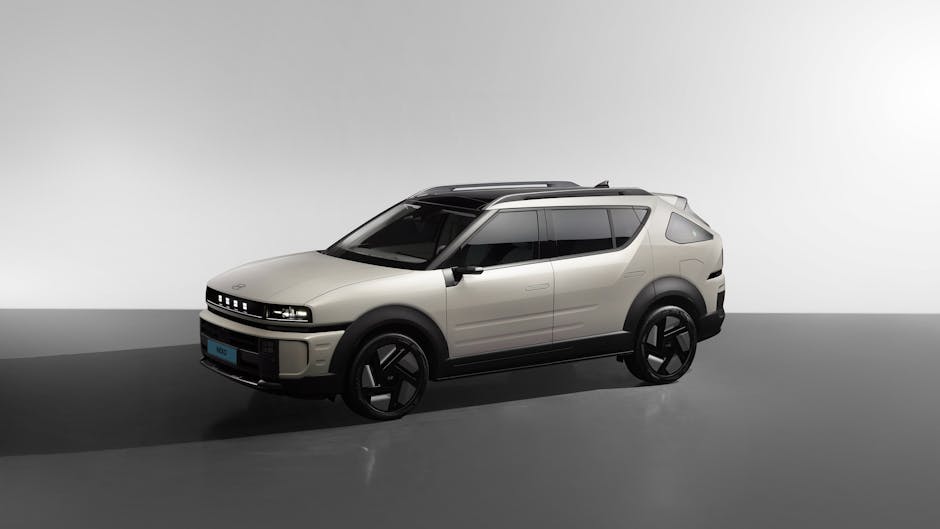
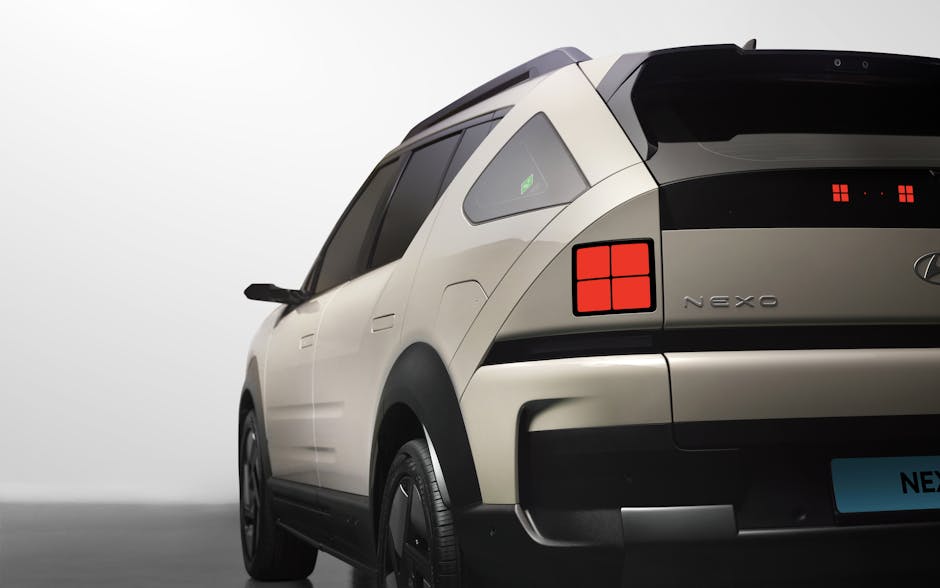
현대자동차 (한국)는 2026년 상반기에 넥쏘 2세대 풀체인지 모델을 공식 출시했습니다. 1회 충전 주행거리가 약 750km로 늘어났고, 충전 시간도 약 4분대로 단축되었어요. 수소차의 고질적 약점으로 꼽히던 ‘충전 시간’과 ‘주행거리’ 문제를 동시에 개선했다는 점에서 의미가 크다고 봅니다.
토요타 (일본)는 미라이(Mirai) 3세대 개발에 박차를 가하며, 2026년 말 출시를 예고한 상태예요. 동시에 일본 정부는 도쿄 도심 내 수소 버스 운행 노선을 2025년 대비 2배 이상 확대하며 상용차 분야에서의 수소 전환을 가속화하고 있습니다.
중국은 승용 수소차보다는 수소 트럭·버스 상용차 시장에 집중 투자하는 전략을 택하고 있어요. 2026년 기준 중국 내 수소 상용차 보급은 약 7만 대를 넘긴 것으로 알려졌는데, 이는 글로벌 수소 상용차 시장의 절반 이상을 차지하는 수치입니다.
유럽은 독일을 중심으로 수소 기차(Alstom Coradia iLint)가 이미 정규 노선 운행 중이고, 2026년에는 프랑스, 네덜란드 등지로 수소 철도 노선이 확장되는 추세입니다. 자동차보다 철도·중장거리 운송 분야에서 수소 연료전지 기술의 실용화가 더 빠르게 진행되고 있다는 점이 흥미롭습니다.
✅ 2026년 현재, 수소차의 장단점을 냉정하게 정리하면
장점 1 — 긴 주행거리: 700km 이상의 실용 주행거리는 장거리 운행 시 배터리 전기차 대비 확실한 강점입니다.
장점 2 — 빠른 충전: 4~5분이면 완전 충전이 가능해, 충전 시간 스트레스가 사실상 없는 수준이에요.
장점 3 — 순수 무배출: 배기가스로 물(H₂O)만 배출하며, 연료전지 스택 특성상 실내 공기 정화 효과도 있다고 알려져 있습니다.
단점 1 — 충전 인프라 부족: 380개 충전소는 여전히 전기차 충전 인프라(수만 개)와 비교하면 턱없이 부족한 수준이에요. 특히 지방·농촌 지역은 아직 불편함이 큰 것 같습니다.
단점 2 — 수소 생산 방식 문제: 현재 국내 유통 수소의 상당 부분이 여전히 ‘그레이 수소(천연가스 개질 방식)’라는 점은 환경적 관점에서 논란이 될 수 있어요. 그린 수소 비중 확대가 핵심 과제입니다.
단점 3 — 수소 가격 변동성: kg당 수소 가격이 지역·충전소마다 편차가 크고, 보조금 정책에 따라 실질 연료비가 달라져 예측 가능성이 낮은 편입니다.
단점 4 — 중고차 시장 미성숙: 수소차 중고 거래 시장이 아직 활발하지 않아 잔존가치 예측이 어렵다는 점도 구매 결정 시 고려할 필요가 있어요.
🔮 결론 — 지금 수소차, 어떤 사람에게 현실적인 선택일까?
솔직히 말씀드리면, 2026년 현재 수소차는 ‘모든 사람에게 최선의 선택’이라고 보기는 아직 어렵습니다. 하지만 특정 조건을 충족하는 분들께는 충분히 합리적인 선택지가 되고 있는 것 같아요.
거주 지역 반경 20km 내에 수소 충전소가 확인되고, 연간 주행거리가 2만 km 이상이며, 장거리 출퇴근이나 출장이 잦은 분이라면 수소차가 가져다주는 편의성과 연료비 절감 효과가 분명히 체감될 것이라 봅니다. 반면 충전 인프라 접근이 불확실한 지역에 거주하신다면, 배터리 전기차를 택하거나 하이브리드를 유지하면서 인프라가 더 성숙하기를 기다리는 것도 현명한 전략일 수 있어요.
수소 에너지 생태계 자체는 분명히 앞으로 나아가고 있습니다. 다만 그 속도가 내 생활 반경에서 실질적으로 체감될 만큼 충분한지를 먼저 점검해 보는 게 구매 결정의 핵심 포인트라고 봅니다.
에디터 코멘트 : 수소차를 둘러싼 논쟁은 늘 ‘기술의 우월성’이 아니라 ‘인프라와 생태계의 속도’ 문제로 귀결되는 것 같아요. 2026년 현재, 기술은 충분히 성숙했습니다. 이제는 내가 사는 지역의 충전 인프라 지도를 한번 열어보는 것, 그게 수소차 구매 고민의 첫 번째 현실적 출발점이라고 생각합니다.
Picture this: it’s a cold January morning, and your neighbor is standing at a hydrogen refueling station, filling up his Toyota Mirai in under five minutes. Meanwhile, you’re at home, still waiting for your Tesla Model 3 to finish its overnight charge. Who made the smarter choice? The answer, as we’ll explore together, is genuinely more complicated — and more interesting — than you might think.
As we move deeper into 2026, the debate between Fuel Cell Electric Vehicles (FCEVs) and Battery Electric Vehicles (BEVs) has never been more relevant. Both technologies have matured significantly, both have real-world champions, and both have very real limitations. Let’s think through this together, side by side.
🔋 How Each Technology Actually Works
Before diving into the numbers, let’s ground ourselves in the basics — because understanding how these cars work shapes everything else about them.
Battery Electric Vehicles (BEVs) store electrical energy in large lithium-ion (or increasingly, solid-state) battery packs. You plug them in, charge the battery, and the motor draws from it. Simple. Elegant. The Tesla Model Y, Hyundai IONIQ 6, and BYD Han EV are classic examples dominating global roads in 2026.
Fuel Cell Electric Vehicles (FCEVs), on the other hand, generate electricity on the go by combining hydrogen gas stored in a high-pressure tank with oxygen from the air inside a fuel cell stack. The only byproduct? Water vapor. Cars like the Toyota Mirai Gen 3 and Hyundai NEXO 2026 edition operate on this principle.
📊 Performance & Specs: 2026 Head-to-Head Data
Let’s look at where the real differences show up in practical metrics:
Refueling/Recharging Time: FCEVs win decisively here — a full hydrogen fill takes 3–5 minutes. BEVs using the latest 800V ultra-fast chargers (like Hyundai’s E-GMP platform or Tesla Supercharger V4) can add 200 km of range in about 15–20 minutes, which is impressive but still not instant.
Range: Both have improved significantly. The 2026 Toyota Mirai offers approximately 650 km on a single tank. Top-tier BEVs like the Mercedes EQS 450+ now push 780 km on a charge. Slight edge to BEVs in raw range numbers.
Energy Efficiency: This is where BEVs shine hard. BEVs convert roughly 77–85% of energy to motion. FCEVs, accounting for hydrogen production, compression, and fuel cell conversion losses, deliver closer to 25–35% well-to-wheel efficiency. That’s a massive gap.
Infrastructure Availability: BEV charging networks are now extensive globally — over 3.2 million public chargers worldwide as of early 2026. Hydrogen stations? Roughly 1,200 globally, heavily concentrated in Japan, South Korea, Germany, and California.
Purchase Price: BEVs have achieved near price parity with combustion vehicles in many segments. FCEVs remain significantly more expensive — the 2026 Hyundai NEXO starts around $65,000 USD before incentives.
Maintenance: Both are low-maintenance compared to ICE vehicles, but FCEVs have an additional layer of complexity around the fuel cell stack and hydrogen storage system.
Cold Weather Performance: FCEVs handle cold climates better than most BEVs, since the chemical reaction in the fuel cell is less temperature-sensitive than lithium battery chemistry.
🌍 Real-World Examples: Who’s Betting on What in 2026?
The global landscape tells a fascinating story of diverging bets.
South Korea remains the most ambitious FCEV market in the world. The government’s Hydrogen Economy Roadmap 2.0 targets 3 million FCEVs on Korean roads by 2030, backed by massive subsidies and a growing network of 600+ hydrogen stations as of 2026. Hyundai’s commercial hydrogen trucks — the XCIENT Fuel Cell — are already operating in Switzerland and California fleet logistics.
Japan continues to be Toyota’s home turf for hydrogen advocacy. The Tokyo metropolitan area now operates hydrogen-powered public buses on 12 dedicated routes, and the third-generation Mirai has quietly become a favorite among long-distance commuters in rural prefectures where BEV charging infrastructure is sparse.
Europe tells a split story. Germany invested heavily in hydrogen corridor infrastructure along the Autobahn, while the UK, France, and the Netherlands have overwhelmingly shifted consumer subsidies toward BEVs. The EU’s 2026 Clean Vehicles Directive technically supports both, but market momentum clearly favors BEVs at the consumer level.
China and the United States are BEV strongholds. BYD sold over 4.2 million EVs globally in 2025, and Tesla continues to expand Supercharger density in North America. Hydrogen in these markets is being developed primarily for commercial and industrial use — long-haul trucking, port equipment, and industrial heat — rather than personal cars.
🤔 The Honest Pros & Cons Breakdown
Let’s not sugarcoat either side. Both technologies have genuine strengths and genuine problems worth naming clearly.
Why FCEVs make sense: If you drive long distances regularly, live in a cold climate, can’t charge at home (apartment dweller, for instance), or operate in a region with strong hydrogen infrastructure like Seoul or Tokyo, an FCEV genuinely solves problems a BEV can’t. Fleet operators running delivery trucks or taxis that need to turn around fast will also find FCEVs compelling.
Why BEVs make more sense for most people right now: The charging network is just there. The efficiency advantage is real money over time. Purchase prices have dropped dramatically. And solid-state battery technology — rolling out in limited production from Toyota, Samsung SDI, and CATL in 2026 — promises to close the remaining gaps in charge time and cold-weather performance within the next two to three years.
💡 Realistic Alternatives for Different Reader Situations
Not sure where you fit? Let’s reason through a few scenarios:
Urban commuter, apartment renter: Look hard at BEVs with strong public charging networks in your city first. But if public chargers near you are unreliable or congested, an FCEV (if hydrogen stations exist nearby) could genuinely be your more practical daily driver.
Suburban homeowner with a garage: A BEV is almost certainly your best choice. Home charging overnight is the killer feature that makes BEV ownership nearly effortless.
Rural driver, long daily distances: Evaluate your region’s hydrogen infrastructure honestly. If it’s there, FCEVs are worth serious consideration. If not, a long-range BEV paired with strategic fast-charging habits works well.
Fleet operator / logistics company: The FCEV case is strongest here, particularly for heavy vehicles. Hydrogen’s fast refueling translates directly to uptime and profitability.
Eco-conscious buyer worried about total carbon footprint: Dig into your local electricity grid’s energy mix for BEVs, and your region’s hydrogen production source for FCEVs. Green hydrogen (from renewables) is still limited in supply in 2026 — most hydrogen today is still “grey” (from natural gas). A BEV charged on a renewable-heavy grid is often the cleaner choice right now.
🔮 Where Is This Heading?
The honest forecast for 2026 and beyond is that these two technologies are likely to find their own niches rather than one fully displacing the other. BEVs are winning the personal car market decisively. FCEVs are carving out a durable role in commercial transport, industrial applications, and markets with strong government-backed hydrogen infrastructure.
The wildcard? Green hydrogen production costs are finally starting to fall meaningfully, driven by electrolysis powered by cheap renewable energy in places like Australia, Chile, and the Middle East. If hydrogen gets cheap and clean at scale, the efficiency math changes, and FCEVs become far more compelling for a wider audience.
For now, the honest advice is: don’t let technology tribalism make your decision for you. Map your actual life — your commute, your charging access, your regional infrastructure — onto the technology that genuinely fits. That’s always the smarter play.
Editor’s Comment : After years of watching this debate get heated and tribal online, what strikes me most in 2026 is how both technologies have earned their place. FCEVs are not “dead” as some BEV enthusiasts insist — they’re finding their lane in commercial logistics and infrastructure-rich markets. And BEVs are not perfect — ask anyone who’s hunted for a working fast charger on a road trip. The best version of a clean transportation future probably has room for both. Pick the one that fits your life, not the one that wins Twitter arguments.
얼마 전, 지인이 조용히 연락을 해왔어요. “나 이번에 친환경 차 바꾸려고 하는데, 수소차 어때? 아니면 그냥 전기차가 낫나?” 라는 질문이었죠. 사실 이 질문, 생각보다 훨씬 많은 분들이 고민하고 있는 주제라고 봅니다. 2026년 현재, 배터리 전기차(BEV)는 이미 대중화의 궤도에 올라탔고, 수소 연료전지 자동차(FCEV)는 조용히 그러나 꾸준히 인프라를 넓혀가고 있거든요. 단순히 “어떤 게 더 좋아?”가 아니라, 내 삶의 방식과 가장 잘 맞는 선택이 무엇인지를 함께 따져보는 게 중요하다고 생각해요.
그래서 오늘은 두 기술의 핵심 차이를 수치로 짚어보고, 실제 국내외 현황까지 폭넓게 살펴보겠습니다.
📊 본론 1 – 수치로 보는 핵심 차이점
① 충전(충전 vs 충전) 시간과 주행거리
가장 먼저 체감되는 차이는 역시 ‘얼마나 빨리 충전하고, 얼마나 오래 달릴 수 있느냐’라고 봅니다.
배터리 전기차(BEV): 2026년 기준 주요 모델의 완속 충전 시간은 약 6~10시간, 급속(350kW 기준)은 약 18~25분 내외로 80% 충전이 가능해졌어요. 주행거리는 프리미엄 모델 기준 최대 650~750km 수준까지 올라왔습니다.
수소 연료전지차(FCEV): 수소 충전 시간은 단 3~5분 내외로, 내연기관 주유와 거의 유사한 수준이에요. 1회 충전 주행거리는 약 600~700km로 BEV와 큰 차이가 없는 수준까지 왔습니다.
충전 시간만 놓고 보면 FCEV가 확실히 유리하지만, 충전 인프라의 밀도는 BEV가 압도적으로 앞서있어요. 2026년 1월 기준, 국내 전기차 급속충전기는 약 3만 2천 기를 넘어선 반면, 수소충전소는 전국 270여 곳에 불과한 상황입니다.
② 에너지 효율과 탄소발자국
전문 용어로 표현하면 ‘Well-to-Wheel(연료 생산~바퀴 구동까지 전 과정) 효율’을 따져봐야 해요.
BEV: 전기 에너지를 구동력으로 변환하는 효율은 약 77~85% 수준으로 매우 높은 편이에요. 단, 발전원이 화석연료 중심이라면 전체 탄소발자국은 여전히 논쟁거리가 됩니다.
FCEV: 전기분해로 수소를 생산하고(그린 수소 기준), 다시 전기를 만들어 구동하는 과정에서 에너지 손실이 발생해요. 전체 효율은 약 25~35% 수준으로 BEV보다 낮습니다. 다만 그린 수소가 보급될수록 탄소 감축 효과는 극대화된다고 봅니다.
③ 차량 가격 및 유지비
BEV: 2026년 기준 국내 보조금 적용 후 준중형 세단 기준 약 3,500~4,500만 원 선에 진입이 가능해졌어요. 전기 충전 비용은 km당 약 20~35원 수준입니다.
FCEV: 현대 넥쏘 후속 모델 기준, 보조금 적용 후 약 5,000만 원 후반~6,000만 원 초반 수준으로 여전히 BEV 대비 가격 장벽이 높아요. 수소 충전 비용은 kg당 약 8,000~9,500원 수준으로, 실질 주행 비용도 BEV보다 다소 높은 편입니다.
🌍 본론 2 – 국내외 최신 사례로 보는 흐름
국내: 두 기술이 공존하는 구조로 가고 있어요
국내에서는 정부가 2026년 수소경제 로드맵의 중간 점검을 진행하면서, 상용차(버스·트럭) 중심의 FCEV 확대와 승용차 중심의 BEV 대중화를 병행하는 전략을 유지하고 있는 것으로 보입니다. 특히 현대자동차는 넥쏘 2세대 플랫폼을 기반으로 한 신모델을 2026년 상반기에 출시하면서 FCEV 라인업을 강화했고, 기아와 삼성SDI가 협력하는 전고체 배터리 탑재 EV 역시 양산 테스트 단계에 있어요.
해외: 수소는 ‘상용차·산업용’, 전기는 ‘승용차’ 구도가 굳어지고 있어요
유럽에서는 독일 도이체반(Deutsche Bahn)이 수소 열차를 정규 노선에 투입한 것을 비롯해, 대형 트럭 분야에서 토요타·다임러 트럭의 수소 모델이 실증 운행 중입니다. 반면 승용차 시장에서는 토요타 미라이(MIRAI)가 꾸준히 판매되고 있지만 BEV에 비해 점유율이 낮은 상황이에요. 미국에서는 캘리포니아주의 수소충전소 운영 예산 부족 문제가 반복되면서, 일부 FCEV 사용자들이 충전 인프라에 대한 불만을 공개적으로 표출하기도 했습니다. 이처럼 글로벌 흐름을 보면, 수소는 ‘대용량·장거리·상업용’, 배터리 전기는 ‘일상 승용·단거리~중거리’에 최적화된 구도로 자리 잡고 있는 것 같아요.
✅ 결론 – 그래서 나는 어떤 차를 선택해야 할까?
솔직히 말씀드리면, 2026년 현재 시점에서 일반 소비자에게 ‘지금 당장의 현실적 선택’은 BEV 쪽이 훨씬 편리한 환경이라고 봅니다. 충전 인프라, 차량 가격, 유지비 모든 면에서 BEV가 앞서 있거든요. 하지만 장거리 출장이 잦고 충전 시간이 정말 아깝게 느껴지는 분, 혹은 상용 차량을 고민 중이신 분이라면 FCEV의 빠른 충전과 긴 주행거리가 결정적인 강점이 될 수 있어요.
🏙️ 도심 주거 + 단거리~중거리 이동 중심 → 배터리 전기차(BEV) 추천
🛣️ 장거리 출장·영업직·물류업 → 수소 연료전지차(FCEV) 검토 가치 있음
🏗️ 버스·트럭 등 상용차 도입 예정 → FCEV + 그린 수소 인프라 연계가 장기적으로 유리
💰 초기 비용이 부담스럽다면 → 보조금 혜택이 큰 BEV로 먼저 진입하는 것이 현실적
두 기술은 경쟁 관계가 아니라 ‘역할 분담’으로 이해하는 게 더 정확하다고 봐요. 그리고 그 역할 분담의 경계선은 앞으로 5년 안에 훨씬 더 명확해질 것 같습니다.
에디터 코멘트 : 어떤 기술이 ‘더 옳다’는 답은 없는 것 같아요. 수소차를 선택한다는 건 ‘미래 인프라에 먼저 베팅하는 것’이고, 전기차를 선택한다는 건 ‘지금 이 순간 가장 효율적인 환경을 택하는 것’이라고 봅니다. 중요한 건 내가 하루에 어떻게 이동하고, 어디서 잠을 자고, 얼마나 자주 충전할 여유가 있는지를 솔직하게 돌아보는 것 아닐까요. 기술보다 나의 라이프스타일이 먼저예요.
Picture this: it’s a chilly Tuesday morning in March 2026, and a colleague of mine pulls into the office parking lot in a sleek hydrogen fuel cell vehicle (FCEV). She fills up in about four minutes — roughly the same time it takes to grab a coffee — and drives off with zero tailpipe emissions except water vapor. I watched, genuinely impressed, but also couldn’t help wondering: Is this actually the future, or is it still a niche tech play for early adopters? Let’s think through this together, because the answer is more nuanced than the headlines suggest.
What Exactly Is a Hydrogen Fuel Cell Vehicle?
Before we dive into reviews and data, let’s make sure we’re on the same page. A hydrogen fuel cell vehicle uses compressed hydrogen gas stored in high-pressure tanks. That hydrogen reacts with oxygen in a fuel cell stack, generating electricity to power an electric motor. The only byproduct? Water. It’s essentially an electric car — but instead of plugging in to recharge a battery, you refuel with hydrogen gas. Think of the fuel cell as a mini power plant living under your hood.
The 2026 FCEV Landscape: Key Data You Should Know
The market has matured considerably compared to just a few years ago. Here’s what the numbers look like as of early 2026:
Global FCEV sales growth: The International Energy Agency (IEA) reported approximately 120,000 FCEVs sold globally in 2025, with 2026 projections pushing toward 180,000 units — a 50% year-over-year increase.
Range per fill-up: Current flagship models like the Toyota Mirai (Gen 3, 2026 refresh) and Hyundai NEXO 2026 edition boast real-world ranges of 550–620 miles (880–1,000 km) on a full tank.
Refueling time: Most modern FCEVs refuel in 3–5 minutes at a certified 700-bar hydrogen station.
Hydrogen station count (global): As of Q1 2026, there are approximately 1,200 public hydrogen refueling stations worldwide — up from 814 in 2023, but still dramatically fewer than EV charging points.
Average fuel cost: In markets like South Korea and Japan, hydrogen costs roughly $8–$12 per kilogram. An FCEV typically consumes about 1 kg per 60 miles, making cost-per-mile comparable to — or slightly higher than — premium EVs.
Vehicle price range: Entry-level FCEVs start around $45,000, with luxury trims reaching $75,000+.
Domestic & International Standouts in 2026
South Korea — Hyundai NEXO 2026: Hyundai continues to be the most aggressive FCEV producer globally. The refreshed 2026 NEXO comes with a new platinum-reduced catalyst (cutting manufacturing costs by ~18%), improved cold-weather performance down to -30°C, and a 640 km real-world range. South Korea’s government has simultaneously expanded its hydrogen highway network to over 310 stations nationwide, making the NEXO genuinely practical for daily commuters in Seoul and Busan.
Japan — Toyota Mirai Gen 3: Toyota dropped a quiet bombshell in late 2025 with their third-generation Mirai, which features a dual fuel cell stack system that significantly improves power output (182 hp vs. the previous 182 hp but with more torque) and addresses one of the biggest criticisms — it now has proper cargo space. Japan currently operates the densest hydrogen station network in the Asia-Pacific region, with nearly 200 stations, mostly concentrated in urban corridors.
Europe — BMW iX5 Hydrogen (Limited Fleet Expansion): BMW’s hydrogen SUV moved from pure fleet testing to limited consumer leasing programs across Germany and the Netherlands in 2026. The iX5 H2 uses a combination of a hydrogen fuel cell and a small buffer battery, delivering 374 hp and genuinely sporty performance. European hydrogen infrastructure is growing fastest in Germany, France, and the Benelux corridor, supported by the EU’s Hydrogen Backbone Initiative.
United States — The Cautious Market: The U.S. remains the trickiest FCEV market. California still dominates with about 70% of all U.S. hydrogen stations (roughly 80 stations), but station reliability issues — which made headlines in 2023 and 2024 — have largely been addressed through infrastructure investment by Air Products and Shell. Outside California, FCEVs are still largely impractical.
The Real Pros & Cons: Let’s Be Honest
Here’s where I want us to think critically rather than just cheerlead:
✅ Fast refueling: 3–5 minutes beats even the fastest DC fast chargers for long-distance trips.
✅ Superior range: 550–640 km real-world range outpaces most BEVs in the same price class.
✅ Cold weather performance: FCEVs outperform battery EVs in extreme cold, as the fuel cell generates its own heat.
❌ Infrastructure scarcity: Unless you live near a hydrogen corridor, this car is not practical. Period.
❌ Green hydrogen question: Only about 1% of global hydrogen production is currently “green” (made via electrolysis from renewables). Most is still “grey hydrogen” from natural gas — which undermines the environmental case significantly.
❌ Higher upfront cost: Comparable BEVs offer more features per dollar at this price point.
❌ Resale value uncertainty: The used FCEV market is still thin and unpredictable.
Realistic Alternatives Worth Considering
If you’re intrigued by FCEVs but the infrastructure gap makes you nervous — which is a perfectly rational concern — here’s how I’d think through your options:
If you want long range + fast refueling: A plug-in hybrid (PHEV) like the 2026 Toyota RAV4 Prime or Hyundai Tucson PHEV gives you EV-mode for daily driving and gas backup for long trips. Not zero-emission, but pragmatically green.
If you’re committed to zero emissions: The 2026 Tesla Model Y Long Range or Hyundai IONIQ 6 with 800V ultra-fast charging closes the refueling gap significantly. If you have home charging, the daily experience is actually smoother than FCEV ownership.
If you’re in a hydrogen-ready city (Seoul, Tokyo, Munich, LA): A FCEV lease (rather than purchase) makes a lot of strategic sense in 2026 — you get the experience without locking into long-term ownership risk as the technology evolves.
If you’re a fleet/commercial operator: This is where FCEVs genuinely shine right now. Long-haul trucking, bus fleets, and logistics vehicles benefit most from the range and refueling speed. Companies like Hyundai’s XCIENT and Nikola are seeing real traction here.
My Overall Take for 2026
Hydrogen fuel cell vehicles in 2026 are no longer prototype experiments — they’re real, refined, and genuinely impressive machines. The technology itself has largely delivered on its promises. The remaining barrier is almost entirely infrastructural and economic, not technological. If you happen to live in a hydrogen-infrastructure-rich region and drive long distances regularly, an FCEV could be a compelling choice today. For everyone else, I’d suggest watching this space closely for another two to three years as the green hydrogen supply chain matures and station density increases. The tipping point isn’t far — but it’s not quite here yet for mainstream adoption.
Editor’s Comment : What strikes me most about hydrogen cars in 2026 is that we’re watching a technology that was “always five years away” finally start closing the gap — but the honest truth is that the car itself is ready before the world around it is. If you’re an early adopter with access to hydrogen infrastructure, go for it, especially as a lease. If you’re on the fence, a battery EV with home charging is still the smarter everyday bet right now. That said, don’t write off hydrogen — in commercial transport and energy storage, it may end up being the quiet hero of the clean energy transition.
얼마 전 지인이 전기차 충전 대기줄에 40분 넘게 서 있다가 결국 그냥 집으로 돌아갔다는 얘기를 하더라고요. 그 친구가 “차라리 수소차를 살걸” 하며 투덜거렸는데, 그 말이 생각보다 오래 머릿속에 남았습니다. 2026년 현재, 수소 연료전지 자동차(FCEV)는 ‘먼 미래의 기술’에서 ‘현실적인 선택지’로 조금씩 자리를 옮겨오고 있는 것 같습니다. 과연 지금 이 시점에서 수소차는 어떤 수준에 와 있을까요? 함께 꼼꼼하게 살펴보겠습니다.
📊 2026년 수소차 시장, 숫자로 먼저 보기
글로벌 수소 모빌리티 시장은 2026년 기준으로 연간 누적 수소차 판매량이 약 50만 대를 돌파한 것으로 추산됩니다. 불과 3년 전인 2023년의 약 14만 대와 비교하면 3배 이상 성장한 수치라고 볼 수 있어요.
국내 상황도 의미 있는 변화가 있었습니다. 현대자동차의 차세대 넥쏘(NEXO) 2세대 모델은 1회 충전 주행거리가 공인 기준 약 750km에 달하며, 충전 시간은 불과 3~5분 수준입니다. 배터리 전기차(BEV)의 급속충전이 통상 20~40분 걸린다는 점과 비교하면 체감 편의성 차이가 꽤 크다는 걸 알 수 있죠. 연료전지 스택 내구성도 이전 세대 대비 약 40% 개선되어 20만 km 이상의 내구성을 보장하는 수준에 도달했다고 합니다.
수소 충전 단가는 국내 기준 kg당 평균 약 8,000~9,500원 선으로, 2023년 대비 약 15% 하락했습니다. 정부 보조금 지원 시 실구매가도 4,500만 원대에 진입한 모델이 등장하면서 가격 문턱이 한결 낮아졌다는 평가입니다.
🌍 국내외 수소차 시장, 어디까지 왔나
일본은 토요타의 ‘미라이(Mirai)’ 3세대 모델을 중심으로 수소 모빌리티 생태계를 꾸준히 확장하고 있습니다. 특히 2026년 현재 일본 내 수소 충전소는 약 200기 이상으로 늘었고, 도쿄·오사카 등 주요 도시 권역에서의 접근성은 전기차 충전 인프라와 견줄 만한 수준이라는 평가가 나오고 있어요.
유럽에서는 독일이 아우토반 주요 거점을 중심으로 수소 충전 네트워크를 구축 중이며, 특히 상용 트럭과 버스 부문에서 수소 연료전지의 채택률이 빠르게 높아지는 추세입니다. BMW의 ‘iX5 Hydrogen’ 소규모 상업 판매가 확대된 것도 주목할 만한 사례라고 봅니다.
국내의 경우, 현대차그룹이 수소 상용차(엑시언트 수소트럭) 글로벌 수출을 지속 확대하는 한편, 승용 부문에서는 2세대 넥쏘 출시로 내수 시장 활성화를 도모하고 있습니다. 충전 인프라는 여전히 약점으로 꼽히는데, 2026년 기준 국내 수소 충전소는 약 320기 수준으로 전기차 충전소와의 격차가 아직 상당히 큰 편입니다.
✅ 수소 연료전지차, 솔직한 장단점 정리
장점 1 – 초고속 충전: 3~5분 충전으로 700km 이상 주행 가능. 장거리 드라이버에게 압도적인 실용성을 제공합니다.
장점 2 – 완전 무공해 배출: 배기구에서 순수한 물(H₂O)만 배출. 미세먼지와 탄소 배출 제로라는 점은 도심 대기질 개선에 실질적인 기여를 해요.
장점 3 – 주행거리 불안 없음: ‘레인지 앵자이어티(Range Anxiety)’로 불리는 전기차의 주행거리 불안감이 사실상 없습니다.
장점 4 – 저온 환경에서 강한 성능: 배터리 전기차가 혹한기에 주행거리가 크게 줄어드는 것과 달리, 연료전지는 저온에서도 비교적 안정적인 출력을 유지합니다.
단점 1 – 충전 인프라 부족: 국내 320기 수준의 충전소는 아직 전국적인 사용에 불편함이 있습니다. 특히 지방 도시나 고속도로 외곽 구간은 여전히 사각지대예요.
단점 2 – 충전 단가: kg당 8,000원대는 전기차 급속충전 대비 비용 효율이 낮은 편입니다. 보조금 없이는 유지비 부담이 여전히 존재합니다.
단점 3 – 차종 선택의 한계: 국내 승용 시장 기준 선택 가능한 모델이 아직 손에 꼽히는 수준입니다. 다양성 측면에서 전기차에 비해 크게 부족합니다.
단점 4 – 수소 생산 방식 논란: 현재 생산되는 수소의 상당 부분은 여전히 천연가스 추출 방식(‘그레이 수소’)에 의존합니다. 진정한 친환경을 위해서는 재생에너지 기반의 ‘그린 수소’ 비중 확대가 선결 과제라고 봅니다.
🔍 그래서, 지금 수소차를 사야 할까?
솔직히 말씀드리면, 수소차는 아직 ‘모두를 위한 차’는 아닌 것 같습니다. 하지만 특정 조건이 맞는 분들께는 생각보다 훨씬 합리적인 선택이 될 수 있어요. 서울·수도권, 부산, 울산 등 수소 충전소가 비교적 촘촘하게 분포한 지역에 거주하고, 하루 평균 주행거리가 길거나 장거리 출장이 잦은 분이라면 수소차의 충전 편의성이 실생활에서 압도적인 강점으로 작용합니다.
반면, 충전 인프라가 미비한 지방 거주자나 가격 민감도가 높은 분들께는 아직 좀 더 기다려 보는 것이 현명한 선택일 수 있다고 봅니다. 그린 수소 인프라 확대와 충전 단가 하락이 맞물리는 2027~2028년 이후가 더 ‘맛있는 타이밍’이 될 가능성이 높습니다.
에디터 코멘트 : 수소 연료전지차는 전기차와 경쟁하는 기술이 아니라, 서로 다른 영역을 커버하는 보완적 모빌리티라고 보는 시각이 점점 힘을 얻고 있어요. 도심 단거리 중심의 소형차는 전기차가, 장거리 및 상용 운송은 수소차가 더 유리한 구조로 수렴할 가능성이 높다고 봅니다. 지금 당장 구매를 결정하기보다는, 본인의 주행 패턴과 거주 지역 충전 인프라를 꼼꼼히 확인하는 것이 먼저라는 말씀을 드리고 싶습니다. 기술은 빠르게 성숙하고 있고, 수소차의 ‘황금기’는 생각보다 멀지 않은 것 같습니다.
Picture this: it’s a chilly morning, and a hydrogen-powered bus pulls up to your stop without a whisper of exhaust. Behind that silent miracle is a fuel cell stack — a layered electrochemical heart pumping clean electricity. But here’s the thing most passengers don’t think about: that stack, like any heart, has a finite lifespan. And for years, that lifespan has been the single biggest barrier standing between hydrogen technology and true mass adoption.
In 2026, however, something exciting is happening in labs and factories from Seoul to Stuttgart. Engineers are cracking the code on fuel cell stack durability in ways that were considered ambitious pipe dreams just five years ago. Let’s think through what’s actually changed — and what it means for you, whether you’re an EV driver curious about hydrogen, a fleet manager, or just someone who cares about where clean energy is headed.
Why Stack Lifespan Has Always Been the Achilles’ Heel
To understand the breakthroughs, we need to understand the problem. A fuel cell stack works by passing hydrogen and oxygen through membrane electrode assemblies (MEAs). Over thousands of hours, several degradation mechanisms eat away at performance:
Platinum catalyst sintering: The platinum nanoparticles that drive the electrochemical reaction clump together over time, reducing active surface area by as much as 40-60% after 5,000 hours of operation.
Membrane thinning and pinhole formation: Proton exchange membranes (PEMs) — typically Nafion-based — mechanically degrade under repeated wet-dry cycling, leading to hydrogen crossover and voltage collapse.
Carbon support corrosion: During start-stop cycles (the nemesis of automotive stacks), carbon black supports for catalyst particles oxidize, causing catalyst detachment.
Water management stress: Too little water dries the membrane; too much floods the gas diffusion layer. Both scenarios accelerate aging.
The automotive industry’s gold standard target has long been 8,000 hours for passenger vehicles and 30,000+ hours for heavy-duty trucks. Until recently, consistently hitting those marks at commercial scale was aspirational. In 2026, we’re finally seeing verified data suggesting both are achievable — and here’s how.
The Material Science Revolution: What’s Actually Different in 2026
The most significant shift has come from a convergence of advanced catalyst design, membrane engineering, and AI-driven predictive maintenance — three threads weaving together into something genuinely transformative.
Next-Generation Platinum Alloy Catalysts: Research teams at institutions including MIT and South Korea’s KIST (Korea Institute of Science and Technology) have been refining platinum-cobalt and platinum-nickel intermetallic compounds. Unlike disordered alloys, intermetallic catalysts have an ordered atomic structure that resists sintering at the nanoscale. Published results from early 2026 show these catalysts retaining over 85% of their initial electrochemical surface area after 10,000 accelerated stress test cycles — a dramatic improvement over conventional Pt/C catalysts, which typically retain around 50-60%.
Reinforced Composite Membranes: The membrane is the soul of the stack, and new composite membranes using expanded polytetrafluoroethylene (ePTFE) scaffolds combined with short-side-chain ionomers are showing remarkable mechanical resilience. Gore’s PRIMEA series and Hyundai’s in-house membrane development — part of their NEXO successor platform — are both reporting 20-30% reductions in fluorine ion release (a key marker of chemical degradation) compared to 2022-era membranes.
Ionomer-Free Catalyst Layers: One emerging approach worth watching is the development of ionomer-free electrode architectures. Traditional MEAs use ionomer (like Nafion) in the catalyst layer to provide proton conductivity — but this same ionomer blocks pores and contributes to mass transport losses. New 3D-structured carbon supports with hydrophilic-hydrophobic patterning can conduct protons without ionomer binders, potentially eliminating a major source of long-term performance fade.
International Examples Pushing the Boundaries
Let’s ground this in what’s actually happening commercially and in government-backed programs in 2026.
Hyundai Motor Group (South Korea): Hyundai’s FC Stack 3.0, set to debut in their next-generation commercial hydrogen truck platform in late 2026, is targeting a 25,000-hour lifespan — nearly matching diesel engine durability. Their engineering team has publicly discussed using machine learning to optimize water management in real time, dynamically adjusting gas stoichiometry based on stack temperature gradients detected by embedded microsensors. This is a game-changer because it dramatically reduces membrane stress from flooding and drying events.
Toyota (Japan): Toyota’s third-generation fuel cell system, drawing on lessons from the MIRAI and their Hino hydrogen trucks, incorporates a dual-layer carbon corrosion mitigation strategy. By controlling start-stop protocols through predictive shutdown sequences (essentially pre-conditioning the stack to a safe voltage range before power-off), they’ve reduced carbon oxidation events by an estimated 70% in real-world fleet testing with Japanese logistics partners.
Ballard Power Systems (Canada): Ballard, a veteran of heavy-duty fuel cell applications, reported in Q1 2026 that their FCmove-HD+ module has crossed the 40,000-hour milestone in bus fleet deployments in China’s Guangdong province. This is meaningful validation data from real-world conditions — not just lab tests — and it’s setting a new benchmark for the industry.
European Union’s Clean Hydrogen Partnership: Funded under the Horizon Europe program, a consortium including Bosch, ITM Power, and Danish research institute DTU has been developing stainless steel bipolar plates with advanced anti-corrosion coatings. Traditional graphite composite plates are durable but expensive to manufacture; steel plates could cut costs by 30-40% while matching durability if coating integrity holds. Early 2026 results are cautiously promising, with accelerated corrosion testing showing coatings surviving conditions equivalent to 15+ years of operation.
The Role of AI and Digital Twin Technology
One thing that’s genuinely new in 2026 versus even 2023 is the integration of AI-driven diagnostics and digital twins into stack lifecycle management. A digital twin is essentially a real-time virtual model of your physical stack, fed by sensor data and updated continuously.
Companies like Siemens Energy and startups such as Forze Hydrogen (Netherlands) are using digital twin frameworks to predict when a specific cell within a stack is approaching a degradation threshold — before it causes cascading failure. Think of it as predictive medicine for your fuel cell. This approach doesn’t extend the physical lifespan of materials directly, but it extends the operational lifespan by preventing avoidable damage and optimizing maintenance schedules. Early adopters in commercial trucking are reporting 15-20% reductions in unplanned downtime.
Realistic Alternatives and Practical Takeaways
Now, here’s where we get pragmatic — because not everyone is in a position to wait for the next-generation stack to roll off the assembly line.
If you’re a fleet operator today: Look into stack reconditioning programs. Several OEMs, including Hyundai and Toyota, now offer certified MEA replacement services at the 5,000-7,000 hour mark, which can extend stack life by an equivalent period at roughly 40-50% of new stack cost. It’s not glamorous, but it’s financially sensible while the technology matures.
If you’re evaluating hydrogen vs. battery-electric for logistics: The lifespan equation is shifting. A 2026-spec hydrogen heavy truck stack now has a credible claim to matching or exceeding a battery pack’s useful life in high-utilization scenarios (700+ km/day routes). For shorter urban routes with frequent stops, battery-electric still holds the edge in total cost of ownership — be honest with your use case.
If you’re a policy maker or investor: The bottleneck is no longer just technology — it’s manufacturing scale for advanced MEA components. Domestic MEA supply chains (South Korea, Germany, Japan all have active policies here) will determine which countries capture the value chain. Watch for MEA manufacturing investments as a leading indicator.
If you’re a curious consumer: The improvements happening in stacks today will make hydrogen passenger vehicles in the 2027-2028 model years genuinely competitive with premium BEVs on lifecycle economics. The 150,000+ km lifespan threshold for passenger vehicles is now in sight.
What We Still Don’t Know
Intellectual honesty requires acknowledging the open questions. Real-world degradation in extreme climates (think Canadian winters or Middle Eastern summers) remains less well-characterized for the newest stack architectures. The ionomer-free catalyst layer concept, while promising, hasn’t yet been validated at scale. And platinum supply chain constraints — while partially addressed by platinum loading reductions (some 2026 stacks use as little as 0.1 g/kW, down from 0.4 g/kW a decade ago) — remain a background concern if hydrogen vehicles scale into the tens of millions globally.
These aren’t reasons for pessimism. They’re the honest frontiers where the next five years of innovation will play out.
The story of fuel cell stack lifespan in 2026 is really a story about patience paying off. Decades of electrochemistry research, materials science, and engineering iteration are converging at exactly the moment the world needs clean energy solutions most. And that convergence feels, for the first time, less like a horizon always moving away and more like a destination you can actually see.
Editor’s Comment :The fuel cell stack lifespan conversation in 2026 has shifted from “if” to “how fast.” What I find most compelling isn’t any single breakthrough but the multiplication effect — better catalysts, smarter membranes, AI diagnostics, and manufacturing scale all improving simultaneously. If you’re skeptical about hydrogen’s future, I’d genuinely encourage you to look at the Ballard 40,000-hour milestone and the Hyundai FC Stack 3.0 specs before writing it off. The engineering case is stronger than the narrative gives it credit for.
얼마 전, 한 수소버스 운영 업체 담당자와 나눈 대화가 머릿속에 계속 맴돌았어요. “연료전지 스택을 교체하는 비용이 차량 가격의 절반을 넘는다”는 말이었거든요. 수소 모빌리티의 미래가 밝다고 하지만, 스택의 짧은 수명이 경제성의 발목을 잡고 있다는 건 업계에서 공공연한 고민거리입니다. 그런데 2026년 현재, 이 문제를 근본적으로 해결하려는 기술 혁신들이 실제 상용화 단계에 접어들고 있다는 점에서 주목할 만하다고 봅니다.
오늘은 연료전지 스택의 수명을 가로막는 근본 원인부터, 최신 기술 트렌드, 그리고 현실적인 적용 방향까지 함께 살펴보려 해요.
📊 수명 문제, 얼마나 심각한가? — 구체적 수치로 살펴보기
연료전지 스택의 수명은 크게 두 가지 지표로 평가됩니다. 운전 시간(시간 기준)과 출력 열화율(%/1000h)인데요. 현재 상용 승용차용 스택의 목표 수명은 약 5,000~6,000시간, 상용차(버스·트럭)는 25,000~30,000시간 수준이에요.
문제는 실제 운용 환경에서 이 수치를 달성하지 못하는 경우가 많다는 점입니다. 주요 열화 원인을 정리하면 이렇습니다:
백금(Pt) 촉매 용해 및 입자 성장: 잦은 전위 변동(Dynamic Load Cycling) 환경에서 백금 나노입자가 녹아 이온화되거나 오스트발트 성숙(Ostwald Ripening) 현상으로 입자가 뭉쳐 활성 면적이 감소해요. 이로 인한 성능 저하는 전체 열화의 약 40~50%를 차지하는 것으로 분석됩니다.
탄소 지지체 부식(Carbon Corrosion): 고전위 조건, 특히 시동·정지 반복 시 탄소 담체가 산화되면서 촉매층 구조가 붕괴됩니다. 가속 열화 시험(AST) 기준으로 100회 시동·정지 사이클 후 성능이 최대 15% 저하되는 사례도 보고된 바 있어요.
고분자 전해질막(PEM) 열화: 라디칼 공격에 의한 막의 화학적 열화와 반복적인 수분 사이클에 의한 기계적 피로가 핀홀(Pinhole) 생성으로 이어져요.
가스확산층(GDL) 및 채널 막힘: 물 관리 불균형으로 인한 플러딩(Flooding) 현상이 국부적 산소 결핍을 유발합니다.
2026년 기준 글로벌 수소 연료전지 시장에서 스택 교체 비용은 전체 수소차 TCO(총소유비용)의 약 25~35%를 차지하는 것으로 추정됩니다. 수명이 2배 늘어나면 이 비용이 절반으로 줄어드는 셈이니, 기술 혁신의 경제적 파급력이 얼마나 큰지 느껴지시죠.
🌍 국내외 최신 기술 혁신 사례 — 2026년 현재 어디까지 왔나
다행히도 이 문제를 해결하기 위한 기술 개발이 전 세계에서 동시다발적으로 진행되고 있습니다.
🔬 촉매 기술의 진화 — 탈(脫)백금 & 고내구성 합금 촉매
일본 도요타(Toyota)는 자사 3세대 연료전지 시스템에서 백금-코발트(Pt-Co) 합금 촉매를 적용해 백금 사용량을 기존 대비 약 50% 줄이면서도 내구성을 높였다고 밝히고 있어요. 한국에서는 KIST(한국과학기술연구원) 수소연료전지연구센터를 중심으로 철-질소-탄소(Fe-N-C) 계열의 비귀금속 촉매 연구가 2026년 현재 내구성 3,000시간 돌파를 목표로 진행 중인 것으로 알려져 있습니다. 아직 상용화까지는 갈 길이 있지만, 방향성은 뚜렷해 보여요.
🛡️ 강화복합막(Reinforced Composite Membrane) 상용화
미국 듀폰(DuPont)의 나피온(Nafion) 기반 강화막은 ePTFE(팽창 폴리테트라플루오로에틸렌) 지지체를 내부에 삽입해 막의 기계적 강도와 화학적 안정성을 동시에 개선한 제품이에요. 현대차그룹도 자체 개발한 강화복합막을 넥쏘 이후 모델에 적용하며 막 수명을 기존 대비 약 1.5배 향상시켰다는 데이터를 공개한 바 있습니다.
🤖 AI 기반 열화 예측 및 운전 최적화
아마도 2026년 가장 주목받는 트렌드 중 하나라고 봅니다. 독일 BMW와 보쉬(Bosch)는 차량 내 ECU에 머신러닝 모델을 탑재해 실시간으로 스택 상태를 진단하고, 열화를 가속시키는 조건(고전위 구간, 급격한 부하 변동)을 자동으로 회피하는 운전 전략을 적용하고 있어요. 이를 통해 동일한 스택으로 약 20~30% 추가 수명 연장 효과를 얻는 것으로 보고되고 있습니다.
🇰🇷 국내 동향 — 현대차·두산·코오롱
현대차는 2026년 상반기 기준 상용 트럭용 연료전지 시스템의 스택 목표 수명을 20,000시간으로 설정하고 검증 중이에요. 두산퓨얼셀은 발전용 PAFC(인산형 연료전지) 스택의 교체 주기를 기존 40,000시간에서 60,000시간대로 늘리는 프로젝트를 진행 중이며, 코오롱인더스트리는 불소계 이오노머 소재의 국산화를 통해 막·전극 접합체(MEA) 공급망 안정화에 집중하고 있는 것으로 알려져 있습니다.
🔧 수명 향상을 위한 핵심 기술 방향 정리
촉매층 설계 최적화: 이오노머 분산 균일화로 국부적인 전위 집중 현상 억제
탄소 지지체 대체: 그래핀, 탄소나노튜브(CNT) 기반 내부식성 지지체 도입
라디칼 소거제 첨가: 세리아(CeO₂) 나노입자를 막에 분산시켜 하이드록실 라디칼에 의한 화학적 열화 억제
정밀 물 관리 시스템: 마이크로채널 유량 제어 및 친수·소수 패턴 설계로 플러딩·드라이아웃 동시 방지
스마트 운전 프로토콜: 시동·정지 시 전위 제어 알고리즘으로 탄소 부식 최소화
수명 예측 디지털 트윈: 스택의 가상 모델을 실시간 운전 데이터와 동기화해 잔존 수명 예측 정확도 향상
💡 현실적 대안 — 지금 당장 적용 가능한 것들
기술 혁신의 흐름이 분명하긴 하지만, 당장 현장에서 스택 수명을 연장하기 위해 할 수 있는 일도 있어요. 운영 측면에서 가장 효과적인 방법은 운전 프로파일 관리입니다. 특히 잦은 시동·정지와 급격한 부하 변동을 최소화하는 것만으로도 열화 속도를 의미 있게 줄일 수 있다는 게 현장 데이터로도 확인되고 있거든요.
또한, 스택 자체의 하드웨어 성능을 높이는 것 못지않게 밸런스 오브 플랜트(BoP) — 즉 가습기, 공기압축기, 열관리 시스템 — 의 정밀도를 높이는 것도 수명 연장에 상당한 기여를 한다고 봅니다. 스택만 좋아지는 게 아니라, 스택이 동작하는 환경 전체를 최적화하는 시스템적 접근이 점점 더 중요해지고 있는 시대인 것 같아요.
에디터 코멘트 : 연료전지 스택 수명 문제는 단순히 소재 하나를 바꾼다고 해결되는 게 아니라는 걸 깊이 느낍니다. 촉매, 막, 지지체, 물 관리, 운전 전략, AI 진단까지 — 결국 시스템 전체를 하나의 유기체처럼 바라보는 통합적 시각이 핵심인 것 같아요. 2026년은 그 통합적 접근이 ‘연구실 수준’을 넘어 ‘도로 위 현실’이 되기 시작하는 원년이 될 가능성이 높다고 봅니다. 수소 경제의 비용 경쟁력 싸움에서 스택 수명이 승부처가 될 날이 머지않은 것 같습니다.
Picture this: it’s a crisp Tuesday morning in Rotterdam, and instead of the familiar haze of sulfur dioxide hanging over the industrial port, the air smells almost clean. That’s not a fantasy — it’s a glimpse of what hydrogen-powered energy infrastructure is beginning to deliver right now, in 2026. But how much of that clean-air promise is genuinely grounded in carbon neutrality science, and how much is still ambitious marketing? Let’s think through this together, carefully and honestly.
What Exactly Is a Hydrogen Power Plant, and Why Does It Matter for Carbon Neutrality?
A hydrogen power plant generates electricity by either combusting hydrogen fuel in gas turbines or running hydrogen through fuel cells to produce power electrochemically. The key selling point? When hydrogen burns or reacts in a fuel cell, the primary byproduct is water vapor — not CO₂. On paper, that sounds like the holy grail of carbon-free energy generation.
But here’s where we need to put our critical thinking hats on: the carbon neutrality of a hydrogen power plant is almost entirely dependent on how that hydrogen was produced in the first place. This is the concept of hydrogen’s “color spectrum” — green, blue, grey, and beyond — and it’s the single most important variable in the entire equation.
Green Hydrogen: Produced via electrolysis powered by renewable energy (solar, wind). Near-zero carbon footprint. Currently accounts for roughly 4–6% of global hydrogen production as of early 2026.
Blue Hydrogen: Derived from natural gas with carbon capture and storage (CCS) technology. Reduces CO₂ by 60–90% compared to grey, but methane leakage remains a concern.
Grey Hydrogen: Produced from natural gas without CCS. Responsible for approximately 830 million tonnes of CO₂ annually — the dominant form today at roughly 70% of production.
Pink/Red Hydrogen: Produced using nuclear energy for electrolysis. Gaining traction in France and South Korea in 2026 as a bridge strategy.
Turquoise Hydrogen: Via methane pyrolysis, producing solid carbon instead of CO₂ gas. Still in early commercial scaling phases.
Breaking Down the Numbers: Real Carbon Reduction Data
Let’s get specific, because vague claims help no one. According to the International Energy Agency (IEA) Hydrogen Tracker 2026 report, global hydrogen-based power generation capacity has reached approximately 18 GW, up from just 3.2 GW in 2022. That’s impressive growth, but context is everything.
A 100 MW green hydrogen power plant operating at a 45% capacity factor can displace roughly 280,000 tonnes of CO₂ per year compared to a natural gas plant of equivalent output. That’s the equivalent of taking about 60,000 cars off the road annually. Scaled to the 18 GW currently online globally (assuming a conservative 30% green hydrogen mix), we’re looking at a real-world annual displacement of approximately 150–180 million tonnes of CO₂ — meaningful, but representing less than 0.5% of global annual emissions (~37 billion tonnes in 2025).
The honest takeaway? Hydrogen power plants are a genuinely impactful tool, but they are one piece of a much larger puzzle, not a silver bullet.
Where Hydrogen Power Genuinely Shines: Hard-to-Decarbonize Sectors
Here’s where I think the real excitement should be focused. Hydrogen power plants aren’t necessarily competing with solar panels on a rooftop — they’re filling gaps that other clean technologies structurally cannot. Think about:
Grid stability and baseload power: Unlike solar and wind, hydrogen can be stored and dispatched on demand, addressing intermittency — a core challenge of 2026’s renewable-heavy grids.
Industrial process heat: Steel mills, cement plants, and chemical facilities need extremely high temperatures. Hydrogen combustion can reach those thresholds; electricity alone often cannot cost-effectively.
Remote and island grids: Where running transmission lines is economically or geographically impractical, localized hydrogen generation and storage systems offer carbon-neutral baseload options.
Seasonal energy storage: Excess summer solar can be converted to hydrogen and stored for winter peak demand — a concept now being commercially piloted in Scandinavia and Japan.
Global and Domestic Examples Worth Watching in 2026
South Korea — Boryeong Hydrogen Power Complex: South Korea’s Boryeong complex, which began phased commercial operations in late 2024 and reached full capacity in 2025, now operates as one of Asia’s largest hydrogen-ammonia co-fired power facilities at 500 MW. The facility blends up to 20% green ammonia (a hydrogen carrier) with natural gas, targeting a 15% CO₂ reduction from its baseline coal equivalent. Seoul has committed to scaling this blending ratio to 50% by 2028 under its Hydrogen Economy Roadmap 3.0.
Germany — Hamburg Green Hydrogen Hub: Hamburg’s industrial port district has been systematically replacing natural gas in its combined heat and power (CHP) plants with locally electrolyze green hydrogen. By Q1 2026, the cluster has achieved verified CO₂ reductions of 1.2 million tonnes annually, powered by offshore North Sea wind. This is arguably the most tightly documented urban-scale success story in the world right now.
Australia — Pilbara Hydrogen Export Project: Western Australia’s Pilbara region is exporting green hydrogen to Japan as liquid ammonia, feeding directly into Kobe City’s hydrogen power plant network. The supply chain transparency here is noteworthy — the project uses blockchain-based carbon accounting to verify well-to-wire emissions, a model that analysts are calling a template for international green hydrogen trade.
United States — Texas Gulf Coast H2Hub: Backed by the U.S. Department of Energy’s Regional Clean Hydrogen Hub initiative, the Gulf Coast H2Hub became operational in phases through 2025–2026, combining blue hydrogen (with CCS) and growing green hydrogen capacity. It feeds power plants serving approximately 400,000 homes while simultaneously supplying industrial users, demonstrating integrated grid-industrial hydrogen ecosystems at scale.
The Realistic Challenges We Can’t Gloss Over
Being intellectually honest here matters. Hydrogen power plants face three structural challenges that temper enthusiasm:
Energy efficiency losses: The round-trip efficiency of green hydrogen (electricity → electrolysis → storage → fuel cell/combustion → electricity) sits at roughly 25–40%. Direct battery storage achieves 85–95%. This means hydrogen power makes sense for long-duration storage and specific industrial applications, not as a blanket electricity storage medium.
Cost competitiveness: Green hydrogen production costs have dropped dramatically — from ~$5.50/kg in 2022 to approximately $2.80–3.20/kg in 2026 in optimal locations — but still need to reach roughly $1.50/kg to be broadly cost-competitive with natural gas for power generation without subsidies.
Infrastructure buildout: Hydrogen embrittlement of pipelines, compression and liquefaction logistics, and safety regulations for high-pressure hydrogen storage all require significant capital and regulatory coordination that takes years to develop properly.
Realistic Alternatives and Complementary Strategies
So what should energy planners, policymakers, and even engaged citizens be thinking about right now? Rather than betting everything on hydrogen, the smartest frameworks we’re seeing globally in 2026 treat hydrogen as part of a complementary portfolio:
Prioritize direct electrification first: For heating, transportation, and light industry, direct electrification with renewables is almost always more efficient than hydrogen pathways. Reserve hydrogen for sectors where direct electrification genuinely doesn’t work.
Invest in green hydrogen production infrastructure now: The electrolyzer manufacturing learning curve is real. Countries building capacity today will benefit from dramatically lower costs by 2030–2035.
Support blue hydrogen as a transitional bridge: It’s not perfect, but properly monitored CCS-based blue hydrogen can deliver 70–85% carbon reductions while green hydrogen scales — particularly important for keeping industrial hydrogen users from defaulting back to grey hydrogen.
Demand transparent carbon accounting: The Hamburg and Pilbara models show that verifiable, granular emissions tracking is achievable. Consumers and regulators should insist on it before accepting “carbon neutral” energy claims at face value.
Explore ammonia as a hydrogen carrier: For long-distance transport and marine fuel applications, green ammonia sidesteps many of hydrogen’s logistics challenges and is already powering vessels and co-firing in power plants today.
The bottom line is nuanced but genuinely optimistic: hydrogen power plants are a legitimate and increasingly significant contributor to carbon neutrality goals in 2026, particularly in hard-to-decarbonize sectors and for grid flexibility. The global trajectory — from 3 GW to 18 GW in four years, with costs falling and green hydrogen’s share rising — suggests we’re past the “proof of concept” phase and entering meaningful scale. But the carbon math only works cleanly when the hydrogen itself is clean, and that requires continued, honest investment in the upstream production side of the equation.
Editor’s Comment : What excites me most about this space in 2026 isn’t any single plant or project — it’s watching the accountability infrastructure catch up with the ambition. The shift toward blockchain-verified, well-to-wire carbon accounting (like we see in the Pilbara project) means we’re moving away from trusting labels and toward trusting data. That’s the kind of progress that actually sticks. If you’re following the energy transition, keep one eye on the hydrogen production mix, not just the power plant headlines — that upstream number will tell you more about real climate impact than almost anything else.
태그: [‘hydrogen power plant carbon neutrality’, ‘green hydrogen 2026’, ‘hydrogen energy carbon reduction’, ‘clean energy transition’, ‘hydrogen vs renewable energy’, ‘carbon neutral electricity generation’, ‘green hydrogen investment strategy’]
얼마 전 지인 중 한 명이 이런 말을 했어요. “태양광이나 풍력은 날씨에 따라 들쭉날쭉하잖아요. 그럼 결국 화력발전소가 백업으로 돌아가야 하는 거 아닌가요?” 사실 이 질문, 에너지 전환을 고민하는 사람이라면 누구나 한 번쯤 부딪히는 핵심 딜레마라고 봅니다. 그리고 바로 이 지점에서 수소 발전소가 주목받기 시작했어요.
수소 발전은 단순히 ‘친환경 에너지’라는 이미지 차원을 넘어, 재생에너지의 간헐성 문제를 해결하면서 동시에 탄소 배출을 줄일 수 있는 구조적 해법으로 떠오르고 있습니다. 2026년 현재, 국내외에서 실증 단계를 넘어 상용화 단계로 빠르게 진입하고 있는 수소 발전의 탄소중립 기여 효과, 함께 꼼꼼히 살펴볼게요.
📊 수소 발전의 탄소 감축 효과, 숫자로 보면 얼마나 될까요?
탄소중립 기여 효과를 논할 때 가장 먼저 따져봐야 할 건 ‘수소의 종류’입니다. 수소는 생산 방식에 따라 그린 수소, 블루 수소, 그레이 수소로 나뉘는데, 탄소중립 맥락에서는 그린·블루 수소가 핵심이에요.
그레이 수소: 천연가스 개질(SMR) 방식으로 생산. 수소 1kg 생산 시 약 9~12kg의 CO₂ 발생. 탄소중립 효과 거의 없음.
블루 수소: 그레이 수소 생산 과정에 탄소포집·저장(CCS) 기술을 결합. CO₂ 배출량 70~90% 감축 가능. 현재 가장 현실적인 중간 단계로 평가받고 있어요.
그린 수소: 재생에너지로 물을 전기분해(수전해)해 생산. 생산 과정에서 CO₂ 사실상 제로. 궁극적 목표이지만, 2026년 기준 생산 단가가 kg당 약 4~6달러 수준으로 여전히 높은 편입니다.
LNG 복합화력발전소와 비교했을 때, 수소 혼소(混燒) 발전(수소 30% 혼합 기준)은 동일 발전량 대비 CO₂를 약 10~15% 감축할 수 있는 것으로 분석됩니다. 이를 100% 수소 전소(專燒) 방식으로 전환하면 발전 단계에서의 탄소 배출은 이론적으로 0에 수렴하고요.
한국에너지경제연구원의 추산에 따르면, 국내 발전 부문에서 2026년 현재 약 연간 1억 1,000만 톤의 CO₂가 배출되고 있는데, 이 중 수소 발전으로 전환 가능한 설비 비율을 30%로 잡을 경우 연간 최대 3,300만 톤 이상의 감축 잠재력이 있다는 추정이 나오기도 합니다.
🌍 국내외 수소 발전 사례, 어디까지 왔을까요?
이론적 수치보다 더 설득력 있는 건 역시 실제 사례라고 봅니다. 국내외에서 진행 중인 주요 사례를 살펴볼게요.
🇰🇷 국내 사례 — 한국동서발전 & 포스코
한국동서발전은 울산 복합화력발전소에서 수소 혼소 실증을 마치고, 2026년부터 상업 운전에 돌입한 상태입니다. 수소 혼소 비율을 단계적으로 50%까지 끌어올리는 로드맵을 추진 중이에요. 포스코는 제철 공정 부생수소를 활용한 수소 연료전지 발전 시스템을 포항 사업장에 운영 중이며, 부생수소를 낭비 없이 전력으로 전환해 자체 탄소 저감에 기여하고 있는 구조라고 볼 수 있습니다.
🇯🇵 일본 — JERA의 수소 암모니아 혼소 프로젝트
일본 최대 발전회사 JERA는 아이치현 헤키난 화력발전소에서 암모니아(수소 운반체) 20% 혼소를 실증하고 있으며, 2026년 기준으로 탄소 감축률 약 11% 달성을 보고하고 있습니다. 특히 기존 LNG 설비를 대규모 교체 없이 활용할 수 있다는 점에서, ‘전환 비용 최소화’ 측면에서 주목할 만한 모델이에요.
🇪🇺 유럽 — 독일 및 네덜란드의 그린 수소 발전 허브
독일은 ‘국가 수소 전략 2.0’을 통해 그린 수소 생산·발전 인프라에 약 190억 유로를 투자 중이며, 네덜란드 로테르담 항만을 중심으로 북아프리카·중동산 그린 수소를 수입해 발전에 활용하는 공급망을 2025년부터 가동하고 있습니다. EU 전역에서 수소 발전의 탄소 저감 효과를 2030년까지 연간 5,500만 톤 이상으로 끌어올리겠다는 목표를 설정하고 있어요.
⚠️ 낙관하기엔 이른 지점들도 있어요
수소 발전이 탄소중립의 완벽한 해법처럼 보이지만, 냉정하게 짚어야 할 한계도 분명히 존재합니다.
전주기(LCA) 탄소 회계 문제: 발전 단계에서의 배출은 줄지만, 수소 생산·운반·저장 과정의 탄소 발자국을 포함한 전주기 분석(Life Cycle Assessment)에서는 그린 수소가 아닐 경우 실질 감축 효과가 크게 줄어들 수 있어요.
수소 누출(Hydrogen Leakage) 리스크: 수소는 분자가 매우 작아 파이프라인이나 저장 탱크에서 누출되기 쉬운데, 대기 중에 수소가 누출되면 간접적으로 온난화를 유발할 수 있다는 연구 결과가 2025~2026년에 잇따라 발표되면서 새로운 논점이 되고 있습니다.
경제성의 벽: 그린 수소 발전의 균등화발전비용(LCOE)은 2026년 기준 kWh당 약 0.18~0.25달러로, LNG 복합화력(약 0.07~0.09달러) 대비 2~3배 높은 수준이에요. 시장이 스스로 전환하기엔 정책 지원 없이는 어렵다고 봅니다.
🔍 그렇다면 현실적인 접근은 어떤 방향일까요?
2026년 현재 가장 합리적인 전략은 ‘단계적 혼소 확대 → 전소 전환’의 점진적 로드맵이라고 봅니다. 기존 가스터빈 인프라를 활용해 수소 혼소 비율을 높여가며 기술 신뢰성과 경제성을 동시에 확보해 가는 방식이에요. 여기에 블루 수소를 브릿지 연료로 적극 활용하면서 CCS 기술의 비용 곡선을 낮추는 전략을 병행하는 것이 현실적입니다.
또한 수소 발전은 단독으로 보기보다, 태양광·풍력의 잉여 전력을 수소로 저장했다가 발전하는 P2G(Power-to-Gas) 연계 시스템으로 바라볼 때 탄소중립 기여도가 극대화된다는 점도 기억해 둘 필요가 있어요.
에디터 코멘트 : 수소 발전은 분명 탄소중립 퍼즐에서 빠져서는 안 될 조각이라고 봅니다. 다만 ‘수소 = 청정에너지’라는 등식이 성립하려면 수소가 어떻게 만들어지느냐가 전제되어야 해요. 지금 당장 100% 그린 수소 전환이 어렵다면, 블루 수소 기반 혼소를 현실적 디딤돌로 활용하면서 그린 수소 공급망 확충에 투자를 집중하는 ‘이중 트랙 전략’이 2026년 우리에게 가장 맞는 방향이 아닐까 싶습니다.
Picture this: it’s a Tuesday morning at a hydrogen energy conference in Seoul, and two engineers are having a heated debate over coffee. One is waving around specs for a solid oxide fuel cell system powering an entire apartment complex in Ulsan. The other is grinning, pointing to a PEMFC stack quietly humming inside a hydrogen-powered bus outside. Both are right. Both are wrong. And that, my friends, is exactly why the SOFC vs. PEMFC conversation is one of the most fascinating — and genuinely consequential — debates in clean energy technology right now in 2026.
If you’ve been trying to wrap your head around next-generation fuel cell technology, you’re in the right place. Let’s think through this together — not just as a specs comparison, but as a real-world decision framework for engineers, investors, policymakers, and curious minds alike.
What Are We Actually Comparing? A Quick Foundation
Before we dive into the battle of the specs, let’s get our bearings. Both SOFC (Solid Oxide Fuel Cell) and PEMFC (Proton Exchange Membrane Fuel Cell) convert chemical energy directly into electricity through electrochemical reactions — no combustion involved. But the way they do it, and the conditions they need to do it well, are dramatically different.
SOFC (Solid Oxide Fuel Cell): Operates at extremely high temperatures — typically between 600°C and 1,000°C. Uses a solid ceramic electrolyte (often yttria-stabilized zirconia). Can run on multiple fuel types including natural gas, biogas, hydrogen, and even ammonia. Efficiency can reach 60–65% electrical efficiency, and up to 85–90% in combined heat and power (CHP) configurations.
PEMFC (Proton Exchange Membrane Fuel Cell): Operates at relatively low temperatures — around 60°C to 80°C for standard variants, or up to 160–200°C for high-temperature PEM (HT-PEMFC). Uses a polymer electrolyte membrane. Requires high-purity hydrogen (typically 99.97% or higher). Delivers fast startup times and high power density. Efficiency generally ranges from 40–60% depending on application.
So right out of the gate, we’re dealing with two fundamentally different engineering philosophies. SOFC is the slow-burning, high-efficiency workhorse. PEMFC is the nimble, responsive sprinter.
Performance Metrics: Let the Data Do the Talking
Let’s get specific, because vague comparisons don’t help anyone make real decisions.
Electrical Efficiency: In 2026, commercially deployed SOFC systems from companies like Bloom Energy and Kyocera routinely achieve 60–65% net AC electrical efficiency in stationary applications. PEMFC systems, such as those deployed in Toyota’s Mirai Gen 3 platform or Ballard’s HD module series, typically deliver 50–60% efficiency in transportation contexts, though stationary PEMFC stacks are improving toward the lower end of that SOFC range.
Power Density: This is where PEMFC shines brilliantly. Modern automotive PEMFC stacks achieve power densities of 3.5–4.5 kW/L — critical for fitting into vehicle architectures. SOFC systems, due to their high-temperature ceramic components and thermal management requirements, currently max out around 0.5–1.5 kW/L in compact configurations. For mobile applications, this gap is enormous.
Startup Time: SOFC systems require thermal ramp-up — expect anywhere from 20 minutes to several hours depending on stack size and design. PEMFC systems can go from cold start to full power in under 30 seconds in modern automotive stacks, and advanced designs in 2026 are pushing sub-10-second cold starts even at -30°C.
Fuel Flexibility: SOFC is the clear winner here. It can internally reform natural gas, biogas, methanol, ammonia, and hydrogen. PEMFC, particularly low-temperature variants, demands near-pure hydrogen — any CO contamination above 10–20 ppm poisons the platinum catalyst on the membrane.
Durability & Lifespan: SOFC stacks in stationary applications are now demonstrating operational lifetimes exceeding 80,000–100,000 hours (roughly 10+ years) in commercial deployments. PEMFC automotive stacks have reached the 30,000–50,000 hour milestone, with the U.S. DOE’s 2026 targets pushing for 80,000 hours for heavy-duty transport applications — a goal several manufacturers are now on track to meet.
Real-World Deployments: Where Theory Meets the Street (and the Grid)
Let’s ground this in actual examples from both domestic (Korean) and international contexts, because the real story is in the deployment data.
South Korea — SOFC Leadership in Stationary Power: Korea has become a global testbed for large-scale SOFC deployment. POSCO Energy, operating under the HFC (Hanwha Fuel Cell) umbrella since restructuring in 2024, has deployed multi-megawatt SOFC parks in Incheon and Gyeonggi Province, collectively exceeding 300 MW of installed capacity as of early 2026. These systems are integrated with district heating networks, achieving the kind of CHP efficiencies (85%+) that make them economically competitive with grid electricity even without subsidies. The Korean government’s Hydrogen Economy Roadmap 2030 has earmarked over ₩2.3 trillion (~$1.7 billion USD) specifically for fuel cell infrastructure, with SOFC receiving a significant portion for industrial and building-scale applications.
Japan — The ENEFARME Legacy and Beyond: Japan’s ENE-FARM program, now in its third decade, has deployed over 500,000 residential PEMFC and SOFC micro-CHP units across the country. Interestingly, the split tells a story: PEMFC units (primarily from Panasonic and Toshiba) dominate smaller residential installations due to lower operating temperatures and faster response times, while SOFC units (from Kyocera and Aisin) are increasingly preferred for larger residential and small commercial buildings where the efficiency premium justifies the system complexity.
United States — Data Centers Going Hydrogen: In 2026, one of the most compelling SOFC stories is in Silicon Valley and Northern Virginia, where hyperscale data centers are replacing diesel backup generators and supplementing grid power with Bloom Energy’s ES-5 and ES-6 SOFC platforms. Microsoft’s 2025 commitment to deploy 200 MW of Bloom SOFC capacity across its data center campuses through 2027 represents a watershed moment — proof that SOFC economics make sense even without direct transportation fuel advantages.
Europe — PEMFC Leads in Mobility: The EU’s Hydrogen Valleys initiative has funded extensive PEMFC deployment in heavy-duty transport. Hyundai’s XCIENT Fuel Cell trucks are now operating commercially in Switzerland, Germany, and the Netherlands, with the fleet surpassing 10 million km of cumulative operation as of Q1 2026. The performance data from these real-world deployments is feeding directly back into stack design improvements, particularly around membrane durability in cold-climate operations.
The Cost Reality in 2026: Where Are We Actually Heading?
No technology comparison is complete without talking dollars (or won, or euros).
SOFC System Cost: Large stationary SOFC systems are now being quoted at $2,500–$4,000/kW for utility-scale deployments, down from over $6,000/kW just five years ago. The ceramic manufacturing learning curve has been steeper than many analysts predicted, partly driven by South Korean and Japanese volume production.
PEMFC Stack Cost (Automotive): The DOE’s 2026 target of $80/kW for automotive PEMFC systems at high volume is within reach — Toyota and Hyundai are both reporting stack manufacturing costs approaching $90–100/kW at current production volumes, with clear pathways to hit targets as electrolyzer-produced green hydrogen scales.
Platinum Loading Reduction: This is arguably the most important cost story for PEMFC. Platinum group metal (PGM) loading in cutting-edge PEMFC stacks has dropped to 0.08–0.12 g/kW in 2026 prototypes, compared to 0.3+ g/kW just a decade ago. At this loading, platinum material cost becomes a small fraction of total system cost — a critical threshold for long-term scalability.
SOFC Degradation Costs: The Achilles’ heel of SOFC economics has historically been thermal cycling degradation. However, new compliant sealing technologies and advanced interconnect materials are bringing degradation rates down to below 0.5% per 1,000 hours in 2026 commercial stacks, dramatically improving long-term cost modeling.
So Which One Should You Actually Care About? A Decision Framework
Here’s the honest answer: it depends entirely on your use case, and pretending otherwise is intellectually lazy. Let me offer a practical framework.
Choose SOFC if: You’re designing stationary power systems (commercial buildings, data centers, industrial facilities), you have access to natural gas or biogas infrastructure and want to leverage it during the hydrogen transition, you prioritize maximum electrical efficiency and CHP integration, and your application doesn’t require rapid load cycling or mobility.
Choose PEMFC if: You’re working in transportation (passenger vehicles, buses, trucks, trains, ships), you need fast startup and high power density in a compact package, you have or anticipate access to high-purity hydrogen supply infrastructure, or you need modular scalability with relatively simple thermal management.
The Emerging Middle Ground — HT-PEMFC: Worth watching closely in 2026 is the high-temperature PEMFC segment (operating at 120–200°C using phosphoric acid-doped polybenzimidazole membranes). Companies like Blue World Technologies are demonstrating systems that tolerate reformate fuels with CO concentrations up to 3%, offering a bridge technology that captures some of SOFC’s fuel flexibility while maintaining PEMFC’s simpler system architecture. This could be particularly relevant for maritime and stationary backup power markets.
The Convergence Scenario: Looking toward 2028–2030, several research groups — including teams at KIST (Korea Institute of Science and Technology) and MIT’s electrochemical lab — are developing intermediate-temperature SOFC (IT-SOFC) operating at 400–600°C. This could dramatically reduce startup times while preserving SOFC’s fuel flexibility and efficiency advantages. If the ceramic engineering challenges are cracked at scale, this might eventually make the SOFC vs. PEMFC debate less binary than it appears today.
Environmental Perspective: Both Are Better, But Context Matters
It would be a disservice to talk about fuel cells without acknowledging that their environmental credentials depend heavily on their fuel source. A PEMFC running on green hydrogen (electrolyzed with renewable electricity) achieves near-zero lifecycle emissions. An SOFC running on natural gas is cleaner than a gas turbine — but it’s not zero-carbon. The technology is only as clean as its fuel supply chain. This is a systemic challenge, not a technology flaw — but it’s one that honest advocates of both SOFC and PEMFC must acknowledge when making environmental claims.
In 2026, the global green hydrogen production capacity is still only covering a fraction of projected fuel cell demand. Most SOFC systems in commercial operation today still run primarily on natural gas or biogas — which means they’re a bridging technology, not yet a fully decarbonized solution. PEMFC’s dependence on high-purity hydrogen, meanwhile, creates strong economic incentives for green hydrogen investment, arguably making it a faster driver of the renewable energy buildout.
Editor’s Comment : The SOFC vs. PEMFC debate isn’t really a competition — it’s a complementary ecosystem story. What strikes me most in 2026 is how both technologies have matured far faster than the skeptics predicted, and how real-world deployments in Korea, Japan, Europe, and North America are generating the kind of performance and durability data that changes investor and policy calculations. If you’re a student, engineer, or business leader trying to decide where to focus, don’t fall into the trap of picking a “winner” too early. The smarter play is to understand which technology serves which ecosystem, and then ask yourself: which ecosystem am I building for? The hydrogen economy has room for both — and honestly, needs both — to succeed at the scale the climate demands of us.