지인 중에 블로그 6개월째 운영하는 친구가 있어요. 월 방문자 300명. 근데 글은 50개가 넘어요. 뭐가 문제냐고 물어봤더니 “키워드 조사는 했는데, 검색량 높은 거 골랐어요”라고 하더군요. 그 순간 딱 알았죠. 검색량만 보고 키워드 잡은 거, 2026년엔 그냥 시간 낭비입니다. 직접 수십 개 키워드로 실험하고, 올라가는 글과 묻히는 글의 차이를 분석해보니 — 공통점이 너무 명확했어요. 오늘은 그 차이를 해부해드릴게요.
- 🔍 2026년 키워드 리서치, 뭐가 달라졌나?
- 📊 검색량 vs 인텐트 — 진짜 중요한 건 뭔가
- 🛠️ 무료 도구로 고수익 키워드 찾는 방법
- ⚠️ 초보자가 반드시 피해야 할 5가지 실수
- 📋 키워드 유형별 비교표
- ❓ FAQ — 독자들이 가장 많이 묻는 질문
📌 2026년 키워드 리서치, 뭐가 근본적으로 달라졌나
예전엔 단순했어요. 검색량 높고, 경쟁 낮으면 OK. 근데 지금은 그게 통하지 않습니다. 이유가 뭐냐고요?
첫째, AI 검색의 확산입니다. Google AI Overview, Perplexity, ChatGPT 등이 검색 결과 상단을 점령하면서, 단순 정보성 키워드는 클릭 자체가 줄었어요. 실제로 2026년 현재 미국 기준 검색의 약 58.5%가 ‘제로클릭(zero-click)’으로 끝납니다. 즉, 사용자가 검색 결과 페이지에서 AI 요약만 읽고 이탈한다는 뜻이에요.
둘째, 인텐트(Intent) 중심으로 알고리즘이 진화했어요. 2026년 기준 구글 알고리즘은 키워드 반복보다 콘텐츠가 실제로 사용자 문제를 해결하는지 여부를 더 중요하게 판단합니다. 키워드 밀도(Keyword Density) 게임은 완전히 끝났다고 보면 됩니다.
셋째, 롱테일 키워드의 위력이 더 커졌어요. 전체 검색의 91.8%가 롱테일 키워드고, 전환율은 숏테일 대비 2.5배 높습니다. 이게 단순한 이론이 아니라, 실제 콘텐츠 성과 데이터에서 반복 확인되는 수치입니다.
📊 검색량(Volume) vs 인텐트(Intent) — 수치로 보는 진짜 우선순위
많은 분들이 Ahrefs나 SEMrush 켜놓고 숫자 큰 것부터 노립니다. 근데 현실을 직시해봅시다.
- 검색량 50,000 짜리 단일 키워드 → 도메인 권위 30 이하 사이트는 1페이지 진입 확률 5% 미만
- 검색량 800~2,000 롱테일 키워드 → 정확한 인텐트 매칭 시 1페이지 진입 확률 40~60%
- B2B SEO의 경우, 전략적 키워드 리서치 기반 콘텐츠는 3년 기준 702~1,389% ROI 달성 사례 보고
결론은 간단해요. 볼륨 쫓다가 진입도 못 하는 것보다, 인텐트 정확히 맞추는 중소 볼륨 키워드가 훨씬 현실적입니다. 특히 신규 사이트라면 KD(Keyword Difficulty) 30 이하 키워드에 집중하세요. 그게 돌파구입니다.
📋 키워드 유형별 비교표
| 구분 | 숏테일 (1~2단어) | 미드테일 (3단어) | 롱테일 (4단어+) |
|---|---|---|---|
| 월평균 검색량 | 10,000+ | 1,000~10,000 | 100~2,000 |
| 경쟁 강도 | 매우 높음 | 중간 | 낮음 |
| 전환율 | 낮음 (1~2%) | 중간 (3~5%) | 높음 (6~10%+) |
| 신규 사이트 적합성 | ❌ 비추 | △ 조건부 | ✅ 강력 추천 |
| AI 스니펫 노출 가능성 | 낮음 | 중간 | 높음 |
| 대표 예시 | “키워드 리서치” | “SEO 키워드 분석” | “신규 블로그 롱테일 키워드 찾는 방법” |
🛠️ 무료 도구로 고수익 키워드 찾는 실전 루틴 (2026 기준)
돈 쓰기 전에 이것부터 써보세요. 무료 도구도 충분합니다.
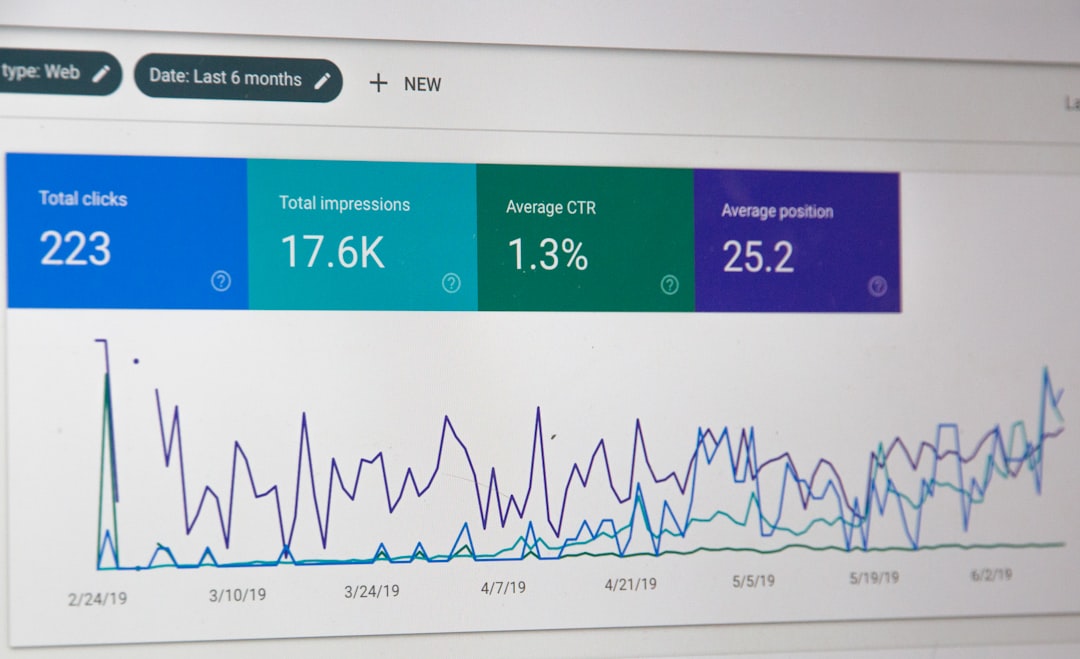
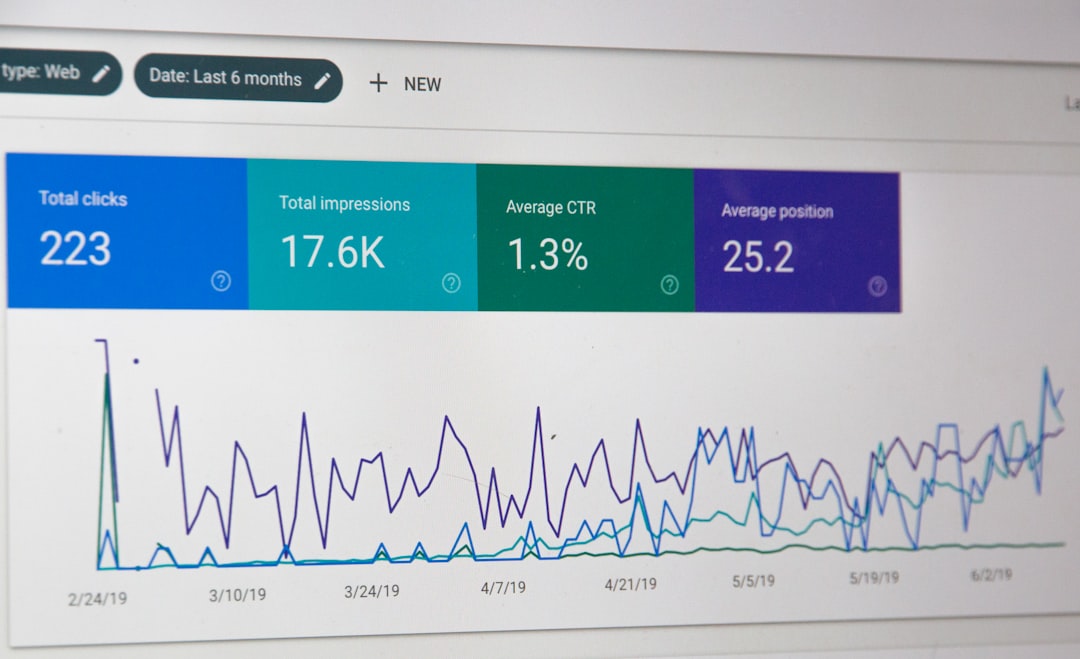
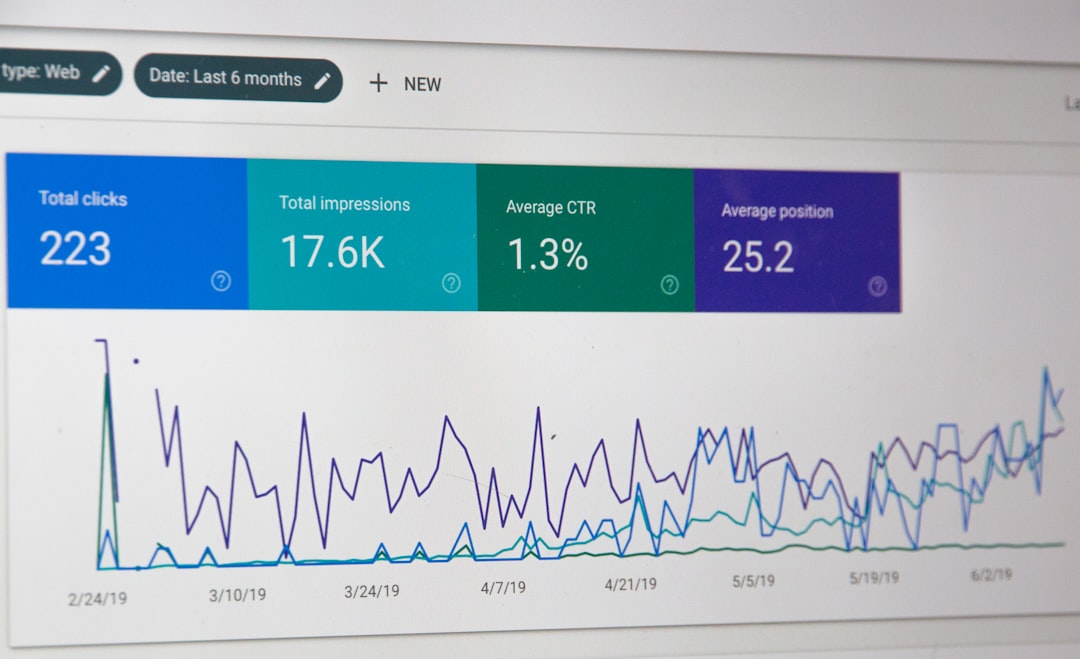
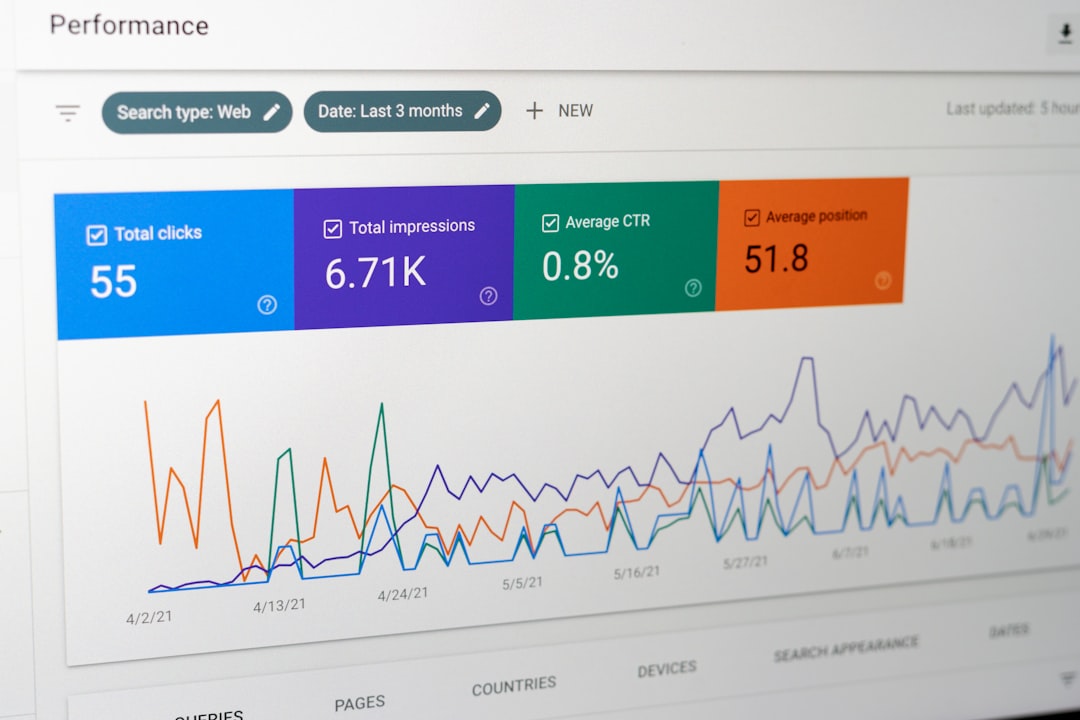
- Google Search Console — 이미 내 사이트에 유입되는 실제 검색어 확인. AI Overview 쿼리도 포함돼서 2026년 기준 필수입니다.
- AlsoAsked.com — 키워드 입력하면 실제 사람들이 함께 묻는 관련 질문 트리 구조로 보여줘요. FAQ 섹션, H3 소제목 뽑을 때 금광입니다.
- Google 자동완성 + People Also Ask — 아직도 최고의 무료 소스. “어떻게”, “왜”, “vs”, “추천” 같은 수식어 붙여서 검색해보세요.
- Ubersuggest (무료 플랜) — 볼륨, KD, CPC 동시 확인 가능. 하루 3회 무료 조회.
- TikTok / YouTube 검색창 — 여기서 사람들이 입력하는 질문이 실제 구어체 키워드 그 자체입니다. 2026년엔 소셜 검색 트렌드가 구글 검색 트렌드보다 6~8주 선행하는 경우가 많아요.
⚠️ 중요: ChatGPT나 AI 도구에게 “이 키워드 검색량 얼마야?”라고 절대 묻지 마세요. AI는 실시간 검색 데이터가 없어서 수치를 그냥 만들어냅니다. 실제 SEO 도구 데이터와 완전히 다른 숫자가 나올 수 있어요.
🌐 국내외 사례로 본 2026 키워드 전략의 현실
미국 SEO 데이터 전문기관 First Page Sage의 2025년 9월 연구에 따르면, 전략적 키워드 리서치 기반의 소트 리더십 콘텐츠(월 8편 수준)는 3년 기준 748% ROI를 달성하는 반면, 키워드 리서치 없이 양으로 밀어붙이는 콘텐츠 전략(월 4편)은 ROI가 고작 16%에 그쳤습니다.
국내에서도 비슷한 패턴이 관찰됩니다. 네이버 블로그 상위노출 경험자들의 공통점을 분석하면, ‘정보성 포스팅 + 구체적 경험 묘사 + 롱테일 키워드 자연 포함’이 핵심 3요소로 꼽힙니다. 단순히 키워드를 5번 이상 반복 삽입하는 구시대적 방법은 오히려 품질 평가에서 감점 요인이 돼요.
Ahrefs 데이터에 따르면 전체 웹페이지의 약 90%는 구글에서 트래픽을 전혀 받지 못합니다. 핵심 이유는 잘못된 키워드 선택 또는 인텐트 불일치입니다. 이 90%에 들어가지 않으려면 볼륨보다 인텐트를 먼저 보는 습관이 필요합니다.
⚠️ 초보자가 반드시 피해야 할 키워드 리서치 5가지 실수
- ❌ 검색량만 보고 키워드 선택 — KD(난이도), 인텐트, SERP 피처 동시 확인 필수
- ❌ 한 페이지에 여러 주요 키워드 몰아넣기 — 키워드 카니발리제이션(Cannibalization) 발생. 둘 다 순위 안 잡힘
- ❌ 키워드를 제목/본문에 어색하게 반복 삽입 — 2026년 구글은 자연스러운 문맥을 우선 평가함. 오히려 역효과
- ❌ 경쟁사 분석 없이 콘텐츠 작성 — 이미 1페이지에 도메인 권위 80+ 사이트들이 깔려있다면, 그 키워드는 신규 사이트에 금지구역
- ❌ 키워드 리서치를 한 번만 하고 끝내기 — AI 검색 환경이 빠르게 변하는 2026년엔 최소 분기 1회 키워드 전략 리뷰 필수. 연 1회는 이미 늦어요
✅ 콘텐츠 작성 전 키워드 체크리스트
- ☑️ 이 키워드로 검색했을 때 상위 10개 결과는 어떤 형태인가? (블로그 글 vs 커머스 vs 유튜브)
- ☑️ 키워드 뒤에 숨은 인텐트는 정보형인가, 거래형인가, 비교형인가?
- ☑️ Google AI Overview가 뜨는 키워드인가? → 뜬다면 내 콘텐츠가 AI에 인용될 수 있는 구조로 작성했는가?
- ☑️ 이 키워드를 타겟한 페이지가 내 사이트에 이미 있지는 않은가? (중복 방지)
- ☑️ 관련 LSI 키워드, PAA(People Also Ask) 질문들을 본문에 자연스럽게 포함했는가?
❓ FAQ
Q1. 키워드 리서치 도구, 돈 써야 하나요? 무료로 충분한가요?
솔직히 말할게요. 초보~중급 수준이라면 Google Search Console + AlsoAsked + Ubersuggest 무료 플랜 조합으로도 충분히 시작 가능합니다. 다만 월 트래픽 1만 이상을 목표로 하거나, 경쟁이 심한 니치를 공략할 때는 SEMrush나 Ahrefs 유료 플랜($99~$129/월)이 확실히 인사이트 차이를 만들어요. 처음부터 돈 쓸 필요는 없고, 먼저 무료 도구로 감 잡고 나서 투자하세요.
Q2. 2026년에도 네이버 키워드 리서치가 의미 있나요?
네이버 블로그·카페 트래픽을 노린다면 당연히 네이버 키워드 도구(네이버 광고 시스템 내 키워드 플래너)가 기준이에요. 구글 데이터랑 꽤 다릅니다. 특히 40~50대 타겟 콘텐츠, 로컬 비즈니스, 쇼핑 연관 키워드는 여전히 네이버 중심으로 봐야 해요. 구글이랑 동시에 잡고 싶다면 두 플랫폼 데이터를 따로 분석하는 게 맞습니다.
Q3. AI가 콘텐츠 다 써주는데, 키워드 리서치도 AI한테 맡기면 안 되나요?
AI로 초안 쓰는 건 괜찮지만, 키워드 볼륨·난이도 데이터는 절대 AI한테 물어보지 마세요. ChatGPT, Claude 포함해서 LLM은 실시간 검색 데이터가 없습니다. “이 키워드 월 검색량 얼마야?”라고 물으면 그럴듯한 숫자를 만들어내요. 실제 검증하면 틀린 경우가 대부분입니다. 키워드 수치는 반드시 SEMrush, Ahrefs, 네이버 키워드 플래너 같은 실제 데이터 기반 도구로 확인하세요.
📝 한 줄 평: 검색량은 그냥 인기 투표 결과일 뿐이에요. 진짜 중요한 건 그 키워드 뒤에 있는 ‘사람의 질문’입니다. 그 질문에 가장 정확하게 답하는 콘텐츠가 2026년 SEO의 승자입니다.
📌 이 글이 도움됐다면, 지금 당장 구글 서치 콘솔 열어서 내 사이트에 이미 유입되고 있는 키워드 중 순위 11~20위짜리 찾아보세요. 거기가 가장 빠른 성과를 낼 수 있는 황금 구역입니다. 조금만 콘텐츠 보강해도 1페이지로 올라오는 경우가 꽤 있어요.
📚 관련된 다른 글도 읽어 보세요
- Fuel Cell Power Generation Efficiency Revolution in 2026: From Micro-Channels to Modular SOFC, Here’s What’s Actually Moving the Needle
- 공식 문서엔 없는 진짜 이야기: SOFC 수전해 연계 그린수소 생산, 효율 85% 주장의 민낯 [2026 현장 분석]
- 공식 문서엔 없는 진짜 이야기 – 연료전지 발전 효율 향상 기술 혁신 핵심 5가지 [2026 현장 분석]
태그: []