A colleague of mine — a process engineer who’s spent years wrestling with cryogenic hydrogen storage — once told me half-jokingly, “If I have to explain why liquid hydrogen at -253°C is a logistical nightmare one more time, I’m switching careers.” That conversation stuck with me, because it perfectly captures the core frustration driving the entire industry toward a deceptively familiar molecule: ammonia (NH₃). You’ve smelled it in fertilizer plants, seen it painted on refrigeration systems, maybe even encountered it in a high-school chemistry lab. But in 2026, ammonia is quietly becoming one of the most strategically important substances on Earth — not as a fertilizer input, but as a hydrogen carrier for the global clean energy transition.
So why ammonia? Why now? And — most importantly — is the commercialization hype actually converting into real projects? Let’s dig in together.
Why Ammonia Makes Engineers Smile (and Accountants Too)
From a pure engineering standpoint, ammonia plays a dual role as both an efficient hydrogen carrier and a direct fuel, which simplifies storage and transportation compared to pure hydrogen. That’s a massive deal. Pure hydrogen at commercial scale either needs to be compressed to ~700 bar or liquefied below -253°C — both of which are engineering headaches that translate directly into capital cost and operational risk.
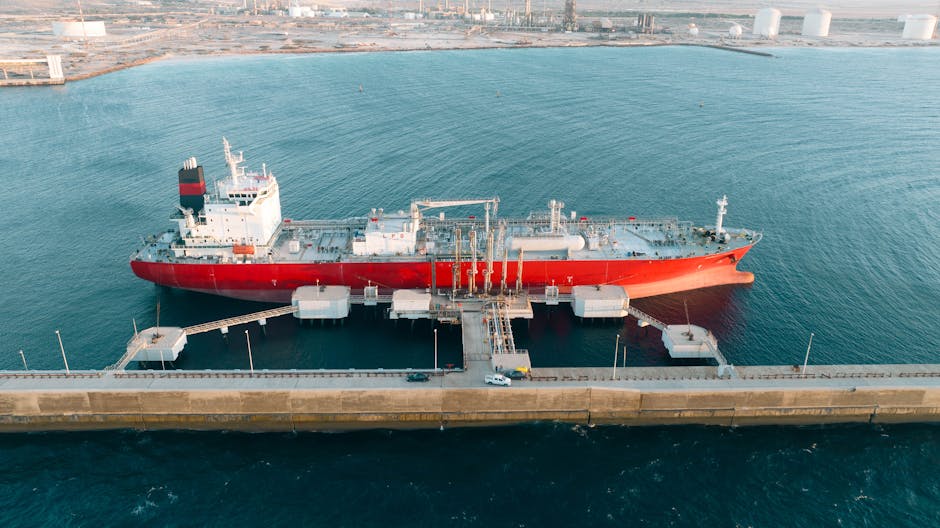
Ammonia sidesteps most of this. Ammonia can be stored and transported as a liquid at just -33°C, making it far easier and safer compared to transporting hydrogen, which requires high-pressure or cryogenic storage. And here’s the kicker that engineers love: we already have a globally established infrastructure for transporting ammonia that is safe and efficient.
The conversion pathway itself is well-understood. There are three main stages in transporting hydrogen using ammonia as a carrier: the initial conversion of hydrogen to ammonia, the transportation of ammonia, and the conversion of ammonia back to hydrogen at the destination. Hydrogen gas (H₂) is first converted to ammonia (NH₃) through the Haber-Bosch synthesis process, which involves reacting hydrogen with nitrogen gas (N₂) under high pressure and temperature in the presence of a catalyst.
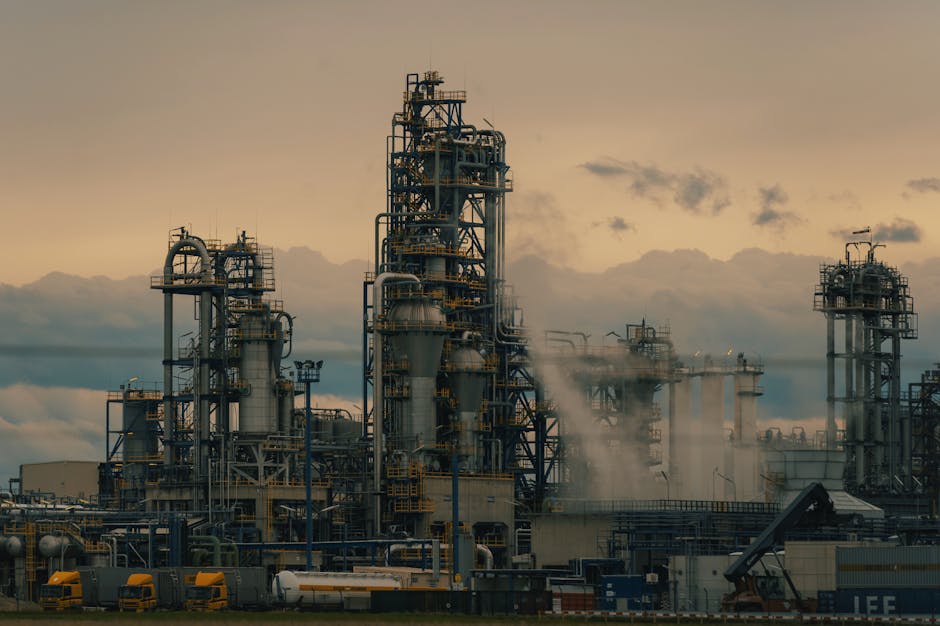
At the receiving end, an ammonia cracker is used to decompose ammonia back to hydrogen and nitrogen. First, the ammonia is heated until it evaporates into a gaseous state, then fed into the reactor where ammonia splitting takes place catalytically — typically at temperatures of 600–900°C and a pressure of 20–40 bar. The product is then cooled and the residual by-products are separated out to obtain a pure hydrogen stream.
The Market Numbers Are Turning Heads in 2026
Here’s where it gets really interesting for anyone tracking energy investment trends. The Green Ammonia Market begins at approximately USD 2.8 billion in 2026 and maintains a strong upward trajectory, with accelerating adoption in hydrogen carrier systems expected to push market value sharply higher by 2030. The long-range forecast is even more striking: by 2036, the market is projected to reach USD 18.3 billion, sustaining a 20.7% CAGR over the decade.
On the cracker technology side — which is the real commercialization bottleneck — the global Ammonia Cracking Membrane Reactor market is undergoing a significant transformation from 2026 to 2035, transitioning from a niche, demonstration-scale technology to a cornerstone of the emerging clean hydrogen economy. IndexBox estimates a 12.0% CAGR for the global ammonia cracking membrane reactor market over 2026–2035.
Among the fastest-growing national markets, the USA leads with a 22.8% CAGR, followed by the UK (21.4%), Japan (20.9%), India (19.6%), and South Korea (18.7%).
Who’s Actually Building Things Right Now?
This is where the rubber meets the road. Let’s look at the global case studies — because the gap between “announced” and “actually deployed” is where most energy transitions have historically fallen apart.
Japan — The Most Aggressive Importer: JERA progressed toward 20% ammonia co-firing at its Hekinan power plant in January 2026, positioning ammonia as a next-generation clean fuel. Longer-term, JERA plans to shift all its coal-fired power to ammonia by the 2040s and formed a joint venture with CF Industries and Mitsui to build the Blue Point project in Louisiana — a $4 billion facility considered one of the world’s largest for producing low-carbon ammonia — with plans to start co-firing 20% ammonia at the 4.1-GW Hekinan station’s Unit 4 by 2029.
Maritime Sector — A Landmark Quarter: Q1 2026 represented a landmark quarter for the maritime sector, with a flurry of commercial activity centered on hydrogen and ammonia, as key players moved projects from demonstration to commercial scale.
South Korea — Distributed Power Push: Amogy is preparing to deploy an ammonia-based distributed power generation system in Pohang, South Korea, with a 1-MW pilot project proposed, and plans to scale up to 40 MW for commercial operations by 2029. GS Engineering & Construction, HD Hyundai Infracore, and Pohang-si are part of the project, aiming to position the city as a regional hub for next-generation clean energy innovation.
Floating Cracker Technology — A Game Changer: Global marine energy infrastructure firm Höegh Evi and Wärtsilä Gas Solutions successfully completed development of the world’s first floating ammonia-hydrogen cracking facility — a system capable of converting ship-transported liquid ammonia directly into hydrogen at sea at industrial scale. The facility has an annual processing capacity of 210,000 tonnes of hydrogen, with ammonia storage expandable from 10,000 m³ to up to 120,000 m³.
Topsoe’s H2Retake™ Technology: Danish catalysis giant Topsoe has commercialized its large-scale ammonia cracking platform. H2Retake™ achieves an impressive energy efficiency of 96%, making it a highly cost-effective and sustainable solution.
thyssenkrupp Uhde: thyssenkrupp is currently the only group of companies in the world able to offer the entire hydrogen value chain from water electrolysis through ammonia production and storage to ammonia cracking.
Korea’s Domestic Pilots: A landmark regulatory revision officially incorporated ammonia thermal cracking as a permitted method for hydrogen extraction — a process where zero-carbon ammonia is pyrolyzed to extract hydrogen — establishing the commercial and business foundation for eco-friendly clean hydrogen production technology. On the demonstration side, a project led by Wonik Materials is building a commercial-grade ammonia reforming hydrogen production system capable of 500 kg/day between 2022 and 2026, with the ultimate goal of commercializing a 2,000 kg/day system after the demonstration is complete.
Key Milestones & Technology Highlights at a Glance
- Ammonia cracking temperature range: 600–900°C at 20–40 bar — existing catalyst tech is proven at pilot scale; commercial scale is the frontier
- Topsoe H2Retake™: 96% energy efficiency — currently the industry benchmark for large-scale cracking
- Green Ammonia Market Size (2026): ~USD 2.8 billion, growing at 20.7% CAGR to USD 18.3 billion by 2036
- Ammonia cracking membrane reactor CAGR (2026–2035): ~12.0% — transitioning from pilot to commercial scale
- Norway government grants: $76 million in grants to advance hydrogen and ammonia ships
- JERA Blue Point project: $4 billion facility in Louisiana — one of the world’s largest low-carbon ammonia producers
- Amogy Korea pilot: 1 MW in 2026 → scale to 40 MW commercial by 2029
- Port of Rotterdam: expected to allow ammonia bunkering on a project-by-project basis in 2026
- NEOM Green Hydrogen (Saudi Arabia): Air Products acting as sole offtaker of up to 1.2 million tonnes per year of renewable ammonia, targeting 2027 commercial operations
- Höegh Evi floating cracker: 210,000 tonnes/year H₂ capacity, expandable to 120,000 m³ ammonia storage
The Real Engineering Challenges Still on the Table
Let me be straight with you — this isn’t all smooth sailing. Having worked around cracking catalysts and high-temperature reactor systems, I can tell you the real bottleneck isn’t the concept, it’s the scale-up reliability. The ammonia cracking membrane reactor market is currently in a pre-commercial phase, dominated by pilot projects and demonstration units. A tipping point is anticipated around 2028–2030, where standardized modular designs will gain traction, driving down capital costs and improving bankability for project financiers.
Beyond the cracker itself, the broader system challenges remain real: significant barriers persist across technology, infrastructure, and markets — such as high costs, limited green hydrogen capacity, and inadequate transport and storage systems. Accelerating progress depends on technological advances like improved electrolysis efficiency, new catalysts, and membranes, as well as scalable manufacturing to cut costs and strong policy support.
On the safety and regulatory front, ammonia’s toxicity (it’s classified as a hazardous substance in most jurisdictions) means that new handling standards must keep pace with deployment ambitions. Korea’s recent regulatory revision — officially permitting ammonia-based hydrogen extraction systems — is a template other nations are watching closely.
Realistic Paths Forward: Not “All or Nothing”
If you’re an energy professional or investor wondering how to position around this trend, the realistic near-term picture looks like this:
- Co-firing first, then full switch: Japan’s JERA model (starting at 20% ammonia co-firing at coal plants) is the lowest-friction entry point. It reuses existing infrastructure while building operational experience.
- Port-based cracking hubs: Rather than distributed cracking everywhere, centralizing crackers at major import terminals (Rotterdam, Busan, Singapore) lets you scale technology before dispersing it.
- Blue ammonia as a bridge: Green ammonia is the long-term goal, but blue ammonia (with CCS) offers a commercially viable near-term supply chain for countries that can’t wait for 100% renewable production to scale.
- Modular crackers for hard-to-reach applications: Mining sites, remote industrial facilities, and island economies can absorb smaller modular crackers before the main grid-scale deployments arrive.
- Floating infrastructure: The Höegh Evi/Wärtsilä floating cracker concept is particularly promising for nations with constrained coastal real estate, allowing offshore ammonia-to-hydrogen conversion without land-side terminal investment.
The bottom line: ammonia-based hydrogen carrier commercialization in 2026 is genuinely happening — not just in PowerPoint decks. The combination of proven maritime infrastructure, improving cracker technology, aggressive national mandates (especially Japan and South Korea), and fresh private capital is creating real momentum. The technology readiness level (TRL) is climbing fast, with initial demand concentrated in specific applications like hydrogen refueling stations for heavy-duty transport and bunkering ports, before broadening into industrial heat and power generation.
The challenge isn’t whether ammonia will play a central role in the hydrogen economy — that debate is largely settled. The real engineering and policy work now is ensuring that the scale-up happens safely, economically, and fast enough to actually matter for net-zero timelines.
Editor’s Comment : Ammonia-as-hydrogen-carrier isn’t a moonshot anymore — it’s a bet that the world’s smartest energy engineers and its most aggressive governments are placing simultaneously. If you’re in the energy sector and haven’t started mapping out where ammonia cracking fits in your supply chain or project portfolio, 2026 is your inflection point. Don’t wait for 2028 hindsight to tell you this was the year the curve turned.
📚 관련된 다른 글도 읽어 보세요
- 한국 수소 경제 로드맵 2026: 정책 현황과 현실적인 투자 전략 총정리
- Hydrogen Energy Investments in 2026: Top Companies & Market Size You Can’t Afford to Ignore
- 수소 연료전지 자동차 상용화 2026, 지금 실제로 타볼 수 있을까?
태그: []
Leave a Reply