A friend of mine — a sharp developer who built a genuinely useful SaaS product — came to me frustrated last quarter. He’d published 40 blog posts, had clean technical SEO, and still couldn’t crack page one. His confession? He’d been doing keyword research the old way: find a high-volume term, write a post, repeat. Sound familiar? That conversation is exactly why I wanted to dig deep into what keyword research actually looks like in 2026 — because the rules have quietly but dramatically shifted.
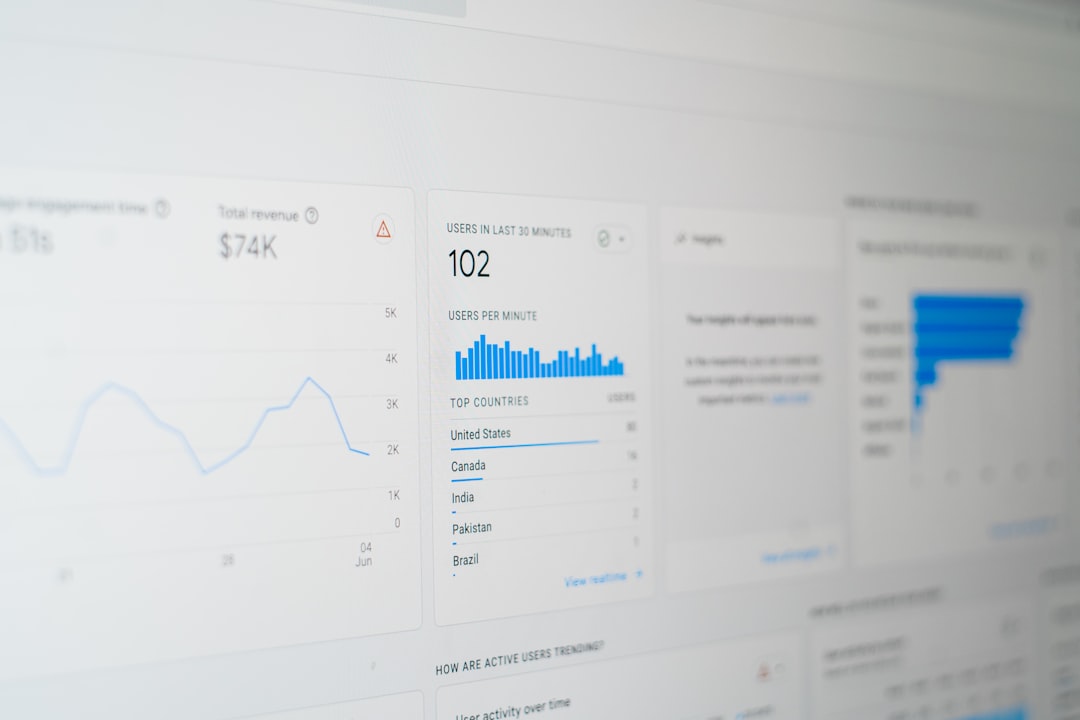
The Old Playbook Is Dead — Here’s the Data That Proves It
Keyword research has fundamentally shifted from volume-first to intent-first methodology. With 58.5% of searches now resulting in zero clicks, 91.8% of all searches being long-tail keywords, and AI search platforms accounting for growing search share, successful 2026 keyword research must serve two purposes: ranking in traditional search results and being cited in AI-generated answers.
Let that sink in. Nearly 6 out of 10 searches end without a click. If you’re optimizing purely for traffic volume, you’re building on sand. SEO and AI search optimization in 2026 has moved beyond keyword stuffing and mass link building, focusing instead on a cohesive, end-to-end marketing strategy that aligns with user intent and business goals. As search engines evolve with AI, semantic search, and user-first algorithms, ranking today means understanding your audience deeply, positioning content clearly, and distributing it smartly.
And the ROI gap between doing this right vs. wrong is staggering. Thought leadership SEO with strategic keyword research (approximately 8 pages monthly) delivers 748% ROI over three years, whilst basic content marketing without proper keyword research (approximately 4 articles monthly) delivers only 16% ROI. That’s not a marginal difference — that’s a completely different business outcome.
Intent Is the New Volume: A Framework That Actually Works
In 2026, keyword research goes beyond identifying high-volume keywords and focuses on intent, context, and real user value. It’s about knowing what users want, predicting trends, and providing value through intelligent, organized, contextual content.
Here’s how to think about your keyword types now:
- Intent-Driven Keywords: These match the searcher’s goal — whether getting extra information (“how to optimize meta tags”) or purchasing a product (“Semrush pricing”).
- Long-Tail Keywords: More specific, lower competition, and easier to rank for — e.g., “best free SEO tools for beginners 2026.” Also, long-tail keywords (3+ words) have lower volume but higher conversion rates — research shows they convert at 2.5x the rate of short-tail terms.
- LSI / Semantic Keywords: Latent Semantic Indexing keywords are related terms that help Google understand your content’s topic — for “content audit,” think “on-page SEO,” “site structure,” or “crawl errors.”
- Zero-Volume High-Intent Keywords: Many valuable B2B queries don’t register in keyword tools because search volume is too low — but they represent high-intent buyers. Terms like “HubSpot onboarding agency London” may show zero volume yet drive qualified pipeline.
- Competitor Gap Keywords: Looking at your competitors’ keyword strategy is an excellent method for discovering gaps and opportunities in your content strategy. Knowing which keywords your competitors rank for can lead you to find new content ideas or SEO opportunities.
- AI-Optimized Conversational Queries: Users now ask AI tools questions like “What are the most effective SEO strategies for my small business?” rather than typing “small business SEO.” Creating content that directly answers these conversational queries in the first 100–150 words increases your chances of being cited in AI-generated responses.

The Tool Stack That’s Worth Your Money in 2026
Let’s be honest — most folks either over-invest in tools or completely ignore the free tier. Here’s how to balance both:
SEMrush continues to dominate the keyword research space in 2026 with its comprehensive Keyword Magic Tool, offering access to over 25 billion keywords across 142 geographic databases. Standout features include advanced filtering options, SERP feature indicators, and intent-based keyword grouping. The keyword difficulty metric has been enhanced with AI predictions, showing not just current competition levels but projected difficulty trends over the next 12 months. Pricing starts at $119.95/month for the Pro plan.
If that’s outside your budget, don’t panic. Google’s Keyword Planner received significant updates in 2026, transforming from a basic advertising tool into a comprehensive SEO resource. The enhanced version provides more granular search volume ranges and includes organic competition metrics alongside paid advertising data. New features include seasonal trend forecasting, local search insights, and integration with Google Search Console data. And it remains completely free for anyone with a Google Ads account, making it an essential component of any keyword research toolkit.
For deeper research, Ahrefs and Semrush remain top picks. Ahrefs has deeper historical SERP data and more features for analyzing what content performs best in terms of links and shares. Semrush nails competitor analysis, showing exactly what keywords your rivals rank for and letting you drill down by URL.
For AI-assisted discovery, AI-powered tools can significantly enhance your content strategy by offering suggestions based on search trends, user behavior, and competitive analysis. Tools like Frase.io, Surfer SEO, and MarketMuse can help identify new content ideas, suggest keywords, and highlight content gaps within your niche.
The Research Process Step-by-Step (What Actually Works)
Keyword research is important because it helps you identify which phrases your target audience uses to find your products or services on search engines like Google. Here’s the workflow I’d actually recommend:
- Start with intent mapping — define whether your page is informational, navigational, commercial, or transactional before picking any keyword.
- Pull competitor rankings — research the keywords your competitors already rank for using a competitor analysis tool. Once identified, you’ll have a solid list of keywords to target in your own content.
- Audit your existing rankings — check out the keywords your site already ranks for — by looking at your existing keywords, you’ll probably also find new keywords you can optimize for. The best way is to head to Google Search Console and navigate to the Search Results report.
- Use AI tools for question-based queries — utilize a combination of tools such as Ahrefs, Semrush, Google Search Console, AnswerThePublic, and AI-based tools such as ChatGPT to find question-based and intent-based keywords.
- Keep refreshing your list regularly — keyword trends for 2026 are constantly evolving, and your keyword strategy should evolve as well. Regularly updating your keyword research ensures that your SEO efforts remain relevant, effective, and competitive.
The EEAT Factor — Why Your Keywords Won’t Rank Without It
Here’s the piece most keyword guides skip: picking the right keyword is only half the battle. Experience, Expertise, Authoritativeness, and Trust (EEAT) remain vital for content to rank. Include EEAT signals like author profiles, citations, case studies, and original data in your content to increase credibility and influence rankings.
Google now rewards clarity, intent-match, and authority over hacks or shortcuts. That means SEO has evolved from a standalone marketing tactic into a foundational element of brand strategy and digital growth.
Practically, this means: if you’re writing about a medical keyword, include credential-backed authors. If you’re writing about a financial keyword, cite primary data sources. Your keyword can be perfectly chosen, but without EEAT signals backing it up, you’re leaving ranking power on the table.
When to Go Narrow Instead of Big
If your site is newer or lower authority, here’s a conditional framework:
- If your domain authority is below 30: Focus exclusively on long-tail, low-competition keywords with clear informational intent. Don’t fight for “SEO tools” — target “best free SEO tools for Shopify store owners 2026.”
- If your DA is 30–60: Layer in commercial-intent keywords and start targeting comparison content (“Tool A vs Tool B”).
- If your DA is 60+: Commercial and transactional keywords drive revenue. Filter your keyword lists to prioritize terms indicating purchase intent — but avoid keyword stuffing.
Review your keyword strategy quarterly for most businesses. Search behaviour, competitor positioning, and AI search patterns evolve continuously. Monthly reviews are appropriate for fast-moving industries or during major product launches. Annual keyword research is insufficient given the pace of change in 2026.
The bottom line? My developer friend rebuilt his content strategy around intent-first keywords, added author credentials to every post, and started targeting zero-volume high-intent terms his competitors ignored. Within two months, three of his posts were cited in AI-generated answers on Perplexity. Traffic followed — but more importantly, qualified leads followed.
Bottom line: Don’t ditch keyword research — upgrade it. The fundamentals (search volume, competition, relevance) still matter, but they’re the starting point, not the finish line. In 2026, the real game is about user intent, AI visibility, and EEAT-backed content. Pick your keywords with the strategy of a chess player, not a slot machine, and the organic growth will come.
📚 관련된 다른 글도 읽어 보세요
- I Wasted 6 Months Chasing Volume — The Real Keyword Research Guide for 2026
- Why I Almost Wasted 6 Months on SEO — The 2026 Keyword Research Guide That Actually Works
- I Wasted 6 Months Chasing Volume — The Real Keyword Research Strategy That Works in 2026
태그: []
Leave a Reply