A friend of mine — a smart guy who runs a niche outdoor gear blog — spent the better part of last year obsessing over a single keyword: “best hiking boots.” He built content around it, optimized religiously, even paid for backlinks. Know what happened? Nothing. Zero traction. Meanwhile, a smaller post he almost didn’t publish — “waterproof hiking boots for wide feet under $150” — started pulling in 800+ monthly visitors by month three. That story stuck with me. It perfectly captures everything that’s changed about keyword research heading into 2026.
If you’ve been doing SEO for a while, you already know the old playbook: find a keyword with high volume, stuff it strategically, repeat. But that era is genuinely over — and not just as a cliché. Let’s dig into what’s actually happening and what to do instead.
Why the Old Volume-First Strategy Is Failing You in 2026
Here’s the uncomfortable data point: with 58.5% of searches now resulting in zero clicks, understanding search intent has become more important than chasing volume. Let that sink in. More than half of all searches don’t even result in a click to a website anymore — Google, ChatGPT, and Perplexity are answering queries directly in the interface.
Volume-first keyword research is essentially a 2019 strategy. In 2026, Google’s AI algorithms, AI Overview dominance, and zero-click search behavior mean that chasing high-volume keywords without matching intent produces traffic that converts to nothing — or no traffic at all.
We’re now in an era where understanding the nuances of search behavior is the gold standard. Keywords have morphed into a conversational context, matching user queries with user intent more accurately than ever.
The Intent-First Framework: What It Actually Means
Keyword research in 2026 means identifying the exact questions, problems, and decisions your target audience is searching for, then matching your content to the intent behind each search — not just the words used.
Think of search intent as a spectrum. Search intent (also called user intent) is the reason behind a search — whether the person is trying to learn something (informational), find a website (navigational), compare products (commercial), or make a purchase (transactional). The fatal mistake most content creators make is writing informational content for transactional keywords, or building service pages that target informational queries. The format mismatch kills your rankings before you even get started.
Here’s a practical gut-check: before writing any piece of content, Google your target keyword and scan the top 3–5 results. If they’re all listicles, write a listicle. If they’re all step-by-step guides, write a guide. If they’re product pages, your blog post won’t rank — target a different keyword variation instead.
Long-Tail Keywords: The Numbers Don’t Lie
Back to my friend and his hiking boots story — he accidentally discovered what the data has been screaming for years. Long-tail keywords are specific phrases (3+ words) with lower volume but higher conversion rates. Research shows 91.8% of all searches are long-tail, and they convert at 2.5 times the rate of short-tail terms.
For beginners especially, long-tail and question keywords are the fastest path to ranking. They have lower competition, attract highly specific audiences, and are more likely to be featured in Google’s People Also Ask boxes.
And if you’re wondering whether beginner-friendly tools can get the job done — they can. Research consistently shows that free tools adequately support beginners, avoiding immediate financial commitment. Tools like Google Search Console, Ubersuggest, and Semrush’s free tier are more than enough to start.
The 2026 Keyword Research Toolkit: What to Actually Use
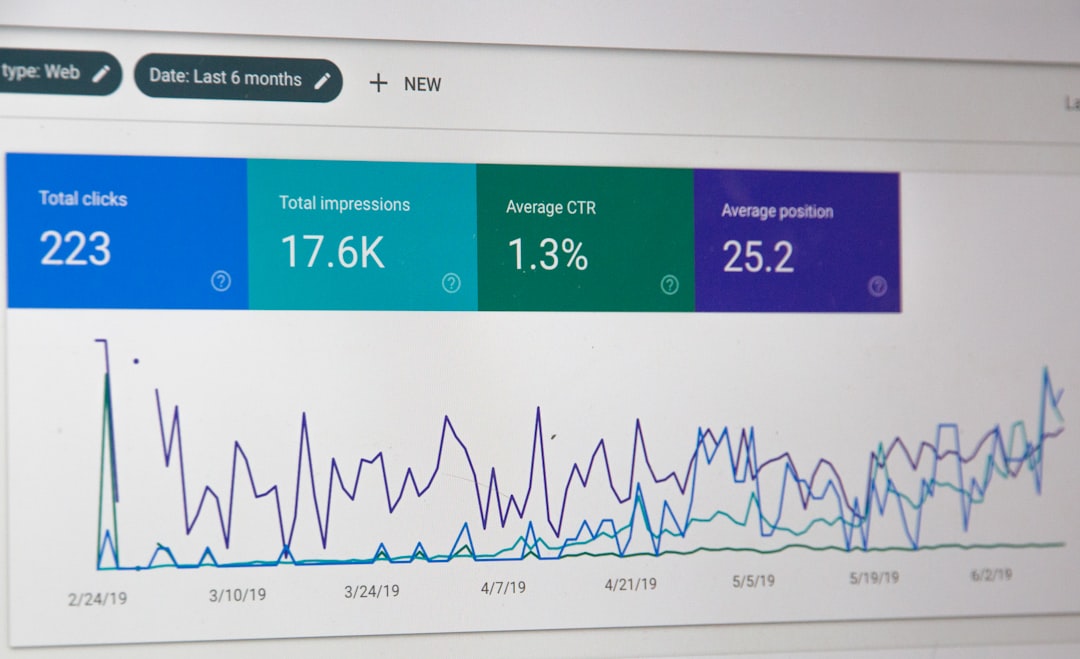
- Google Search Console — Shows real queries that brought people to your site, including AI Overview queries. Non-negotiable starting point.
- Ahrefs / Semrush — For competitive analysis, keyword difficulty scoring, and gap research. Use Google Keyword Planner, Semrush, Ahrefs, or similar tools to expand your seed keywords.
- AlsoAsked — Great for question-based keyword discovery. Maps out the full “People Also Ask” ecosystem around any topic.
- TikTok / Reddit / YouTube Search — Underrated signal sources. Searches on TikTok, YouTube, Instagram, and Reddit reveal how your audience actually phrases their questions — and these social search queries often translate directly to blog and content opportunities.
- Ubersuggest (free tier) — Solid for beginners. Entering a seed keyword into Ubersuggest reveals correlated terms, displaying search volume, ranking difficulty, and CPC statistics.
- ChatGPT / AI tools for keyword brainstorming — Useful for ideation, but never trust AI tools for actual volume or difficulty data. Don’t ask ChatGPT to give you blog keywords — the data is never accurate in terms of how popular or difficult a particular keyword is.
How Often Should You Revisit Your Keyword Strategy?
This is where a lot of experienced SEOs still drop the ball. The old habit of doing annual keyword audits is dangerously outdated. Review keyword strategy quarterly for most businesses. Search behaviour, competitor positioning, and AI search patterns evolve continuously — monthly reviews are appropriate for fast-moving industries or during major product launches. Annual keyword research is insufficient given the pace of change in 2026.
Set a calendar reminder now. Seriously.

The Business Case: Why Getting This Right Actually Pays
If you need a financial argument to justify the time investment, here it is: B2B companies using strategic keyword research achieve 702–1,389% ROI from SEO according to First Page Sage research. That’s not a typo.
The gap between strategic and casual approaches is staggering: thought leadership SEO with strategic keyword research (approximately 8 pages monthly) delivers 748% ROI over three years, whilst basic content marketing without proper keyword research (approximately 4 articles monthly) delivers only 16% ROI. The methodology is the multiplier — not just the volume of content you publish.
Avoiding the #1 Structural Mistake: Keyword Cannibalization
Once you start building out a content strategy, there’s a trap that catches even seasoned pros. Keyword cannibalization is when multiple pages on your site target the same primary keyword, causing them to compete against each other. This splits authority and often causes neither page to rank well. Each primary keyword should map to one canonical page. Keep a simple spreadsheet mapping each URL to its primary keyword — it’ll save you hours of confusing audits down the road.
Putting It All Together: A Realistic Starting Point
If you’re just getting started or rebuilding your strategy, here’s the order of operations that works:
Step 1: Before opening any keyword tool, write down the 10–20 most common questions your customers ask before hiring you or buying from you. These are your seed keywords. Real customer language is almost always better than industry jargon.
Step 2: Run those seeds through Semrush, Ahrefs, or Ubersuggest. Filter for long-tail variations with KD (Keyword Difficulty) below 30.
Step 3: Manually Google each candidate keyword. Read the top 5 results. Match your format to what’s already ranking.
Step 4: For your target keywords, check whether Google AI Overviews appear. If an AI Overview dominates the SERP, that query may not drive clicks — pivot to a variation with more traditional organic results.
Step 5: Publish, monitor via Search Console, and re-evaluate quarterly.
The reality is, keyword research in 2026 isn’t harder — it’s just different. The ceiling for organic traffic has never been higher for people who understand intent. The floor has never been lower for people still playing the volume game.
💬 Have you shifted to an intent-first keyword strategy yet? Drop your biggest win — or your most painful lesson — in the comments. Let’s compare notes.
📚 관련된 다른 글도 읽어 보세요
- I Wasted 6 Months Chasing Search Volume — The Real 2026 Keyword Research Guide
- I Wasted 6 Months on the Wrong Keywords — Real 2026 SEO Research Guide
- Stop Chasing Volume — The 2026 Keyword Research Strategy That Actually Ranks
태그: []
Leave a Reply