A friend of mine spent three months grinding out blog posts last year. Good writing, solid structure, decent backlinks — and almost zero traffic. When we dug into his keyword strategy together, the problem was painfully obvious: he was picking keywords the same way people did back in 2019. High search volume, low context, zero intent alignment. Sound familiar?
That conversation sent me down a rabbit hole of everything that’s changed in keyword research right now. And honestly? The shift is bigger than most people realize — but also more manageable once you understand the new rules.
Why Your Old Keyword Playbook Is Quietly Killing Your Traffic
Volume-first keyword research is essentially a 2019 strategy. In 2026, Google’s AI algorithms, AI Overview dominance, and zero-click search behavior mean that chasing high-volume keywords without matching intent produces traffic that converts to nothing — or no traffic at all.
Here’s the uncomfortable data point nobody likes to talk about: 58.5% of searches now result in zero clicks, and 91.8% of all searches are long-tail keywords. That means the majority of searches never even send someone to a website. If you’re optimizing for raw volume, you’re optimizing for a battlefield where most of the “wins” are hollow.
Research from Ahrefs shows that 90% of webpages receive no Google traffic at all — and poor keyword selection drives most of those failures. That’s a sobering number. But it’s also an opportunity, because most of your competitors are still making the same mistake.
The Intent-First Framework: What Actually Works in 2026
Keyword research in 2026 means identifying the exact questions, problems, and decisions your target audience is searching for, then matching your content to the intent behind each search — not just the words used.
Search engines now weigh relevance and user satisfaction heavily, so choosing the right keywords ensures your content aligns with what real people are looking for. AI-driven ranking systems also evaluate context, meaning your keyword strategy should focus on clarity, precision, and intent rather than stuffing or repetition.
The practical implication? The most common mistake brands make is writing informational content for transactional keywords, or creating service pages for informational queries. The match between intent and content format is more important than keyword density.
Long-Tail Keywords: Not a Consolation Prize Anymore
There’s a persistent myth that long-tail keywords are what you target when you can’t compete for the “real” terms. Let’s put that to rest. Long-tail keywords are specific phrases of 3 or more words with lower volume but higher conversion rates — and research shows they convert at 2.5 times the rate of short-tail terms.
Long-tail keywords are essential for SEO in 2026 because they target highly specific queries. Instead of broad terms with heavy competition, long-tail keywords attract users who already know what they want — and these keywords often lead to more focused engagement and better conversion opportunities.
Even more interesting: many valuable B2B queries don’t register in keyword tools because search volume is too low — but they represent high-intent buyers. A term like “HubSpot onboarding agency London” may show zero volume yet drive qualified pipeline. Don’t let a “0” in the volume column scare you away from money keywords.
The 5-Phase Workflow That Top SEOs Actually Use
A five-phase framework delivers the best results: generate ideas, assess volume and difficulty, map to intent, cluster into topic silos, and build an editorial calendar. Let’s break that down practically:
- Phase 1 — Seed Keywords from Real Humans: Before opening any keyword tool, write down the 10–20 most common questions your customers ask before hiring you or buying from you. These are your seed keywords. Real customer language is almost always better than industry jargon.
- Phase 2 — Assess Volume & Difficulty: Keyword Difficulty (KD) indicates ranking challenge. Lower KD equates to more accessible targets — beginners especially should focus on terms scoring below 30.
- Phase 3 — Map to Intent: Prioritize terms with informational or navigational intent first, then map transactional terms to product pages or checkout paths.
- Phase 4 — Cluster Topics: Avoid keyword cannibalization — when multiple pages on your site target the same primary keyword, causing them to compete against each other. This splits authority and often causes neither page to rank well. Each primary keyword should map to one canonical page.
- Phase 5 — Build Your Editorial Calendar: Review keyword strategy quarterly. Search behaviour, competitor positioning, and AI search patterns evolve continuously.
The AI Search Layer: The New Variable Nobody Warned You About
Keyword research in 2026 must serve two purposes: ranking in traditional search results and being cited in AI-generated answers. This is the layer that’s tripping up even experienced SEOs. You’re not just optimizing for Google’s blue links anymore — you’re optimizing to be the source that ChatGPT, Perplexity, and Google’s AI Overviews pull from.
Lily Ray, VP of SEO Strategy at Amsive Digital, warns that all traffic projections should be increasingly conservative in 2026 due to AI search impact — and emphasizes that success depends on authenticity, original research, strong personal brands, and building trust.
One tool tip worth knowing: don’t ask ChatGPT to give you blog keywords — the data is never accurate in terms of how popular or difficult a particular keyword is. Stick with trusted SEO platforms like Semrush, Ahrefs, or SE Ranking for reliable keyword data.
Where the Real ROI Lives: Data That Should Change Your Strategy
If you’re still wondering whether this level of strategic investment in keyword research is worth it, consider this: B2B companies using strategic keyword research achieve 702–1,389% ROI from SEO, according to First Page Sage research.
And the gap between doing it right vs. doing it casually is massive: thought leadership SEO with strategic keyword research delivers 748% ROI over three years, while basic content marketing without proper keyword research delivers only 16% ROI. That’s not a small difference — that’s an entirely different business outcome.
Also worth noting for content planners: organic search generates 44.6% of all B2B revenue — making it the largest single marketing channel. Keywords are the front door to all of that.
Social Search: The Hidden Keyword Mine Most People Ignore
Searches on TikTok, YouTube, Instagram, and Reddit reveal how your audience actually phrases their questions — and these social search queries often translate directly to blog and content opportunities.
On YouTube specifically, the best keywords in 2026 balance moderate search volume with low competition — evergreen how-to queries, niche tutorial topics, and emerging AI-related terms offer the best growth opportunities. Don’t silo your keyword research to Google alone.
What This Looks Like in Practice: Quick-Start Checklist
- ✅ List 15–20 real customer questions before touching any tool
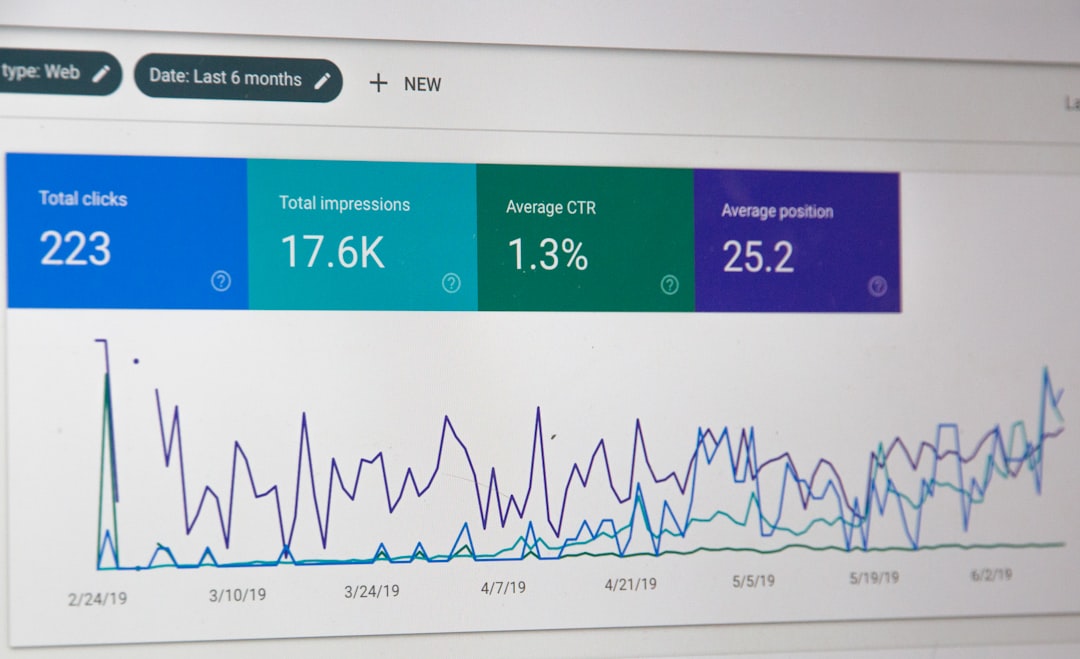
- ✅ Use Google Search Console to find what queries already bring impressions
- ✅ Target keyword difficulty scores below 30 if your site is under 6 months old
- ✅ Match content format to what’s already ranking (blog ≠ service page)
- ✅ Check if Google AI Overviews appear for your target keyword
- ✅ Cluster related keywords into single, authoritative pages
- ✅ Review your keyword map quarterly — not annually
- ✅ Cross-check trends on TikTok, Reddit, and YouTube for social intent signals
The good news? Using keywords the way you did in 2010 won’t work in 2026 — but if you were up to date on SEO best practices within the past three years, the shift to 2026 SEO isn’t too dramatic, and keywords are indeed still relevant. It’s an evolution, not a revolution. You just need to be more intentional.
And if you’re worried that sophisticated keyword research requires a massive budget: research consistently shows that free tools adequately support beginners, avoiding immediate financial commitment. Start with Google Search Console, AnswerThePublic, and Ubersuggest before committing to paid platforms.
💬 Have you made the shift to intent-first keyword research yet? Drop your biggest keyword research challenge in the comments — let’s troubleshoot it together. Whether you’re battling keyword cannibalization, zero-click frustration, or the AI Overview black box, there’s almost always a smarter path forward than just chasing the next high-volume term.
📚 관련된 다른 글도 읽어 보세요
- I Wasted 6 Months on the Wrong Keywords — Real 2026 SEO Research Guide
- Stop Wasting Hours Guessing — The 2026 Keyword Research Guide That Actually Works
- 공식 문서엔 없는 진짜 이야기: SOFC 수전해 연계 그린수소 생산, 효율 85% 주장의 민낯 [2026 현장 분석]
태그: []
Leave a Reply