A friend of mine — a sharp freelance content strategist — spent the better part of last year building out a 40-article blog. She picked keywords the old-fashioned way: high volume, moderate competition, boom, done. Six months later? Crickets. Barely any organic traffic, zero AI Overview appearances, and a nagging feeling that something had fundamentally changed. Sound familiar? That story is what pushed me to dig deep into how keyword research actually works in 2026 — and honestly, what I found rewired how I think about the whole process.
Let’s unpack it together.
The Old Playbook Is Officially Broken
Here’s the uncomfortable truth: volume-first keyword research is a 2019 strategy. In 2026, Google’s AI algorithms, AI Overview dominance, and zero-click search behavior mean that chasing high-volume keywords without matching intent produces traffic that converts to nothing — or no traffic at all.
The numbers back this up hard. With 58.5% of searches now resulting in zero clicks, understanding search intent has become more important than chasing volume. And if you think that’s a small wrinkle, consider this: 91.8% of all searches are long-tail keywords, and AI search platforms are accounting for a growing share of total search activity.
So what does a winning strategy look like now? It’s all about intent.
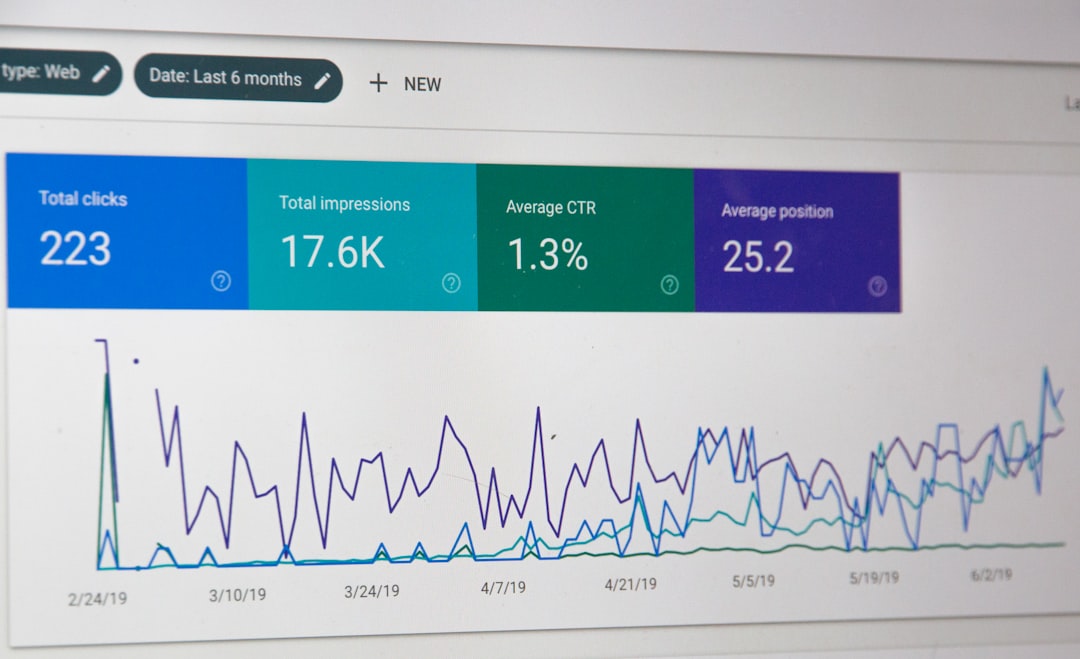
Intent-First: The 2026 Mental Model
Keyword research in 2026 means identifying the exact questions, problems, and decisions your target audience is searching for, then matching your content to the intent behind each search — not just the words used.
The most successful SEO professionals have shifted to an intent-first keyword strategy: identify what the user is trying to accomplish, then build content that is the clearest, most authoritative answer. This isn’t just a philosophical shift — it has real ROI implications. B2B companies using strategic keyword research achieve 702–1,389% ROI from SEO, according to First Page Sage research.
There’s also a concrete productivity gap between doing this right and doing it lazily: thought leadership SEO with strategic keyword research (approximately 8 pages monthly) delivers 748% ROI over three years, whilst basic content marketing without proper keyword research delivers only 16% ROI. That’s not a rounding error — that’s a completely different business outcome.
How the Search Landscape Has Actually Changed
In 2026, we find ourselves in an era where understanding the nuances of search behavior is the gold standard. Keywords have morphed into a conversational context, matching user queries with user intent more accurately than ever.
Social platforms are now part of the keyword equation too. By 2026, the influence of platforms like TikTok, Twitter, and Instagram on search trends is undeniable. When a trend takes off in the social media sphere, it reverberates through search queries, demonstrating a synergy between social engagement and keyword popularity. Practically speaking, searches on TikTok, YouTube, Instagram, and Reddit reveal how your audience actually phrases their questions, and these social search queries often translate directly to blog and content opportunities.
And let’s not forget AI tools themselves. Keywords aren’t just about ranking high anymore — they also influence how well AI chatbots display results. If you want to show up in ChatGPT or Perplexity citations, your content needs to be structured and keyword-mapped for AI extraction, not just Google crawlers.
A Step-by-Step Framework for 2026 Keyword Research
Here’s the process I now recommend — refined from real-world testing and current best-practice research:
- Start with seed keywords from real customer language. Before opening any keyword tool, write down the 10–20 most common questions your customers ask before hiring you or buying from you. These are your seed keywords. Real customer language is almost always better than industry jargon.
- Expand with trusted tools — not ChatGPT. Use Google Keyword Planner, Semrush, Ahrefs, or similar tools to expand your seed keywords. And a critical warning: don’t ask ChatGPT to give you blog keywords — the data is never accurate in terms of how popular or difficult a particular keyword is.
- Prioritize long-tail keywords, especially as a newer site. Long-tail keywords are essential for SEO in 2026 because they target highly specific queries. Instead of broad terms with heavy competition, long-tail keywords attract users who already know what they want, often leading to more focused engagement and better conversion opportunities.
- Check Keyword Difficulty (KD) carefully. Keyword Difficulty indicates ranking challenge — lower KD equates to more accessible targets. Beginners should focus on terms scoring below 30.
- Match content format to what’s already ranking. Create content that matches the format of what’s already ranking. If you write a blog post for a transactional keyword, you will rarely rank above service pages.
- Check for AI Overview presence. For your target keywords, check whether Google AI Overviews appear. If they do, you need to structure your content to be the cited source — not just rank below the fold.
- Use questions as headers wherever possible. A keyword can be one word, a few words, or even a full sentence. People who use AI tools to find information are asking for that info in full sentences, usually questions — so prioritize using and answering full questions in your blog posts.
The Review Cadence Nobody Talks About
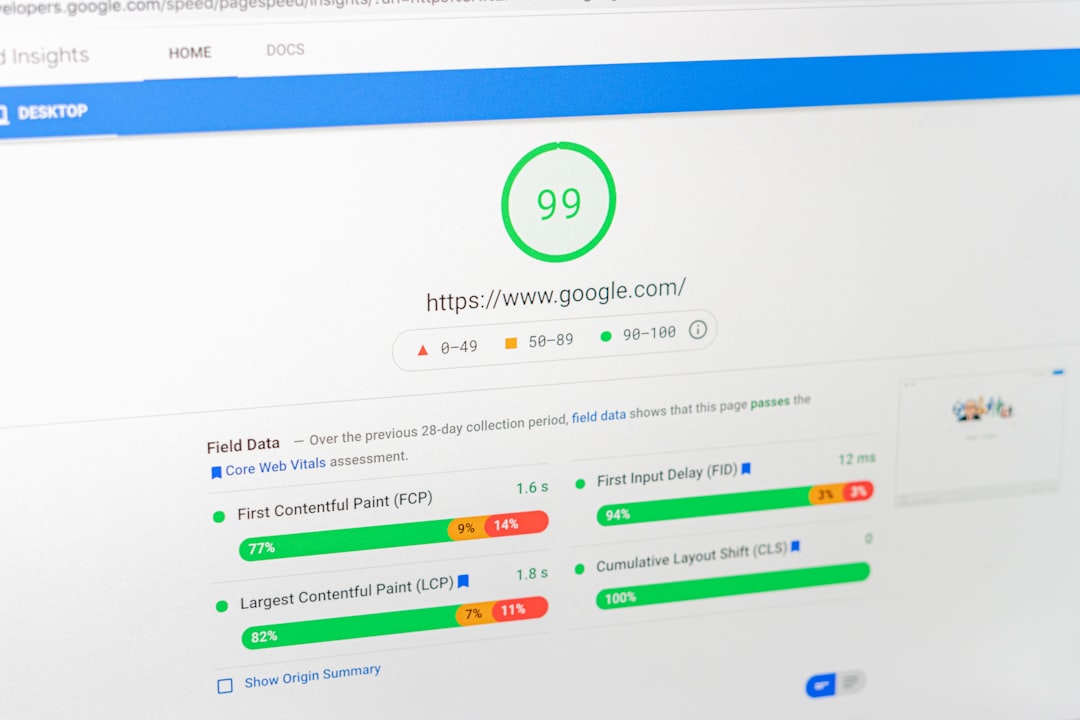
One mistake I see constantly: people do keyword research once a year and call it done. That’s now a liability. Review keyword strategy quarterly for most businesses. Search behaviour, competitor positioning, and AI search patterns evolve continuously. AI search behavior changes rapidly enough in 2026 that annual keyword audits are no longer sufficient.
For fast-moving niches — AI tools, crypto, health tech — monthly monitoring of your top-performing keywords isn’t overkill; it’s just good hygiene.
What About Keyword Cannibalization?
Here’s a technical pitfall that destroys rankings silently: keyword cannibalization is when multiple pages on your site target the same primary keyword, causing them to compete against each other. This splits authority and often causes neither page to rank well. Each primary keyword should map to one canonical page.
If you’ve been publishing for a while and wondering why your older content has flatlined, run a cannibalization audit before anything else. Tools like Semrush’s Position Tracking or Ahrefs’ Site Explorer can surface these conflicts quickly.
Realistic Alternatives If You’re Starting From Zero
Not everyone has a budget for Semrush or Ahrefs right away — and that’s totally fine. Research consistently shows that free tools adequately support beginners, avoiding immediate financial commitment. Google Search Console, Google Keyword Planner, and Ubersuggest all offer solid starting points. Trusted platforms such as Google Keyword Planner remain free and provide access to reliable insights.
The formula, at its core, hasn’t changed that much — it’s just more intentional now. As one practitioner put it cleanly: “Right Keyword + Right Intent + Quality Content = Traffic.” That’s the whole game.
So if your situation is A — you’re a newer site with limited authority — go deep on long-tail, low-KD, question-based keywords and own them fully before climbing to broader terms. If your situation is B — you have an established domain with decent authority — layer in mid-tail competitive terms while defending your existing rankings with quarterly content refreshes.
💬 Drop a comment below: Are you still doing volume-first research, or have you already made the switch to intent-first? I’d love to hear what’s working (or not working) for your content strategy in 2026.
📚 관련된 다른 글도 읽어 보세요
- 공식 문서엔 없는 진짜 이야기 – 연료전지 발전 효율 향상 기술 혁신 핵심 5가지 [2026 현장 분석]
- 공식 문서엔 안 나오는 진짜 얘기: 연료전지 CHP 시스템 효율 85% 달성 조건과 현장 함정 [2026 완전분석]
- Stop Chasing Volume — Your 2026 Keyword Research Strategy Is Probably Broken
태그: []
Leave a Reply