A friend of mine — a sharp content marketer with five years under her belt — spent the better part of last year chasing 10,000+ monthly search volume keywords. She built 40 articles around them, watched her rankings flatline, and couldn’t figure out why. Sound familiar? I’ve been there too. The rules we learned about keyword research even two or three years ago are quietly becoming traps in 2026, and I want to walk through exactly why — and what to do instead.
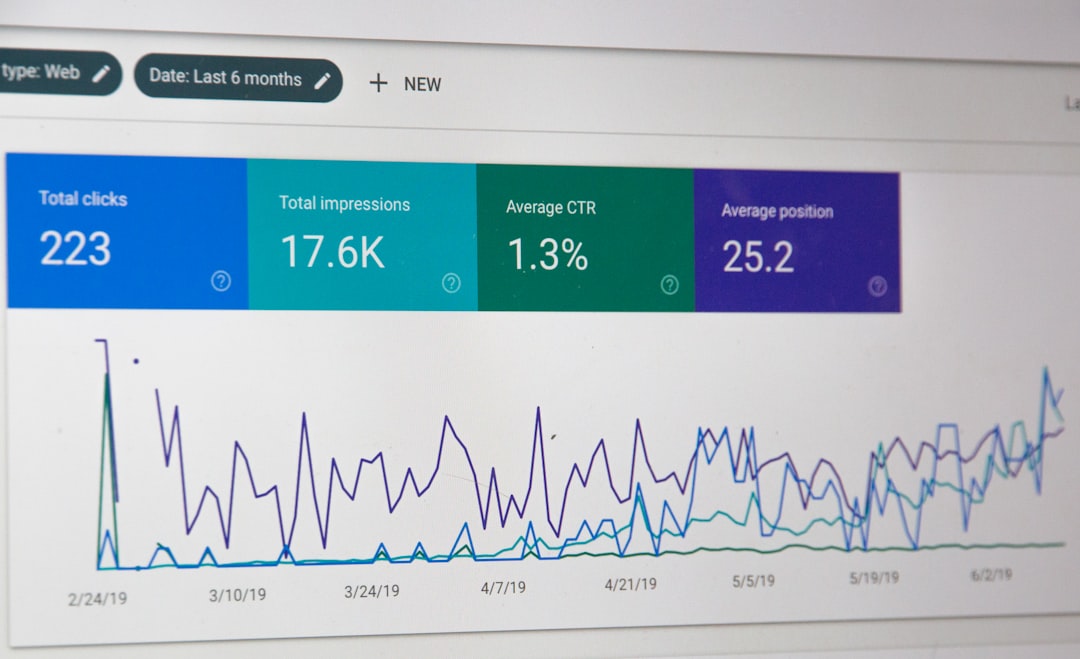
The Old Playbook Is Officially Broken
For years, keyword research followed one simple formula: find a phrase with high volume and low competition, then build content around it. For years that approach seemed logical, but in 2026, in the era of AI Search and semantic understanding, this method is doomed to fail. The shift isn’t subtle — it’s structural.
Here’s the core data point you need to internalize: 58.5% of all searches now result in zero clicks, 91.8% of all searches are long-tail keywords, and AI search platforms are accounting for a growing share of overall search traffic. If you’re still optimizing purely for click volume on broad head terms, you’re fishing in an increasingly empty pond.
Keyword research has fundamentally shifted from a volume-first to an intent-first methodology. And that changes almost everything about how you do your research.
Keywords Aren’t Dead — They Just Evolved
Before you throw your Ahrefs subscription out the window, let’s be clear: keywords still matter enormously. Keywords have been at the heart and soul of SEO almost since search engines began, and even as AI reshapes how search engines interpret content, the answer to whether they still matter is yes — but the way we leverage them has fundamentally changed.
Despite repeated claims that “keywords are dead,” the reality is nuanced: keywords still signal relevance and help search engines understand content, but exact match chasing is obsolete, and today’s systems focus on meaning, intent, and topic coverage rather than exact word counts.
One important nuance for 2026: even AI search isn’t fully “freeform” — it still leverages structured content signals (keywords being one of them) to index and retrieve relevant pages, and without those signals, AI models may struggle to interpret your content’s purpose, especially in crowded niches.
Intent-First: What It Actually Means in Practice
Keyword research is no longer about finding high-volume terms and creating content around them. The methodology now prioritizes understanding what your audience needs to know, then identifying the queries that reflect those needs across both traditional search and AI platforms.
A practical reframe: people are asking more complex, conversational questions, so your research must focus on anticipating these questions and creating content that provides comprehensive, authoritative answers — not just matching keywords.
And on the question of long-tail vs. short-tail? Long-tail keywords are specific phrases of three or more words with lower volume but higher conversion rates — research shows they convert at 2.5 times the rate of short-tail terms. That’s not a minor edge. That’s a completely different business outcome.
The ROI Case: Why Doing This Right Pays Off Big
Let’s talk numbers, because this is where the argument becomes undeniable. B2B companies using strategic keyword research achieve 702–1,389% ROI from SEO, according to First Page Sage research. That’s not a typo.
The difference between disciplined and lazy keyword strategy is staggering: thought leadership SEO with strategic keyword research (approximately 8 pages monthly) delivers 748% ROI over three years, while basic content marketing without proper keyword research (approximately 4 articles monthly) delivers only 16% ROI.
The 2026 Keyword Research Toolkit
So what tools actually hold up in 2026? Here’s what practitioners are gravitating toward:
- SEMrush: Remains a favorite among marketers due to its extensive database; it provides comprehensive keyword analytics including search volumes, trends, and competitiveness, and its keyword magic tool surfaces long-tail keywords and related queries.
- Ahrefs: Has become synonymous with high-quality backlink analysis, but its keyword research capabilities are equally impressive, offering unique metrics like keyword difficulty and clicks per search for a holistic view of any keyword’s potential.
- Google Search Console: Shows you exactly what people searched when your site appeared in results — and yes, this now includes AI Overviews and AI Mode queries too.
- AlsoAsked: One of the most useful question-finding tools available — just type in a keyword or trend and get a graph of all related questions people are actually asking about the subject.
- Google Keyword Planner: With the shift toward smarter SEO tools focused on user intent, trusted platforms like Google Keyword Planner remain free and provide access to reliable insights.
- Contadu: Automatically analyzes top results showing you the dominant intent and most commonly used content formats, and provides a complete list of semantic terms and “People Also Ask” questions essential for comprehensive content.
One critical warning: don’t ask ChatGPT to give you blog keywords — the data is never accurate in terms of how popular or difficult a particular keyword is. Stick to dedicated SEO platforms for volume and difficulty data.
How to Structure Your Research Process in 2026
A recommended workflow uses a five-phase framework: generate ideas, assess volume and difficulty, map to intent, cluster into topic silos, and build an editorial calendar — because in 2026, search intent is more nuanced than ever, and knowing what users mean behind their queries helps you craft content that actually answers questions, not just ranks.
On content structure, the “People Also Ask” section in Google results is a goldmine — it shows you real, related questions that users are asking, and each of these questions is a potential H2 or H3 heading in your article.
For how often to refresh your research: review your keyword strategy quarterly for most businesses, since search behaviour, competitor positioning, and AI search patterns evolve continuously — monthly reviews are appropriate for fast-moving industries, and annual keyword research is simply insufficient given the pace of change in 2026.
If You’re Starting From Scratch Right Now
Here’s a realistic starting path depending on your situation:
- If you’re a beginner with zero budget: Start with Google Keyword Planner + Google Search Console + AlsoAsked. Map 10–15 long-tail, intent-rich phrases before writing a single word.
- If you’re a growing content team: Invest in SEMrush or Ahrefs for competitive gap analysis. Build topic clusters, not one-off articles.
- If you’re in B2B: Don’t ignore queries that don’t register in keyword tools — many valuable B2B queries represent high-intent buyers, and terms like “HubSpot onboarding agency London” may show zero volume yet still drive qualified pipeline.
- If you’re optimizing for AI search: Keyword research in 2026 must combine traditional search analysis with AI search optimization to identify terms your audience uses across Google, ChatGPT, and Perplexity, involving understanding search intent, building topical authority, and structuring content for both human readers and AI extraction.
The bottom line? The formula that wins is: Right Keyword + Right Intent + Quality Content = Traffic. Volume alone is no longer the point — relevance and authority are.
💬 Drop a comment below: What keyword research tool or strategy made the biggest difference for your site in 2026? I’m always curious whether people find the intent-first approach as game-changing as I did — or whether you’ve found a smarter shortcut I haven’t tried yet.
📚 관련된 다른 글도 읽어 보세요
- Hydrogen Storage & Transport in 2026: The Engineering Breakthroughs That Are Finally Making It Real
- 공식 문서엔 없는 진짜 이야기: SOFC 수전해 연계 그린수소 생산, 효율 85% 주장의 민낯 [2026 현장 분석]
- I Wasted 6 Months on the Wrong Keywords — Real 2026 SEO Research Guide
태그: []
Leave a Reply