A colleague of mine who works at a mid-sized energy consultancy told me something that stuck with me over coffee last month: “We spent three years trying to figure out how to ship hydrogen economically, and the answer was something we’ve been making for fertilizer for over a century.” He was, of course, talking about ammonia — NH₃ — the unassuming molecule that’s quietly becoming the backbone of the emerging global hydrogen economy. If you’ve been following the hydrogen space, you already know the storage and transport challenge is arguably the biggest bottleneck. Let’s dig in together and see why ammonia is the most compelling answer engineers have found so far — and where things stand right now in 2026.
Why Hydrogen Storage & Transport Is Such a Hard Problem
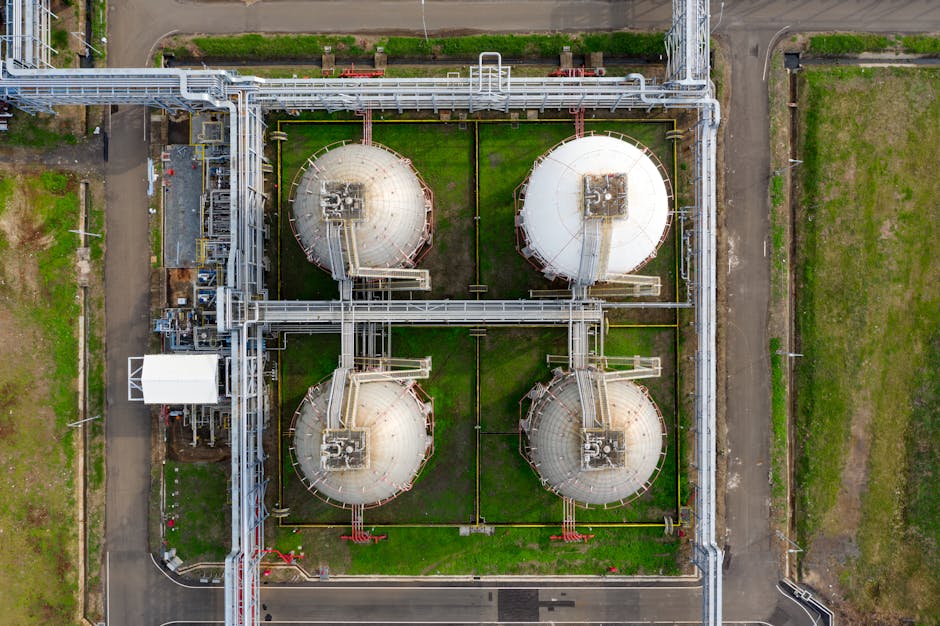
Here’s the core engineering headache: hydrogen is a gas at room temperature and has low volumetric energy density, so it can take up a lot of space compared to other fuels, making transportation inefficient. You can compress it — but very high pressures are needed to achieve relatively minor gains. Liquefying it is another option, but that requires cooling to –253°C, which is brutally energy-intensive and expensive. This is where the hydrogen supply chain has been stuck, and it’s why engineers started looking at chemical carriers.
With rising demand for clean energy and uncertainty surrounding large-scale renewable deployment, ammonia has emerged as a viable carrier for hydrogen storage and transportation. The chemistry is elegant: ammonia (NH₃) has a high hydrogen capacity of 17.6 wt%. It is a promising chemical hydrogen carrier and a more practical alternative because it is cheap and easy to liquefy — it can be liquefied at low pressure, 8.6 bar at 293 K. Compare that to the hundreds of bars needed for compressed hydrogen gas storage, and you start to see why this matters enormously on an engineering and cost level.
The Technical Backbone: Synthesis, Storage, and Cracking
The ammonia-as-hydrogen-carrier workflow has three main engineering stages, each with its own fascinating challenges:
1. Synthesis (Hydrogen → Ammonia): A compact ammonia synthesis system is based on two main consecutive stages: a “short-term storage” hydrogen vessel which serves as a buffer to store and transport the hydrogen produced by electrolysis, and an ammonia synthesis reactor based on the Haber-Bosch process where the stored hydrogen reacts with nitrogen to form ammonia. Researchers are now supercharging this process — within the hydrogen vessel stage, porous materials are being identified and optimised through AI technology; within the ammonia generation stage, the reactor catalyst is being optimised with new environmentally friendly materials, and reactor heating is obtained directly on the catalyst through electrical inductance.
2. Storage & Shipping: ammonia’s ease of liquefaction allows large-scale storage in refrigerated tanks at near-atmospheric pressure, or even in salt caverns, with both mass and volumetric energy density around 30–40% that of petroleum products. This makes ammonia a viable medium for seasonal energy storage and stockpiling hydrogen in a compact form. Even more importantly, as a key component in fertilizer production, ammonia also has an established global supply chain with safe bulk shipping and storage standards.
3. Cracking (Ammonia → Hydrogen): Once the ammonia arrives at its destination, it needs to be “cracked” back into hydrogen. Cracking technology is advancing, but it requires high temperatures (typically 500–600°C) and leads to efficiency losses — about 13–15% of the energy content can be lost in reconversion. This is the current Achilles’ heel of the system, and where the most intense R&D is focused right now.
Key Specs at a Glance: Why Ammonia Beats the Alternatives
- Hydrogen content: 17.6 wt% — among the highest of any liquid hydrogen carrier
- Liquefaction pressure: ~8.6 bar at 20°C (vs. 700 bar for compressed H₂)
- Existing sea transport: Currently, about 20 million tons of ammonia are transported by sea each year
- Long-distance advantage: compressed H₂ was found to be feasible to transport H₂ for short distance (<1,000 km) while NH₃ emerges as the viable option for longer distance (>10,000 km)
- Carbon footprint edge: the carbon footprint associated with green methanol storage, transport, and regeneration of H₂ was found to be higher than green NH₃ by 272.7%
- Cracking temperature: ammonia is typically “cracked” at high temperatures (600–900°C) over catalysts to release pure hydrogen fuel
- Post-crack usage: once the hydrogen is released from its ammonia carrier, the gas can be transported using existing natural gas pipelines that are adaptable to carrying hydrogen
Global Projects Making This Real in 2026
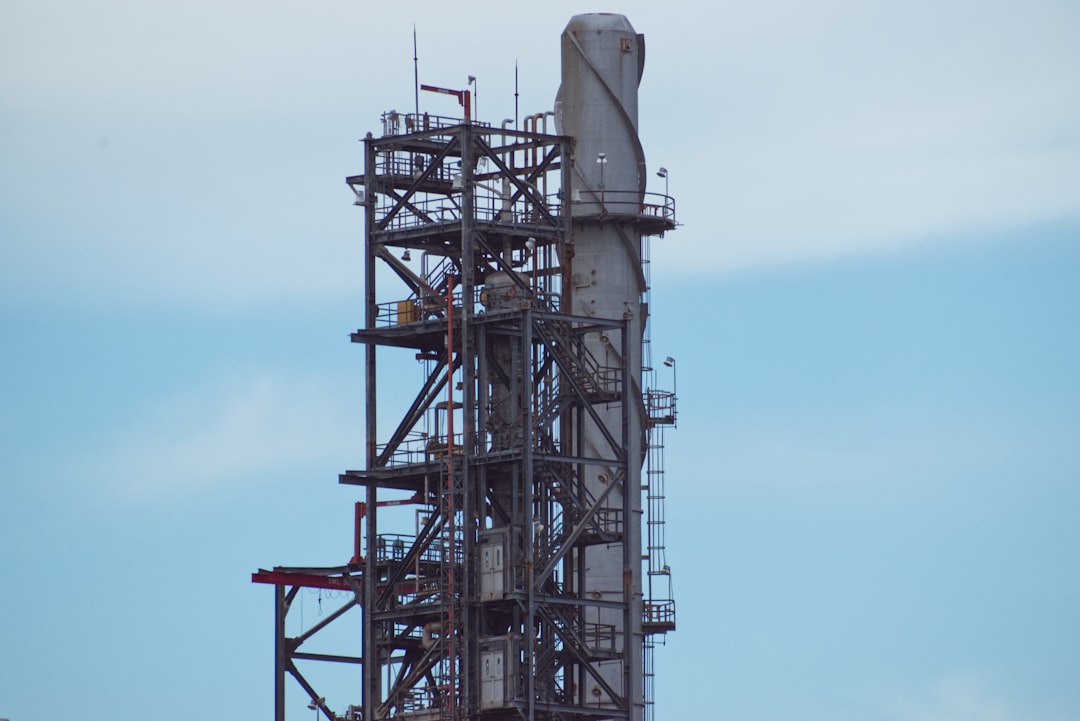
This isn’t lab-bench theorizing. The real-world buildout is happening at breathtaking scale right now. Let’s look at some landmark cases:
NEOM Green Hydrogen Project (Saudi Arabia): NEOM Green Hydrogen Company’s mega-plant will integrate up to 4GW of solar and wind energy to produce up to 600 tonnes per day of carbon-free hydrogen by the end of 2026, in the form of green ammonia as a cost-effective solution for the transportation and industrial sectors globally. The financing alone tells you how serious this is: the project at a total value of USD 8.4 billion is being financed with USD 6.1 billion non-recourse financing from 23 local, regional and international banks and financial institutions.
Envision Energy (Chifeng, Inner Mongolia, China): Envision’s pioneering green hydrogen and ammonia project in Chifeng, Inner Mongolia, has been featured as a premier global case study in the World Economic Forum’s latest white paper. The report recognizes the Chifeng project as a transformative model for the global energy transition, highlighting Envision’s AI-driven Power System as the catalyst for turning intermittent renewable energy into a stable “green petroleum” equivalent. What makes this technically remarkable is that the Chifeng project stands as the world’s first large-scale green hydrogen facility to operate via 100% green electricity — unlike traditional plants that draw from a carbon-intensive grid, Envision’s AI Power System intelligently schedules and balances the variability of wind and solar power in real-time.
Mitsubishi Heavy Industries (MHI) — Ammonia Cracking Pioneer: Mitsubishi Heavy Industries (MHI) Group has partnered with Nippon Shokubai to develop an optimal ammonia cracking system that could enable the use of hydrogen through the transportation of high volumes of ammonia. Meanwhile, MHI has recently started operating a pilot plant for ammonia cracking at its Nagasaki R&D center.
Port of Rotterdam (Netherlands): A study by the Port of Rotterdam found it is technically and economically feasible to safely convert ammonia into around 1 million tonnes of hydrogen annually at the port using a large-scale cracker. Additionally, Gasunie, HES International, and Vopak have entered into a collaborative agreement to establish an import terminal for green ammonia as a hydrogen carrier, situated at the port of Rotterdam, expected to commence operations in 2026.
Amogy (South Korea & Taiwan deployments): Amogy has developed a way to split, or crack, ammonia into its base elements of nitrogen and hydrogen at higher efficiency levels, lower temperatures, and a smaller operating footprint. In Pohang, South Korea, a 1-MW pilot project is proposed for this year, with plans to scale up to 40 MW for commercial operations by 2029.
Maritime Revolution — Yara Eyde: the world’s first ammonia-powered container ship, Yara Eyde, is set to debut in 2026, serving the route between Germany and Norway. That’s not a concept — that’s a working vessel.
The Market Numbers: From Niche to Multi-Billion Dollar Industry
Engineers rarely get excited about market forecasts, but these figures reflect real capital deployment decisions. The global Green Ammonia Market is projected to expand rapidly over the next decade, growing from USD 2.8 billion in 2026 to USD 18.3 billion by 2036, registering a robust CAGR of 20.7%. Research from MIT’s Energy Initiative puts the environmental stakes clearly: a full transition to ammonia produced using conventional processes paired with carbon capture could cut global greenhouse gas emissions by nearly 71 percent for a 23.2 percent cost increase. A transition to electrolyzed ammonia produced using renewable energy could reduce greenhouse gas emissions by 99.7 percent for a 46 percent cost increase. That 46% cost premium for green ammonia is real, but the trajectory is downward as renewable electricity costs keep falling.
The patent landscape confirms where the innovation energy is going: electrochemical, plasma-based, photocatalytic, and hybrid systems are being increasingly investigated as alternatives to low-temperature processes, while thermal catalytic cracking remains the most established and widely used method. In other words, the field is actively diversifying its toolkit.
The Real Challenges We Can’t Ignore
Let’s be honest — no technology this promising comes without friction. Here are the engineering and systemic challenges still on the table:
- Toxicity & corrosiveness: ammonia is toxic and corrosive, making it challenging to handle — though well-established safety protocols from the fertilizer industry help mitigate this.
- Round-trip efficiency losses: The electrolysis → Haber-Bosch → cracking chain has meaningful energy losses at each stage that require careful system-level engineering to minimize.
- Scale-up of green ammonia: to achieve the global climate target, green ammonia production must be incremented by four times (688 MT) from the current level.
- Cracker efficiency: Improving catalyst performance and heat integration in ammonia crackers is still an active area of research, especially for decentralized, small-scale deployments.
- Capital costs: challenges include renewable power availability, high initial capital costs, and regional infrastructure constraints.
What Should You Actually Do With This Information?
If you’re working in the energy sector, utilities, or even heavy industry supply chains, ammonia-as-hydrogen-carrier is not a distant concept to watch — it’s an operational reality you need to understand now. Rather than waiting for a perfect green ammonia solution, the realistic path forward involves a staged approach:
- Start with blue ammonia (natural gas + CCS) as a bridging technology to build infrastructure and expertise while green capacity scales up.
- Invest in or monitor cracker catalyst R&D — this is the highest-leverage technology bottleneck in the chain.
- Look at direct ammonia utilization opportunities (co-firing in turbines, marine fuel) where you can avoid the cracking energy penalty altogether. Japan and Korea, for example, have included ammonia in their national hydrogen strategy and conducted trials blending ammonia in power generation.
- Track port infrastructure buildouts like Rotterdam’s — they signal where the commercial hydrogen import corridors will solidify first.
Editor’s Comment : The hydrogen economy debate often gets paralyzed by the perfect-vs-good dilemma. But what I find genuinely exciting about ammonia as a hydrogen carrier in 2026 is that it doesn’t ask us to build everything from scratch — it leverages a century of fertilizer chemistry, existing shipping fleets, and global port infrastructure. Yes, the energy round-trip isn’t perfect. Yes, the toxicity requires respect. But as any practicing engineer knows, the best solution is usually the one that works with the world as it is, while steadily improving. Ammonia is that solution — and the wave of mega-projects coming online this year confirms that the industry has made its bet.
📚 관련된 다른 글도 읽어 보세요
- 수소경제 연료전지 자동차 상용화, 2026년 지금 어디까지 왔을까?
- Hydrogen Fuel Cell Vehicles in 2026: Are We Finally at the Tipping Point for Mass Adoption?
- 수소 저장·운반의 판을 뒤집는 암모니아(NH₃): 2026년 현장 엔지니어가 알려주는 진짜 기술 로드맵
태그: green ammonia, hydrogen storage technology, ammonia cracking, hydrogen carrier, green hydrogen 2026, ammonia transport innovation, hydrogen energy supply chain
Leave a Reply