Picture this: you’re standing at a charging station in Seoul, watching your friend’s hydrogen-powered Hyundai NEXO refuel in about four minutes while your own EV is still at 60% after a 25-minute fast charge. You start wondering — did you make the wrong call? Or is the story more complicated than a quick pit stop? Spoiler: it absolutely is. Let’s dig into the real numbers and real-world trade-offs between hydrogen fuel cells and lithium-ion batteries, because in 2026, this debate has never been more relevant — or more nuanced.
Understanding the Basics: Two Very Different Philosophies
Before we throw numbers around, it helps to understand what each technology is actually doing. A lithium-ion battery (LIB) stores electrical energy chemically in cells and releases it directly to power an electric motor. It’s essentially a giant, sophisticated rechargeable AA battery. A hydrogen fuel cell (HFC), on the other hand, generates electricity on-the-fly by combining hydrogen gas with oxygen from the air, producing water as the only byproduct — more like a portable power plant than a battery.
That fundamental difference shapes everything: efficiency, infrastructure, use cases, and cost. Let’s break it down properly.
Round 1 — Well-to-Wheel Efficiency: The Uncomfortable Truth About Hydrogen
This is where things get spicy. Efficiency in energy tech isn’t just about what happens inside the vehicle — it’s about the entire chain from energy source to wheel movement, called well-to-wheel efficiency.
- Lithium-ion BEV (Battery Electric Vehicle): Grid electricity → charging (90–95% efficient) → battery storage (95% efficient) → motor drive (90% efficient). Overall: roughly 77–82% well-to-wheel efficiency.
- Green Hydrogen FCEV (Fuel Cell Electric Vehicle): Electricity → electrolysis to produce H₂ (70–75% efficient) → compression/transport (85–90% efficient) → fuel cell conversion (50–60% efficient) → motor drive (90% efficient). Overall: roughly 25–35% well-to-wheel efficiency.
Yes, you read that right. When using renewable electricity as the upstream source, hydrogen FCEVs use approximately 2.5 to 3 times more energy than a comparable BEV to travel the same distance. This is largely because electrolysis — splitting water into hydrogen and oxygen — is inherently lossy, and then you lose more energy compressing and transporting the gas.
However — and this is a big however — efficiency isn’t the only metric that matters in the real world.
Round 2 — Energy Density: Where Hydrogen Genuinely Shines
Lithium-ion batteries have improved dramatically. In 2026, cutting-edge solid-state lithium packs from Toyota and Samsung SDI are hitting 400–500 Wh/kg in commercial prototypes, compared to around 250–300 Wh/kg in standard NMC chemistry packs. Impressive — but hydrogen still wins on raw energy density.
Compressed hydrogen at 700 bar (the standard for FCEVs) stores about 1,700 Wh/kg — over three times the energy density of even the best lithium packs. For liquid hydrogen, it’s even higher. This is why aerospace, long-haul trucking, and maritime shipping are increasingly looking at hydrogen, not batteries. A 40-ton freight truck needing 800 km of range would require a battery pack so heavy it would eat into its own payload capacity. A hydrogen tank? Much lighter for the same range.
Round 3 — Charging vs. Refueling Speed
Let’s be honest: this is where many EV drivers feel range anxiety creep in. Here’s a realistic comparison in 2026:
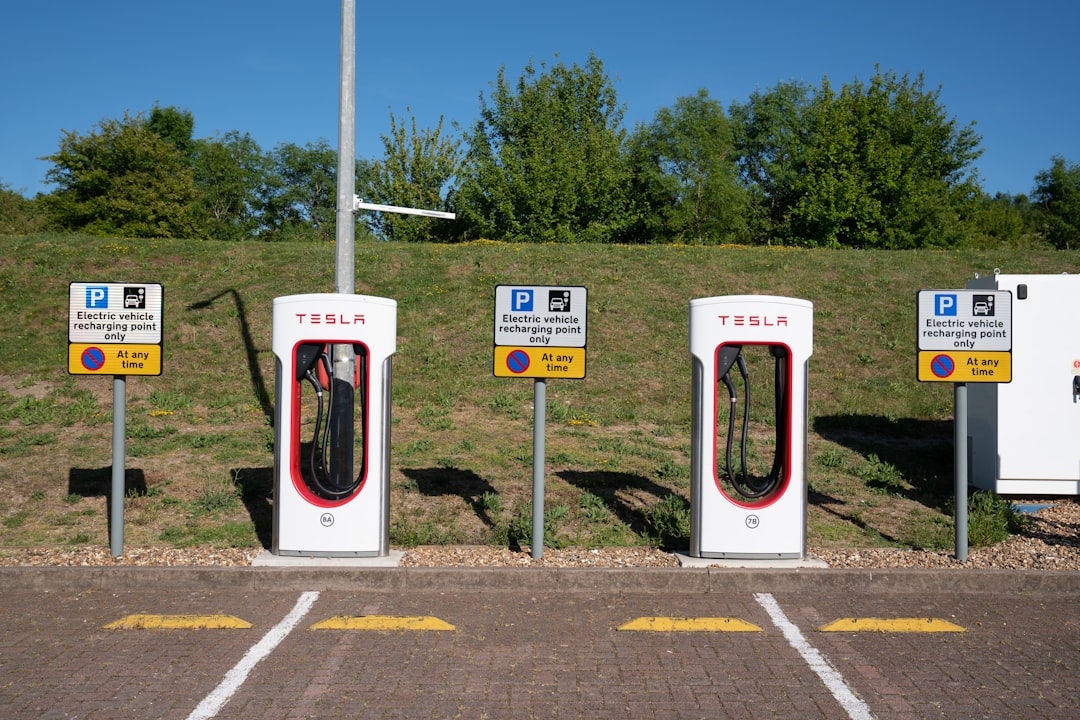
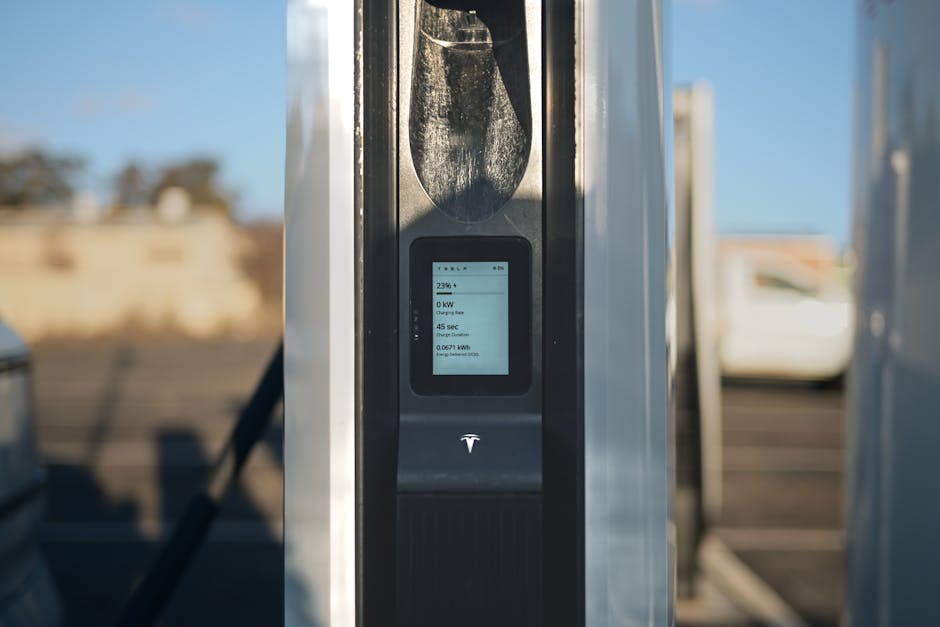
- Ultra-fast DC charging (BEV): 350 kW chargers (like Ionity or Tesla Supercharger V4) can add ~200 km of range in about 10–12 minutes for a compatible vehicle. Full charge from 20–80%: 18–25 minutes depending on battery size.
- Hydrogen refueling (FCEV): A full fill-up at a 700-bar station takes 3–5 minutes for roughly 500–600 km of range. Comparable to a gas station experience.
Winner on refueling speed? Hydrogen, clearly. But the catch is infrastructure. As of early 2026, there are approximately 1,200 public hydrogen stations globally, compared to over 2.5 million public EV charging points. If there’s no station near you, those 4-minute refuels don’t matter.
Real-World Examples: Who’s Betting on What?
Let’s look at what’s actually happening on the ground, because market decisions reveal a lot about practical trade-offs.
South Korea remains one of the world’s most committed hydrogen economies. The government’s Hydrogen Economy Roadmap 2.0, updated in late 2025, targets 30,000 hydrogen buses and trucks by 2030, with Hyundai’s XCIENT hydrogen trucks already logging millions of kilometers in commercial fleet service in Europe and domestically. Seoul’s municipal bus network has integrated over 800 hydrogen buses as of Q1 2026.
Germany launched its national hydrogen railway line (Alstom’s Coradia iLint trains) across Lower Saxony, and has expanded to six regional networks — proving hydrogen makes sense where electrifying rail infrastructure is prohibitively expensive.
China, meanwhile, has doubled down on both. CATL’s sodium-ion and next-gen lithium packs dominate the passenger EV market, while state-owned enterprises are building hydrogen corridors for heavy industry and long-haul logistics. China’s approach of “horses for courses” is arguably the most pragmatic.
The United States saw the Department of Energy’s Hydrogen Shot initiative bear fruit — green hydrogen production costs dropped to approximately $2.80/kg in 2026, down from $5+ just three years ago. Still above the $1/kg target, but closing in.
Cost Comparison: Who Pays More to Drive?
Running costs matter to real people. Here’s a simplified breakdown per 100 km in 2026 (using average Western European/US energy prices):
- BEV (home charging, off-peak): Approximately $2.50–$4.00 per 100 km
- BEV (public fast charger): Approximately $6.00–$9.00 per 100 km
- FCEV (hydrogen at pump): Approximately $9.00–$14.00 per 100 km (at current $8–12/kg retail hydrogen prices)
- FCEV projected (2028 target): $4.00–$6.00 per 100 km if $2/kg green hydrogen is achieved
Right now, BEVs — especially home-charged ones — are significantly cheaper to run. But hydrogen’s cost curve is dropping fast, and for commercial operators running vehicles 24/7, the refueling speed advantage starts to outweigh the per-km fuel cost difference.
Where Each Technology Actually Makes Sense
This is really the crux of the conversation. There’s no universal winner — it’s about matching the technology to the application:
- Lithium-ion BEV is ideal for: Passenger cars, urban commuting, short-to-medium range delivery vans, two-wheelers, where overnight home charging is feasible.
- Hydrogen FCEV is ideal for: Long-haul heavy trucks, buses operating on fixed routes with depot refueling, trains on non-electrified lines, ships, forklifts in industrial settings, and eventually aviation.
- Hybrid approaches: Some manufacturers like Stellantis and Toyota are developing vehicles with small hydrogen fuel cells combined with a lithium buffer battery — getting the range and refueling speed of hydrogen with the responsiveness of battery power during acceleration.
Realistic Alternatives for Everyday Readers
If you’re deciding what to drive or invest in right now, here’s how to think about it practically:
- If you have home charging access and drive under 300 km/day: A BEV is almost certainly your best bet economically and practically in 2026. The infrastructure is there, the costs are lower, and the technology is mature.
- If you’re a fleet manager running long-haul trucks or intercity buses: Seriously evaluate hydrogen. The total cost of ownership math, including driver downtime for charging, increasingly favors FCEVs at scale — especially as green hydrogen costs fall.
- If you live in a region with limited EV infrastructure but good hydrogen corridors (parts of Japan, South Korea, Germany): FCEVs like the Toyota Mirai or Hyundai NEXO are genuinely viable daily drivers today.
- If you’re an investor: The smart money in 2026 is watching solid-state battery commercialization (Toyota’s target: mass production by late 2027) and green hydrogen electrolyzer cost curves simultaneously — both sectors are moving fast.
The bottom line? This isn’t a fight where one technology kills the other. The energy transition is big enough — and diverse enough in its demands — for both to thrive in their respective niches. The real enemy of both is fossil fuels, not each other.
Editor’s Comment : What strikes me most in 2026 is how the hydrogen vs. battery debate has matured from an either/or argument into a sophisticated conversation about application fit. Three years ago, people were declaring hydrogen “dead” — now it’s powering freight corridors across three continents. The lesson? In energy tech, the technology that survives isn’t always the most efficient one in a lab; it’s the one that solves a real human problem better than the alternatives. Keep your eyes on solid-state batteries and sub-$2/kg green hydrogen — when those two milestones land, the whole landscape shifts again.
📚 관련된 다른 글도 읽어 보세요
- 2026 고체산화물 연료전지(SOFC) 최신 기술 동향 — 에너지 전환의 핵심 열쇠가 될까?
- Green Hydrogen From Water: How Renewable-Powered Electrolysis Is Reshaping Energy in 2026
- 수소 충전소 인프라 구축 현황과 과제 2026 — 우리는 얼마나 왔고, 얼마나 남았나
태그: [‘hydrogen fuel cell vs lithium ion battery’, ‘FCEV vs BEV efficiency 2026’, ‘green hydrogen technology’, ‘electric vehicle battery comparison’, ‘hydrogen energy future’, ‘well-to-wheel efficiency’, ‘clean energy transportation’]
Leave a Reply