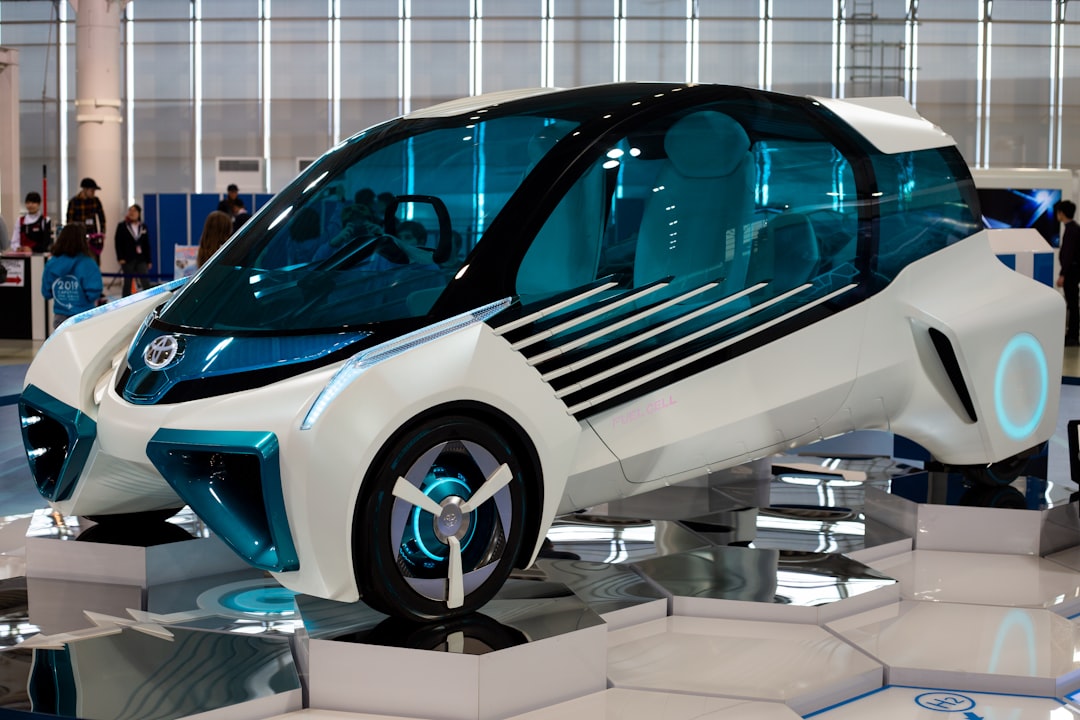
Picture this: It’s early 2026, and you’re filling up a hydrogen fuel cell vehicle at a station in Seoul’s Mapo district. The pump clicks off in about four minutes — faster than most EV charging sessions — and you’re back on the road with a 600km range. Sounds great, right? But here’s the question that keeps energy economists up at night: is this whole hydrogen economy actually penciling out financially? Let’s think through it together, because the answer is more nuanced — and more exciting — than most headlines suggest.
📊 Breaking Down the Cost of Green Hydrogen in 2026
The core metric everyone watches is the Levelized Cost of Hydrogen (LCOH) — essentially, what it costs to produce one kilogram of hydrogen. Here’s where we stand right now in 2026:
- Green Hydrogen (electrolysis via renewables): approximately $3.80–$5.20/kg in mature markets like Europe and Australia, down from over $8/kg in 2022. This is a massive improvement, but we’re still chasing the “$2/kg target” that would make it truly competitive with fossil fuels at scale.
- Blue Hydrogen (natural gas + CCS): hovering around $1.80–$2.60/kg, making it still cheaper short-term, but its carbon capture costs are rising as regulations tighten globally.
- Grey Hydrogen (no carbon capture): roughly $1.20–$1.80/kg — the cheapest, but increasingly politically and commercially toxic given 2026’s aggressive carbon pricing in the EU and South Korea.
- Pink Hydrogen (nuclear-powered electrolysis): A quietly emerging contender at $2.40–$3.50/kg, especially gaining traction in France, South Korea, and the U.S. post-nuclear revival wave.
The trajectory is genuinely promising. The International Renewable Energy Agency (IRENA) projects green hydrogen could reach $1.50–$2.00/kg by 2035 if electrolyzer manufacturing scales as expected. Electrolyzer costs themselves have dropped nearly 60% since 2020 — that’s not a trivial improvement.
🔍 Where Does Hydrogen Actually Make Economic Sense Right Now?
Here’s where I’d push back on both the hydrogen zealots and the skeptics: hydrogen isn’t a one-size-fits-all solution. Economically, it makes sense in some sectors and genuinely doesn’t (yet) in others. Let’s be honest about that.
- ✅ Strong economic case: Heavy industry (steel, cement, ammonia production), long-haul shipping, aviation synthetic fuels, and grid-scale seasonal energy storage.
- ⚠️ Developing case: Heavy trucking and rail (competitive in specific corridors where charging infrastructure is limited).
- ❌ Currently weak case: Residential heating and light passenger vehicles in urban areas — battery EVs simply win on efficiency and cost per kilometer in these use cases.
The critical concept here is “round-trip efficiency.” When you convert electricity to hydrogen and back to electricity, you lose roughly 60-70% of the original energy. Compare that to a lithium-ion battery, which retains about 85-90%. So for applications where you can just use electricity directly, hydrogen is an expensive detour. But for places where you can’t easily electrify — like a cargo ship crossing the Pacific — hydrogen (or its derivatives like ammonia) becomes genuinely irreplaceable.
🌍 Real-World Examples: Who’s Getting It Right in 2026?
South Korea’s Hydrogen Economy Roadmap remains one of the world’s most ambitious. As of early 2026, Korea has deployed over 45,000 hydrogen fuel cell vehicles and operates more than 310 public refueling stations. POSCO, the steel giant, has begun its first commercial-scale green hydrogen-based steel production pilot in Pohang — a globally watched project. The government’s target of producing 5 million tons of clean hydrogen annually by 2040 is aggressive, but the policy architecture (hydrogen certification systems, import infrastructure deals with Australia and the Middle East) is more solid than critics give credit for.
Germany’s H2Global Initiative is now in its third year of active hydrogen import contracts, pulling green ammonia from Namibia and Chile. The economics are still subsidized — let’s be transparent about that — but the supply chain infrastructure being built now is creating the cost-reduction flywheel that makes future economics viable.
Australia is emerging as a hydrogen export powerhouse. The Asian Renewable Energy Hub in Western Australia is now in partial operation, targeting Japanese and South Korean buyers. Production costs there are among the lowest globally due to abundant solar and wind resources.
The United States, energized by the Inflation Reduction Act’s $3/kg production tax credit (now into its fourth year of operation), has seen a genuine boom in electrolyzer deployment. States like Texas and California are competing to become domestic hydrogen hubs.
💡 The Investment Landscape: Where Smart Money Is Moving
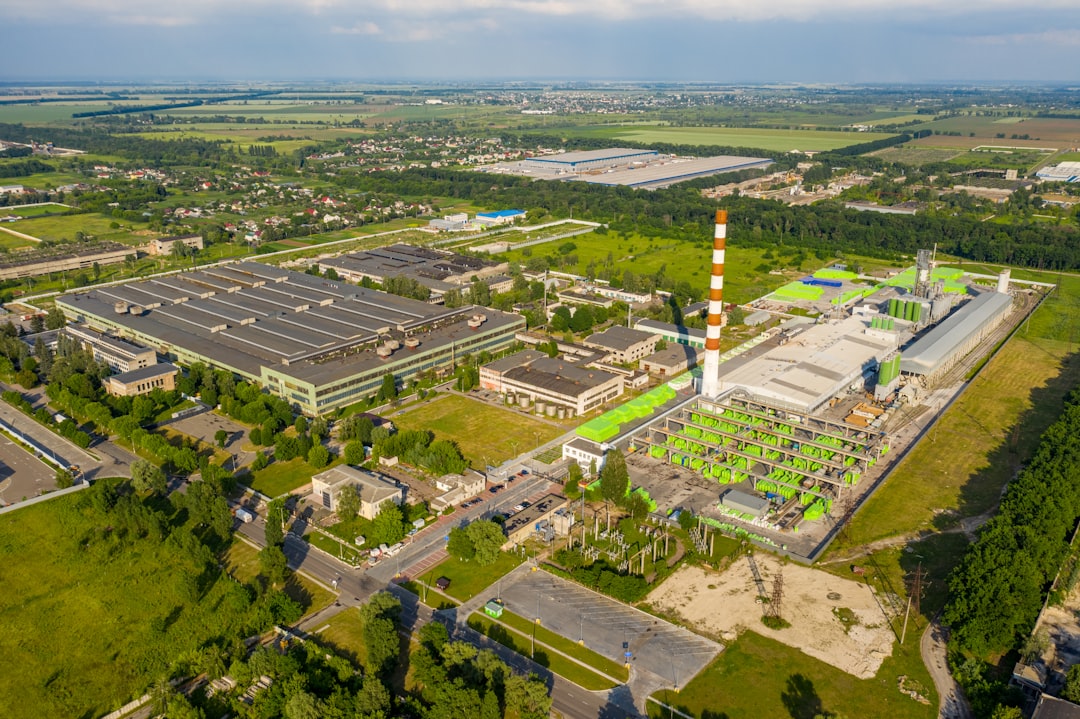
Global investment in hydrogen reached approximately $320 billion in cumulative commitments through 2025, though actual capital deployed remains about 30-40% of announced figures — a gap worth watching. The most economically rational investment areas in 2026 are:
- Electrolyzer manufacturing scale-up (PEM and alkaline technologies)
- Hydrogen storage and transportation infrastructure (liquid hydrogen, ammonia conversion)
- Industrial decarbonization offtake agreements (steel, chemicals)
- Port infrastructure for hydrogen derivatives import/export
Notably, several high-profile fuel cell vehicle infrastructure projects have been quietly scaled back or restructured — a healthy market correction that’s redirecting capital toward the sectors with cleaner economic logic.
🔮 Realistic Outlook: What to Expect Through 2030
Here’s my honest read of where things go from here. Green hydrogen will almost certainly achieve cost parity with blue hydrogen in prime renewable locations (Middle East, Australia, Chile) by 2028–2029. Global electrolyzer capacity will continue its steep growth curve. However, the hydrogen economy will NOT be a uniform success story — regions without strong renewable resources or without heavy industrial sectors will find the economics much harder to justify without sustained policy support.
The wildcard? Nuclear-powered hydrogen. With small modular reactors (SMRs) coming online in multiple countries through 2027-2030, pink hydrogen could disrupt the cost curve in ways the current models underestimate, particularly in densely populated countries with limited land for renewables.
Editor’s Comment : Look, hydrogen energy is one of those topics where it’s genuinely easy to get either irrationally excited or dismissively pessimistic — and both reactions miss the real story. The economics in 2026 are not yet “solved,” but the trajectory is real and the industrial applications are genuinely transformative. My practical take? Don’t bet on hydrogen at the kitchen sink level anytime soon. Do pay attention to what’s happening in heavy industry, shipping, and seasonal grid storage — that’s where the economic logic is most compelling right now, and where the investments of 2026 will look very smart in a decade. As always, the best energy future isn’t about picking one winner; it’s about deploying each technology where it actually makes sense.
태그: [‘hydrogen energy economics’, ‘green hydrogen cost 2026’, ‘hydrogen economy outlook’, ‘LCOH analysis’, ‘clean energy investment’, ‘hydrogen fuel cell technology’, ‘energy transition 2026’]
Leave a Reply