A friend of mine — a smart content creator with a genuinely useful productivity blog — told me recently that after nearly half a year of publishing, his site was basically invisible in Google. He had done “keyword research”: picked the highest-volume terms he could find, built content around them, and waited. Nothing. Sound familiar? That story is more common in 2026 than most SEO gurus want to admit, and it’s exactly why I wanted to write this piece.
Keyword research isn’t new, but the rules of the game have shifted dramatically enough that the old playbook is actively hurting people. Let’s dig into what’s actually working right now — with real data, real tools, and honest trade-offs.
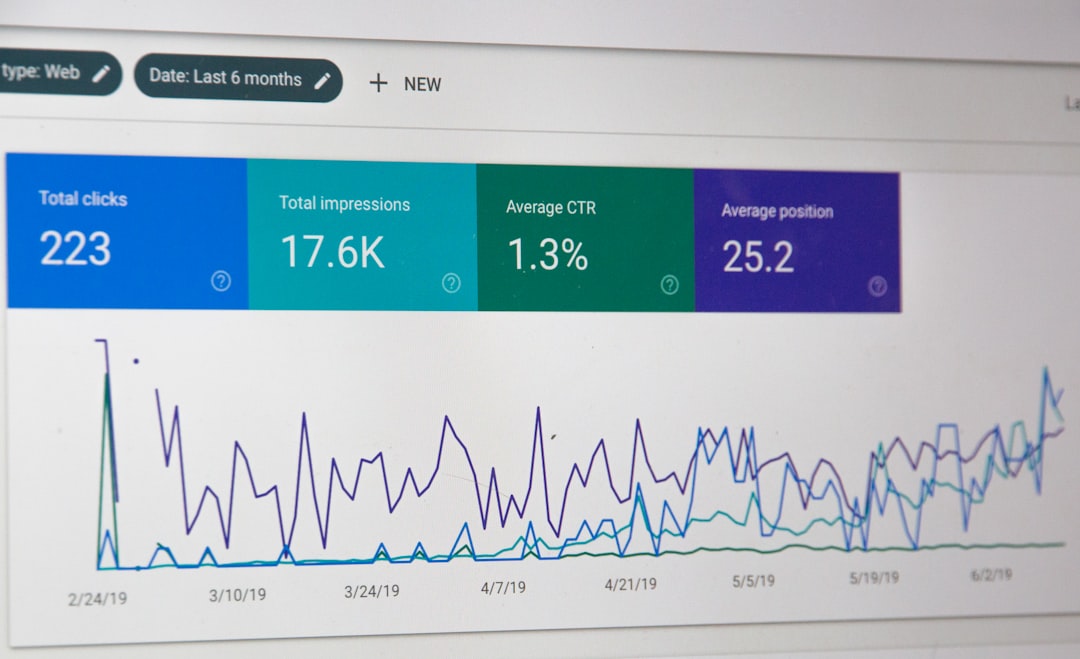
Why the Volume-First Approach is Dead Weight in 2026
Keyword research has fundamentally shifted from volume-first to intent-first methodology. With 58.5% of searches now resulting in zero clicks, 91.8% of all searches being long-tail keywords, and AI search platforms accounting for growing search share, successful 2026 keyword research must serve two purposes: ranking in traditional search results and being cited in AI-generated answers.
That last part — being cited in AI-generated answers — is genuinely new territory. In 2026, Google’s AI algorithms, AI Overview dominance, and zero-click search behavior mean that chasing high-volume keywords without matching intent produces traffic that converts to nothing, or no traffic at all. Think about that for a second. You can rank and still get zero clicks because Google’s AI summarized the answer right on the results page.
In 2026, search engines weigh relevance and user satisfaction heavily, so choosing the right keywords ensures your content aligns with what real people are looking for. AI-driven ranking systems also evaluate context, meaning your keyword strategy should focus on clarity, precision, and intent rather than stuffing or repetition.
The Intent-First Framework: What It Actually Means
Keyword research in 2026 means identifying the exact questions, problems, and decisions your target audience is searching for, then matching your content to the intent behind each search, not just the words used.
There are four flavors of search intent, and getting the match wrong is probably the single most common reason content fails to rank. The mistake most brands make is writing informational content for transactional keywords, or creating service pages for informational queries. The match between intent and content format is more important than keyword density.
Here’s a quick framework to internalize before you even open a keyword tool:
- Informational intent: The user wants to learn something (“how does keyword difficulty work”).
- Navigational intent: The user wants to find a specific brand or page (“Ahrefs login”).
- Commercial intent: The user is comparing options before a decision (“best keyword research tools 2026”).
- Transactional intent: The user is ready to act (“buy SEMrush subscription”).
The most successful SEO professionals have shifted to an intent-first keyword strategy: identify what the user is trying to accomplish, then build content that is the clearest, most authoritative answer.
Long-Tail Keywords: Where the Real ROI Lives
Here’s a number that should recalibrate your entire strategy: long-tail keywords are specific phrases (3+ words) with lower volume but higher conversion rates. Research shows 91.8% of searches are long-tail, and they convert at 2.5 times the rate of short-tail terms.
Long-tail keywords are essential for SEO in 2026 because they target highly specific queries. Instead of broad terms with heavy competition, long-tail keywords attract users who already know what they want. These keywords often lead to more focused engagement and better conversion opportunities.
And don’t overlook the zero-volume plays. Many valuable B2B queries don’t register in keyword tools because search volume is too low — but they represent high-intent buyers. Terms like “HubSpot onboarding agency London” may show zero volume yet drive qualified pipeline.
The 2026 Keyword Research Toolkit: What’s Actually Worth Using
SEMrush continues to dominate the keyword research space in 2026 with its comprehensive Keyword Magic Tool. This platform offers access to over 25 billion keywords across 142 geographic databases, making it invaluable for both local and international SEO campaigns. The tool’s standout features include advanced filtering options, SERP feature indicators, and intent-based keyword grouping.
Ahrefs has revolutionized its Keywords Explorer tool in 2026, incorporating machine learning algorithms that predict keyword trends and seasonal fluctuations with 94% accuracy. The platform now covers 171 countries and offers real-time search volume updates, crucial for time-sensitive campaigns. What sets Ahrefs apart is its “Parent Topic” feature, which identifies whether you can rank for multiple related keywords with a single piece of content. Monthly subscriptions begin at $99 for the Lite plan, making it accessible for small businesses and individual marketers.
One important warning: don’t ask ChatGPT to give you blog keywords; it’ll lie to you. Really! The data is never accurate in terms of how popular or difficult a particular keyword is. Stick with purpose-built SEO platforms for volume and difficulty data.

For those on a budget, free tools are still viable. Entering “keyword research” into Ubersuggest, for example, reveals correlated terms, displaying search volume, ranking difficulty, and CPC statistics. Research consistently shows that free tools adequately support beginners, avoiding immediate financial commitment.
Here’s a quick comparison of today’s top options:
- SEMrush: 25B+ keyword database, best for intent-based grouping and SERP features tracking.
- Ahrefs: 171-country coverage, 94% trend prediction accuracy, excellent for competitor gap analysis.
- Google Search Console: Free, shows actual queries driving impressions — including AI Overview queries.
- Ubersuggest: Solid free tier, great for beginners needing volume + KD at no cost.
- AlsoAsked / AnswerThePublic: Brilliant for question-based, conversational keyword discovery.
- Google Keyword Planner: Updated significantly in 2026; now more useful for organic SEO beyond just ads.
How Often Should You Revisit Your Keyword Strategy?
A lot of teams still do keyword research once a year and call it done. That’s a problem. Review keyword strategy quarterly for most B2B businesses. Search behaviour, competitor positioning, and AI search patterns evolve continuously. Monthly reviews are appropriate for fast-moving industries or during major product launches. Annual keyword research is insufficient given the pace of change in 2026.
The Business Case: What Good Keyword Research Actually Delivers
If you’re wondering whether all this effort is worth it, here’s the hard data: B2B companies using strategic keyword research achieve 702–1,389% ROI from SEO according to First Page Sage research. And the channel-level impact is just as striking — organic search generates 44.6% of all B2B revenue — the largest single channel.
But there’s a meaningful gap between doing keyword research and doing it well: thought leadership SEO with strategic keyword research (approximately 8 pages monthly) delivers 748% ROI over three years, whilst basic content marketing without proper keyword research (approximately 4 articles monthly) delivers only 16% ROI. That is not a small difference.
Practical Starting Point: Before You Open Any Tool
The best first move isn’t opening Ahrefs. It’s this: before opening any keyword tool, write down the 10–20 most common questions your customers ask before hiring you or buying from you. These are your seed keywords. Real customer language is almost always better than industry jargon.
From there, a keyword can be one word, a few words, or even a full sentence. People who use AI tools to find information are asking for that info in full sentences, usually questions — so you’ll want to prioritize using and answering full questions in your blog posts.
And for beginners specifically, lower keyword difficulty (KD) equates to more accessible targets. Beginners should focus on terms scoring below 30. Don’t try to compete with domain-authority giants on day one.
Realistic Alternatives If You’re Starting from Zero
If a full SEMrush or Ahrefs subscription feels like too much right now, here’s a conditional path forward:
- If you’re a solo blogger or early-stage site: Use Google Search Console (free) + Ubersuggest free tier + AlsoAsked. Focus exclusively on KD < 20, question-format, long-tail keywords.
- If you’re a growing business with content budget: Invest in Ahrefs Lite ($99/mo) for competitor gap analysis and trend prediction. Run quarterly strategy reviews.
- If you’re in B2B with a niche audience: Zero-volume, high-specificity keywords are your friend. Build topical authority clusters rather than chasing individual high-volume terms.
- If you’re targeting AI Overviews: Structure content to directly answer specific questions, use clear headers (H2/H3), and build E-E-A-T signals through original data and author credibility.
The bottom line is that keyword research in 2026 is less about finding a magic list of words and more about deeply understanding what your audience needs — and proving you’re the most trustworthy, clearest source to deliver it. The tools are smarter, the competition is fiercer, but the fundamental opportunity is bigger than ever for those willing to do it right.
💬 Drop a comment below: What’s the biggest keyword research mistake you’ve made — or seen others make? I’d love to hear your story, and let’s figure out together what a smarter approach looks like for your specific niche.
📚 관련된 다른 글도 읽어 보세요
- 볼륨만 보다가 망했다 — 2026년 기준 진짜 되는 키워드 리서치 전략
- I Wasted 6 Months Chasing Volume — My 2026 Keyword Research Wake-Up Call
- Stop Chasing Volume — The 2026 Keyword Research Strategy That Actually Ranks
태그: []
Leave a Reply