A friend of mine — a solo content creator who’d been grinding out blog posts for nearly a year — called me genuinely frustrated last month. “I’m doing everything right,” she said. “I’m targeting keywords with 10,000+ monthly searches. My content is thorough. Why is nothing ranking?” Sound familiar? Her story is almost painfully common, and it’s exactly why I wanted to dig into what keyword research actually means in 2026 — not the recycled advice, but what’s really working right now.
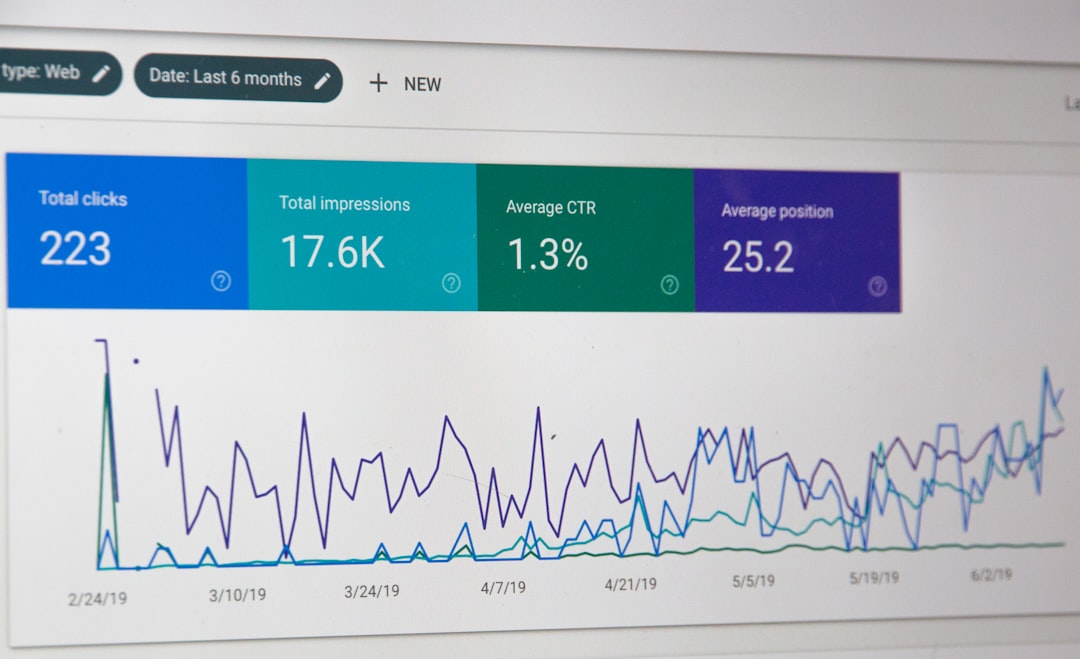
The Volume-First Trap: Why It’s Costing You Rankings
Here’s the hard truth: chasing search volume the way most tutorials teach it is a losing game in 2026. Keyword research has fundamentally shifted from volume-first to intent-first methodology. With 58.5% of searches now resulting in zero clicks, 91.8% of all searches being long-tail keywords, and AI search platforms accounting for growing search share, successful 2026 keyword research must serve two purposes: ranking in traditional search results and being cited in AI-generated answers.
Think about what that zero-click figure means practically. You could rank #1 for a fat keyword and still get almost no traffic because Google’s AI Overview swallows the answer whole. Keywords have been at the heart and soul of SEO almost since search engines began, but as AI reshapes how search engines interpret content — do keywords still matter in 2026? The answer is yes, but the way we leverage them has fundamentally changed.
My friend’s mistake wasn’t working hard. It was optimizing for the wrong signal. Analysis reveals that 90% of webpages receive no Google traffic, as Ahrefs reports. Poor keyword selection drives most of these failures.
Intent-First: The Methodology That Actually Works
Keyword research in 2026 means identifying the exact questions, problems, and decisions your target audience is searching for, then matching your content to the intent behind each search — not just the words used.
This is a genuinely different mindset. The mistake most brands make is writing informational content for transactional keywords, or creating service pages for informational queries. The match between intent and content format is more important than keyword density.
Where do you start? Before opening any keyword tool, write down the 10–20 most common questions your customers ask before hiring you or buying from you. These are your seed keywords. Real customer language is almost always better than industry jargon.
Once you have those seeds, in 2026, keyword research has become more intentional, more strategic, and more aligned with user behavior, especially with AI-driven search becoming a larger part of everyday browsing.
The 5-Phase Workflow You Should Be Using
A recommended workflow for 2026 uses a five-phase framework: generate ideas, assess volume and difficulty, map to intent, cluster into topic silos, and build an editorial calendar. In 2026, search intent is more nuanced than ever, and knowing what users mean behind their queries helps you craft content that actually answers questions — not just ranks.
Here’s how to run each phase in practice:
- Phase 1 – Seed Brainstorm: List 10–20 real customer questions per core topic. Skip the jargon; write like your audience talks.
- Phase 2 – Volume & Difficulty Check: Keyword Difficulty (KD) indicates ranking challenge — lower KD equates to more accessible targets. Beginners should focus on terms scoring below 30.
- Phase 3 – Intent Mapping: Map intent categories — informational, navigational, transactional — and how they map to funnel stages.
- Phase 4 – Topic Clustering: Rather than targeting one keyword per page, create clusters of thematically linked content. This approach increases authority and ranks for multiple related terms.
- Phase 5 – AI & SERP Audit: For your target keywords, check whether Google AI Overviews appear — if they do, you’ll need an even more specific angle to win a click.
The Long-Tail Advantage Is More Real Than Ever
Long-tail keywords are specific phrases (3+ words) with lower volume but higher conversion rates. Research shows 91.8% of searches are long-tail, and they convert at 2.5 times the rate of short-tail terms.
Long-tail keywords are essential for SEO in 2026 because they target highly specific queries. Instead of broad terms with heavy competition, long-tail keywords attract users who already know what they want. These keywords often lead to more focused engagement and better conversion opportunities.
There’s also a counterintuitive trick here. Many valuable B2B queries don’t register in keyword tools because search volume is too low — but they represent high-intent buyers. Terms like “HubSpot onboarding agency London” may show zero volume yet drive qualified pipeline. The same principle applies in any niche: don’t let a zero-volume label scare you off a term that perfectly matches buyer language.
Tools: What the Pros Are Actually Using in 2026
The toolbox for keyword research has expanded significantly from cumbersome spreadsheets and basic Google searches. By 2026, a slew of emerging tools harness AI and predictive analytics, providing insights that are quicker, smarter, and more efficient.
Here’s a practical stack, split by use case:
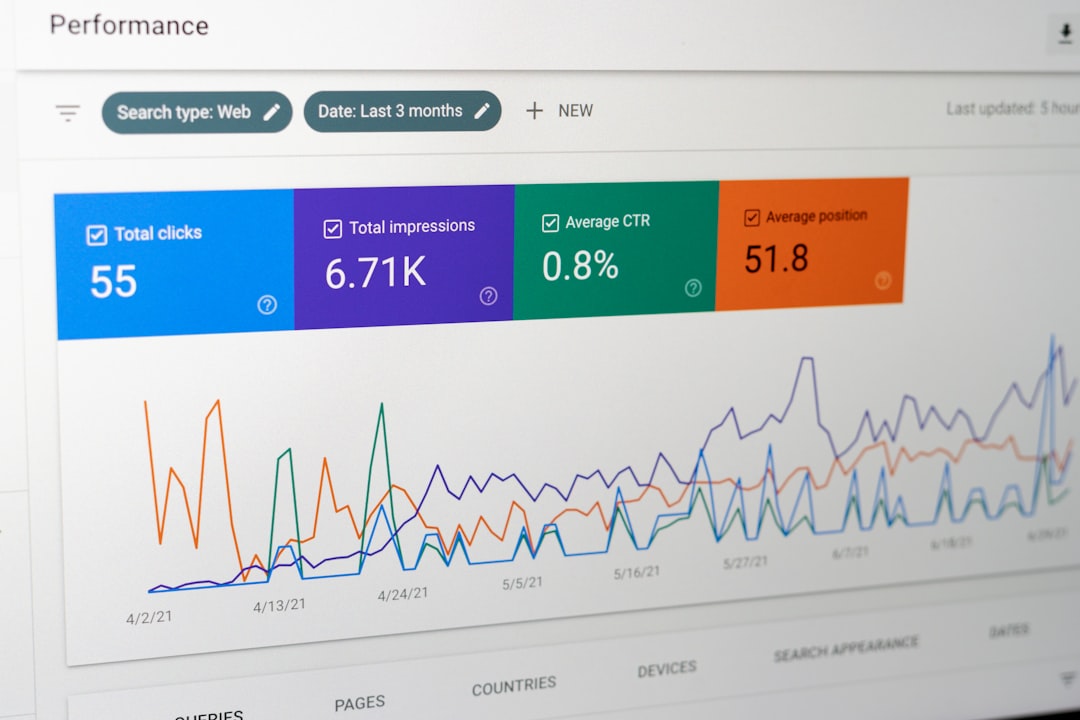
- Free Tier: There’s a shift toward smarter SEO tools focused on user intent and search patterns. Trusted platforms such as Google Keyword Planner remain free and provide access to reliable insights. Google Search Console is also non-negotiable.
- Paid / Advanced: Google Keyword Planner, Semrush, Ahrefs, or similar tools are the gold standard for expanding seed keywords into full opportunity maps.
- Question-Finding: Tools like AnswerThePublic, Google’s “People Also Ask,” and SEMrush’s Keyword Magic Tool help reveal long-tail variations related to your core topic.
- Social Search Layer: Searches on TikTok, YouTube, Instagram, and Reddit reveal how your audience actually phrases their questions. These social search queries often translate directly to blog and content opportunities.
- One warning: Don’t ask ChatGPT to give you blog keywords — it’ll lie to you. The data is never accurate in terms of how popular or difficult a particular keyword is. Stick to dedicated SEO platforms for actual metrics.
How Often Should You Revisit Your Keyword Strategy?
This is where most content teams drop the ball. They do a big keyword audit once a year and call it done. That’s dangerously out of date now. Quarterly for core strategy, with monthly monitoring of keyword rankings and search volume trends — AI search behavior changes rapidly enough in 2026 that annual keyword audits are no longer sufficient.
The ROI Case: Why All This Effort Pays Off
Still on the fence about going deep on keyword research? Consider this: SEO leads have a 14.6% close rate compared to 1.7% for outbound methods. Organic search generates 44.6% of all B2B revenue — the largest single channel. And the keyword research multiplier is significant: thought leadership SEO with strategic keyword research delivers 748% ROI over three years, whilst basic content marketing without proper keyword research delivers only 16% ROI.
That’s not a small gap. That’s the difference between a thriving content operation and a content graveyard.
What If You’re Just Starting Out?
If your site is brand new, don’t panic. Expensive software or extensive experience aren’t necessary to achieve success. Start with free tools, focus ruthlessly on low-difficulty long-tail terms, and build topical authority one cluster at a time. By targeting long-tail, intent-rich phrases, you can outrank competitors for queries that matter most to your business.
The path isn’t “find the biggest keyword” — it’s “find the right keyword for exactly where you are right now.” If you have a new site: go narrow, go specific, go low-competition. If you have an established site with authority: layer in broader head terms as pillar content supported by those clusters.
Bottom Line: Keyword research in 2026 isn’t about volume hunting or stuffing exact-match phrases — it’s about mapping real human questions to content that genuinely answers them, across both traditional search and AI-generated results. Start with what your audience actually says, validate with the right tools, cluster with intent, and revisit every quarter. Do that consistently, and the rankings follow. If you’ve been frustrated like my friend, don’t give up — just recalibrate your targeting strategy, and the results will come.
📚 관련된 다른 글도 읽어 보세요
- Stop Chasing Volume — Your 2026 Keyword Research Strategy Is Probably Broken
- Stop Chasing Volume — Here’s How Keyword Research Actually Works in 2026
- Hydrogen Storage & Transport in 2026: The Engineering Breakthroughs That Are Finally Making It Real
태그: []
Leave a Reply