A colleague of mine recently came back from a road trip through South Korea’s east coast and mentioned something that genuinely surprised me — he refueled his hydrogen vehicle three times over a 600 km stretch without a single hiccup. No range anxiety, no detours. Just… drove. A few years ago, that would’ve sounded like science fiction. But here we are in 2026, and the story of hydrogen fuel cell vehicles (FCEVs) is getting a lot more interesting. Let me break down exactly where things stand right now, because there’s a lot of noise in this space and it’s worth cutting through it.
The Global FCEV Market in 2026: Key Numbers You Need to Know
The global hydrogen fuel cell vehicle market has crossed some meaningful thresholds this year. According to data from the International Energy Agency (IEA) and BloombergNEF’s Q1 2026 reports, total cumulative FCEV deployments worldwide have surpassed 1.2 million units — a figure that still feels modest compared to battery EVs, but the growth trajectory is unmistakably steeper than it was in 2023. Annual sales in 2025 alone crossed the 280,000 unit mark globally, and 2026 projections suggest we’ll break 350,000 before December.
Here’s what’s really moving the needle: commercial vehicles. While passenger car adoption has been sluggish (we’ll get to that), heavy-duty trucks, buses, and logistics fleets are where hydrogen is proving its case. The energy density argument — hydrogen stores roughly 3x the energy per kilogram compared to lithium-ion batteries — matters enormously when you’re hauling 40 tons across a mountain pass.
- South Korea: Over 60,000 registered FCEVs as of Q1 2026; hydrogen bus fleets operating in 24 cities including Seoul, Busan, and Incheon. The government’s “Hydrogen Economy Roadmap 2.0” targets 300,000 FCEVs by 2030.
- China: The dominant commercial FCEV market — over 40,000 hydrogen trucks and buses deployed, primarily in Guangdong, Beijing-Tianjin-Hebei corridor, and Yangtze River Delta regions.
- Europe: Germany’s AutoBahn hydrogen corridor now spans 8 major routes; Daimler Truck’s hydrogen-powered GenH2 Truck in commercial pilot with DB Schenker logging 2+ million km.
- United States: California remains the epicenter — approximately 15,000 passenger FCEVs on the road, though state incentives and the HYLA hydrogen network from INEOS are slowly extending coverage to Texas and the Pacific Northwest.
- Japan: Toyota’s third-generation Mirai (released late 2025) features a 700 km range and improved cold-start performance down to -30°C; fleet sales to government agencies accelerating.
The Infrastructure Problem — Is It Actually Getting Solved?
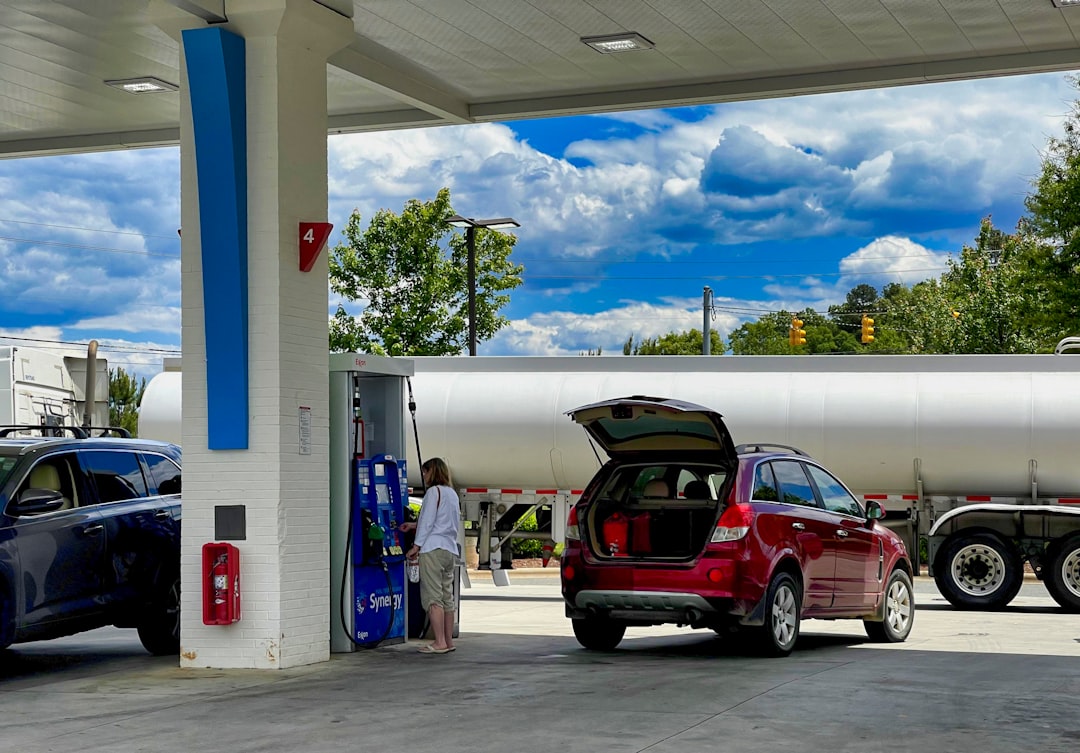
Let’s be honest: the chicken-and-egg problem has plagued hydrogen mobility for years. Nobody buys FCEVs without stations; nobody builds stations without FCEVs. In 2026, though, we’re starting to see genuine momentum from government-backed infrastructure programs breaking that deadlock.
South Korea now operates over 420 public hydrogen refueling stations, up from roughly 310 in early 2025. The H2Korea consortium — a public-private partnership — has been deploying stations at highway rest stops at a rate of about 8–10 per month. Japan’s H2 Nippon network crossed 180 stations with a target of 1,000 by 2030. Germany’s H2 Mobility network sits at around 120 operational stations across the country, with a significant scale-up planned under the EU’s Alternative Fuels Infrastructure Regulation (AFIR) framework.
The engineering challenge that’s been quietly solved — or at least substantially improved — is station reliability and throughput. Early hydrogen stations had painful downtime rates, often 20–30%. Modern high-pressure dispensing systems (700 bar), particularly those using ionic compressors from companies like PDC Machines and Linde Engineering, are now achieving uptime rates above 90% at well-maintained sites. That’s the kind of figure that changes operator calculus.
How Today’s Fuel Cell Stacks Actually Work (And Why It Matters)
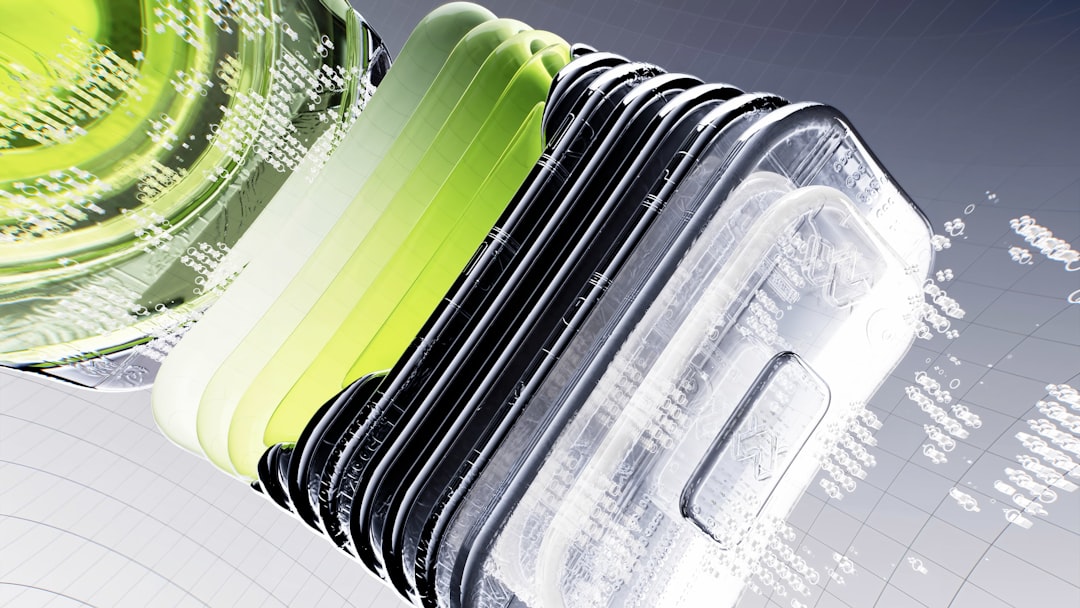
For readers who are newer to the technology: a PEM (Proton Exchange Membrane) fuel cell stack combines hydrogen gas with oxygen from the air, producing electricity, water, and heat. No combustion, no particulates, just electrochemistry. The stack output powers an electric motor — so the drive experience is essentially identical to a battery EV, smooth and instant torque.
The engineering war story worth telling here involves membrane durability. Early stacks degraded significantly after 3,000–5,000 hours of operation — fine for stationary applications, problematic for vehicles. By 2026, Toyota’s latest stack used in the third-gen Mirai and in their heavy-duty fuel cell modules targets 30,000 hours of durable operation — aligned with commercial truck lifecycles. Hyundai’s HTWO platform, now powering the XCIENT Fuel Cell truck variant sold in Switzerland and expanding into Southeast Asia, has logged over 10 million km collectively across its deployed fleet.
One nuance engineers obsess over: cold-start performance. Water produced inside the stack freezes in sub-zero conditions, and historically this caused slow or failed starts. Modern thermal management systems using phase-change materials and improved purge algorithms have reduced cold-start time at -20°C to under 30 seconds in production vehicles. That’s actually competitive with diesel in cold climates — something worth noting for Nordic and Canadian markets.
The Cost Equation in 2026: Still the Elephant in the Room
I won’t sugarcoat it — hydrogen remains expensive compared to grid electricity for passenger use cases. Retail hydrogen prices at South Korean public stations average around ₩8,500–9,200 per kg in 2026 (roughly $6.20–$6.70 USD/kg after recent exchange rate fluctuations). At roughly 0.9 kg/100 km for a mid-size FCEV sedan, that’s a fuel cost of about $5.50–$6.00 per 100 km. It’s cheaper than gasoline at current Korean pump prices, but notably pricier than home-charged BEV electricity.
For commercial trucks, though, the math shifts. Hydrogen trucks can refuel 25–30 kg in under 15 minutes, while comparable BEV trucks require megawatt-scale chargers and 45–90 minutes minimum. Operational cost-per-kilometer for long-haul hydrogen trucks in Germany (using green hydrogen from dedicated fleet supply contracts) is now tracking within 15–20% of diesel — a gap industry analysts at Wood Mackenzie expect to close by 2028–2029 as electrolysis costs continue falling.
Brand-by-Brand Snapshot: Who’s Leading in 2026?
Let’s look at what the major players are actually shipping, not just announcing:
- Toyota (Japan): Third-gen Mirai in production; FC module licensing strategy expanding — partnering with Hino for trucks, Yamaha for marine applications. The Mirai 3 starts at roughly $52,000 USD before incentives.
- Hyundai Motor Group (South Korea): XCIENT Fuel Cell truck in commercial operation across 6 countries; Nexo SUV successor (internally codenamed “Nexo 2”) expected in late 2026 with 800 km range and next-gen HTWO stack.
- Daimler Truck / Cellcentric: GenH2 Truck pilots ongoing with plans for series production launch in 2027; Cellcentric (JV with Volvo Group) commissioning a major stack manufacturing plant in Weilheim, Germany.
- SAIC / SINOTRUK (China): Dominant in domestic Chinese hydrogen truck market; SAIC’s Hongyan brand deploying hydrogen tractors at scale in logistics hubs.
- Nikola (USA): After restructuring challenges, the Tre FCEV variant is seeing modest fleet sales in California and Arizona with dedicated fuel supply partnerships.
Realistic Challenges That Still Need Engineering Solutions
Being a practicing engineer means being honest about what isn’t working yet. A few real friction points in 2026:
- Green hydrogen supply chain: The majority of hydrogen still comes from steam methane reforming (grey hydrogen). True well-to-wheel emissions benefits require green hydrogen (from renewable electrolysis), which currently accounts for less than 8% of global hydrogen production. Scale-up is happening — the European Hydrogen Bank’s first auction rounds closed in 2025 — but it’s still nascent.
- Platinum group metal (PGM) dependency: Platinum loading in PEM stacks has dropped dramatically (from ~0.8 mg/cm² in early 2010s to below 0.1 mg/cm² today), but complete PGM-free catalysts for automotive-grade performance remain in research-stage. Supply concentration risk persists.
- Public perception gap: “Hydrogen is explosive” fears — largely overblown for properly engineered systems — continue to slow community acceptance of refueling stations, particularly in dense urban areas.
What Should You Actually Do in 2026?
If you’re an individual consumer thinking about an FCEV, here’s a grounded take: in markets with robust infrastructure (Seoul metro area, Tokyo, select California corridors, Munich/Hamburg in Germany), an FCEV makes genuine sense today — especially if you drive high mileage and value the fast-refuel convenience. Outside those zones, a plug-in hybrid or BEV likely still wins on practicality.
If you’re a fleet operator — logistics, transit, construction — hydrogen deserves serious evaluation right now, particularly for applications where vehicles run 600+ km daily or operate in cold climates where BEV range degradation is a real operational concern. The TCO math is genuinely competitive in those niches.
And if you’re in the energy or policy space? The window to shape hydrogen infrastructure decisions is open right now. The corridors being built in 2026 will define market geography for the next 15 years.
Editor’s Comment : Hydrogen fuel cell vehicles aren’t the silver bullet some boosters claim, nor are they the dead end that BEV maximalists sometimes insist. What 2026 is actually revealing is that hydrogen earns its place in specific use cases — heavy commercial, long-haul, cold-climate — while the passenger car market will probably remain BEV-dominant for the next decade. The honest engineer’s take? Watch the green hydrogen production curve. If electrolysis costs hit the $1.50/kg target that BloombergNEF models by 2030, the entire conversation shifts dramatically. That’s the real variable to track.
📚 관련된 다른 글도 읽어 보세요
- Hydrogen Fuel Cell vs. Battery Electric Vehicles in 2026: Which One Actually Wins?
- 탄소중립 실현의 열쇠, 그린 수소가 2026년 에너지 판도를 바꾸는 이유
- Home Fuel Cell Systems in 2026: Why Your Neighbor’s House Might Soon Generate Its Own Electricity
태그: hydrogen fuel cell vehicles 2026, FCEV commercialization, hydrogen car market, fuel cell technology, hydrogen infrastructure, green hydrogen, FCEV vs BEV
Leave a Reply