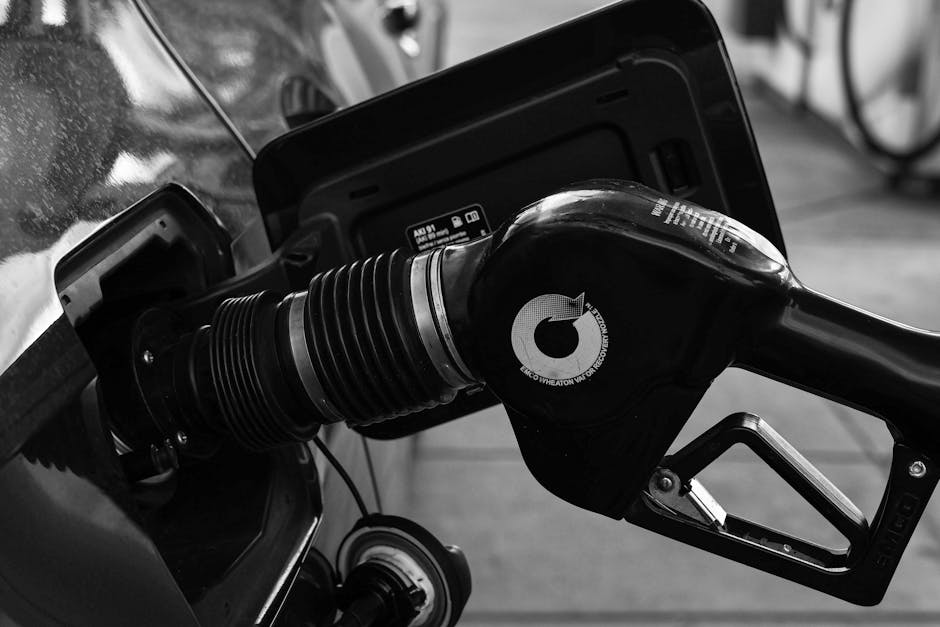
Picture this: it’s a crisp Tuesday morning, and you pull into a hydrogen refueling station, top off your tank in about four minutes flat, and drive away with a range of over 400 miles — zero tailpipe emissions, just water vapor drifting into the air. Sounds like a sci-fi dream? In 2026, that scenario is quietly becoming an everyday reality for a growing number of drivers across Asia, Europe, and North America. And yet, hydrogen fuel cell vehicles (FCEVs) still feel like the “almost” technology — perpetually on the verge of breaking through. So let’s think through this together: what’s actually changed, what’s still holding things back, and what does this mean for you as a consumer?
📊 Where the Numbers Stand in 2026
Let’s ground ourselves in some data first. As of early 2026, global FCEV registrations have crossed the 1.2 million cumulative unit mark — a notable leap from the roughly 70,000 units on the road just five years ago. That sounds impressive until you compare it to the 40+ million battery electric vehicles (BEVs) currently in circulation worldwide. So FCEVs are growing fast in percentage terms, but they’re still a niche player by absolute numbers.
What’s driving the growth? A few key catalysts are worth breaking down:
- Green hydrogen cost reductions: The cost of producing green hydrogen (made via electrolysis powered by renewables) has dropped to around $3.50–$4.50 per kilogram in leading markets, down from nearly $8/kg in 2021. We’re not at the $2/kg “holy grail” yet, but the trajectory is encouraging.
- Stack efficiency improvements: Modern fuel cell stacks from manufacturers like Toyota, Hyundai, and emerging Chinese players are achieving 60–65% energy conversion efficiency, up significantly from earlier generations.
- Government hydrogen roadmaps: The EU’s Hydrogen Strategy, South Korea’s Hydrogen Economy Roadmap, and the U.S. Department of Energy’s H2Hubs program (now in full operational phase as of 2026) are pouring billions into infrastructure and subsidies.
- Heavy-duty transport adoption: Trucks, buses, and trains are adopting hydrogen far faster than passenger cars — and that infrastructure is beginning to benefit personal vehicles by association.
🌍 Real-World Examples: Who’s Leading the Charge?
Let’s look at what’s actually happening on the ground, because the story varies dramatically depending on where you are in the world.
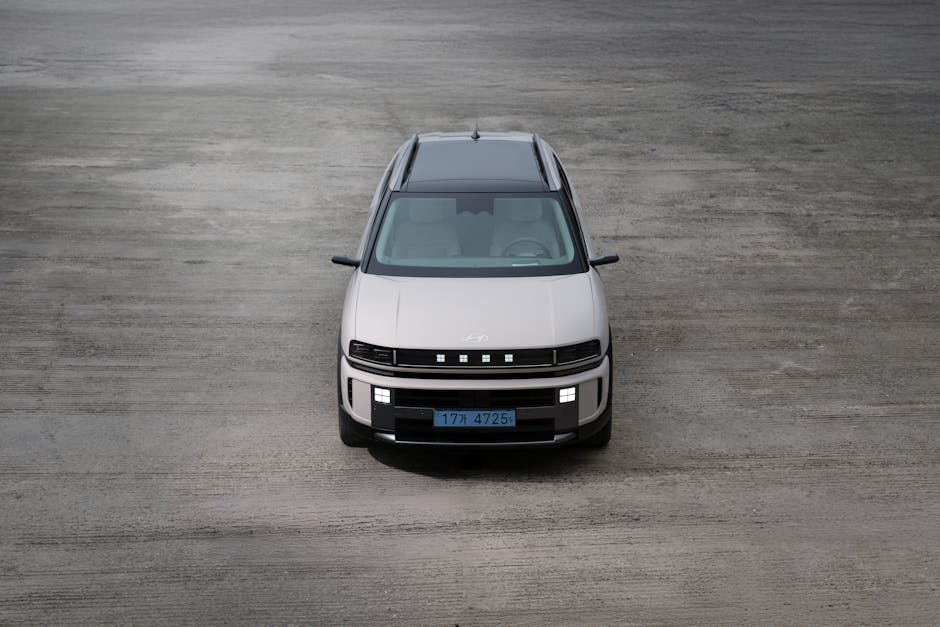
South Korea remains arguably the most aggressive FCEV adopter per capita. Hyundai’s NEXO — now in its second major generation — accounts for a significant chunk of FCEVs on Korean roads. The South Korean government has subsidized over 30,000 hydrogen-powered buses operating in major cities as of early 2026, and the national hydrogen refueling network has expanded to over 400 stations nationwide. The country is essentially using itself as a live testing ground for a hydrogen economy.
Japan continues to back hydrogen with almost philosophical commitment. Toyota’s Mirai (3rd generation) launched in late 2025 with an extended range of around 450 miles (720 km) and a sleeker, more competitive price point closer to ¥7 million (roughly $47,000 USD). Honda re-entered the FCEV space with its CR-V hydrogen variant, which has been well-received for blending plug-in hybrid flexibility with fuel cell technology — a clever hedge that gives drivers optionality.
Germany and the EU have made meaningful strides, particularly in the commercial vehicle space. The Rhine-Ruhr hydrogen corridor now connects major logistics hubs with high-capacity refueling infrastructure. BMW’s iX5 Hydrogen, after years of limited trials, entered a broader commercial rollout in select European markets in mid-2025 — and early reviews suggest it’s genuinely competitive with premium BEVs on driving experience.
China is the wildcard. With over 200 hydrogen refueling stations operational and aggressive state-backed production targets, Chinese automakers like SAIC, GAC, and a cluster of startups are flooding their domestic market with FCEVs — primarily commercial vehicles and buses for now, but passenger car models are accelerating in development.
The United States tells a more complicated story. California still hosts the majority of U.S. hydrogen stations (~80+ as of 2026), but the collapse of several early retail hydrogen suppliers created a trust gap with consumers that the market is still recovering from. The H2Hubs program is channeling federal investment into regional clusters, which should produce visible infrastructure results by 2027–2028.
⚡ FCEV vs. BEV: Stop Treating It as a War
Here’s a framing shift worth making: the most productive way to think about hydrogen versus battery electric isn’t as a competition, but as a complementary ecosystem serving different use cases. Let’s reason through this practically:
- Long-haul, high-utilization driving: FCEVs shine here. A taxi driver doing 300+ miles daily, or a family doing frequent cross-country road trips, benefits enormously from the 4-minute refuel versus a 20–45 minute DC fast charge.
- Urban commuters with home charging: BEVs are likely still the more practical and cost-effective choice. If you plug in every night and rarely exceed 150 miles daily, the BEV total cost of ownership is hard to beat right now.
- Apartment dwellers without home charging: This is actually a scenario where FCEVs become interesting again — hydrogen pumps like gas pumps, so you don’t need a dedicated home charger.
- Cold climate performance: Fuel cells degrade less dramatically in extreme cold compared to lithium-ion batteries, giving FCEVs a real-world advantage in Scandinavian, Canadian, or high-altitude environments.
🚧 The Honest Challenges Still on the Table
Being a fair-minded analyst means acknowledging the real friction points. Hydrogen infrastructure is still sparse in most of the world — if you don’t live in South Korea, Japan, California, or parts of Germany, your nearest hydrogen station might be 100+ miles away. That’s a dealbreaker for most buyers, full stop.
Fuel costs also remain higher than electricity in most markets. Even at $4/kg hydrogen, fueling an FCEV typically costs the equivalent of $0.12–$0.16 per mile, compared to $0.03–$0.07 per mile for a BEV charged at home. That gap matters over a vehicle’s lifetime.
And then there’s the “green” question. Roughly 95% of hydrogen produced today is still “grey hydrogen” — derived from natural gas via steam methane reforming. Green hydrogen (electrolysis from renewables) is growing but still represents a minority of supply. An FCEV running on grey hydrogen has a carbon footprint that’s competitive with a hybrid car, but not dramatically better. The environmental promise of FCEVs is fully realized only when the hydrogen supply chain greens up — and that’s a medium-term project, not an immediate reality.
🔮 Realistic Outlook: What to Expect by 2028
Here’s my honest read on the trajectory: FCEVs are more likely to become the dominant technology in commercial transport, fleet vehicles, and heavy industry before they win in the personal passenger car market. The economics and infrastructure demands align better there. For personal vehicles, I’d expect FCEVs to carve out a meaningful niche — maybe 5–8% of new clean vehicle sales in leading hydrogen markets by 2028 — rather than overtake BEVs wholesale.
The most exciting development to watch is the multi-energy vehicle approach (like Honda’s CR-V hydrogen model) that integrates fuel cell and battery technology. These vehicles hedge the infrastructure risk brilliantly and may be the pragmatic bridge that actually moves the needle for everyday consumers.
💡 Realistic Alternatives for Today’s Buyer
If you’re genuinely excited about hydrogen but your local infrastructure isn’t there yet, here are some sensible paths forward:
- Wait and watch strategy: If you’re due for a car purchase in 2026 but live outside a hydrogen hub, a plug-in hybrid (PHEV) gives you the best of both worlds while infrastructure matures. Look at the Toyota RAV4 Prime, Hyundai Tucson PHEV, or BMW X5 xDrive50e.
- Lease, don’t buy: If you’re in a hydrogen-accessible market (Southern California, Tokyo, Seoul, select EU cities), leasing a NEXO or Mirai rather than buying gives you the technology experience without long-term infrastructure risk. Many manufacturers include free hydrogen fuel in lease deals — a significant cost offset.
- Follow the fleet: Keep an eye on whether your employer, municipality, or local transport authority is adopting hydrogen buses or fleet vehicles. Infrastructure follows commercial demand — where buses go, retail stations often follow.
- BEV with a long-range focus: If you need a decision today and hydrogen isn’t available, a BEV with 300+ mile range (Tesla Model 3 Long Range, Hyundai IONIQ 6, BMW i5) gives you flexibility while minimizing range anxiety.
Hydrogen fuel cell vehicles in 2026 are genuinely impressive machines — cleaner, quicker to refuel, and increasingly refined. But they exist in a world where infrastructure reality still lags behind the technology’s potential. The story isn’t over; in many ways, it’s just getting interesting. The smartest move is to stay informed, know your specific use case, and resist the urge to pick a “side” in the hydrogen vs. electric debate — because the market, wisely, isn’t picking just one either.
Editor’s Comment : What strikes me most about the hydrogen story in 2026 is that it’s stopped being theoretical. Real people in Seoul, Tokyo, and Munich are genuinely living with these vehicles day-to-day, and by most accounts, loving them. The remaining challenges are logistical and economic — not technological. That shift matters. When the barriers are infrastructure and cost curves rather than fundamental physics, history tells us those barriers tend to fall. I wouldn’t bet against hydrogen. I’d just be patient about when.
태그: [‘hydrogen fuel cell vehicles 2026’, ‘FCEV vs BEV’, ‘green hydrogen technology’, ‘Toyota Mirai 2026’, ‘Hyundai NEXO’, ‘clean energy vehicles’, ‘hydrogen infrastructure’]
Leave a Reply