Picture this: it’s a crisp Tuesday morning in Rotterdam, and instead of the familiar haze of sulfur dioxide hanging over the industrial port, the air smells almost clean. That’s not a fantasy — it’s a glimpse of what hydrogen-powered energy infrastructure is beginning to deliver right now, in 2026. But how much of that clean-air promise is genuinely grounded in carbon neutrality science, and how much is still ambitious marketing? Let’s think through this together, carefully and honestly.
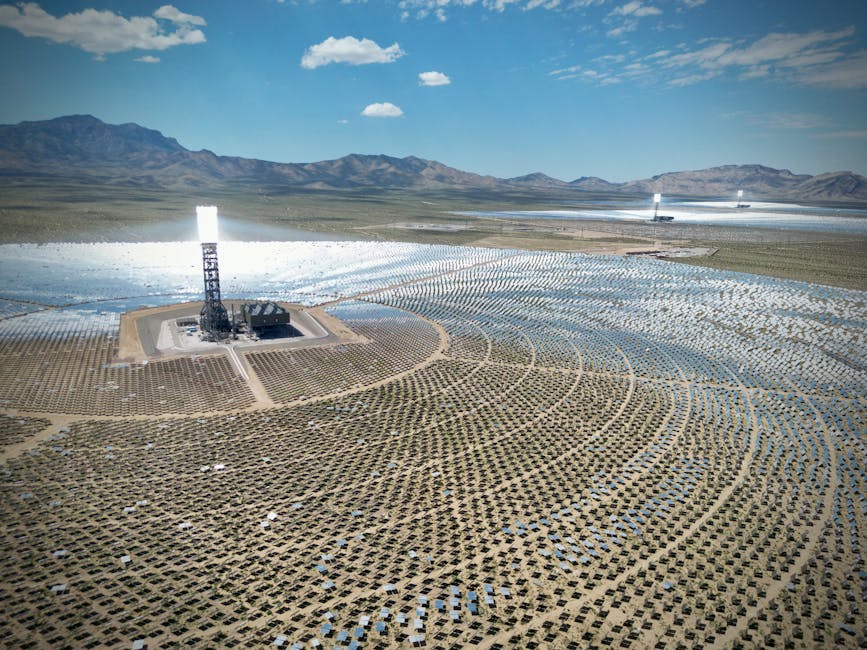
What Exactly Is a Hydrogen Power Plant, and Why Does It Matter for Carbon Neutrality?
A hydrogen power plant generates electricity by either combusting hydrogen fuel in gas turbines or running hydrogen through fuel cells to produce power electrochemically. The key selling point? When hydrogen burns or reacts in a fuel cell, the primary byproduct is water vapor — not CO₂. On paper, that sounds like the holy grail of carbon-free energy generation.
But here’s where we need to put our critical thinking hats on: the carbon neutrality of a hydrogen power plant is almost entirely dependent on how that hydrogen was produced in the first place. This is the concept of hydrogen’s “color spectrum” — green, blue, grey, and beyond — and it’s the single most important variable in the entire equation.
- Green Hydrogen: Produced via electrolysis powered by renewable energy (solar, wind). Near-zero carbon footprint. Currently accounts for roughly 4–6% of global hydrogen production as of early 2026.
- Blue Hydrogen: Derived from natural gas with carbon capture and storage (CCS) technology. Reduces CO₂ by 60–90% compared to grey, but methane leakage remains a concern.
- Grey Hydrogen: Produced from natural gas without CCS. Responsible for approximately 830 million tonnes of CO₂ annually — the dominant form today at roughly 70% of production.
- Pink/Red Hydrogen: Produced using nuclear energy for electrolysis. Gaining traction in France and South Korea in 2026 as a bridge strategy.
- Turquoise Hydrogen: Via methane pyrolysis, producing solid carbon instead of CO₂ gas. Still in early commercial scaling phases.
Breaking Down the Numbers: Real Carbon Reduction Data
Let’s get specific, because vague claims help no one. According to the International Energy Agency (IEA) Hydrogen Tracker 2026 report, global hydrogen-based power generation capacity has reached approximately 18 GW, up from just 3.2 GW in 2022. That’s impressive growth, but context is everything.
A 100 MW green hydrogen power plant operating at a 45% capacity factor can displace roughly 280,000 tonnes of CO₂ per year compared to a natural gas plant of equivalent output. That’s the equivalent of taking about 60,000 cars off the road annually. Scaled to the 18 GW currently online globally (assuming a conservative 30% green hydrogen mix), we’re looking at a real-world annual displacement of approximately 150–180 million tonnes of CO₂ — meaningful, but representing less than 0.5% of global annual emissions (~37 billion tonnes in 2025).
The honest takeaway? Hydrogen power plants are a genuinely impactful tool, but they are one piece of a much larger puzzle, not a silver bullet.
Where Hydrogen Power Genuinely Shines: Hard-to-Decarbonize Sectors
Here’s where I think the real excitement should be focused. Hydrogen power plants aren’t necessarily competing with solar panels on a rooftop — they’re filling gaps that other clean technologies structurally cannot. Think about:
- Grid stability and baseload power: Unlike solar and wind, hydrogen can be stored and dispatched on demand, addressing intermittency — a core challenge of 2026’s renewable-heavy grids.
- Industrial process heat: Steel mills, cement plants, and chemical facilities need extremely high temperatures. Hydrogen combustion can reach those thresholds; electricity alone often cannot cost-effectively.
- Remote and island grids: Where running transmission lines is economically or geographically impractical, localized hydrogen generation and storage systems offer carbon-neutral baseload options.
- Seasonal energy storage: Excess summer solar can be converted to hydrogen and stored for winter peak demand — a concept now being commercially piloted in Scandinavia and Japan.
Global and Domestic Examples Worth Watching in 2026
South Korea — Boryeong Hydrogen Power Complex: South Korea’s Boryeong complex, which began phased commercial operations in late 2024 and reached full capacity in 2025, now operates as one of Asia’s largest hydrogen-ammonia co-fired power facilities at 500 MW. The facility blends up to 20% green ammonia (a hydrogen carrier) with natural gas, targeting a 15% CO₂ reduction from its baseline coal equivalent. Seoul has committed to scaling this blending ratio to 50% by 2028 under its Hydrogen Economy Roadmap 3.0.
Germany — Hamburg Green Hydrogen Hub: Hamburg’s industrial port district has been systematically replacing natural gas in its combined heat and power (CHP) plants with locally electrolyze green hydrogen. By Q1 2026, the cluster has achieved verified CO₂ reductions of 1.2 million tonnes annually, powered by offshore North Sea wind. This is arguably the most tightly documented urban-scale success story in the world right now.
Australia — Pilbara Hydrogen Export Project: Western Australia’s Pilbara region is exporting green hydrogen to Japan as liquid ammonia, feeding directly into Kobe City’s hydrogen power plant network. The supply chain transparency here is noteworthy — the project uses blockchain-based carbon accounting to verify well-to-wire emissions, a model that analysts are calling a template for international green hydrogen trade.
United States — Texas Gulf Coast H2Hub: Backed by the U.S. Department of Energy’s Regional Clean Hydrogen Hub initiative, the Gulf Coast H2Hub became operational in phases through 2025–2026, combining blue hydrogen (with CCS) and growing green hydrogen capacity. It feeds power plants serving approximately 400,000 homes while simultaneously supplying industrial users, demonstrating integrated grid-industrial hydrogen ecosystems at scale.
The Realistic Challenges We Can’t Gloss Over
Being intellectually honest here matters. Hydrogen power plants face three structural challenges that temper enthusiasm:
- Energy efficiency losses: The round-trip efficiency of green hydrogen (electricity → electrolysis → storage → fuel cell/combustion → electricity) sits at roughly 25–40%. Direct battery storage achieves 85–95%. This means hydrogen power makes sense for long-duration storage and specific industrial applications, not as a blanket electricity storage medium.
- Cost competitiveness: Green hydrogen production costs have dropped dramatically — from ~$5.50/kg in 2022 to approximately $2.80–3.20/kg in 2026 in optimal locations — but still need to reach roughly $1.50/kg to be broadly cost-competitive with natural gas for power generation without subsidies.
- Infrastructure buildout: Hydrogen embrittlement of pipelines, compression and liquefaction logistics, and safety regulations for high-pressure hydrogen storage all require significant capital and regulatory coordination that takes years to develop properly.
Realistic Alternatives and Complementary Strategies
So what should energy planners, policymakers, and even engaged citizens be thinking about right now? Rather than betting everything on hydrogen, the smartest frameworks we’re seeing globally in 2026 treat hydrogen as part of a complementary portfolio:
- Prioritize direct electrification first: For heating, transportation, and light industry, direct electrification with renewables is almost always more efficient than hydrogen pathways. Reserve hydrogen for sectors where direct electrification genuinely doesn’t work.
- Invest in green hydrogen production infrastructure now: The electrolyzer manufacturing learning curve is real. Countries building capacity today will benefit from dramatically lower costs by 2030–2035.
- Support blue hydrogen as a transitional bridge: It’s not perfect, but properly monitored CCS-based blue hydrogen can deliver 70–85% carbon reductions while green hydrogen scales — particularly important for keeping industrial hydrogen users from defaulting back to grey hydrogen.
- Demand transparent carbon accounting: The Hamburg and Pilbara models show that verifiable, granular emissions tracking is achievable. Consumers and regulators should insist on it before accepting “carbon neutral” energy claims at face value.
- Explore ammonia as a hydrogen carrier: For long-distance transport and marine fuel applications, green ammonia sidesteps many of hydrogen’s logistics challenges and is already powering vessels and co-firing in power plants today.
The bottom line is nuanced but genuinely optimistic: hydrogen power plants are a legitimate and increasingly significant contributor to carbon neutrality goals in 2026, particularly in hard-to-decarbonize sectors and for grid flexibility. The global trajectory — from 3 GW to 18 GW in four years, with costs falling and green hydrogen’s share rising — suggests we’re past the “proof of concept” phase and entering meaningful scale. But the carbon math only works cleanly when the hydrogen itself is clean, and that requires continued, honest investment in the upstream production side of the equation.
Editor’s Comment : What excites me most about this space in 2026 isn’t any single plant or project — it’s watching the accountability infrastructure catch up with the ambition. The shift toward blockchain-verified, well-to-wire carbon accounting (like we see in the Pilbara project) means we’re moving away from trusting labels and toward trusting data. That’s the kind of progress that actually sticks. If you’re following the energy transition, keep one eye on the hydrogen production mix, not just the power plant headlines — that upstream number will tell you more about real climate impact than almost anything else.
태그: [‘hydrogen power plant carbon neutrality’, ‘green hydrogen 2026’, ‘hydrogen energy carbon reduction’, ‘clean energy transition’, ‘hydrogen vs renewable energy’, ‘carbon neutral electricity generation’, ‘green hydrogen investment strategy’]
Leave a Reply