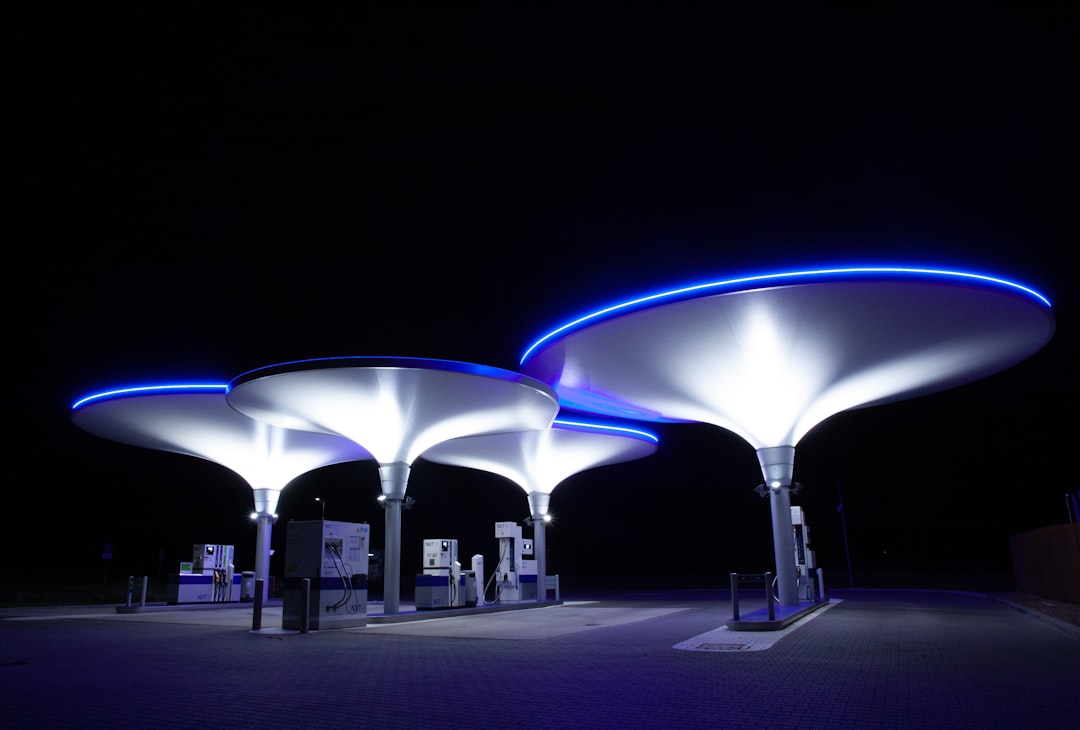
Picture this: It’s a crisp morning, and you pull into a hydrogen fueling station, top off your fuel cell vehicle in about five minutes, and drive off emitting nothing but water vapor. Sounds like a dream scenario, right? Well, in 2026, that dream is closer than ever — but it’s still bumping up against some very stubborn walls. I’ve been following the hydrogen energy transition closely, and honestly, the more I dig in, the more I realize how layered and complicated this shift really is. Let’s think through it together.
Why Hydrogen? A Quick Refresher on the Promise
Before we get into the friction points, let’s acknowledge what makes hydrogen so exciting. Hydrogen (H₂) is the most abundant element in the universe. When used in a fuel cell — a device that converts chemical energy directly into electricity — it produces zero carbon emissions at the point of use. For heavy industries like steel manufacturing, shipping, and aviation, where battery electrification simply isn’t practical, hydrogen represents a genuinely viable decarbonization pathway. The International Energy Agency (IEA) projected in its 2026 Global Hydrogen Review that demand for low-emission hydrogen could reach 38 million tonnes per year by 2030 if current policy momentum holds. That’s a staggering jump from where we are today.
The Color-Coding Problem: Not All Hydrogen Is Created Equal
Here’s where things get a little tricky — and this is something most casual readers miss entirely. The hydrogen industry uses a color-coding system to describe how hydrogen is produced:
- Green Hydrogen: Produced via electrolysis powered by renewable energy. Zero-emission, but currently the most expensive option.
- Blue Hydrogen: Derived from natural gas with carbon capture and storage (CCS). Lower emissions, but still fossil-fuel dependent.
- Grey Hydrogen: Made from natural gas without CCS. The cheapest and most common — but also the dirtiest. Responsible for roughly 830 million tonnes of CO₂ annually worldwide.
- Pink Hydrogen: Produced using nuclear energy. Increasingly discussed in Europe and Japan as a bridge solution.
The uncomfortable truth in 2026? Over 95% of global hydrogen production is still grey or blue. The “hydrogen economy” narrative has largely outpaced the green hydrogen reality. We’re essentially talking about a fuel that, at scale, is still mostly a fossil fuel derivative.
The Cost Barrier: Green Hydrogen Is Still Eye-Wateringly Expensive
Let’s talk numbers, because this is where the rubber really meets the road. As of early 2026, green hydrogen production costs hover between $4–$7 per kilogram in most markets, though leading producers in sun-rich regions like Chile and Saudi Arabia have pushed costs down to around $2.50–$3.50/kg. Compare that to grey hydrogen at roughly $1–$2/kg, and you start to see the competitive gap. Analysts generally agree that green hydrogen needs to hit the “$1/kg” target — sometimes called the “Hydrogen 1-1-1” benchmark (1 dollar, 1 kilogram, 1 decade) — to be truly competitive. We’re not there yet. The electrolyzer technology (the machinery that splits water into hydrogen and oxygen using electricity) is improving rapidly, but manufacturing scale still lags demand projections significantly.
Infrastructure: The Chicken-and-Egg Dilemma
Even if we solve the cost problem tomorrow, we’d still face a massive infrastructure gap. Hydrogen is notoriously difficult to store and transport. It has a very low energy density by volume, which means you need either extremely high pressure (700 bar for vehicle tanks) or cryogenic temperatures (-253°C in liquid form) to move it efficiently. Building out pipelines, storage facilities, and fueling stations requires enormous capital investment — and private investors are hesitant to commit until there’s sufficient demand. But demand won’t grow without infrastructure. It’s a classic chicken-and-egg problem that requires coordinated government-industry action to break.
Global Examples: What’s Working and What’s Not
South Korea’s Bold Bet: South Korea has been one of the most aggressive proponents of the hydrogen economy. The country’s “Hydrogen Economy Roadmap” aims to deploy 30,000 hydrogen buses and 200,000 hydrogen taxis by 2040. In 2026, Hyundai’s NEXO fuel cell SUV remains one of the world’s top-selling hydrogen vehicles, and the country has built over 300 hydrogen refueling stations nationally. Yet even here, challenges persist — grid dependency on fossil fuels means the electricity powering electrolyzers isn’t always clean, undermining the environmental math.
Germany’s H2 Strategy: Germany committed €9 billion to its National Hydrogen Strategy and has been actively developing import corridors from North Africa and Australia. The “HyPipe Bavaria” project — a regional hydrogen pipeline network — broke ground in 2025 and is now in early operational testing. However, industrial uptake has been slower than expected, partly due to high energy prices and regulatory complexity.
Australia’s Export Ambitions: Australia is positioning itself as a global green hydrogen exporter, leveraging its abundant solar and wind resources. The Asian Renewable Energy Hub in Western Australia remains one of the world’s most ambitious renewable-to-hydrogen projects, though permitting delays and Indigenous land rights negotiations have pushed timelines back repeatedly.
Japan’s Pragmatic Pivot: Japan, facing its own energy security concerns, has doubled down on hydrogen — including ammonia co-firing in thermal power plants as a transitional measure. Critics argue this approach delays true decarbonization, while proponents see it as a realistic bridge technology given Japan’s grid constraints.
Safety, Regulation, and Public Perception
Hydrogen is highly flammable and leaks easily through most conventional materials — it’s literally the smallest molecule in existence. While hydrogen infrastructure can absolutely be made safe (it’s been used industrially for decades), public perception remains a hurdle. The word “hydrogen” still triggers associations with the Hindenburg disaster for many people, even though modern fuel cell systems bear zero resemblance to that scenario. Building public trust requires transparent communication and robust regulatory frameworks, both of which are still catching up to the technology in most jurisdictions.
Realistic Alternatives and Pathways Forward
So if the full “hydrogen society” vision is still years away, what should we actually be doing right now? Here’s how I’d frame the realistic roadmap:
- Prioritize hard-to-abate sectors first. Rather than pushing hydrogen into passenger vehicles (where batteries are often more efficient), focus initial hydrogen deployment on steelmaking, cement production, maritime shipping, and long-haul aviation — sectors where alternatives simply don’t work well.
- Scale electrolyzer manufacturing aggressively. Cost reductions in green hydrogen production are directly tied to manufacturing volume. Policy incentives like the U.S. Inflation Reduction Act’s hydrogen production tax credits (still operational in 2026) are critical levers.
- Invest in hydrogen-ready infrastructure in parallel. New industrial zones and port facilities should be built hydrogen-compatible from the start, rather than retrofitting later at enormous cost.
- Don’t abandon electrification. Hydrogen and batteries aren’t necessarily competitors — they serve different use cases. A smart energy transition uses both intelligently rather than betting everything on one horse.
- Strengthen international trade frameworks. Countries with renewable energy surplus need clear, fair trading mechanisms with energy-importing nations to make green hydrogen export economically viable.
The hydrogen society isn’t a fantasy — it’s a direction. But getting there requires us to be honest about the gap between aspiration and current reality, and to make smart, staged investments rather than grand proclamations. The transition is genuinely happening, just slower and messier than the promotional materials suggest. And honestly? That’s okay. Most meaningful infrastructure shifts in history — electrification, telecommunications, the internet — took decades to mature. Hydrogen is no different.
Editor’s Comment : What excites me most about the hydrogen conversation in 2026 isn’t any single breakthrough — it’s the growing maturity of the debate. We’re moving past the hype cycle into serious, data-driven problem-solving. If you’re a policymaker, investor, or just a curious citizen, the best thing you can do is resist the binary thinking of “hydrogen will save us” vs. “hydrogen is a scam.” The reality, as always, lives in the nuanced middle — and that’s exactly where the most interesting work is being done.
태그: [‘hydrogen energy 2026’, ‘green hydrogen challenges’, ‘fuel cell technology’, ‘hydrogen economy transition’, ‘clean energy future’, ‘hydrogen infrastructure problems’, ‘renewable energy alternatives’]
Leave a Reply